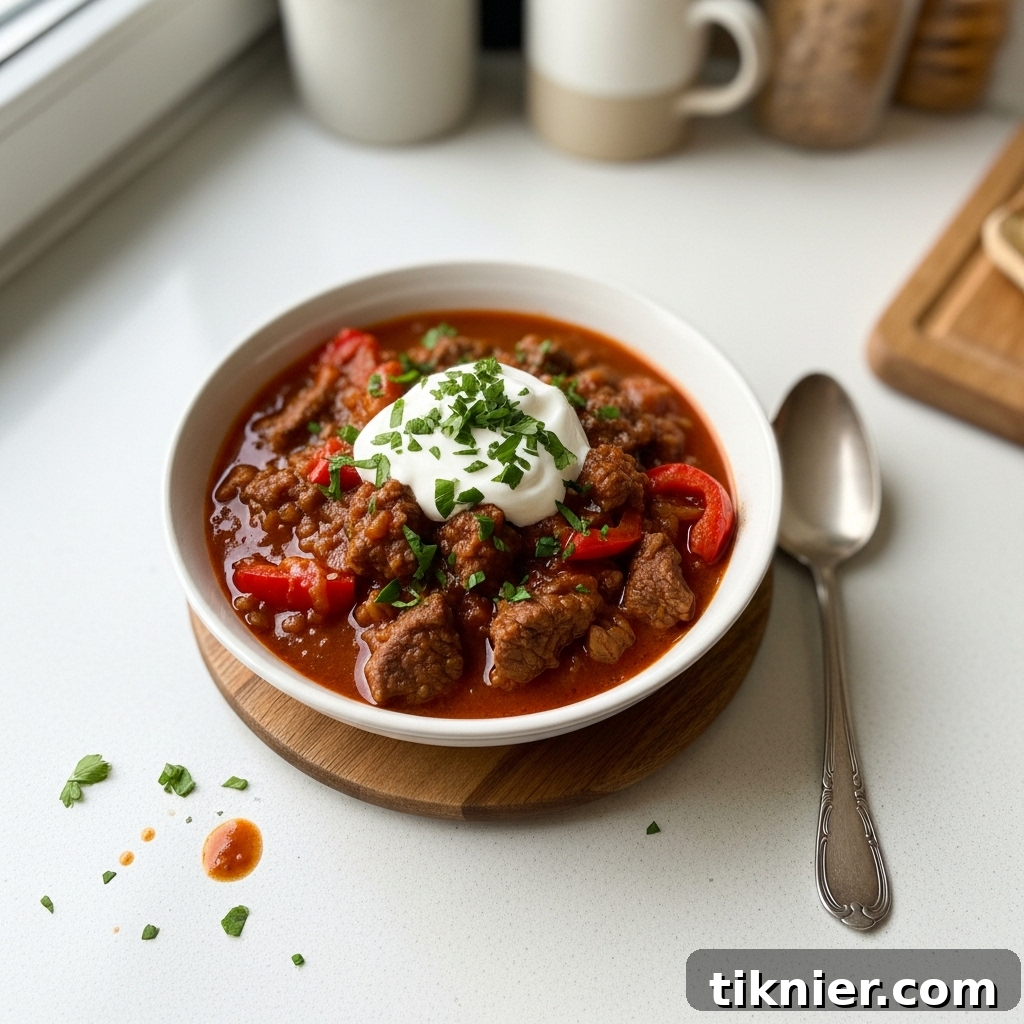
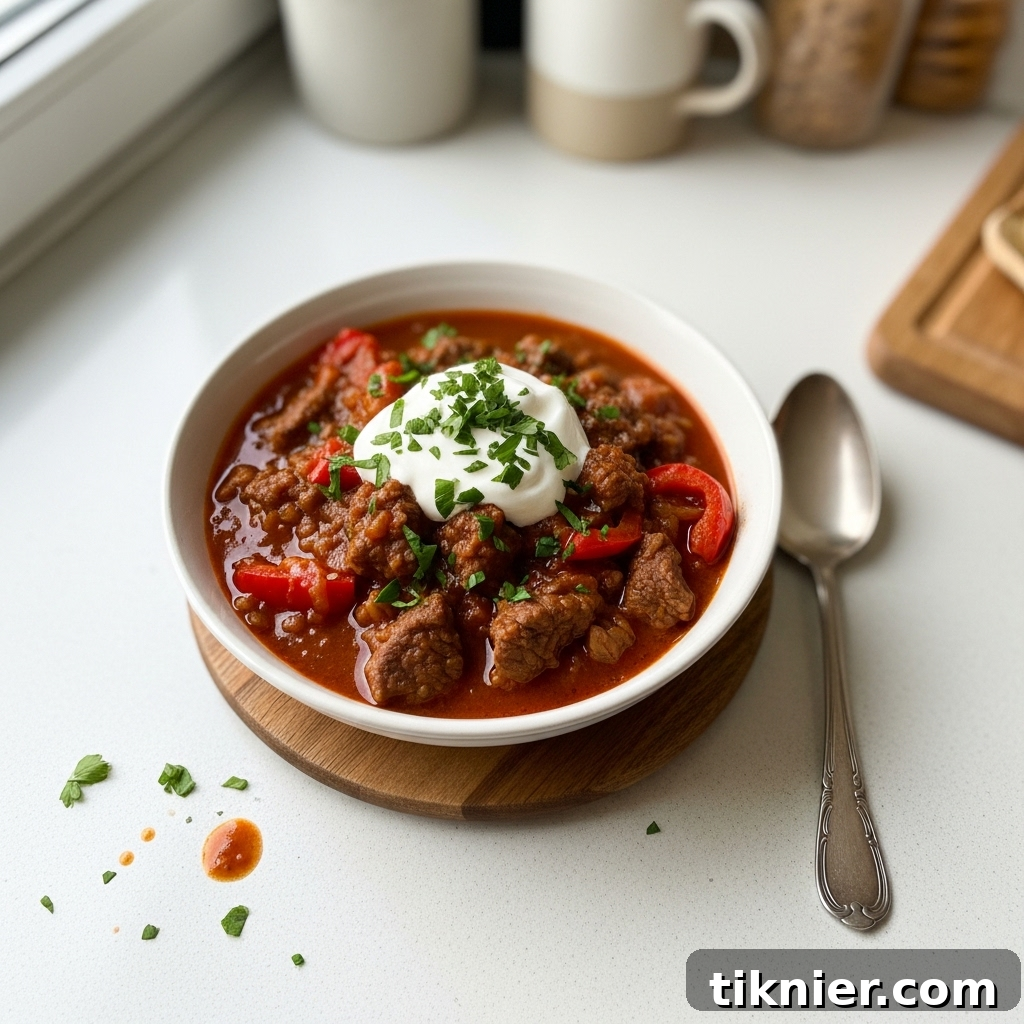
The Ultimate Comfort: My Unforgettable Beef Goulash Recipe
There are some culinary creations that transcend mere sustenance, offering a profound sense of warmth, nostalgia, and pure comfort. For me, that ultimate embrace in a bowl has always been a perfectly crafted beef goulash. This isn’t just any goulash recipe; it’s the culmination of years of passionate tweaking, a culinary journey that transformed a classic Hungarian dish into something truly extraordinary and deeply personal. It’s my absolute favorite cold-weather comfort food, promising to deliver a hearty hug with every single spoonful.
My first encounter with authentic goulash wasn’t in a fancy restaurant, but at a warm, communal dinner many years ago. I remember it vividly: an elderly woman, her eyes twinkling with kindness and a gentle accent in her voice, brought forth an enormous pot. From it wafted the most intoxicating aroma, and the stew itself boasted a rich, deep red hue I had never seen before. It was a revelation. The beef was so incredibly tender it practically disintegrated on the tongue, and the sauce was a symphony of rich, complex flavors that spoke of slow cooking and culinary wisdom. It was, quite simply, love at first bite.
Naturally, I had to request the recipe. She graciously penned it on a small index card, listing what seemed like deceptively simple ingredients: beef, onions, and, crucially, a generous amount of paprika. I rushed home, eager to recreate that magic. The result was good, certainly, but it lacked that elusive “something” – that profound depth and vibrant essence that had captivated me at the dinner. For years, I embarked on a quest, refining that original recipe. I experimented with various cuts of beef, fine-tuned the spice blend, and meticulously adjusted cooking times, always chasing that missing piece of the puzzle.
Then, one serendipitous day, while preparing a Caesar salad dressing, inspiration struck. My eyes landed on a small tube of anchovy paste in the fridge door – my go-to secret weapon for amplifying savory notes in countless dishes. A thought sparked: what if I added a spoonful to the goulash? The idea felt audacious, but I decided to try it. And y’all, that was it. That was the magic. The anchovy paste didn’t make the goulash taste fishy in the slightest; instead, it acted as a master orchestrator, amplifying every other flavor, making the beef taste even beefier, the paprika more vibrant, and the sauce unbelievably rich and complex. It was the twist that elevated a classic, already wonderful dish into a truly spectacular and unforgettable culinary experience.
Skip to My Special Recipe!
Why This Hungarian Beef Goulash Recipe Stands Out
At its very core, Hungarian goulash is a magnificent ode to the art of slow cooking. Its origins trace back centuries to the pastoral landscapes of Hungary, where shepherds, with their limited resources, would patiently cook tough cuts of meat with simple, readily available ingredients over open fires. This lengthy, gentle cooking process transformed humble ingredients into incredibly tender, flavorful meals. It is a dish born from patience, resourcefulness, and simplicity, which explains why it has endured as a universally beloved comfort food across the globe. This recipe honors that tradition while infusing it with a modern touch that elevates its flavor profile.
The foundation of any truly exceptional goulash rests upon three non-negotiable pillars: impeccably tender beef, a generous abundance of slowly caramelized onions, and the distinct, high-quality sweet Hungarian paprika. In this recipe, we make no compromises on any of these elements. Utilizing beef chuck is paramount; its inherent fat and connective tissues are essential. Over hours of low, slow simmering, these elements break down beautifully, yielding meat that is not just tender, but succulently moist and falls apart with just a fork. The onions, subjected to patient caramelization, slowly melt into the sauce, contributing a subtle, sweet backbone that harmoniously balances the richness of the beef, tomatoes, and spices.
But what truly distinguishes this recipe, what gives it its unique voice, is my little secret ingredient: the anchovy paste. Now, I understand if this raises an eyebrow, but please, hear me out before you dismiss it. I promise, with absolute certainty, that you will not taste any fish whatsoever. The anchovy paste completely dissolves into the simmering sauce, transforming into an incredible layer of umami – that deep, savory fifth taste that is so difficult to describe but utterly wonderful to experience. It acts as an unparalleled flavor enhancer, intensifying the robust, meaty notes of the beef and deepening the rich characters of the tomato and paprika. It’s the kind of ingredient that prompts your dinner guests to exclaim, “I don’t know what exactly you did, but this is, without a doubt, the best goulash I’ve ever tasted.” That subtle touch of savory magic doesn’t just elevate a traditional stew; it transforms it into an unforgettable culinary masterpiece.
Essential Ingredients for My Signature Beef Goulash
One of the true beauties of this beef goulash recipe lies in its ability to harness humble, accessible ingredients and transform them into something truly extraordinary. Before embarking on your cooking adventure, I always recommend the practice of mise en place – gathering and measuring all your ingredients beforehand. This simple step makes the entire cooking process feel incredibly calmer, more organized, and ultimately, much more enjoyable.
Here’s a detailed list of what you’ll need to create this incredible, hearty stew:
- 2 ½ lbs beef chuck: Cut into uniform 1 ½-inch cubes. This is the ideal cut for slow cooking.
- 3 tbsp all-purpose flour: For coating the beef and helping to thicken the sauce.
- 1 ½ tsp kosher salt: Plus additional to taste, essential for seasoning every layer.
- 1 tsp freshly ground black pepper: For a fresh, pungent kick.
- 2 tbsp olive oil: For searing the beef and sautéing the aromatics.
- 2 tbsp unsalted butter: Adds richness and aids in browning.
- 3 large yellow onions: Finely chopped; they form the sweet base of the goulash.
- 5 cloves garlic: Minced; adds aromatic depth.
- ¼ cup sweet Hungarian paprika: The soul of the dish; seek out high-quality.
- 1 tsp smoked paprika: Adds a subtle smoky complexity.
- 2 tsp caraway seeds: Lightly crushed to release their unique anise-like flavor.
- 1 tbsp anchovy paste: My secret umami enhancer – crucial for unparalleled depth.
- 2 tbsp tomato paste: Concentrated tomato flavor, deepens the sauce’s richness.
- ½ cup dry red wine: Such as Merlot or Cabernet Sauvignon; used for deglazing and adding complexity.
- 4 cups low-sodium beef broth: The primary liquid for the stew, ensuring rich beefy flavor.
- 1 (14.5 oz) can diced tomatoes: Undrained; provides acidity and texture.
- 1 tbsp dried marjoram: A classic herb pairing for goulash, offers a delicate, aromatic sweetness.
- 2 bay leaves: Infuse a subtle, earthy note during simmering.
- 1 large red bell pepper: Cored and chopped; added later for fresh flavor and texture.
- 1 tbsp apple cider vinegar: A splash at the end brightens and balances the rich flavors.
- Full-fat sour cream or crème fraîche: For serving; adds tanginess and creaminess.
- Fresh chopped parsley or dill: For garnish and a burst of fresh flavor.
A few crucial notes on selecting and preparing these ingredients. For the beef chuck, resist the temptation to opt for leaner cuts. The intricate network of fat and connective tissue found in chuck is absolutely vital for achieving that coveted melt-in-your-mouth texture that defines a truly great goulash. As it slowly simmers, this connective tissue breaks down into gelatin, enriching the sauce and tenderizing the meat. When it comes to sweet Hungarian paprika, please, please seek out the highest quality you can find. A fresh, vibrant Hungarian paprika is not merely a spice; it is the very soul of this dish, imparting a sweet, earthy, rich flavor and a stunning, deep red color that generic paprika simply cannot replicate. Its quality directly impacts the final taste and appearance. And, of course, the anchovy paste remains my unparalleled secret weapon. It delivers a profound, savory complexity – a pure umami bomb – that is nothing short of divine, elevating the entire dish to new heights without any fishy taste.
Step-by-Step Instructions for Crafting the Perfect Beef Goulash
This recipe is an exercise in building flavor, meticulously layering components one step at a time. It demands patience and a steady hand, but I assure you, the eventual reward is a depth of flavor that is more than worth every minute. Grab your most trusted heavy-bottomed pot, ideally a sturdy Dutch oven, and let’s begin our culinary journey.
Step 1: Prep and Season the Beef
First and foremost, it is absolutely critical to pat your beef cubes thoroughly dry with paper towels. This seemingly small step is paramount for achieving a good, hard sear later on. In a large bowl, toss the completely dry beef cubes with the flour, kosher salt, and freshly ground black pepper until each piece is lightly and evenly coated. The flour not only assists in developing a beautiful crust during browning but also acts as a natural thickener for our rich stew as it simmers.
Step 2: Sear the Beef to Perfection
In your preheated Dutch oven, melt the olive oil and butter over a robust medium-high heat. Once the butter is fully melted and sizzling gently, carefully add the floured beef cubes in a single layer. This step will likely require you to work in two distinct batches. It is crucial not to overcrowd the pan. Overcrowding will drastically reduce the pan’s temperature, causing the meat to steam rather than sear, and you’ll miss out on those invaluable, deeply browned bits, which are pure, concentrated flavor powerhouses for our goulash. Brown the beef deeply on all sides until a beautiful crust forms, then meticulously transfer the seared beef to a clean plate and set it aside.
Step 3: Patiently Sauté the Onions
Reduce the heat to a gentle medium-low. Add all of your finely chopped onions to the pot. Initially, this might seem like an overwhelming mountain of onions, but rest assured, they will cook down significantly. Stir them occasionally, allowing them to cook slowly and gently until they transform into a wonderfully soft, sweet, and translucent state, just beginning to caramelize at the edges. This step requires patience, typically taking about 12 to 15 minutes, but it is indispensable for building the essential sweet and savory foundation of the goulash’s flavor profile.
Step 4: Bloom the Spices for Aroma
Now, add the minced garlic, the star sweet Hungarian paprika, the smoky paprika, and the lightly crushed caraway seeds to the softened onions. Stir constantly for approximately one minute until the entire mixture becomes incredibly fragrant, filling your kitchen with enticing aromas. This vital step, known as “blooming,” effectively wakes up the spices, intensifies their flavors, and ensures they infuse deeply into the dish. Exercise extreme caution here to prevent the paprika from burning, as burnt paprika will impart an unpleasant bitter taste to your goulash.
Step 5: Introduce the Flavor Pastes
Stir in both the anchovy paste (my secret ingredient!) and the tomato paste. Continue to cook for another two minutes, stirring consistently to thoroughly coat the onions and spices. You’ll observe the tomato paste beginning to darken in color, an indication that its flavors are concentrating and deepening, contributing yet another magnificent layer of rich, savory taste to the stew base.
Step 6: Deglaze the Pot with Wine
Pour in the dry red wine to deglaze the pot. Immediately use a sturdy wooden spoon to diligently scrape up all those incredible browned bits – known as “fond” – that have adhered to the bottom of the pot. These bits are packed with concentrated flavor. Allow the wine to simmer and gently bubble away until it has visibly reduced by about half. This process ensures all that precious, concentrated flavor is seamlessly reincorporated back into your developing sauce.
Step 7: Combine and Begin the Simmer
Return the perfectly seared beef and any accumulated juices from the plate back into the pot. Pour in the rich beef broth and the can of undrained diced tomatoes. Add the dried marjoram and the two bay leaves, then give everything a thorough, gentle stir to fully combine. Bring the entire mixture up to a soft, gentle simmer.
Step 8: The Initial Slow Simmer
Once your goulash is simmering gently, reduce the heat to its lowest setting, ensuring it’s barely bubbling. Cover the pot tightly with its lid and let it patiently cook for a full two hours. Stir it occasionally, perhaps every 30-45 minutes, to prevent any sticking to the bottom. This is where the true magic begins to unfold, as the beef slowly but surely starts its transformation into absolute tenderness, absorbing all the wonderful flavors.
Step 9: Add the Fresh Peppers
After the initial two hours of simmering, stir in the chopped red bell pepper. Replace the lid and continue to simmer the goulash for an additional 45 to 60 minutes. By this point, the beef should be completely fork-tender, effortlessly shredding with gentle pressure, and the red bell peppers should have softened to a sweet, yielding texture, adding a burst of freshness and color.
Step 10: The Essential Finishing Touches
Carefully remove the pot from the heat. Locate and fish out the bay leaves, discarding them. Now, stir in the tablespoon of apple cider vinegar. This small addition of acid at the very end is a brilliant trick; it brightens up all the rich, deep, and complex flavors that have been painstakingly developing for hours, providing a crucial balance. Give the goulash a taste and adjust the seasoning with more salt and pepper if you believe it needs that extra little something.
Step 11: Rest and Serve with Flair
Before serving, allow the goulash to rest, still covered, for at least 15 minutes. This crucial resting period permits the flavors to truly meld, deepen, and settle, resulting in an even more harmonious and delicious stew. Ladle generous portions into warm bowls and crown each serving with a decadent dollop of full-fat sour cream or crème fraîche, followed by a vibrant sprinkle of fresh chopped parsley or dill. Savor every spoonful of this labor of love!
How To Serve Your Hearty Beef Goulash
Once your magnificent pot of goulash has reached its peak of slow-simmered perfection and has enjoyed its essential resting period, the truly delightful part begins: serving. This dish is all about embracing its rustic, deeply comforting nature. The rich, exquisitely paprika-laced stew, with its fall-apart tender beef, is undeniably the star of the show. However, selecting the right accompaniments can elevate it to an entirely new dimension of deliciousness. There are time-honored traditional pairings that have endured for excellent reasons, but there’s also ample room to infuse your own creative touches.
My absolute favorite way to serve this goulash is alongside something that has the delightful ability to soak up every single, precious drop of that incredible, complex sauce. Here are some of my most cherished serving suggestions, guaranteed to complete your goulash experience:
- Wide Egg Noodles: This is the quintessential, classic pairing, and for very good reason. Wide, supple, and slightly buttery egg noodles provide the perfect velvety canvas for the tender beef and the luxurious, rich gravy. It’s the very definition of comfort food heaven, a pairing that feels both indulgent and deeply satisfying.
- Spaetzle: For those who appreciate a touch of Central European authenticity, these charmingly tiny German dumplings are another fantastic traditional option. Their uniquely chewy texture offers a wonderful, delightful contrast to the incredibly tender beef, adding another layer of interest to the meal.
- Creamy Mashed Potatoes: A generous, fluffy mound of creamy mashed potatoes creates an absolutely perfect, comforting bed for the goulash. The mild, buttery flavor of the potatoes beautifully complements and balances the robust richness of the stew, making for an incredibly satisfying combination.
- Crusty Artisan Bread: For a simple, no-fuss yet incredibly effective option, serve your goulash with several thick slices of crusty sourdough, rye, or even a classic baguette. There’s truly nothing more gratifying than using a piece of excellent bread to mop up every last morsel of that delectable sauce from the bottom of your bowl.
Regardless of your chosen accompaniment, a generous dollop of full-fat sour cream or crème fraîche delicately placed on top is, in my culinary opinion, an absolute must. The cool, refreshing tang of the cream brilliantly cuts through and balances the inherent richness of the stew, simultaneously adding a luxurious, velvety creaminess. A final, vibrant sprinkle of fresh chopped parsley or dill not only adds a beautiful pop of color but also introduces a fresh, herbaceous flavor that brightens and invigorates the entire dish. It’s the perfect, elegant finish to what is already a perfect, comforting meal.
Storing and Reusing Your Delicious Goulash Leftovers
One of the many unspoken joys of preparing a large pot of homemade goulash is the delightful anticipation of leftovers. It’s widely known, and truly experienced, that goulash often tastes even better the day after it’s made. As the stew rests and mingles in the refrigerator overnight, all the intricate flavors have additional time to marry and deepen, resulting in an even richer, more profound, and undeniably more delicious meal. Storing and reheating your goulash properly is absolutely key to enjoying its magnificent flavors time and time again.
Here’s my tried-and-true method for handling goulash leftovers, ensuring they are perfectly preserved and delicious every single time:
- Refrigerating: After enjoying your initial meal, allow the goulash to cool down safely at room temperature for approximately one hour. Once cooled, transfer it into an airtight container. Stored correctly in the refrigerator, your goulash will maintain its superb quality and flavor for up to four days.
- Freezing: Goulash is an ideal candidate for freezing, making it perfect for meal prep or emergency delicious dinners. Once completely cooled, portion the goulash into freezer-safe containers or robust zip-top bags. It will keep exceptionally well in the freezer for an impressive duration of up to three months. To thaw, simply transfer your frozen goulash from the freezer to the refrigerator the night before you intend to enjoy it.
- Reheating on the Stovetop: This is unequivocally my preferred method for reheating goulash, as it best preserves its texture and flavor. Place your leftover goulash in a heavy-bottomed saucepan or Dutch oven over low heat. Allow it to warm up slowly and gently, stirring occasionally, until it is heated thoroughly and evenly. You might find it has thickened considerably in the fridge; if so, add a small splash of beef broth or water to achieve your desired consistency.
- Reheating in the Microwave: For those times when you need a quick and convenient lunch, the microwave performs admirably. Place a single portion of goulash in a microwave-safe bowl, cover it loosely to prevent splattering, and heat it in one-minute increments. Stir well in between each heating cycle until the goulash is piping hot throughout.
Don’t be shy about getting creative with your delicious leftovers! The versatility of goulash allows for exciting new meals. You can serve the remaining goulash over fluffy rice for a different texture, use it as a robust, savory filling for a comforting pot pie, or even ladle it generously over a baked potato for a completely new, satisfying dish. The possibilities are truly endless for this incredibly versatile and always-delicious stew.
Substitutions & Variations for Your Goulash Masterpiece
While I firmly believe that this goulash recipe, as presented, is pretty darn perfect in its current form, I also deeply understand that every home cook enjoys putting their unique spin on dishes. This recipe serves as a wonderfully forgiving and adaptable template, so please feel entirely free to make adjustments based on what ingredients you have readily available, your dietary needs, or simply your personal taste preferences. A few thoughtful swaps can indeed create an entirely new yet equally delicious flavor experience.
Here are a few trusted substitutions and creative variations you might consider trying to make this goulash truly your own:
- Explore Different Meats: If beef isn’t your preference, or you simply wish to try something new, this recipe works remarkably well with pork shoulder, expertly cut into cubes. For those who crave a richer, more robust or even gamier flavor profile, you could successfully experiment with venison. The key is always to select a cut of meat that inherently benefits from a long, slow cooking time to achieve optimal tenderness and flavor.
- Boost with More Vegetables: To significantly bulk up the stew, add more essential nutrients, and enhance its textural complexity, feel free to incorporate chopped carrots and celery alongside the onions during their initial sauté. Some traditional goulash recipes also famously include diced potatoes; if you opt for this, add them during the last hour of cooking to ensure they cook through without becoming mushy.
- Adjust the Heat Level: For those who relish a delightful kick, you can easily substitute a portion of the sweet paprika with hot Hungarian paprika. Alternatively, a subtle pinch of cayenne pepper or a few dashes of your favorite hot sauce stirred in at the very end of cooking will also achieve that desired warmth and spice.
- Make It Alcohol-Free: If you prefer not to cook with wine, or need an alcohol-free alternative, you can simply substitute the red wine with an equal amount of additional low-sodium beef broth. To mimic the subtle acidity and depth that the wine provides, consider adding an extra teaspoon of apple cider vinegar at the very end of the cooking process.
Remember, experimenting in the kitchen is a vital part of the joy of cooking. Whether you meticulously adhere to the recipe exactly as written or choose to infuse it with your own creative twists and modifications, the ultimate outcome will undoubtedly be a delicious, soul-warming bowl of goulash that your family and friends are sure to adore and remember.
Julie’s Ultimate Beef Goulash Recipe
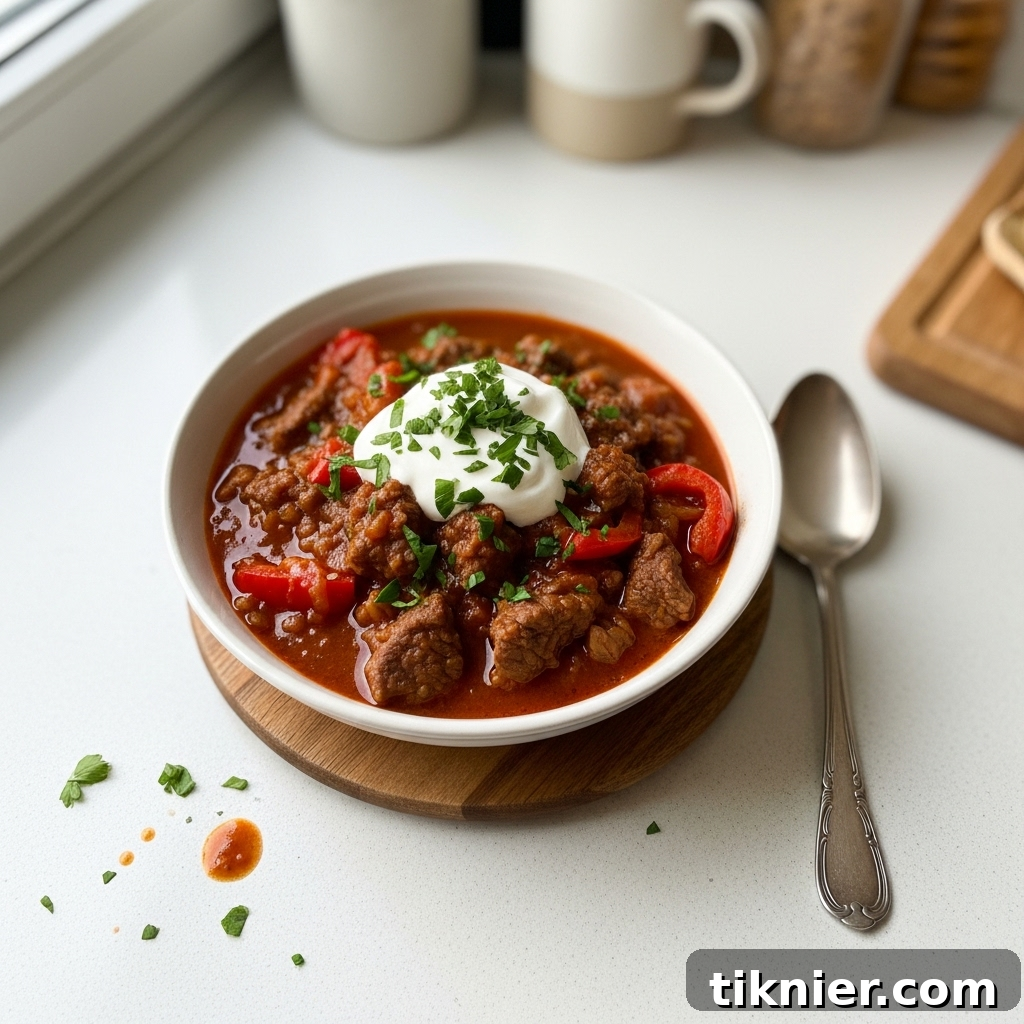
Description: Discover the rich, slow-simmered perfection of this Hungarian beef goulash, featuring incredibly tender beef and a deeply savory, paprika-infused sauce. My secret ingredient, anchovy paste, adds an unforgettable layer of umami, transforming this classic comfort food into a truly spectacular and memorable meal.
Yield: 8 servings | Category: Main Course | Cuisine: Hungarian
Prep Time: 20 minutes | Cook Time: 3 hours 30 minutes
Ingredients
- 2 ½ lbs beef chuck, cut into 1 ½-inch cubes
- 3 tbsp all-purpose flour
- 1 ½ tsp kosher salt, plus more to taste
- 1 tsp freshly ground black pepper
- 2 tbsp olive oil
- 2 tbsp unsalted butter
- 3 large yellow onions, finely chopped
- 5 cloves garlic, minced
- ¼ cup sweet Hungarian paprika
- 1 tsp smoked paprika
- 2 tsp caraway seeds, lightly crushed
- 1 tbsp anchovy paste
- 2 tbsp tomato paste
- ½ cup dry red wine (e.g., Merlot or Cabernet Sauvignon)
- 4 cups low-sodium beef broth
- 1 (14.5 oz) can diced tomatoes, undrained
- 1 tbsp dried marjoram
- 2 bay leaves
- 1 large red bell pepper, cored and chopped
- 1 tbsp apple cider vinegar
- Full-fat sour cream or crème fraîche, for serving
- Fresh chopped parsley or dill, for serving
Instructions
- Pat beef dry thoroughly, then toss with flour, salt, and pepper until evenly coated.
- In a large Dutch oven, heat olive oil and butter over medium-high heat. Sear beef in two batches until deeply browned on all sides. Remove beef and set aside.
- Reduce heat to medium-low. Add chopped onions to the pot and cook, stirring occasionally, until very soft, sweet, and lightly caramelized, about 12-15 minutes.
- Stir in minced garlic, both paprikas (sweet and smoked), and crushed caraway seeds. Cook for 1 minute, stirring constantly, until incredibly fragrant. Be careful not to burn the paprika.
- Stir in anchovy paste and tomato paste. Cook for another 2 minutes, stirring to ensure the onions and spices are well coated and the pastes deepen in color.
- Pour in the red wine to deglaze the pot. Scrape up all the browned bits from the bottom with a wooden spoon. Let the wine simmer and reduce by about half.
- Return the seared beef (and any accumulated juices) to the pot. Add beef broth, diced tomatoes (undrained), dried marjoram, and bay leaves. Stir well to combine. Bring the mixture to a gentle simmer.
- Reduce heat to low, cover the pot tightly, and let it slow-simmer for 2 hours, stirring occasionally to prevent sticking.
- After 2 hours, stir in the chopped red bell pepper. Replace the lid and continue to simmer for another 45-60 minutes, or until the beef is completely fork-tender and the peppers are soft.
- Remove the pot from the heat. Discard the bay leaves. Stir in the apple cider vinegar. Taste and adjust seasoning with additional salt and pepper as needed.
- Allow the goulash to rest, covered, for at least 15 minutes before serving. Ladle into warm bowls and serve topped with a generous dollop of sour cream or crème fraîche and a sprinkle of fresh chopped parsley or dill. Enjoy your ultimate comfort food!
Notes
The secret to exceptional flavor and vibrant color in this Hungarian beef goulash is using high-quality, fresh sweet Hungarian paprika. Do not compromise on this ingredient. Additionally, allowing the goulash to rest for at least 15 minutes before serving is crucial; it allows all the rich flavors to beautifully meld and deepen, enhancing the overall experience.
Servings: 8 | Calories: 550 kcal | Fat: 35g | Carbohydrates: 20g | Protein: 38g
5 Frequently Asked Questions About Beef Goulash
Here are clear, comprehensive answers to the most common questions I receive about preparing and enjoying this exquisite beef goulash recipe, designed to clarify any culinary curiosities you might have.
What is the fundamental difference between Hungarian Goulash and American Goulash?
This is an excellent and frequently asked question, as the two dishes, despite sharing a name, are distinctly different culinary experiences. Authentic Hungarian Goulash, the traditional style exemplified by this recipe, is a slow-cooked, rich, and hearty stew or thick soup. Its essence lies in large chunks of tender beef, an abundance of slowly caramelized onions, and a generous, flavorful application of high-quality paprika. It is considered a national treasure in Hungary and is deeply complex, deriving its character from long simmering and rich spices. Traditionally, it’s served simply with accompaniments like egg noodles, dumplings (like spaetzle), or crusty bread.
American Goulash, conversely, is typically a quicker, often one-pan casserole-style dish. It commonly features ground beef, elbow macaroni noodles, and a simpler tomato-based sauce, frequently enhanced with ingredients such as bell peppers, onions, and occasionally cheese. It’s a beloved weeknight comfort food staple in many households, particularly in the Midwestern United States, and offers a completely different texture and flavor profile. While both are undeniably delicious in their own right, Hungarian Goulash offers a much deeper, more nuanced, and gastronomically complex experience, focusing on the slow transformation of robust ingredients.
What is the absolute best cut of beef to use for authentic Goulash?
The choice of beef cut is paramount and can genuinely make or break your goulash. For a slow-cooked stew of this caliber, you need a cut of beef that is rich in both intramuscular fat and, crucially, connective tissue, particularly collagen. As the goulash patiently simmers for hours over low heat, this collagen undergoes a magical transformation, breaking down into luscious, silky gelatin. This gelatin not only thickens and enriches the sauce, giving it an incredible body, but also renders the meat incredibly tender, moist, and utterly fall-apart succulent. My unequivocal top recommendation for goulash is beef chuck. This versatile cut can be purchased as a whole roast, thicker steaks, or conveniently pre-cut stew meat.
Beef chuck boasts the perfect balance of meat, fat, and connective tissue, guaranteeing that it will become melt-in-your-mouth tender without ever drying out during the long cooking process. Other excellent, though potentially more expensive, options include brisket or bone-in short ribs. I strongly advise against using leaner cuts such as sirloin, round steak, or tenderloin. While these cuts excel in quick-cooking methods like grilling or pan-searing, they lack the necessary fat and collagen required for slow braising and will inevitably become tough, dry, and stringy in a stew like goulash.
Why might my Goulash turn out tough or bland?
There are a few common culprits if your goulash isn’t achieving the desired tenderness or bursting with the rich flavors you expect. If the beef remains tough, the most probable reason is insufficient cooking time. Goulash is fundamentally a dish that cannot be rushed. The beef absolutely requires that extended, gentle simmer over low heat to allow its connective tissues to thoroughly break down into tender, succulent gelatin. Attempting to accelerate the process by cooking at a higher temperature for a shorter duration will cause the muscle fibers to seize up, resulting in tough, chewy meat. Patience truly is a virtue in goulash making; ensure you allow for the full, recommended cooking time.
If your goulash tastes bland, the issue often traces back to the quality and proper handling of your ingredients. Firstly, meticulously check the freshness of your paprika. If that jar has been languishing in your pantry for over a year, it has almost certainly lost the majority of its vibrant flavor and color. Utilizing fresh, premium-quality sweet Hungarian paprika is non-negotiable for the soul of this dish. Secondly, ensure you achieve a deep, dark brown, caramelized sear on your beef cubes; these deeply browned bits, or “fond,” are the foundational building blocks of the stew’s flavor depth. Lastly, never underestimate the power of seasoning generously throughout the cooking process and, crucially, tasting and adjusting the seasoning at the very end. That final splash of apple cider vinegar and a precise adjustment with salt and pepper can make an enormous difference in awakening and harmonizing all the developed flavors.
Can I successfully make this Goulash recipe in a slow cooker or an Instant Pot?
Yes, absolutely! This robust goulash recipe adapts wonderfully to both a slow cooker and an Instant Pot, offering fantastic flexibility and convenience, especially on hectic days. For preparation in a slow cooker, it is highly recommended that you still perform the initial few steps on the stovetop. Searing the beef to develop a deep crust and thoroughly sautéing the onions, spices, and pastes in a separate pan or skillet is critical for building profound flavor. After you’ve completed the deglazing step with wine, transfer all the contents, including the seared beef and sauce base, into your slow cooker insert. Cook on the “low” setting for 8 to 10 hours, or on the “high” setting for 4 to 5 hours. Integrate the chopped red bell peppers during the final hour of cooking to ensure they soften without becoming overly mushy.
For an Instant Pot adaptation, you can conveniently execute all the steps directly in the pot using its “Sauté” function. Sear the beef in batches until well browned, then sauté the onions, garlic, and spices. Proceed to deglaze the pot thoroughly with red wine, ensuring all browned bits are scraped up. Return the seared beef to the pot, add the remaining ingredients (excluding the bell pepper and apple cider vinegar), then seal the lid securely. Cook on high pressure for 45 minutes. Once the cooking cycle is complete, allow the pressure to release naturally for at least 15 minutes before performing a quick manual release for any remaining pressure. Stir in the chopped bell peppers and apple cider vinegar. You can then either allow the Instant Pot to remain on the “Keep Warm” setting for about 20 minutes to gently soften the peppers, or use the “Sauté” function for a few minutes until they reach your desired tenderness.
Do I absolutely have to use anchovy paste in this Goulash?
You absolutely do not *have* to use the anchovy paste, but I wholeheartedly and enthusiastically recommend that you give it a try! It truly is my unique special twist in this particular goulash recipe, and I find it imparts an unparalleled savory depth, that coveted umami, which is incredibly difficult to achieve through other means. I promise, on a stack of all my favorite cookbooks, that it will not make your goulash taste fishy in the slightest. The paste completely dissolves into the rich sauce, working subtly in the background to amplify and deepen the inherent meaty flavors of the beef and the robust notes of the tomato and paprika, resulting in a more complex and satisfying overall taste.
However, if you have a specific allergy, strict dietary preferences, or are simply unswayed by my impassioned plea, you can certainly opt to omit it entirely. The goulash will still be wonderfully delicious due to the robust flavors built from the other quality ingredients and slow cooking. If you still wish to introduce a different kind of umami boost, you could consider adding a teaspoon or two of Worcestershire sauce (which, interestingly, also often contains anchovies as an ingredient) or a small dash of soy sauce. Another excellent alternative for adding savory depth would be to sauté a small amount of finely chopped mushrooms along with the onions; they provide a lovely earthy umami note to the final dish.
Continue Your Culinary Journey: Try These Delicious Recipes Next!
I genuinely hope that you and your loved ones cherish this rich, comforting beef goulash as much as my family and I do. It truly embodies the perfect meal for gathering around the table, sharing good food, and enjoying wonderful company. If this recipe has ignited your passion for flavorful, heartwarming dishes and you’re now seeking more delicious inspiration for any night of the week, I have an abundance of other carefully crafted recipes that I believe you’ll thoroughly enjoy.
Cooking should always be a source of joy and creative fulfillment, whether you’re whipping up a quick, convenient weeknight meal or dedicating time to a slow-simmered weekend project. Here are a few curated collections designed to help you embark on your next exciting kitchen adventure:
- 110 Easy Dinner Ideas: When you find yourself in need of immediate inspiration for what to prepare tonight, this comprehensive list is designed to be your ultimate culinary companion. It’s brimming with simple, incredibly tasty recipes suitable for every conceivable occasion and craving.
- Cheap Meal Ideas: Proving that truly delicious food absolutely does not have to strain your wallet, this thoughtfully curated collection is packed with my personal favorite budget-friendly recipes. These dishes are generously big on flavor without being hard on your finances, making gourmet eating accessible.
- Thanksgiving Dinner Ideas: While goulash is a magnificent dish to enjoy year-round, its inherent coziness and richness make it a perfect fit for festive holiday meals. If you’re meticulously planning a grand feast, be sure to explore some of my most trusted and tried-and-true recipes specifically designed for Thanksgiving and beyond.
Happy cooking, y’all, and may your kitchen always be filled with warmth and wonderful aromas!