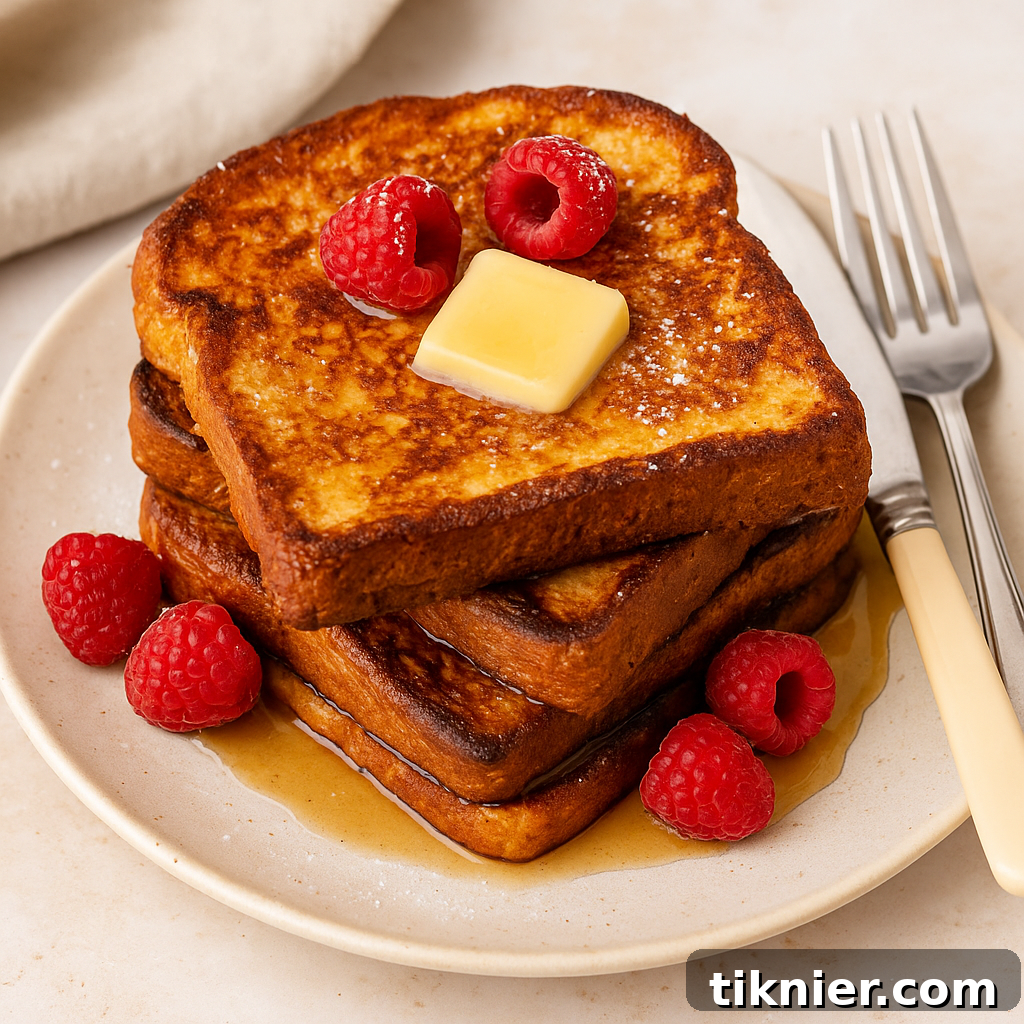
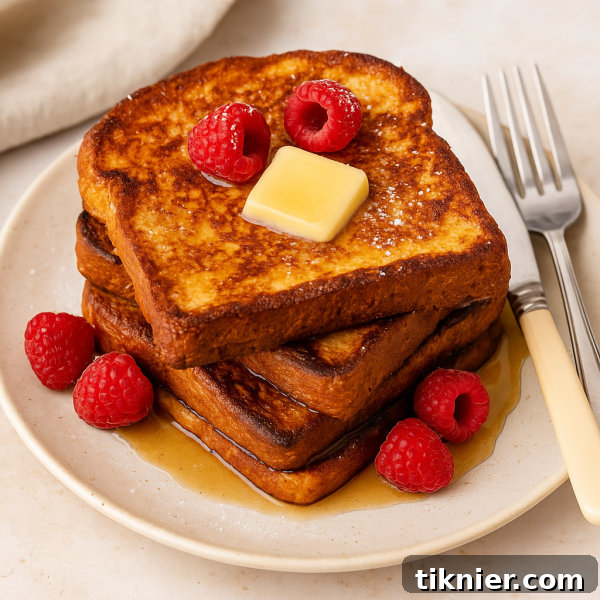
There are few breakfast dishes that evoke pure comfort and a touch of gourmet elegance quite like Brioche French Toast. It transforms a simple morning meal into an indulgent culinary experience, perfect for lazy weekend mornings, festive holiday brunches, or even a delightful breakfast-for-dinner treat.
My journey to perfecting the ultimate Brioche French Toast began on a memorable weekend getaway in Savannah. Tucked away between charming brick buildings, we stumbled upon a quaint little café. On a spontaneous whim, I ordered their French toast, and that first bite was nothing short of revelatory. It was an exquisite symphony of textures and flavors: incredibly soft and rich on the inside, almost pudding-like, yet with wonderfully crispy, golden-brown edges that offered a delightful contrast. Drenched in warm maple syrup, it was a moment of pure bliss that instantly inspired me to recreate that magic in my own kitchen.
Of course, I couldn’t resist adding my own signature touch. While classic vanilla is lovely, I found that incorporating a hint of fresh orange zest into the custard batter elevates the entire dish. This citrusy secret ingredient cuts through the richness of the buttery brioche, adding a bright, aromatic lift that truly makes every bite sing. When I serve this enhanced version for brunch, especially with a delicate dusting of powdered sugar and a vibrant pile of fresh berries, plates are always left sparkling clean. It’s more than just a meal; it’s an occasion.
Jump Straight to Julie’s Signature Brioche French Toast Recipe!
Why Brioche French Toast is Unrivaled: The Secret to Its Perfection
French toast, at its core, is a forgiving and beloved breakfast staple. However, when you elevate it with brioche bread, it transcends into something truly extraordinary. The choice of bread isn’t just a detail; it’s the cornerstone of this recipe’s success, transforming a good dish into an unforgettable one.
The Magic of Brioche Bread
Brioche is no ordinary bread. It’s a rich, tender, and deeply buttery French bread, characterized by its high egg and butter content. This unique composition makes it the ideal candidate for French toast for several crucial reasons:
- Unmatched Absorbency: Its fine, open crumb acts like a luxurious sponge, effortlessly soaking up the creamy custard mixture without becoming soggy or falling apart. This ensures that coveted custardy, almost bread-pudding-like interior that is the hallmark of truly great French toast.
- Achieving Golden Perfection: The abundant fat in brioche contributes to a magnificent golden-brown crust when it hits the hot skillet. The edges caramelize beautifully, providing a delicate crispness that perfectly contrasts with the soft, decadent center.
- Inherent Flavor: Brioche brings its own delicate sweetness and richness to the table, meaning you don’t need to overcomplicate the custard. It provides a robust flavor foundation that enhances every other ingredient.
The Brightening Touch of Orange Zest
My personal twist—a hint of orange zest—plays a vital role in balancing the richness. While brioche is wonderfully indulgent, too much richness can sometimes feel heavy. The bright, fragrant citrus notes from the orange zest cut through this, adding a refreshing counterpoint that brightens the entire flavor profile and makes the dish feel more complex and sophisticated. It’s a subtle addition that makes a significant impact, ensuring each bite is vibrant and not overly sweet.
Perfect for Any Occasion
This recipe is particularly outstanding for:
- Elevated Weekend Brunches: Impress family and friends with minimal effort, making your brunch feel effortlessly gourmet.
- Cozy Breakfast-for-Dinner Nights: A comforting and hearty option that feels special any time of day.
- Smart Use of Day-Old Bread: Transform slightly stale brioche into a magnificent meal, reducing waste and maximizing flavor.
- Holiday Feasts: A luxurious addition to any holiday breakfast spread, from Christmas morning to Easter brunch.
Because the brioche itself does so much of the heavy lifting in terms of flavor and texture, you don’t need an elaborate array of toppings. A simple drizzle of warm maple syrup and a dollop of butter are often all that’s required. Perhaps a light dusting of cinnamon or powdered sugar, or a scattering of fresh berries, to add visual appeal and a burst of freshness. This is the enduring beauty of Brioche French Toast: it’s deceptively simple to prepare, yet consistently delivers a fancy, decadent experience that always disappears fast.
Essential Ingredients for Your Perfect Brioche French Toast
Crafting this rich and fluffy brioche French toast begins with selecting quality ingredients. The beauty of this recipe lies in its simplicity, allowing each component to shine. Here’s a closer look at what you’ll need and why each element is important:
- Brioche Bread (6 thick slices, ¾ to 1 inch thick): This is the star! Look for a fresh, high-quality loaf at your local bakery or grocery store. Ideally, use day-old brioche, as it’s slightly drier and better able to absorb the custard without becoming waterlogged. Slicing it thick ensures a substantial, satisfying piece that cooks beautifully.
- Large Eggs (3): The foundation of our custard, eggs provide richness, structure, and help bind the liquid to the bread, creating that desirable custardy interior and golden exterior when cooked.
- Whole Milk (¾ cup): Adds creaminess and liquid to the custard. Whole milk provides the best flavor and fat content for a luxurious base. You can use 2% if necessary, but avoid skim milk for optimal richness.
- Heavy Cream (¼ cup): This is where an extra layer of decadence comes in. Heavy cream enriches the custard, making the French toast incredibly tender and flavorful. Don’t skip it for the best results!
- Granulated Sugar (1 tablespoon): Just enough to sweeten the custard subtly and aid in the caramelization process, contributing to those lovely golden-brown edges.
- Vanilla Extract (1 teaspoon): A classic and essential flavor enhancer that adds warmth and depth to the sweet profile of the French toast. Use pure vanilla extract for the best flavor.
- Ground Cinnamon (½ teaspoon): A comforting spice that pairs perfectly with the other flavors, adding a touch of classic breakfast aroma and taste.
- Zest of 1 Orange (optional, but highly recommended): This is my signature secret! The fine zest of one orange introduces a bright, fresh, and slightly floral note that beautifully cuts through and complements the richness of the brioche and cream, making the dish truly pop.
- Pinch of Salt: A small but mighty ingredient that balances all the sweet flavors and enhances the overall taste profile.
- Butter, for the skillet: Essential for cooking. It adds flavor, helps create a golden-brown crust, and prevents sticking.
For Serving: Elevate Your French Toast Experience
- Pure Maple Syrup: Warm it gently for the ultimate classic topping. Its rich, earthy sweetness is incomparable.
- Powdered Sugar: A delicate dusting adds a touch of sweetness and an elegant finish.
- Fresh Berries or Sliced Fruit (optional): Strawberries, blueberries, raspberries, or sliced bananas add freshness, a pop of color, and natural sweetness that contrasts wonderfully with the warm French toast.
For those seeking an even more indulgent experience, consider adding a dollop of whipped mascarpone, crème fraîche, or even a spoonful of Greek yogurt for a tangy counterpoint. However, rest assured, this brioche French toast is absolutely delicious and satisfying all on its own.
Step-by-Step Instructions: Crafting Perfect Brioche French Toast
Follow these simple steps to create a truly remarkable brioche French toast that will impress everyone at your breakfast or brunch table. Precision in preparation ensures that ideal balance of crispy exterior and custardy interior.
- Prepare Your Custard Mixture: In a spacious mixing bowl, combine the eggs, whole milk, heavy cream, granulated sugar, vanilla extract, ground cinnamon, the vibrant orange zest (if you’re using my special twist!), and a small pinch of salt. Whisk vigorously until all ingredients are thoroughly combined and the mixture is smooth and slightly frothy. Ensure no streaks of egg yolk remain.
- Properly Soak the Brioche Slices: Arrange your thick brioche slices in a shallow baking dish or a rimmed sheet pan. Pour the prepared custard evenly over the bread, ensuring each slice is generously coated. Allow the slices to soak for 2 to 3 minutes on one side. Then, gently flip them over and let the other side soak for another 2 to 3 minutes. The goal is for the bread to absorb the custard fully without becoming overly saturated and falling apart. Pro Tip: Resist the urge to over-soak, especially if your brioche is very fresh; this can lead to a soggy final product.
- Preheat Your Skillet or Griddle: Place a large nonstick skillet or a griddle over medium heat. Allow it to heat for a couple of minutes until it’s evenly hot. Add a small pat of butter (about ½ to 1 tablespoon) and swirl it around to coat the cooking surface completely. The butter should melt and sizzle gently but not brown too quickly.
- Cook to Golden Perfection: Carefully transfer the soaked brioche slices onto the preheated skillet, ensuring not to overcrowd the pan. Cook in batches if necessary to maintain consistent heat. Cook for approximately 3 to 4 minutes per side, or until each slice boasts a beautiful golden-brown color and has developed a slight crispness on the outside. Adjust the heat as needed; if the French toast is browning too quickly, lower the heat slightly. The internal temperature should be cooked through, and the exterior deeply golden.
- Serve Immediately and Enjoy: Once cooked, transfer the warm French toast slices to plates. Serve them immediately with your preferred toppings. My personal favorite combination includes a generous drizzle of warm maple syrup, a light dusting of powdered sugar, and a vibrant medley of fresh berries. Don’t forget a fresh cup of coffee or your favorite brunch beverage!
How to Serve Your Decadent Brioche French Toast
Brioche French toast is inherently decadent, meaning you don’t need a mountain of toppings for it to shine. Its rich flavor and tender texture are the main attractions. However, the serving possibilities are endless, allowing you to customize each plate to perfection.
Classic Toppings and Flavor Pairings:
- Warm Maple Syrup & Butter: The quintessential pairing. The richness of butter melts into the warm brioche, and pure maple syrup adds unparalleled sweetness.
- Powdered Sugar: A simple, elegant flourish that adds a delicate touch of sweetness.
- Fresh Berries: Strawberries, blueberries, raspberries, and blackberries offer a burst of freshness, color, and a slight tartness that beautifully cuts through the richness.
- Whipped Cream or Mascarpone: For an extra layer of creamy indulgence, a dollop of freshly whipped cream or rich mascarpone is divine.
- Cinnamon Sugar: A delightful sprinkle of cinnamon sugar provides a spiced, sweet crust.
- Fruit Compote: Homemade or store-bought fruit compotes (berry, apple, peach) add a jammy texture and concentrated fruit flavor.
Creative Plating & Brunch Ideas:
- Stacked High: Create an impressive tower by stacking several slices, layering with fresh fruit and a generous drizzle of syrup or cream.
- Fan Arrangement: For a more refined presentation, slice each piece into triangles and fan them out elegantly on the plate.
- Savory Sides: Balance the sweetness with savory accompaniments like crispy bacon, breakfast sausage, or a perfectly fried egg.
- Brunch Spreads: If hosting, set up a French toast bar with various toppings in small bowls, allowing guests to customize their plates. Options could include chopped nuts, chocolate chips, coconut flakes, different syrups, and an assortment of fruits.
Whether you opt for a minimalist approach or a lavish spread, the exquisite flavor and texture of the brioche remain the true star. Just remember to pair it with your favorite morning beverage—a robust coffee, refreshing tea, or a celebratory mimosa—to complete the perfect brunch experience.
Storing & Reheating Brioche French Toast for Future Enjoyment
It’s a rare occurrence to have leftovers of this delicious brioche French toast in my home, but should you find yourself with a few extra slices, you’ll be pleased to know they store and reheat surprisingly well, making it ideal for meal prepping or quick breakfasts during the week.
Storage Best Practices:
Allow any cooked French toast to cool completely to room temperature before storing. This prevents condensation which can lead to sogginess.
- In the Refrigerator: Place cooled slices in an airtight container, separating layers with parchment paper if stacking multiple pieces. They will remain fresh and delicious for up to 3 days.
- In the Freezer: For longer storage, arrange individual slices on a baking sheet and freeze until firm (about 1-2 hours). Once frozen, transfer the slices to a freezer-safe bag or airtight container, layering with parchment paper to prevent sticking. They will keep beautifully for up to 2 months. This method is perfect for having quick, gourmet breakfasts on hand.
Reheating for Optimal Texture:
The key to successful reheating is preserving that delightful crisp exterior and warm, tender interior. Avoid the microwave if you want to maintain the best texture.
- Toaster or Toaster Oven (Recommended): This is my absolute favorite method for reheating. Simply pop a slice or two into your toaster or toaster oven on a medium setting, just as you would with a piece of toast. It quickly re-crisps the edges and warms the center without making it soggy.
- Oven: Preheat your oven to 350°F (175°C). Arrange the frozen or refrigerated slices in a single layer on a baking sheet. Heat for approximately 10-15 minutes (or 15-20 minutes for frozen), or until thoroughly heated through and the edges are crisp again.
- Skillet: Lightly butter a nonstick skillet and heat it over medium-low heat. Place the French toast slices in the skillet and warm for 2-3 minutes per side, gently pressing down. This method helps to re-crisp the edges beautifully.
- Microwave (Use with Caution): While convenient, microwaving tends to make French toast soft and slightly rubbery rather than crisp. If you must use it, reheat in 30-second intervals until warm, but be aware of the texture change.
With these storage and reheating tips, you can enjoy the luxurious taste of brioche French toast even on your busiest mornings, making it a truly versatile and convenient breakfast option.
Substitutions & Variations: Customizing Your Brioche French Toast
While this recipe for Brioche French Toast is perfect as is, it’s also wonderfully flexible, allowing for creative substitutions and exciting variations to suit different tastes or dietary needs. Don’t hesitate to experiment once you’ve mastered the basic technique.
Bread Alternatives (If Brioche isn’t Available):
If brioche isn’t an option, or you simply want to try something different, here are some excellent substitutes that still deliver a fantastic French toast experience:
- Challah Bread: Often called “Jewish egg bread,” challah is very similar to brioche in its richness and tender crumb due to its high egg content. It’s an excellent second choice.
- Texas Toast or Thick-Cut White Bread: For a more classic, hearty French toast, thick-cut white bread or Texas toast works well. Ensure slices are at least ¾ inch thick to prevent sogginess.
- Hawaiian Sweet Rolls (sliced thick): These offer a delightful sweetness and soft texture that makes for a unique and delicious French toast.
- Sourdough Bread: For a tangier, chewier French toast with a crispier crust, sourdough can be a surprising and delightful choice.
- Gluten-Free Brioche/Challah: Many bakeries and grocery stores now offer high-quality gluten-free brioche or challah-style breads. These can be excellent substitutes for those with dietary restrictions.
Dairy-Free Modifications:
Making this recipe dairy-free is surprisingly simple without compromising much on flavor or texture:
- Plant-Based Milk and Cream: Swap whole milk for your favorite plant-based milk (almond, oat, or soy milk work well). For the heavy cream, use full-fat canned coconut cream (the thick part from the top of a chilled can) or a good quality plant-based heavy cream substitute.
- Cooking Fat: Use plant-based butter (like Miyoko’s Kitchen or Earth Balance) or a neutral-flavored oil such as avocado oil or grapeseed oil for cooking in the skillet.
Exciting Flavor Variations:
Once you have the base recipe down, the sky’s the limit for creative twists:
- Spiced Delights:
- Pumpkin Spice: Add ½ teaspoon of pumpkin pie spice to the custard for a cozy fall flavor.
- Cardamom & Citrus: Replace cinnamon with ½ teaspoon ground cardamom and keep the orange zest for a unique, aromatic profile.
- Extract Enhancements:
- Maple Extract: A splash of maple extract (½ teaspoon) intensifies the maple flavor.
- Almond Extract: Add ¼ teaspoon of almond extract for a delicate, nutty undertone.
- Coffee Extract: For a mocha-like flavor, a few drops of coffee extract can be wonderful.
- Chocolate Lover’s Dream:
- Cocoa Powder: Whisk 1-2 tablespoons of unsweetened cocoa powder into the custard for a rich chocolate French toast.
- Chocolate Chips: Sprinkle mini chocolate chips over the French toast as it cooks, or after serving.
- Stuffed French Toast: Create an even more indulgent dish by spreading a thin layer of Nutella, jam, cream cheese, or fruit preserves between two slices of brioche before soaking and frying them together. Secure with a toothpick if needed.
- Liqueur-Infused: For an adult brunch, add a tablespoon of Grand Marnier, Cointreau, or rum to the custard for a sophisticated kick.
Remember, the golden rule is always to ensure proper soaking. That’s where the magic truly happens, ensuring a tender, flavorful interior regardless of your chosen additions. Enjoy the journey of culinary exploration!
Frequently Asked Questions About Brioche French Toast
Here are clear and concise answers to the most common questions I receive about making the best brioche French toast, designed to help you achieve perfect results every time.
What is the best type of bread for French toast, especially brioche?
Brioche is truly my top recommendation due to its rich, buttery flavor and fine, tender crumb. Its inherent structure allows it to absorb the custard beautifully without disintegrating, leading to that desirable custardy center and crisp exterior. Challah bread is a very close second, offering similar richness and texture. The key is to choose a bread that is slightly stale (day-old is perfect), sliced thickly (¾ to 1 inch), and has a good amount of body. Avoid overly soft, thin sandwich bread, as it tends to turn mushy when soaked.
Can I prepare brioche French toast the night before?
You can certainly prep components ahead of time! Whisk the custard mixture and store it covered in the refrigerator. You can also slice your brioche bread the night before. However, I strongly advise against soaking the brioche slices in the custard overnight if you intend to pan-fry them individually, as they will likely become too soggy and difficult to handle. If you desire an overnight preparation, consider making it as a “French toast casserole.” Layer the brioche slices in a buttered baking dish, pour the custard over, cover, and refrigerate overnight. In the morning, bake at 350°F (175°C) for approximately 30 to 35 minutes, or until golden and set. This results in a delicious, more casserole-like dish.
Why is my brioche French toast soggy? How can I prevent it?
Sogginess is a common issue and usually stems from one of two reasons: either the bread is too fresh or it’s been soaked for too long. Day-old brioche is ideal because it has lost some moisture, making it more absorbent and resilient. Ensure your soaking time is brief—2 to 3 minutes per side is usually sufficient. Another culprit can be an insufficiently hot skillet. Your skillet needs to be at medium heat to quickly sear and caramelize the outside of the French toast. If the heat is too low, the bread will absorb too much butter and custard without cooking through properly, resulting in a floppy, greasy, and soggy texture.
How thick should I slice the brioche bread for French toast?
I find the ideal thickness for brioche slices to be about ¾ to 1 inch. This thickness provides a robust slice that holds up well to soaking and cooking, yielding that perfect ratio of custardy interior to crispy exterior. If your slices are too thin (less than ½ inch), they risk falling apart or becoming too saturated. If they are excessively thick (over 1 inch), they might not cook through evenly, leaving a raw center, or require longer cooking times that could burn the outside. If you’re using pre-sliced brioche that’s on the thinner side, just be extra gentle during the soaking and flipping steps.
Can I freeze leftover brioche French toast?
Absolutely! Freezing leftover brioche French toast is an excellent way to enjoy quick, gourmet breakfasts on busy mornings. Allow the cooked slices to cool completely. Then, layer them between sheets of parchment paper in a freezer-safe bag or airtight container to prevent them from sticking together. They will maintain their quality in the freezer for up to two months. When you’re ready to enjoy them, reheat using a toaster or oven (as detailed in the “Storing & Reheating” section) to bring back that delightful crispness. It’s a convenient and delicious solution!
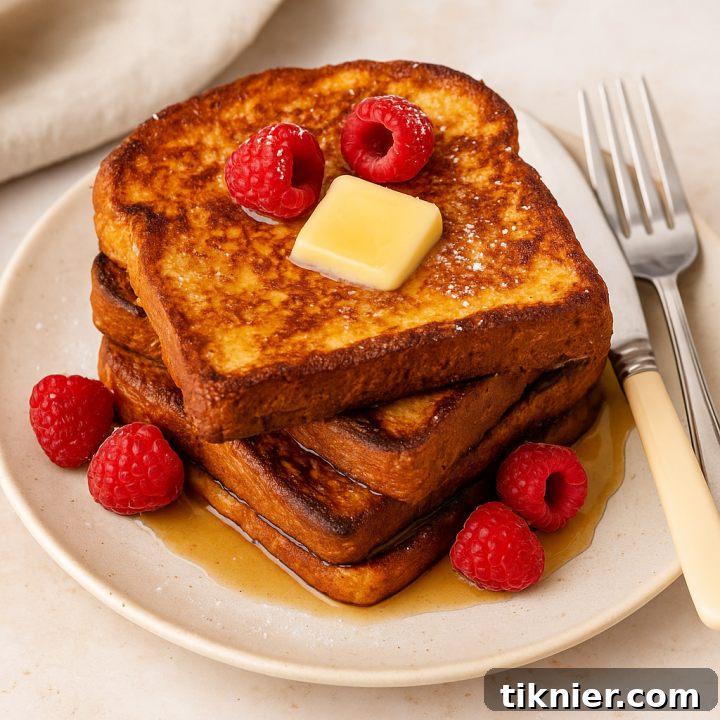
The Best Brioche French Toast Recipe
3 servings
10 minutes
10 minutes
20 minutes
This Brioche French Toast is rich, fluffy, and golden with crisp edges and a soft, custardy center. Made with buttery brioche slices soaked in a cinnamon-vanilla custard (with a hint of orange zest for a bright twist), it’s the perfect dish for a cozy weekend brunch or holiday breakfast.
Ingredients
- 6 thick slices of brioche (about ¾ to 1 inch thick)
- 3 large eggs
- ¾ cup whole milk
- ¼ cup heavy cream
- 1 tablespoon granulated sugar
- 1 teaspoon vanilla extract
- ½ teaspoon ground cinnamon
- Zest of 1 orange (optional)
- Pinch of salt
- Butter, for the skillet
- Maple syrup
- Powdered sugar
- Optional: Fresh berries or sliced fruit
Instructions
- In a large mixing bowl, whisk together the eggs, milk, cream, sugar, vanilla, cinnamon, orange zest (if using), and salt until smooth.
- Place the brioche slices in a shallow dish. Pour the custard over the bread and let soak for 2 to 3 minutes per side.
- Heat a large nonstick skillet or griddle over medium heat. Add a pat of butter and swirl to coat.
- Add soaked brioche slices in batches. Cook 3 to 4 minutes per side, or until golden brown and crisp.
- Serve warm with maple syrup, powdered sugar, and fresh berries if desired.
Notes
Day-old brioche works best because it soaks up the custard without falling apart.
For added flair, serve with whipped mascarpone or spiced maple syrup.
If using pre-sliced brioche, handle gently when soaking to prevent tearing.
To make dairy-free: substitute plant milk and cream, and use plant-based butter.
Explore More Delicious Breakfast & Dinner Inspirations
If you’ve savored every bite of this luxurious Brioche French Toast and are looking for more culinary adventures, here are a few hand-picked recipes and ideas to inspire your next meal:
- 110 Easy Dinner Ideas: Discover an endless variety of stress-free and delicious meals that are perfect for any weeknight or special occasion. Say goodbye to dinner dilemmas with these fantastic options.
- Cheap Meal Ideas: Budget-Friendly Recipes: Master the art of cooking on a budget without compromising on taste. These clever and economical recipes prove that incredible flavors don’t have to break the bank.
- More Healthy Breakfast Recipes: Start your day right with these quick, wholesome, and delicious breakfast options. From energizing smoothies to hearty oatmeals, find your new morning favorite.
Each of these selections is designed to be a cozy crowd-pleaser, perfect for weekends, holidays, or any time you crave something comforting, satisfying, and truly delicious. Happy cooking!