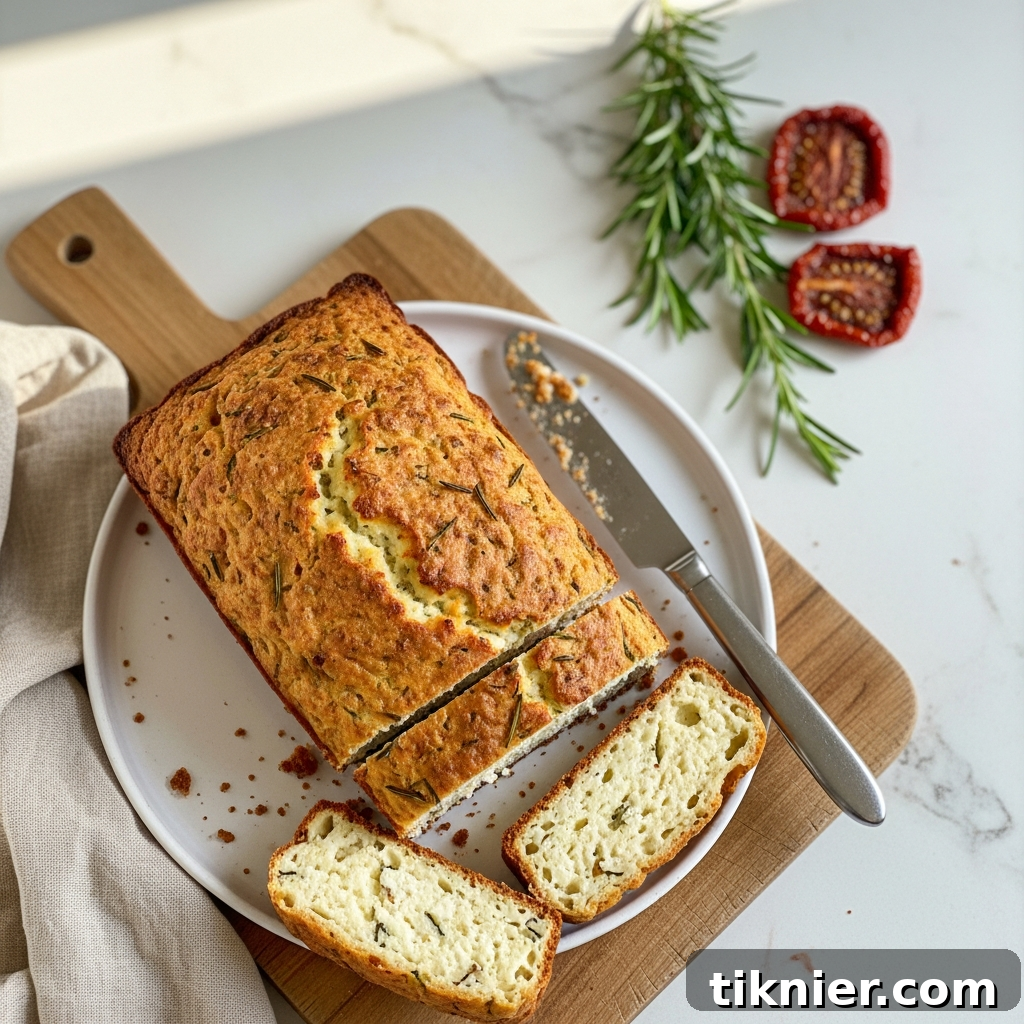
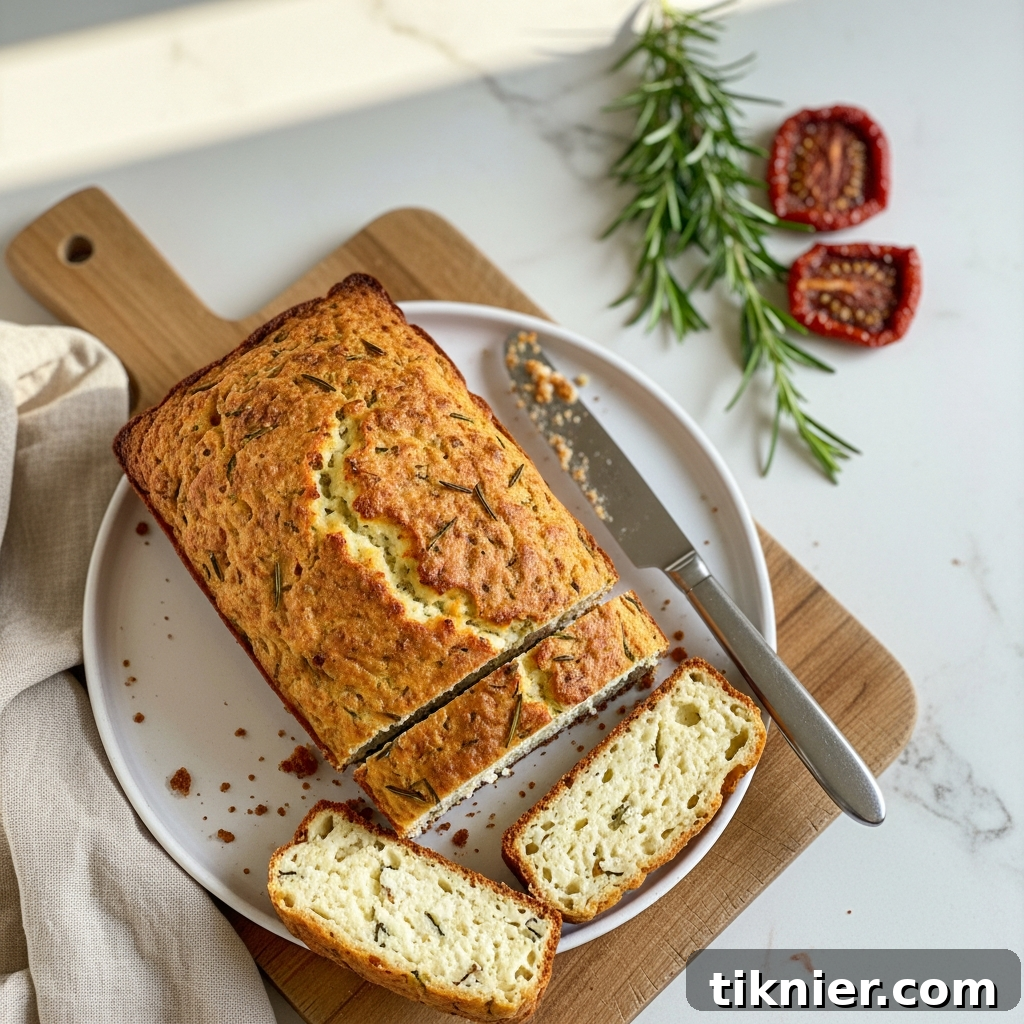
There are some food trends that grab your attention and then quickly fade, but every now and then, one comes along that genuinely changes the way you think about ingredients. That’s precisely what happened when I first encountered the internet phenomenon of blending cottage cheese into just about everything. My social media feeds were flooded with videos showcasing cottage cheese transformed into creamy ice cream, rich pasta sauces, and even — to my initial disbelief — a sturdy loaf of bread. As someone with a strong appreciation for traditional Southern cooking, my sensibilities were certainly tested. Cottage cheese, in my kitchen, was typically reserved for a refreshing fruit plate or perhaps a comforting lasagna, never as the foundational element of a baked good, let alone bread.
Yet, the more I saw this unconventional approach, the more my culinary curiosity was piqued. The idea of a bread that was naturally packed with protein and completely gluten-free was incredibly appealing. It presented a challenge I simply couldn’t resist. However, I knew I couldn’t just make a plain version of this trending bread. It needed something more, a distinctive twist to truly make it my own and infuse it with the comforting, robust flavors that define my cooking style. The result of that creative exploration is this truly exceptional Savory Roasted Garlic and Sun-Dried Tomato Cottage Cheese Bread.
I envisioned a loaf with a rich, almost Mediterranean character, where every bite offers a symphony of harmonious flavors. The cornerstone of this vision was roasted garlic. Taking a whole head of garlic and roasting it until each clove transforms into a sweet, creamy, and deeply aromatic paste is a simple step that yields a profound depth of flavor. This mellow, caramelized garlic is then blended directly into the cottage cheese base, imparting an unparalleled warmth and sophistication to the entire loaf. Complementing this, I folded in chewy, tangy sun-dried tomatoes, whose concentrated sweetness and bright acidity provide delightful bursts of flavor. Finally, a generous scattering of buttery, crunchy toasted pine nuts adds another layer of texture and a wonderfully rich finish. This bread is far more than a passing trend; it’s a genuinely delicious, hearty loaf that has effortlessly become a cherished staple in my home, perfect for quick, satisfying lunches or elegant, effortless appetizers when friends gather.
It’s now my absolute favorite sophisticated yet simple bite to serve, consistently impressing guests and making any gathering feel a little more special. It truly embodies the spirit of comfort food elevated with gourmet flair.
Skip to My Special Recipe!
Why This Savory Cottage Cheese Bread Recipe Works Wonders
The original viral cottage cheese bread recipe captivated the internet for several compelling reasons, primarily its remarkable simplicity and its inherent health benefits. It typically requires only a handful of readily available ingredients, making it accessible to most home bakers. More importantly, it stands out as a high-protein, gluten-free alternative to traditional baked goods, thanks to the ingenious use of cottage cheese and oat flour. This combination creates a wonderfully moist, slightly dense bread with a soft, inviting crust and a tender crumb – a perfect blank canvas for flavor innovation.
While the plain version is pleasant, its single-note flavor profile left me craving more depth and excitement. This is precisely where my special twist transforms it from a mere snack into a truly show-stopping savory loaf. The true genius of this particular recipe lies in the thoughtful incorporation of roasted garlic, sun-dried tomatoes, and toasted pine nuts. The magic begins with roasting a whole head of garlic. This process fundamentally transforms the garlic’s pungent, sharp bite into something incredibly sweet, mellow, and deeply aromatic. When these caramelized cloves are blended into the creamy cottage cheese base, they infuse the entire loaf with a sophisticated, earthy flavor that simply cannot be replicated by using garlic powder.
Next, we introduce chopped sun-dried tomatoes. These little jewels are concentrated flavor bombs, offering bursts of tangy sweetness and a delightful, slightly chewy texture that contrasts beautifully with the bread’s soft interior. They also add a vibrant visual appeal, dotting the crumb with rich, crimson hues. The final textural and flavor flourish comes from the toasted pine nuts. Their delicate crunch and rich, buttery taste provide an additional layer of complexity, elevating the bread from simple to gourmet. Together, these carefully selected ingredients transform a high-protein, gluten-free bread into an exquisite culinary experience. This isn’t just a healthy alternative; it’s the kind of flavorful, artisanal bread you would expect to find in a specialty bakery, yet it’s surprisingly simple to create right in your own kitchen. It makes the bread feel intentional and special, a truly memorable loaf worthy of a dinner party, a gourmet cheese board, or the foundation for an exceptionally good sandwich.
Essential Ingredients for Your Savory Cottage Cheese Bread
The inherent beauty of this recipe lies in its straightforward nature, yet the quality of each ingredient plays a pivotal role in crafting the perfect final loaf. Every component has been chosen with intention, working in harmony to build a rich, savory flavor profile that evokes both comforting familiarity and a touch of refined elegance. Here’s a detailed look at exactly what you’ll need to create this incredible Cottage Cheese Bread, along with crucial tips for selecting the best ones.
- 2 cups full-fat cottage cheese: This is non-negotiable for achieving the ideal texture and moisture.
- 4 large eggs: Act as a binder and provide structure and richness.
- 2 cups oat flour (or rolled oats blended into a fine flour): The gluten-free base, contributing a mild, slightly nutty flavor.
- 1 tablespoon baking powder: The leavening agent that gives the bread its lift.
- 1/2 teaspoon salt: Essential for enhancing all the other flavors.
- 1 whole head of garlic: The star flavor component, which will be roasted.
- 1 tablespoon olive oil: For roasting the garlic and adding subtle richness.
- 1/2 cup oil-packed sun-dried tomatoes, drained and chopped: Adds tang, sweetness, and a chewy texture.
- 1/4 cup toasted pine nuts: Provides a delightful crunch and buttery flavor.
- 1 tablespoon fresh rosemary, finely chopped (optional): Infuses an aromatic, herbaceous note, completing the Mediterranean profile.
Let’s delve a little deeper into these crucial ingredients. For the cottage cheese, I cannot stress enough the importance of using full-fat. The fat content is absolutely vital for ensuring a moist, tender crumb that holds together beautifully. Low-fat or non-fat varieties contain a higher percentage of water and can lead to a bread with a disappointingly gummy, rubbery, or even dry texture. Whether you opt for small curd or large curd cottage cheese, either will work perfectly fine since you’ll be blending it until it’s completely smooth, dissolving any curds.
The true star of the show, and my signature enhancement, is the whole head of roasted garlic. This is not the time to reach for garlic powder. Roasting the garlic cloves transforms their sharp, raw flavor into a deep, caramelized sweetness and a mellow, nutty aroma that forms the very heart and soul of this savory loaf. It’s a simple, hands-off step that promises an enormous flavor payoff, filling your kitchen with an enticing fragrance as it bakes.
Regarding the sun-dried tomatoes, I highly recommend using the oil-packed variety. These tend to be more pliable, more intensely flavorful, and contribute a beneficial touch of extra moisture to the bread batter. Just remember to drain them thoroughly and chop them before incorporating them. The toasted pine nuts bring a delicate yet satisfying crunch and a rich, almost buttery undertone, while the fresh rosemary, if you choose to include it, rounds out the flavor profile with its distinct herbaceous aroma, solidifying that perfect Mediterranean touch that makes this particular cottage cheese bread recipe truly unforgettable.
Step-by-Step Instructions: Crafting Your Cottage Cheese Bread Masterpiece
Creating this flavorful cottage cheese bread is a surprisingly straightforward process, requiring minimal active preparation time. The most time-consuming element is the garlic roasting, but this is largely hands-off, allowing your oven to work its magic and fill your kitchen with an utterly wonderful aroma. Let’s walk through each step together, ensuring you achieve a perfect loaf every time.
Step 1: Roast the Garlic to Perfection
Begin by preheating your oven to 400°F (200°C). Take your whole head of garlic and, using a sharp knife, carefully slice off about a quarter-inch from the very top to expose the tips of the individual cloves. This allows the olive oil and heat to penetrate effectively. Place the prepared garlic head onto a small piece of aluminum foil. Drizzle it generously with about 1 tablespoon of olive oil, and gently rub it over the exposed cloves with your fingers to ensure even coating. Loosely wrap the foil around the garlic head, creating a small pouch. Place this foil-wrapped garlic directly into the preheated oven to roast for 30-35 minutes. You’ll know it’s perfectly roasted when the cloves are incredibly soft, deeply fragrant, and have taken on a beautiful light golden-brown color. Once done, remove it from the oven and let it cool for a few minutes until it’s comfortable enough to handle.
Step 2: Prepare Your Baking Environment
Once the roasted garlic is out of the oven, reduce the oven temperature to 375°F (190°C); this is the ideal temperature for baking the bread. Next, prepare a 9×5 inch loaf pan. First, grease it thoroughly with butter, baking spray, or oil. Then, line it with a sheet of parchment paper, allowing a generous amount of paper to hang over both long sides. This overhang acts as a convenient “sling,” which will make it incredibly easy to lift the finished, cooled loaf out of the pan without any sticking or breakage.
Step 3: Blend the Silky Wet Ingredients
In a high-powered blender or a food processor, combine the full-fat cottage cheese and the four large eggs. Now for the most aromatic part: carefully squeeze the cooled, roasted garlic cloves directly out of their papery skins into the blender. The soft, caramelized cloves should pop out with ease. Blend this mixture on high speed until it is completely smooth and creamy, with no visible lumps of cottage cheese remaining. Pause once or twice to scrape down the sides of the blender with a spatula, ensuring everything is incorporated for a perfectly uniform base.
Step 4: Combine Dry and Wet for the Batter
In a separate large mixing bowl, whisk together your oat flour, baking powder, and salt until they are well combined. Create a small well in the center of the dry ingredients. Pour the smooth cottage cheese mixture from the blender directly into the bowl with the dry ingredients. Using a spatula or wooden spoon, gently stir everything together until it is just combined. Be careful not to overmix the batter; a few small streaks of flour are absolutely fine and preferable to overworking the mixture, which can lead to a tougher bread.
Step 5: Fold in the Flavorful Add-ins
Now, gently fold in your chopped sun-dried tomatoes, toasted pine nuts, and the optional fresh rosemary. Distribute these wonderful additions evenly throughout the batter using your spatula. This step is what truly elevates the bread, providing those bursts of flavor and delightful textures in every slice. Pour the final, aromatic batter into your prepared loaf pan and use your spatula to spread it into an even layer, ensuring a consistent bake.
Step 6: Bake and Cool to Perfection
Place the loaf pan into the preheated 375°F (190°C) oven and bake for 45 to 55 minutes. The bread is perfectly done when its top is a beautiful golden brown and a toothpick or cake tester inserted into the very center of the loaf comes out completely clean, with no wet batter clinging to it. If it still looks wet, give it another 5-10 minutes. Once baked, remove the pan from the oven and let the loaf cool in the pan on a wire rack for at least 10 minutes. This initial cooling helps it firm up. Then, carefully use the parchment paper sling to lift the loaf out of the pan and transfer it to the wire rack to cool completely. This final cooling step is absolutely crucial; slicing the bread while it is still warm can make the interior appear gummy or wet, even if it’s perfectly baked. Patience here will be rewarded with the best possible texture!
How To Serve Your Savory Cottage Cheese Bread
This savory cottage cheese bread, rich with the flavors of roasted garlic, sun-dried tomatoes, and pine nuts, is remarkably versatile and lends itself beautifully to an array of delicious serving ideas. Its robust flavor profile means it stands wonderfully on its own, yet it also serves as an exceptional base for countless toppings and pairings. Whether you’re planning a sophisticated brunch, a light lunch, or an elegant appetizer spread for guests, this loaf is sure to impress.
One of my ultimate simple pleasures is enjoying a thick slice of this bread, lightly toasted, with a generous smear of good-quality salted butter. The warmth from the toaster gently awakens the aromas of the garlic and tomatoes, creating an incredibly fragrant and comforting experience. It’s also remarkably sturdy, making it a fantastic foundation for more substantial meals. It creates the absolute best avocado toast you can imagine, its savory notes complementing the creamy avocado perfectly. Furthermore, it forms a wonderful base for an open-faced sandwich, piled high with thinly sliced turkey or ham, a slice of provolone cheese, and a handful of peppery arugula for a fresh finish.
Here are even more of my favorite ways to savor this delightful loaf, transforming everyday meals into something special:
- As an Elegant Side for Soups and Salads: A hearty slice of this bread is the perfect accompaniment to a comforting bowl of creamy tomato soup, a robust lentil stew, or a vibrant minestrone. It’s equally wonderful alongside a crisp, fresh Italian salad, serving as the ideal vehicle for soaking up any leftover vinaigrette or dressing.
- For an Impressive Appetizer Platter: Transform this bread into instant gourmet crostini. Simply slice the loaf thinly, brush with a little olive oil, and toast until golden and crisp. Top these crostini with a dollop of fresh ricotta cheese, a spoonful of vibrant basil pesto, a tangy olive tapenade, or even a simple bruschetta mixture for an easy yet incredibly impressive appetizer that will disappear quickly.
- Elevated Breakfast Toast Options: Take your breakfast to the next level by toasting a slice and topping it with a perfectly fried, poached, or scrambled egg. The rich, runny yolk mingling with the savory bread is simply divine. Alternatively, spread it with cream cheese and sprinkle generously with everything bagel seasoning for a unique twist on a classic.
- A Highlight on Your Cheese Board: The complex, savory flavors of this bread make it a natural and sophisticated addition to any cheese or charcuterie board. It pairs exquisitely with a sharp aged cheddar, the creamy tang of goat cheese, the salty bite of prosciutto, or a rich blue cheese. Its texture and flavor profile offer a delightful contrast to various cheeses and cured meats.
No matter how you choose to present it, this cottage cheese bread is guaranteed to be a hit. It’s satisfying, exceptionally flavorful, and carries a distinct gourmet appeal that elevates any meal, making it feel more thoughtful, put-together, and utterly delicious.
How To Store & Reuse Your Cottage Cheese Bread Leftovers
Given that this delectable bread is crafted with a generous amount of cottage cheese and eggs, proper storage is paramount to maintaining its freshness and ensuring it remains safe to eat. Unlike many traditional flour-based breads that can comfortably reside on your counter, this particular loaf requires refrigeration. But fear not! It stores beautifully and can be thoroughly enjoyed for several days after baking. What’s more, any leftovers are just as wonderfully versatile as a freshly baked slice, offering numerous possibilities for delicious future meals.
Once the bread has cooled completely to room temperature – and I mean completely, as warmth can trap moisture – wrap it tightly in plastic wrap, aluminum foil, or place it inside an airtight container. Store it promptly in the refrigerator, where it will keep perfectly fresh for up to five days. You’ll notice the bread firms up a bit in the cold, which is entirely normal. For the absolute best experience, I always recommend giving a slice a quick toast before enjoying it. A brief trip to the toaster oven, a regular toaster, or even a hot skillet will warm it through, gently soften its tender crumb, and miraculously revive all those wonderful savory aromas and flavors, making it taste as fresh as when it first came out of the oven.
Should you find yourself with more of this delightful bread than you can possibly consume within a few days, rest assured that it freezes exceptionally well, extending its delicious life for months.
- Detailed Freezing Instructions: For optimal convenience and enjoyment, I strongly recommend pre-slicing the entire loaf before freezing. This thoughtful step allows you to easily retrieve just a slice or two as needed, minimizing waste and preserving freshness. To prevent slices from sticking together, place small sheets of parchment paper or wax paper between each slice. Once sliced and separated, carefully place the entire loaf (or individual slices) into a freezer-safe zip-top bag, pressing out as much air as possible before sealing. Label and date the bag, then store it in the freezer for up to three months.
- Effortless Reheating from Frozen: The beauty of pre-sliced frozen bread is that there’s absolutely no need to thaw it beforehand. You can simply pop a frozen slice directly into your toaster or toaster oven. It might require an extra minute or two to toast compared to a refrigerated slice, but the result will be a perfectly warm, crisp, and incredibly delicious slice that tastes just as fresh as the day it was baked.
- Creative Leftover Ideas to Minimize Waste: If you have a few slices that are approaching the end of their refrigerated life or are getting a little stale, don’t even think about throwing them away! This bread is too good to waste. Cut the slices into neat cubes, toss them with a drizzle of olive oil, a sprinkle of your favorite dried herbs (like Italian seasoning or a touch of garlic powder), and a pinch of salt. Bake them at 375°F (190°C) until they’re golden brown and wonderfully crisp to create the most amazing homemade croutons for your salads and soups. You could also transform slightly stale slices into a savory bread pudding, layered with cheese, vegetables, and a creamy custard, or use them as the base for a hearty breakfast strata.
Proper storage is the key to ensuring you can savor every last, delicious crumb of this protein-packed and incredibly flavorful bread. It’s simply too good to let any of it go to waste!
Substitutions & Variations: Customizing Your Cottage Cheese Bread
One of the most appealing aspects of this cottage cheese bread recipe is its remarkable adaptability. While I am particularly fond of the roasted garlic and sun-dried tomato combination for its rich, savory profile, the base recipe is incredibly forgiving and serves as an excellent canvas for culinary experimentation. You can effortlessly swap ingredients based on what you have readily available, or to cater to specific cravings and dietary preferences. It truly encourages you to get creative and make it uniquely your own.
It’s important to remember that altering ingredients can subtly influence the bread’s final texture and moisture content, so you might need to keep a closer eye on the baking time. However, this bread is quite robust, allowing for a good degree of flexibility. The ultimate goal is to create a loaf that you will absolutely adore eating, time and time again.
Here are some tried-and-true ideas for substitutions and exciting variations to inspire your next baking adventure:
- Flour Alternatives for Different Textures: While oat flour is my preferred choice for its mild flavor, naturally gluten-free nature, and excellent tender texture, you do have options. For an even lower-carb and higher-protein alternative, you could substitute it with almond flour. This will result in a slightly denser, more moist, and somewhat cake-like crumb, but it creates a delicious bread. I would, however, strongly advise against using coconut flour in this recipe without significant modifications, as it is exceptionally absorbent and would drastically alter the liquid ratios required for a balanced batter.
- Exploring Different Cheeses for Flavor Depth: If cottage cheese isn’t your favorite, or if you simply want to experiment, you could try using full-fat ricotta cheese in its place. Ricotta will impart a slightly different, often richer and sweeter flavor profile to the bread, along with a wonderfully tender crumb. For an extra boost of savory, cheesy goodness, consider folding in a half-cup of freshly grated Parmesan, sharp cheddar, or even a blend of Italian cheeses along with the other chosen add-ins. These grated cheeses melt beautifully, adding pockets of concentrated flavor throughout the loaf.
- Creative Savory Add-In Swaps: The possibilities here are truly boundless! Instead of sun-dried tomatoes, consider using finely chopped roasted red peppers (drained well), briny marinated artichoke hearts (also drained and chopped), or a handful of pitted and chopped Kalamata olives for a distinctly Mediterranean flair. For the nuts, toasted walnuts, pecans, or even slivered almonds would make a delightful and equally crunchy substitute for pine nuts. For those who enjoy a bit of heat, try adding finely diced jalapeños and some shredded Monterey Jack or cheddar cheese for a spicy kick.
- Herbaceous Variations for Aromatic Appeal: While fresh rosemary provides a beautiful, classic aroma, you have many other fresh herb options. Finely chopped fresh thyme, chives, oregano, or a blend of these would work wonderfully. If using dried herbs, remember that their flavor is more concentrated, so you’ll typically use about one-third the amount of fresh herbs. A tablespoon of a dried herb blend like Italian seasoning or Herbes de Provence would be excellent. For a distinct flavor profile, sprinkling the top of the loaf with everything bagel seasoning before baking adds a fantastic savory crust and extra textural interest.
These simple yet impactful swaps can completely transform the character of your cottage cheese bread, allowing you to discover a new favorite every time you bake. Don’t hesitate to share your unique and beloved combinations in the comments!
Savory Roasted Garlic & Sun-Dried Tomato Cottage Cheese Bread
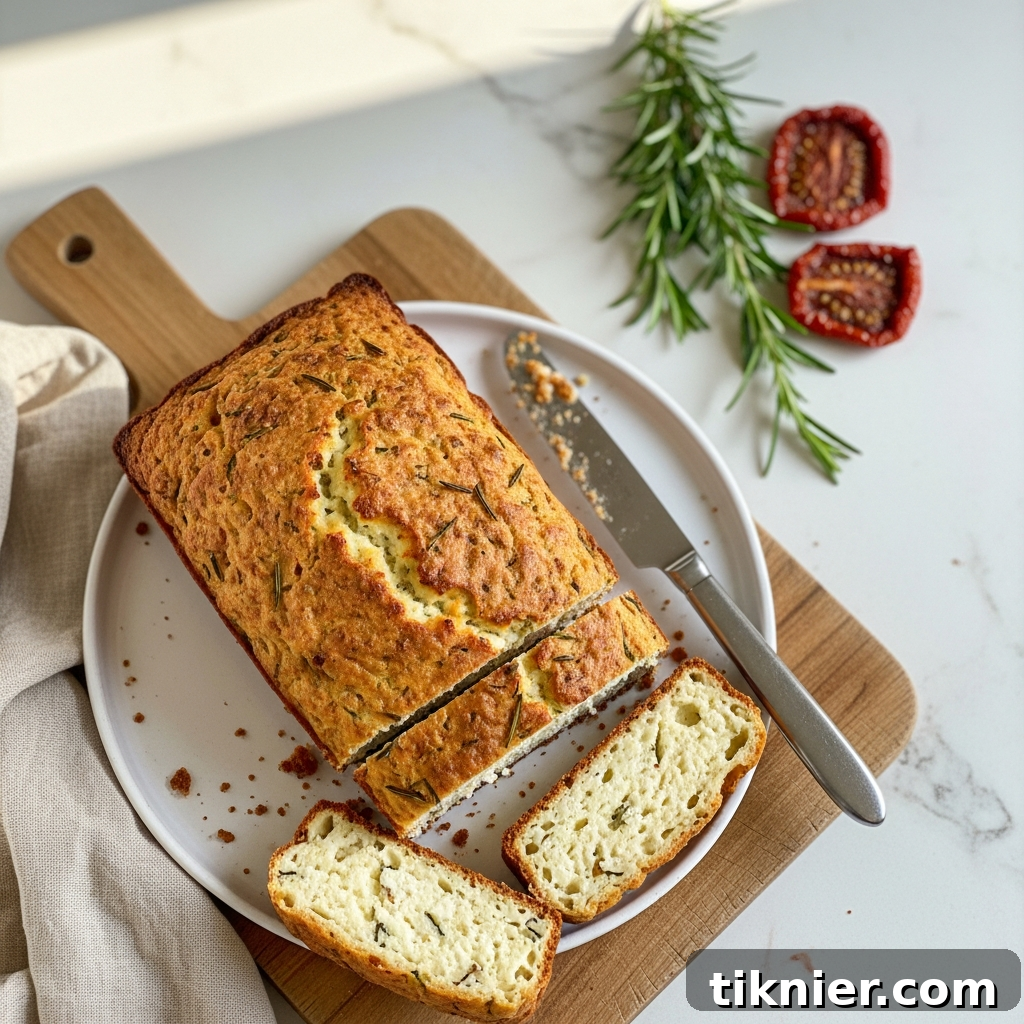
Description: A high-protein, gluten-free savory bread packed with the sweet, mellow flavor of roasted garlic, tangy sun-dried tomatoes, and crunchy pine nuts. Perfect for sandwiches, toast, or as a side to your favorite meal, offering both health benefits and gourmet taste.
Yield: 1 Loaf (approx. 12 slices) | Category: Bread | Cuisine: American (with Mediterranean influence)
Prep Time: 15 minutes | Cook Time: 1 hour 20 minutes (includes garlic roasting)
Ingredients
- 2 cups full-fat cottage cheese
- 4 large eggs
- 2 cups oat flour
- 1 tablespoon baking powder
- 1/2 teaspoon salt
- 1 whole head of garlic
- 1 tablespoon olive oil
- 1/2 cup oil-packed sun-dried tomatoes, drained and chopped
- 1/4 cup toasted pine nuts
- 1 tablespoon fresh rosemary, finely chopped (optional)
Instructions
- Preheat oven to 400°F (200°C). Slice off the top quarter-inch of the garlic head, drizzle with olive oil, wrap loosely in aluminum foil, and roast for 30-35 minutes until the cloves are soft and golden. Allow to cool slightly.
- Reduce oven temperature to 375°F (190°C). Grease a 9×5 inch loaf pan well and line it with parchment paper, allowing the paper to overhang on the long sides for easy lifting.
- In a high-powered blender or food processor, combine the full-fat cottage cheese, large eggs, and the cooled roasted garlic cloves (squeezed from their skins). Blend on high until the mixture is completely smooth and creamy, scraping down the sides as needed.
- In a separate large bowl, whisk together the oat flour, baking powder, and salt until thoroughly combined.
- Pour the smooth wet mixture from the blender into the bowl with the dry ingredients. Use a spatula to gently stir everything together until just combined. Be careful not to overmix.
- Gently fold in the chopped sun-dried tomatoes, toasted pine nuts, and the optional fresh rosemary, ensuring they are evenly distributed throughout the batter.
- Pour the prepared batter into your greased and lined loaf pan, spreading it evenly with the spatula. Bake for 45-55 minutes, or until the top is golden brown and a toothpick or cake tester inserted into the very center of the loaf comes out completely clean.
- Allow the loaf to cool in the pan on a wire rack for 10 minutes. Then, use the parchment paper sling to carefully lift the bread out of the pan and transfer it to the wire rack to cool completely before slicing. This final cooling step is crucial for achieving the perfect texture.
Notes
For the best possible texture and moisture, using full-fat cottage cheese is absolutely essential. Avoid low-fat or non-fat versions. Additionally, allowing the bread to cool completely before slicing is crucial to prevent a gummy texture and ensure the interior sets properly.
Servings: 12 slices | Calories: 185 kcal | Fat: 9g | Carbohydrates: 14g | Protein: 13g
5 Frequently Asked Questions About Savory Cottage Cheese Bread
Here are comprehensive answers to some of the most common questions I receive about this unique and delicious cottage cheese bread recipe, designed to help you bake with confidence.
Why is my Cottage Cheese Bread gummy or wet inside?
A gummy or wet interior is, by far, the most common issue home bakers encounter with this type of bread, and it’s usually attributable to one of three primary factors. The first, and most frequent, culprit is insufficient baking time. Ovens can vary significantly in temperature and efficiency, so relying solely on the recipe’s suggested bake time isn’t always enough. Your best friend here is the “toothpick test” or a cake tester. Ensure that when it’s inserted into the very center of the loaf, it comes out completely clean, with no wet batter or crumbs clinging to it. If it’s still wet, simply return the loaf to the oven for another 5 to 10 minutes, checking again.
The second reason often stems from the choice of cottage cheese. Using low-fat or non-fat cottage cheese is a common misstep. These varieties contain a significantly higher water content and less fat than their full-fat counterparts, which can prevent the bread from setting up properly, leading to a dense, wet, and often rubbery texture. Opting for full-fat cottage cheese is truly key to achieving that tender, moist, and perfectly structured crumb that holds together beautifully. Lastly, and equally crucial, is patience during the cooling process. It’s imperative to let the bread cool completely to room temperature before slicing into it. Slicing while the loaf is still warm will cause the interior to appear mushy and gummy, even if it has been perfectly baked. The bread needs that undisturbed cooling time on a wire rack to finish setting its internal structure and dissipate steam.
Can I make this Cottage Cheese Bread without a blender?
While technically possible, a high-powered blender or a food processor is very highly recommended for achieving the optimal texture in this bread. The primary goal is to render the cottage cheese and egg mixture perfectly smooth and homogenous, eliminating any visible curds. This critical step ensures a uniform, bread-like crumb throughout the finished loaf. A high-powered blender excels at this, transforming the mixture into a silky, lump-free consistency in less than a minute. A food processor is the next best alternative and will also effectively break down the curds, though it might require slightly more time and scraping to achieve a truly silky smooth batter.
Attempting to make this bread by hand with a whisk or even an immersion blender would be incredibly challenging. It would be exceedingly difficult to achieve the desired level of smoothness. Consequently, you would likely end up with noticeable cottage cheese curds still present in your finished loaf, resulting in a chewier, lumpier, and less bread-like texture. For the best results that genuinely mimic the satisfying texture of a traditional loaf of bread, an appliance capable of thoroughly liquifying the cottage cheese is truly essential to the recipe’s success.
Can I use a different flour in this Cottage Cheese Bread recipe?
Yes, you can substitute the flour, but it’s important to understand that doing so will likely alter the final result in terms of texture and perhaps flavor. This particular recipe has been carefully developed and optimized for oat flour. Oat flour is not only naturally gluten-free but also boasts a mild, slightly sweet flavor that beautifully complements the savory ingredients in this bread. If your primary goal is to maintain a gluten-free loaf, almond flour is a viable and popular substitute. Using almond flour will typically create a denser, moister loaf with a slightly richer flavor and a reduced carbohydrate count. While it’s a delicious variation, be prepared for a noticeably different texture, often described as more cake-like.
Technically, you could use regular all-purpose wheat flour, but this would fundamentally change the nature of the recipe. Firstly, the bread would no longer be gluten-free. Secondly, the gluten present in wheat flour would develop during mixing, creating a chewier, more traditional bread texture. If you opt for all-purpose flour, it’s crucial to be very mindful of not overmixing the batter, as excessive mixing can over-develop the gluten, leading to a tough, rubbery bread. Personally, I find the tender, moist crumb that oat flour provides to be superior and perfectly suited to the savory profile of this specific cottage cheese bread recipe.
Is this viral Cottage Cheese Bread actually healthy?
The term “healthy” can carry different meanings for different individuals, but this cottage cheese bread certainly boasts a wealth of impressive nutritional qualities that align with a health-conscious lifestyle. Its main ingredient, cottage cheese, makes it an exceptionally high-protein food. A single slice of this flavorful loaf provides approximately 13 grams of protein, which is fantastic for promoting satiety, supporting muscle health, and providing sustained energy. Furthermore, since this recipe utilizes oat flour, it is naturally gluten-free, making it an excellent and delicious option for individuals managing celiac disease or those with gluten sensitivities.
It’s worth noting, however, that my particular recipe calls for full-fat cottage cheese and incorporates healthy fats from olive oil and pine nuts. While these are beneficial fats that contribute to overall well-being and nutrient absorption, they do contribute to the loaf’s overall fat and calorie count. Compared to a standard slice of highly processed white bread, which often offers minimal nutritional value, this homemade cottage cheese bread is a powerhouse of nutrients. It’s packed with high-quality protein, dietary fiber from the oats, and healthy fats. In my view, it stands out as a far more nutrient-dense, satisfying, and wholesome choice that I feel genuinely good about serving to my family and friends.
What’s the best type of cottage cheese to use for making bread?
For achieving the absolute best results in this cottage cheese bread recipe, the type of cottage cheese you select is critically important. Without a doubt, the ideal choice is full-fat, small-curd cottage cheese. The “full-fat” aspect is paramount and cannot be overstated. The higher fat content of full-fat cottage cheese is a significant contributor to the bread’s superior moisture, rich flavor, and incredibly tender structure. Conversely, using low-fat or fat-free versions can lead to undesirable outcomes such as a dry, rubbery, or overly dense bread because they contain more water and lack the richness and creaminess necessary to create that soft, appealing crumb.
While the “curd size” (small curd vs. large curd) is less critical than the fat content, I personally lean towards small-curd cottage cheese. My preference is simply because it tends to blend a little more easily and quickly into the smooth, lump-free consistency that we aim for in the batter. However, if large-curd cottage cheese is what you have, it will still work perfectly fine since the blending process will completely break down all the curds anyway. The brand of cottage cheese is less important than its fat content, so feel free to choose your favorite full-fat variety from your local grocery store. The key takeaway is to ensure you start with a rich, creamy, full-fat product to give your bread the best possible foundation for success and deliciousness.
Try These Recipes Next
If you’ve enjoyed the rewarding experience of baking this savory and unique loaf, you might find joy in exploring some of my other favorite bread recipes. They offer a diverse range of flavors and textures, perfect for any occasion!
- 15 Easy Bread Recipes for Thanksgiving: This comprehensive collection is a fantastic resource for the holidays, featuring everything from classic, fluffy dinner rolls to impressive, flavorful loaves designed to complement your festive feast.
- Sour Cream Pumpkin Bread: Indulge in the quintessential flavors of autumn with this incredibly moist and tender sweet bread. Bursting with warm spices and a comforting richness from sour cream, it’s perfect for cozy mornings or an afternoon treat.
- Easy Beer Batter Bread: Prepare to be amazed by the simplicity and incredible flavor of this rustic loaf. Requiring just a few basic ingredients and absolutely no kneading, it consistently yields a crusty, flavorful bread that’s perfect alongside stews or slathered with butter.
Happy baking, y’all, and enjoy the delicious journey!