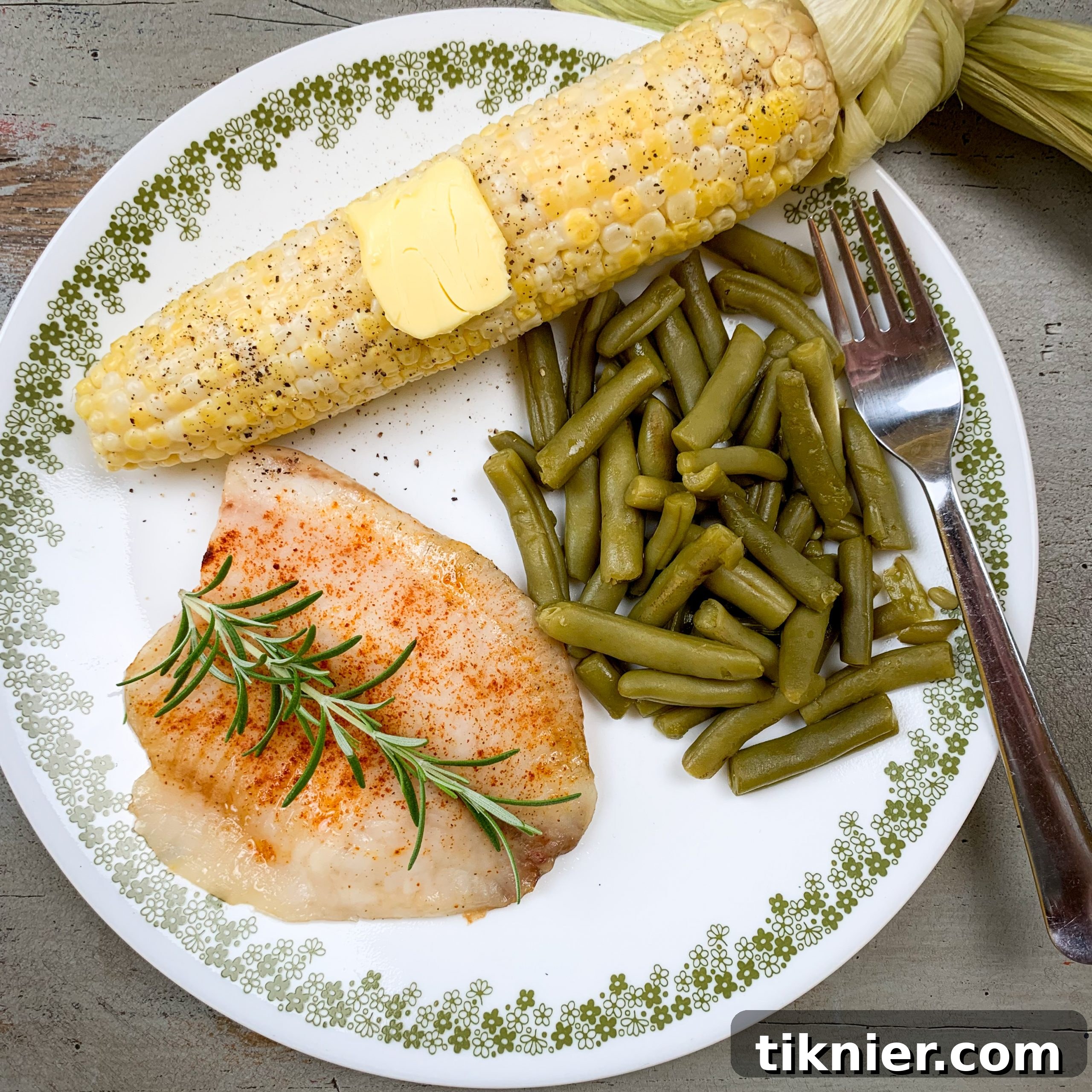
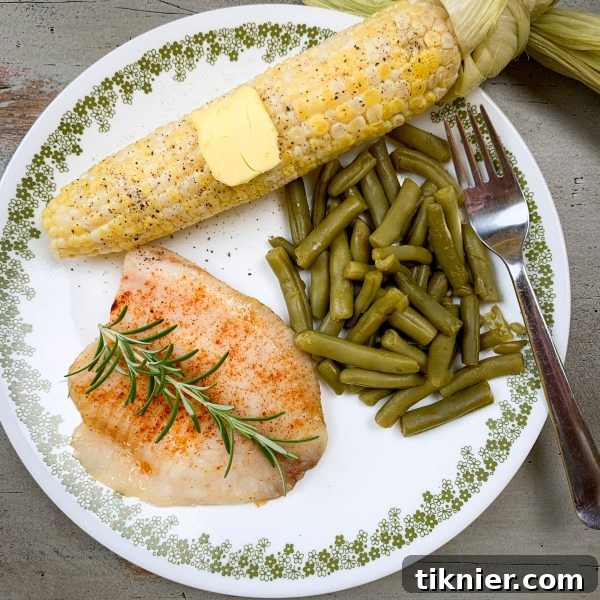
The Ultimate Guide to Perfect Oven-Roasted Corn on the Cob
If you’ve been on the hunt for the ultimate method to prepare incredibly delicious and perfectly cooked corn on the cob, your search ends here! Forget soggy boiled corn or the hassle of grilling in unpredictable weather. This foolproof oven-roasted corn on the cob recipe, complete with an ingenious husk handle trick, will become your go-to for effortlessly sweet and tender kernels every single time.
Corn is a quintessential summer delight, and when it’s in season, you’ll find vibrant piles of it at every grocery store and farmer’s market. While there are countless ways to enjoy this versatile vegetable, oven-roasted corn on the cob holds a special place in my heart. I’ve personally roasted corn three times in the last two weeks alone, a testament to its irresistible flavor and ease of preparation. This method not only locks in maximum flavor but also makes serving a breeze, perfect for casual weeknight dinners or festive backyard gatherings. Whether served alongside grilled fish, juicy burgers, or simply enjoyed on its own, this recipe promises a taste of summer in every bite.
Why Oven Roasting Corn on the Cob is a Game-Changer
Grilled corn often steals the spotlight during the warmer months, celebrated for its smoky char. However, I’m here to tell you that oven-roasted corn on the cob deserves equal, if not more, adoration. It offers unparalleled ease and reliability, liberating you from the need to babysit a hot grill under the scorching sun or brave a sudden rain shower. The magic lies in roasting the corn with its husks intact. This simple technique creates a natural steaming chamber, trapping all the moisture, natural sugars, and incredible corn flavor right within the kernels. The result? Bursting, juicy, and intensely sweet kernels that truly embody the essence of summer.
Beyond the superior taste, oven roasting boasts several practical advantages. You don’t need any specialized equipment – no aluminum foil, no giant pots of boiling water, and no guesswork about grill temperatures. Just your fresh, soaked corn on a baking sheet, sliding into a preheated oven. It’s a wonderfully low-effort method that consistently yields high-reward results, making it perfect regardless of the season or the day’s weather. This method ensures that your corn is uniformly cooked and packed with flavor, making it a reliable choice for any meal.
How to Select the Freshest Corn for Roasting
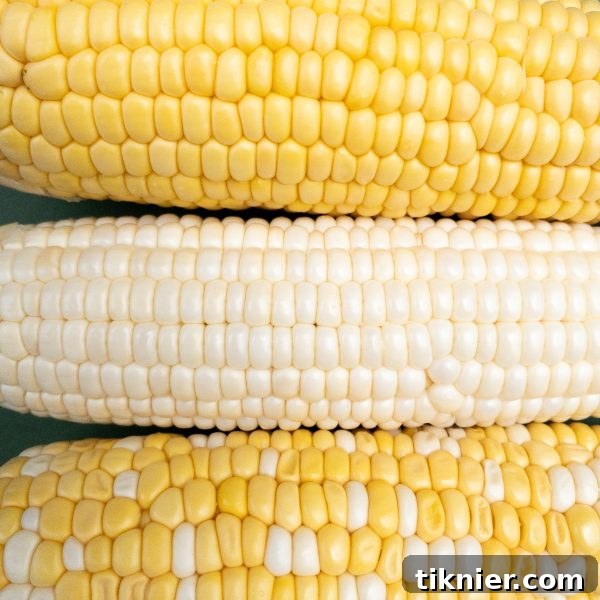
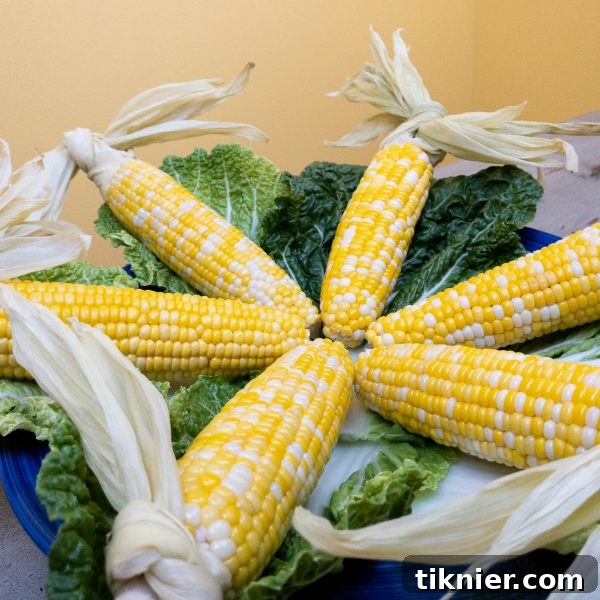
The secret to exceptional oven-roasted corn on the cob begins long before it ever touches the oven: it starts with choosing the freshest ears available. Nobody wants bland, starchy corn, especially when you’re aiming for that sweet, tender perfection. In the United States, sweet corn is the variety you’ll typically find for eating off the cob. You’ll likely encounter yellow, white, and bicolored options, all excellent choices for this recipe.
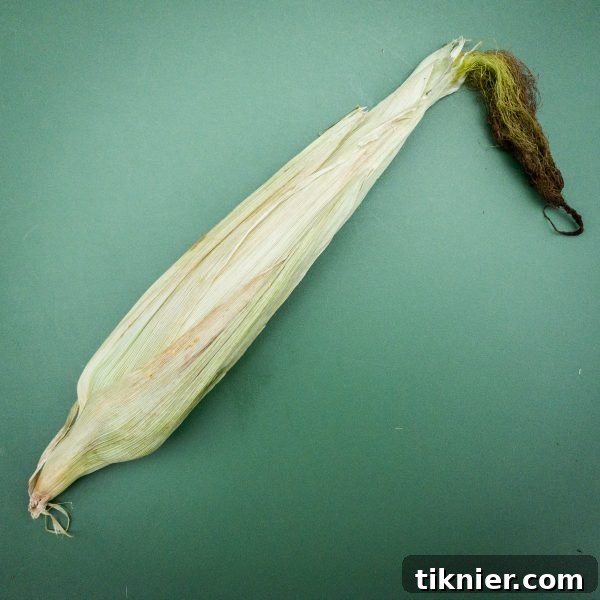
When you’re at the produce aisle or farmer’s market, focus on corn that is still in its husks. Look for husks that are a vibrant, bright green, feeling cool and slightly damp to the touch. They should be tightly wrapped around the corn, with no signs of tiny boreholes, which could indicate insect damage. Avoid any ears with husks that appear dry, yellowish, or are starting to pull away from the cob, as these are tell-tale signs that the kernels inside are drying out and losing their natural sweetness and moisture.
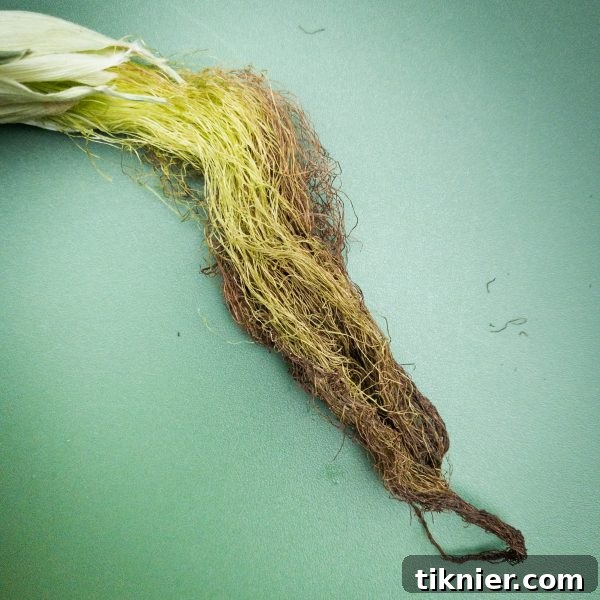
Pay close attention to the corn silk, or tassels, at the very end of the ear. Healthy, fresh tassels should be golden or light brown and feel slightly sticky. If the tassels are dark brown, brittle, or completely dry, it’s a strong indicator that the corn is past its prime. While it might still be edible, it won’t offer that peak flavor you’re looking for.
Instead of peeling back the husks – which causes the corn to dry out faster – opt for a gentle squeeze test. The ear should feel firm and plump all the way around, with no soft spots or indentations where kernels might be missing. Don’t be shy about inspecting your corn; if you get a few curious glances, they’re probably just wondering what your secret to picking perfect corn is! I’ve certainly received my share of funny looks over the years. Lastly, beware of pre-packaged corn with the ends already cut off, as this is often a tactic to disguise older corn that has begun to dry out.
Oven Roasting Corn on the Cob with Husks: A Step-by-Step Guide
In my younger days, I remember helping my grandmother shuck corn from her garden. She always boiled it, and the flavorful, starchy water would inevitably get poured down the drain. Little did I know then, we were discarding a significant amount of delicious corn flavor. The simple technique of roasting corn with its husks on is a game-changer, ensuring all that precious flavor is locked into every kernel.
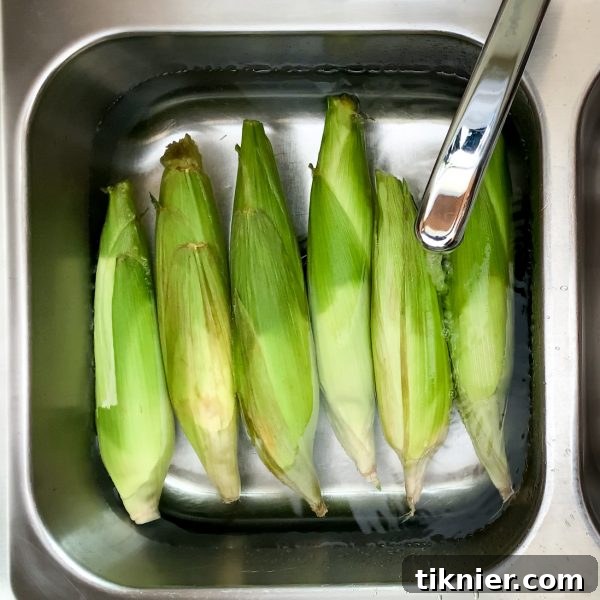
The process is incredibly straightforward. First, you soak the corn in water for a brief period, then pop it into the oven. As it bakes, your kitchen will fill with the most delightful fragrance of sweet, roasted corn. While I prefer to lay my corn on a baking sheet for even cooking, many people place their soaked ears directly onto the oven rack, which works just as well. This method yields corn that is not only tender and sweet but also incredibly versatile. If you prefer to enjoy corn off the cob, this recipe is also an ideal way to prepare the kernels for other dishes, like a vibrant street corn salad.
Ingredients for Oven Roasted Corn on the Cob
- 4-6 ears of fresh sweet corn, still in their husks (plan for 1 to 1.5 ears per person, depending on appetites)
- Your desired seasonings (garlic salt, Creole seasoning, black pepper, or a simple sprinkle of sea salt and butter are all fantastic choices)
That’s it! This minimal ingredient list is just one more reason to love this incredibly simple and satisfying recipe.
Step 1: Soak the Corn
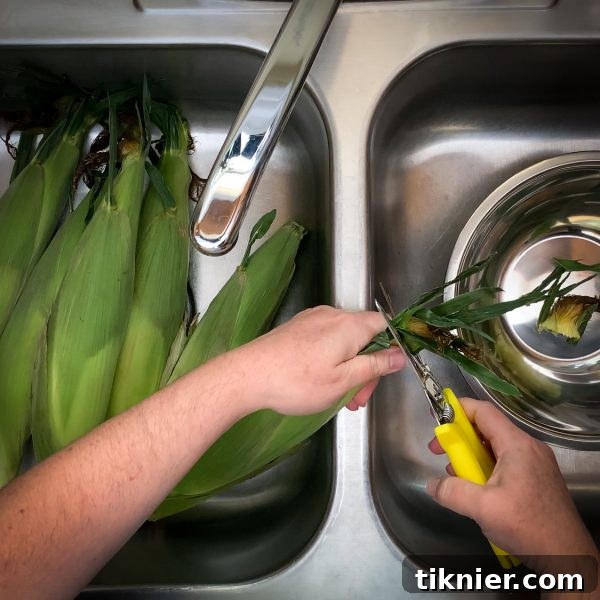
Begin by using a pair of kitchen scissors to carefully trim any excess silks, loose husks, and the very end of the corn cob. This tidy step makes handling easier. Next, place all the ears of corn in a clean kitchen sink or a large pot. Fill the sink or pot with cold water until the corn can be completely submerged. You might need to gently hold the corn down to ensure it stays underwater, or use a lid to weigh it down.
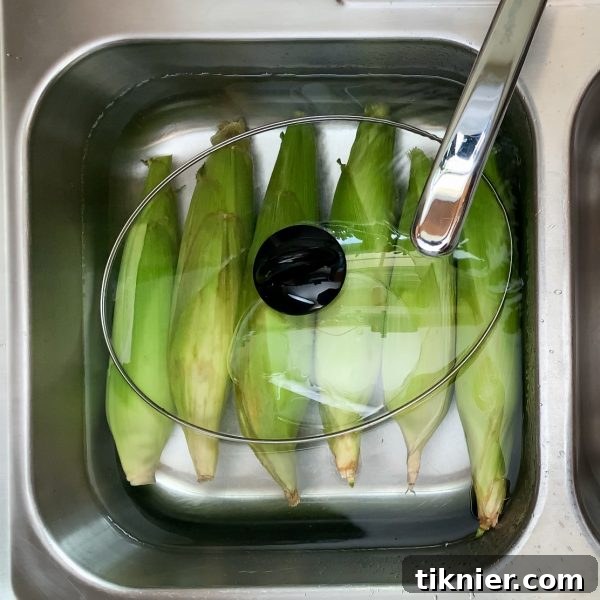
Allow the corn to soak for 15 to 30 minutes. This crucial soaking process ensures that the husks are thoroughly hydrated, which in turn prevents the corn from drying out during roasting. The water absorbed by the husks will convert into steam within the oven, creating a perfect, moist environment that cooks the kernels to tender perfection and intensifies their natural sweetness.
Step 2: Prepare the Corn for Baking
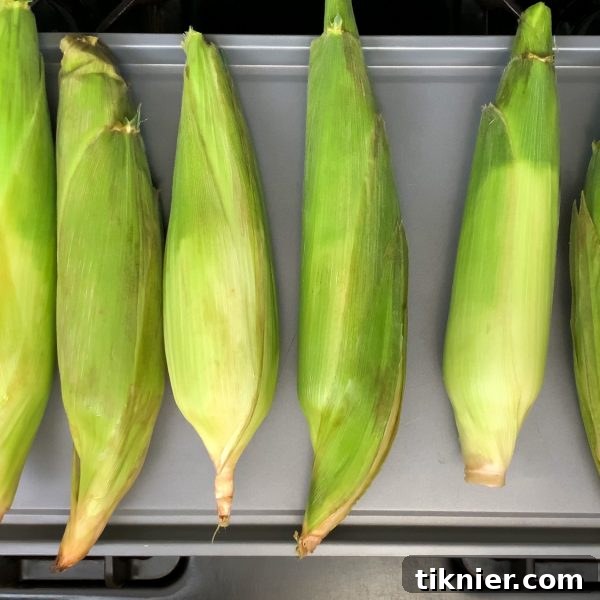
While your corn is soaking, preheat your oven to 350°F (175°C). Once the soaking time is complete, remove the corn from the water and give each ear a gentle shake to remove any excess moisture. Arrange the damp ears of corn in a single layer on a baking sheet. Using a baking sheet is recommended to catch any drips and keep your oven clean, though as mentioned, you can place them directly on the oven rack if preferred.
Step 3: Bake the Corn to Perfection
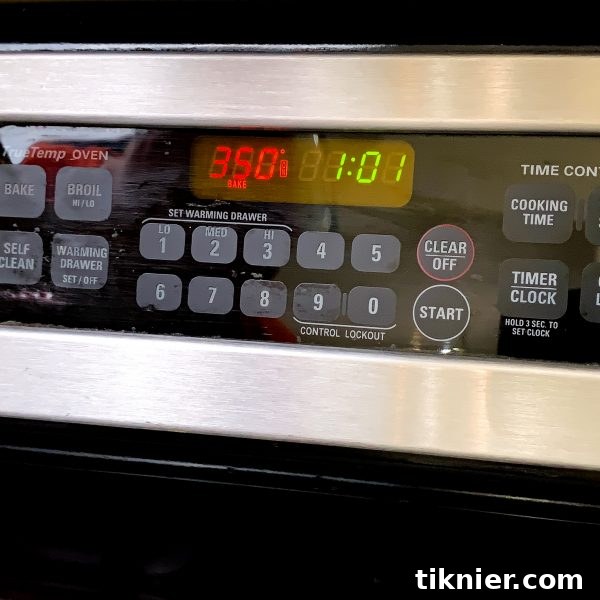
Carefully transfer the baking sheet with the corn into the preheated oven. Bake the corn for 30 to 40 minutes. For optimal results and to maintain a consistent cooking temperature, it’s best to avoid opening the oven door frequently during the baking process. This helps to retain the heat and the steam trapped within the husks, which are vital for that tender, juicy outcome. You’ll know it’s done when the husks begin to look slightly charred and the corn feels tender when gently squeezed (carefully, through the husk).
Step 4: Remove and Cool the Roasted Corn
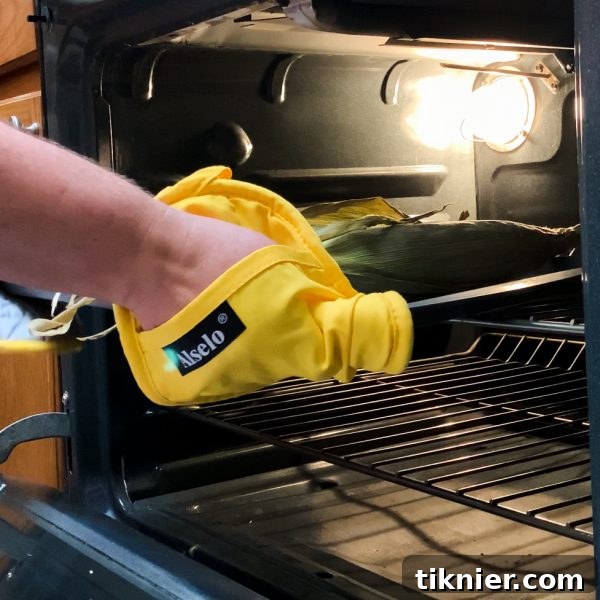
Once the baking time is complete, carefully remove the corn from the oven. Allow it to cool on the baking sheet for approximately five minutes. It’s important not to let the corn get cold, as warm corn is always best, but allowing it to cool slightly prevents you from burning your hands while you prepare the ingenious corn husk handles.
Step 5: Tie the Corn Husk Handles
This clever trick makes eating hot corn on the cob much easier and more enjoyable, especially for children!
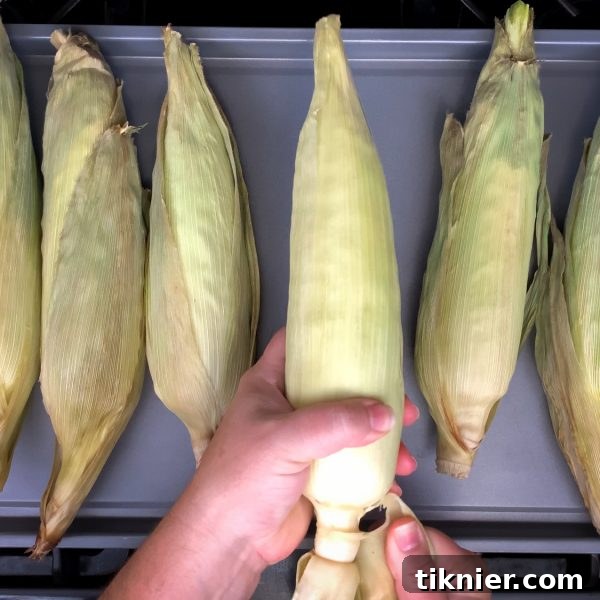
After the corn has cooled slightly, peel back the first few outer husks. These can be tough and a bit scorched, so it’s best to tear them off and discard them. Tearing often works better than breaking or cutting, giving a cleaner removal.
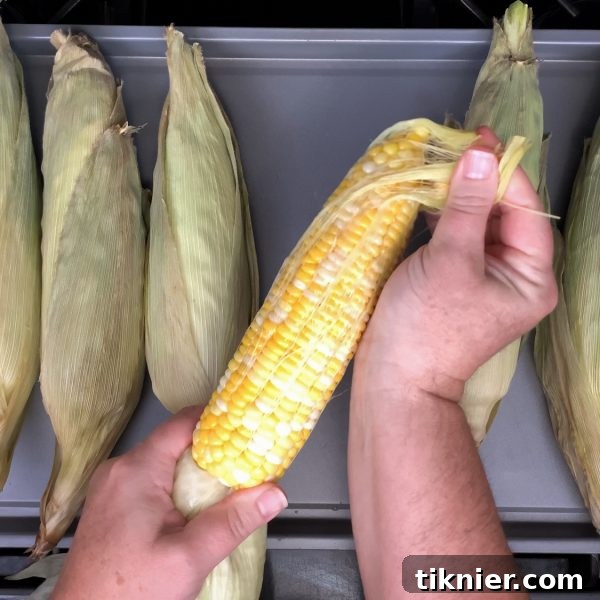
Next, carefully peel down the remaining, softer husks, pulling them towards the base of the cob. The steaming process will have loosened the corn silks, making them much easier to remove now. Gently pull off all the corn silks. You can use a damp paper towel to help wipe away any stubborn strands.
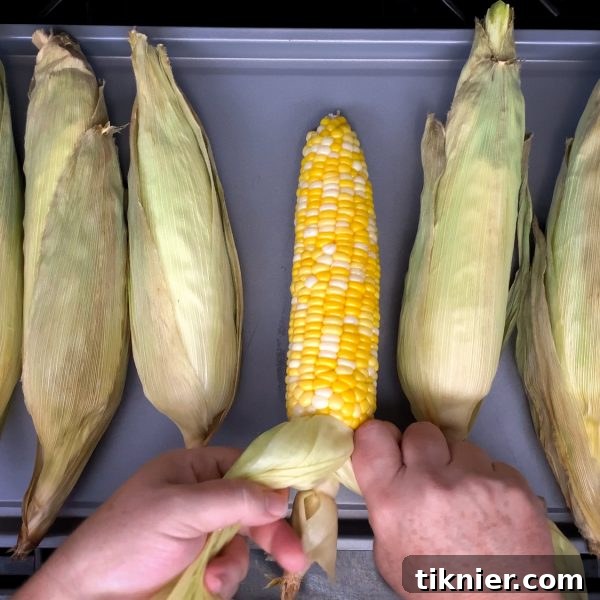
Once the silks are removed, gather the peeled-back husks and divide them into two even sections. Tie these two sections together tightly with a simple overhand knot, right at the base of the cob. Pull the knot firmly to secure it.
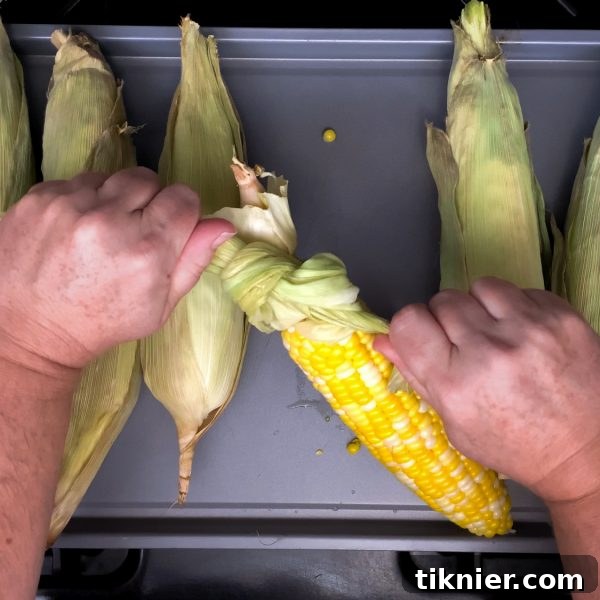
Repeat this process for each ear of corn. And presto! You now have a convenient, cool-to-the-touch handle for enjoying your hot, oven-roasted corn on the cob without getting burned fingers.
Seasoning & Serving Ideas for Oven-Roasted Corn
While oven-roasted corn on the cob is incredibly flavorful and delicious on its own, it also serves as a fantastic canvas for a wide array of seasonings and toppings. You can keep things wonderfully simple with just a touch of butter and salt, or elevate it with bold spices, fresh herbs, and creative embellishments. The beauty of this recipe is its versatility, allowing you to tailor it to any palate or occasion.
Here are a few of my favorite ways to season and serve this delectable corn:
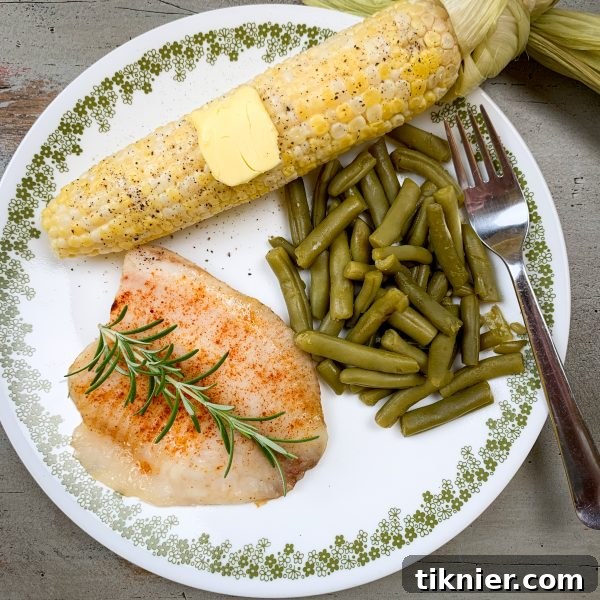
- The Classic Approach: For timeless perfection, simply add a generous pat of high-quality butter that melts into the warm kernels, a sprinkle of flaky sea salt to enhance its natural sweetness, and a few cracks of freshly ground black pepper for a subtle aromatic finish.
- Zesty & Bright: Infuse a burst of freshness with a squeeze of fresh lime juice, a dash of earthy chili powder, and a delicate sprinkle of garlic salt. This combination adds a vibrant, tangy kick that truly awakens the senses.
- Southern Comfort Style: For a hearty flavor profile, brush the roasted corn generously with melted butter, then dust it with a smoky and spicy Creole seasoning. This delivers a delightful kick and a rich, savory depth reminiscent of traditional Southern cuisine.
- Fresh & Herby Elegance: Drizzle the warm corn with a high-quality extra virgin olive oil for a delicate fruitiness, then liberally sprinkle with finely chopped fresh cilantro or parsley. These herbs add a beautiful, bright, and aromatic touch that complements the corn’s sweetness.
- Authentic Street Corn (Elote) Style: Transform your oven-roasted corn into a Mexican street food sensation. Spread a thin layer of mayonnaise or Mexican crema over the kernels, then generously sprinkle with crumbled cotija cheese, a squeeze of fresh lime, and a pinch of vibrant paprika or a dusting of chili powder for that iconic flavor.
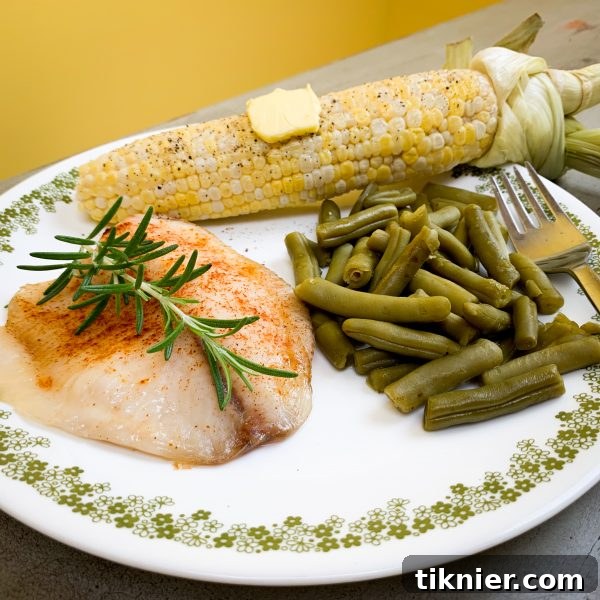
This versatile corn pairs beautifully with a wide range of main dishes, making it suitable for any meal. Serve it alongside sizzling burgers, flaky grilled fish, tender BBQ chicken, or honestly… just prepare a second helping of corn! It’s a crowd-pleasing side dish that effortlessly fits into backyard cookouts, busy weeknight dinners, or even more formal dinner parties, always bringing that sweet taste of summer to the table.
A Naturally Vegan and Allergy-Friendly Favorite
One of the most wonderful qualities of oven-roasted corn on the cob is its inherent appeal to a diverse group of diners. It’s naturally vegan, gluten-free, and inherently allergy-friendly, making it a guaranteed crowd-pleaser no matter who you’re serving. As long as you choose to skip traditional butter or any other dairy-based toppings, you’re left with a truly plant-based side dish that is bursting with flavor and delightful texture.
For those who appreciate a touch of richness without dairy, a good quality olive oil makes an excellent alternative to butter. You can further enhance its flavor by drizzling it with infused oils, such as chili-infused oil for a subtle heat or garlic-infused oil for an aromatic kick. If you crave more brightness and zest, a generous squeeze of fresh lime juice paired with finely chopped herbs like cilantro or parsley can go a long way in elevating the dish.
Ultimately, this is the kind of dish that doesn’t require much embellishment to shine. The roasting process itself masterfully brings out a naturally sweet, almost creamy flavor that stands strong even without any added ingredients. Whether you’re hosting vegans, vegetarians, or a mixed group with various dietary preferences, this simple yet flavorful oven-roasted corn on the cob recipe is a stress-free, full-flavor victory every time.
How to Store & Reuse Corn on the Cob Leftovers
If you find yourself with any delicious leftover oven-roasted corn on the cob, rest assured that it stores beautifully and tastes just as fantastic the next day. The key to preserving its juicy tenderness and preventing it from drying out upon reheating lies in proper storage techniques. Thoughtful handling ensures you can savor that sweet roasted flavor for days after your initial meal, making it an incredibly economical and versatile side dish.
Firstly, always allow the corn to cool completely to room temperature before refrigerating. Storing warm corn can lead to condensation build-up inside the container, which can result in soggy kernels. Once cooled, you have two primary options for storage, depending on how you envision reusing it:
- Storing on the Cob: For convenience, if you plan to enjoy it again off the cob, simply wrap each individual ear tightly in plastic wrap or aluminum foil. This seals in the moisture and protects the kernels. Store these wrapped ears in the refrigerator for up to three days. To reheat, you can either warm them gently in the microwave for a minute or two, or place them in a 350°F (175°C) oven for about 10 minutes, until heated through.
- Storing Kernels (Off the Cob): If you anticipate incorporating the corn into other dishes, slicing the kernels off the cob is an excellent prep-ahead strategy. Use a sharp knife to carefully cut the kernels into a large bowl. Transfer these loose kernels to an airtight container and store them in the refrigerator for up to four days.
Leftover corn kernels are incredibly versatile and can breathe new life into a variety of meals. Don’t let them go to waste! Here are some creative ways to reuse them:
- Add to Salsas: Stir them into a vibrant black bean salsa or a refreshing pico de gallo for added sweetness and texture.
- Enhance Soups and Stews: Fold them into creamy potato soup, hearty chili, or a rich chowder for a burst of summery flavor.
- Bake into Breads: Mix them into cornbread batter, muffins, or savory scones for a delightful surprise.
- Toss into Salads: They’re a fantastic addition to almost any summer salad, from simple green salads to more elaborate grain bowls.
- Sprinkle over Savory Dishes: Garnish nachos, tacos, quesadillas, or even scrambled eggs with a handful of roasted corn kernels for extra flavor and visual appeal.
With proper storage and a little creativity, your leftover oven-roasted corn can easily stretch into several delicious and convenient meals throughout the week.
Substitutions & Variations for Corn on the Cob
While my personal favorite involves a Spicy Creole Garlic Butter, this foundational oven-roasting method is wonderfully adaptable, serving as the perfect base for an endless array of flavor twists. Think of it as your blank culinary canvas, ready to be seasoned and customized to your heart’s content. It’s a flexible, simple, and incredibly fun recipe to personalize, ensuring you can cater to any preference or occasion.
The simplest and most impactful way to switch things up is by crafting a unique compound butter. Start with softened, unsalted butter and blend in any combination of herbs, spices, or citrus zest you adore. A quick change in your compound butter can completely transform the dish, whether you’re aiming for something fresh and herbaceous, deeply smoky, or extra bold and spicy.
Here are a few inspiring ideas to get you started:
- Flavor Swaps for Compound Butter:
- Chili-Lime Butter: Skip the Creole spice and instead create a vibrant butter with chili powder, a pinch of cumin, and plenty of fresh lime zest. This offers a zesty, smoky, and slightly spicy profile.
- Herbal Lemon Butter: For a light and refreshing taste, mix softened butter with finely chopped fresh parsley, chives, and bright lemon zest. This is perfect for pairing with seafood.
- Chipotle-Adobo Butter: Blend butter with finely minced chipotle peppers in adobo sauce for a rich, smoky, and subtly spicy kick that’s wonderfully robust.
- Honey Garlic Butter: Combine butter with minced garlic and a touch of honey for a sweet and savory glaze that caramelizes beautifully on the corn.
- Make it Mild for Sensitive Palates: If you’re serving children or guests who prefer less heat, simply omit the Creole seasoning. A universally loved alternative is a simple garlic butter made with garlic powder, a hint of onion powder, and dried or fresh parsley. This combination is always a surefire hit.
- Dairy-Free Option: To make this recipe completely dairy-free, substitute a good quality vegan butter alternative or use a flavorful olive oil. Mix your chosen seasonings directly into the oil and brush it generously over the corn once it’s roasted and peeled. This ensures all the flavor without any dairy.
- Grilling Method for Smoky Flavor: For those who love a distinct smoky char, this recipe can easily be adapted for the grill. Follow the crucial first step of soaking the corn in its husks as usual. Then, preheat your grill to medium heat (around 350-400°F or 175-200°C). Place the soaked corn directly on the grill grates, close the lid, and grill for 15-20 minutes, turning every 5 minutes or so to ensure even cooking and charring of the husks. Once the corn is tender, remove, cool slightly, peel, and butter as you would with the oven-roasted version.
Don’t hesitate to get creative and experiment with different flavors. This recipe is incredibly forgiving and easy to adapt, allowing you to truly make it your own signature dish. Once you discover your perfect combination, it’s the kind of irresistible corn your family will eagerly request every summer, year after year.
5 FAQs About Oven-Roasted Corn on the Cob
Here are some straightforward answers to the most common questions I receive about this delicious oven-roasted corn on the cob recipe, designed to help you achieve perfect results every time.
Can I make this oven-roasted corn on the cob on the grill?
You absolutely can, and it’s a fantastic alternative for infusing your corn with a delicious, smoky char. The grilling process is quite similar to the oven method, requiring just a few minor adjustments. You’ll still want to rigorously follow the crucial initial step of soaking the corn in its husk for at least 15 to 30 minutes. This is even more vital when grilling, as direct flames are significantly more intense than an oven’s ambient heat. The wet husks will effectively protect the corn from burning while allowing it to steam perfectly, resulting in juicy, tender kernels.
To grill, preheat your grill to a medium heat, aiming for a temperature between 350-400°F (175-200°C). Place the soaked ears of corn directly onto the grill grates and close the lid. Cook for approximately 15 to 20 minutes, making sure to give the ears a quarter turn every 5 minutes or so to ensure even cooking and charring on all sides. The husks will develop a lovely char, which is exactly what contributes to that desirable smoky flavor. Once the corn is tender when pierced or squeezed, remove it from the grill, let it cool slightly, then peel back the husks, tie your convenient handle, and slather it with your favorite seasonings.
Why do you soak the corn on the cob before roasting?
This is arguably the most important step in the entire recipe and one you should never, ever skip. Soaking the corn in its husk serves two absolutely vital purposes, both contributing to its exceptional taste and texture. First and foremost, it thoroughly hydrates the husks. When these water-laden husks are exposed to the hot oven, the absorbed water rapidly converts into steam. This steam creates a perfect, natural pressure-cooker-like environment right around the kernels, which is the secret to making the corn incredibly tender, juicy, and intensely sweet. It effectively cooks the corn gently from the inside out, concentrating its natural sugars and locking in moisture.
Secondly, this vital moisture acts as a protective barrier, preventing the husks from drying out too quickly and, more importantly, from catching fire in the oven. While a little bit of char on the outer husks is perfectly acceptable and even desirable for adding flavor, you certainly don’t want them to incinerate before the corn inside has had sufficient time to cook through. This simple, traditional soaking step is a bit of old-fashioned kitchen wisdom that reliably guarantees perfectly cooked corn every single time, without fail.
What’s the easiest way to remove the silk from corn on the cob?
Ah, the notorious corn silk – those stubborn, wispy strands that seem to cling endlessly. We’ve all spent frustrating moments picking them off one by one. Thankfully, I’ve learned a few effective tricks over the years to make this process much, much easier. The absolute best trick is to wait until *after* the corn has been cooked. The wonderful steaming process that occurs inside the husk during roasting or grilling actually loosens the silks significantly, making them release from the kernels far more easily than when the corn is raw.
Once you’ve roasted your corn and carefully peeled back the husks (after allowing it to cool slightly), you can take a slightly damp paper towel or a clean kitchen towel and simply wipe down the ear of corn from top to bottom. The silks will readily cling to the damp towel and come right off with minimal effort. Another excellent tool for stubborn strands is a soft-bristled vegetable brush. A few gentle strokes with the brush will effectively remove any remaining silks without damaging the delicate, tender kernels. This method is quick, highly efficient, and will save you a great deal of frustration compared to trying to desilk raw corn.
How can I tell if my corn on the cob is fresh at the store?
Choosing the best corn is truly the foundation of this recipe; even the finest cooking technique can’t fully redeem old, starchy corn. When you’re at the grocery store or a farmer’s market, engage all your senses to select the perfect ears. First, visually inspect the husks: they should be a vibrant, healthy green color and wrapped snugly around the corn. Actively avoid any ears with husks that appear yellow, brown, or dry-looking, as these indicate older corn that has lost moisture and sweetness.
Next, examine the silks, those delicate strands peeking out from the top. Fresh silks should be pale yellow or a light golden-brown, and they should feel slightly damp and a bit sticky to the touch. If the silks are dark brown, black, or completely dry and brittle, the corn is undoubtedly past its prime. Finally, perform a gentle squeeze test on the ear. It should feel firm and plump all the way around, without any soft spots or noticeable indentations where kernels might be missing. If permissible, you can also peel back just a tiny section of the husk at the very top to peek at the kernels. They should appear plump, glossy, and tightly arranged in even rows. If they look shriveled, pale, or have gaps, put that ear back and continue your search for a fresher one. Your efforts in selecting fresh corn will directly translate into a sweeter, more tender final product.
Can I prepare this corn on the cob recipe ahead of time?
Yes, you can certainly do some crucial prep work ahead of time to streamline your cooking process, which is immensely helpful when you’re planning for a party or a significant family dinner. The best component to prepare in advance is any compound butter you intend to use. You can mix your softened butter with all the desired seasonings – be it garlic salt, Creole spice, herbs, or citrus zest – then scoop it onto a piece of plastic wrap. Roll it into a log, twist the ends to seal, and store it in the refrigerator for up to a week, or even in the freezer for several months. When you’re ready to cook, simply slice off the amount you need and allow it to soften or melt.
As for the corn itself, for the absolute best texture and flavor, it’s always recommended to roast it right before you plan to serve it. However, you can complete the initial trimming of the silks and husks, and even the all-important soaking step, a few hours in advance of cooking. Simply keep the trimmed and soaked corn submerged in cold water in your sink or a large pot until you are ready to transfer it to the oven. This small bit of thoughtful preparation can save you valuable time and reduce stress when you’re busy coordinating the rest of your meal, ensuring your oven-roasted corn on the cob is a breeze to prepare and enjoy.
Try These Recipes Next
If you enjoyed this delightful oven-roasted corn on the cob recipe, here are three more fantastic recipes from This Gal Cooks that would pair beautifully with it or offer complementary flavors:
Cheesy Chipotle Shrimp Corn Dip
Indulge in this smoky, incredibly creamy dip generously packed with sweet corn, zesty chipotle, and succulent shrimp. It’s an irresistible appetizer, perfect for entertaining guests or simply enjoying as a decadent snack.
Blackened Shrimp and Grits
Savor the comforting richness of creamy smoked gouda grits, sumptuously topped with perfectly seasoned blackened shrimp and crispy bacon bits. A sprinkle of tangy pickled jalapeños adds a delightful contrast to this Southern classic.
Creamy Mashed Potatoes
Discover the secret to exceptionally rich, buttery mashed potatoes made extra smooth and luxurious with the addition of Boursin cheese. This side dish is truly a perfect accompaniment for any meal, from weeknights to special occasions.