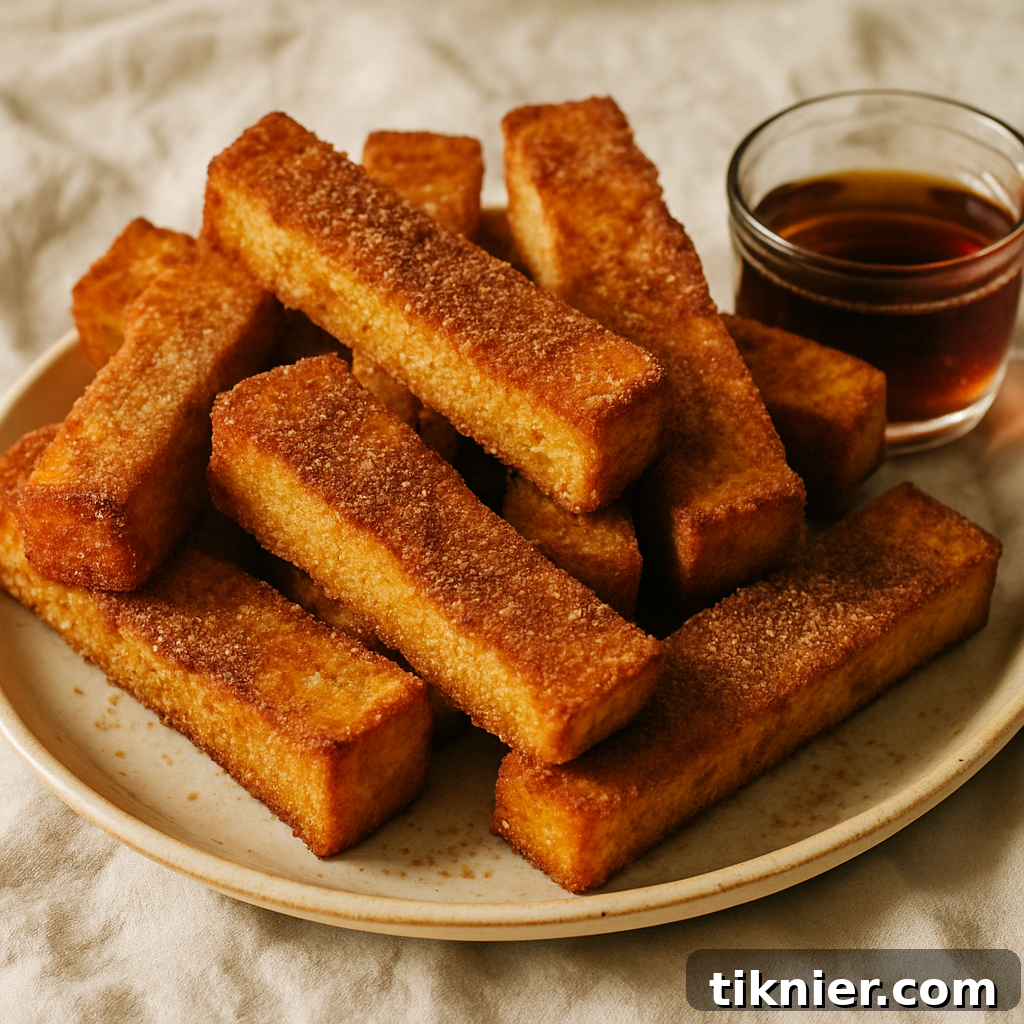
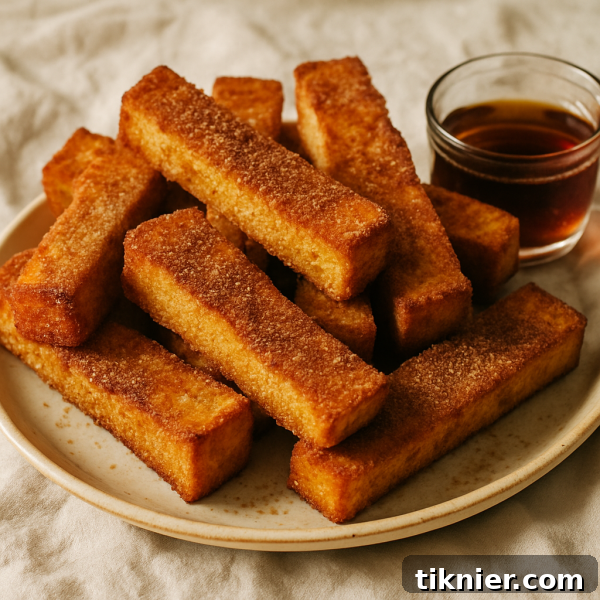
Easy Homemade French Toast Sticks: The Ultimate Kid-Friendly Breakfast & Brunch Treat
Imagine a breakfast that’s both delightfully crispy on the outside and wonderfully custardy on the inside, a perfect handheld treat that brings smiles to every face at the table. That’s precisely what you get with homemade French toast sticks. These delightful breakfast finger foods are not just for kids; they’re a universally loved staple that transforms a classic dish into an interactive and utterly satisfying experience for grownups and little ones alike.
My journey with French toast sticks began out of necessity and quickly evolved into a passion. When my daughter started kindergarten, finding quick, appealing, and wholesome weekday breakfasts became a daily challenge. That’s when I discovered the magic of French toast sticks. She’d enthusiastically dip them into a small cup of maple syrup, treating them like “pancake fries,” her giggles filling the kitchen each morning. It was a simple joy, but one that made hectic school mornings a little brighter.
However, it wasn’t until I prepared a larger batch for a weekend brunch with friends that I truly understood their broad appeal. To my surprise, sophisticated adults were just as captivated, dunking and munching with the same uninhibited delight as happy toddlers. That’s when it became clear: this wasn’t just a kid’s breakfast; it was a bona fide crowd-pleaser for all ages.
Inspired by their widespread success, I began experimenting to perfect the recipe, focusing on enhancing their flavor profile and making them conveniently freezer-friendly. The secret ingredient that truly elevates my French toast sticks is a quick, post-cooking toss in cinnamon sugar. Applied while they’re still warm, this simple step adds an irresistible crunch and a beautiful sparkle, without ever overshadowing the rich, eggy softness within. Whether you choose to bake them for a hands-off approach or fry them for a quicker crisp, one thing remains constant: these French toast sticks vanish remarkably fast!
Why French Toast Sticks Are a Breakfast Game Changer
French toast sticks have earned their place as a breakfast staple for compelling reasons. They embody comfort and nostalgia, offering a cozy start to any day, but in a format that’s undeniably more fun and versatile than traditional slices.
While classic French toast holds a special spot in our hearts, transforming it into sticks unlocks a new level of convenience and enjoyment. Their inherent dippability makes them an instant hit, especially for picky eaters who appreciate the interactive element. For brunch gatherings, these sticks offer a playful and satisfying option that’s easily customizable with various dips and toppings, catering to diverse preferences and adding a touch of whimsy to your spread.
Beyond their charm, French toast sticks are a remarkably smart choice for meal prepping. Unlike full slices, sticks maintain their structure and texture much better when stored and reheated. They crisp up beautifully, whether in the oven, toaster oven, or air fryer, often requiring minimal oil. Baking an entire tray in the oven provides a hands-off cooking method, while a griddle offers a quick stovetop alternative. Plus, the increased surface area of each stick guarantees more of those coveted golden, caramelized edges – often the best part!
If you’ve ever settled for those cardboard-like frozen French toast sticks from the grocery store, prepare for a revelation. Homemade versions are incomparably superior. They boast a softer, more custardy interior, a richer flavor profile, and none of the processed taste. You have complete control over the sweetness and spice levels, allowing you to tailor them perfectly to your taste or seasonal cravings. They are truly a testament to the fact that fresh is always best.
Essential Ingredients for Perfect French Toast Sticks
The foundation of exceptional French toast sticks lies in selecting the right bread and crafting a perfectly balanced, well-seasoned custard. Here’s a detailed look at the ingredients you’ll need to achieve that ideal crispy-on-the-outside, custardy-on-the-inside texture:
- Thick-cut Bread: This is arguably the most crucial ingredient. Opt for sturdy, thick-cut varieties like brioche or Texas toast. Brioche lends a rich, buttery sweetness, while Texas toast provides a robust canvas. The key is a bread substantial enough to absorb the custard without becoming soggy or falling apart during cooking. Slightly stale (day-old) bread is often preferred as it prevents over-saturation.
- Large Eggs: The heart of the custard, eggs bind the mixture and contribute to that coveted creamy interior. Using large eggs ensures consistent results.
- Whole Milk: For a truly rich and velvety custard base. Whole milk offers the best fat content for flavor and texture. For an extra indulgent treat, you can substitute with half-and-half or even a splash of heavy cream.
- Vanilla Extract: A staple in most sweet breakfasts, vanilla extract infuses the custard with warm, aromatic notes, deepening the overall flavor profile. Don’t skip it!
- Ground Cinnamon: This spice is non-negotiable for that classic, comforting French toast flavor. It adds a warm, inviting aroma and a delightful hint of spice that complements the sweetness beautifully.
- Pinch of Salt: Often overlooked in sweet recipes, a small pinch of salt is vital. It doesn’t make the French toast salty, but rather enhances and balances the sweetness of the sugar and vanilla, making all the flavors sing.
- Butter or Cooking Spray: Essential for greasing your cooking surface, whether it’s a skillet, griddle, or baking sheet. Butter adds a lovely flavor and helps achieve a golden-brown crust, while cooking spray offers a lighter, non-stick alternative.
- Cinnamon Sugar (The Signature Twist): This is my special touch that sets this recipe apart. I create a simple mixture of white granulated sugar and extra ground cinnamon. Immediately after cooking, while the French toast sticks are still piping hot, they get tossed in this coating. This step creates a delicate, sugary crunch and a beautiful, bakery-style sparkle that’s absolutely addictive.
Remember, the secret to the best French toast sticks lies in the details: using day-old bread for optimal absorption and whisking your custard until it’s perfectly smooth and well combined. Steer clear of thin sandwich bread, which tends to disintegrate or become overly soft, preventing those desirable crisp edges and tender centers.
Step-by-Step Instructions: Crafting Your Perfect French Toast Sticks
Making delicious homemade French toast sticks is surprisingly simple. Follow these detailed steps to achieve breakfast perfection:
- Prepare the Bread: Begin by slicing your chosen bread into thick sticks, aiming for approximately 1 inch in width. If you’re using a large loaf like brioche or Texas toast, you’ll typically yield 3–4 substantial sticks per slice. For optimal results, if your bread is extremely fresh, let the sliced sticks sit out on a wire rack for 10-15 minutes to air dry slightly. This helps prevent them from becoming overly soggy when dipped in the custard.
- Whisk the Custard: In a wide, shallow bowl (this makes dipping easier), combine your wet ingredients: the large eggs, whole milk, vanilla extract, about ½ teaspoon of the ground cinnamon, granulated sugar, and a pinch of salt. Whisk vigorously until the mixture is completely smooth, well combined, and slightly frothy. Ensure there are no streaks of egg white remaining.
- Dip and Soak the Sticks: Working with one or two bread sticks at a time, quickly dip each into the prepared custard. Allow it to soak for just a few seconds on each side – roughly 5-10 seconds per side. The goal is to moisten the bread thoroughly without oversaturating it. Over-soaking will cause the bread to become too soft and prone to falling apart during cooking. Gently shake off any excess liquid.
- Cook Them to Golden Perfection:
- For Stovetop Frying: Heat a large nonstick skillet or a griddle over medium heat. Lightly grease the surface with butter or cooking spray. Once hot, place the dipped bread sticks in a single layer, ensuring not to overcrowd the pan. Cook for 2–3 minutes per side, or until each side is beautifully golden brown and the sticks are cooked through. Adjust heat as needed to prevent burning.
- For Oven Baking: Preheat your oven to a steady 400°F (200°C). Line a large baking sheet with parchment paper for easy cleanup and to prevent sticking. Arrange the dipped French toast sticks in a single layer on the prepared sheet, making sure they are not touching. Bake for 12–15 minutes, flipping them halfway through (around the 6-7 minute mark), until they are uniformly golden brown and lightly crispy.
- Apply the Signature Cinnamon Sugar Twist: This step is crucial for my recipe’s unique appeal! While the French toast sticks are still piping hot from the skillet or oven, immediately transfer them to a bowl containing your cinnamon sugar mixture (¼ cup white sugar + 1 tsp ground cinnamon). Gently toss or roll the sticks to coat them evenly. Work quickly, as the heat helps the sugar adhere and create that irresistible crunchy sparkle.
- Serve Warm and Enjoy: Pile your freshly coated French toast sticks high on a platter. Serve them immediately with a generous side of warm maple syrup, or get creative with your favorite dipping sauces and toppings. They are best enjoyed fresh!
A pro tip for successful cooking: Whether frying or baking, never overcrowd your cooking surface. Giving each stick enough space allows for even cooking and ensures every side develops a beautiful golden crispness. This attention to detail will elevate your homemade French toast sticks from good to absolutely fantastic.
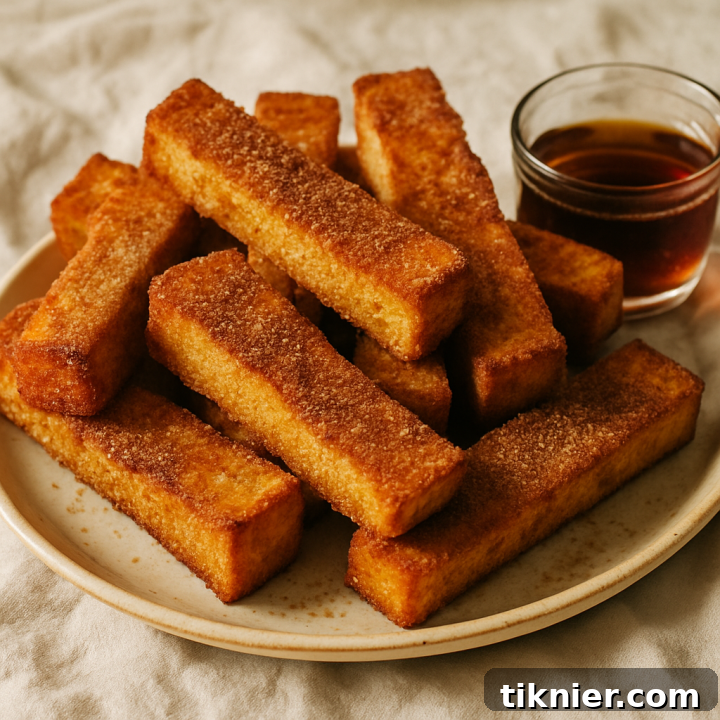
Homemade French Toast Sticks Recipe
4 servings
10 minutes
15 minutes
25 minutes
Ingredients
- 6 slices thick-cut bread (brioche or Texas toast), sliced into sticks
- 3 large eggs
- ¾ cup whole milk
- 1 tsp vanilla extract
- 1½ tsp ground cinnamon, divided
- 1 tbsp sugar
- Pinch of salt
- Butter or cooking spray, for greasing pan
- Cinnamon Sugar Coating: ¼ cup white sugar + 1 tsp ground cinnamon
Instructions
- Slice each piece of bread into 3–4 thick sticks. Let sit out for 10–15 minutes to dry slightly if very fresh.
- In a shallow bowl, whisk together eggs, milk, vanilla, ½ teaspoon cinnamon, sugar, and a pinch of salt until smooth.
- Quickly dip each bread stick into the egg mixture, allowing it to soak for a few seconds on each side.
- For stovetop: Heat a skillet or griddle over medium heat and lightly grease with butter or cooking spray. Cook sticks for 2–3 minutes per side until golden brown.
- For oven: Preheat oven to 400°F. Place dipped sticks on a parchment-lined baking sheet and bake 12–15 minutes, flipping halfway through.
- While warm, toss cooked sticks in a mixture of ¼ cup sugar and 1 teaspoon cinnamon, if using.
- Serve immediately with maple syrup or your favorite dip.
Recipe Notes & Expert Tips
Day-old bread truly makes a difference here, as it holds up better to the custard and yields the best crispy-yet-tender texture.
To freeze for later: Ensure the French toast sticks are completely cooled before freezing. Arrange them in a single layer on a baking sheet and freeze until solid. Once frozen, transfer them to a freezer-safe bag or airtight container. They’ll keep wonderfully for up to 2 months.
Reheating for best results: For maximum crispiness, reheat your French toast sticks in a toaster oven or air fryer at 350°F (175°C) for 4–5 minutes, or until heated through and golden. The microwave is convenient but will result in softer sticks.
Delightful Ways to Serve French Toast Sticks
The beauty of these French toast sticks lies in their incredible versatility. They are perfectly suited for a relaxed family breakfast, an elegant brunch buffet, or a leisurely Saturday morning where pajamas are the dress code. Their inherent dippability and easy-to-handle shape make them fantastic for any occasion.
I love setting up a “dipping station” with a variety of options, allowing everyone to customize their experience and discover their favorite flavor combinations:
- Classic Warm Maple Syrup: The timeless choice that never disappoints. A good quality, pure maple syrup is essential.
- Rich Chocolate or Nutella Drizzle: A decadent treat, especially popular with kids (and many adults!).
- Creamy Peanut or Almond Butter Dip: Offers a boost of protein and a satisfying nutty flavor. Warm it slightly for an extra smooth drizzle.
- Sweetened Greek Yogurt: Mix plain Greek yogurt with a touch of honey or maple syrup for a healthier, tangy dip that pairs wonderfully with berries.
- Fresh Berries and Whipped Cream: A vibrant and refreshing combination. Top with a dollop of fresh whipped cream and a sprinkle of colorful mixed berries for a picture-perfect presentation.
- Caramel Sauce or Dulce de Leche: For an indulgent, dessert-like experience. The gooey sweetness is simply irresistible.
Because they are so portable and mess-free, French toast sticks are an ideal finger food for brunch parties or children’s sleepovers. You can arrange them attractively on a platter, perhaps with a few decorative toothpicks, or bundle small portions in parchment paper for a convenient grab-and-go breakfast option. For a more elaborate presentation, incorporate them into a festive breakfast board alongside crispy bacon or sausage links, fresh fruit, scrambled eggs, and mini muffins. A final dusting of powdered sugar adds an elegant touch and makes them even more photo-worthy.
Smart Storage and Reheating Tips for Meal Prep
One of the many reasons I often prepare a large batch of these French toast sticks is how beautifully they store and reheat. They make busy mornings infinitely easier!
To ensure optimal freshness and texture, always allow your cooked French toast sticks to cool completely before storing them:
- Refrigeration: Once cooled, place the French toast sticks in an airtight container. They will stay fresh and delicious in the refrigerator for up to 3 days.
- Freezing: For longer storage, freezing is an excellent option. Arrange the completely cooled sticks in a single layer on a baking sheet. Freeze them until they are solid (this prevents them from sticking together). Once frozen, transfer them to a heavy-duty zip-top freezer bag or an airtight freezer-safe container. They will maintain their quality for up to 2 months.
When it comes to reheating, different methods yield different results. Choose the one that best suits your desired texture and available time:
- Toaster Oven (My Top Pick!): This is by far my favorite method. It excels at crisping the exterior of the French toast sticks without drying out their tender, custardy centers. Simply place them directly on the rack and toast until heated through and golden.
- Microwave: While the quickest option, microwaving tends to soften the edges, resulting in a less crispy texture. This method is great for toddlers or when speed is paramount, but it won’t give you that desirable crunch.
- Air Fryer: An air fryer is a fantastic tool for achieving crispy, golden results in just a few minutes. Preheat your air fryer to 350°F (175°C) and cook the sticks for approximately 4–5 minutes, flipping them halfway through if needed. They emerge wonderfully crisp and hot.
- Oven: For reheating a larger batch, preheat your oven to 375°F (190°C). Spread the sticks in a single layer on a baking sheet and heat for about 8-10 minutes, or until warm and slightly re-crisped.
Good news – you can reheat these French toast sticks straight from frozen! Just add an extra minute or two to the cooking time, regardless of the method you choose, to ensure they are thoroughly heated through.
Creative Substitutions & Flavorful Variations
Once you’ve mastered the basic recipe for these beloved French toast sticks, a world of culinary possibilities opens up! Don’t be afraid to experiment and customize them to your liking. Here are some fantastic ways to change up this recipe:
- Bread Exploration: While brioche and Texas toast are ideal, feel free to experiment with other thick-cut breads. Challah bread offers a similar richness and slightly denser crumb. Sourdough can add a delightful tangy note. For a sweeter twist, Hawaiian rolls (sliced lengthwise) make adorable mini sticks. Even leftover French baguette, sliced thickly, can work beautifully.
- Dairy-Free Alternatives: If you’re avoiding dairy, simply swap out the whole milk for your favorite plant-based milk. Almond milk, oat milk, or even full-fat coconut milk (for a tropical hint!) all work well in the custard.
- Gluten-Free Options: For those with gluten sensitivities, many excellent gluten-free sandwich breads or brioche-style loaves are available. Just ensure they are thick-cut and sturdy enough to withstand soaking without crumbling.
- Exciting Flavor Twists:
- Seasonal Spices: During the fall, elevate your custard by adding a teaspoon of pumpkin pie spice or a pinch of nutmeg and cardamom for a cozy, autumnal feel.
- Tropical Infusion: Use coconut milk in your custard, and after cooking, toss the hot sticks not just in cinnamon sugar, but also a sprinkle of toasted shredded coconut for a taste of the tropics.
- Citrus Zest: Grate in some orange or lemon zest into the custard mixture for a bright, refreshing flavor that cuts through the richness.
- Grown-Up Indulgence: For an adult-friendly version, a splash of rum extract, almond extract, or even a tablespoon of your favorite liqueur (like Grand Marnier or Kahlúa) can add a sophisticated touch to the custard.
- Savory French Toast: Skip the cinnamon sugar and instead add a pinch of black pepper, garlic powder, or dried herbs to the custard. Serve with crispy bacon, avocado, or a fried egg for a unique savory breakfast.
You can also adjust the size and thickness of your sticks depending on the occasion. Mini sticks are perfect for children’s parties or appetizers, making them easy to pick up. Chunkier, more substantial sticks feel more indulgent and satisfying for a hearty brunch. The possibilities are truly endless!
Frequently Asked Questions About French Toast Sticks
Here are clear and concise answers to the most common questions I receive about this fantastic French toast sticks recipe, ensuring you have all the information you need for success.
1. What’s the absolute best bread to use for French toast sticks?
For the ultimate French toast sticks, brioche and Texas toast are your top choices due to their thick cut, rich texture, and ability to hold up beautifully during soaking and cooking. Challah bread is another superb option, offering a similar density and subtle sweetness. The goal is a sturdy bread that won’t fall apart. Crucially, slightly stale or day-old bread is preferred over fresh, as it absorbs the custard more effectively without becoming mushy.
2. Can I freeze homemade French toast sticks for later?
Yes, absolutely! Freezing them is a brilliant way to meal prep. First, ensure the cooked French toast sticks are completely cool. Then, arrange them in a single layer on a baking sheet and freeze until they are solid. Once frozen, transfer them to a heavy-duty freezer bag or an airtight container. They will stay delicious for up to 2 months. Reheating them in a toaster oven or air fryer directly from frozen yields the best, crispiest results.
3. How do I prevent my French toast sticks from getting soggy?
Several factors contribute to a perfectly non-soggy stick:
- Use Thick, Day-Old Bread: This is key. It provides structure and prevents over-absorption.
- Don’t Over-Soak: A quick dip (a few seconds per side) is all you need. The bread should be moist, not saturated.
- Cook Thoroughly: Whether baking or frying, ensure they cook until the edges are golden and firm. This helps set the custard.
- Cool Completely Before Storing: If you’re not eating them immediately, let them cool entirely on a wire rack before refrigerating or freezing to prevent condensation and sogginess.
4. Can I make French toast sticks in the oven or air fryer instead of frying?
Definitely! Both methods offer excellent results:
- Oven: Preheat your oven to 400°F (200°C). Place the dipped sticks on a parchment-lined baking sheet and bake for 12–15 minutes, flipping them halfway through. This method provides evenly golden sticks without the need for constant flipping.
- Air Fryer: For an extra crispy exterior, the air fryer is fantastic. Cook at 350°F (175°C) for approximately 4–5 minutes, flipping them halfway if necessary. They’ll be noticeably crispier than oven-baked versions.
5. What are the best toppings to serve with French toast sticks?
Maple syrup is the quintessential topping, but don’t limit yourself! Get creative with:
- Whipped cream and fresh berries (strawberries, blueberries, raspberries)
- Chocolate syrup, Nutella, or caramel sauce
- Sweetened Greek yogurt with a drizzle of honey
- Peanut butter or almond butter for a protein boost
- For a truly indulgent dessert-like experience, a scoop of vanilla ice cream and a generous drizzle of caramel sauce are divine.
Explore More Delicious Breakfast & Meal Ideas
If these delightful French toast sticks have whetted your appetite for more comforting and easy-to-make meals, you’re in luck! Here are some other fantastic recipes to explore, perfect for any day of the week, from quick dinners to lazy Sunday brunches:
- 110 Easy Dinner Ideas That Taste Great: Discover a vast collection of simple, flavorful dinner recipes designed to get a delicious meal on the table without fuss. Perfect for busy weeknights!
- Cheap Meal Ideas: Budget-Friendly Recipes: Enjoy cozy, hearty, and satisfying meals that won’t break the bank. Eating well doesn’t have to be expensive!
- More Delicious & Easy Breakfast Recipes: Dive into a comprehensive list of quick and creative breakfast ideas, ensuring every morning starts with something special.
These curated breakfast and brunch recipes, alongside a plethora of dinner options, are sure to keep your kitchen inspired and your family well-fed for many lazy Sundays and busy weekdays to come. Happy cooking!