Mastering Tortellini: Your Complete Guide to Cooking Fresh, Frozen, and Store-Bought Pasta Perfectly Every Time
Tortellini has long been my secret weapon for those busy weeknights when a craving for something warm, comforting, and deeply satisfying strikes, but time is short. It’s a true pantry hero, transforming simple ingredients into a meal that feels special without any fuss. From its humble beginnings as a quick, buttered pasta dish in my early twenties to the versatile staple it is today, tortellini has consistently delivered on flavor and ease.
Many years ago, my “pasta night” meant boiling plain spaghetti and topping it with jarred sauce. Then, I discovered Buitoni tortellini in the refrigerated section of the grocery store. Intrigued by the fancy-looking stuffed pasta, I took it home and simply tossed it with butter and Parmesan. It was a revelation! That first bite was pure comfort, and it kickstarted my journey to mastering this incredible pasta. Over time, I learned the nuances: how to achieve perfectly tender noodles, ensure rich fillings, and know exactly when it’s done – no more guesswork.
Today, I prepare tortellini in countless ways, adapting recipes to whatever ingredients I have on hand and whoever I’m feeding. Whether it’s nestled in a creamy soup or baked to perfection in a skillet, it’s my trusted shortcut for elevating a meal. And the best part? It’s incredibly forgiving, making it one of the easiest pastas to cook, even if you’re a novice in the kitchen.
This comprehensive guide is designed to make you a tortellini expert. We’ll delve into everything you need to know: what tortellini actually is, the best methods for cooking both fresh and frozen varieties, and how to avoid common pitfalls that can lead to mushy or sticky pasta. I’ll share a foundational recipe for simple, delicious tortellini, answer all your burning questions about store-bought options, and inspire you with some of my all-time favorite tortellini recipes to expand your culinary repertoire.
If you’ve ever found yourself pondering that small package of stuffed pasta in the refrigerated aisle, wondering how to best transform it into a delightful meal, this guide is your definitive answer.
What Exactly is Tortellini? A Deep Dive into Italy’s Beloved Stuffed Pasta
Tortellini is a distinctive type of ring-shaped stuffed pasta, originating from the Emilia-Romagna region in Northern Italy. Traditionally, these petite pasta rings are lovingly filled with a rich, savory blend of meat (like prosciutto or pork loin), cheese (such as Parmesan or ricotta), or a combination of both. Each piece is then carefully folded and sealed to create its characteristic “belly-button” or navel shape. For me, they’ve always felt like tiny, precious pockets of comfort, just waiting to absorb a flavorful sauce or float gracefully in a warm, inviting broth.
Often, people wonder if tortellini should be considered a noodle or a dumpling. The truth is, it’s a delightful hybrid! Technically, it falls under the umbrella of pasta, given its dough is made from flour and eggs. However, because it’s filled and sealed, it behaves more like a dumpling in terms of texture and how it interacts with other ingredients in a dish. Understanding this dual nature helps appreciate its unique place in Italian cuisine.
When browsing grocery store shelves or searching for recipes, you might also encounter “tortelloni.” This name often causes confusion, but the distinction is simple and important for cooking success. Let’s clarify the differences:
Tortellini vs. Tortelloni: Understanding the Key Differences
- Tortellini: These are the smaller pasta rings, typically no larger than your fingertip. Their traditional fillings usually include meat (like pork or prosciutto), cheese (Parmesan, ricotta, or a blend), or a combination thereof. You’ll find tortellini in various forms: fresh (commonly from brands like Buitoni and Rana in the refrigerated section), frozen (a staple for many, often found in larger bags at stores like Costco), or sometimes even dried, found in the dry pasta aisle. Their smaller size makes them robust and versatile for many dishes.
- Tortelloni: Consider these the larger cousins of tortellini. Tortelloni are noticeably bigger, often filled with vegetarian ingredients such as ricotta cheese, spinach, or other vegetables. Due to their larger size and often delicate fillings, tortelloni tend to have a softer, more fragile texture compared to tortellini. They are frequently served with lighter, creamy sauces that complement their subtle flavors without overwhelming them.
While both tortellini and tortelloni are incredibly delicious, they do not cook identically. Tortelloni, being larger and more delicate, requires a gentler touch and shorter cooking time to prevent it from splitting or becoming mushy. Tortellini, especially the frozen or packaged varieties, is generally hardier and more forgiving, making it an excellent choice for beginner cooks.
Modern grocery stores offer a fantastic array of tortellini options to suit every need and palate:
- Refrigerated Tortellini (e.g., Buitoni, Rana): Found in the fresh pasta section, these cook in mere minutes, offering supreme convenience for quick meals. Brands like Rana often boast fresh, vibrant fillings and diverse flavor combinations.
- Frozen Tortellini (e.g., Costco brand): A freezer essential, perfect for stocking up. These larger bags are ideal for impromptu dinners, soups, or casseroles, providing excellent quality and convenience straight from the freezer.
- Dried Tortellini: Less common but still available, typically found alongside other dried pastas. These offer the longest shelf life and are great for pantry stocking.
Regardless of whether you choose meat-filled, cheese-stuffed, or vegetable-packed tortellini, the cooking techniques and tips shared in this guide will apply. The key to a fantastic meal lies in knowing how to cook it right, ensuring a perfect texture and maximum flavor every time.
How to Cook Tortellini Perfectly (Fresh or Frozen)
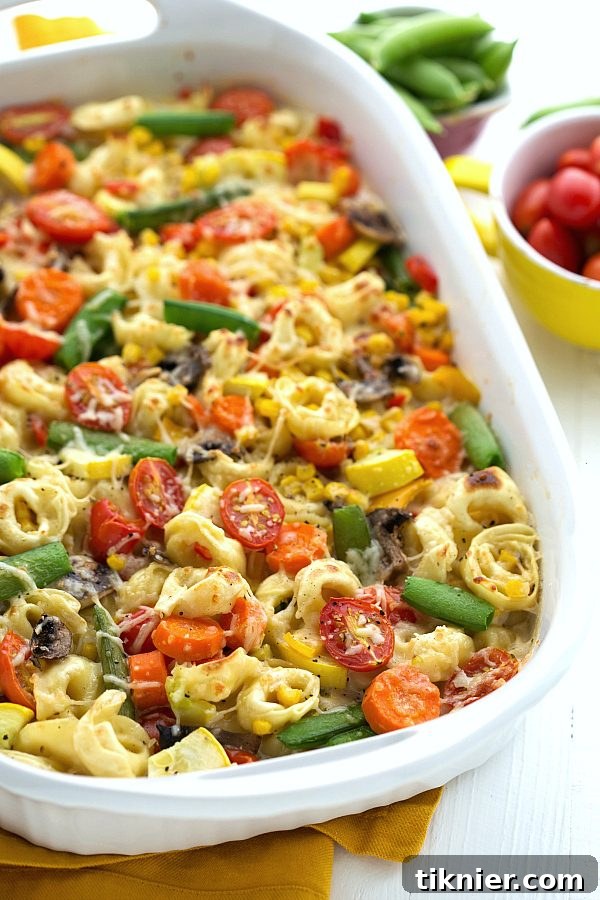
Learning how to cook tortellini is arguably one of the simplest yet most rewarding skills you can acquire in the kitchen. Once you master it, you’ll always have a reliable, delicious dinner solution up your sleeve. The fundamental method for cooking tortellini, whether it’s fresh from the refrigerated aisle or frozen solid, remains consistent: boil it in generously salted water. However, subtle differences in timing and the resulting texture do exist between fresh and frozen varieties, so let’s walk through the steps for each to ensure perfect results.
Step-by-Step Guide for Perfectly Cooked Tortellini
- Bring a Large Pot of Water to a Rolling Boil: This is crucial. For every 9-ounce package of tortellini, aim for at least 4 quarts of water. Using ample water prevents the tortellini from sticking together and allows it to cook evenly. Don’t forget to season the water generously with salt – I recommend at least one generous tablespoon of kosher salt. This is your only chance to season the pasta itself, infusing flavor from the inside out. The water should taste like the sea.
- Add the Tortellini: Once your water is at a vigorous, rolling boil, gently add the tortellini. If you’re using frozen tortellini, there’s no need to thaw it; simply drop it directly into the boiling water. Stir gently with a wooden spoon for the first 30 seconds to prevent the pieces from sticking to each other or the bottom of the pot. Maintaining a consistent boil is key throughout the cooking process.
- Monitor for Doneness and Texture: This is where the timing varies slightly:
- Fresh Tortellini (like Buitoni or Rana): These delicate pieces cook very quickly, usually in about 2 to 4 minutes. They are designed for speed.
- Frozen Tortellini: Being denser, frozen tortellini requires a little more time, typically 4 to 6 minutes.
A common indicator that tortellini is ready is when it floats to the surface. However, don’t rely solely on this visual cue. The best way to check for doneness is to carefully remove one piece, let it cool slightly, and take a small bite. It should be tender and soft throughout but still have a pleasant chew and hold its shape. The filling should be warm and fully cooked, with no hard or dry center. Avoid overcooking, which can lead to mushy pasta or split seams.
- Drain and Serve Immediately: Once cooked to perfection, use a slotted spoon to transfer the tortellini directly into your prepared sauce, or drain it using a colander. If you plan to toss your tortellini with a sauce, I highly recommend reserving about ¼ to ½ cup of the starchy pasta water before draining. This pasta water is a magical ingredient; a splash or two can help emulsify your sauce, making it cling beautifully to the pasta and achieve a silky consistency.
Do You Need to Thaw Frozen Tortellini Before Cooking?
Absolutely not! This is one of the greatest conveniences of frozen tortellini – it’s designed to go straight from the freezer into boiling water. Attempting to thaw it beforehand can actually be detrimental; thawed tortellini can become waterlogged, leading to a mushy texture or making it more prone to breaking apart in the pot during cooking. Always cook frozen tortellini from frozen for the best results.
How Do You Tell If Tortellini Is Cooked Through?
As mentioned, the “float test” is a good initial sign, but tasting is the ultimate determinant. A perfectly cooked tortellini should be tender yet retain a slight chewiness and springiness when you bite into it. The filling should be warm, soft, and cohesive. If the pasta feels soft and falls apart easily, it’s likely overdone. If the center of the pasta or the filling still feels firm, chalky, or dry, it needs another minute or two in the boiling water. Learning to identify this ideal texture will ensure your tortellini dishes are consistently delicious.
If you’ve ever had tortellini disintegrate in the pot, it’s usually due to overcooking or adding it to water that wasn’t at a rapid boil. Don’t worry, it’s a common mishap, and with a bit of practice, you’ll nail the timing every single time.
Avoid These 3 Common Mistakes When Cooking Tortellini
If your tortellini has ever ended up gummy, stubbornly stuck together, or regrettably burst open in the pot, you’re certainly not alone. I’ve personally made every single one of these mistakes during my early attempts at cooking this wonderful pasta. The good news is that once you understand the common pitfalls and how to prevent them, these issues are incredibly easy to avoid, ensuring your tortellini turns out perfectly tender and intact every time.
1. Overcrowding the Pot or Skipping the Salt
Tortellini, like all pasta, requires ample space to move freely and cook evenly in the boiling water. If your pot is too small, or if you add too much tortellini for the amount of water, the pasta pieces will inevitably bump into each other, stick together, and cook inconsistently. This leads to patches of undercooked or overcooked dough and an overall less appealing texture. Furthermore, neglecting to generously salt your pasta water is a critical error. The boiling water is your primary (and really, your only) opportunity to season the pasta itself from the inside out. Skimping on salt results in bland pasta, no matter how flavorful your accompanying sauce is. Aim for water that tastes distinctly salty, much like the ocean.
2. Not Stirring Right After You Add the Pasta
This simple step is often overlooked but makes a tremendous difference. When you first introduce tortellini to boiling water, the starches on its surface begin to release rapidly. If you don’t give the pot a gentle but thorough stir within the first 30 seconds of adding the pasta, these released starches act as a glue, causing individual pieces to fuse together into unappetizing clumps. A quick, gentle swirl with a wooden spoon is all it takes to separate the pieces and ensure they cook individually, resulting in perfectly distinct, un-stuck tortellini.
3. Overcooking the Pasta Until It Bursts
Unlike dried, dense pasta, tortellini (especially fresh or frozen varieties) is more delicate. Its thin outer layer encases a filling, making it more susceptible to overcooking. Even just a minute or two past its ideal cooking time can transform perfectly tender tortellini into a mushy mess, or worse, cause its delicate seams to split, leading to the delicious filling leaking out into the water. This compromises both the texture and the flavor of your dish. Always begin checking for doneness a minute or two before the package’s suggested minimum cooking time, particularly if you’re using thinner, more fragile varieties like Rana tortellini. Trust your taste buds over the timer for the best outcome.
What’s the Best Way to Keep Tortellini from Sticking Together?
Beyond the crucial step of stirring immediately after adding the pasta, ensure you use a sufficiently large pot with plenty of water. Keep the water at a vigorous, rolling boil throughout the cooking process. Some people advocate for adding a splash of olive oil to the water, but in my experience, if you use enough water and stir properly, olive oil is largely unnecessary and can even prevent sauces from clinging to the pasta effectively.
Can You Cook Tortellini in the Microwave?
Technically, you *can* cook tortellini in the microwave, but I strongly advise against it unless it’s specifically a microwave-ready meal designed for that purpose. Tortellini needs the consistent, even heat of boiling water to cook properly and achieve its tender, springy texture. Microwave cooking often leads to inconsistent results, with some parts becoming rubbery and others remaining undercooked or splitting open. If it’s truly your only option, place the tortellini in a large microwave-safe bowl with enough water to cover it, and microwave in 1-minute intervals, stirring diligently after each interval, until cooked. However, for superior taste and texture, the stovetop method is always preferred.
One Base Recipe: Simple Cheese Tortellini with Butter, Garlic, and Parmesan
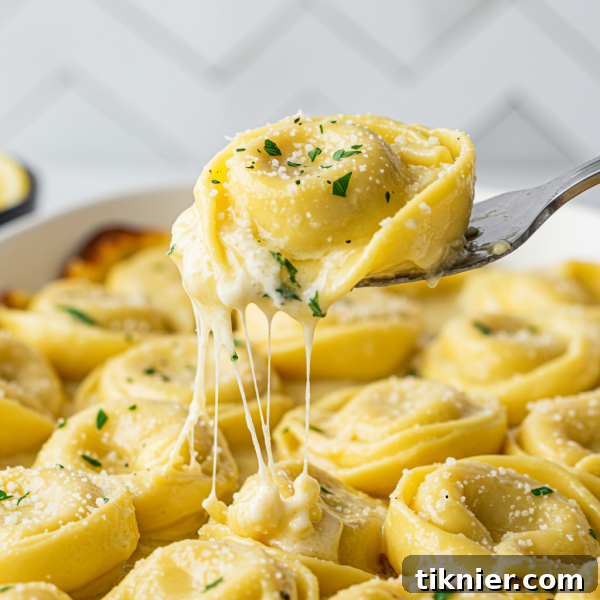
Once you’ve confidently mastered the fundamental techniques for cooking tortellini, this simple yet incredibly flavorful recipe is the perfect next step. It’s an ideal starting point that showcases just how delicious store-bought pasta can be with minimal effort. This dish is so rich and satisfying, no one will guess you didn’t make the pasta from scratch! It works beautifully with any type of cheese tortellini you have on hand—be it fresh Buitoni or Rana, or a bag of frozen cheese tortellini from Costco.
I rely on this recipe frequently, whether it’s for a lightning-fast weeknight dinner when I’m short on time or as an elegant side dish to serve alongside grilled chicken or steak when entertaining guests. Its cozy, buttery, and garlicky profile makes it incredibly versatile, serving as a wonderful canvas for additional ingredients like fresh spinach, sun-dried tomatoes, or even crispy bacon bits.
Simple Cheese Tortellini with Butter, Garlic, and Parmesan
This buttery, garlicky tortellini comes together in under 20 minutes and makes the perfect weeknight meal or side dish. It’s cozy, flavorful, and works with any store-bought tortellini, fresh, frozen, or refrigerated.
Yield: 2-3 servings
Prep Time: 5 minutes
Cook Time: 10 minutes
Ingredients
- 1 (9-ounce) package cheese tortellini (fresh or frozen)
- 3 tablespoons unsalted butter
- 2 garlic cloves, minced
- ¼ teaspoon red pepper flakes (optional, for a hint of heat)
- ¼ cup grated Parmesan cheese (plus more for serving)
- Salt and freshly ground black pepper, to taste
- 1 tablespoon chopped fresh parsley or basil (optional, for garnish and freshness)
Instructions
- Cook the tortellini according to the package directions in generously salted boiling water until it is just tender. Be careful not to overcook. Drain the tortellini, making sure to reserve ¼ cup of the starchy pasta water before discarding the rest.
- While the tortellini cooks, melt the unsalted butter in a large skillet over medium heat. Add the minced garlic and red pepper flakes (if using). Sauté for about 1 minute, stirring constantly, until the garlic becomes fragrant and lightly golden. Be careful not to let the garlic burn, as it can turn bitter.
- Add the cooked and drained tortellini directly to the skillet with the butter and garlic mixture. Gently toss to ensure all the tortellini pieces are beautifully coated. Stir in the ¼ cup of grated Parmesan cheese and a splash of the reserved pasta water. The pasta water helps create a light, emulsified sauce that will cling perfectly to the tortellini.
- Taste the dish and season with additional salt and freshly ground black pepper as needed. If you’re using fresh herbs, sprinkle the chopped parsley or basil over the top just before serving. Serve warm, with extra grated Parmesan cheese available at the table for guests to add as they wish.
Notes
- Don’t overcook: The key to perfect tortellini is a tender but still slightly al dente texture. Avoid mushiness at all costs!
- Easy upgrades: Feel free to customize this base recipe. Sautéed spinach, sliced mushrooms, or halved cherry tomatoes can be added to the skillet with the garlic for extra vegetables and flavor.
- Serving suggestions: This simple tortellini dish pairs wonderfully with grilled chicken, a crisp green salad, or crusty bread for soaking up every last bit of buttery sauce.
This incredibly easy base recipe tastes remarkably rich and sophisticated, yet it comes together in well under 20 minutes. Once you’ve mastered this fundamental preparation, you’ll be ready to experiment with various flavor combinations. Consider adding a squeeze of fresh lemon juice and zest, a handful of sun-dried tomatoes, or some caramelized onions to introduce new dimensions of taste to your tortellini creations.
Can I Cook Tortellini Directly in Sauce or Soup?
It’s a common and excellent question: can you bypass the initial boiling step and simply toss tortellini into a simmering pot of soup or cook it directly in a creamy sauce? The answer is generally yes, but with important caveats. There’s a specific technique to follow if you want your pasta to remain plump, flavorful, and intact, rather than turning soggy, splitting open, or becoming unevenly cooked.
Cooking Tortellini in Sauce
For most thick, rich sauces like a robust marinara, a creamy Alfredo, or a velvety tomato cream blend, it’s generally best to cook the tortellini separately first in boiling water, and then stir it into the sauce at the very end. Why this two-step approach? Because tortellini thrives on rapid, even cooking in plenty of vigorously boiling, salted water. Most sauces, by their nature, aren’t hot enough or liquidy enough to cook the pasta thoroughly and uniformly. Attempting to cook tortellini directly in a thick sauce often results in a chewy, undercooked dough exterior with a half-cooked filling, or a gummy, overcooked mess if you try to compensate with longer simmering.
That being said, once your tortellini is cooked al dente, finishing it in the sauce is a brilliant move. Transfer the drained tortellini to your sauce and let it simmer for just a minute or two. Adding a splash of the reserved starchy pasta water at this stage helps the sauce emulsify beautifully, ensuring it clings perfectly to every single piece of tortellini, bringing the entire dish together with a cohesive, restaurant-quality finish.
Cooking Tortellini in Soup
This method works exceptionally well and is a staple in many comforting recipes, but timing is absolutely everything. Whether you’re preparing a hearty chicken tortellini soup, a spicy Italian sausage tortellini soup, or a creamy spinach and ricotta version, the golden rule is to add the tortellini at the very last stage of cooking. Allow it to simmer gently in the hot broth for precisely 4 to 6 minutes (leaning towards the shorter end for fresh tortellini, and slightly longer for frozen). The heat of the soup is sufficient to cook the pasta through.
The crucial mistake to avoid is adding the tortellini too early. If you do, it will absorb an excessive amount of liquid from the soup, become waterlogged, and start to swell and fall apart long before your soup is ready to serve. I’ve personally made this error with a large pot of soup, and believe me, soggy, disintegrated tortellini can unfortunately ruin an otherwise perfect and flavorful meal. By simply waiting until the final few minutes, you’ll ensure your tortellini remains tender, perfectly shaped, and a delightful addition to your soup.
How to Make Store-Bought Tortellini Taste Homemade
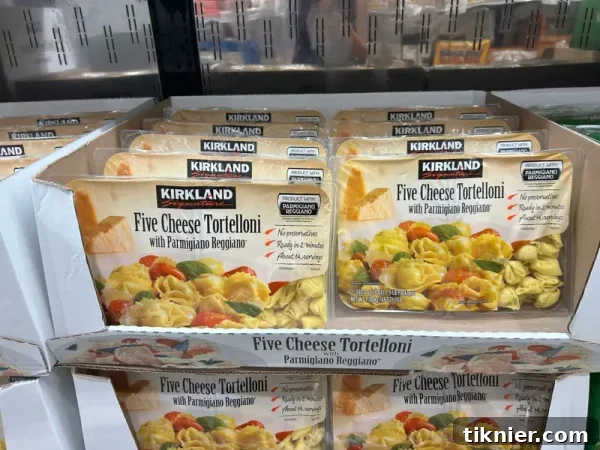
Store-bought tortellini is an undeniable lifesaver on those hectic nights when cooking from scratch just isn’t an option. However, if simply tossed with a plain jarred sauce, it can sometimes taste a little… uninspired. The fantastic news is that it requires very minimal effort to transform humble store-bought tortellini into a dish that genuinely tastes like it was made with love and attention from the ground up. Over the years, I’ve experimented with every shortcut imaginable—from fresh Rana and Buitoni to large bags of frozen Costco tortellini—and the secret consistently lies in the thoughtful additions and finishing touches you apply after the pasta is cooked. A few fresh ingredients and strategic pantry staples can elevate your tortellini from basic to absolutely craveable.
Add Big Flavor with Simple, Smart Upgrades
Here’s my proven playbook for making store-bought tortellini taste truly homemade and gourmet:
- Build a Flavorful Base with Aromatics: Before you even introduce the cooked tortellini, take a minute to sauté minced garlic, shallots, or finely chopped onions in good quality butter or olive oil. This simple step creates a warm, rich, and aromatic foundation that permeates the entire dish, making it taste deeply developed.
- Incorporate Fresh Herbs: Nothing signals “homemade” more effectively than the vibrant aroma and taste of fresh herbs. A generous sprinkle of freshly chopped basil, parsley, oregano, chives, or even a hint of thyme makes an enormous difference, adding brightness and a fresh counterpoint to the richness of the pasta and sauce.
- Introduce Texture and Crunch: Add visual interest and a delightful textural contrast with toasted breadcrumbs (plain or panko), finely chopped nuts (pine nuts or walnuts are wonderful with cheesy tortellini), or even crispy bits of fried pancetta or bacon. These elements provide a satisfying crunch that elevates the eating experience.
- Boost with Fresh Vegetables: Mix in sautéed vegetables for color, nutrients, and balanced flavors. Quick-cooking options like fresh spinach (which wilts beautifully), sliced mushrooms, halved cherry tomatoes, roasted red peppers (jarred or freshly roasted), or steamed broccoli florets are all excellent choices. They add freshness and prevent the dish from feeling overly heavy.
- Layer in Zesty and Rich Accents: Elevate the overall flavor profile with simple additions. A little lemon zest provides a bright, acidic lift. A splash of heavy cream or a dollop of mascarpone can add luxurious richness. Stirring in a spoonful of your favorite pesto or sun-dried tomato paste into the sauce introduces concentrated, complex flavors.
Bonus Tip: Finish Your Tortellini in the Pan
This is a professional chef’s trick that makes a world of difference. After draining your perfectly cooked tortellini, transfer it directly into the skillet with your prepared sauce or butter mixture. Add a crucial splash of that reserved, starchy pasta water. Toss everything together vigorously over medium heat for 1-2 minutes. The starch in the pasta water will help the sauce thicken and beautifully emulsify, causing it to cling perfectly to every piece of tortellini. This seemingly minor step creates a cohesive, glossy coating that makes your dish taste incredibly unified and well-executed, leaving your dinner guests convinced you put in far more effort than you actually did.
Even the most basic cheese tortellini can achieve a homemade, gourmet feel with just a few of these clever tricks. So, the next time you pick up a package of Buitoni or Rana from the refrigerated section, remember to treat it as a canvas. Dress it up with these simple enhancements, and prepare for compliments that suggest you’ve spent hours in the kitchen!
The Truth About Dried, Fresh, and Frozen Tortellini: Which One is Right for You?
A quick stroll through any well-stocked grocery store will reveal tortellini in at least three distinct forms: in the dry pasta aisle, tucked away in the refrigerated section, and conveniently stashed in the freezer case. If you’ve ever wondered which type is superior or best suited for your cooking needs, the answer isn’t a simple “one size fits all.” It truly depends on your priorities: how quickly you need dinner on the table, the texture you prefer, and how long you need it to last.
Let’s break down the distinct characteristics, advantages, and ideal uses for each variety of tortellini:
Fresh Tortellini (Refrigerated)
This is the most popular choice for many, found alongside other fresh pastas and specialty cheeses. Brands like Buitoni and Rana are prime examples. Fresh tortellini is characterized by its soft, pliable pasta dough and typically rich, flavorful fillings. It’s designed for convenience and speed.
- Pros:
- Fastest Cooking Time: Cooks in a remarkably quick 2 to 4 minutes, making it ideal for extremely busy weeknights.
- Superior Texture: Offers the most tender, delicate, and often “fresh” tasting pasta texture, closely mimicking homemade.
- Flavor-Packed Fillings: Often contains higher quality, more vibrant, and complex fillings compared to dried varieties.
- Cons:
- Short Shelf Life: Its freshness means it has a limited window for use, usually just a few days after opening. It must be refrigerated.
- Higher Cost: Generally the most expensive option per serving due to its fresh nature and shorter processing.
I gravitate towards fresh tortellini when I desire a meal that feels a little more refined and artisanal, but still needs to come together in record time. It shines in simple butter and herb sauces, or delicate cream sauces.
Frozen Tortellini
A true workhorse in my kitchen, especially the large bags from Costco, which have rescued countless dinner plans. Frozen tortellini is flash-frozen at its peak freshness, which effectively locks in flavor and quality, making it a fantastic staple to have on hand.
- Pros:
- Extended Shelf Life: Stays fresh in the freezer for months, making it perfect for meal planning and emergency dinners.
- Excellent Convenience: Can be cooked directly from frozen; no thawing required.
- Versatile: Robust enough for hearty soups, substantial baked dishes, and saucy casseroles.
- Good Value: Often more economical, especially when purchased in larger quantities.
- Cons:
- Slightly Longer Cook Time: Takes a couple of minutes longer to cook than fresh tortellini.
- Texture can vary: If overcooked, it can sometimes become a bit softer or more prone to splitting compared to fresh pasta.
Frozen tortellini is my go-to for tossing into simmering soups, one-pot meals, or any dish where convenience and a longer shelf life are paramount.
Dried Tortellini
You’ll typically find dried tortellini in the dry pasta aisle, alongside spaghetti and penne. While less common than fresh or frozen varieties in modern groceries, it offers unique advantages, primarily its remarkable shelf stability.
- Pros:
- Longest Shelf Life: Can be stored in the pantry for a year or more, making it an excellent emergency meal component.
- Sturdy Texture: Possesses a firmer, more substantial texture, which holds up well in slow-cooked dishes or casseroles.
- Cons:
- Longer Cook Time: Requires the longest cooking time of the three types.
- Less Vibrant Fillings: Fillings can sometimes be less flavorful or intense compared to their fresh or frozen counterparts due to the drying process.
- Availability: Can be harder to find in some mainstream supermarkets.
Dried tortellini truly excels in baked casseroles or heavily sauced dishes where it has ample time to absorb flavors and liquid during the cooking process. Its sturdy nature prevents it from breaking down in longer cooking scenarios.
Ultimately, each type of tortellini holds a valuable place in a well-stocked kitchen. There’s no single “best” option, but rather the best choice for a given situation. Personally, I always keep both frozen and fresh tortellini on hand: frozen for those hearty soups and reliable backups, and fresh for quick, elegant skillet dinners that my family absolutely adores.
Bonus: 5 Delicious Tortellini Recipes You Can Try Tonight
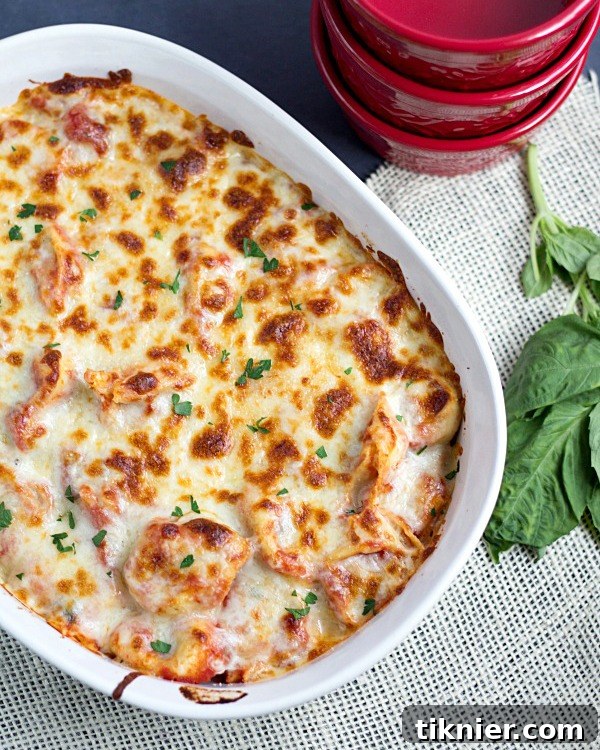
Now that you’ve mastered the essential techniques for cooking tortellini, it’s time to unleash its full potential in some truly exciting dishes! These five recipes are my absolute go-to tortellini creations, each bursting with flavor, straightforward enough for a weeknight, and guaranteed to satisfy a hungry crowd. Whether you’re craving something rich and creamy, light and brothy, gloriously cheesy, or even a little spicy, you’ll find a new favorite here that you’ll want to save and make on repeat.
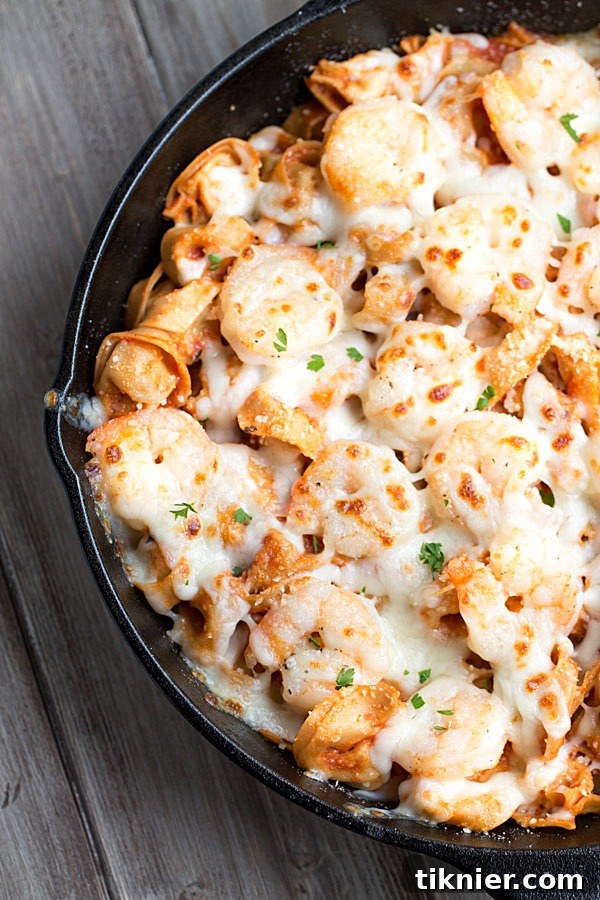
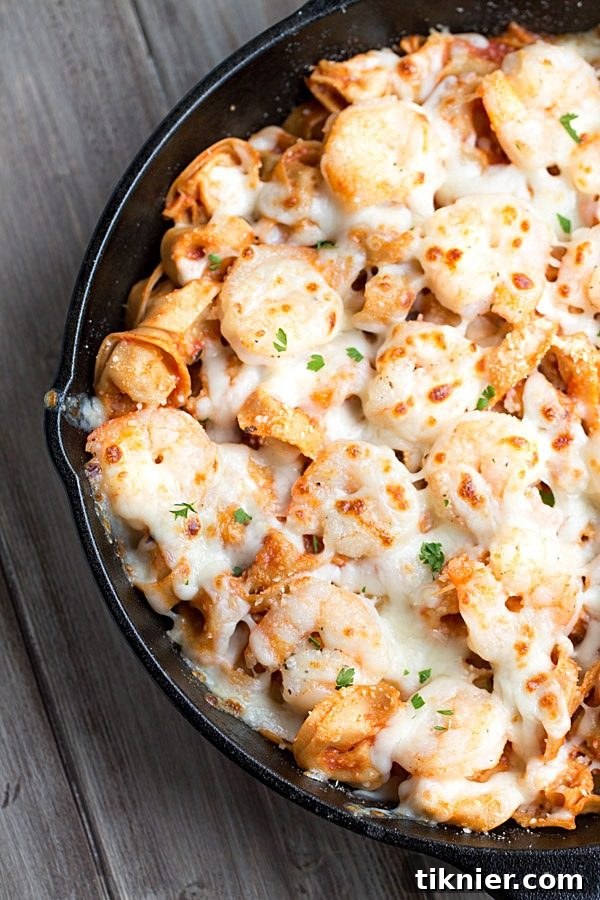
- Easy Italian Shrimp Tortellini Bake: This delightful casserole combines succulent shrimp, tender cheese tortellini, and a zesty tomato cream sauce, all baked to golden perfection in the oven. It’s a dish that feels undeniably fancy but is surprisingly simple to prepare, making it perfect for entertaining or a special family meal.
- Twenty Minute Easy Tortellini Bake: If you have just 20 minutes and a package of tortellini, you have dinner! This incredibly quick and satisfying recipe utilizes only a few pantry staples to create a bubbly, cheesy bake that’s the ultimate solution for busy nights when time is of the essence.
- Tortellini Meatball Soup: A truly hearty and deeply flavorful soup, generously loaded with tender, juicy meatballs, pillowy cheese tortellini, and an abundance of fresh vegetables. It’s like a more comforting, substantial cousin to traditional Italian wedding soup, perfect for warming up on a chilly evening.
- Easy Chicken Enchilada Tortellini Bake: Prepare for a delightful and unexpected culinary fusion! This innovative dish marries the classic comfort of cheese tortellini with the bold, zesty flavors of chicken enchiladas. It’s wonderfully creamy, offers a delightful kick of spice, and delivers pure Tex-Mex inspired comfort in every forkful.
- Creamy Sausage Tortellini Soup: A consistent reader favorite, and for very good reason! This rich and satisfying soup features savory spicy sausage, tender cheese tortellini, and a velvety smooth broth that achieves a perfect balance of richness without feeling overly heavy. It’s truly a bowl of pure comfort.
These recipes are merely a springboard to get you started. Once you begin to appreciate the incredible flexibility and versatility of tortellini, you’ll undoubtedly start envisioning and creating your own unique culinary masterpieces. As I always say: if you have a pack of tortellini tucked away in your fridge or freezer, you always have the foundation for a fantastic meal just waiting to happen!
Wrap-Up: You’re Officially a Tortellini Pro!
Congratulations! By now, you’ve absorbed a wealth of knowledge and gained all the essential skills needed to cook tortellini with the confidence and finesse of a seasoned home chef. Whether you’re gently boiling fresh pasta, dropping frozen rings directly into a bubbling pot, or perfectly incorporating them into a flavorful soup, you now possess the expertise to get the timing just right, deftly avoid common mushy mistakes, and effortlessly elevate store-bought tortellini into a dish that tastes like a cherished homemade classic.
Tortellini truly stands out as one of those indispensable ingredients that effortlessly simplifies dinner preparations without ever sacrificing an ounce of comfort, flavor, or satisfaction. And now that you’ve learned how to make it shine in every scenario, along with how to troubleshoot any common hiccups that might arise, you’ve acquired a valuable new weeknight staple to lean on, inspire, and delight your family and friends again and again.
If you have a personal favorite tortellini combination, a clever cooking tip, or a question I didn’t cover, I would absolutely love to hear about it in the comments section below. Your insights and experiences are invaluable to our shared kitchen community. And, if you decide to try one of the delicious recipes I linked above, please do let me know how it turned out! Your feedback not only helps me, but also makes this culinary community even stronger and more resourceful for everyone.