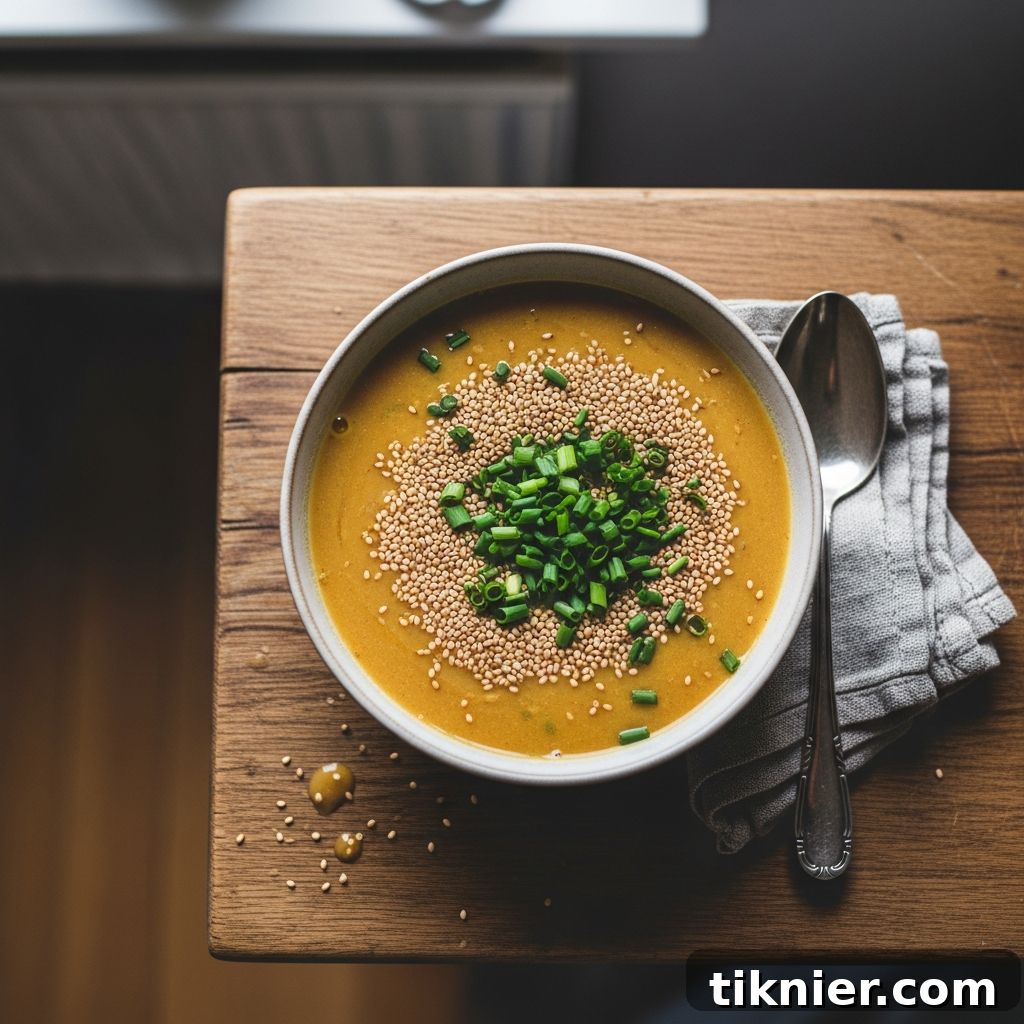
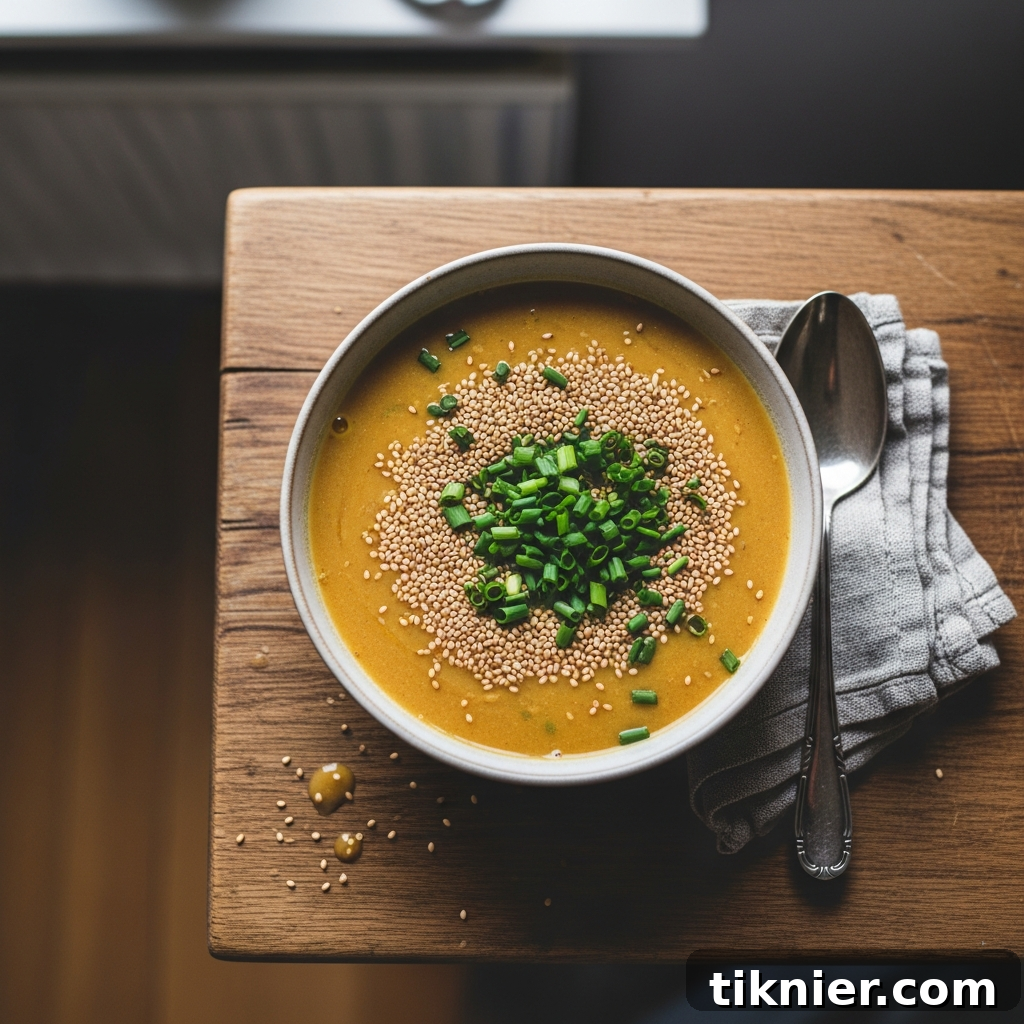
There’s a special kind of magic in a warm bowl of soup, especially when it’s as comforting and inviting as a classic pumpkin soup. It evokes feelings of autumn, family gatherings, and cozy evenings by the fireplace. While I’ve always cherished its inherent charm – that smooth, sweet, and undeniably pleasant character – I’m always on a quest to uncover new dimensions within beloved dishes. My goal? To transform an already delightful experience into something truly unforgettable, a culinary masterpiece that makes you pause, savor, and wonder, “What incredible secret lies within this spoonful?”
My journey to elevate the humble pumpkin soup led me through various spice cabinets and herb gardens. I experimented with familiar warming spices, aromatic fresh herbs, and even a touch of heat, yet nothing quite hit that elusive note of sophisticated depth I was searching for. Then, during an ordinary afternoon spent crafting a savory miso glaze for salmon, a sudden culinary revelation struck me. The profound, complex, and deeply savory umami essence of white miso paste – could this be the missing piece? Could it be the perfect counterpoint to the pumpkin’s natural sweetness, adding a rich, layered flavor that would be both hard to pinpoint and impossible to forget?
This quest culminated in the creation of my signature Miso Pumpkin Soup. It’s everything you adore about classic pumpkin soup – wonderfully creamy, luxuriously velvety, and brimming with those quintessential cozy winter flavors. But beneath that familiar warmth lies an irresistible undercurrent of savory richness, a depth imparted by the miso that truly sets it apart. This isn’t just another pumpkin soup; it’s the pumpkin soup I’ve always dreamed of creating, a harmonious blend of tradition and innovation. I am beyond excited to finally share this extraordinary recipe with you all, inviting you to discover its unique magic.
Skip to My Special Recipe!
Unveiling the Secret: Why This Miso Pumpkin Soup Recipe Stands Out
Pumpkin soup has graced dinner tables and holiday feasts for centuries, beloved for its ability to capture the very essence of the harvest season in a single, comforting bowl. Its widespread appeal stems from the natural sweetness of pumpkin, which, when pureed, transforms into an impossibly velvety texture. It’s a dish versatile enough for an elegant holiday appetizer yet simple enough for a comforting weeknight meal. Traditional preparations often rely on autumnal spices like nutmeg, cinnamon, or ginger, which undoubtedly contribute to its delightful character.
However, this recipe embarks on a journey beyond the traditional, elevating the classic profile with one remarkably unexpected yet profoundly effective ingredient: white miso paste. Miso, a cornerstone of Japanese cuisine, is a traditional seasoning produced through the fermentation of soybeans, salt, and koji (a type of fungus). Among its many varieties, white miso, or “shiro miso,” undergoes a shorter fermentation period. This results in a distinctly milder, more delicate, and subtly sweet flavor compared to its darker, more robust counterparts like red miso. This nuanced flavor profile makes white miso an unparalleled partner for the inherent sweetness of pumpkin.
The true genius of white miso in this recipe lies not merely in its ability to add saltiness, but in its profound contribution of umami. Often referred to as the “fifth taste,” umami is that deeply savory, satisfying, and mouth-watering quality found in foods like aged Parmesan cheese, ripe tomatoes, sautéed mushrooms, and soy sauce. In our Miso Pumpkin Soup, this umami acts as a powerful flavor enhancer, deepening and enriching the pumpkin’s own natural taste. It creates a complex, beautifully balanced palate where the sweetness of the pumpkin is perfectly complemented by a savory depth that feels both ancient and utterly modern. The miso transforms a simple vegetable soup into a truly sophisticated and unforgettable culinary experience, proving that a small, thoughtful addition can indeed make a world of difference.
Essential Ingredients for Your Perfect Miso Pumpkin Soup
The elegance of this pumpkin soup lies in its straightforward reliance on simple, high-quality ingredients. While the list may not be extensive, selecting the finest components will undeniably enhance the depth and richness of your final dish. This exceptional soup comes together with just a handful of pantry staples, elevated by one very special, transformative addition.
- 1 tablespoon unsalted butter: Adds richness and helps sauté aromatics without browning too quickly.
- 1 tablespoon olive oil: Provides a higher smoke point for sautéing, ensuring the butter doesn’t burn.
- 1 large yellow onion, chopped: The foundational aromatic, softening to create a sweet base.
- 2 cloves garlic, minced: Essential for a pungent, savory layer of flavor.
- 1 teaspoon grated fresh ginger: Adds a bright, warm, and slightly spicy note that beautifully complements pumpkin.
- 4 cups pumpkin puree, fresh or canned: The heart of the soup. Ensure it’s pure pumpkin, not pie filling.
- 4 cups vegetable or chicken broth: The liquid base. Choose low-sodium for better flavor control.
- 2 tablespoons white miso paste: The secret ingredient, delivering unparalleled umami and depth.
- 1 cup heavy cream or full-fat coconut milk: For that luxurious, velvety texture and richness.
- 1/2 teaspoon salt, or to taste: Crucial for enhancing all flavors. Adjust carefully due to miso and broth.
- 1/4 teaspoon black pepper, or to taste: Adds a subtle warmth and sharpness.
- Toasted sesame seeds, for garnish: Offers a delightful textural crunch and nutty aroma.
- Chopped fresh chives, for garnish: Provides a fresh, delicate oniony note and a pop of color.
The undisputed star and the very heart of this recipe is the white miso paste. You’ll typically find this culinary gem in the refrigerated section of most well-stocked grocery stores, often alongside tofu, other fermented foods, or in the international aisle. It’s vital to specifically seek out white (shiro) miso, as its distinct mildness and subtle sweetness are key to complementing, rather than overwhelming, the delicate flavor of the pumpkin. Its unique umami contribution is what truly sets this soup apart.
For the pumpkin puree, you have excellent options. Canned pure pumpkin puree offers unparalleled convenience and consistency, ensuring a smooth soup every time. A critical note: double-check the label to confirm it’s pure pumpkin and not pumpkin pie filling, which is pre-sweetened and spiced, and would drastically alter the soup’s intended flavor. If you’re keen to explore a fresher, more delicate flavor profile, using a fresh sugar pumpkin is a fantastic choice. Roasting the pumpkin beforehand is highly recommended, as it caramelizes its natural sugars, intensifying its sweetness and depth of flavor.
Regarding the broth, a high-quality, low-sodium vegetable or chicken broth will yield the best results. The “low-sodium” aspect is particularly important here because miso paste inherently contains salt. Starting with a low-sodium broth gives you complete control over the final seasoning, allowing you to perfectly balance the flavors to your preference without the risk of over-salting.
Step-by-Step Guide to Crafting the Ultimate Miso Pumpkin Soup
This recipe is renowned for its straightforward approach, yet a few precise techniques are essential to guarantee a perfectly smooth, intensely flavorful, and luxuriously creamy soup every single time. Gather your trusty heavy-bottomed pot or Dutch oven, and let’s embark on this culinary adventure.
Step 1: Gently Sauté the Onion to Perfection
In your spacious Dutch oven or substantial pot, combine the unsalted butter and olive oil over medium heat. This strategic pairing leverages the rich, nuanced flavor of butter while benefiting from the olive oil’s higher smoke point, preventing the butter from browning too quickly. Once shimmering, add your finely chopped yellow onion and cook, stirring regularly, until it transforms into a soft, translucent state, just beginning to acquire a delicate golden hue at the edges. This crucial step typically takes about 5 to 7 minutes. Resist the urge to rush this process; properly softened onions are the unsung heroes, laying down the sweet, aromatic, and foundational flavor upon which the entire soup is built.
Step 2: Bloom the Aromatic Trio
Introduce the minced garlic and freshly grated ginger to the pot. Stir continuously for just one additional minute, allowing their intoxicating fragrances to fully release. This brief but vital cooking period, often referred to as “blooming,” effectively extracts their essential oils, significantly deepening their flavor profile. Exercise caution to ensure the garlic doesn’t burn, as scorched garlic can impart an undesirable bitter taste to your exquisite soup.
Step 3: Simmer the Rich Soup Base
Now, pour in the pumpkin puree and the broth into the pot. Stir thoroughly until all the ingredients are seamlessly combined. Increase the heat to bring the mixture to a gentle, lively simmer, then immediately reduce the heat to a low setting. Cover the pot and allow it to quietly bubble away for a crucial 15 minutes. This simmering interval is absolutely paramount, as it allows all the foundational flavors to meld harmoniously, creating a cohesive and deeply delicious base for our Miso Pumpkin Soup.
Step 4: The Art of Tempering the Miso
This particular step is critically important for achieving a flawlessly smooth soup. In a separate, small bowl, place the two tablespoons of white miso paste. Carefully ladle approximately half a cup of the warm soup broth from the main pot into the bowl containing the miso. Whisk the mixture vigorously until the miso is completely dissolved and the liquid is perfectly smooth, devoid of any lumps. Miso paste can be quite clumpy, and adding it directly to the hot pot can make it challenging to incorporate evenly. This tempering process ensures it melts seamlessly and distributes its profound flavor throughout your soup without any textural disruptions.
Step 5: Incorporate the Umami Powerhouse
Gently pour the dissolved miso mixture back into the main pot of soup. Stir it in thoroughly, ensuring that the savory, umami-rich flavor is evenly distributed and infused throughout every spoonful of the soup.
Step 6: Blend to Velvety Perfection
It’s time to achieve that signature, luxurious velvety texture. An immersion blender is undeniably the most convenient and efficient tool for this task. Simply insert it directly into the pot and blend until the soup is entirely smooth and exquisitely creamy. If an immersion blender isn’t available, a regular blender will work perfectly. Carefully ladle the hot soup into the blender in batches, making sure to fill it no more than halfway each time to prevent overflow. Secure the lid firmly, but remember to remove the center cap and cover the opening with a folded kitchen towel. This allows steam to escape safely, preventing pressure buildup. Blend each batch until perfectly smooth and then transfer it to a separate, clean bowl before blending the next.
Step 7: The Final Touch of Creaminess
Return the perfectly pureed soup to the pot, placing it over very low heat. Gently stir in the heavy cream or, for a dairy-free alternative, the full-fat coconut milk. At this stage, your sole objective is to heat the soup through; avoid letting it come to a boil. High heat can cause the cream to curdle, compromising the soup’s smooth texture, and can also diminish the delicate nuances of the miso’s flavor.
Step 8: Masterful Seasoning to Taste
Now for the ultimate flourish: the final seasoning. Taste your magnificent Miso Pumpkin Soup and adjust with additional salt and black pepper as needed. Bear in mind that both your chosen broth and the miso paste already contribute significant sodium, so you might require less salt than you initially anticipate. Continue to taste and adjust until the flavors are brilliantly bright, perfectly balanced, and truly pop on your palate.
Step 9: Garnish and Serve with Panache
Ladle the steaming, aromatic soup into individual bowls. For a final flourish that adds both delightful texture and an extra layer of flavor, sprinkle each serving with a generous pinch of toasted sesame seeds and a scattering of freshly chopped chives. Serve immediately and revel in the extraordinary experience of this deeply flavorful Miso Pumpkin Soup!
Creative Ways to Serve and Enjoy Your Miso Pumpkin Soup
Serving this creamy Miso Pumpkin Soup is a joyful experience, almost as satisfying as its creation. The soup’s vibrant orange hue and luxurious texture provide a magnificent canvas for a myriad of delicious toppings and thoughtful pairings. While it shines brightly as a standalone dish, a few carefully chosen additions can transform a simple bowl into an elevated, memorable meal, perfect for any occasion.
Whether you’re presenting it as an elegant first course for a special holiday dinner or making it the star of a comforting lunch, a touch of garnish goes a long way. Think about introducing contrasting textures and complementary flavors that will enhance the soup’s inherent creaminess and unique taste. Here are some of my favorite ways to personalize and elevate each serving:
- A Drizzle or Elegant Swirl: A delicate swirl of extra heavy cream, a dollop of full-fat coconut milk (for a vegan option), or even a spoonful of tangy sour cream or plain Greek yogurt can add a sophisticated touch and a creamy counterpoint. For an adventurous twist, consider a drizzle of high-quality extra virgin olive oil, a few drops of smoky chili crisp oil for a hint of heat, or a fragrant toasted sesame oil to amplify the soup’s Asian-inspired notes.
- Embrace the Crunch: Texture is absolutely vital for an engaging culinary experience! Beyond the toasted sesame seeds already included in the recipe, consider adding a sprinkle of crunchy toasted pepitas (pumpkin seeds), golden, buttery croutons, delicate crispy fried sage leaves, or even some savory crumbled bacon or pancetta for a delightful salty bite.
- Perfect Bread Pairings: There’s truly nothing more satisfying than dipping a good piece of crusty bread into a rich, creamy soup. Serve this Miso Pumpkin Soup alongside slices of rustic sourdough, warm, fluffy cornbread muffins, or, for the ultimate comfort indulgence, a gooey grilled cheese sandwich.
- Elevate to a Full Meal: To transform this hearty soup into a more substantial main course, consider adding some protein on top. A generous scoop of shredded rotisserie chicken, a handful of perfectly roasted chickpeas, or a sprinkle of crumbled goat cheese or feta would all make fantastic, flavor-packed additions, turning your soup into a truly satisfying entrée.
For those special dinner parties, I sometimes enjoy serving the soup in charming small mugs or even in individual hollowed-out, roasted mini pumpkins. While it adds an extra step to the preparation, the presentation invariably earns rave reviews from my guests. The most important aspect is to have fun with your presentation and serve it in a way that brings you and your guests joy.
Savvy Storage and Delicious Reuse of Your Pumpkin Soup Leftovers
One of the many appealing qualities of this Miso Pumpkin Soup is its remarkable ability to improve with time. The flavors actually have the chance to meld and deepen overnight, often making the leftovers taste even more exquisite than on the day it was initially prepared. Proper storage is wonderfully straightforward, ensuring you always have a quick, deeply comforting, and nourishing meal ready whenever the craving strikes.
Whether you’re planning for tomorrow’s lunch or stocking your freezer for a future busy day, this soup maintains its integrity beautifully. Here’s the optimal way to store and reheat your pumpkin soup to preserve its perfect creamy texture and rich, nuanced flavor.
- In the Refrigerator: First and foremost, allow the soup to cool down completely to room temperature before storing. Placing a large, hot pot directly into the refrigerator can raise the internal temperature of your fridge, potentially compromising other foods and affecting food safety. Once cooled, transfer the soup into an airtight container. It will remain fresh and delicious in the refrigerator for up to 5 days.
- In the Freezer: This Miso Pumpkin Soup is an excellent candidate for freezing. For optimal results, if you anticipate freezing a portion of the soup, I highly recommend omitting the heavy cream or coconut milk during the initial cooking process. Prepare the soup base (up to Step 6) and let it cool completely. Then, pour the cooled soup base into freezer-safe containers or sturdy, resealable freezer bags. Ensure you leave about an inch of headspace at the top to allow for expansion during freezing. It will retain its quality in the freezer for up to 3 months. When you’re ready to enjoy it, simply thaw the soup overnight in the refrigerator, gently reheat it on the stovetop, and then stir in the cream or coconut milk until warmed through.
- Reheating: The most effective way to reheat your soup is gently on the stovetop. Transfer the desired amount to a saucepan and warm it over medium-low heat, stirring frequently. This prevents the soup from scorching on the bottom and ensures even heating. It’s normal for the soup to thicken slightly after being stored; if this occurs, simply add a splash of additional broth, water, or milk to thin it back to your preferred consistency. Avoid reheating in the microwave on high power, as this can lead to splattering and uneven heating, potentially compromising the texture.
Don’t limit your creativity to just reheating! A splash of leftover Miso Pumpkin Soup can serve as a wonderful, creamy base for a quick pasta sauce. Just thin it slightly with a little pasta water and toss it with your favorite noodles and a sprinkle of Parmesan cheese for an entirely new, incredibly flavorful weeknight meal.
Creative Substitutions & Delightful Variations for Your Pumpkin Soup
This Miso Pumpkin Soup recipe, while a solid foundation, is also wonderfully adaptable, inviting you to experiment and personalize it to your taste, dietary needs, or whatever ingredients you have on hand. Cooking should be an adventure, a flexible and enjoyable process, so consider this recipe a springboard for your own culinary ingenuity. Just a few simple swaps can completely transform the flavor profile or seamlessly accommodate different lifestyles.
Here are some of my favorite substitutions and variations, designed to help you make this already special pumpkin soup truly your own, whether you’re aiming for a vegan version, a spicier kick, or simply using a different type of winter squash.
- Embrace a Vegan Lifestyle: To render this recipe entirely plant-based, simply use a high-quality vegan butter substitute at the outset, or opt for two tablespoons of olive oil. Crucially, ensure you use vegetable broth and swap the heavy cream for rich, full-fat canned coconut milk. The resulting soup will be just as creamy, luxurious, and undeniably delicious, without compromising on flavor or texture.
- Explore Other Winter Squashes: If pumpkin isn’t readily available, or you simply wish to try something new, this recipe beautifully accommodates other winter squashes. Butternut squash is a classic and highly recommended substitute, yielding a similarly sweet and creamy soup with a slightly nuttier flavor. Kabocha squash, known for its sweet, fluffy texture, or even roasted sweet potatoes, would also make fantastic and flavorful alternatives, each adding its own unique character.
- Tailor the Spices: For those who adore the traditional warmth of autumn spices, feel absolutely free to integrate them. A delicate pinch of freshly grated nutmeg, a whisper of ground cinnamon, or a hint of allspice can beautifully complement the pumpkin’s natural sweetness without overpowering the miso. If you crave a touch of heat, introduce a pinch of cayenne pepper with the aromatics or swirl in some chili oil just before serving for a vibrant kick.
- Herbaceous Swaps: While fresh chives offer a lovely, mild oniony finish and a splash of green, other fresh herbs can create different delightful nuances. Crispy fried sage leaves are a time-honhonored pairing with pumpkin and add a wonderfully earthy, aromatic crunch. Freshly chopped parsley or cilantro could also provide a bright, clean note, offering a refreshing contrast to the soup’s richness.
- Alternatives if Miso is Elusive: While white miso paste is undeniably what makes this soup unique, if you find yourself without it, you can still achieve a different, yet delicious, savory depth. Try incorporating a tablespoon of soy sauce or tamari (for a gluten-free option); while the flavor won’t be identical to miso, it will still contribute a valuable umami component. Alternatively, for a completely different but equally delicious flavor journey, stir in a teaspoon of mild yellow curry powder along with the garlic and ginger, transforming your soup with an aromatic, exotic twist.
Creamy Miso Pumpkin Soup: A Savory Twist on a Fall Classic
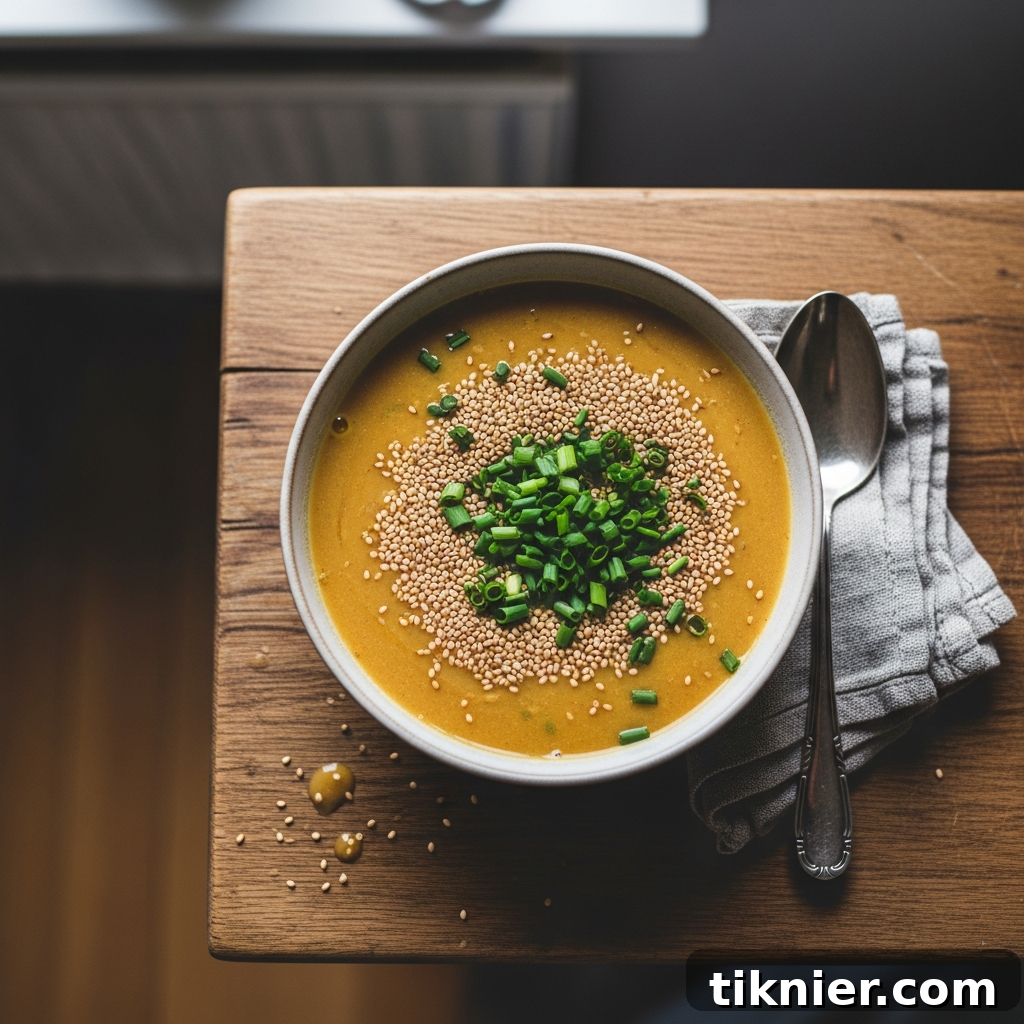
Description: A beloved classic pumpkin soup reimagined with a modern, gourmet twist. The secret lies in white miso paste, which imparts a deep, savory umami flavor, perfectly balancing the inherent sweetness of pumpkin to create a velvety, restaurant-quality soup that’s both comforting and sophisticated.
Yield: 8 servings | Category: Soup | Cuisine: American Fusion
Prep Time: 10 minutes | Cook Time: 30 minutes
Ingredients
- 1 tablespoon unsalted butter
- 1 tablespoon olive oil
- 1 large yellow onion, chopped
- 2 cloves garlic, minced
- 1 teaspoon grated fresh ginger
- 4 cups pumpkin puree, fresh or canned (not pie filling)
- 4 cups vegetable or chicken broth (low-sodium recommended)
- 2 tablespoons white miso paste
- 1 cup heavy cream or full-fat coconut milk (for vegan)
- 1/2 teaspoon salt, or to taste
- 1/4 teaspoon black pepper, or to taste
- Toasted sesame seeds, for garnish
- Chopped fresh chives, for garnish
Instructions
- In a large Dutch oven or heavy-bottomed pot, heat butter and olive oil over medium heat. Add chopped onion and cook, stirring occasionally, until soft, translucent, and slightly golden (5-7 minutes).
- Stir in minced garlic and grated ginger. Cook for just 1 minute more until fragrant, being careful not to burn the garlic.
- Add pumpkin puree and broth to the pot. Stir well to combine. Bring the mixture to a lively simmer, then immediately reduce the heat to low. Cover and cook for 15 minutes to allow flavors to meld.
- While the soup simmers, temper the miso. In a small separate bowl, whisk the 2 tablespoons of white miso paste with about 1/2 cup of warm soup broth (ladled from the pot) until completely smooth and dissolved.
- Pour the dissolved miso mixture back into the main pot of soup. Stir thoroughly to distribute the umami flavor evenly.
- Using an immersion blender, carefully blend the soup directly in the pot until it is completely smooth and creamy. Alternatively, blend in batches in a regular blender (see “Step-by-Step Instructions” for safety tips).
- Return the pureed soup to the pot over low heat. Gently stir in the heavy cream or coconut milk. Heat through, but do not allow the soup to boil, as this can curdle the cream and diminish miso’s delicate flavor.
- Taste the soup and season with salt and black pepper as needed. Remember that both broth and miso contribute salt, so adjust carefully for perfect balance.
- Ladle the hot soup into bowls. Garnish each serving with a sprinkle of toasted sesame seeds and fresh chopped chives. Serve immediately and enjoy!
Notes
For a completely vegan version, use vegan butter (or all olive oil), vegetable broth, and full-fat canned coconut milk. If you require a gluten-free soup, ensure your chosen miso paste and broth are certified gluten-free. For make-ahead or freezing, consider adding the cream just before serving after reheating the soup base.
Servings: 8 | Calories: 220 kcal | Fat: 16g | Carbohydrates: 18g | Protein: 4g
Frequently Asked Questions About Homemade Miso Pumpkin Soup
Embarking on a new recipe often brings questions, especially when incorporating unique ingredients like miso. Here are detailed answers to the most common queries I receive about this exquisite Miso Pumpkin Soup recipe, designed to help you achieve perfect results every time.
Can I prepare this creamy pumpkin soup using fresh pumpkin instead of canned puree?
Absolutely, using fresh pumpkin is a fantastic option and an incredibly rewarding way to take advantage of seasonal produce. It often imparts a slightly lighter color and a wonderfully delicate, earthy flavor to your soup. The key to success lies in selecting the right variety of pumpkin. Opt for smaller “pie pumpkins” or “sugar pumpkins,” which are specifically bred for their culinary quality, rather than the large, watery jack-o’-lantern pumpkins that lack flavor and have a stringy texture.
To prepare fresh pumpkin: First, carefully cut the pumpkin in half and thoroughly scoop out all the seeds and fibrous strands. Place the pumpkin halves cut-side down on a baking sheet lined with parchment paper. Roast them in a preheated oven at 400°F (200°C) for approximately 40 to 60 minutes, or until the flesh is exceptionally tender and can be easily pierced with a fork. Once cooled sufficiently to handle, scoop the soft, roasted flesh out of the skin. You can then puree this flesh in a food processor or blender until it’s completely smooth. As a general guideline, a 3-pound sugar pumpkin typically yields around 4 cups of puree, which is the perfect amount for this recipe.
What makes my homemade pumpkin soup taste bland, and how can I fix it?
If your pumpkin soup tastes a little flat or lacking in vibrancy, there are a few common culprits, all of which are surprisingly easy to rectify. The most frequent reason is simply an insufficient amount of salt. Salt is not just a seasoning; it’s a profound flavor enhancer that awakens and brightens all the other ingredients. Since both your chosen broth and the miso paste contain varying levels of sodium, it’s crucial to taste the soup at the very end of the cooking process and incrementally add salt until the flavors truly pop and achieve a perfect, vibrant balance. Don’t be timid with seasoning.
Another potential reason for blandness could be that the foundational aromatics – the onion, garlic, and ginger – were not cooked long enough to fully develop their sweet, complex flavors. Ensure the onion is truly soft, translucent, and just beginning to caramelize before moving to the next step. Finally, a little secret weapon for invigorating almost any soup is a touch of acid. A tiny squeeze of fresh lemon juice or a small splash of apple cider vinegar, stirred in just before serving, can work wonders to liven up all the flavors without making the soup taste sour, adding a brilliant finishing touch.
How can I adjust the consistency to make my pumpkin soup thicker or thinner?
Adjusting the consistency of your Miso Pumpkin Soup is remarkably straightforward, allowing you to achieve your ideal texture. If you discover that your soup is too thin for your preference, the simplest and most effective method is to allow it to simmer gently, uncovered, on the stovetop over low heat. Stir it occasionally to prevent any sticking to the bottom of the pot. This process permits excess water to evaporate, naturally thickening the soup. Let it simmer for an additional 10 to 15 minutes, or until it reaches your desired, rich consistency.
Conversely, if your soup turns out to be too thick, thinning it is equally simple. Gradually stir in more liquid – this could be additional broth, a little water, or even more heavy cream or coconut milk, depending on the richness and flavor profile you aim for. Add the liquid a small amount at a time, stirring thoroughly after each addition, until the soup achieves its perfect, velvety consistency. Always remember that creamy soups tend to thicken slightly as they cool, so keep this in mind when making your final adjustments.
What exactly is white miso, and why is it considered the secret ingredient in this pumpkin soup?
White miso, also globally recognized as “shiro miso,” is a cherished traditional Japanese seasoning, meticulously crafted from fermented soybeans, rice, salt, and a beneficial culture known as koji. Its fermentation period is relatively short compared to darker miso varieties, which is precisely why it boasts a light, creamy color and an incredibly mild, delicate, and subtly sweet flavor profile. It is notably less salty and less pungent than its longer-fermented counterparts, such as red miso, making it exceptionally versatile.
I consider white miso the “secret ingredient” in this pumpkin soup because it is an unparalleled source of umami, the legendary fifth taste. Umami is a savory, deeply satisfying, and mouth-watering sensation that imparts incredible depth and complexity to dishes. In this particular soup, the white miso operates subtly in the background; it doesn’t make the soup taste overtly like traditional miso soup. Instead, it ingeniously enhances the natural sweetness of the pumpkin and introduces a profound savory richness that is simply unattainable with salt alone. It creates a more sophisticated, beautifully balanced, and profoundly satisfying flavor profile that elevates the entire dish, leaving a lasting impression on your palate.
Is this Miso Pumpkin Soup recipe considered a healthy meal option?
Yes, this Miso Pumpkin Soup can absolutely be a wonderfully healthy and deeply nourishing dish, making it a fantastic addition to a balanced diet. The primary ingredient, pumpkin, is a nutritional powerhouse. It’s abundantly rich in essential vitamins, particularly Vitamin A (in the form of beta-carotene, an antioxidant), and is an excellent source of dietary fiber, which supports healthy digestion and promotes satiety. The foundational base of this soup is composed of simple, wholesome vegetables and broth, making it inherently nutritious and satisfying.
The overall healthiness of the soup can be further tailored by specific ingredient choices. For a lighter version, opting for low-sodium broth allows for precise control over salt content. Choosing full-fat canned coconut milk instead of heavy cream introduces healthy fats and keeps the soup dairy-free. The recipe utilizes only a minimal amount of butter and olive oil for sautéing. Overall, it stands as a comforting, vegetable-forward meal that is both exceptionally delicious and packed with vital nutrients, making it an ideal, health-conscious choice, especially during the colder months.
Continue Your Culinary Journey: Try These Delicious Recipes Next!
If the rich, cozy, and uniquely savory flavors of this Miso Pumpkin Soup captured your heart and delighted your palate, I’m confident you’ll adore these other comforting and flavorful recipes from the blog. Each one offers its own special twist on classic comfort food, inviting you to explore new dimensions of taste and texture.
- Vegan Pumpkin Cream Sauce: For those who cherish creamy pumpkin flavors but prefer a plant-based approach, this versatile pasta sauce is an absolute must-try. It’s entirely dairy-free yet achieves an astonishingly luxurious, rich texture and deep flavor, perfect for tossing with your favorite pasta or even as a base for casseroles.
- Four Cheese Pumpkin Pasta Bake: Prepare for the ultimate comfort food mashup! This indulgent pasta bake masterfully combines the irresistible goodness of four cheeses with the subtle sweetness of pumpkin, creating a hearty, gooey, and deeply satisfying dish that is always a resounding family favorite, perfect for chilly evenings.
- Turkey Roasted Butternut Squash Chili: Ready for another beloved classic reimagined with a delightful twist? This chili recipe cleverly incorporates roasted butternut squash and lean ground turkey, resulting in a lighter yet incredibly hearty and profoundly flavorful meal. It’s packed with warmth, spice, and nourishing ingredients, making it ideal for a comforting and wholesome dinner.
Happy cooking, and may your kitchen always be filled with warmth and wonderful aromas!