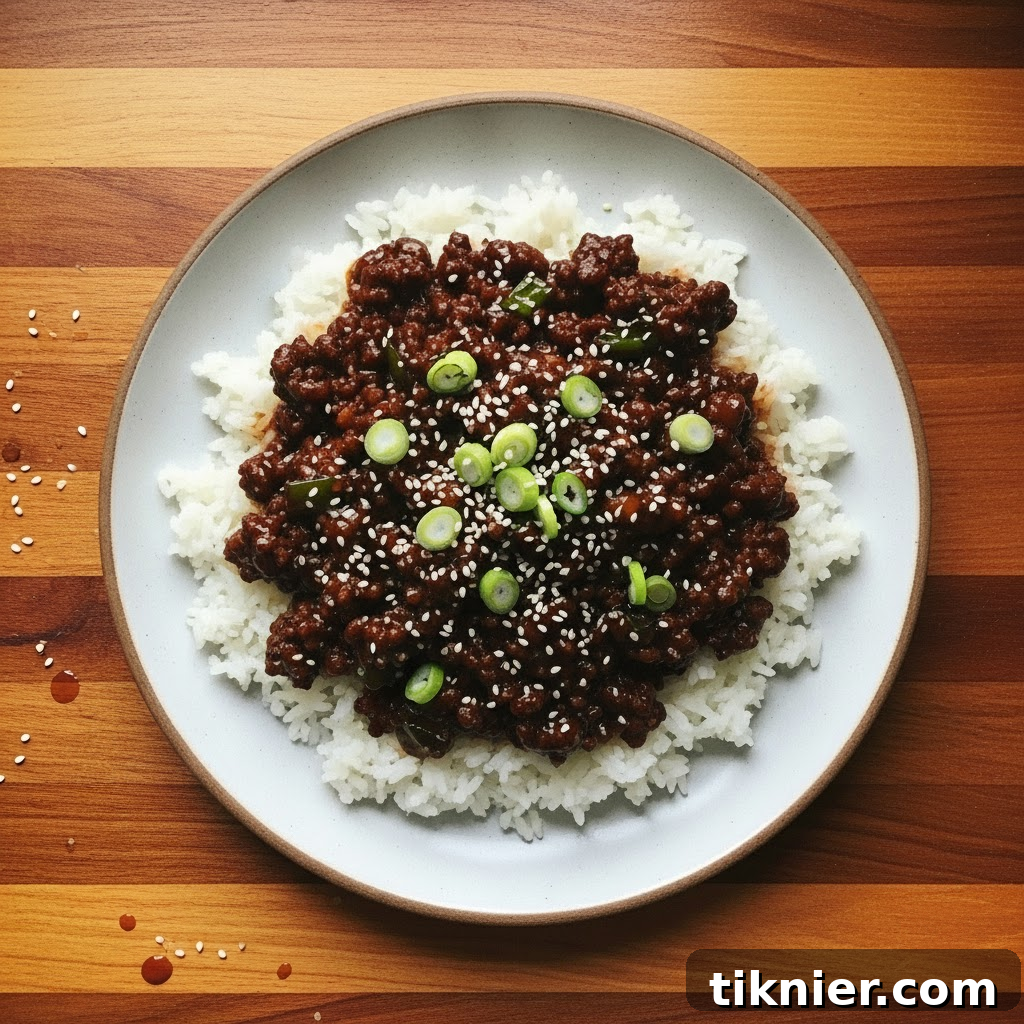
Easy Mongolian Ground Beef Recipe: Your New Weeknight Favorite with a Secret Crunch
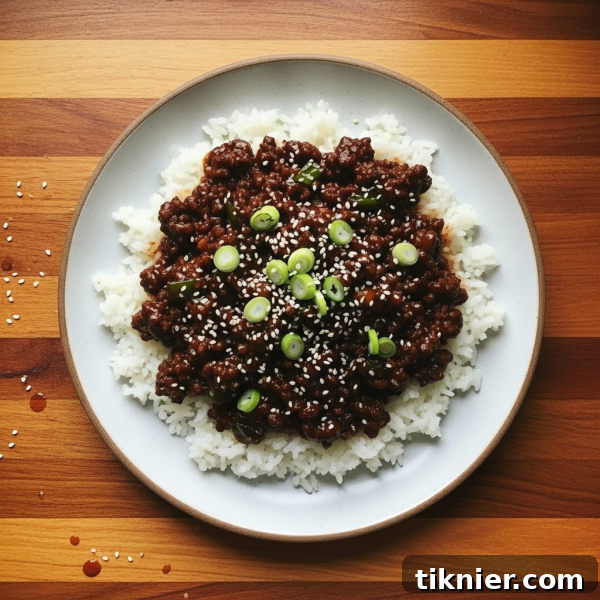
There’s something truly special about recreating beloved restaurant dishes in the comfort of your own kitchen. For my family, the journey to our favorite homemade meals often begins with a craving for that unforgettable restaurant experience. I’ll never forget the first time my husband and I savored Mongolian Beef at a quaint spot downtown. The beef was incredibly tender, and the sauce struck a perfect harmony of sweet and savory, leaving a lasting impression. From that moment, I was determined to unlock its secrets and bring that magic into our home cooking.
However, reality often dictates a more practical approach for busy weeknight dinners. Slicing and preparing flank steak can be time-consuming and often pricier than what our daily routine allows. That’s when inspiration struck: why not adapt this beloved dish using ground beef? Ground beef offers unparalleled convenience, cooking up in a flash, and its texture makes it an ideal canvas for soaking up rich, flavorful sauces. The very first time I prepared this Mongolian Ground Beef recipe, it was an immediate and resounding success with everyone at the table.
Yet, as any passionate cook knows, there’s always room for a little extra flair. I felt this dish, while delicious, needed a subtle surprise—a distinctive element that would prompt inquisitive murmurs of, “What is that?” My culinary quest led me to a simple yet brilliant secret weapon: a can of water chestnuts. Finely diced, these unassuming additions virtually disappear into the dish, leaving behind the most delightful, subtle crunch in every single bite. It’s a textural marvel, offering a refreshing contrast to the tender beef and the luxurious, silky sauce.
This reimagined dish has since cemented its place as our ultimate go-to for a “takeout at home” night. It’s astonishingly fast to prepare, bursting with complex flavors, and that ingenious little twist transforms it into something far more special and memorable than the original. Prepare to impress your family and friends with this elevated weeknight wonder!
Skip to My Special Recipe!
Why This Mongolian Ground Beef Recipe is a Weeknight Game Changer
Mongolian Beef has earned its spot as a beloved staple on nearly every Chinese-American restaurant menu for good reason: its utterly irresistible blend of flavors. Interestingly, despite its name, the dish has very little to do with traditional Mongolian cuisine. Culinary historians generally agree that it originated in Taiwan during the 1950s, meticulously crafted to appeal to a broader palate with its universally adored sweet and savory profile. Its enduring popularity stems from that incredible sauce – a seemingly simple but profoundly powerful combination of savory soy sauce, rich brown sugar, and aromatic essentials like pungent garlic and zesty ginger. This decadent sauce clings perfectly to the beef, creating a dish that is deeply rich, profoundly satisfying, and wonderfully comforting.
Our innovative version, featuring humble ground beef, ingeniously captures all the best elements of the traditional recipe and makes them effortlessly accessible for any night of the week. Ground beef is not only incredibly affordable, making it a budget-friendly option, but it also cooks in mere minutes. Furthermore, its finely crumbled texture provides an abundance of surface area, allowing that glorious sweet and savory sauce to truly cling and infuse every morsel. This means you achieve all the signature flavor intensity without the additional time, effort, or expense typically associated with preparing steak. It’s the ultimate shortcut to gourmet taste!
However, what truly elevates my Mongolian Ground Beef recipe into a standout culinary experience is the strategic addition of finely diced water chestnuts. While traditional Mongolian Beef often boasts a subtle crispness, achieved through the “velveting” technique and flash-frying of the steak, we lose that delightful textural element when opting for ground beef. The water chestnuts ingeniously reintroduce this crucial contrast in a fresh and exciting way. They provide a unique, subtle, and refreshingly watery crunch that beautifully cuts through the inherent richness of the sauce and the tender beef. This seemingly minor tweak creates a significant impact, transforming a simple skillet dinner into something truly memorable and surprisingly sophisticated. It’s a secret that will have everyone asking for your recipe!
Essential Ingredients for Your Perfect Mongolian Ground Beef
One of the most appealing aspects of this recipe is its remarkable ability to transform a handful of everyday pantry staples into a dish that tastes like a special occasion meal. Chances are, you already have most of these versatile ingredients on hand, ready to be combined into that signature sweet and savory flavor profile we all adore. This harmonious blend of components is precisely what creates the depth and deliciousness of our Mongolian Ground Beef.
Here’s a precise list of everything you’ll need to bring this incredible dish to life:
- 1 lb lean ground beef (90/10 or 93/7 recommended)
- 1 tbsp sesame oil
- 1 small yellow onion, very finely chopped
- 4 cloves garlic, freshly minced
- 1 tbsp fresh ginger, finely grated
- 1/2 cup low-sodium soy sauce
- 1/4 cup packed brown sugar
- 2 tbsp hoisin sauce
- 1 tbsp rice vinegar
- 1/2 tsp red pepper flakes (optional, for a touch of heat)
- 1 (8-ounce) can water chestnuts, finely diced
- 1 tbsp cornstarch
- 2 tbsp cold water
- 4 green onions, thinly sliced (for garnish and fresh flavor)
- Toasted sesame seeds, for an elegant garnish
- Cooked rice or noodles, for serving
Let’s delve into a few crucial notes regarding these key players. For the ground beef, I highly recommend using a lean blend, such as 90/10 or 93/7. This choice delivers exceptional flavor while minimizing the amount of excess grease that needs to be drained, resulting in a cleaner, less oily sauce. If you only have 80/20 on hand, that’s perfectly acceptable; just be diligent about thoroughly draining any rendered fat after browning. This step is essential for achieving the optimal sauce consistency.
When selecting your soy sauce, opting for a low-sodium version is a non-negotiable must. This allows you complete control over the final salt content of your dish, ensuring it’s perfectly balanced without being overly salty, all while still imparting that deep, rich umami flavor we crave. The addition of hoisin sauce is equally vital; it introduces a complex, slightly sweet, and wonderfully tangy note that contributes significantly to the overall depth and authenticity of the sauce, distinguishing it from simpler Asian-inspired dishes.
And now, for my secret ingredient: the magnificent water chestnuts! The critical technique here is to dice them incredibly finely. You are not aiming for large, discernible chunks. Instead, you want tiny, almost imperceptible pieces that seamlessly integrate with the ground beef, providing a truly delightful, crisp texture in every spoonful without overtly revealing their presence. It’s all about creating that unexpected, wonderful textural surprise that elevates the entire dish.
Step-by-Step Instructions: Crafting Your Mongolian Ground Beef Masterpiece
This incredibly satisfying meal comes together effortlessly in a single skillet, requiring less than 30 minutes from start to finish. This makes it an absolute lifesaver on those hectic evenings when time is of the essence. The cooking process is remarkably straightforward, but by paying attention to a few subtle techniques, you can ensure your dish turns out perfectly balanced and flavorful every single time. Let’s walk through each step together, guaranteeing a successful and delicious outcome.
Step 1: Expertly Brown the Beef and Onion
Begin by heating your sesame oil in a large, heavy-bottomed skillet or a spacious wok over a steady medium-high heat. The sesame oil immediately infuses the pan with its characteristic nutty and aromatic fragrance, setting the stage for flavor. Add your lean ground beef and the finely chopped yellow onion to the hot skillet. Use a sturdy wooden spoon or a spatula to diligently break the beef into small, uniform crumbles as it cooks. Your goal is to achieve a nice, even texture throughout. Continue to cook, stirring occasionally, until the beef is thoroughly browned and the onion has softened significantly, becoming beautifully translucent. This is a crucial moment: carefully drain off any excess grease that has accumulated in the pan. This step is vital for ensuring your finished sauce is clean, vibrant, and not overly greasy.
Step 2: Bloom the Aromatic Foundation
With your beef perfectly browned, it’s now time to build the deeply flavorful base of your dish. Add the freshly minced garlic and finely grated ginger directly into the skillet with the beef. Stir these aromatics constantly for approximately one minute. You’ll know they are perfectly ready when an incredibly fragrant aroma wafts from the pan, signaling their potency has been unleashed. This brief but impactful cooking step, often referred to as “blooming,” effectively awakens the essential oils within the garlic and ginger, allowing them to fully infuse the entire dish with their vibrant flavors. Exercise caution during this stage to prevent them from burning, as burnt garlic can impart an undesirable bitter taste to your meal.
Step 3: Whisk Together the Signature Sauce
In a separate small bowl or a liquid measuring cup, combine the low-sodium soy sauce, the packed brown sugar, rich hoisin sauce, bright rice vinegar, and, if you desire a touch of heat, the optional red pepper flakes. Vigorously whisk all these ingredients together until the brown sugar is completely dissolved and all the distinct flavors are thoroughly married into a cohesive mixture. Preparing the sauce separately like this is key; it prevents any clumping when it’s added to the hot pan and ensures you achieve a wonderfully smooth, consistent, and perfectly integrated sauce.
Step 4: Combine Flavors and Simmer Gently
Now, pour the meticulously whisked sauce mixture directly over the browned ground beef and aromatics in your skillet. Stir everything together thoroughly to ensure the beef is evenly coated. Next, add your finely diced water chestnuts to the mixture. Give it another good stir to incorporate them. Bring the entire mixture to a gentle simmer over the heat. You should observe small, tantalizing bubbles beginning to break the surface, indicating the flavors are starting to meld beautifully.
Step 5: Achieve Perfect Thickness with a Slurry
To achieve that highly coveted thick, glossy, and beautifully coating sauce that is characteristic of Mongolian Beef, we need a cornstarch slurry. In a separate small bowl, whisk together the cornstarch and two tablespoons of cold water until the cornstarch is completely dissolved and no lumps remain. It is absolutely critical to use cold water for this step, as hot water would cause the cornstarch to clump instantly and prevent proper thickening. Slowly and steadily pour this slurry into the simmering beef mixture, stirring constantly and vigorously as you pour. This continuous stirring ensures even distribution and prevents localized thickening.
Step 6: Cook Until Beautifully Thickened
Continue to stir the mixture and allow the sauce to cook for an additional one to two minutes after adding the slurry. You will witness an almost immediate transformation. The sauce will transition from its initial thin, watery consistency to a wonderfully thick, glossy, and luxurious texture that perfectly clings to and coats every single piece of ground beef. This is the impressive magic of the cornstarch slurry diligently at work, creating that irresistible restaurant-quality finish!
Step 7: Finish with Fresh Green Onions
Once your sauce has reached its ideal thickness, remove the skillet from the heat. This is the precise moment to stir in your thinly sliced green onions. Adding them at this final stage is strategic; it preserves their vibrant green color and maintains their delightful crisp texture. They introduce a fresh, subtly sharp, and aromatic layer of flavor that beautifully cuts through the richness of the sweet and savory sauce, providing a perfect counterpoint and an appealing visual pop.
Step 8: Serve and Garnish with Flair
Your magnificent Mongolian Ground Beef is now ready to be enjoyed immediately! It is truly at its best when served piping hot over a generous bed of fluffy steamed rice or your favorite Asian-style noodles. For a final touch of elegance and an additional layer of texture, generously sprinkle some toasted sesame seeds over the top. They add a wonderful nutty finish and a delicate crunch, elevating both the presentation and the overall sensory experience of this incredible dish.
How To Serve Your Delectable Mongolian Ground Beef
Once your skillet is brimming with this savory, saucy, and utterly irresistible Mongolian Ground Beef, the exciting part begins: deciding how to serve it! This dish is remarkably versatile, capable of starring as the centerpiece of your meal in numerous delightful ways, whether your heart desires a classic, comforting dinner or something a little more adventurous and creative.
The most traditional and, arguably, one of the finest ways to enjoy this dish is generously piled over a mound of fluffy steamed rice. Fragrant white jasmine rice is an exceptional companion, as its delicate aroma beautifully complements the rich sauce. For those seeking a healthier or heartier option, wholesome brown rice also works wonderfully. The rice acts as a perfect absorbent vessel, ensuring every last drop of that incredible Mongolian sauce is savored.
But why stop there? Unlock the full potential of this versatile dish with these other fantastic serving suggestions:
- Over Noodles: Transform your meal into a satisfying noodle bowl by ladling the savory ground beef mixture over perfectly cooked lo mein noodles, ramen, or even thick udon noodles. The chewy texture of the noodles provides a delightful contrast to the tender beef and glossy sauce.
- Lettuce Wraps: For a lighter, low-carb, and incredibly fresh option, spoon the hot Mongolian ground beef into crisp butter lettuce or iceberg lettuce cups. This method creates a fun, interactive, and refreshing meal that’s perfect for warm weather or when you’re looking for something lighter.
- With Steamed or Stir-fried Vegetables: To create a well-rounded and nutritious meal, serve your Mongolian Ground Beef alongside a simple yet vibrant vegetable side. Steamed broccoli florets, garlicky green beans, tender roasted asparagus, or a colorful medley of stir-fried bell peppers and crisp snap peas are all excellent choices that add freshness and texture.
- Stuffed in a Potato: For a truly hearty and comforting dinner, spoon the flavorful mixture over a warm, fluffy baked potato or a nutrient-rich baked sweet potato. The creamy interior of the potato provides a wonderful base for the savory beef and sauce.
Regardless of how you choose to present it, the fundamental key is to pair it with something that can effectively capture and complement that rich, glossy, and intensely flavorful sauce. Whether it’s classic rice, springy noodles, or a simple crisp piece of lettuce, you won’t want a single precious drop to go to waste. This is a complete, satisfying meal that feels special enough to impress guests but remains wonderfully easy for any busy Tuesday night.
How To Store & Reheat Mongolian Ground Beef Leftovers Like a Pro
Should you be fortunate enough to find yourself with leftovers of this exquisite Mongolian Ground Beef, consider it a culinary triumph! This is one of those truly wonderful dishes that often tastes just as good, if not even better, the following day. The extra time allows the complex flavors to deepen and meld together even further, resulting in an even more harmonious and robust taste. Proper storage is absolutely essential to ensure your leftovers remain as fresh, delicious, and safe to eat as possible.
First and foremost, it’s crucial to allow the ground beef mixture to cool down completely to room temperature before storing. Placing hot food directly into the refrigerator can raise the internal temperature of the appliance, potentially affecting the safety and quality of other foods stored within. Once adequately cooled, transfer the Mongolian Ground Beef into a clean, airtight container. Stored properly, it will maintain its deliciousness in the refrigerator for up to 4 days.
When you’re ready to savor your Mongolian Ground Beef once more, reheating is wonderfully simple and quick. For the fastest option, you can use the microwave, heating it in convenient 30-second increments. Be sure to stir well in between each interval to ensure the dish heats evenly throughout and prevents any cold spots. Personally, I find reheating on the stovetop yields the best results, as it helps maintain the texture and integrity of the sauce. Simply place the leftovers in a small skillet or saucepan over medium-low heat. Add a splash of water or a little beef broth; this helps to loosen the sauce, preventing it from drying out and ensuring it regains its desired consistency. Stir gently until the mixture is warmed through.
While the leftovers are fantastic on their own, don’t hesitate to get creative and transform them into exciting new meals!
- Quick Lunch Bowls: Prepare effortless grab-and-go lunches for the week by portioning the cooled Mongolian Ground Beef into containers along with some cooked rice, quinoa, or even cauliflower rice.
- Savory Quesadillas: For a unique twist, spread the leftover mixture onto a flour tortilla, sprinkle generously with some shredded mozzarella or Monterey Jack cheese, top with another tortilla, and pan-fry until golden brown and crispy on both sides.
- Breakfast Scramble: Elevate your morning routine by adding a scoop of leftover Mongolian beef to your scrambled eggs. This provides a surprisingly delicious, protein-packed, and flavorful start to your day.
Having these versatile and flavorful leftovers readily available truly feels like a thoughtful gift to your future self. It’s the perfect way to guarantee a delicious and effortlessly satisfying meal is waiting for you precisely when you need it most.
Creative Substitutions & Exciting Variations for Mongolian Ground Beef
While I absolutely adore this Mongolian Ground Beef recipe in its original form, one of its greatest strengths lies in its incredible adaptability. It can be effortlessly tweaked and customized to perfectly suit your personal taste preferences, accommodate dietary needs, or simply make use of ingredients you already have on hand in your pantry. Feel completely free to experiment and truly make this dish your own; with a sauce this consistently good, it’s genuinely hard to go wrong!
If you’re looking to introduce some variety or cater to specific requirements, here are some tried-and-true substitutions and delightful variations that integrate beautifully with this Mongolian Ground Beef recipe, ensuring delicious results every time.
- Explore Other Protein Options: This recipe’s fantastic flavor profile isn’t limited to ground beef. It works wonderfully with a variety of other ground meats. Consider using ground chicken, turkey, or pork for a subtly different and equally delicious flavor profile. For an excellent vegetarian or vegan rendition, substitute the meat with plant-based ground crumbles, or use extra-firm tofu that has been thoroughly pressed to remove excess water, then crumbled and browned.
- Boost with More Vegetables: This is a superb “clean out the fridge” meal! It’s incredibly easy to bulk up the dish with an abundance of fresh vegetables. Sauté sliced mushrooms, finely shredded carrots, or thinly sliced bell peppers (red, yellow, or orange) alongside the onion during the initial browning phase. For tender-crisp additions, broccoli florets or snap peas can be stirred in during the last few minutes of simmering, allowing them to gently cook through without losing their vibrant color or texture.
- Tailor for Dietary Needs: To effortlessly transform this into a gluten-free dish, simply substitute the traditional soy sauce with tamari or coconut aminos, ensuring you achieve the same umami depth. Additionally, always verify that your chosen hoisin sauce is certified gluten-free, as some brands may contain wheat. For those monitoring sugar intake, you can utilize a brown sugar substitute like Swerve or simply reduce the amount of brown sugar specified in the recipe to align with your dietary preferences without compromising flavor significantly.
- Amplify the Spice Level: If you’re a fan of heat, do not be shy with the red pepper flakes! Feel free to increase the amount to your desired level of spiciness. For an extra kick of dynamic heat and complex flavor, you could also incorporate a teaspoon or two of sriracha or a robust chili garlic sauce directly into the sauce mixture. A final drizzle of toasted sesame oil just before serving will also profoundly amplify the nutty, savory notes, adding another layer of aromatic depth.
Consider this recipe a versatile and delicious blueprint. These simple, impactful swaps and additions empower you to tailor the dish perfectly to fit any dietary need, specific craving, or available ingredients. No matter what small adjustments you choose to make, the core essence of this sweet, savory, and wonderfully comforting dish will consistently shine through, promising a fantastic and satisfying meal every single time.
Mongolian Ground Beef with a Delightful Twist
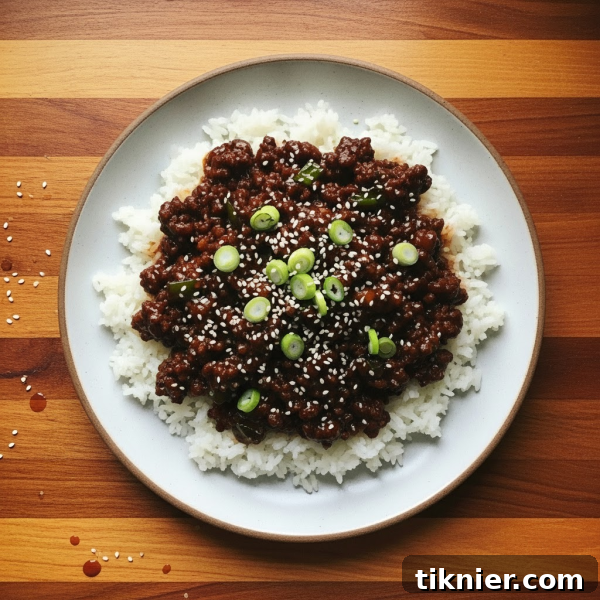
Description: This recipe delivers a quick, easy, and incredibly flavorful weeknight dinner starring savory ground beef enveloped in a classic sweet and savory Mongolian sauce. The secret ingredient, finely diced water chestnuts, introduces a delightful and unexpected crunch in every bite, elevating this simple skillet dish into something truly special and memorable.
Yield: 4 servings | Category: Main Course | Cuisine: Asian-Inspired, Chinese-American
Prep Time: 10 minutes | Cook Time: 20 minutes
Ingredients
- 1 lb lean ground beef (90/10 or 93/7 recommended)
- 1 tbsp sesame oil
- 1 small yellow onion, very finely chopped
- 4 cloves garlic, freshly minced
- 1 tbsp fresh ginger, finely grated
- 1/2 cup low-sodium soy sauce
- 1/4 cup packed brown sugar
- 2 tbsp hoisin sauce
- 1 tbsp rice vinegar
- 1/2 tsp red pepper flakes (optional, for a touch of heat)
- 1 (8-ounce) can water chestnuts, finely diced
- 1 tbsp cornstarch
- 2 tbsp cold water
- 4 green onions, thinly sliced
- Toasted sesame seeds, for garnish
Instructions
- Heat sesame oil in a large skillet or wok over medium-high heat. Add ground beef and finely chopped onion, cooking and breaking up the beef until it is thoroughly browned and the onion is softened. Drain off any excess grease from the pan.
- Stir in the minced garlic and grated fresh ginger. Cook for just 1 minute until they become wonderfully fragrant, being careful not to burn them.
- In a separate small bowl, whisk together the low-sodium soy sauce, packed brown sugar, hoisin sauce, and rice vinegar until well combined and the sugar is dissolved. For heat, stir in the optional red pepper flakes. Pour this sauce mixture evenly over the beef in the skillet.
- Add the finely diced water chestnuts to the skillet and stir everything together to combine. Bring the entire mixture to a gentle simmer.
- In another small bowl, whisk together the cornstarch and cold water until a smooth slurry forms with no lumps. Slowly pour this slurry into the simmering beef mixture, stirring constantly as you pour.
- Continue cooking and stirring for 1 to 2 minutes, or until the sauce has thickened to a beautiful, glossy consistency that coats the beef.
- Remove the skillet from the heat. Stir in the thinly sliced green onions, preserving their vibrant color and crisp texture.
- Serve immediately and generously over a bed of fluffy rice or your favorite noodles. Garnish with a sprinkle of toasted sesame seeds for an extra nutty finish.
Notes
For a gluten-free version, ensure you substitute the soy sauce with tamari or coconut aminos, and always double-check that your hoisin sauce is certified gluten-free. If you prefer a spicier dish, feel free to add more red pepper flakes, or a dash of sriracha, to taste.
Servings: 4 | Calories: 450 kcal | Fat: 22g | Carbohydrates: 28g | Protein: 35g
5 Essential FAQs About Mongolian Ground Beef
Here are clear, concise answers to the most common questions I receive about this fantastic Mongolian Ground Beef recipe, designed to provide you with all the information you need to cook with confidence and curiosity.
Is Mongolian Ground Beef authentically from Mongolia?
This is a wonderfully insightful question, and the answer often comes as a surprise to many! No, Mongolian Beef, in its popular form, is not a traditional dish originating from Mongolia itself. Authentic Mongolian cuisine primarily revolves around hearty dairy products and various meats (often lamb or goat) from local livestock, prepared with distinct flavors and cooking methods that differ significantly from what we experience in this dish. The beloved sweet and savory creation we know as Mongolian Beef is actually a delightful product of Chinese-American culinary innovation, specifically believed to have emerged from Taiwanese restaurants.
It’s widely accepted that the dish was developed in Taiwan during the 1950s and subsequently introduced to the United States. The moniker “Mongolian” was likely a savvy marketing strategy, chosen to imbue the dish with an exotic and appealing aura for American diners, much like the concept of “Mongolian barbecue,” which is also a Taiwanese culinary invention. So, while its name might be a bit of a misnomer, its undeniable deliciousness and widespread appeal as a staple of American Chinese cuisine speak for themselves.
Can I prepare this Mongolian Ground Beef recipe in advance?
Absolutely! This recipe is an outstanding candidate for meal prepping, further cementing its status as a true weeknight hero. You have a couple of excellent options for preparing it ahead of time. Your first approach is to cook the entire dish from start to finish. Once cooked, allow it to cool completely to room temperature before transferring it to an airtight container. It will store beautifully in the refrigerator for up to four days. When you’re ready to enjoy, simply reheat it gently on the stovetop or quickly in the microwave for a virtually instant, satisfying dinner.
Your second, more component-based option, is to prep the individual elements. You can brown the ground beef with the onions, garlic, and ginger and store this mixture in one container. In a separate jar or small bowl, you can whisk together all the sauce ingredients. When dinner time arrives, all that’s left to do is combine the beef mixture with the sauce in a skillet, add the water chestnuts, and then thicken everything with the cornstarch slurry. This method allows you to have a freshly prepared sauce and a warm meal on the table in about 10 minutes, which is perfect if you prefer the texture of a sauce that hasn’t been reheated.
Why are water chestnuts considered necessary in this Mongolian Ground Beef recipe?
The addition of water chestnuts is what I consider my signature and most impactful twist on this dish, and they serve a very specific, yet subtle, and incredibly important purpose: texture. Traditional Mongolian Beef, typically made with sliced flank steak, often undergoes a “velveting” process and quick frying, which results in a wonderfully tender interior and a slightly crisp, delightful exterior. When you opt for ground beef, while gaining incredible flavor and ease, you inherently lose that crucial textural contrast. The ground beef is tender, and the sauce is lusciously silky, which is lovely in itself, but it can sometimes feel a bit one-dimensional in terms of mouthfeel.
By finely dicing the water chestnuts and carefully stirring them into the mixture, you brilliantly reintroduce that missing textural element. They possess a very mild, almost neutral flavor, ensuring they do not overpower the classic, robust Mongolian sauce. Instead, they provide a distinct, watery, and incredibly satisfying crunch in every single bite. It’s an unexpected and delightful surprise that elevates the entire dish, adding a layer of sophistication. While you can certainly omit them if you don’t have them on hand, I wholeheartedly recommend giving them a try to truly experience the transformative difference they make.
How can I adjust the thickness of the sauce for my Mongolian Ground Beef?
The consistency of the sauce is largely a matter of personal preference, and thankfully, it’s remarkably easy to adjust to your liking. The thickness of the sauce in this recipe is primarily controlled by the cornstarch slurry. If you meticulously follow the recipe as written, you should achieve a beautifully glossy sauce that perfectly coats the ground beef without being excessively thick or overly goopy. However, if you find yourself desiring an even thicker sauce, it’s a very simple fix.
To make the sauce thicker, just prepare a little more slurry. Whisk together another teaspoon of cornstarch with two teaspoons of cold water until it’s perfectly smooth and lump-free. Then, slowly stir this additional slurry into the simmering sauce until it reaches your desired, ideal thickness. Conversely, if you prefer a thinner sauce, simply stir in a tablespoon or two of additional liquid. Low-sodium beef broth works perfectly for this, as does plain water. Add it gradually, a little at a time, until the sauce achieves the consistency you prefer. This is a very forgiving recipe, so feel free to experiment and adjust until it’s absolutely just right for your taste buds.
What is the key difference between Mongolian Beef and Szechuan Beef?
This is a very common point of confusion, as both are popular and delicious beef dishes frequently found on Chinese-American restaurant menus. While they might bear a superficial resemblance at first glance, their distinct flavor profiles are worlds apart. The primary differentiation lies in their respective regional influences and the key ingredients that define their signature sauces.
Mongolian Beef is renowned for its generally mild, profoundly savory, and distinctly sweet flavor profile. Its sauce is predominantly soy sauce-based, expertly balanced with brown sugar for sweetness and enhanced with classic aromatics like garlic and ginger. It’s a very approachable dish, typically not spicy, which makes it a perennial favorite for families and those who prefer less heat. My Mongolian Ground Beef recipe faithfully adheres to this cherished sweet-and-savory flavor profile. Szechuan Beef, in stark contrast, hails from the Sichuan province of China, a region celebrated globally for its incredibly bold, fiery, and complex cuisine. Its signature and defining flavor comes from the distinctive Sichuan peppercorns, which impart a unique citrusy aroma and a characteristic tingling, numbing sensation known as “málà,” alongside generous amounts of fiery chili peppers or savory chili bean paste (doubanjiang). While Szechuan Beef can also incorporate sweet and savory elements, its dominant characteristics are its pronounced spiciness and that unmistakable numbing quality, offering a truly adventurous culinary experience.
Continue Your Culinary Journey: Try These Delicious Recipes Next!
If you thoroughly enjoyed the ease and incredible flavor of this quick skillet ground beef meal, you are undoubtedly in for a treat with some of my other go-to recipes. These are perfect for busy weeknights and are guaranteed to become new family favorites!
- Easy Ground Beef Recipes: Discover a curated collection of my most trusted and enthusiastically family-approved ground beef dinners. These versatile recipes are perfect for any occasion, from quick weeknight meals to casual weekend gatherings.
- The Perfect Ground Beef Casserole: Dive into a hearty and supremely comforting casserole that masterfully brings together perfectly seasoned ground beef, tender pasta, and an abundance of melty, delicious cheese. It’s the ultimate comfort food for a cozy evening.
- Easy Tamale Pie in One Skillet: Experience all the rich, authentic flavors of classic tamale pie, but made incredibly simple and convenient! This recipe features a savory beef filling crowned with a cheesy cornbread topping, all effortlessly prepared in just one single pan.
I sincerely hope these suggestions ignite your inspiration and provide some fresh, exciting ideas for your upcoming meal plans!