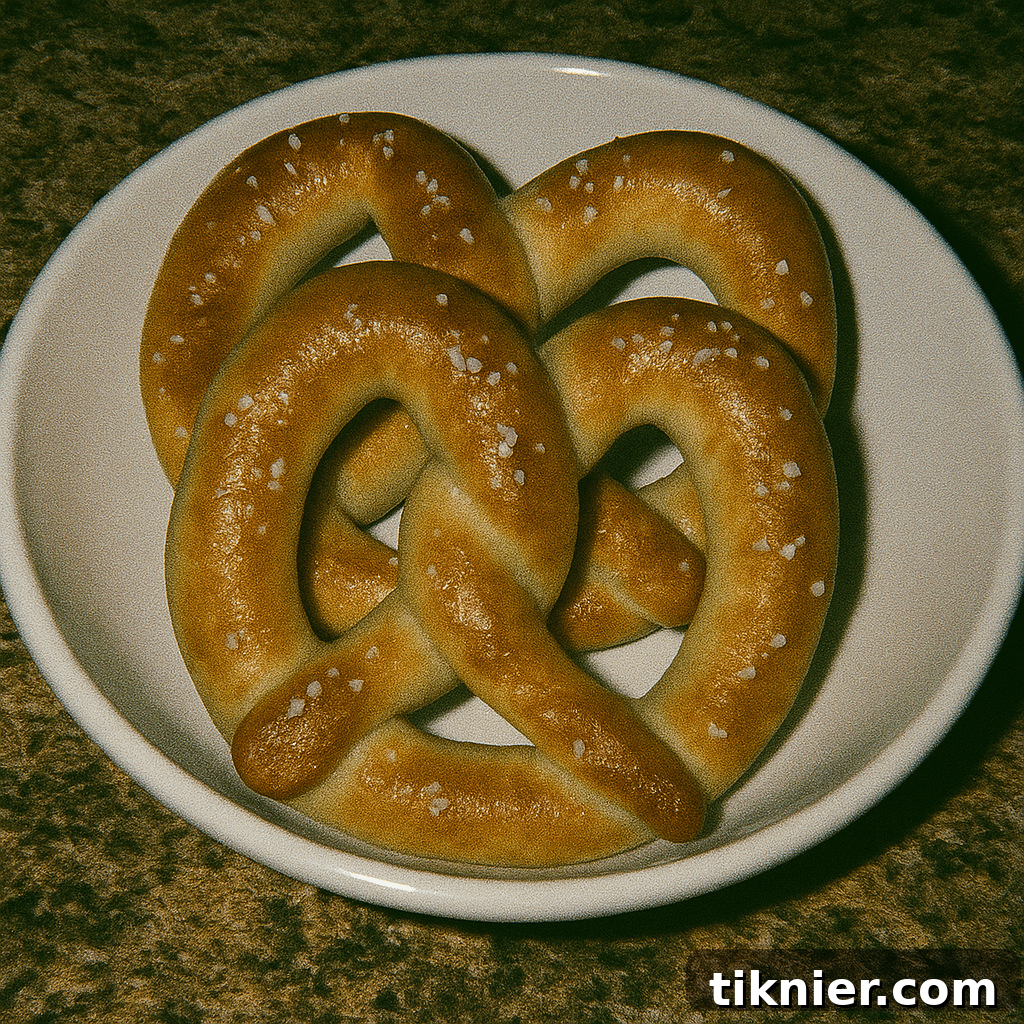
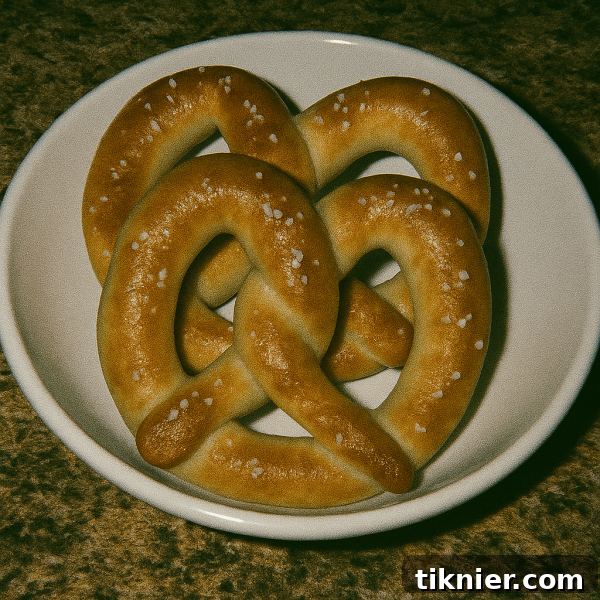
Master the Art of Soft Pretzels: Homemade Auntie Anne’s Recipe with a Browned Butter Secret
There’s a certain magic to the warm, buttery, and salty aroma of a freshly baked soft pretzel. It’s a scent that transcends mere fragrance, acting as an invisible tether, pulling you across a bustling mall floor directly to that glowing pretzel stand. For years, this irresistible allure defined our family outings; a stop at the pretzel shop was less a choice and more a beloved ritual. Each visit was a moment of simple joy, a warm, chewy treat in hand, a perfect punctuation mark to a day of shopping.
One afternoon, as I savored a warm pretzel, a thought sparked: “Julie, you can absolutely recreate this at home. And I bet, with a little love and ingenuity, you can even make it better.” This revelation ignited my quest to perfect a copycat Auntie Anne’s Pretzels recipe. Weeks were spent experimenting, adjusting, and refining, until a moment of pure inspiration struck. What if, instead of just plain melted butter, I incorporated browned butter directly into the dough itself? The result, my friends, was nothing short of a revelation. This singular change transformed these pretzels from simply delicious to utterly unforgettable. The nutty, rich, and toasted flavor of browned butter introduces a depth and complexity that elevates these homemade treats to a whole new level. Now, our cherished family tradition unfolds right here in my kitchen, bringing the irresistible taste of Auntie Anne’s home, with my own unique, Southern-inspired twist.
Unlocking the Magic: Why This Auntie Anne’s Pretzels Recipe Stands Out
The enduring appeal of Auntie Anne’s pretzels is deeply rooted in nostalgia and the pure, unadulterated comfort they evoke. That characteristic soft, delightfully chewy texture paired with the perfect balance of buttery and salty flavors is a combination universally adored. It conjures memories of carefree days, special indulgences, and life’s simple pleasures. The Auntie Anne’s story itself began humbly at a Pennsylvania farmer’s market in the late 1980s, rapidly growing into a beloved institution found in malls and airports worldwide. They mastered the art of the perfect soft pretzel, setting a benchmark for what a truly great pretzel should be.
This particular recipe doesn’t just replicate; it elevates. It meticulously captures the very essence of that beloved classic, enhancing it with higher quality, thoughtfully chosen homemade ingredients. We believe in taking no shortcuts here. The entire process, from the initial activation of the yeast to the crucial, quick baking soda bath, is designed to faithfully reproduce the authentic texture and appearance that makes Auntie Anne’s so iconic. The baking soda bath, often overlooked in many homemade recipes, is an absolute non-negotiable step. It is the secret weapon for achieving that signature deep golden-brown crust and the distinct, slightly tangy pretzel flavor that sets these apart from mere breadsticks.
What truly distinguishes this recipe and makes it a cut above is my signature addition: browned butter incorporated directly into the dough. This isn’t just a minor tweak; it’s a game-changer. It’s my Southern-inspired reimagining of a Pennsylvania Dutch classic. This single ingredient infuses the dough with an unparalleled layer of warm, nutty complexity that simply isn’t present in the original. It enriches the dough, resulting in a final product that tastes more gourmet, more nuanced, and more lovingly crafted. It’s a subtle change with a monumental impact, transforming a good copycat into a truly exceptional one that will have your family raving and begging for more, creating new, delicious memories right in your home.
Essential Ingredients for Your Homemade Auntie Anne’s Pretzels
Crafting these heavenly pretzels requires a concise list of simple, everyday pantry staples. However, the true star, my culinary secret weapon, is the browned butter. Trust me, sweetie, do not skip this step; it is the cornerstone that makes all the difference in flavor and richness.
For the Pretzel Dough:
- 1 ½ cups warm water (Ideally between 105-115°F / 40-46°C). This temperature is crucial for activating the yeast without killing it.
- 1 tablespoon granulated sugar: Feeds the yeast, helping it to activate and contribute to the dough’s tender texture.
- 2 ¼ teaspoons active dry yeast (1 standard packet): The leavening agent that gives the pretzels their rise and signature chew.
- 4 ½ cups all-purpose flour, plus extra for dusting: The base of our dough. See notes below for substitution ideas.
- 1 teaspoon salt: Enhances the flavor of the dough and controls yeast activity.
- ¼ cup unsalted butter, browned and cooled: The magic ingredient that imparts a rich, nutty depth to the pretzels.
For the Baking Soda Bath:
- 8 cups water: The liquid base for our essential alkaline bath.
- ½ cup baking soda: Creates the alkaline environment necessary for the pretzels’ signature crust and color.
For the Topping:
- ¼ cup unsalted butter, melted: For that irresistible post-bake sheen and buttery flavor.
- Coarse pretzel salt, for sprinkling: Provides the iconic salty crunch.
A few important notes on these ingredients to ensure your pretzels turn out perfectly. Regarding the flour, while all-purpose flour yields a wonderfully soft and tender pretzel, you can absolutely substitute bread flour if you happen to have it on hand. Bread flour boasts a higher protein content, which translates to a more robust gluten structure, ultimately resulting in an even chewier pretzel—a delightful characteristic for true pretzel aficionados. Either option, however, will produce excellent results.
Now, let’s talk about our key ingredient: the phenomenal browned butter. It is paramount to use real, unsalted butter for this process. The technique involves gently melting the butter and continuing to cook it over medium-low heat. Keep a watchful eye as the milk solids separate, sink to the bottom of the pan, and begin to toast. They’ll transform into beautiful golden-brown specks, releasing an incredibly aromatic, nutty fragrance that is simply intoxicating. Once browned to perfection, immediately remove it from the heat to prevent burning and pour it into a heatproof bowl. Allow it to cool slightly before incorporating it into your other dough ingredients. This cooling step is vital to ensure you don’t harm the delicate yeast. This deceptively simple, quick process, taking only two to three minutes, adds an unparalleled layer of flavor that is nothing short of divine.
Step-by-Step Instructions: Crafting Your Perfect Auntie Anne’s Pretzels
Follow these meticulously detailed steps, and you’ll soon be savoring warm, buttery, homemade pretzels that rival your favorite mall stand. The shaping might require a touch of practice, but please, don’t fret; even the most whimsically misshapen pretzels taste absolutely delicious!
- Proof the Yeast (The Wake-Up Call): In the bowl of your stand mixer (fitted with a dough hook) or a large mixing bowl, combine the precisely measured warm water, granulated sugar, and yeast. Give this mixture a gentle stir with a spoon. Then, patiently allow it to rest undisturbed for approximately 5 to 10 minutes. You’re looking for a clear indication of activity: a lovely, foamy layer forming on the surface. This tells you your yeast is alive, active, and eager to begin its work.
- Make the Dough (The Foundation): To your activated yeast mixture, add the all-purpose flour, salt, and your carefully prepared, cooled browned butter. If using a stand mixer, attach the dough hook and begin mixing on low speed until the ingredients coalesce and form a shaggy dough. Increase the speed to medium-low and knead for a solid 5 to 7 minutes. The dough should transform into a smooth, elastic, and slightly tacky consistency that pulls cleanly away from the sides of the bowl. If you’re mixing by hand, combine the ingredients with a sturdy wooden spoon until a rough dough forms, then turn it out onto a lightly floured surface. Knead vigorously for 8 to 10 minutes, using the heel of your hand to push and fold the dough, until it becomes smooth and pliable.
- First Rise (Building Volume): Lightly brush a clean, large bowl with a little oil. Place your freshly kneaded dough inside, turning it over once to ensure it’s lightly coated with oil on all sides. This prevents a dry crust from forming. Cover the bowl snugly with plastic wrap or a clean, damp kitchen towel. Transfer it to a warm, draft-free spot in your kitchen (like a slightly warm oven that’s turned off, or near a sunny window) and let it rise for about 1 hour, or until it has visibly doubled in size. This crucial step develops flavor and tenderness.
- Prepare for Baking (Setting the Stage): While your dough is undergoing its first rise, preheat your oven to a precise 425°F (220°C). Line two large baking sheets with parchment paper; this prevents sticking and ensures easy cleanup. Now, prepare your essential baking soda bath. In a large, wide pot (a Dutch oven works perfectly), bring the 8 cups of water to a rolling boil. Once boiling, carefully and slowly stir in the ½ cup of baking soda. Be aware that it will fizz up quite a bit, so add it gradually to avoid overflow. Reduce the heat immediately to a gentle simmer.
- Shape the Pretzels (The Art of the Twist): Gently punch down the risen dough to release the air. Turn it out onto a lightly floured surface and briefly knead it for a minute to remove any large air pockets. Divide the dough into 8 equal pieces (you can use a kitchen scale for precision if desired, aiming for about 4-4.5 oz per piece). Take one piece and, using the palms of your hands, roll it into a long, slender rope, approximately 20-24 inches in length and about ½-¾ inch thick. To achieve the classic pretzel shape, form a “U” with the rope, with the curve facing you. Take the two ends, cross them over each other twice to create a double twist. Then, bring the twisted ends down and gently press them onto the bottom curve of the “U.” Transfer your beautifully shaped pretzel to one of the parchment-lined baking sheets. Repeat with the remaining dough pieces.
- The Soda Bath (The Signature Touch): Working with one or two pretzels at a time (depending on the size of your pot), carefully lower each shaped pretzel into the simmering baking soda bath. Let it simmer for about 30 seconds per side, gently flipping it once with a large slotted spoon or spatula. This step is absolutely critical; it’s what gives your Auntie Anne’s Pretzels their gorgeous deep golden-brown color and that perfectly chewy-crisp crust. Do not skip it! Remove the pretzel, allowing any excess water to drip off, and carefully place it back onto the prepared baking sheet.
- Bake to Perfection (The Grand Finale): Once all your pretzels have enjoyed their soda bath and are back on the baking sheets, generously sprinkle them with coarse pretzel salt. Transfer the baking sheets to your preheated oven and bake for 12 to 15 minutes, or until they achieve a magnificent deep golden-brown hue. Ovens can vary, so start checking at 10 minutes. As soon as they emerge from the oven, immediately brush them liberally with the ¼ cup of melted butter. This adds an extra layer of richness and that iconic glossy finish. Let them cool for just a few minutes on the baking sheet before serving them warm, directly from the oven.
Elevating the Experience: How to Serve Your Homemade Auntie Anne’s Pretzels
Serving these pretzels warm, fresh from the oven, isn’t just a suggestion; it’s an absolute imperative. This is the precise moment when they are at their absolute peak: their signature softness is most pronounced, and the luscious browned butter melts perfectly into every nook and cranny. There’s an undeniable, soul-satisfying comfort in tearing apart a warm, salty, buttery pretzel.
Of course, a soft pretzel, especially one as magnificent as these, simply demands a delightful companion. Setting up a little dipping bar is an utterly wonderful way to present these, particularly when you’re entertaining guests. It empowers everyone to personalize their pretzel experience, adding an element of fun and interactive dining. It’s always amusing to observe which dip vanishes first – a true testament to its popularity!
Here are some of my family’s all-time favorite ways to indulge in these homemade treasures, guaranteed to elevate your pretzel experience:
- The Quintessential Classic Cheese Sauce: A velvety, warm nacho cheese sauce or a more sophisticated, tangy beer cheese dip is the quintessential pretzel pairing. This combination is a time-honored classic for a reason; you simply cannot go wrong with it. For a quick version, melt some American cheese with a splash of milk and a pinch of cayenne.
- A Trio of Artisan Mustards: Offer an intriguing selection of mustards to cater to diverse palates. A robust, spicy brown mustard, a sweet and tangy honey mustard, and a sharp, sophisticated Dijon are all fantastic choices that add a wonderful punch of flavor.
- Sweet Cream Cheese Indulgence: For a delightful sweet and savory contrast, whisk together softened cream cheese with a generous amount of powdered sugar and a fragrant splash of vanilla extract. This unexpectedly delicious dip offers a wonderful counterpoint to the salty pretzel.
- My Signature Southern Pimento Cheese: As a proud Southern girl, I simply must recommend serving these pretzels alongside a generous bowl of homemade pimento cheese. The creamy texture and sharp, zesty flavor of a well-made pimento cheese dip are an absolutely perfect match for the rich, nutty browned butter notes within these pretzels. It’s a flavor explosion you won’t soon forget!
No matter how you choose to serve them, be sure to have an ample supply of napkins on hand. These incredibly buttery, hands-on pretzels are a truly delicious treat, and every single bite is worth the blissful mess.
Smart Storage & Creative Re-use: Maximizing Your Auntie Anne’s Pretzels
On the rare occasion that any of these delectable pretzels survive beyond their initial serving, proper storage is paramount to ensuring you can enjoy them again later. Because they are designed to be at their peak freshness and softness straight from the oven, they can unfortunately lose some of that signature tender texture if left exposed for too long. However, with the right approach, you can certainly keep them tasting remarkably good. I personally find the oven to be the superior method for bringing them back to life, restoring much of their original glory.
The golden rule for storing any leftovers is to let them cool completely before tucking them away. Trapping steam inside a container is the quickest way to make them soggy and unpleasant. Once thoroughly cooled, you have a couple of excellent options, depending on when you plan to enjoy them next.
Here’s my tried-and-true method for storing and reheating:
- Room Temperature Storage (Short-Term): For immediate enjoyment within a day or two, place the completely cooled pretzels in an airtight container or a high-quality zip-top bag. While they will naturally lose a touch of their initial softness, a quick reheat will wonderfully revive them.
- Freezing for Longer (The Planner’s Choice): If you envision savoring these delights further down the line, freezing is an excellent strategy. Wrap each individual pretzel tightly in plastic wrap, then gather them all into a freezer-safe bag or container. They can be confidently frozen for up to two months, providing a convenient and delicious snack option whenever a craving strikes!
- Reheating (The Resurrection): To bring your pretzels back to life, preheat your oven to 350°F (175°C). Arrange the pretzels on a baking sheet. If they were stored at room temperature, bake for a brief 3-5 minutes. If they’re coming straight from the freezer, allow 8-10 minutes. This gentle heat will warm them through, restoring their delightful softness and adding just a hint of crispness to the crust once more.
- Creative Reuse (No Waste, Just Flavor): Should your pretzels venture into the realm of slightly stale – heaven forbid! – do not, under any circumstances, toss them out! Transform them into something new and exciting. Cut them into charming bite-sized pieces, toss them lightly with a drizzle of olive oil and your favorite seasonings (garlic powder, paprika, herbs), then bake until crisp to create irresistible pretzel croutons for your salads or soups. Alternatively, crush them finely to craft a unique, salty, and incredibly flavorful crust for baked chicken or fish, adding an unexpected gourmet touch to your meals.
A little foresight in planning means you can relish every last crumb of these delicious homemade Auntie Anne’s Pretzels, extending their delightful life far beyond baking day.
Unleash Your Inner Chef: Substitutions & Variations for Auntie Anne’s Pretzels
While my signature browned butter rendition of this recipe is, in my humble opinion, darn near perfect, one of the greatest joys of home cooking lies in making a recipe truly your own. There are myriad delightful ways to infuse your personal flair into these classic soft pretzels. Whether you’re accommodating specific dietary needs or simply feeling a burst of creative inspiration, these simple swaps and additions can yield incredibly delicious and exciting results.
Feel absolutely free to experiment with a vast array of toppings beyond the traditional coarse salt. The classic salt is undeniably wonderful, but the possibilities are truly endless! Just remember this crucial tip: always add your chosen toppings *before* baking, ensuring they properly adhere to the dough and don’t fall off.
Here are some of my favorite fun substitutions and creative variations to try with this versatile Auntie Anne’s Pretzels recipe:
- Irresistible Cinnamon Sugar Pretzels: For those with a sweet tooth, simply skip the coarse salt altogether. As soon as the golden pretzels emerge from the oven and you’ve brushed them with melted butter, immediately dredge them generously in a mixture of granulated sugar and ground cinnamon. These sweet delights are absolutely divine, especially when paired with a creamy, vanilla-infused cream cheese frosting dip.
- Savory Everything Bagel Pretzels: Instead of the traditional salt, sprinkle your pretzels liberally with everything bagel seasoning before they go into the oven. This savory version is incredibly flavorful on its own, offering a wonderful mix of garlic, onion, poppy seeds, and sesame seeds. It’s also fantastic when dipped in a plain cream cheese spread.
- Herb-Infused Aromatic Dough: Elevate the savory profile by incorporating a tablespoon of finely chopped fresh herbs, such as fragrant rosemary or earthy thyme, into the dry ingredients when you’re preparing the dough. This addition imparts a lovely, aromatic flavor that harmonizes beautifully with the rich, nutty notes of the browned butter.
- Heartier Whole Wheat Version: For a pretzel with more substance and a slightly denser chew, you can thoughtfully substitute up to half of the all-purpose flour with whole wheat flour. Bear in mind that whole wheat flour tends to be a bit “thirstier,” so you might need to add an extra tablespoon or two of warm water to achieve the desired dough consistency.
- Party-Perfect Pretzel Bites: Instead of painstakingly shaping the dough into traditional large pretzels, an easier and highly popular option is to roll the ropes and then cut them into convenient 1-inch pieces. Proceed with the baking soda bath and baking as directed, but be sure to reduce the baking time to approximately 8-10 minutes, as these smaller pieces will cook faster. These bite-sized morsels are absolutely perfect for parties, little hands, and effortless dipping!
Don’t ever be afraid to play with your food, y’all! That’s genuinely how some of the very best and most cherished family recipes are born. I’d absolutely love to hear from you in the comments if you discover a new favorite combination or variation!
Frequently Asked Questions About Homemade Auntie Anne’s Pretzels
Here are comprehensive and straightforward answers to the most common questions I receive about this incredible homemade Auntie Anne’s Pretzels recipe. These insights will help you achieve pretzel perfection every time.
Why is the baking soda bath absolutely necessary for Auntie Anne’s Pretzels?
Oh, this is such a fantastic and crucial question! The baking soda bath is, without a doubt, the single most important and non-negotiable step for achieving that authentic, unmistakable pretzel experience. Skipping this vital stage will unfortunately result in what amounts to little more than pretzel-shaped bread. It will be noticeably pale, lack that classic, slightly crisp, and wonderfully chewy crust, and miss the characteristic tangy depth of flavor.
On a scientific level, what’s happening is quite fascinating. The baking soda, when dissolved in hot water, creates a highly alkaline solution. When you briefly dip the raw pretzel dough into this hot alkaline bath, it causes the starches on the dough’s surface to gelatinize. This process is the vital catalyst that kickstarts the Maillard reaction (the chemical reaction responsible for browning and flavor development) when the pretzels enter the oven. This reaction allows the pretzels to achieve that beautiful, deep, mahogany color we all recognize and love, while simultaneously developing their signature, slightly tangy flavor. So, while it might seem like an extra, perhaps fussy, step, it is the profound secret that transforms plain yeast dough into a true, authentic, and irresistible pretzel.
How do I achieve the classic Auntie Anne’s Pretzels shape consistently?
Achieving that perfect, iconic pretzel twist can feel a little daunting at first glance, but I promise you, it’s significantly easier than it looks, and a little practice is truly all it takes! The key to successful shaping lies in working with a relaxed, pliable dough and resisting the urge to rush. After you’ve expertly divided your dough into individual pieces, allow them to rest for a minute or two. If you find the dough pieces springing back or resisting when you try to roll them, this brief rest period allows the gluten strands to relax, making them much more cooperative.
To begin shaping, take one piece of dough and roll it consistently into a long, even rope, aiming for approximately 20 to 24 inches in length and about ½ to ¾ inch in thickness. Lay this rope on your clean work surface in a clear “U” shape, ensuring the curved base of the “U” is facing towards you. Now, take the two ends of the rope, cross them over each other once, and then cross them over a second time to create a neat double twist. Finally, gently lift these twisted ends upwards and bring them down, pressing them lightly but firmly onto the bottom curved portion of the “U” to secure them. You don’t need to press excessively hard, just enough to ensure they stick together. And there you have it – a perfectly shaped pretzel! Don’t worry in the slightest if your first few attempts look a little ‘wonky’ or less than perfect; they will still taste absolutely amazing, and practice truly makes perfect.
Can I prepare the dough for these Auntie Anne’s Pretzels ahead of time?
Yes, absolutely! This recipe is wonderfully accommodating for planning ahead, making it perfect for busy schedules or special occasions. You have a couple of excellent options for preparing the dough in advance. You can confidently prepare the dough all the way through the first rise. Once it has doubled in size, gently punch it down to release the air. Then, place the dough back into a lightly oiled bowl, cover it very tightly with plastic wrap (ensuring no air can get in), and refrigerate it for up to 24 hours. The cold temperature in the refrigerator will significantly slow down the yeast activity, effectively pausing the rising process. An added bonus of this slow, cold fermentation is that it can actually help develop a more complex, nuanced, and even more delicious flavor profile in the dough.
When you’re ready to bake your fresh pretzels, simply remove the dough from the refrigerator and allow it to sit at room temperature for approximately 30-60 minutes. This period is crucial for allowing the dough to take the chill off and become more pliable. After it has warmed slightly, you can then proceed with dividing, shaping, and following the rest of the recipe instructions as written. This method is a lifesaver for busy days or when you want the joy of fresh, warm pretzels for a party without the need to start the entire process from scratch on the day of.
What’s the best flour to use for truly homemade Auntie Anne’s Pretzels?
The type of flour you choose undeniably plays a significant role in influencing the final texture of your pretzels. For this particular recipe, I’ve specified all-purpose flour because it is a staple in most home cooks’ pantries, and it consistently produces a wonderfully soft, tender, and incredibly delicious pretzel. It yields a tender crumb that is remarkably similar to the beloved texture you’d expect from a mall pretzel stand, striking a perfect balance of chewiness and softness.
However, if you consider yourself a true pretzel connoisseur and desire an even more pronounced chewy texture, I wholeheartedly recommend opting for bread flour. Bread flour possesses a higher protein (gluten) content compared to all-purpose flour. This elevated gluten content, when properly kneaded, develops into a stronger, more elastic dough. In turn, this translates into a baked pretzel with a more substantial, satisfying, and enduring chew. You can substitute bread flour for all-purpose flour in this recipe on a one-for-one basis without needing any other adjustments to the liquid. Both flours are excellent choices, so the ultimate decision truly boils down to your personal preference for a slightly softer pretzel versus a distinctly chewier one.
My Auntie Anne’s Pretzels came out hard instead of soft. What went wrong?
Oh, that is incredibly frustrating when that happens! A hard, rather than wonderfully soft, pretzel is typically the result of a few common and easily rectifiable issues. The most frequent culprit is the inadvertent addition of too much flour. It’s remarkably easy to over-measure flour, especially if you’re scooping your measuring cup directly into the flour bag, which compacts the flour significantly. This can lead to using far more flour than the recipe actually calls for. An excess of flour creates a dense, dry dough that, when baked, will inevitably turn out hard and tough. Always strive to spoon your flour lightly into the measuring cup and then level it off with a straight edge for accuracy.
Another common reason could be overbaking. Every oven is unique and can have variations in temperature, so it’s essential to keep a very close eye on your pretzels, especially towards the end of the baking time. You’re aiming for a beautiful deep golden-brown color, not a dark brown or burnt hue. If you leave them in the oven for too long, they will undoubtedly dry out and become unpleasantly hard. Lastly, always ensure your yeast is fresh and has been properly activated. If the yeast mixture doesn’t become noticeably foamy during the initial proofing step, it might be old or inactive, meaning your dough won’t rise correctly, leading to a denser, harder final product. Double-checking these few critical points should consistently lead you to perfectly soft, chewy pretzels every single time.
Try These Recipes Next
100 Delicious, Easy Breakfast Ideas & Recipes You Should Try This Year
50 Cheap Meal Ideas That Actually Taste Good (Budget-Friendly Recipes for Every Meal)
110 Easy Dinner Ideas That Taste Great (Easy Dinner Recipes You Can Do At Home)