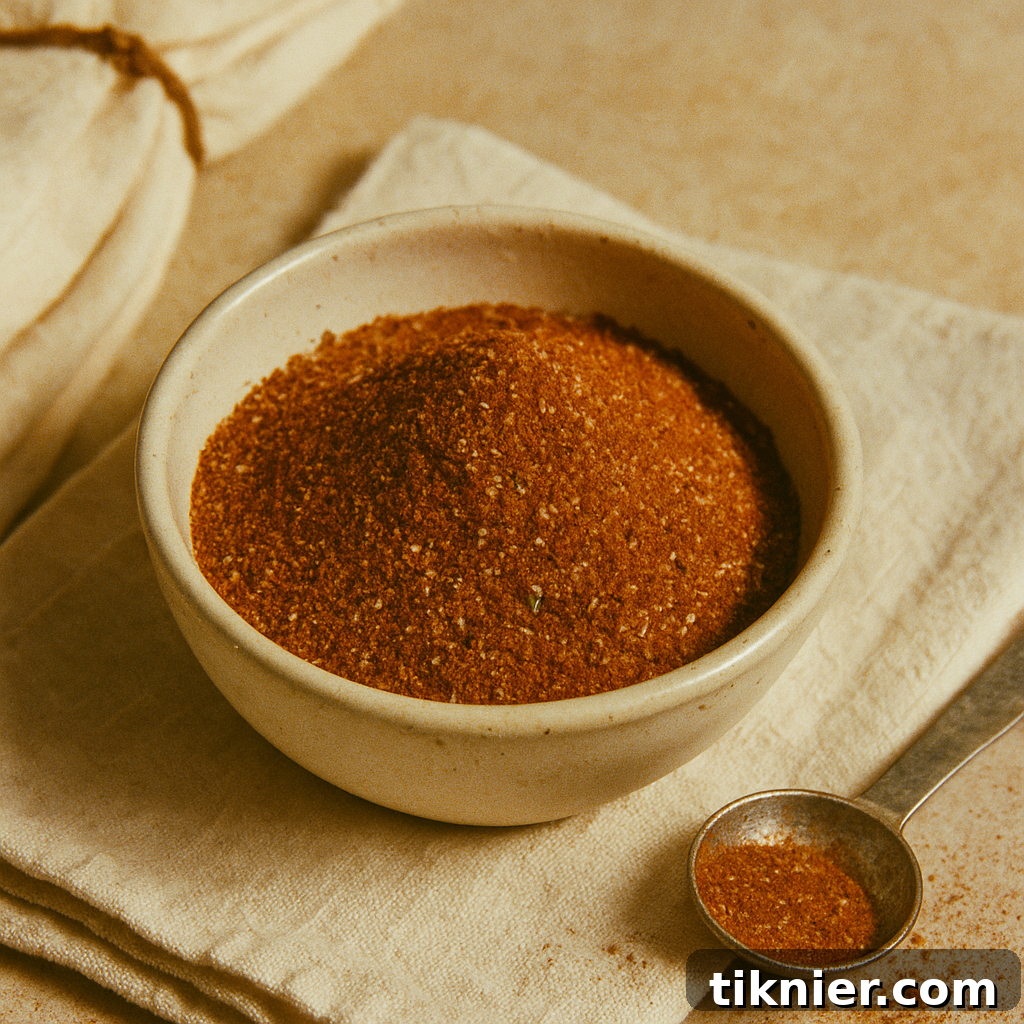
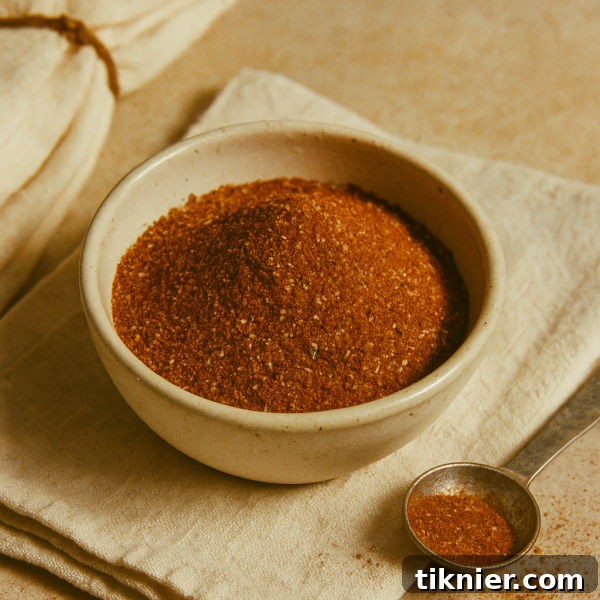
Are you tired of store-bought Cajun seasoning that promises big flavor but delivers mostly salt, or worse, a bland imitation of the real deal? If your culinary adventures are being held back by generic spice blends, it’s time for a significant upgrade. This homemade Cajun seasoning recipe isn’t just better; it’s a revelation. Crafted with a perfect balance of smoky, spicy, and savory notes, it captures the true essence of Southern Louisiana cuisine, free from artificial additives, excessive sodium, or confusing fillers.
Imagine a seasoning so vibrant and authentic that it transforms everyday ingredients into dishes bursting with the soulful taste of the bayou. This blend is designed to be bold without being overwhelming, offering a depth of flavor that only comes from freshly combined, high-quality spices. Forget those dusty shakers that taste more like paprika and salt than anything genuinely Cajun. My recipe delivers that ideal Southern harmony of heat, earthiness, and aromatic complexity, ensuring every bite is a memorable experience.
In this comprehensive guide, you’ll discover:
- The essential spices required for an authentic Cajun flavor profile, and why each one plays a crucial role.
- Expert tips for selecting the best quality ingredients to ensure maximum potency and taste.
- Step-by-step instructions for mixing, tasting, and tweaking your blend to perfection.
- Creative ways to use your homemade seasoning on everything from grilled proteins to roasted vegetables and comforting pastas.
- Optimal storage methods to keep your spice mix fresh and flavorful for months.
- Answers to frequently asked questions about Cajun seasoning, including how it differs from Creole blends and how to adjust its spice level.
So, gather your favorite spice jars, a clean mixing bowl, and prepare to embark on a flavorful journey. We’re about to create a bold, fiery, and utterly fabulous Cajun seasoning that will elevate your cooking to new heights and make you wonder why you ever bought it pre-made.
Unlocking Authentic Flavor: Why This Homemade Cajun Seasoning Recipe Stands Out
What truly sets this Cajun seasoning apart from the crowded shelves of generic spice blends? It’s not just a collection of spices; it’s a carefully balanced symphony designed to hit all the right notes of traditional Cajun cuisine. This blend is crafted to be bold yet harmonious, delivering a smoky character without tasting like a campfire, and a spice level that awakens your palate without hijacking your meal. With every application, you get flavor first, a satisfying warmth second, and a perfect balance that lingers on the tongue.
Many commercially produced Cajun seasonings compromise on quality, often relying heavily on cheap fillers or an excessive amount of salt. This approach dulls the intricate interplay of individual spices, resulting in a one-dimensional taste. Our homemade version, however, celebrates each ingredient, allowing the rich, earthy notes of smoked paprika and the pungent depth of garlic powder to truly shine. These two ingredients, in particular, are the workhorses that build the foundational flavor profile Cajun food is renowned for – a taste that is robust, savory, and deeply satisfying.
Here’s why this recipe will become an indispensable staple in your kitchen:
- ✅ **Effortless Preparation:** You can whip up a batch in just 5 minutes using common pantry staples, making it incredibly convenient for spontaneous cooking.
- ✅ **Customizable Control:** Take charge of your culinary experience! You dictate the exact salt and spice levels, tailoring the blend to your personal preferences or dietary needs.
- ✅ **Unmatched Versatility:** This isn’t just for traditional Cajun dishes. It tastes phenomenal on a vast array of foods, from succulent shrimp and juicy chicken to crispy roasted potatoes and hearty pasta dishes.
- ✅ **Pure & Wholesome:** Free from preservatives, anti-caking agents, or artificial colors, you know exactly what you’re putting into your food. Plus, its customizable nature means you can experiment and make it uniquely yours.
Once you experience the superior flavor and quality of this homemade Cajun seasoning, don’t be surprised if it quickly becomes your go-to secret weapon for adding a burst of exciting flavor to even the busiest weeknight dinners. It’s more than just a spice mix; it’s an invitation to explore the vibrant world of Cajun cooking with confidence and authenticity.
Essential Ingredients and Savvy Shopping Tips for the Best Cajun Seasoning
The beauty of this homemade Cajun seasoning lies in its simplicity and the power of its core ingredients. You likely have most of these spices already tucked away in your cabinet. However, selecting the *right* versions of a few key components will elevate this blend from merely good to absolutely irresistible, infusing your dishes with truly authentic Southern flavor.
Here’s a detailed look at what you’ll need, along with insights into their importance:
- Smoked Paprika (2 tablespoons): This is the soul of your Cajun seasoning. It imparts a profound, rich, and undeniably smoky depth that regular sweet or hot paprika simply cannot replicate. Think beyond mere color; smoked paprika is the backbone, delivering a warmth and complexity vital for authentic Cajun taste. Seek out high-quality Spanish smoked paprika (Pimentón de la Vera) for the best results.
- Garlic Powder (1 tablespoon): Opt specifically for garlic powder, not granulated garlic or garlic salt. Garlic powder offers concentrated, pure garlic flavor without the chunky texture or the sodium overload. It’s a foundational savory element in Cajun cuisine.
- Onion Powder (1 tablespoon): Just like garlic powder, onion powder contributes to the savory, umami base that defines many classic Cajun dishes. It provides a sweet, pungent undertone that rounds out the spice profile beautifully.
- Dried Oregano (1 teaspoon): A cornerstone herb in Cajun cooking, dried oregano brings an earthy, slightly bitter, and aromatic note. Do not skip this; it’s crucial for that characteristic herbaceous depth.
- Dried Thyme (1 teaspoon): Thyme adds a distinctive woody, peppery, and subtly floral aroma that perfectly complements the other spices. It’s an essential aromatic that helps marry the diverse flavors together.
- Cayenne Pepper (½ to 1 teaspoon): This is where the heat comes from! Cayenne pepper provides that signature fiery kick. Start with ½ teaspoon if you prefer a milder blend, and increase to 1 full teaspoon (or even more!) if you love things extra spicy. Remember, you can always add more, but you can’t take it away.
- Black Pepper (1 teaspoon): Freshly ground black pepper adds a sharp, pungent bite and a layer of earthy heat that harmonizes wonderfully with the cayenne. For the best flavor, grind whole peppercorns just before mixing.
- White Pepper (½ teaspoon): While optional, white pepper offers a unique, deep warmth and a slightly different kind of heat than black pepper. It’s less pungent and more subtly aromatic, contributing to the complexity often found in authentic Cajun blends.
- Salt (1 teaspoon): This ingredient is entirely optional. Including it creates an all-in-one seasoning, but leaving it out gives you complete control over the sodium content of your dishes. If you opt for a salt-free blend, remember to season your food with salt separately to taste.
Smart Substitution Notes & Flavor Twists:
- **Smoked Paprika Alternative:** If smoked paprika is unavailable, use sweet paprika and add a tiny pinch (about ¼ teaspoon) of chipotle powder. Chipotle powder will introduce a smoky, earthy heat.
- **Thyme Substitute:** In a pinch, a good quality Italian seasoning blend can stand in for dried thyme, though the flavor profile will be slightly different.
- **Embrace Salt-Free:** For those monitoring sodium, simply omit the salt from this recipe. The blend remains incredibly flavorful and potent, allowing you to add salt to individual dishes as desired, making it perfect for custom dietary needs.
- **Extra Heat:** For those who crave an inferno, consider adding a pinch of crushed red pepper flakes or a small amount of ghost pepper powder (use with extreme caution!).
Investing in fresh, high-quality spices is paramount. Over time, ground spices lose their potency and aroma. Try to purchase spices from stores with high turnover or specialty spice shops. Give them a sniff – if they smell vibrant and aromatic, they’re fresh. If they smell like dust, they won’t deliver the bold flavor you’re aiming for.
Mastering the Blend: Step-by-Step Instructions for Perfect Cajun Seasoning
Creating your own Cajun seasoning blend is remarkably simple and quick – often taking less time than hunting for that half-empty, possibly stale bottle of store-bought mix in the back of your pantry. The key to a fantastic seasoning is precision in measurement and thorough blending to ensure a consistent flavor in every pinch.
1. Accurately Measure Your Spices
Precision is key when dealing with powerful spices. Use dedicated measuring spoons and level off each tablespoon and teaspoon carefully. This is especially crucial for ingredients like smoked paprika, which provides the base, and cayenne pepper, which dictates the heat. A little too much cayenne can quickly transform a “flavorful dinner” into an unexpected five-alarm fire. Take your time to ensure exact measurements for a balanced and repeatable blend.
2. Combine All Ingredients Thoroughly
Once all your spices are measured, add them into a clean, small mixing bowl or a jar large enough to allow for thorough mixing. Use a spoon, a small whisk, or even a fork to blend everything together. The goal is to achieve a completely homogenous mix where no single spice is visibly segregated. You want an even distribution of all the flavors so that every spoonful of seasoning you use delivers the full, intended Cajun experience, rather than an uneven burst of one ingredient.
3. Taste and Tweak for Your Perfect Profile
This is where the magic of homemade seasoning truly comes alive! Dip a clean finger into the mixed spices and taste a tiny pinch. What do you notice? Is it smoky enough? Does it have the right amount of heat? If you desire more spice, gradually add a little more cayenne pepper, stirring well after each addition and re-tasting. If you find it too fiery, make a mental note to cut back on cayenne the next time you make a batch, or consider adding a tiny pinch more paprika for balance. Remember, you are the chef, and this blend should perfectly suit your palate.
4. Transfer and Store in an Airtight Container
Once you’re satisfied with your blend, carefully transfer it to an airtight container. Glass spice jars with screw-on lids, repurposed baby food jars, or even small mason jars work perfectly. An airtight seal is vital for preserving the potency and aroma of your spices. Don’t forget to label your container with the name of the seasoning and the date it was made. This prevents any accidental mix-ups (you wouldn’t want to grab Cajun seasoning when you’re aiming for taco blend!) and helps you keep track of its freshness.
By following these simple steps, you’ll have a vibrant, custom-made Cajun seasoning ready to infuse your meals with incredible flavor.
Maximizing Freshness: Storage & Shelf Life of Your Homemade Cajun Seasoning
Now that you’ve invested your time in crafting a batch of this wonderfully bold and smoky Cajun seasoning, you’ll want to ensure it remains fresh and flavorful for as long as possible. Given how versatile and delicious it is, you’ll undoubtedly find yourself reaching for it frequently!
Optimal Storage Methods for Long-Lasting Flavor:
- **Airtight is Key:** Always store your seasoning in an airtight container. Glass spice jars with tightly fitting screw tops are ideal. Repurposed jam jars, baby food jars, or specialty spice containers with snug lids also work brilliantly. The goal is to minimize exposure to air, which is the enemy of fresh spices.
- **Cool, Dark, and Dry:** The triumvirate of spice preservation! Keep your container in a cool, dark place, such as inside a pantry or a spice cabinet, away from direct sunlight and heat sources like your stovetop or oven. Light, heat, and humidity are the primary culprits that degrade the volatile oils in spices, causing them to lose their vibrant color, aroma, and flavor much faster.
- **Avoid Moisture:** Moisture can lead to clumping and can also shorten the shelf life of ground spices. Ensure your container is completely dry before adding the seasoning.
Understanding Shelf Life & Freshness Indicators:
- **Peak Flavor Period:** For the absolute best flavor and potency, aim to use your homemade Cajun seasoning within **6 months** of preparation. During this period, the essential oils are at their peak, delivering the most vibrant taste.
- **Beyond 6 Months:** After the initial 6-month window, the seasoning is still perfectly safe to use, but you might notice a gradual decline in the intensity of its aroma and flavor. It won’t be as bold or impactful. A good rule of thumb: if it doesn’t smell much, it won’t taste much either.
- **The Clumping Solution:** If you live in a humid environment or notice your seasoning starting to clump together, don’t despair! Simply toss a few grains of dry, uncooked rice into the jar. These rice grains will absorb any excess moisture, helping to keep your seasoning free-flowing and fresh.
- **When to Refresh:** If your seasoning loses its vibrant color, aromatic punch, or distinctive taste, it’s a clear sign it’s time to make a fresh batch. You’ll immediately notice the difference in your cooking.
Proper storage is a small effort that yields significant rewards, ensuring that every dish seasoned with your homemade Cajun blend is as delicious and authentic as possible.
Unleashing the Flavor: Incredible Ways to Use Your Homemade Cajun Seasoning
Once you have a jar of this bold, smoky, and perfectly balanced Cajun seasoning at your fingertips, you’ll quickly discover its incredible versatility. Prepare to sprinkle, rub, and mix it into just about everything – and honestly, you absolutely should! This blend is designed to elevate ordinary meals into extraordinary culinary experiences. Here are some of the best and most creative ways to put your homemade Cajun seasoning to work, transforming your kitchen into a flavorful Southern haven:
Classic Cajun Favorites and Beyond:
- Cajun Shrimp: This is a must-try! Toss peeled and deveined shrimp with a drizzle of olive oil and a generous amount of Cajun seasoning. Sear them quickly in a hot skillet, grill them, or even air-fry them until pink and opaque. Serve over creamy grits, a fresh garden salad, or tucked into warm tortillas for zesty tacos.
- Cajun Chicken: Whether it’s boneless, skinless chicken breasts, juicy thighs, or a whole roasted bird, this seasoning is a game-changer. Rub it generously over chicken pieces before baking, grilling, roasting, or air-frying for incredibly flavorful and moist results every time. It creates a beautiful crust and infuses the meat with deep, savory notes.
- Cajun Pasta Dishes: Stir this seasoning into a rich cream sauce for an unbelievably spicy and smoky Alfredo-style pasta. Add sautéed shrimp, sliced smoked sausage, or tender chicken for a complete and satisfying dinner that comes together quickly.
- Cajun Rice Bowls: Elevate simple rice by mixing in your seasoning with sautéed bell peppers, onions, celery (the “holy trinity” of Cajun cooking), and your choice of protein like chicken, sausage, or beans. This creates an easy, flavorful one-pot meal reminiscent of jambalaya.
- Cajun Fries & Potatoes: Transform ordinary fries (freshly cut or frozen) by sprinkling them with Cajun seasoning and a drizzle of olive oil before baking or air-frying until crispy. It’s also fantastic tossed with diced potatoes before roasting or pan-frying. Serve with homemade ranch or a spicy ketchup for dipping.
- Cajun Sausage & Meats: Use your seasoning to spice up homemade sausage patties, or slice smoked sausage into your jambalaya, gumbo, red beans and rice, or even breakfast scrambles for an extra layer of flavor. It’s also excellent as a dry rub for pork chops, beef steaks, or even ribs before grilling or slow cooking.
- Cajun Wings: For a crowd-pleasing appetizer, toss chicken wings in a generous amount of seasoning before air frying or baking until golden and crispy. Finish with a buttery hot sauce glaze for an extra kick that will have everyone reaching for more.
- Cajun Dipping Sauces: Stir a teaspoon or two of your blend into mayonnaise, sour cream, plain Greek yogurt, or ranch dressing for an instant dipping sauce with a serious flavor punch. It’s perfect for sandwiches, burgers, raw veggies, or those Cajun fries!
Beyond the Classics – Exploring Versatility:
- Roasted Vegetables: Give carrots, broccoli, cauliflower, corn on the cob, or Brussels sprouts a vibrant upgrade. Toss with olive oil and Cajun seasoning before roasting for a delicious, spicy side dish.
- Eggs & Breakfast: Sprinkle it over scrambled eggs, omelets, or breakfast potatoes for a spirited start to your day.
- Popcorn & Snacks: Lightly mist freshly popped popcorn with a little oil and then sprinkle generously with Cajun seasoning for an addictive, savory snack. It’s also great on roasted nuts.
- Marinades & Brines: Whisk it into olive oil, vinegar, or citrus juice to create a quick marinade for chicken, fish, or pork. For an extra flavorful brine, add it to your water and salt mixture.
- Soups & Stews: A pinch of Cajun seasoning stirred into your favorite bean soup, lentil stew, or chili will add incredible depth and a subtle warmth.
- Breadcrumbs & Coatings: Mix it into breadcrumbs for a flavorful coating on baked chicken tenders, fish fillets, or even fried green tomatoes.
Once you start experimenting, you’ll find that this homemade Cajun seasoning becomes an indispensable go-to for adding exciting, complex flavors to virtually any dish, making weeknight cooking an adventure.
Customizing Your Blend: Substitutions & Variations for Cajun Seasoning
The true brilliance of making your own seasoning blends lies in the power to customize. You are the master of your spice cabinet, and this Cajun blend is incredibly forgiving and adaptable. Whether you’re a heat-seeker, need to watch your sodium, or simply want to experiment with different flavor profiles, this recipe serves as a perfect canvas for your culinary creativity.
Tailoring the Heat Level:
- For a Milder Version: If you or your family are sensitive to spice, simply cut the amount of cayenne pepper in half, or even omit it entirely. To ensure you still get a robust flavor without the burn, consider adding a little extra smoked paprika. This maintains the depth and characteristic smokiness without the intense heat.
- For a Spicier Kick: For those who love a fiery culinary adventure, feel free to double the amount of cayenne pepper. You can also introduce a pinch of crushed red pepper flakes or, for the truly daring, a touch of a hotter chili powder like habanero or ghost pepper (use with extreme caution!).
Achieving a Salt-Free Blend:
- **Complete Control:** If you are monitoring your sodium intake or simply prefer to control the salt content in each dish individually, making a salt-free version of this Cajun seasoning is incredibly easy. Just leave out the 1 teaspoon of salt from the recipe. The blend will still be incredibly aromatic and flavorful, allowing you to add salt to your food separately, precisely to your taste, during cooking or at the table. This is particularly useful when seasoning ingredients that are already salty, such as broths, cheeses, or cured meats.
Exploring Smoky vs. Sweet Profiles:
- No Smoked Paprika? No Problem! If you only have sweet paprika on hand, you can still make a delicious blend. Replace smoked paprika with sweet paprika and then add a pinch (about ¼ teaspoon) of chipotle powder to reintroduce that smoky edge and a subtle, earthy heat.
- A Touch of Sweetness for BBQ: For a delightful BBQ-style rub variation, especially excellent for grilled chicken, pork ribs, or even a brisket, add 1 tablespoon of brown sugar (light or dark) to the mix. The sugar caramelizes beautifully under heat, creating a glossy crust and adding a lovely counterpoint to the savory and spicy notes.
Herbaceous Alternatives & Additions:
- Oregano Alternatives: If you’re out of dried oregano, other aromatic herbs like basil or marjoram can be used as a substitute in a pinch, though they will slightly alter the classic Cajun flavor profile.
- Creole Twist with Celery Seed: For a subtle nod towards Creole seasoning, consider adding ¼ to ½ teaspoon of celery seed. This provides a distinctive, slightly bitter, and fresh celery note that is characteristic of some regional Louisiana blends.
- Bay Leaf Powder: For an even deeper, complex, and almost savory-sweet aroma, a small pinch of ground bay leaf (use sparingly, as it’s potent) can add another layer of traditional flavor.
Don’t hesitate to experiment with these variations to find your personal favorite. The beauty of homemade spices is the freedom to create a blend that perfectly matches your culinary vision and taste preferences.
Cajun Seasoning FAQs: Your Questions Answered
As you delve into the world of homemade Cajun seasoning, you might have a few questions. Here are straightforward answers to the most common inquiries about this incredibly versatile spice blend, helping you to cook with confidence and authenticity.
1. What are the key spices in an authentic Cajun seasoning blend?
Authentic Cajun seasoning is a robust and fiery blend that typically features a core set of spices designed to deliver maximum flavor. The foundational ingredients usually include a generous amount of paprika (smoked paprika is key for depth), garlic powder, onion powder, black pepper, cayenne pepper (for heat), dried oregano, and dried thyme. Many traditional recipes also incorporate white pepper for a distinct, deep warmth, and some add salt (though often optional for homemade versions), or a touch of celery seed for an added layer of complexity. The beauty of making your own is that you have full control over the ratios, allowing you to fine-tune the intensity and character of each spice to your liking.
2. Is Cajun seasoning the same as Creole seasoning? What’s the difference?
No, while both are iconic to Louisiana cuisine and are often mistakenly used interchangeably, Cajun and Creole seasonings are distinct. Cajun seasoning, originating from the rural, rustic cooking of Acadian settlers, tends to be spicier, more direct, and simpler, focusing heavily on a hot-and-savory blend of peppers and earthy herbs. It’s known for its bold, often fiery kick. Creole seasoning, on the other hand, evolved in the more urban and diverse melting pot of New Orleans, boasting a more refined, complex, and often herb-forward profile. It typically includes more herbs like basil, bay leaf, and sometimes parsley, along with a wider array of spices, offering a richer, more aromatic flavor that is less about raw heat and more about intricate layering. Think of Cajun seasoning for blackened dishes and Creole for richer sauces and stews like étouffée or gumbo.
3. How spicy is homemade Cajun seasoning, and can I adjust the heat?
The spice level of homemade Cajun seasoning can range from moderately warm to intensely fiery, depending entirely on the amount of cayenne pepper (and any other hot peppers) you choose to include. Most traditional homemade blends aim for a satisfying kick that enhances and complements the overall flavor profile without overwhelming it – enough to wake up your taste buds and add excitement, but not so much that it causes discomfort. The excellent news is that you have complete control over the heat! If you prefer a milder blend, simply reduce the cayenne pepper by half or omit it. If you crave more heat, feel free to double the cayenne or even add a pinch of crushed red pepper flakes. That’s the ultimate advantage of DIY seasoning blends – you can perfectly tailor it to your personal spice tolerance.
4. Can I make Cajun seasoning without salt, and how does that affect its use?
Absolutely, you can and should make salt-free Cajun seasoning if you are monitoring your sodium intake or prefer to have precise control over the salt content in your cooking. To do so, simply omit the salt from the recipe. This creates an incredibly versatile flavor base that allows you to add salt to your dishes separately, exactly to taste, during the cooking process or at the table. A salt-free blend is particularly advantageous when seasoning ingredients that already contain salt, such as broths, cheeses, or various brined or processed meats. It ensures your dishes are perfectly seasoned without becoming inadvertently oversalted, offering a healthier and more customizable cooking experience.
5. What are the best ways to use Cajun seasoning in everyday cooking?
Cajun seasoning is astonishingly versatile and can be used to elevate almost any dish. It’s perfect for classic applications like blackening chicken, fish, or shrimp, giving them a rich, spicy crust. Beyond that, sprinkle it generously over roasted vegetables (potatoes, broccoli, corn), mix it into ground meats for burgers or meatloaf, or toss it with a little oil over popcorn for a zesty snack. It’s a fantastic addition to creamy sauces for pasta dishes (like a spicy Alfredo), a flavorful rub for grilled or roasted pork and beef, or even stirred into eggs, soups, and stews for an instant flavor boost. Experiment by adding it to marinades, salad dressings, or even homemade ranch dip – once you start, you’ll find it quickly becomes a go-to spice blend for everything from quick weeknight meals to elaborate weekend feasts.
6. How is Cajun seasoning different from Old Bay seasoning?
While both Cajun and Old Bay seasonings are popular, versatile spice blends used in American cuisine, particularly with seafood, they have very distinct flavor profiles and origins. Cajun seasoning, as discussed, is a peppery, savory, and often fiery blend with strong notes of paprika, garlic, onion, and cayenne, rooted in Louisiana’s Acadian heritage. It’s known for its bold, earthy, and spicy character. Old Bay seasoning, on the other hand, is a Maryland classic, famous for its unique blend that includes celery salt, mustard, paprika, and a mix of other spices like red pepper and black pepper. Its signature flavor is savory, slightly pungent, and with a pronounced celery note, making it iconic for steaming crabs and other seafood, but generally less spicy than Cajun seasoning. While both can be used on seafood, they impart very different regional tastes.
Expand Your Culinary Horizons: Try These Recipes Next!
Now that you’re equipped with your very own jar of vibrant, homemade Cajun seasoning, you’re just a few simple steps away from transforming everyday ingredients into dishes that are truly crave-worthy. This versatile blend is ready to infuse your meals with that authentic, soulful taste of the South. Here are a few recipes where this powerful seasoning truly shines, inviting you to explore new and exciting flavors in your kitchen:
- 👉 Cajun Shrimp & Quinoa Casserole: A wholesome and hearty dish where the smoky spice of your seasoning perfectly complements tender shrimp and nutritious quinoa, all baked into a comforting casserole.
- 👉 Creamy Chicken and Pasta Skillet: Elevate a simple chicken and pasta dish with a creamy sauce infused with the bold flavors of your homemade Cajun seasoning, creating a quick and satisfying meal.
- 👉 20 Minute Easy Tortellini Bake: For those busy nights, this speedy bake gets a fantastic flavor boost from your Cajun spice mix, turning a simple tortellini dish into something unexpectedly exciting and delicious.
Enjoy the rich, complex flavors that only homemade Cajun seasoning can bring to your table!