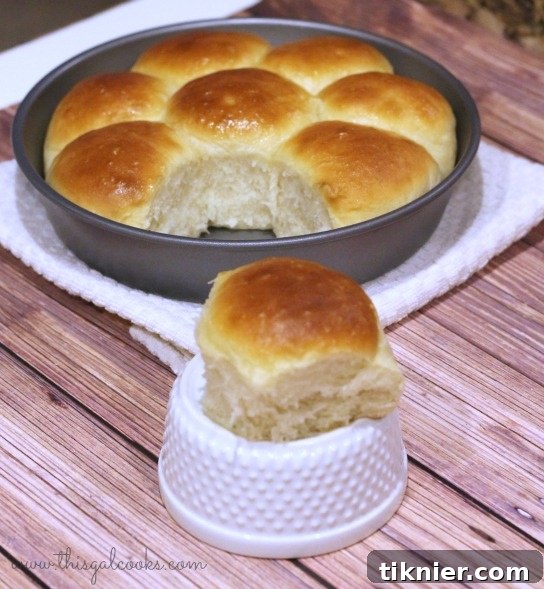
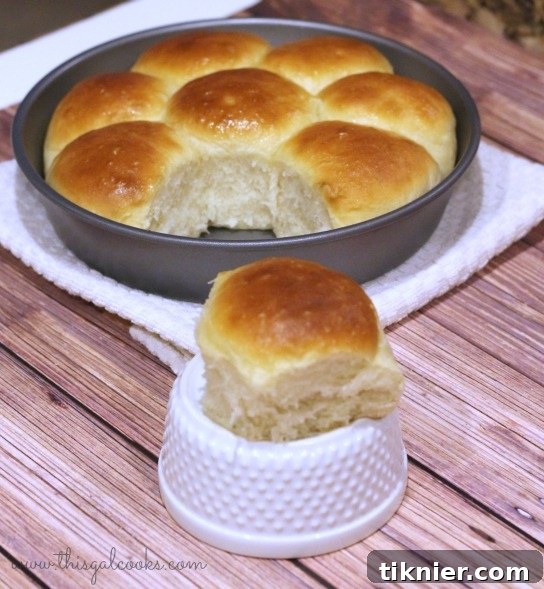
Few aromas evoke such a powerful sense of nostalgia as the comforting scent of freshly baked yeast rolls. For me, it’s an instant journey back to my grandmother’s bustling kitchen, where golden, pillowy rolls were a staple at every holiday gathering. These legendary rolls were the highlight of any meal, their melt-in-your-mouth texture a truly unforgettable experience. For years, I yearned to recreate that magic, diligently experimenting with recipes, always getting close, but never quite capturing that elusive perfection. My attempts were good, but they lacked that distinct, heavenly tenderness that made hers legendary.
One quiet Sunday afternoon, while poring over her handwritten recipe card, a flash of inspiration struck. Her recipe, like many traditional ones, primarily called for butter, which undeniably imparts an unparalleled richness. However, I distinctly recalled my other grandmother’s secret for the softest biscuits: shortening. A small, but significant, idea sparked in my mind: what if I combined both? It felt almost rebellious, a culinary rule-breaking move, but the potential reward was too tempting to resist. I decided to give this unorthodox approach a try.
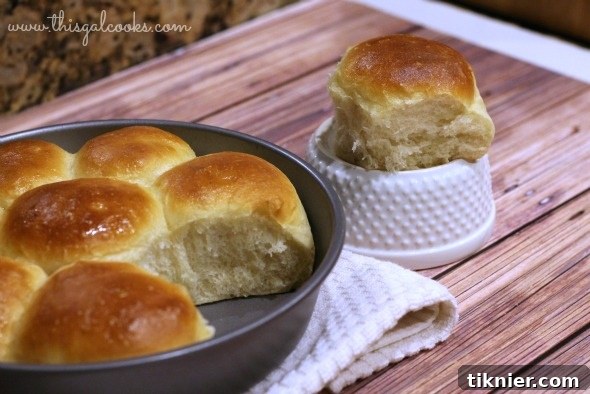
The outcome was nothing short of miraculous. The butter infused the rolls with that deep, classic, and utterly irreplaceable flavor I cherished, while the shortening worked its magic, delivering an incredible tenderness and a delightfully soft, fluffy crumb that felt like biting into a cloud. Fresh from the oven, I brushed them with a simple yet sublime honey butter glaze, and in that moment, I knew I had finally achieved it. These were the perfect Honey Butter Dinner Rolls. They embody the heartwarming essence of my grandmother’s traditional recipe, elevated with a modern twist that guarantees an unbelievably soft and delicious result. They have quickly become my signature dish, and now, with immense joy, I am thrilled to share this treasured recipe with you.
Skip to My Special Recipe!
Unveiling the Secret: Why These Honey Butter Dinner Rolls Are Unforgettable
In many homes, particularly across the Southern United States, dinner rolls are far more than a mere accompaniment; they are an integral part of the meal, a symbol of gathering and hospitality. Every family seems to possess its own cherished recipe, meticulously passed down through generations. The universal goal remains consistent: to craft a roll that is exquisitely light, wonderfully fluffy, and bursting with flavor. Yet, many traditional recipes often present a culinary dilemma, asking the baker to choose between two primary fats: butter or shortening. Each offers distinct advantages, and therein lies the challenge.
Butter, undeniably, is the cornerstone of rich flavor. It delivers that signature creamy, slightly nutty taste that is absolutely essential for a truly satisfying dinner roll. Its unique flavor profile is simply irreplaceable. However, rolls made exclusively with butter can sometimes develop a firmer texture or dry out more quickly by the following day. Shortening, on the other hand, is a secret weapon prized by bakers for its unparalleled impact on texture. It contributes to an incredibly tender, soft crumb and significantly extends the moisture and freshness of baked goods. The trade-off, historically, has been its relatively neutral flavor, which doesn’t enhance the overall taste in the same way butter does.
This is precisely where my recipe for Honey Butter Dinner Rolls distinguishes itself. It cleverly bypasses the need for compromise. By thoughtfully combining both butter and shortening, this recipe harmoniously captures the absolute best attributes of each fat. You reap the full benefits of butter’s beautiful, rich flavor, coupled with the unbelievably soft, pillowy, and enduringly tender texture provided by shortening. This powerful duo ensures that your rolls bake up with a perfectly fluffy interior and a gorgeously golden-brown exterior, remaining wonderfully soft and fresh for days. The subtle infusion of honey, both within the dough and in the final glistening glaze, adds a delicate sweetness that perfectly complements the savory bread, rendering these rolls utterly irresistible and truly unforgettable.
Essential Ingredients for Your Perfect Honey Butter Dinner Rolls
The true elegance of a timeless recipe often lies in its simplicity. Our goal is to transform common pantry staples into something truly extraordinary. However, for a recipe with such minimal components, the quality of your ingredients significantly impacts the final result. Here’s a detailed look at what you’ll need to create these outstanding rolls, with tips to ensure their success.
The actual genius behind these rolls, the component that grants them their signature, long-lasting tender texture, is the strategic combination of fats. We harness the power of both butter, for its profound, classic flavor, and **shortening**, for an unmatched softness that gracefully endures for days. It’s a seemingly minor adjustment that yields a monumental difference in the final, delicious outcome.
- 4 Cups All-Purpose Flour, plus a little extra for dusting if necessary. (Ensure you measure by spooning into the cup and leveling for accuracy.)
- 1 Packet Active Dry Yeast (approximately 2¼ teaspoons). Fresh yeast is paramount for a successful rise.
- ⅓ Cup Honey. A mild variety like clover or wildflower honey will offer a delicate sweetness without overpowering the butter.
- 1 Teaspoon Salt. Essential for balancing flavors and strengthening the dough’s structure.
- 1 Large Egg, lightly beaten. Adds richness, color, and helps tenderize the crumb.
- 1 Cup Whole Milk. The higher fat content of whole milk contributes to a richer, softer dough.
- 1½ Tablespoons Unsalted Butter. Melted. This is for the dough, providing that foundational rich flavor.
- 1½ Tablespoons Shortening. Melted. Crucial for the incredible softness and extended freshness.
- 1 Cup Warm Water. For activating the yeast.
When selecting your flour, a reputable brand like King Arthur or White Lily will consistently deliver dependable results. For the milk, I highly advocate for whole milk; its increased fat content directly contributes to a more tender and luxurious dough. Regarding the honey, a light, mild variety such as clover or wildflower honey works beautifully here, imparting a subtle sweetness that perfectly harmonizes with the buttery notes of the rolls without overwhelming them. Above all, please verify the freshness of your yeast! Expired or inactive yeast is a frequent culprit behind dough that fails to rise properly, leading to much culinary disappointment. A quick proofing step (as outlined below) will confirm its vitality.
Step-by-Step Guide to Baking Perfect Honey Butter Dinner Rolls
Embarking on the journey of making yeast dough from scratch might initially appear daunting, but I assure you, this recipe is remarkably straightforward and profoundly rewarding. By meticulously following these steps, you’ll soon be savoring warm, exceptionally fluffy rolls straight from your oven. For optimal ease and efficiency, I highly recommend utilizing a stand mixer equipped with a dough hook, as it transforms the kneading process into an effortless task.
Step 1: Activate the Yeast with Precision
Our first crucial task is to awaken the yeast. In the clean bowl of your stand mixer, carefully combine the packet of active dry yeast with one cup of warm water. The water temperature is key here; it should feel comfortably warm to the touch, much like a pleasant bath, ideally around 105-115°F (40-46°C). Give the mixture a gentle stir and allow it to rest undisturbed for approximately 5 to 10 minutes. You’ll know the yeast is vibrant and active when the surface becomes noticeably foamy and releases a distinct, yeasty, bread-like aroma. This vital step, known as proofing, ensures your yeast is alive and ready to work its magic before you introduce the remaining ingredients.
Step 2: Gently Warm the Enriched Liquids
While your yeast is proofing, turn your attention to the other liquid components. In a small saucepan, combine the milk, honey, measured butter, shortening, and salt. Place the saucepan over very low heat, stirring continuously and gently. Your objective is merely to warm this mixture sufficiently to fully melt both the butter and the shortening. It’s perfectly normal if the shortening appears slightly lumpy or separated at this stage; it will integrate later. The most critical point here is to prevent the mixture from boiling or even simmering, as excessive heat will certainly kill the active yeast when the two mixtures are combined, hindering your rolls’ ability to rise.
Step 3: Combine and Initiate Mixing
Once the milk mixture is warmed and the yeast is foamy, carefully pour the warm milk mixture directly into the stand mixer bowl containing the activated yeast. Add the beaten egg to this combination. Secure the flat beater attachment onto your mixer. Begin mixing on a low speed for about 30 seconds, just until all the liquid ingredients are thoroughly combined. Next, add 3¾ cups of the all-purpose flour to the bowl. Continue mixing on low speed until the flour is completely incorporated and a shaggy, somewhat sticky dough begins to form around the beater.
Step 4: The Art of Kneading the Dough
Now, switch from the flat beater to the dough hook attachment. Increase the mixer speed to medium-low and allow it to knead the dough for a period of 8 to 10 minutes. During this kneading process, you will observe a remarkable transformation: the dough will gradually transition from a sticky, somewhat rough mass into a smooth, elastic, and supple ball. Throughout this stage, incrementally add the remaining ¼ cup of flour, a small amount at a time, just until the dough consistently pulls away from the sides of the bowl and forms a cohesive ball. Exercise caution to avoid adding too much flour, as this meticulous attention to hydration is the very secret to achieving light, fluffy rolls rather than dense, heavy ones.
Step 5: The Crucial First Rise (Bulk Fermentation)
After the dough has been perfectly kneaded and is smooth and elastic, carefully remove it from the mixer bowl. Gently shape the dough into a uniform ball and place it into a large, clean bowl that has been lightly oiled. Turn the dough over once within the bowl to ensure it is evenly coated with oil, which prevents a dry skin from forming on its surface. Cover the bowl securely with plastic wrap or a clean kitchen towel and position it in a warm, draft-free location. Allow the dough to rise undisturbed for one to two hours, or until it has visibly doubled in its original size. Patience here is key to a light texture.
Step 6: Expertly Shape Your Dinner Rolls
Once the dough has completed its first rise, gently “punch it down” to release the accumulated air. Transfer the dough onto a lightly floured work surface and let it rest for approximately 10 minutes. This brief resting period allows the gluten strands to relax, making the dough much easier and more pliable to shape. Roll the dough into a long, cylindrical log shape. Using a bench scraper or a sharp knife, divide this log into 16 to 18 equal pieces. For consistent baking, aim for uniform sizes. Take each individual piece and shape it into a smooth, tight ball. Arrange these perfectly shaped balls snugly into two greased 9-inch round cake pans.
Step 7: The Essential Second Rise (Proofing)
Cover the filled pans with your clean kitchen towel and allow the rolls to undergo their second rise in a warm, draft-free spot for approximately 30 minutes. During this time, they should visibly double in size once more and gently touch each other within the pan, creating that appealing pull-apart effect. While your rolls are enjoying their final rise, preheat your oven to a precise 400°F (200°C) to ensure it’s ready for baking.
Step 8: Bake to Golden Perfection
Carefully place the pans into your preheated oven. Bake the rolls for 10 to 15 minutes, or until their tops achieve a gorgeous, even golden-brown hue. The enticing aroma that will soon fill your kitchen is nothing short of divine – it’s the unmistakable scent of homemade bread! Remember that every oven behaves slightly differently, so it’s wise to keep a close eye on your rolls, especially during the final minutes of baking, to prevent over-browning.
Step 9: The Final Touch: Honey Butter Glaze
As your rolls are nearing the end of their baking time, swiftly prepare the heavenly honey butter glaze. In a small bowl, combine one tablespoon of melted unsalted butter with one teaspoon of honey, stirring until well blended. The moment you retrieve the perfectly baked rolls from the oven, immediately brush this glorious honey butter mixture generously all over their hot tops. This step not only imparts a beautiful, glossy shine but also infuses them with an extra layer of sweet, buttery flavor. Allow the rolls to cool slightly in their pans on a wire rack for a few minutes before serving them warm, allowing their irresistible aroma to tantalize everyone at the table.
How To Serve These Irresistible Honey Butter Dinner Rolls
While there’s truly no incorrect way to enjoy a warm, fluffy dinner roll, these exquisite Honey Butter Dinner Rolls deserve to be celebrated as the star of your meal. The most cherished and classic presentation, of course, involves placing a generous basket of these beauties, still warm from the oven, directly at the center of your dinner table. Serve them alongside a small dish of high-quality salted butter, allowing each guest to savor their simple perfection. They are the quintessential accompaniment to any festive gathering, from the traditional Thanksgiving turkey to a celebratory Easter ham, enhancing every bite with their comforting presence.
However, don’t reserve these delightful Honey Butter Dinner Rolls solely for grand occasions! They possess the remarkable ability to elevate an ordinary weeknight meal into something truly special. Imagine using one of these soft, absorbent rolls to sop up the rich, savory broth of a hearty beef stew or to complement the creamy texture of a comforting tomato soup. It’s an experience of pure culinary comfort. They also make an ideal pairing for a leisurely Sunday pot roast or a plate of crispy, golden-fried chicken.
If you’re inclined to explore more inventive ways to incorporate them into your repertoire, I have several favorite ideas that extend beyond the dinner plate:
- Gourmet Mini Sliders: Their perfect size makes these rolls ideal for creating delectable sliders. Fill them with slow-cooked pulled pork, tender shredded BBQ chicken, or even miniature ham and cheese combinations for an easy party appetizer or a satisfying lunch.
- Decadent Breakfast Sandwiches: Split a roll horizontally, then fill it with a perfectly folded egg, a slice of melting cheese, and a savory sausage patty for an incredibly luxurious and comforting start to your day.
- Savory Garlic Bread Twists: For a delightful savory variation, before the second rise, brush the shaped dough with a generous amount of garlic butter and a sprinkle of grated Parmesan cheese. Bake as usual for a flavorful twist.
- Homemade Crispy Croutons: Should you find yourself with any leftover rolls that are a day or two old, don’t let them go to waste! Cut them into uniform cubes, toss them with olive oil and your favorite seasonings (garlic powder, Italian herbs), and bake until golden and crispy. You’ll have the most flavorful homemade croutons imaginable for salads or soups.
Regardless of how you choose to serve them, these rolls are guaranteed to be an absolute triumph. They infuse every meal with a touch of homemade love and care, and there’s truly no greater joy than witnessing the smiles they bring to my family’s faces when they arrive at the table.
Storing and Reimagining Your Honey Butter Dinner Rolls Leftovers
One of the fantastic benefits of incorporating shortening into this recipe is how wonderfully soft these rolls remain for several days. However, proper storage is paramount to preserving that desirable freshness. The truly exciting part about having leftover rolls – if you’re fortunate enough to have any – is discovering new and delicious ways to enjoy them all over again. Here are my tried-and-true methods for both storing and creatively reusing them.
For short-term storage, it is crucial to allow the rolls to cool completely to room temperature before putting them away. Storing them while still warm will inevitably lead to condensation, making them soggy. Once fully cooled, transfer them to an airtight container, a reliable zip-top bag, or simply wrap the entire pan tightly with plastic wrap. Stored this way, your rolls will maintain their freshness and delightful softness on your kitchen counter for up to three days.
If your aim is to extend their delicious life for a longer period, freezing presents the best solution. You have the flexibility to freeze them either fully baked or unbaked. Here’s how to best manage both methods for your beloved Honey Butter Dinner Rolls:
- Storing Baked Rolls: Ensure the rolls are completely cool. You can wrap them individually in plastic wrap for easy thawing of single portions, then place them into a larger freezer-safe bag. Alternatively, if you plan to freeze a whole batch, place the entire pan of cooled rolls in the freezer until they are firm. Then, remove the pan and wrap the frozen rolls tightly first in a layer of plastic wrap, followed by a layer of heavy-duty aluminum foil. They will maintain their quality in the freezer for up to three months. To reheat, simply let them thaw at room temperature, then warm them in a 350°F (175°C) oven for about 5-7 minutes until heated through and fragrant.
- Effortless Reheating for Freshness: My absolute favorite technique for reheating a leftover roll is to wrap it loosely in a damp paper towel and microwave it for a quick 15 to 20 seconds. This method gently steams the roll, restoring its tender texture and making it taste as though it just emerged from the oven.
- Creative Leftover Transformations: Never let a single roll go to waste! Day-old or slightly stale rolls are absolutely perfect for crafting individual mini bread puddings. You can also slice them thinly, brush them with melted butter and a sprinkle of cinnamon sugar, then bake them until wonderfully crispy to create delightful sweet chips. They also serve as a fantastic base for small, indulgent French toast bites on a leisurely weekend morning.
By following these practical tips, you can extend the enjoyment of your homemade rolls for many days to come. Thoughtful storage means you can confidently bake a generous batch, knowing they’ll be ready to effortlessly enhance quick weeknight dinners or leisurely weekend breakfasts, truly making all that loving effort in the kitchen incredibly worthwhile.
Substitutions & Variations for Your Honey Butter Dinner Rolls
One of the most appealing aspects of possessing a robust base recipe, such as this one, is its inherent adaptability. It offers an effortless canvas for customization, allowing you to tailor it to your personal preferences or to utilize ingredients you already have on hand. These Honey Butter Dinner Rolls are undeniably perfect in their original form, but they also serve as an exceptional foundation for a touch of culinary creativity. Whether you need to accommodate a dietary requirement or simply wish to explore new flavor dimensions, here are a few inspiring ideas to get you started.
Before diving into substitutions, it’s always wise to remember that baking is a precise science. Altering an ingredient, particularly within a yeast dough, can influence the final texture, rise, and overall outcome. My consistent recommendation is to bake the recipe exactly as written for your initial attempt, establishing a reliable baseline. After that, feel empowered to experiment and truly make the recipe your own! The following variations provide an excellent starting point for your culinary explorations.
Here are some of my preferred substitutions and exciting flavor variations:
- Aromatic Herb-Infused Rolls: For those who favor a more savory profile, consider folding two tablespoons of finely chopped fresh herbs into the dry ingredients. Rosemary, thyme, and chives are all superb choices that complement bread wonderfully. A savory herb roll is an exquisite accompaniment to rich pasta dishes or hearty soups.
- Wholesome Whole Wheat Swap: If you wish to incorporate the goodness of whole grains, you can substitute up to one cup of the all-purpose flour with whole wheat flour. This will yield a roll with a slightly denser texture and a wonderfully nutty flavor. Be mindful that whole wheat flour tends to be more absorbent, so you may need to add a touch more liquid (milk or water) to achieve the desired dough consistency.
- Cozy Cinnamon Honey Butter: To create a sweeter, almost dessert-like roll, introduce a quarter teaspoon of ground cinnamon into the honey butter glaze that you brush on top. This particular variation is exceptionally delicious when served alongside pork dishes or as part of a festive holiday brunch spread.
- Effortlessly Dairy-Free Option: To adapt this recipe for a dairy-free diet, you can successfully substitute the whole milk with an unsweetened plant-based milk, such as almond or soy milk. For the butter, opt for a high-quality dairy-free butter substitute. While the resulting flavor and texture will possess subtle differences from the original, they will undoubtedly remain delicious and satisfying.
- Bold Savory Toppings: Just before placing the rolls into the oven for baking, elevate their flavor and texture by brushing their tops with a little melted butter and sprinkling them with flaky sea salt for a delightful crunch, everything bagel seasoning for an aromatic kick, or some finely grated Parmesan cheese for a sharp, savory note.
Do not hesitate to playfully experiment with this recipe. Baking should always be an enjoyable and creative endeavor, and these thoughtful little tweaks offer a fantastic opportunity to imprint your unique personal stamp on these already magnificent dinner rolls. Please feel free to share any new favorite variations you discover in the comments below!
Recipe: Honey Butter Dinner Rolls
16
2 hours
15 minutes
2 hours 15 minutes
Ingredients
- 4 C all purpose flour, plus more if needed
- 1 packet of dry active yeast
- 1/3 C honey
- 1 tsp salt
- 1 egg, beaten
- 1 C milk
- 1 1/2 tbsp butter
- 1 1/2 tbsp shortening
- 1 C water
Instructions
- In the bowl of a stand up mixer, combine the yeast and water. Allow to sit until the mixture becomes foamy.
- In a sauce pan, combine the milk, honey, butter, shortening and salt over low heat. heat until the butter and shortening are just melted. Please note, the shortening may be lumpy. That’s ok. DO NOT BOIL.
- Add the milk mixture and the beaten egg to the yeast mixture.Beat on low speed with the flat attachment for about 30 seconds.
- Ad 3 3/4 C of the flour to the mixture and beat until well combined.
- Remove the flat attachment and add the bread hook attachment. Knead for 8/10 minutes, adding the remaining flour until the dough no longer sticks to the sides of the bowl. Be sure to add small amounts. If you add too much, your rolls will end up dense rather than light and fluffy.
- Remove the dough ball from the mixer and place into a large, oiled bowl and cover. Allow to rise for 1-2 hours or until double in size.
- Punch the dough down and shape into a ball. Cover and allow to rest for 10 minutes.
- On a floured surface, roll the dough into a long tube shape and cut into 16-18 pieces. Shape into balls and place into 2 greased round cake pans.
- Cover and allow to rise for 30 minutes or until doubled in size.
- Bake at 400 for 10-15 minutes, or until the top is golden.
- Meanwhile, combine 1 tbsp melted butter and 1 tsp of honey.
- Once the rolls are done baking, remove from the oven and spread the honey butter mixture on top.
- Allow to cool on a wire rack.
Notes
In order to prevent the dough from sticking to your hands, coat your hands with flour before handling the dough.
Frequently Asked Questions About Honey Butter Dinner Rolls
Here are clear and concise answers to the most common inquiries I receive about this cherished Honey Butter Dinner Rolls recipe, designed to help you achieve baking perfection every time.
Why did my Honey Butter Dinner Rolls turn out dense and heavy?
Ah, the classic dense roll dilemma! It’s a common hurdle for many bakers, and it’s typically attributed to one of a few identifiable culprits. The most frequent reason is incorporating too much flour. While the recipe specifies four cups, with a small allowance for extra if needed, it is absolutely essential to add any additional flour with extreme caution and restraint. The finished dough should consistently feel soft and possess a slight tackiness, rather than being dry, stiff, or overly firm. Excess flour inevitably weighs down the dough, significantly inhibiting its capacity to rise into that coveted light, airy texture we’re aiming for. Always measure your flour precisely by spooning it gently into your measuring cup and then leveling it off, rather than scooping directly from the bag, which compacts the flour and leads to over-measurement.
Another potential issue could stem from your yeast. Yeast is a living microorganism, and it does have a finite shelf life. If your yeast failed to produce a generous layer of foam during the initial proofing step, it’s highly probable that it was old, inactive, or compromised, which means your rolls simply won’t rise effectively. Lastly, exercise patience with the rising times. If your kitchen environment is particularly cool, the dough may require a longer duration than specified in the recipe to genuinely double in size. Under-proofed dough lacks the sufficient internal air bubbles, resulting in a dense, heavy roll after it’s baked. Always allow your dough the necessary time to rise adequately in a warm, consistently draft-free location.
Can I prepare the dough for Honey Butter Dinner Rolls in advance?
Absolutely! This is one of my most favored time-saving strategies, especially invaluable during busy holiday seasons when oven space and personal time are at a premium. You can confidently prepare the dough through the initial first rise and subsequent shaping steps. Once you have skillfully shaped the individual rolls and arranged them meticulously in their greased pans, simply cover them tightly and securely with plastic wrap and place them directly into the refrigerator. They can be safely refrigerated and held in this state for up to 24 hours without compromising quality.
When you’re ready to proceed with baking, remove the covered pans from the refrigerator. Initially, the rolls might appear somewhat small and flat, but there’s no need for concern. Leave them, still covered, on your kitchen counter at room temperature for approximately one to two hours. This crucial period allows the dough to gradually return to room temperature and complete its essential second rise. Once the rolls have visibly puffed up and gracefully doubled in size, they are perfectly primed for baking according to the detailed recipe instructions. This make-ahead methodology proves to be an absolute lifesaver for efficient meal planning, particularly for larger gatherings.
What is the specific advantage of using both butter and shortening in these dinner rolls?
This clever combination of fats truly represents the secret weapon that elevates this recipe and distinguishes it from others! It’s an ingenious strategy centered on acquiring the absolute best attributes from both worlds: superior flavor and exceptional texture. Butter delivers an unparalleled richness, a creamy depth, and a subtle sweetness that is simply irreplaceable. There exists no substitute for the authentic taste of real butter within a classic dinner roll. However, butter possesses a relatively lower melting point, which can occasionally lead to a slightly less tender crumb, especially as the rolls age into their second day.
Shortening, conversely, serves as a baker’s quintessential ingredient for achieving enduring softness and significantly extending the shelf life of baked goods. Its higher melting point plays a pivotal role in creating a wonderfully light, inherently tender, and profoundly pillowy texture. By strategically employing a combination of both fats, you masterfully capture all the delicious, timeless flavor derived from the butter, concurrently benefiting from the incredible, lasting softness and beautifully moist crumb imparted by the shortening. This dynamic duo is a simple yet profoundly impactful tweak that transforms these Honey Butter Dinner Rolls from merely good to absolutely unforgettable and exceptionally delicious.
How can I determine when my Honey Butter Dinner Rolls are perfectly baked?
Precisely identifying when your rolls have achieved their perfect bake is fundamental to securing that ideal texture. The most immediately visible indicator is their color. You are aiming for a gorgeous, uniformly golden-brown hue across the tops of all the rolls. If you notice some rolls browning more rapidly than others, you can loosely tent the pan with aluminum foil for the final few minutes of baking to prevent over-darkening. However, relying solely on color can occasionally be misleading, and you certainly want to avoid the disappointment of pulling out rolls that are still doughy in the center.
For an absolutely foolproof method, I wholeheartedly recommend employing an instant-read thermometer. Much like cooking meats, baked goods also possess an ideal internal temperature for doneness. For enriched doughs such as this recipe, the target temperature range is between 190°F and 200°F (88°C and 93°C). Gently insert the thermometer into the very center of one of the middle rolls. If it registers within this magical number range, your rolls are impeccably baked through. This simple yet effective trick eliminates all guesswork from your baking process, guaranteeing consistently perfect rolls every single time.
Is it possible to make these Honey Butter Dinner Rolls without a stand mixer?
You most certainly can! While a stand mixer undeniably streamlines the preparation process, it’s worth remembering that countless generations of bakers have crafted extraordinary bread by hand. All you will require is a large, sturdy mixing bowl, a robust wooden spoon, and a little bit of dedicated effort. Follow the recipe instructions precisely for activating the yeast and combining all the ingredients. Once you have successfully formed a shaggy, somewhat cohesive dough, turn it out onto a lightly floured work surface.
Now, the enjoyable part: manual kneading. To knead the dough by hand, gently fold the dough mass over on itself, then use the heel of your hand to firmly press down and away from your body. Give the dough a quarter turn, and then repeat this precise folding, pressing, and turning motion. Continue this rhythmic action for approximately 10 to 15 minutes. It’s certainly a bit of a workout, offering a gratifying sensory experience! You’ll intuitively know the dough is perfectly kneaded and ready when it feels noticeably smooth, highly elastic, and springs back with resilience when you gently poke it with your finger. From this point onward, simply proceed with the rising and baking steps exactly as outlined within the recipe.
Explore More Delicious Homemade Bread Recipes
If you’ve discovered the immense satisfaction of baking your own homemade dinner rolls, I’m confident you’ll adore these additional recipes. Each offers a unique flavor and texture, ensuring there’s always a perfect roll for any occasion.
- Oatmeal Molasses Rolls: These rolls are wonderfully hearty and wholesome, featuring a delightful, subtle sweetness derived from molasses, making them incredibly comforting.
- Whole Wheat Dinner Rolls: A superb classic and a healthier alternative that masterfully retains all that magnificent, fluffy texture without sacrificing flavor or appeal.
- Easy Sweet Potato Rolls: A true Southern culinary treasure, these rolls boast a beautiful, inviting color and are infused with the comforting, sweet flavor of sweet potato.
I sincerely hope these recipes bring as much joy and deliciousness to your family’s table as they do to mine.