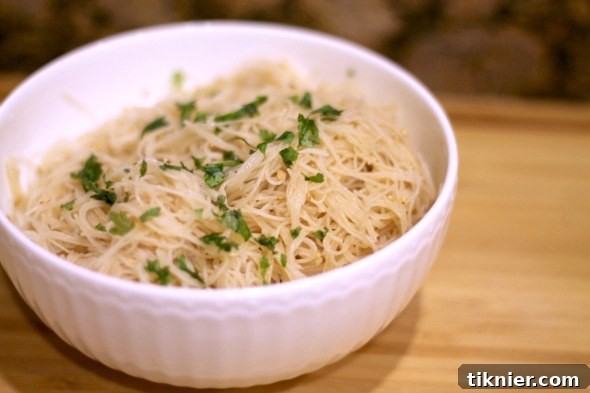
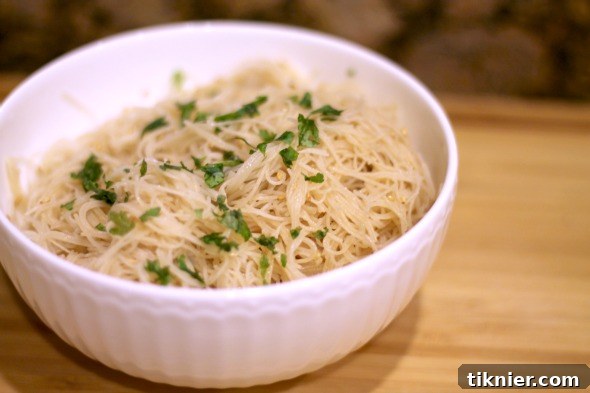
Craving a dish that’s both incredibly flavorful and astonishingly quick to prepare? Look no further than these sensational Garlic Sesame Rice Noodles. This recipe delivers a satisfying, restaurant-quality meal right to your dinner table in under 30 minutes, making it a perfect choice for a busy weeknight dinner or a delightful, speedy lunch. It’s naturally gluten-free and packed with rich, savory flavors that will have everyone asking for seconds.
In a world often filled with complicated culinary endeavors, sometimes all we need is a simple, yet utterly delicious, recipe that doesn’t compromise on taste. While elaborate meals have their place, the reality of a demanding work week often means limited time and energy for cooking. That’s where this recipe shines. It’s designed for efficiency, ensuring you can whip up something truly special from scratch without feeling overwhelmed. Forget store-bought meals or bland alternatives; this dish uses fresh ingredients and a unique twist to create a memorable experience. I’ve personally swapped traditional wheat pasta for delicate rice sticks (rice vermicelli noodles) and found that a generous sprinkle of fresh cilantro truly elevates the overall aroma and taste.
The first time I prepared these garlic sesame rice noodles, the aroma alone was enough to get my taste buds tingling. Upon tasting, both my partner and I were thoroughly impressed by the depth of flavor and the luxurious texture. It quickly became a staple in our rotation, and I’m confident it will become one of your go-to easy recipes too. Prepare to be amazed by how a few humble ingredients can transform into such a satisfying and unforgettable meal!
Skip to the Full Recipe Card Below!
Why These Garlic Butter Rice Noodles Are a Must-Try
Rice noodles are a staple in countless Asian cuisines, revered for their delicate, translucent appearance and their remarkable ability to absorb flavors. Whether they’re gently simmering in the rich broth of a Vietnamese pho or expertly stir-fried in a Thai pad see ew, their versatility is undeniable. Beyond their cultural significance, rice noodles are naturally gluten-free and possess a wonderfully light texture, making them an ideal foundation for a truly spectacular sauce. However, this particular recipe introduces a delightful and unexpected twist that sets it apart from traditional preparations.
While many classic Asian noodle dishes rely on various oils as their primary fat, this recipe embarks on a delicious detour straight through the heart of my Southern kitchen. My secret weapon, simple yet utterly transformative, is good, old-fashioned butter. The decision to use butter instead of oil is precisely what makes this dish sing with a unique, comforting melody. It creates a sauce with an incredibly luxurious, velvety consistency and a rich mouthfeel that simply cannot be achieved with oil alone. The butter masterfully emulsifies with the umami-rich oyster sauce and the savory soy sauce, ensuring that every single strand of noodle is perfectly coated in a glossy, flavorful embrace. This delivers a profound, savory depth that feels both incredibly comforting and a touch decadent.
This ingenious fusion of essential Asian pantry staples with a classic butter-based sauce is the very essence of what makes this recipe so incredibly special. It’s astonishingly fast, coming together in approximately 15 to 20 minutes from start to finish, making it an absolute lifesaver on busy weeknights. Despite its speed, the resulting flavors are complex and sophisticated enough to genuinely impress dinner guests, yet the entire cooking process remains refreshingly straightforward. This dish is living proof that some of the most extraordinary culinary creations emerge from blending the familiar with the delightfully unexpected, yielding a plate of noodles that’s both comforting and exciting.
Essential Ingredients for Your Garlic Butter Rice Noodles
One of the most appealing aspects of this recipe is its ability to transform a handful of straightforward pantry items into an extraordinarily flavorful meal. The magic lies in the precise balance of these components, all harmonized by our special secret ingredient. Gather these essentials to begin your culinary journey:
- 4 tbsp unsalted butter: This is the hero of our dish, providing a rich, creamy base. Using unsalted butter gives you more control over the overall saltiness.
- 4 cloves of garlic, minced: Freshly minced garlic is non-negotiable here. It infuses the butter with an aromatic, pungent flavor that is central to the dish.
- 1/3 C green onion, chopped: Offering a mild oniony bite and vibrant color. We’ll use most for sautéing and reserve some for garnish.
- 2 tbsp oyster sauce: Provides a deep, savory umami flavor with a hint of sweetness. Crucial for that authentic Asian-inspired depth.
- 1 tbsp brown sugar: Balances the savory elements with a touch of sweetness, helping to create a beautifully rounded sauce.
- 2 tsp sesame oil: Adds a distinct nutty aroma and flavor, a signature note in many Asian dishes. Use toasted sesame oil for the best results.
- 2 tsp soy sauce: Delivers essential salty and umami notes. Opt for low-sodium if you’re mindful of salt intake.
- 6 oz rice sticks (rice vermicelli noodles), cooked: The delicate, thin nature of these noodles makes them perfect for absorbing the buttery sauce.
- Sesame seeds and fresh cilantro for topping: These garnishes add texture, visual appeal, and a burst of freshness that brightens the entire dish.
The undeniable star of this recipe, the ingredient that truly gives these noodles their signature luxurious touch, is the **butter**. This is not the moment for substitutes like margarine or highly processed spreads, my friends. Investing in a good quality unsalted butter will genuinely make a world of difference. It contributes a creamy richness and an unparalleled depth of flavor that is simply unmatched by oil. The butter forms the silky base of our sauce, ensuring it clings beautifully to every noodle, delivering a decadent and utterly delicious experience.
A few additional tips on your ingredients: For the rice noodles, I strongly recommend the very thin “rice sticks” or vermicelli varieties. Their delicate structure means they cook in mere minutes and are ideally suited for soaking up every drop of our luscious sauce. When selecting oyster sauce, be aware that brands can vary significantly in terms of saltiness and sweetness. You may need to adjust the amount slightly to perfectly suit your palate. Furthermore, utilizing fresh garlic and vibrant green onions is absolutely key to achieving the brightest, most aromatic flavor profile. Don’t be shy with these aromatics; they are fundamental to the dish’s success.
Step-by-Step Guide to Crafting Perfect Garlic Butter Rice Noodles
This recipe comes together with incredible speed, making it an ideal candidate for employing the French culinary technique known as “mise en place.” This simply means having “everything in its place” – all your ingredients prepped, measured, and ready to go before you even think about turning on the stove. This approach is a true lifesaver for quick-cooking dishes like these garlic butter rice noodles, ensuring a smooth and stress-free cooking experience.
Step 1: Cook Your Noodles and Prepare the Aromatics
Begin by bringing a large pot of lightly salted water to a rolling boil. Carefully add your rice noodles and cook them strictly according to the package directions. These delicate noodles cook remarkably fast, typically requiring only 3 to 5 minutes, so it’s crucial to keep a very close eye on them. You’re aiming for a tender texture that still retains a slight, pleasant bite – never mushy. As soon as they reach this perfect doneness, immediately drain them in a colander. Rinse them thoroughly under cold running water to instantly halt the cooking process and prevent them from sticking together. While the noodles are cooking, take this time to mince your garlic and finely chop your green onions.
Step 2: Create the Fragrant Butter Base
Place a large skillet or a deep pot over medium heat. Add the unsalted butter and allow it to melt completely. Let it get wonderfully foamy, which indicates it’s ready, but be careful not to let it brown, as this can alter the flavor profile. Introduce the minced garlic and approximately two-thirds of your chopped green onions into the melted butter, ensuring you reserve the remaining green onions for a fresh garnish at the end. Sauté these aromatics for just a minute or two, stirring gently, until they become incredibly fragrant and slightly softened. The objective here is to gently release their profound flavors into the butter, not to crisp or brown them.
Step 3: Mix the Savory Sauce Components
While your aromatics are gently cooking and perfuming your kitchen, grab a small mixing bowl. Into this bowl, whisk together the oyster sauce, brown sugar, sesame oil, and soy sauce. Continue whisking diligently until the brown sugar is completely dissolved into the liquid, forming a smooth and cohesive sauce mixture. This crucial step guarantees that your final sauce will be perfectly smooth and evenly seasoned, without any gritty sugar crystals disrupting the silky texture.
Step 4: Bring It All Together for a Flavorful Finish
Once your aromatics are fragrant and the sauce mixture is ready, pour the prepared savory sauce into the pot containing the garlic and green onion butter. Stir everything together continuously and allow the mixture to bubble gently for about 30 seconds. This brief simmering period is essential for the flavors to meld and deepen beautifully. Now, add your cooked and thoroughly drained rice noodles to the pot. Using a pair of tongs, gently toss the noodles in the sauce, ensuring that every single delicate strand is generously coated in that glossy, buttery goodness. Work swiftly but with care to avoid breaking the fragile noodles. Continue tossing until the noodles are uniformly coated and heated through.
Step 5: Garnish, Serve, and Savor
As soon as the noodles are perfectly coated and warmed through, promptly transfer them to individual serving bowls. Liberally sprinkle the dish with toasted sesame seeds, the remaining fresh chopped green onions, and a generous amount of fresh cilantro. The fresh garnishes add a delightful pop of color and an extra layer of flavor. Serve these irresistible garlic butter rice noodles immediately while they are hot, fragrant, and utterly delicious. Prepare to indulge in a quick, easy, and incredibly satisfying meal!
Elevate Your Meal: How to Serve Garlic Butter Rice Noodles
One of the most remarkable qualities of these garlic butter rice noodles is their incredible versatility. They shine brightly whether served as a robust, satisfying main course on their own, or as an exquisite supporting role alongside other dishes. These noodles are a guaranteed crowd-pleaser, making them perfect for a swift and easy family dinner, or even as an impressive, fuss-free contribution to a potluck or gathering.
For those looking to transform this dish into a complete and well-rounded meal, incorporating a simple protein is an excellent idea. The buttery, savory profile of these noodles creates a magnificent synergy with a wide array of proteins. Seafood, in particular, finds a perfect partner in this dish. Imagine plating these noodles with some perfectly grilled shrimp, pan-seared scallops, or even flaky baked salmon placed delicately on top. The richness of the noodles complements the natural sweetness of the seafood beautifully. This recipe also pairs wonderfully with lean chicken or succulent pork.
Here are some of my absolute favorite ways to construct a memorable meal around these delectable noodles:
- With Grilled Shrimp or Scallops: For an elegant yet effortless meal, quickly grill or pan-sear fresh shrimp or scallops seasoned simply with a pinch of salt and pepper. Arrange them artfully atop a generous nest of the noodles. The combined flavors are truly divine.
- Alongside Roasted Chicken: Serve a hearty portion of these rice noodles next to a beautifully roasted chicken or pan-fried chicken breast. Complete the plate with a side of steamed green beans, tender-crisp broccoli, or your favorite roasted vegetables for a comforting and complete dinner.
- With Crispy Tofu: For a delightful vegetarian or vegan option, press a block of extra-firm tofu to remove excess moisture, then cut it into cubes. Pan-fry these tofu cubes until they achieve a glorious golden-brown and crispy exterior. Toss them with the noodles right at the very end of cooking to ensure they retain their crunch.
- As a Potluck Sensation: Need a dish that will vanish in minutes at your next gathering? Double or even triple the recipe. These noodles travel exceptionally well and can be served either warm or at a pleasant room temperature, guaranteeing rave reviews.
No matter how you choose to serve them, a final squeeze of fresh lime juice over the top adds a vibrant, zesty brightness. This acidic touch elegantly cuts through the richness of the butter, providing a refreshing counterpoint that elevates the dish from merely great to absolutely unforgettable. Don’t skip this small but impactful finishing touch!
Smart Storage & Creative Reuse for Leftover Rice Noodles
While these garlic butter rice noodles are undeniably at their absolute best when enjoyed fresh and piping hot straight from the pot, don’t despair if you find yourself with leftovers! With a little bit of care and proper handling, they can remain absolutely delicious. The key to successful storage and reheating lies in preserving their delicate texture and revitalizing them without allowing them to turn into a sticky, unappetizing clump.
To store your leftover rice noodles effectively, first allow them to cool completely to room temperature. This is crucial for food safety and preventing condensation. Once cooled, transfer them into an airtight container. They will maintain their quality and flavor beautifully in the refrigerator for up to three days. It’s perfectly normal for the noodles to firm up and potentially clump together once chilled; rest assured, this is a common occurrence and easily remedied during reheating.
When it comes to reheating, I strongly advise against using the microwave. Microwaves often heat unevenly and can quickly transform delicate rice noodles into a gummy, unappealing texture. The superior method for warming them up is in a skillet on the stovetop. Add the chilled noodles to a nonstick skillet over medium-low heat. Crucially, add a tablespoon or two of water or chicken broth to the pan. This small amount of liquid will generate steam, which helps the noodles separate, soften, and rehydrate as they gently heat through, wonderfully restoring that lovely, silky sauce and their original tender texture.
Beyond simply reheating, you can also unleash your culinary creativity and transform your leftovers into entirely new and exciting dishes:
- Craft a Refreshing Noodle Salad: For a quick lunch, skip reheating altogether! Toss the cold noodles with some finely shredded carrots, crisp cucumbers, a sprinkle of fresh herbs, and a little extra lime juice and soy sauce to create a vibrant and refreshing cold noodle salad.
- Incorporate into a Frittata: Lightly chop up the leftover noodles and fold them into your next frittata mixture or add them to an egg scramble. This unexpected addition provides a wonderful texture and transforms a simple egg dish into a truly hearty and flavorful breakfast or brunch.
- Boost Your Soup Base: Elevate a basic chicken or vegetable broth by adding a generous scoop of leftover noodles right at the very end of the cooking process. They will quickly warm through and turn a light soup into a more substantial and satisfying meal.
By following these practical tips, you can ensure that you enjoy every last delicious bite of your garlic butter rice noodles, minimizing food waste and maximizing flavor in your kitchen.
Unleash Your Creativity: Substitutions & Variations for Rice Noodles
This recipe for garlic butter rice noodles serves as a fantastic starting point, and I wholeheartedly encourage you to customize it to your unique preferences and dietary requirements. It’s an incredibly forgiving dish that adapts beautifully to different tastes, making it a joy to experiment with. Whether you need to accommodate an allergy, adhere to a specific diet, or simply want to utilize ingredients you already have on hand in your fridge, here are several simple swaps and exciting variations to inspire your culinary exploration.
The inherent beauty of a simple noodle dish like this is its nature as a blank canvas, perfectly awaiting your personal culinary flair. You can effortlessly adjust this recipe to be entirely gluten-free, vegan, or even dial up the spice level with just a few mindful modifications. Don’t be afraid to make it your own!
Here are some inspired ideas to get you started:
- For a Perfectly Gluten-Free Version: Rice noodles are naturally gluten-free, which is an excellent foundation. To ensure the entire dish is completely gluten-free, simply swap out regular soy sauce for a high-quality tamari or any certified gluten-free soy sauce. It’s also vital to check the label of your oyster sauce, as some brands do contain wheat. Always seek out an oyster sauce that is clearly labeled as gluten-free to be safe.
- To Make It Deliciously Vegan: Transforming this dish into a vegan delight is quite straightforward. Begin by using a high-quality plant-based butter instead of dairy butter. For the oyster sauce, substitute it with a vegetarian “oyster” sauce, which is typically crafted from mushrooms. These mushroom-based alternatives offer a remarkably savory and umami-rich flavor profile that closely mimics the original.
- Add a Fiery Kick: If your palate yearns for a bit of heat, incorporating a teaspoon of red pepper flakes or a generous dash of your favorite chili garlic sauce alongside the minced garlic and chopped green onions will do the trick. A touch of spicy warmth harmonizes wonderfully with the rich, buttery sauce, creating an exciting contrast.
- Incorporate More Vibrant Veggies: Boost the nutritional value and texture by sautéing some extra vegetables with the garlic and onions. Thinly sliced mushrooms, colorful bell peppers, crisp snap peas, or tender snow peas would all be incredibly delicious additions. Alternatively, you could wilt in a few large handfuls of fresh spinach or bok choy at the very end of the cooking process for a burst of green goodness.
- Experiment with Different Herbs: If fresh cilantro isn’t your favorite, or if you simply wish to explore other flavor profiles, don’t hesitate to change up the garnish. Fresh basil or finely chopped parsley would make a lovely and aromatic alternative. For a truly surprising and refreshing twist, a small scattering of fresh mint leaves can add an unexpected brightness that complements the savory notes beautifully.
Remember, cooking should be an enjoyable and creative process. This recipe provides the perfect playground for trying out new flavor combinations and making it uniquely yours. Feel free to share any exciting variations you discover in the comments below – I always love hearing about your culinary adventures!
Recipe: Garlic Sesame Rice Noodles
4 servings
10 minutes
10 minutes
20 minutes
Ingredients
- 4 tbsp butter
- 4 cloves of garlic, minced
- 1/3 C green onion, chopped
- 2 tbsp oyster sauce
- 1 tbsp brown sugar
- 2 tsp sesame oil
- 2 tsp soy sauce
- 6 oz rice sticks (rice vermicelli noodles), cooked
- Sesame seeds and cilantro for topping
Instructions
1. Cook rice noodles according to package directions. Drain and rinse with cold water to prevent sticking. Mince garlic and chop green onions.
2. In a large skillet or pot over medium heat, melt the butter until foamy. Add minced garlic and two-thirds of the chopped green onions (reserve the rest for garnish). Sauté for 1-2 minutes until fragrant.
3. In a small bowl, whisk together oyster sauce, brown sugar, sesame oil, and soy sauce until the sugar is fully dissolved.
4. Pour the sauce mixture into the pot with the aromatics. Stir and let bubble gently for 30 seconds. Add the cooked and drained rice noodles. Toss gently with tongs until every strand is coated.
5. Transfer to serving bowls. Garnish generously with toasted sesame seeds, the remaining chopped green onions, and fresh cilantro. Serve immediately.
Notes
Adapted from Budget Bytes. For best results, use good quality unsalted butter and fresh garlic. Adjust brown sugar and soy sauce to taste. For a gluten-free dish, ensure your soy sauce is tamari and your oyster sauce is a certified gluten-free brand.
5 Common Questions About Garlic Butter Rice Noodles Answered
Here are some straightforward and comprehensive answers to the most common questions I receive about this delightful garlic butter rice noodles recipe, designed to help you master the dish with confidence.
1. What kind of rice noodles are best for this garlic butter recipe?
This is an excellent and frequently asked question, as the noodle aisle can indeed be quite daunting with its array of choices. For this particular recipe, I wholeheartedly recommend utilizing thin rice noodles, which are often labeled as “rice vermicelli” or “rice sticks.” These are the very fine, almost thread-like noodles that cook quickly and become beautifully delicate. Their slender structure is perfectly suited for a butter-based sauce because it allows the sauce to coat each strand evenly and completely without making the dish feel heavy or clumpy. The desired outcome is a light, silky dish where the sauce truly adheres to every bite, rather than a thick, dense pasta.
While you certainly *could* use wider, flat rice noodles, similar to those found in Pad Thai, they tend to possess a chewier and more substantial texture. These broader noodles are generally better suited for thicker, more robust sauces that can stand up to their chewiness. With the delicate, nuanced garlic butter sauce featured in this recipe, the thin vermicelli noodles genuinely allow the rich flavors of the sauce to be the undeniable star. You can readily find these versatile noodles in the international aisle of most major grocery stores or at any well-stocked Asian market.
2. Can I make these rice noodles without oyster sauce?
Absolutely, you can certainly adapt this recipe if oyster sauce isn’t available or if you prefer not to use it. While oyster sauce contributes a distinctive savory, slightly sweet, and profoundly deep umami flavor that greatly enhances the dish, you have several viable alternatives. For those seeking a vegetarian or vegan option, your best substitute would be a high-quality mushroom-based vegetarian “oyster” sauce. These products are specifically designed to mimic the flavor and rich consistency of traditional oyster sauce remarkably well, often delivering a similar umami depth.
If a vegetarian oyster sauce is not accessible, you can create a reasonable substitute by slightly increasing the amount of soy sauce in the recipe and adding a bit more brown sugar to replicate the sweetness and help achieve that syrupy texture. For non-vegetarian cooks, a tiny splash of fish sauce can also be introduced to provide a powerful punch of umami, though it will alter the overall flavor profile slightly. If you simply omit oyster sauce without any substitution, the dish will still be tasty, but it might lack a certain depth and complexity of flavor. In that scenario, I would recommend tasting the sauce and perhaps adding an extra pinch of salt or a little more soy sauce to compensate for the missing elements.
3. How do I cook rice noodles so they don’t get mushy or stick together?
Preventing mushy or sticky rice noodles is arguably the most common challenge home cooks face, but it’s incredibly easy to master with a few key tricks. Firstly, it’s vital to understand that rice noodles are fundamentally different from Italian wheat pasta; they are much more delicate and cook in a fraction of the time. Always, always adhere to the specific cooking instructions provided on the noodle package, as cooking times can vary significantly depending on the brand and thickness of the noodles. Use a large pot filled with plenty of boiling water to give the noodles ample room to move freely, preventing them from clumping.
The most critical step is to rigorously avoid overcooking. I recommend beginning to test a noodle for doneness about a minute or two before the package’s suggested cooking time. You are aiming for an “al dente” texture – tender throughout but still retaining a pleasant, slight chew. As soon as they reach this perfect stage, immediately drain them into a colander. Then, rinse them thoroughly under cold running water. This two-fold action instantly halts the cooking process in its tracks and simultaneously washes away any excess starch that naturally causes them to stick together. After rinsing, give the colander a good shake to remove as much excess water as possible. For an extra layer of insurance against sticking while you prepare your sauce, you can lightly toss the drained noodles with a tiny amount of sesame oil.
4. What protein can I add to these rice noodles to make it a full meal?
This garlic butter rice noodle dish serves as an absolutely fantastic and versatile base for incorporating all sorts of delicious proteins, effortlessly transforming it from a simple side dish into a hearty and complete main course. Seafood is a particularly natural and complementary pairing. Consider sautéing some succulent shrimp directly in the pan with a little butter and extra minced garlic just before you begin making the sauce. Once cooked, set the shrimp aside and then gently toss them back in with the finished noodles. The same method works beautifully for pan-seared scallops or delicate pieces of a firm white fish like cod, adding a touch of elegance to your meal.
For those who prefer poultry, leftover shredded rotisserie chicken offers an incredibly easy and wonderfully delicious addition. Simply toss it into the noodles at the very end of the cooking process to warm through. If you’re starting with raw chicken, thinly slice breast or thigh meat and cook it thoroughly in the skillet before you begin preparing the sauce. For a satisfying vegetarian option, I highly recommend adding pan-fried tofu. Begin by pressing a block of extra-firm tofu to remove excess water, then cube it and pan-fry it in a little oil until it achieves a beautiful golden-brown and wonderfully crispy texture on all sides. These crispy tofu cubes can then be gently folded into the noodles at the final stage of assembly.
5. Is this an authentic Asian rice noodles dish?
This is a question I particularly enjoy, as it touches on the very core of my culinary philosophy and personal cooking style. To provide a clear answer: no, this recipe is not an authentic or traditional Asian dish in the conventional sense. Instead, it is what I affectionately refer to as a “fusion” dish, or more simply, a unique creation born from the inspirations and tastes cultivated within my own kitchen. It thoughtfully draws inspiration from the vibrant and delicious flavors prevalent in Asian cuisine, utilizing key ingredients like delicate rice noodles, savory soy sauce, and rich oyster sauce, which are all staples in that part of the world.
However, the fundamental cooking technique and, most importantly, the star ingredient – butter – are lovingly borrowed straight from a more Western or classic Southern style of cooking. This dish exemplifies the kind of culinary innovation that occurs when one embraces and thoughtfully blends different culinary traditions to forge something entirely new, exciting, and utterly delicious. It represents my personal interpretation, my Southern-inspired spin, on a classic garlic noodle concept. Ultimately, it’s all about being inspired by the incredible tapestry of global flavors and having the confidence to add your own creative twist to craft something you genuinely love to cook and eat. It’s a celebration of flavor without being bound by strict tradition.
Explore other delicious Asian-inspired recipes from our kitchen:
Delightful Thai Coconut Curry Soup
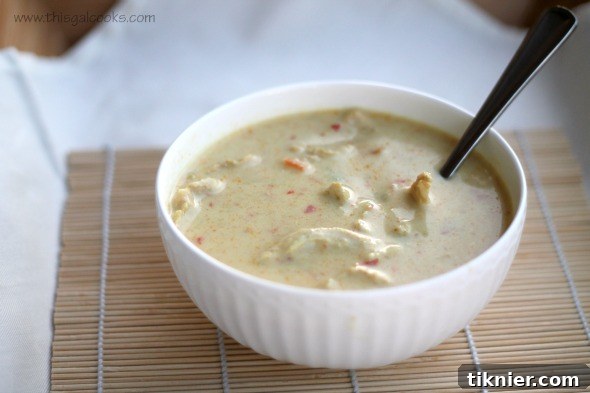
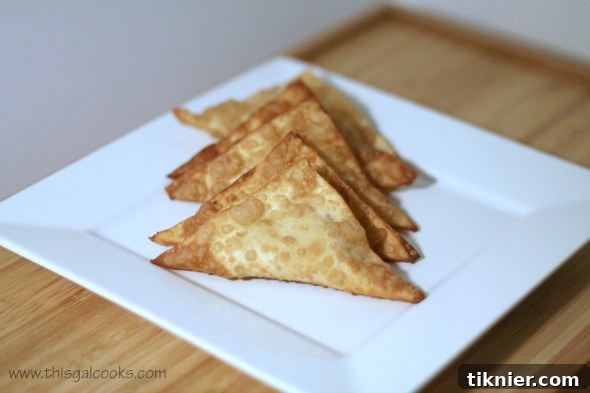
Irresistible Curry Crab Rangoon
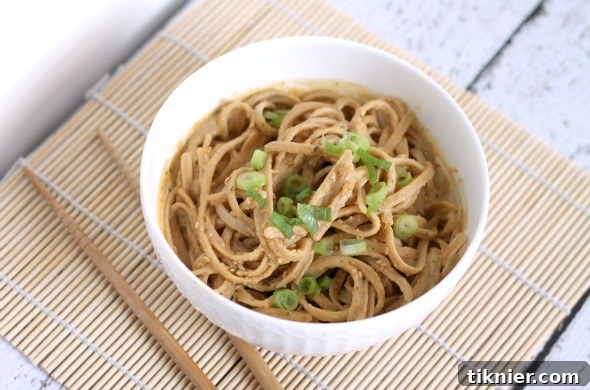
Homemade Thai Peanut Sauce with Whole Wheat Noodles
For more budget-friendly and healthy meal ideas and recipes just like this one, be sure to visit ThisGalCooks.com and discover your next favorite dish!