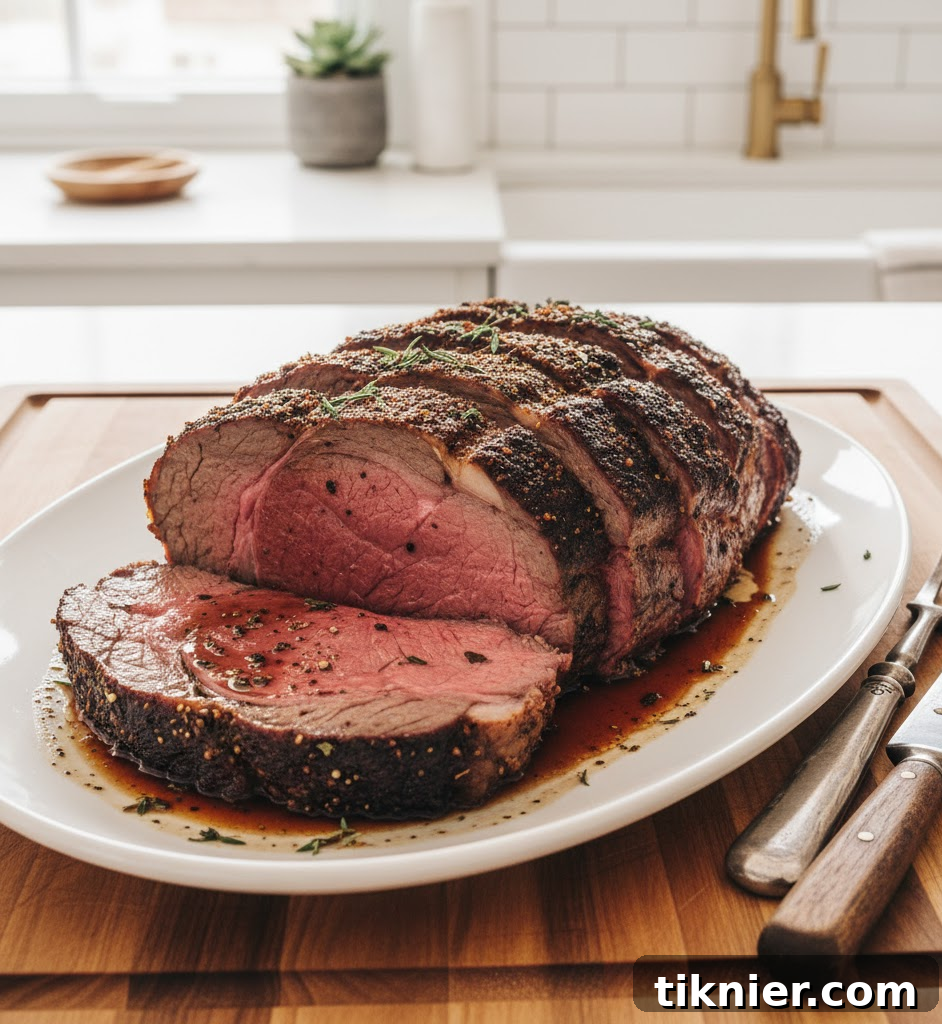
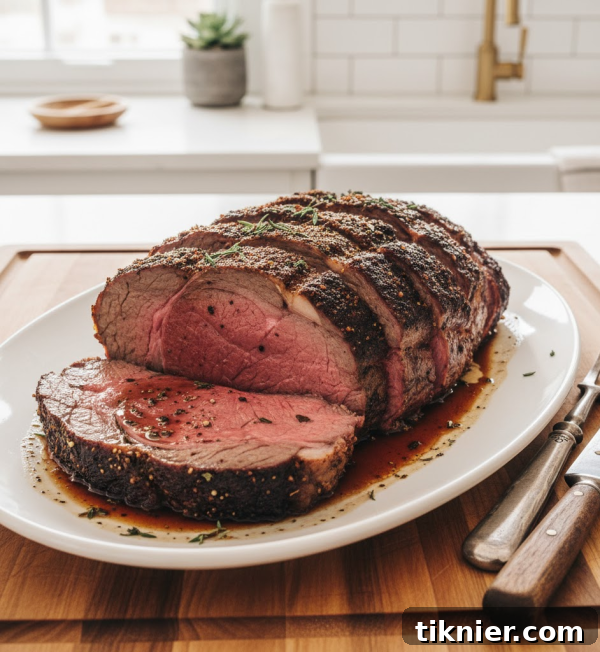
There are few culinary centerpieces that command attention quite like a magnificent prime rib roast. Its mere presence on the carving board signifies a special occasion, promising an unparalleled feast of rich, tender beef. If you’re looking to impress your guests, or simply treat your family to an unforgettable meal, mastering the art of the prime rib is a skill worth acquiring. And I’m here to tell you, it’s far simpler and more rewarding than you might imagine, especially with my unique approach.
I distinctly recall my first solo endeavor with a Christmas prime rib. My husband’s family was visiting, and his mother, a truly kind soul, had a penchant for roasting beef until it was, shall we say, beyond well-done. I was determined to create something truly spectacular, a dish that would make everyone’s eyes widen with delight. I consulted countless old cookbooks, but their recipes seemed a little… uninspired. Just a sprinkle of salt, pepper, and perhaps some dried thyme. I knew this grand cut of beef deserved more.
My vision was a prime rib with a crust so bursting with flavor, it would be a treat in itself. So, I began to experiment. Fresh rosemary and thyme, plucked from my garden, were obvious choices; their aromatic notes are simply magic with beef. But still, something was missing. It needed that extra layer of Southern culinary charm. The inspiration struck one afternoon while I was crafting a spice rub for pork shoulder. A pinch of smoked paprika – for a stunning, deep red hue and a whisper of smoky depth – and just a spoonful of dark brown sugar. Crucially, not enough sugar to make the meat sweet, but just enough to aid in caramelization, creating a truly irresistible crust that perfectly balanced the savory, salty herbs. That was it. That small, unconventional twist transformed my homemade herb-crusted prime rib from merely good to absolutely legendary. Now, it’s the recipe everyone requests, and I am absolutely thrilled to share it with you.
Jump Straight to My Signature Recipe!
Unlocking Perfection: Why This Herb-Crusted Prime Rib Recipe Reigns Supreme
The prime rib roast, also known as a standing rib roast, holds a revered place at holiday tables and celebratory dinners worldwide. Its legacy stretches back to traditional English feasts, where a perfectly roasted joint of beef symbolized affluence and generous hospitality. This cut remains immensely popular for very good reason: it’s beautifully marbled, inherently tender, and delivers that intensely rich, beefy flavor that captivates every palate. It’s undeniably an impressive dish, yet with the right technique, it’s remarkably straightforward to prepare.
So, what sets this specific herb-crusted prime rib recipe apart and why should it be your go-to for such a prized cut of meat? The secret lies in two fundamental elements: the meticulously crafted crust and the innovative cooking method. Many traditional recipes advocate for a minimalist salt and pepper rub, which, while acceptable, often falls short of creating an truly unforgettable flavor experience. My recipe, however, elevates the crust to an art form. It’s built on a complex foundation of fresh rosemary, fragrant thyme, pungent garlic, the earthy warmth of smoked paprika, and a subtle hint of brown sugar. This dynamic combination doesn’t merely sit on the surface; it forms a savory, slightly smoky, and deeply flavorful seal. This aromatic barrier infuses the meat with incredible flavor as it cooks, creating a crust that’s crispy, robust, and utterly addictive.
The second, equally crucial, innovation that makes this recipe a true showstopper is the reverse sear method. The conventional approach to roasting often involves an initial blast of high heat followed by a reduction in temperature. This technique frequently results in a noticeable ring of overcooked, grayish meat encircling a rarer center – a phenomenon sometimes called the “bullseye effect.” The reverse sear method completely revolutionizes this. We begin by cooking the roast low and slow, typically at a gentle 225°F (107°C). This extended, low-temperature cooking allows the heat to penetrate the entire roast gradually and uniformly, bringing the meat to a perfect, even temperature from edge to edge. Consequently, you achieve a consistently pink, juicy interior throughout the entire roast. Once the desired internal temperature is reached, the roast is briefly rested, and then subjected to a quick, intense blast of very high heat – usually 500-550°F (260-290°C). This final, rapid sear is precisely what creates that gorgeous, irresistibly crispy brown crust without overcooking the perfectly tender interior. This technique is virtually foolproof, ensuring a consistently succulent, perfectly pink, and spectacularly crusted roast every single time. It eliminates the guesswork typically associated with preparing this expensive cut, giving you unwavering confidence and a truly spectacular result that will be the talk of your dinner party.
Essential Ingredients for a Legendary Herb-Crusted Prime Rib
The foundation of any magnificent roast is a selection of simple, yet exceptionally high-quality ingredients. For this recipe, the star, of course, is the beef itself, but the carefully chosen supporting cast of herbs and spices is what truly makes it sing. Each ingredient is thoughtfully selected to build layers of complex flavor, culminating in a truly memorable and impressive meal.
Here’s exactly what you’ll need to create this incredible herb-crusted prime rib:
- 1 (3-bone) Standing Rib Roast (Prime Rib), approximately 6-7 lbs (2.7-3.2 kg): When selecting your roast, look for meat with a vibrant red color and abundant marbling – those tiny flecks of white fat running through the muscle. Marbling is crucial as it bastes the meat from the inside as it cooks, guaranteeing a tender, juicy, and flavorful result. If your budget allows, opt for a “prime” grade cut, but a “choice” grade will still yield a delicious roast. It’s always a good idea to ask your butcher to trim the fat cap to about 1/4-inch (6mm) thick. This ensures a good sear and prevents excessive greasiness.
- 1/4 cup (60g) Coarse Kosher Salt: The type of salt matters! Coarse kosher salt, with its larger crystals, adheres better to the meat, provides a more even seasoning, and plays a vital role in forming that coveted crispy crust through the dry brining process. Do not substitute with fine table salt, as it can over-season quickly.
- 2 tablespoons Coarsely Ground Black Pepper: Freshly ground pepper is non-negotiable here. Its superior aroma and pungent flavor are far more impactful than pre-ground varieties, contributing a subtle warmth and spice to the rub.
- 1/4 cup (60ml) Olive Oil: This serves as the essential binder for our aromatic herb paste. It helps the rub adhere evenly to the roast, ensuring every inch is coated, and promotes a beautiful, golden-brown crust during the searing process.
- 6 cloves Garlic, minced: Fresh garlic is an absolute must. It provides a robust, pungent, and aromatic base for the herb rub, infusing the meat with its characteristic savory depth.
- 3 tablespoons Fresh Rosemary, finely chopped: Fresh herbs are key to the vibrant flavor of this crust. The piney, slightly woody, and incredibly aromatic notes of rosemary are a classic and indispensable pairing with rich beef.
- 2 tablespoons Fresh Thyme, leaves stripped from stems: Thyme contributes an earthy, slightly minty, and wonderfully aromatic flavor that beautifully complements and balances the other ingredients in the rub.
- 1 tablespoon Smoked Paprika: This is truly my secret weapon! Smoked paprika not only imparts a gorgeous, rich reddish color to the crust but also adds a subtle, nuanced smoky flavor that elevates the entire dish to another level. Be sure to use actual smoked paprika (often labeled “pimentón ahumado”); do not substitute with sweet or hot paprika, as the smoky characteristic is crucial.
- 1 tablespoon Packed Dark Brown Sugar: This is my other distinctive twist. While it might seem unconventional for a savory roast, rest assured it does not make the prime rib sweet. Instead, the small amount of dark brown sugar facilitates an incredible caramelization of the crust during the high-heat sear, creating an exquisitely flavorful and crisp exterior. It also perfectly balances the saltiness and savory notes of the other herbs and spices.
Remember, the quality of your meat is paramount. Don’t hesitate to engage with your butcher. Ask for a cut from the loin end (sometimes referred to as the “first cut” or “small end”), as this section tends to be slightly leaner and more consistently tender than the chuck end. A well-marbled roast will essentially baste itself as it cooks, ensuring a succulent, flavorful, and unforgettable result every single time.
Mastering the Method: Step-by-Step Instructions for Herb-Crusted Prime Rib Perfection
This recipe employs the “reverse sear” technique, which has become my steadfast method for preparing any large roast. It is the ultimate guarantee for an evenly cooked roast, boasting consistent doneness from edge to center, crowned with an impeccably browned, crispy crust. While the name might sound intimidating, I assure you, it is actually simpler and more forgiving than traditional roasting methods. Your most essential tool for success will be a reliable digital probe meat thermometer – it is absolutely non-negotiable for achieving a flawless prime rib.
Step 1: Prepare the Roast for Optimal Seasoning
Begin by removing your prime rib from the refrigerator at least 2 hours prior to your intended cooking time, but no longer than 4 hours. This crucial step allows the meat to come closer to room temperature, promoting more even cooking. Thoroughly pat the entire roast completely dry with paper towels. This is a critical action; any surface moisture will prevent the formation of a beautiful, crispy sear. In a small bowl, combine the coarse kosher salt and coarsely ground black pepper. Generously rub this mixture over every surface of the roast, ensuring you cover the ends and bone-side as well. Allow the roast to rest at room temperature. This acts as a dry brine, deeply seasoning the meat and significantly aiding in moisture retention, leading to a juicier final product.
Step 2: Craft the Herb Paste and Preheat the Oven
While your roast is undergoing its dry brine at room temperature, preheat your oven to a low 225°F (107°C). Trust the process; this low temperature is key to the reverse sear. Place a sturdy wire rack inside a large, heavy-duty roasting pan. In a separate small bowl, combine the olive oil, minced garlic, finely chopped fresh rosemary, fresh thyme leaves, smoked paprika, and packed dark brown sugar. Stir these ingredients thoroughly until they form a thick, aromatic paste. The scent alone will get your taste buds ready!
Step 3: Apply the Flavorful Rub and Begin the Slow Roast
Once the roast has rested for at least two hours at room temperature, it’s time to apply the herb paste. Generously slather the fragrant paste all over the prime rib. Don’t be shy – use your hands to really work the paste into the fat cap and along the sides, ensuring every inch is coated with flavor. Place the seasoned roast, bone-side down, onto the rack in your roasting pan. The bones naturally elevate the meat, acting as an excellent roasting rack and promoting even air circulation. Carefully insert a digital probe meat thermometer into the thickest part of the meat, ensuring that the probe does not touch any bone, as this will give an inaccurate reading. Transfer the roasting pan to your preheated low oven.
Step 4: Achieve Perfect Internal Doneness with Slow Roasting
Slow roast the prime rib until the internal temperature reaches 125°F (52°C) for a perfect medium-rare doneness. This phase will typically take approximately 3 to 4 hours, but remember, always cook to temperature, not to time, as oven calibration and roast variations can affect cooking duration. Monitor your thermometer periodically. If you prefer medium doneness, aim for an internal temperature of about 135°F (57°C). Once your roast hits your desired target temperature, carefully remove the entire roasting pan from the oven. Loosely tent the roast with aluminum foil to trap the heat and juices, and allow it to rest for a crucial period of at least 30 minutes. This resting period is absolutely vital for the juices to redistribute evenly throughout the meat, guaranteeing an incredibly juicy and tender result.
Step 5: The Grand Finale – The Final High-Heat Sear
Approximately 15 minutes before you are ready to serve, dramatically increase your oven temperature to its highest setting – typically 500°F or 550°F (260°C or 290°C). Remove the foil from the rested roast. Carefully place the prime rib back into the screaming hot oven for a brief 6 to 10 minutes. This quick, intense blast of heat is solely to create that glorious, dark, crispy brown crust that crackles with flavor. Watch it very closely during this stage to prevent any burning; ovens vary, and it can brown quickly!
Step 6: Final Rest and Masterful Carving
Once the crust is beautifully seared and sizzling, remove the roast from the oven and transfer it to a clean carving board. Allow it to rest for another 10 to 15 minutes before you begin carving. This second resting period is just as important as the first, allowing the juices to settle one last time after the high-heat sear. To carve, use a sharp carving knife to carefully slice the meat away from the bones in one large, clean piece. Then, position the roast so you can slice against the grain into your desired thickness. Serving against the grain ensures maximum tenderness. Drizzle with any accumulated pan juices and serve immediately. Prepare for applause!
Elevating the Experience: How to Serve Your Herb-Crusted Prime Rib
Once you’ve successfully pulled that magnificent, sizzling roast from the oven, it deserves to be presented with accompaniments that are equally special and thoughtfully prepared. Presentation is truly half the enjoyment, and serving this exquisite herb-crusted prime rib with the right array of sides can transform a delicious meal into an unforgettable festive feast. The rich, deeply beefy flavor and the savory, herbaceous crust of the prime rib pair harmoniously with a wide spectrum of dishes, ranging from comforting classics to more refined and elegant options.
First and foremost, no prime rib experience is complete without a selection of classic sauces readily available. In my household, a creamy, sharp horseradish sauce is an absolute non-negotiable. Its piquant kick cuts through the inherent richness of the beef beautifully, creating a delightful contrast. You can also easily create a simple yet profoundly flavorful au jus by deglazing your roasting pan. After removing the roast, pour off any excess fat, then add a splash of good quality beef broth or a robust red wine (like a Cabernet Sauvignon). Scrape up all those wonderfully browned bits from the bottom of the pan with a wooden spoon, simmer for a few minutes until slightly reduced, and strain if desired. Pouring that glistening, savory jus over each tender slice of prime rib is pure culinary heaven.
For your accompanying side dishes, you have the freedom to explore various culinary directions. Here are some of my most cherished and popular pairings:
- Starchy Comforts: You can never go wrong with potatoes when serving roast beef. Creamy, buttery garlic mashed potatoes are an ideal choice, perfect for soaking up every drop of those precious pan juices. For a touch more elegance, consider a decadent potato gratin layered with Gruyère cheese, or simply roast potatoes tossed with fresh rosemary and garlic until golden and crisp.
- Vibrant Green Vegetables: To provide a refreshing counterpoint to the richness of the meat, a bright, crisp green vegetable is a must. Simple steamed or roasted asparagus spears, finished with a squeeze of fresh lemon, are a wonderfully elegant and seasonal option. For a more classic steakhouse feel, creamed spinach is a time-honored favorite, while green beans almondine adds a lovely textural crunch and delicate nutty flavor.
- Artisan Breads: A basket filled with warm, crusty rolls, a rustic sourdough bread, or even popovers is absolutely essential for mopping up every last bit of flavor from your plate. My family especially adores good, homemade popovers or traditional Yorkshire puddings, which were practically destined to be served alongside roast beef, soaking up all the drippings.
- Fresh Salads: Starting the meal with a light, crisp salad can beautifully whet the appetite. A classic Caesar salad or a chilled wedge salad adorned with tangy blue cheese dressing and crispy bacon bits offers a cool, refreshing, and crisp contrast to the warm, hearty main course.
Regardless of your chosen accompaniments, ensure the meal is served on your finest dinnerware, creating a beautiful table setting that invites everyone to gather. The sheer sight and irresistible aroma of a perfectly cooked prime rib is a celebration in itself, a true centerpiece that fosters connection and joy. Don’t forget to pair this magnificent meal with a fine bottle of red wine, such as a full-bodied Cabernet Sauvignon or a smooth Merlot, to complete this exquisite dining experience.
Maximizing Delight: Storing and Reusing Herb-Crusted Prime Rib Leftovers
As utterly delightful as this herb-crusted prime rib is on the day it’s prepared, the leftovers are a prize in their own right – a delightful bonus that often inspires me to make a slightly larger roast than strictly necessary! Proper storage is crucial to ensure that every leftover bite tastes just as incredible as the first, preserving that delicious flavor and famously tender texture. The goal is to prevent the meat from drying out while maintaining its exquisite taste profile.
Once your roast has cooled completely to room temperature (never refrigerate hot food), you have a couple of effective options for storage. You can either wrap the entire remaining piece of roast tightly in plastic wrap, followed by a protective layer of aluminum foil, or you can slice it and store the individual slices. If you opt to slice it, I highly recommend placing the slices in an airtight container with a small splash of beef broth or any leftover au jus. This little bit of added moisture will work wonders in preventing the meat from drying out when you reheat it. Stored correctly in the refrigerator, your prime rib leftovers will remain delicious and safe to eat for up to four days.
When it comes to enjoying these precious leftovers, the possibilities extend far beyond simply reheating a slice on a plate. There are so many wonderfully creative and incredibly satisfying ways to transform leftover prime rib into entirely new, mouthwatering meals. Here are a few of my favorite methods:
- The Ultimate Steak Sandwich: This is a hands-down family favorite. Thinly slice the cold prime rib and pile it generously onto a crusty baguette or a soft ciabatta roll. Top with a slice of provolone or Swiss cheese, then briefly pop it under the broiler until the cheese is wonderfully melted and bubbly. Add some sweet caramelized onions and a dollop of creamy horseradish sauce, and you have a sandwich truly fit for royalty.
- Gourmet Prime Rib Hash: Dice the leftover beef into small cubes and pan-fry it with cubed potatoes, finely chopped onions, and colorful bell peppers until everything is beautifully crispy and browned. Crown this hearty hash with a perfectly fried or poached egg for an incredibly decadent and satisfying breakfast, brunch, or even a casual dinner.
- Rich Beef and Barley Soup: Cut the leftover prime rib into bite-sized cubes and stir it into a hearty beef and barley soup during the last 10 minutes of cooking. The tender, flavorful meat will add an incredible depth of richness and complexity to the soup, transforming it into a complete and luxurious meal.
- Quick & Savory Steak Tacos: Thinly slice the leftover beef and quickly warm it through in a hot skillet. Serve the warmed meat in soft corn or flour tortillas with your favorite fresh toppings, such as crumbled queso fresco, finely diced white onion, fresh cilantro, and a vibrant squeeze of lime juice.
Reheating prime rib requires a gentle touch, as you absolutely want to avoid overcooking it and drying it out. The best method is to reheat it slowly and gently. Place the slices in a small baking dish with a splash of beef broth, cover the dish tightly with foil, and warm it in a low oven, around 300°F (150°C), for approximately 10 to 15 minutes, or just until the meat is heated through. This low and slow reheating technique helps to preserve its tenderness and juiciness, ensuring your leftovers are just as delicious as the original meal.
Creative Twists: Substitutions & Variations for Your Herb-Crusted Prime Rib
While I truly believe this recipe for herb-crusted prime rib is a testament to perfection, I understand that every cook enjoys infusing their own personal touch into dishes. Perhaps you find yourself without a specific ingredient, or maybe you’re simply eager to explore different flavor profiles. The excellent news is that this recipe provides a remarkably versatile foundation for a myriad of delicious variations and substitutions, allowing you to tailor it to your preferences or what you have on hand.
The herb paste is undoubtedly the most accessible component for creative experimentation. The classic pairing of rosemary and thyme is a winner for a reason, but you can certainly swap them for other herbs that complement beef beautifully. A golden rule to remember: fresh herbs will consistently deliver the brightest, most vibrant flavors. If you must resort to dried herbs, a good general guideline is to use one-third of the amount specified for fresh herbs, as dried versions are significantly more concentrated in flavor.
Here are some inspiring ideas for substitutions and variations to spark your culinary imagination:
- Herb Swaps for New Aromas: If fresh rosemary or thyme aren’t available, consider using fresh sage, marjoram, or even a combination. For a distinctively different, more Mediterranean-inspired flavor profile, a mix of fresh flat-leaf parsley, oregano, and additional minced garlic would be absolutely delicious.
- Spice Cabinet Adventures: If the smoky notes of paprika aren’t your preference, simply substitute with sweet paprika for color without the smoke. For those who appreciate a bit of heat, incorporating a teaspoon of red pepper flakes or a subtle pinch of cayenne pepper into the rub can add a wonderful, intriguing kick to the crust.
- Bold Mustard Crust: For a traditional and wonderfully tangy flavor, try incorporating a couple of tablespoons of whole-grain Dijon mustard directly into the herb paste. The mustard creates an incredible, piquant crust and its sharp acidity provides a perfect counterpoint to the rich, savory beef.
- Health-Conscious Adjustments (Low-Carb/Keto): This recipe is already inherently very low-carb friendly. To make it strictly keto-compliant, simply omit the single tablespoon of dark brown sugar. The crust will remain incredibly flavorful, and you’ll hardly notice its absence, making it perfect for those following a ketogenic diet.
- Adapting to Different Beef Cuts: While this recipe is meticulously designed for a standing rib roast, both the herb paste and the reverse sear method are remarkably adaptable to other large beef roasts. Consider trying it with a beef tenderloin (be sure to adjust the cooking time significantly, as tenderloin cooks much faster due to its leaner nature) or even a top sirloin roast for a more budget-friendly yet still impressive option. Remember that leaner cuts will require more careful temperature monitoring to prevent drying out.
Ultimately, don’t be apprehensive about making this recipe uniquely your own. Cooking is a journey of creativity, utilizing the ingredients you have and the flavors you adore. Whether you adhere precisely to my recipe or add your own special flourish, the most critical elements for success remain the same: consistently using a reliable meat thermometer and allowing the roast to rest properly. These two fundamental practices are your secrets to guaranteeing a perfectly cooked, incredibly juicy, and memorably flavorful result every single time. Happy cooking, y’all!
Julie’s Signature Herb-Crusted Prime Rib
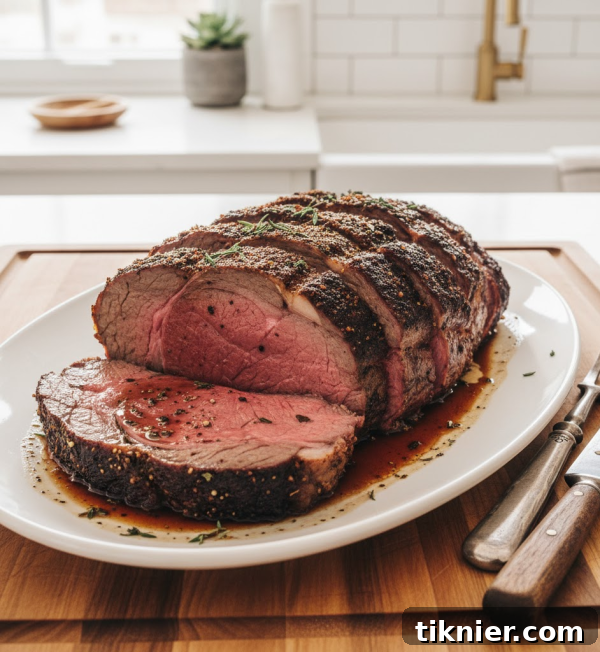
Description: A truly showstopping, perfectly cooked prime rib featuring an incredibly flavorful crust of fresh herbs, garlic, and the secret touch of smoked paprika and dark brown sugar. The reverse sear method guarantees a juicy, edge-to-edge perfection that’s both impressive and surprisingly simple to achieve.
Yield: 6-8 servings | Category: Main Course | Cuisine: American
Prep Time: 15 minutes (+ 2-4 hours dry brining at room temperature) | Cook Time: 3-4 hours (slow roast) + 10-15 minutes (final sear)
Ingredients
- 1 (3-bone) standing rib roast (prime rib), about 6-7 lbs (2.7-3.2 kg), fat cap trimmed to 1/4 inch
- 1/4 cup coarse kosher salt
- 2 tablespoons coarsely ground black pepper
- 1/4 cup olive oil
- 6 cloves garlic, minced
- 3 tablespoons fresh rosemary, finely chopped
- 2 tablespoons fresh thyme leaves, stripped from stems
- 1 tablespoon smoked paprika (important for flavor and color)
- 1 tablespoon packed dark brown sugar
Instructions
- Prepare & Dry Brine: Remove roast from refrigerator 2-4 hours before cooking. Pat thoroughly dry with paper towels. In a small bowl, mix kosher salt and black pepper. Rub this mixture generously over the entire roast. Let it sit uncovered at room temperature on a wire rack set over a baking sheet.
- Preheat Oven & Make Paste: Preheat oven to 225°F (107°C). In a separate small bowl, combine olive oil, minced garlic, chopped rosemary, thyme leaves, smoked paprika, and dark brown sugar. Stir until a thick, fragrant paste forms.
- Apply Rub & Begin Roasting: After the dry brine, slather the herb paste all over the prime rib. Place the roast, bone-side down, on the rack in your roasting pan. Insert a digital probe meat thermometer into the thickest part of the meat, avoiding bone. Place the pan in the preheated oven.
- Slow Roast: Roast until the internal temperature reaches 125°F (52°C) for medium-rare. This will typically take 3-4 hours. For medium, aim for 135°F (57°C).
- First Rest: Once the target temperature is reached, remove the pan from the oven. Tent the roast loosely with aluminum foil and let it rest for at least 30 minutes. This resting period is critical for juiciness.
- Final Sear: About 15 minutes before serving, increase oven temperature to its highest setting (500-550°F / 260-290°C). Remove the foil from the roast. Return the prime rib to the hot oven for 6-10 minutes, just until the crust is beautifully browned and sizzling. Watch carefully to prevent burning.
- Second Rest & Carve: Transfer the roast to a carving board and let it rest for another 10-15 minutes. To carve, slice the meat away from the bones in one piece, then slice the roast against the grain into desired thickness. Serve immediately with any pan juices.
Notes
A reliable digital probe meat thermometer is absolutely essential for achieving perfect results with this recipe. Always cook to the internal temperature, rather than strictly relying on cooking time, as ovens and roasts can vary.
Servings: 8 | Calories: 750 kcal | Fat: 55g | Carbohydrates: 2g | Protein: 60g
5 Essential FAQs About Crafting the Perfect Herb-Crusted Prime Rib
Here, I’ve compiled straightforward and comprehensive answers to the most frequently asked questions I receive about preparing this magnificent herb-crusted prime rib recipe. These insights will help ensure your success and confidence in the kitchen.
What is the absolute best way to cook an Herb-Crusted Prime Rib for consistent and even results?
The absolute best and most foolproof method to guarantee your herb-crusted prime rib is cooked evenly from edge to edge, with a consistent level of doneness throughout, is by utilizing the reverse sear method, which this recipe explicitly employs. Traditional roasting techniques, often involving an initial high-temperature sear followed by lower heat, frequently lead to an undesirable “bullseye” effect. This manifests as a noticeable ring of overcooked, grayish meat on the outer edges, surrounding a properly cooked center. This means a significant portion of that expensive, beautiful prime rib ends up less than perfectly tender and juicy.
In contrast, the reverse sear method works by slowly and gently bringing the entire roast up to your target internal temperature in a low oven, typically set around 225°F (107°C). This extended, low-temperature cooking allows the heat to penetrate the meat incredibly evenly, ensuring that the temperature in the center is nearly identical to the temperature closer to the surface. Once the roast achieves its ideal internal doneness, it’s removed and allowed a crucial resting period. The final, brief step involves a high-heat blast in a screaming hot oven (500-550°F / 260-290°C). This rapid sear serves one purpose: to create that irresistible, deeply browned, and crispy crust without any risk of overcooking the perfectly tender and juicy meat underneath. This method takes all the guesswork out of roasting and consistently delivers a superior, perfectly cooked, and utterly delicious result.
How much Herb-Crusted Prime Rib should I plan for per person when hosting?
Calculating the right amount of prime rib to purchase can feel a little daunting, especially given its premium price point. However, there’s a reliable rule of thumb to guide you. For a bone-in standing rib roast, like the one featured in this recipe, you should comfortably plan on approximately one-half pound (about 225 grams) of meat per person. Since each “bone” or “rib” segment typically weighs between one and a half to two pounds (0.7-0.9 kg), this means that one rib will generously serve about two to three guests. Therefore, a 3-bone roast, which usually weighs in the range of 6 to 7 pounds (2.7-3.2 kg), will comfortably feed approximately 6 to 8 guests with satisfying portions.
If you anticipate guests with particularly hearty appetites, or if you simply wish to guarantee ample leftovers (which, let’s be honest, are a treat in themselves!), you might consider slightly increasing that per-person amount. It’s almost always preferable to have a little too much than to run short of this magnificent centerpiece. When visiting your butcher, don’t hesitate to inform them of your guest count, and they will be expertly positioned to help you select the ideal size roast for your specific gathering, ensuring everyone enjoys a generous portion of your delicious herb-crusted prime rib.
Is it possible to prepare my Herb-Crusted Prime Rib ahead of time to ease holiday stress?
Absolutely, performing some of the preparation steps ahead of time is not only possible but highly recommended, especially when you’re hosting a large dinner or holiday celebration. It can be a significant lifesaver in managing your kitchen timeline. In fact, seasoning the roast a day or even two in advance can yield superior results. Applying the kosher salt and black pepper mixture up to 48 hours before you plan to cook acts as a “dry brine.” This process allows the salt to penetrate deeply into the meat, seasoning it more thoroughly than a last-minute application. More importantly, it helps the meat retain its natural moisture, resulting in a noticeably juicier and more flavorful final product. Simply season the roast, place it uncovered on a wire rack set over a baking sheet, and refrigerate it. The exposure to air will also help dry the surface, which contributes to a better sear.
You can also conveniently mix up the aromatic herb and garlic paste a day in advance. Prepare it as directed, then store it in an airtight container in the refrigerator until needed. However, I highly recommend waiting to apply the herb paste to the roast until the day of cooking, approximately two hours before you intend to place it in the oven. This allows the seasoned roast to come up to room temperature while the paste is applied, which is crucial for even cooking. By taking these few simple steps in advance, you significantly free up valuable time on the big day, allowing you to focus on your accompanying side dishes, manage other cooking tasks, and, most importantly, enjoy your guests without feeling rushed or overwhelmed.
Why might my Herb-Crusted Prime Rib turn out tough, and how can I prevent it?
Encountering a tough prime rib after all your effort can be incredibly disappointing, but thankfully, the common culprits behind toughness are entirely avoidable. The number one reason for a tough prime rib is almost always **overcooking**. Prime rib is inherently one of the most tender cuts of beef, but if it is cooked beyond medium doneness (roughly 140°F / 60°C final internal temperature), the muscle fibers will constrict excessively, forcing out much of the natural moisture. This results in meat that is dry, chewy, and far from the succulent experience you expect. This is precisely why investing in and diligently using a reliable digital meat thermometer is not just a suggestion but an absolute imperative for perfectly cooked prime rib; it eliminates all guesswork.
A second, equally critical reason for toughness is **insufficient resting time**. After the roast exits the oven, the meat’s juices are highly concentrated in the center. If you were to slice into it immediately, all that delicious, flavorful liquid would simply run out onto your cutting board, leaving the meat dry. It is absolutely essential to allow the roast to rest for a minimum of 20 to 30 minutes (after the slow roast, before the final sear), and then another 10 to 15 minutes after the high-heat sear, before carving. This prolonged resting period allows the muscle fibers to relax and, crucially, for the juices to redistribute evenly throughout the entire cut, ensuring every single bite is moist, tender, and incredibly flavorful. Finally, always make sure you are carving the roast **against the grain**. This shortens the muscle fibers, making the meat much easier and more tender to chew, enhancing the overall dining experience.
What internal temperature should my Herb-Crusted Prime Rib ideally be for different levels of doneness?
The internal temperature is the single most accurate and reliable indicator of doneness for a roast, making a quality digital probe thermometer your indispensable ally in the kitchen for this task. It’s also important to account for “carryover cooking,” a phenomenon where the internal temperature of the roast will continue to rise by a few degrees even after it’s removed from the oven, as residual heat distributes throughout the meat. My recipe specifically calls for removing the roast from the low oven at 125°F (52°C) during the initial slow-roasting phase, aiming for a perfect medium-rare finish after the resting periods and final high-heat sear.
Here is a helpful, detailed guide for the temperatures at which you should pull your prime rib from the oven during the initial slow-roasting phase. Remember, the final temperature after resting will typically be about 5 to 7 degrees Fahrenheit (2-4°C) higher than these initial pull temperatures:
- For Rare: Pull the roast from the oven when its internal temperature reaches 115-120°F (46-49°C). The final resting temperature will be approximately 120-125°F (49-52°C).
- For Medium-Rare: Pull the roast from the oven when its internal temperature reaches 125-130°F (52-54°C). The final resting temperature will be approximately 130-135°F (54-57°C).
- For Medium: Pull the roast from the oven when its internal temperature reaches 135-140°F (57-60°C). The final resting temperature will be approximately 140-145°F (60-63°C).
- For Medium-Well: Pull the roast from the oven when its internal temperature reaches 145-150°F (63-66°C). The final resting temperature will be approximately 150-155°F (66-68°C).
I strongly advise against cooking prime rib beyond medium doneness, as pushing it further can regrettably transform this magnificent cut of meat into something tough, dry, and less enjoyable. Always insert your thermometer into the thickest part of the roast, taking extreme care to avoid touching any bone, as bones conduct heat differently and can lead to an inaccurate reading.
Continue Your Culinary Journey: Discover More Delicious Recipes
If you’ve just delighted in creating and savoring this showstopping herb-crusted prime rib, then you already know my philosophy: every meal, whether it’s a grand holiday feast or a simple weeknight dinner, deserves to feel a little bit special. A truly exceptional main course always merits equally impressive company, and I’m here to ensure your entire menu is nothing short of spectacular. I’ve curated some of my other cherished recipe collections that I believe you’ll find just as inspiring and enjoyable.
Prime rib frequently takes center stage at holiday gatherings, and if you’re currently in the throes of planning your next festive event, you absolutely must explore my comprehensive guide to holiday cooking. It’s an invaluable resource brimming with everything you need – from tantalizing appetizers and hearty side dishes to decadent desserts – all designed to make your celebration memorable and effortlessly delicious. You’ll find an abundance of inspiration to perfectly round out your festive menu, ensuring every course is a hit.
And for all those days that aren’t holidays, when the quest for a delicious yet manageable dinner persists, this collection is tailor-made for you. If you’re seeking more crowd-pleasing main courses or simply fresh ideas to pull yourself out of a dinner rut, look no further. It’s packed with recipes that have been thoroughly tested, trusted, and passionately loved by my own family. I’m confident you’ll discover a new favorite that quickly becomes a regular in your meal rotation!
- More Holiday Favorites: My Ultimate Thanksgiving Dinner Ideas
- Over 100 Easy Dinner Ideas That Taste Great for Any Night
- Smart Meal Ideas & Budget-Friendly Recipes (Perfect for Utilizing Leftovers!)
I sincerely hope these collections continue to ignite your passion in the kitchen and assist you in creating many more wonderful meals and cherished memories with your beloved friends and family. Happy cooking, and bon appétit!