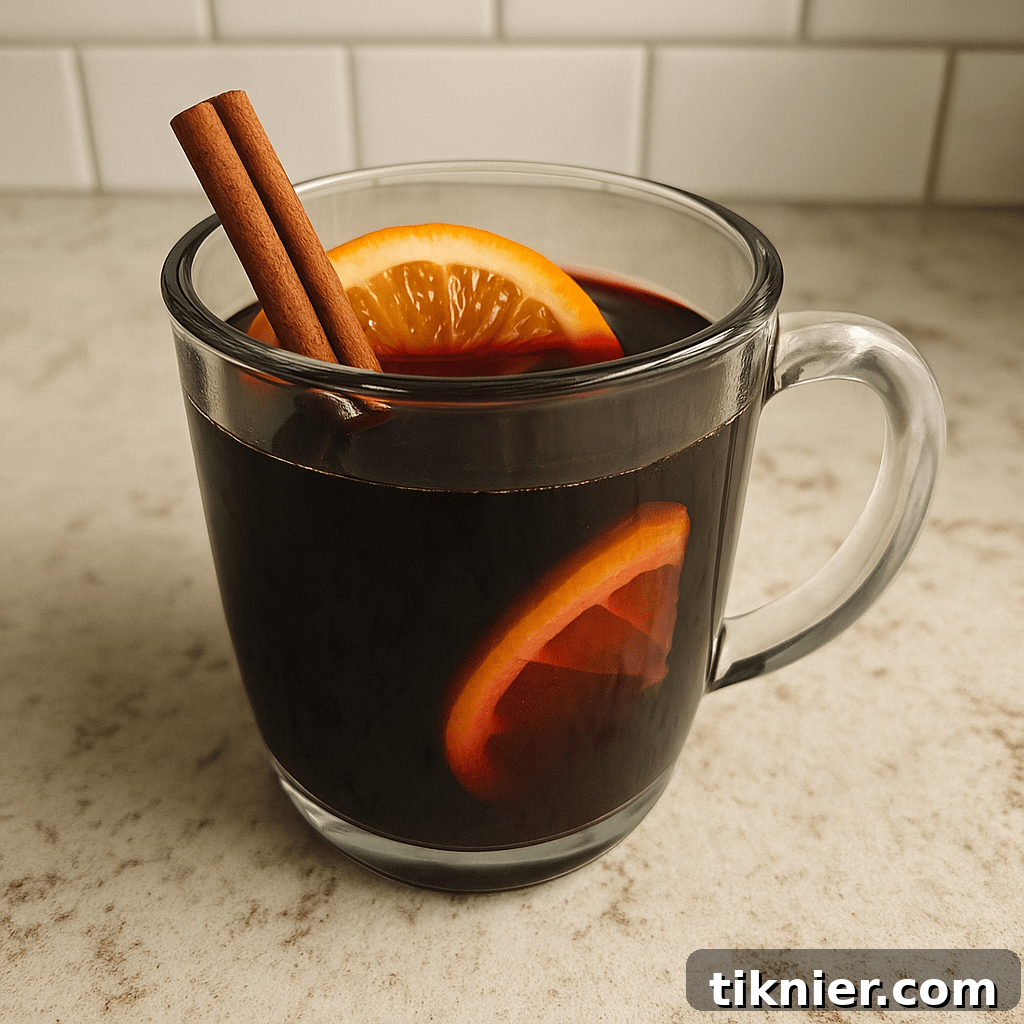
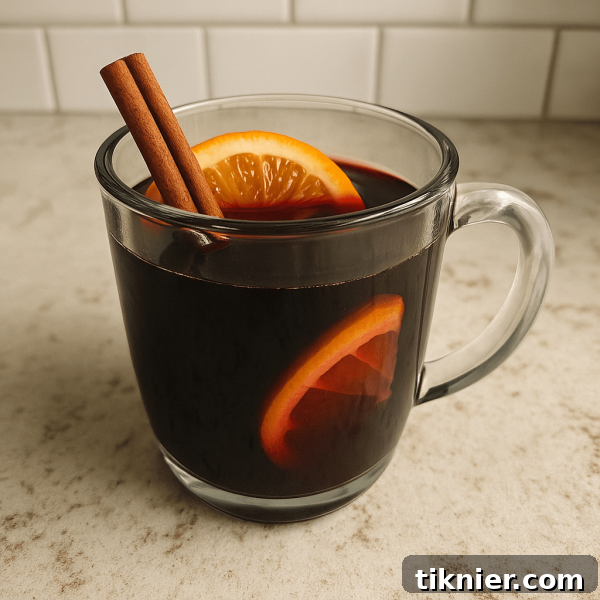
As the days grow shorter and a crisp chill fills the air, there’s truly nothing that encapsulates the spirit of the season quite like a warm, fragrant mug of homemade mulled wine. It’s more than just a drink; it’s an experience, a sensory journey that instantly transports you to cozy evenings by the fire, festive holiday markets, and joyful gatherings with loved ones.
I distinctly remember my first encounter with this classic winter warmer. My husband and I were exploring a charming outdoor holiday market, the air so cold and clear it seemed to sparkle. The irresistible aroma of cinnamon and cloves acted like an invisible thread, guiding us through the bustling crowds to a vendor who was expertly ladling a steaming, ruby-red liquid from a colossal, rustic pot. I took my first tentative sip, anticipating a magical burst of holiday cheer. But to my surprise, it was merely… pleasant. Warm and sweet, yes, but it lacked depth, tasting somewhat flat, almost like sweetened grape juice with a hint of spice. It was good, but I knew it could be extraordinary.
That moment sparked a mission. I returned to my kitchen, determined to elevate the humble spiced wine into something truly remarkable. I understood that the traditional spices were non-negotiable – cinnamon, cloves, and star anise are the foundational pillars of any great mulled wine. But I felt it needed a certain je ne sais quoi, a secret ingredient to make it sing, to give it that sophisticated edge. After several delightful experimental batches, I discovered it: a generous splash of Grand Marnier, added right at the very end of the simmering process.
This exquisite orange-scented cognac liqueur was the game-changer. It transformed a simple spiced wine into an elegant, complex beverage, brimming with bright, zesty citrus notes and a sophisticated warmth that lingered beautifully. But I didn’t stop there. I also introduced a few whole black peppercorns, a twist that might sound unconventional, but trust me, it’s genius. These aren’t meant to make your drink “peppery” in a savory sense; instead, they impart a subtle, spicy heat that warms you from the inside out, perfectly balancing the sweetness without being overpowering. This unique combination is the secret behind the best mulled wine recipe that now fills my home with the most enchanting aroma throughout the entire holiday season. It’s the festive drink my friends and family eagerly request year after year, and I’m thrilled to share it with you.
Skip to My Special Recipe!
Why This Mulled Wine Recipe Stands Out
Mulled wine isn’t merely a contemporary holiday indulgence; its rich history stretches back through centuries, weaving a fascinating tale of culinary tradition and cultural exchange. Its origins can be traced to ancient Rome, where Romans, known for their innovative culinary practices, would heat their wine with an assortment of spices during the harsh winter months. This practice served a dual purpose: it provided a much-needed source of warmth and also helped to preserve wine that might otherwise spoil, enhancing its flavor and making it more palatable. As the vast Roman Empire expanded across Europe, they brought their cherished tradition of spiced wine with them, introducing it to new regions and cultures.
Over the centuries, this tradition evolved, with different European cultures adding their unique local flair and readily available spices. It blossomed into a beloved custom, especially around the Christmas season, symbolizing warmth, community, and celebration. Today, the enchanting aroma of cinnamon, cloves, and warm wine is an undeniable fixture of European Christmas markets, an olfactory signature that instantly evokes the magic of the holidays for millions of people worldwide. Its enduring popularity is simple to understand: it’s profoundly comforting, wonderfully festive, and incredibly easy to prepare in large quantities, making it the quintessential beverage for entertaining guests during the colder months.
What truly distinguishes my signature mulled wine recipe from others is the meticulous attention to detail and a commitment to achieving a perfect balance of flavors. We aren’t simply tossing spices into wine; we are crafting a complex tapestry of warmth, aroma, and taste, building layers that delight the palate. The careful selection of a robust dry red wine provides a sturdy, flavorful base, ensuring the wine’s character isn’t lost amidst the spices. Pure maple syrup, with its deep, caramel-like notes, introduces a gentle and natural sweetness that offers far more complexity than plain refined sugar. But the true stars, the elements that elevate this recipe into an unforgettable experience, are the Grand Marnier and the whole black peppercorns.
The Grand Marnier infuses the drink with a bright, sophisticated orange essence perfectly complemented by the subtle undertones of cognac, lifting the entire flavor profile to an elegant new level. Meanwhile, the black peppercorns, my unexpected yet essential twist, contribute a delicate, lingering warmth on the back of the tongue that beautifully contrasts and complements the sweet, aromatic spices. This thoughtful combination transforms a straightforward festive drink into a truly memorable and sophisticated beverage that will have your guests asking for the recipe, making it the perfect holiday drink recipe for any celebration.
Essential Ingredients for the Best Mulled Wine
The beauty of this easy mulled wine recipe lies in its elegant simplicity and the quality of its components. While there’s no need to splurge on a top-shelf bottle of wine, selecting the right kind of ingredients will profoundly impact the final taste. Here’s a comprehensive breakdown of what you’ll need to create the most aromatic and flavorful mulled wine you’ve ever experienced, ensuring every sip is a delight.
- Dry Red Wine: You’ll need one (750 ml) bottle. For the ideal base, I highly recommend choosing a dry, fruity, and full-bodied red wine. Excellent choices include a Merlot, Cabernet Sauvignon, or a Zinfandel. These varietals possess sufficient structure and rich dark fruit notes to stand up to the robust spices without being overwhelmed. The key is to select a wine you genuinely enjoy drinking on its own, but remember, there’s absolutely no need to break the bank. A good, drinkable red in the $10-$15 range is usually perfect, as the nuances of an expensive bottle would be lost once mulled.
- Grand Marnier: 1/2 cup. This is unequivocally my secret ingredient! Grand Marnier is a premium orange-flavored liqueur that combines the complexity of cognac with the bright zest of bitter oranges. Its inclusion introduces an unparalleled layer of elegance, a vibrant citrus brightness, and a sophisticated warmth that simply cannot be replicated by brandy alone. It truly transforms this recipe from good to absolutely exceptional, making it a standout feature of my signature Grand Marnier mulled wine.
- Maple Syrup: 1/4 cup, or adjust up to 1/2 cup if you prefer a sweeter drink. I have a strong preference for pure maple syrup due to its rich, naturally complex, and caramel-like flavor, which harmonizes exquisitely with the warming spices. It provides a deeper, more nuanced sweetness compared to plain sugar. If maple syrup isn isn’t available, high-quality honey is an excellent alternative, offering a similar depth of flavor.
- Orange: 1 large naval orange, thinly sliced into rounds. Fresh citrus is indispensable. As the wine gently simmers, the orange slices infuse it with a wonderfully fragrant citrus aroma and a subtle tang that brightens the entire drink.
- Cinnamon Sticks: 4 whole sticks. It is crucial to use whole cinnamon sticks, not ground cinnamon! Ground spices will regrettably make your mulled wine cloudy, gritty, and can even contribute a slightly bitter flavor if over-steeped. Whole spices, on the other hand, infuse their rich, sweet, and woody flavor cleanly and beautifully into the liquid.
- Whole Cloves: 1 teaspoon. These are another non-negotiable warm spice, delivering a distinctive pungent, sweet, and intensely aromatic flavor that is a hallmark of classic mulled wine. Their deep, resonant notes are essential for that traditional holiday warmth.
- Star Anise: 2-3 whole pods. Not only are these visually striking as they float elegantly in the pot, but star anise also imparts a delicate, sweet licorice-like flavor. This subtle complexity adds an intriguing depth to the spice blend, making each sip more interesting.
- Whole Black Peppercorns: 1/2 teaspoon. This is my other ingenious little twist! Please don’t be apprehensive; it will not make your wine taste like a savory pepper sauce. Instead, the peppercorns contribute a very subtle, deep, and slightly tingling warmth that beautifully balances the sweetness of the maple syrup and the robustness of the wine. It’s that elusive “something special” that often makes people pause, take another sip, and ask, “What is in this? It’s absolutely amazing!” This small addition truly makes my homemade mulled wine unforgettable.
Step-by-Step Instructions For Making the Perfect Mulled Wine
Crafting this incredible spiced wine is remarkably straightforward, making it an ideal choice for both novice and experienced hosts. The most critical principle to remember is to approach it with a “low and slow” mindset. Your goal is to gently coax all those magnificent, complex flavors from the spices into the wine, rather than boiling them into submission, which can extract bitter notes and diminish the alcohol content. A heavy-bottomed pot or a sturdy Dutch oven is perfectly suited for this task, as its design ensures even heat distribution, preventing hot spots and scorching.
- Combine Most Ingredients: Begin by pouring the entire bottle of your chosen dry red wine into your large saucepan or Dutch oven. Next, add the pure maple syrup, the vibrant orange slices, the whole cinnamon sticks, fragrant whole cloves, exotic star anise pods, and the intriguing whole black peppercorns. Give all these beautiful ingredients a gentle stir to ensure they are well combined and submerged in the wine.
- Heat Gently and Patiently: Place your pot on the stove over medium-low heat. This is where the golden rule of mulled wine truly comes into play: never, under any circumstances, allow the wine to boil. Boiling not only causes the alcohol to evaporate rapidly but can also lead the spices and the pith of the orange to release harsh, bitter flavors, ruining the delicate balance. Instead, you want to bring the mixture to a gentle simmer. Look for subtle signs: steam will begin to rise gracefully from the surface, and tiny, gentle bubbles will form exclusively around the edges of the pot. This indicates the perfect temperature for infusing flavor without compromise.
- Allow the Flavors to Mingle and Deepen: Once your mulled wine reaches this gentle, steaming simmer, immediately reduce the heat to the absolute lowest possible setting. Now, let the magic happen. Allow it to gently infuse and simmer for at least 15-20 minutes. If you have the luxury of time, letting it gently simmer on low for an hour, or even longer (up to 2 hours), will dramatically enhance the depth and richness of the flavors, creating an even more profound and aromatic experience. As it simmers, your entire home will be enveloped in the most absolutely divine and inviting aroma – a true hallmark of the holiday season!
- Incorporate the Grand Marnier for its Signature Touch: Just a few moments before you are ready to serve your exquisite Grand Marnier mulled wine, turn off the heat completely. At this point, gently stir in the 1/2 cup of Grand Marnier. We add this special ingredient at the very end to preserve its delicate, bright orange flavor and ensure that its alcoholic content, which contributes to the drink’s warmth and body, doesn’t cook away. This timing is crucial for maximizing its sophisticated impact.
- Strain and Serve with Elegance: Place a fine-mesh sieve securely over a heatproof pitcher or directly over your individual serving mugs. Carefully and slowly ladle the hot mulled wine through the strainer. This essential step removes all the steeped spices and orange slices, ensuring every sip is perfectly smooth, clean, and pleasant. Garnish each mug as you desire (suggestions below!) and serve this enchanting winter warmer immediately, enjoying its comforting embrace.
The Art of Serving Mulled Wine
Serving homemade mulled wine is about much more than just pouring a drink; it’s an opportunity to embrace and enhance the inherent warmth and coziness of the season. The presentation itself becomes an integral part of the festive experience, transforming a simple evening into a memorable occasion. The choice of vessel is key, as you’ll need something robust enough to safely handle the heat. My personal preference leans towards elegant glass mugs that beautifully showcase the wine’s vibrant ruby color, allowing its rich hue to sparkle. However, any sturdy ceramic mug will serve perfectly well. Crucially, ensure your chosen mugs have handles, as the drink will be quite hot and handles provide comfort and safety.
Once you’ve carefully ladled the warm, perfectly strained wine into your mugs, the delightful ritual of garnishing begins. This small, thoughtful step elevates each glass, making it feel personalized, inviting, and truly festive. Here are some of my go-to garnishes that add both visual appeal and a fresh burst of aroma:
- A Fresh Orange Slice: You can choose to float a thin, vibrant whole orange round directly on the surface, or for a more delicate touch, a graceful half-moon slice perched on the rim. This not only adds a pop of color but also releases a delightful burst of fresh citrus aroma directly under your nose with every sip, enhancing the overall sensory experience.
- A Whole Cinnamon Stick: Placing a beautiful whole cinnamon stick directly into each mug not only looks incredibly charming and rustic but also serves a dual purpose. It functions as a convenient little stirrer and continues to subtly impart its sweet, woody scent, reinforcing the classic holiday aroma.
- An Elegant Twist of Orange Peel: For a touch of sophisticated flair, use a vegetable peeler to carefully create a long, slender strip of orange peel. Before dropping it into the mug, gently twist it over the drink to release its fragrant essential oils, infusing the air with a fresh, zesty perfume. This simple garnish adds an undeniably elegant visual touch.
- A Single Star Anise Pod: For a minimalist yet stunning garnish, gently float one whole star anise pod on the surface of the mulled wine. Its intricate, star-like shape is naturally decorative and subtly reinforces the exotic spice notes.
This Grand Marnier mulled wine is truly versatile and perfect for a myriad of chilly occasions. I adore having a large pot gently simmering on the stovetop during lively holiday parties, filling the entire house with an intoxicating aroma that greets guests with warmth. It’s equally perfect for a quiet, cozy night in, curled up by the fireplace with a good book, or as a welcoming gesture for friends returning after an invigorating afternoon spent raking leaves or enjoying other outdoor winter activities. It pairs wonderfully with a simple, elegant cheese and cracker board, delicate shortbread cookies, or a comforting slice of gingerbread. It truly is the ultimate Christmas mulled wine, promising comfort and joy in every cup.
How To Store & Thoughtfully Reuse Mulled Wine Leftovers
It’s a rare occurrence, but should you find yourself with any leftover homemade mulled wine, under no circumstances should you ever consider pouring it away! This liquid gold is just as, if not more, delicious the following day, and can even be cleverly repurposed in several imaginative and delightful ways. The secret to enjoying it again, or transforming it, lies in proper storage to meticulously preserve its exquisite flavor profile. The very first and crucial step is to allow the mulled wine to cool down completely to room temperature. It is paramount that it is fully cooled before transferring it to the refrigerator, as putting hot liquids directly into the fridge can impact its flavor and other food items.
Once your mulled wine has reached room temperature, you’ll want to carefully strain it. This step is incredibly important: if you leave the spices and orange slices submerged in the wine as it sits, especially in the cold environment of the refrigerator, they will continue to infuse. Over time, this prolonged contact can lead to the release of bitter compounds, resulting in an overly spiced or unpleasant taste. After straining, pour the beautifully clear, cooled wine into an airtight container – a glass bottle with a tight-fitting cork, a sturdy Mason jar, or any food-grade container with a secure lid works perfectly. Sealed tightly, it will maintain its wonderful flavors and keep beautifully in the refrigerator for up to three days, ready for your next cozy moment.
When you’re ready to indulge in your stored mulled wine once more, simply reheat it gently on the stovetop over low heat until it’s thoroughly warmed through. Always remember that golden rule: do not, repeat, do not let it boil! This preserves the nuanced flavors and alcohol content. While you can certainly reheat a single mug in the microwave, I find that the stovetop method provides a more even, gentle warmth, coaxing the aromas back to life more effectively.
But reheating isn’t your sole option! Here are a couple of my absolute favorite creative ways to ensure not a single drop of this festive beverage goes to waste:
- Craft a Luxurious Dessert Syrup: Transform your leftover mulled wine into an exquisite dessert sauce. Pour the remaining wine into a small saucepan and simmer it gently over medium heat. Allow it to reduce slowly by about half, until it thickens into a rich, glossy, and intensely flavorful syrup. This makes a phenomenal, sophisticated sauce to generously drizzle over creamy vanilla ice cream, a slice of moist pound cake, or even fluffy morning pancakes, adding a gourmet touch to any sweet treat.
- Poach Some Elegant Fruit: Pears are utterly divine when gently poached in leftover mulled wine. Simply peel a few firm but ripe pears, carefully place them in a pot with the cooled, strained mulled wine, and simmer gently until they become tender and infused with the wine’s aromatic flavors. This creates a simple yet incredibly elegant dessert that is sure to impress your guests with minimal effort, showcasing the versatility of your spiced wine.
Creative Substitutions & Delightful Variations for Mulled Wine
While I firmly believe that my Grand Marnier mulled wine recipe is absolutely perfect as it is, I also understand that culinary creativity often involves working with what’s readily available in your pantry or adapting to diverse tastes and dietary preferences. This particular mulled wine recipe is wonderfully forgiving and remarkably easy to customize. Think of it not as a rigid formula, but rather as an inspiring starting point for your very own perfect winter creation. You can have immense fun experimenting with different elements to truly make it your signature drink, tailored to any occasion or guest.
Here are several thoughtful substitutions and exciting variations you can confidently try, ensuring your mulled wine experience is always fresh and exciting:
- For a Non-Alcoholic Version (or “Mulled Cider”): This is an excellent, inclusive option for family-friendly parties, gatherings with children, or guests who prefer not to consume alcohol. Simply replace the red wine with an equal amount of high-quality, unsweetened apple cider, robust cranberry juice, or rich pomegranate juice. Follow all the same instructions for simmering with the spices and orange slices. The result is a wonderfully festive and equally delicious non-alcoholic mulled drink that everyone can enjoy, embodying all the traditional warmth and spice.
- Experiment with a Different Liqueur: If Grand Marnier isn’t on hand, don’t despair! You can effectively substitute it with regular brandy, which offers a classic, warm, and slightly fruity depth. Cointreau, another superb orange liqueur, provides a similar bright citrus note. For a distinctly different flavor profile, consider adding a good quality spiced rum, which will introduce hints of vanilla, caramel, and a bolder, more robust warmth. Each substitution offers a unique twist on the classic.
- Swap the Sweetener to Taste: No maple syrup in the cupboard? Absolutely no problem. You can easily use honey for a floral and nuanced sweetness, rich brown sugar for a deeper, molasses-like flavor, or even agave nectar for a more neutral sweetness. Just remember to adjust the amount to your desired level of sweetness, as the intensity of different sweeteners can vary significantly.
- Play with the Spice Palette: Feel empowered to introduce other whole spices into the mix, expanding the aromatic complexity. A few green cardamom pods can add a bright, exotic, and slightly herbaceous note. Several thin slices of fresh ginger will impart a lovely, zesty warmth and a subtle spicy kick. For a luxurious and comforting aroma, a split vanilla bean is an exquisite addition, infusing creamy, sweet undertones. These additions allow you to craft a truly unique and personalized mulled wine variation.
- Dare to Make it a White Mulled Wine: For a lighter, brighter, and more refreshing version, switch from red wine to a dry or off-dry white wine. Excellent choices include a crisp Riesling, a vibrant Pinot Grigio, or an aromatic Sauvignon Blanc. When opting for white wine, lemon slices typically pair more beautifully than orange, offering a zesty counterpoint. You might also want to consider adding a vanilla bean or some fresh ginger to the spice mix, as these often complement the lighter notes of white wine exceptionally well, creating a surprisingly different yet equally delightful white mulled wine recipe.
Julie’s Signature Grand Marnier Mulled Wine
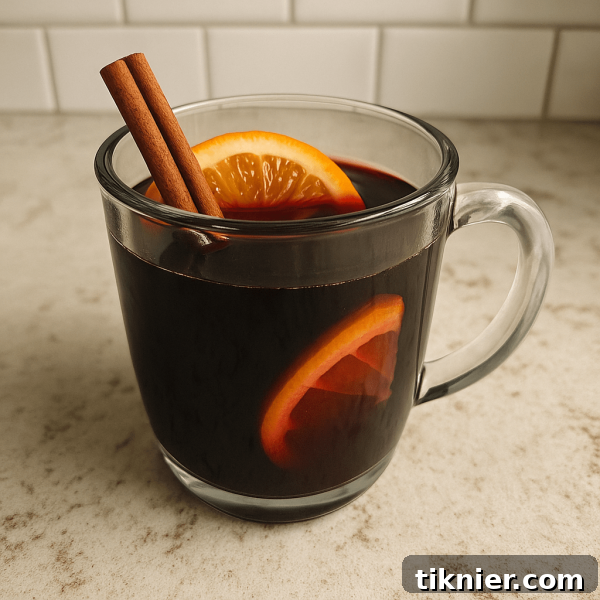
Description: A classic mulled wine recipe elevated with a sophisticated twist. The strategic addition of Grand Marnier and a hint of whole black peppercorns creates an exquisitely warm, aromatic, and deeply flavorful holiday beverage that is truly unforgettable.
Yield: 6 servings | Category: Beverage | Cuisine: European
Prep Time: 5 minutes | Cook Time: 20 minutes
Ingredients
- 1 (750 ml) bottle dry red wine (such as Merlot or Cabernet Sauvignon)
- 1/2 cup Grand Marnier
- 1/4 cup pure maple syrup (or up to 1/2 cup for sweeter)
- 1 large orange, thinly sliced
- 4 whole cinnamon sticks
- 1 tsp whole cloves
- 2-3 whole star anise pods
- 1/2 tsp whole black peppercorns
Instructions
- In a large saucepan or Dutch oven, combine the red wine, maple syrup, orange slices, cinnamon sticks, whole cloves, star anise, and peppercorns. Stir gently to combine.
- Heat the mixture over medium-low heat until it begins to steam and small bubbles form solely around the edges of the pot. It is crucial not to let the wine come to a rolling boil.
- Once steaming, reduce the heat to the lowest possible setting and let it gently simmer for at least 15-20 minutes to allow all the wonderful flavors to meld and infuse deeply.
- Just before you are ready to serve, turn off the heat completely and stir in the 1/2 cup of Grand Marnier.
- Carefully strain the mulled wine through a fine-mesh sieve to remove all the spices and orange slices. Serve hot in heatproof mugs, garnished with a fresh orange slice or an extra cinnamon stick.
Notes
For an even richer and more profound flavor, you can allow the wine to simmer on the lowest heat setting for an extended period, up to 2 hours. Just be absolutely certain that it never boils. Remember to always add the Grand Marnier right at the very end, just before serving, to preserve its delicate flavor and alcohol content.
Servings: 6 | Calories: 195kcal | Fat: 0.1g | Carbohydrates: 15g | Protein: 0.2g
5 Essential FAQs About Crafting the Perfect Mulled Wine
Here are some clear, comprehensive, and straightforward answers to the most frequently asked questions I receive about this Grand Marnier mulled wine recipe, designed to help you achieve mulled wine perfection every single time.
1. What is the absolute best red wine for making mulled wine?
This is arguably the most common question I encounter, and it’s a fantastic one, as your wine choice truly lays the foundational flavor for the entire drink. When selecting a red wine for mulling, you want to focus on characteristics that are dry, fruit-forward, and possess a good, robust body. This ensures the wine can confidently stand up to the powerful aromatics of all those wonderful spices without its delicate flavors getting completely lost. My top recommendations include a Merlot, a Zinfandel, or a Cabernet Sauvignon. These particular varietals typically boast dark fruit notes like ripe cherry and plum, which complement the warmth of cinnamon and cloves in a truly harmonious way.
Equally important is knowing which wines to thoughtfully avoid. Steer clear of very light-bodied, delicate wines such as a Pinot Noir, as their subtle nuances will be utterly overwhelmed by the intense spices. Furthermore, there’s absolutely no need to invest in an expensive, complex bottle of wine. Since you’re infusing so many other vibrant flavors, the intricate and nuanced notes of a pricey vintage will simply be masked. Save that special, high-end bottle for savoring on its own! A practical rule of thumb is to choose a bottle that you would genuinely enjoy drinking by itself, typically something in the accessible $10-$15 range is the perfect sweet spot for value and flavor, making for excellent mulled wine wine selection.
2. Can I make mulled wine using a slow cooker?
Absolutely, yes! Utilizing a slow cooker is hands down my preferred method for preparing mulled wine for a party. It offers a fantastic, incredibly hands-off approach that consistently maintains the wine at the ideal warm temperature for extended periods, completely eliminating any risk of it inadvertently boiling on the stovetop. An added bonus is that it allows your entire house to be permeated with the most incredible, welcoming aroma as your guests arrive, which is truly the epitome of festive hospitality and creates an inviting atmosphere.
To implement this method, simply combine all of the ingredients – with the crucial exception of the Grand Marnier – directly into your slow cooker. Give everything a gentle stir to ensure even distribution, then secure the lid and set your slow cooker to the LOW setting for approximately 1 to 2 hours. This generous timeframe provides ample opportunity for the spices to beautifully infuse the wine, developing deep and complex flavors. After the initial simmering period, you can safely switch the setting to “Keep Warm,” allowing your guests the freedom to serve themselves throughout the evening at their leisure. Just remember, as with the stovetop method, to stir in the Grand Marnier at the very end, right before you intend to begin serving, to preserve its delicate notes and alcoholic content, making it perfect slow cooker mulled wine.
3. Why did my mulled wine turn out bitter?
There’s nothing quite as disheartening as anticipating a warm, comforting mug of mulled wine only to be met with a bitter taste. This unfortunate outcome is almost always attributable to one of two primary factors: excessive heat or prolonged steeping time. The most prevalent culprit is allowing the wine to boil. When wine is subjected to excessively high temperatures, the alcohol rapidly begins to cook off, and the naturally occurring tannins within the wine can become harsh and unpleasantly bitter. Moreover, the spices themselves, particularly the cloves and the white pith from the orange slices, are prone to releasing bitter compounds when boiled vigorously. This is precisely why I consistently emphasize the importance of maintaining a gentle, steaming simmer and strictly avoiding a rolling boil.
The second common reason for bitterness can be attributed to leaving the spices to steep for an excessively long duration, especially after the wine has cooled. If you prepare a batch of mulled wine and intend to store any leftovers in the refrigerator, it is absolutely imperative that you strain out all of the spices and fruit slices beforehand. If they remain submerged in the cold liquid for a day or two, they will continue to release flavor, but it’s often the more astringent, tannic, and bitter notes that become pronounced over extended periods. Therefore, to ensure a consistently perfectly balanced and delicious mulled wine every time, remember these key steps: simmer gently and always strain thoroughly before storing.
4. How can I make a delicious non-alcoholic mulled wine?
Crafting a non-alcoholic version of mulled wine is wonderfully straightforward and yields a drink that is every bit as flavorful and festive as its alcoholic counterpart. This makes it an incredibly inclusive and delightful option for any gathering, ensuring everyone can partake in the seasonal joy. The preparation process remains virtually identical; you simply need to substitute the red wine with a robustly flavorful, non-alcoholic base. My personal favorite base is a high-quality, unfiltered apple cider. Its inherent natural sweetness and complementary spice notes create an absolutely perfect marriage with the traditional mulling spices, resulting in a rich and comforting beverage.
Alternatively, you can achieve a beautiful and delicious non-alcoholic mulled wine by using a combination of juices. A blend of tart cranberry juice and deep pomegranate juice, for instance, not only creates a stunning, vibrant red color reminiscent of red wine but also offers a lovely tart flavor that mimics the complexity of wine quite well. Simply combine your chosen juice or cider with all the aromatic spices and the fresh orange slices in a pot, and then simmer gently, exactly as you would with the wine version. Since there’s no alcohol to worry about burning off, you don’t have to be quite as concerned about accidental boiling, though a gentle simmer is still highly recommended for optimal flavor infusion. The result is a wonderfully festive, aromatic, and cozy treat that everyone, regardless of age or preference, can thoroughly enjoy.
5. Can I prepare mulled wine ahead of time for a party?
Yes, absolutely, and I wholeheartedly recommend it! Preparing your homemade mulled wine in advance is a brilliant strategy for alleviating some of the common pressures associated with hosting. This foresight allows all those gorgeous, complex flavors to meld and deepen overnight, often resulting in an even more harmonious and profound taste experience. Furthermore, it means you have one less thing to meticulously worry about in the frantic final hours leading up to your guests’ arrival, freeing you to focus on other preparations or simply enjoying the moment. It truly is a hostess’s best friend, especially during the often-hectic holiday season.
To prepare ahead, simply follow the full recipe a day in advance. Allow the mixture to simmer on the stovetop for at least 30 minutes to an hour, ensuring a good infusion of flavors, but crucially, hold off on adding the Grand Marnier at this stage. Once the simmering is complete, allow the wine to cool down completely to room temperature. After it’s cooled, strain out all the spices and orange slices – this is a critical step to prevent bitterness from prolonged steeping. Pour the beautifully strained wine into an airtight container and store it securely in the refrigerator. When your party is about to commence, you can gently reheat the prepared wine on the stovetop over low heat until it’s warmed through, or for a more convenient hands-off approach, pour it into a slow cooker set to “Low” or “Keep Warm.” Once it has reached your desired warm temperature, stir in the Grand Marnier, and your effortless, fragrant drink is ready to serve. It’s an elegant and stress-free way to greet your guests with a warm, inviting, and truly unforgettable beverage.
Explore More Comforting Recipes Next
If you thoroughly enjoyed the warm, comforting embrace and festive spirit delivered by a mug of this special Grand Marnier mulled wine, then I am confident you will absolutely adore some of the other delightful and comforting recipes I’ve carefully curated here on the site. There’s immense joy to be found in crafting something truly special for your family and friends, whether it’s for a grand holiday get-together, a relaxed weekend brunch, or a simple, nourishing weeknight meal.
As the weather outside begins to turn cool and crisp, my kitchen instinctively transitions into full-on comfort mode. I find immense satisfaction in filling the house with wonderful, inviting aromas and preparing dishes that naturally draw everyone to the table, fostering connection and warmth. Here are a few curated collections of my favorite recipes that I sincerely hope you’ll love exploring and trying next, each designed to bring warmth and flavor to your home.
- Crowd-Pleasing Thanksgiving Dinner Ideas: If you’re in the mood for spectacular festive entertaining and need inspiration for a grand meal, this comprehensive collection offers everything you could possibly need to plan and execute the perfect holiday feast, from the succulent turkey to a myriad of delicious sides and delectable desserts.
- Cozy and Easy Breakfast Recipes: There truly is nothing quite as delightful or comforting as waking up to a warm, delicious breakfast on a chilly morning, especially during the bustling holiday season. Discover some new family favorites right here that promise to start your day with comfort and joy.
- 110 Easy Dinner Ideas That Taste Great: For those evenings when you crave a comforting, home-cooked meal but want to avoid all the fuss and complexity, this extensive list of incredibly easy dinner recipes has got you thoroughly covered, ensuring deliciousness with minimal effort.