Transforming Thrift Store Finds: A DIY Journey to Beautiful Bedroom Nightstands
For quite some time, I had been on an exhaustive quest to find the perfect pair of side tables for our master bedroom. My search took me through countless furniture stores, the bustling aisles of discount outlets, numerous yard sales filled with hidden gems, and even the digital classifieds of Craigslist. Despite my diligent efforts, nothing truly captured my imagination or seemed worth the investment. I wanted something unique, something with character, but without breaking the bank. The idea of settling for mass-produced, bland furniture was simply unappealing when I knew the potential for a personalized touch existed.
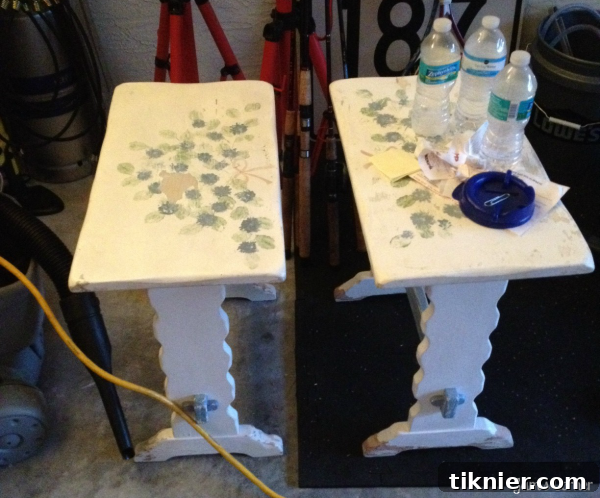
Then, serendipity struck. One unassuming afternoon, I decided to browse a local thrift store – a treasure trove often overlooked, yet ripe with possibilities for the discerning eye. Tucked away in a dusty corner, almost as if waiting specifically for me, were two small side tables. They were far from beautiful, clearly showing their age and years of neglect, screaming for a complete overhaul. Yet, beneath their worn veneer and chipped paint, I saw immense potential. They had the right proportions, a sturdy build, and an undeniable charm waiting to be unearthed. The best part? The price tag was a steal: a mere $15 for both. It was an offer I simply couldn’t refuse, marking the beginning of an exciting DIY furniture flip project.
Preparing for the Transformation: Tools, Techniques, and Tenacity
With my new (old) side tables safely home, the real work began. My initial thought was to use paint thinner, hoping for a quick and easy removal of the existing layers of old, tired paint. I quickly learned that this approach was futile; the paint was stubborn, refusing to budge with anything less than industrial-strength solvents, which I wasn’t keen on using indoors. This setback prompted a strategic shift in my plan. It was clear I needed more robust tools for the job, especially considering I had several other furniture redo projects lingering in the back of my mind. So, off to the hardware store I went, making a wise investment in an electric sander.
The Indispensable Electric Sander: A Game Changer
Acquiring an electric sander proved to be one of the best decisions for this project and countless future endeavors. While the initial investment might seem significant for a single piece, its efficiency and power make it an invaluable tool for anyone serious about furniture restoration. Armed with my new sander, I eagerly started on the first table. The process was, as expected, incredibly messy! Layers upon layers of old paint, dust, and grime filled the air. This experience quickly taught me a crucial lesson: always perform sanding tasks outdoors or in a very well-ventilated area.
If working outdoors isn’t an option, ensure you have a powerful fan strategically placed to blow dust away from your workspace, ideally towards an open door or window. Wearing a respirator mask is non-negotiable for protecting your lungs from fine dust particles. Eye protection is equally important. After what felt like an intense sanding session – approximately 30 minutes, perhaps even an hour, of dedicated effort – I successfully stripped away the multiple, stubborn layers of paint that adorned the first table. The satisfaction of revealing the raw wood beneath was immense, a testament to patience and persistence. (The second table awaited its turn, but the first was well on its way to a new life.)
Priming for Perfection: The Foundation of a Flawless Finish
Once the sanding was complete and the table was thoroughly cleaned of any dust or debris, the next critical step was priming. Many DIY enthusiasts might be tempted to skip this stage, but priming is fundamental to achieving a professional and long-lasting finish. I chose Rust-Oleum Painter’s Touch Primer, a product renowned for its excellent adhesion and ability to create a smooth, uniform base. Primer serves several vital functions:
- Enhanced Adhesion: It creates a surface that allows the topcoat paint to bond more effectively, preventing peeling and chipping down the line.
- Stain Blocking: For older pieces, primer acts as a barrier, preventing any previous stains, wood tannins, or bleed-through from showing through the new paint color.
- Uniform Color: It provides a consistent, neutral canvas, ensuring that your chosen topcoat color appears true and vibrant, without any interference from the underlying wood or old paint remnants.
- Smoother Finish: Primer helps to fill in minor imperfections and creates a remarkably smooth surface for subsequent paint layers, crucial for a high-quality result.
Applying the primer requires care. I ensured an even, thin coat, allowing ample drying time as specified on the product instructions before proceeding to the next stage. This meticulous preparation lays the groundwork for a truly stunning transformation.
The Art of Color: Spray Painting and Personalizing Your Piece
With the primer dry and the table meticulously prepped, it was time for the exciting part: adding color! I initially considered using chalk paint, known for its matte finish and ease of distressing. However, after much deliberation, I opted for spray paint. My decision was primarily driven by the specific color palette I envisioned for our bedroom. I found a spray paint color that resonated perfectly with the existing decor, offering a modern yet soothing vibe. Plus, my boyfriend, whose input I always value, also preferred this shade over the Duck Egg blue I had been leaning towards. We settled on Krylon Bahama Breeze – a truly delightful and refreshing shade that promised to bring a touch of coastal serenity to our bedroom space.
Mastering Spray Paint for a Professional Look
Spray painting, while seemingly straightforward, benefits from a few key techniques to achieve a smooth, professional finish:
- Preparation is Key: Ensure your workspace is protected with drop cloths or old newspapers to prevent overspray.
- Even Coats: The secret to avoiding drips and achieving uniform coverage is to apply multiple thin coats rather than one thick one. Hold the can approximately 8-12 inches away from the surface and use steady, sweeping motions, slightly overlapping each pass.
- Patience Between Coats: Allow adequate drying time between each coat. Rushing this step can lead to uneven finishes, bubbling, or a sticky surface.
- Work in Good Ventilation: Always spray paint in a well-ventilated area, preferably outdoors, and wear a respirator mask to avoid inhaling fumes.
Once the Krylon Bahama Breeze paint had thoroughly dried, I moved on to adding a touch of character through distressing. This technique is fantastic for giving furniture a gently aged, vintage, or shabby-chic appearance, making a brand-new finish feel like it has a story to tell.
Adding Character: The Art of Distressing
Distressing is a simple yet effective way to add depth and personality to a painted piece. It involves lightly sanding specific areas to reveal the underlying wood or primer, mimicking natural wear and tear. I focused on the edges, corners, and any raised details where furniture would naturally show signs of age. Using fine-grit sandpaper, I gently rubbed these areas until just a hint of the previous layers or the raw wood peeked through. The goal isn’t to create large, obvious scrapes, but rather subtle, soft wear marks that suggest years of gentle use.
After achieving the desired distressed look, the final and crucial step was to apply a protective clear coat. This layer is non-negotiable for durability and longevity. I opted for a satin clear coat finish. A satin finish offers a beautiful, subtle sheen that’s neither too glossy nor too matte, providing excellent protection without altering the aesthetic of the paint or the distressed details. It helps guard against scratches, spills, and general wear and tear, ensuring that my newly transformed side table will remain beautiful for years to come. I applied this topcoat with the same careful, even strokes, allowing it to cure completely before the table was ready for its grand debut.
The Unveiling: From Drab to Delightful
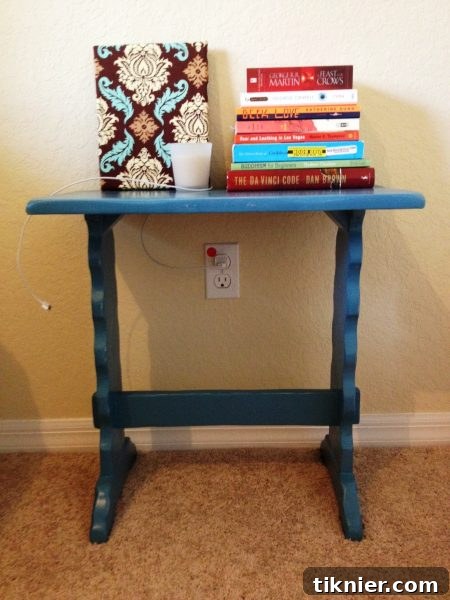
The transformation of the first side table was nothing short of astonishing. What began as a neglected, fifteen-dollar thrift store castoff now stood as a chic, bespoke piece of furniture, perfectly aligned with our bedroom’s aesthetic. The Bahama Breeze color brought a fresh, airy feel, while the subtle distressing added just the right amount of character and warmth. The satin clear coat not only protected the finish but also gave it a soft, inviting glow.
It was incredibly rewarding to see the vision come to life, knowing that my own hands had brought this piece back from obscurity. This project truly reinforced the belief that with a little imagination, effort, and the right tools, overlooked items can be reborn into cherished parts of your home decor.
Looking Ahead: Completing the Pair and Future Flips
With the first table successfully completed and standing proudly in our master bedroom, my motivation to tackle the second table is at an all-time high. I plan to dedicate this upcoming weekend to sanding, priming, painting, and finishing the second side table, ensuring a perfectly matched pair. The process will be smoother now, armed with the experience and lessons learned from the first one.
This DIY journey has not only provided us with beautiful, functional nightstands on a budget but has also reignited my passion for upcycling and furniture restoration. It’s a powerful reminder that uniqueness doesn’t always come with a hefty price tag; sometimes, it just requires a keen eye, a bit of elbow grease, and a willingness to get creative. I’m already envisioning other pieces in our home that could benefit from a similar transformation, and my electric sander is certainly going to get a lot more use!