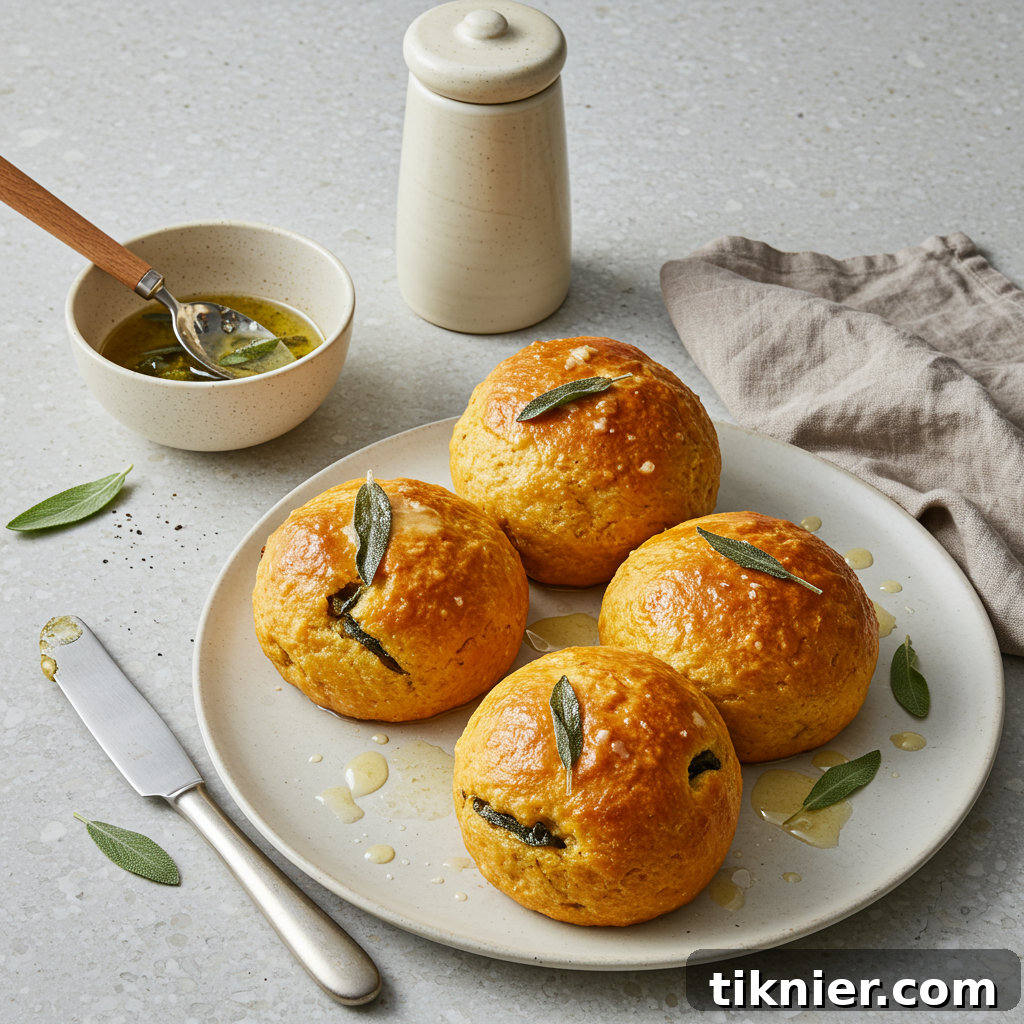
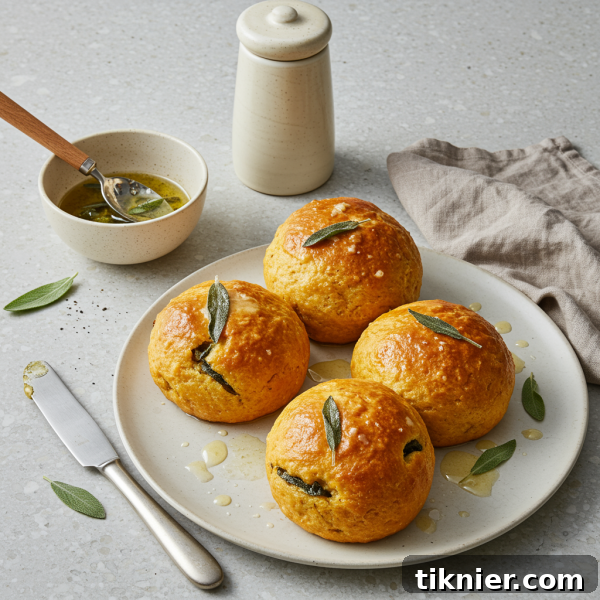
Irresistible Brown Butter & Sage Sweet Potato Rolls: Your New Favorite Dinner Roll Recipe
Prepare yourself for the softest, most flavorful dinner rolls you will ever have the pleasure of baking – these magnificent Brown Butter & Sage Sweet Potato Rolls. Forget everything you thought you knew about humble dinner rolls; this recipe elevates them to an unforgettable culinary experience, blending rustic comfort with sophisticated flavors.
My journey to perfecting these rolls began years ago, at a simple church potluck. A delightful older woman, Mrs. Gable, brought sweet potato rolls that were undeniably good – wonderfully soft, boasting a beautiful orange hue. They were a taste of home, a hug in bread form. But in my kitchen, “good” is merely the starting point for greatness. I knew I could take that beloved classic and infuse it with a little something extra, a unique twist that would make eyes widen and taste buds sing with the very first bite.
My culinary imagination immediately drifted to the vibrant flavors of autumn, a season I deeply adore. I envisioned the mesmerizing transformation of butter gently browning in a saucepan, its nutty, intoxicating aroma filling the air, promising to enrich anything it touched. Then, my thoughts turned to the silvery-green leaves of fresh sage from my herb garden – earthy, savory, and brimming with aromatic oils. What if these two quintessential fall elements could unite with the natural, comforting sweetness of a mashed sweet potato? The idea was a revelation.
And oh, honey, the result was nothing short of pure magic. The brown butter imparts an incredible depth and richness, a toasted, caramel-like note that perfectly harmonizes with the inherent sweetness of the sweet potato. The fragrant, slightly peppery sage gracefully cuts through that sweetness, introducing a sophisticated savory balance that makes these rolls as ideal alongside a grand Thanksgiving turkey as they are with a simple, comforting weeknight soup. These aren’t just mere dinner rolls; they are a celebration of flavor, a testament to the power of thoughtful ingredients, and an experience you’ll want to recreate again and again.
Skip to My Special Recipe!
Why This Brown Butter & Sage Sweet Potato Roll Recipe Is a Must-Try
Sweet potato rolls have long been a cherished staple on Southern tables, particularly during the festive holiday season. Their popularity is well-deserved and rooted in both tradition and exceptional flavor. The sweet potato itself is a powerhouse ingredient in baking, contributing not only a beautiful, inviting warm color but also natural sweetness and an incredible amount of moisture. This inherent moisture is the secret to a roll that remains exquisitely pillowy soft for days, far outlasting other dinner rolls that often turn dry and stale too quickly. It’s this natural humectant quality that ensures a tender crumb.
While honoring this rich tradition, this recipe takes that simple, sweet bread to an elevated level, transforming it into a truly memorable savory bake with a delightful hint of sweetness. The magic, as always, lies in the carefully considered details and the subtle culinary science behind their combination. It all begins with the transformative process of brown butter, also known as beurre noisette. When unsalted butter is gently heated, the milk solids separate, sink to the bottom of the pan, and toast to a beautiful golden-brown. This Maillard reaction creates an intensely complex, nutty, and almost caramel-like flavor profile that is utterly distinct and superior to regular melted butter. It adds an unparalleled layer of sophistication and richness that is absolutely irresistible.
Then comes the star herb: fresh sage. Infusing the butter as it browns allows the sage’s earthy, slightly peppery, and highly aromatic oils to gently release and meld into the warm, nutty fat. This strategic infusion of a savory herb provides the perfect counterpoint to the natural sweetness from the sweet potato and the granulated sugar in the dough. This creates a remarkable balance, preventing the rolls from being one-note or overly sweet, instead offering a harmonious blend of sweet and savory. Finally, a delicate sprinkle of flaky sea salt on top, applied immediately after baking, serves multiple purposes. It doesn’t just add a touch of elegant visual appeal; it provides a tiny, delightful crunch and a final pop of flavor that brightens and accentuates all the other ingredients. This isn’t merely a recipe; it’s a meticulously crafted symphony of flavors and textures designed to work in perfect harmony, creating a truly exceptional roll.
Essential Ingredients for the Best Sweet Potato Rolls
The unparalleled success and exquisite flavor of these brown butter and sage sweet potato rolls hinge on a selection of simple, yet high-quality ingredients working in concert. While the ingredient list might appear fairly standard at first glance, the specific preparation of a couple of key items is precisely what makes all the difference in achieving their signature taste and texture. Here is everything you will need to gather before you begin this delightful baking adventure:
- 1 large sweet potato (approximately 12 oz.), freshly baked until tender and peeled
- 6 tablespoons unsalted butter, ideally a good quality European-style butter for browning
- 1 tablespoon fresh sage, very finely chopped (dried sage is not recommended here)
- 1/2 cup whole milk, warmed gently to a precise 110°F (check with a thermometer)
- 1/4 cup granulated sugar
- 2 1/4 teaspoons active dry yeast (equivalent to 1 standard packet, ensure it’s fresh)
- 2 large eggs, lightly beaten and brought to room temperature
- 1 1/2 teaspoons fine sea salt (not table salt)
- 4 to 4 1/2 cups all-purpose flour, plus a little extra for dusting your work surface
- 2 tablespoons unsalted butter, melted, for brushing the rolls before baking
- Flaky sea salt, for a beautiful and flavorful finishing sprinkle
The true stars, the innovative twist that will undoubtedly have your guests begging for the recipe, are the combination of brown butter and fresh sage. It is absolutely crucial to use fresh sage for this recipe. Dried sage possesses a completely different, much more muted, and less vibrant flavor profile that simply will not deliver the aromatic, earthy quality we are striving for. When browning the butter, opting for a high-quality unsalted butter, such as a European-style variety with a higher fat content, will yield more of those prized, nutty brown milk solids, translating directly into more profound flavor.
For the sweet potato component, baking it yourself from scratch, rather than relying on canned puree, makes a monumental difference. When a sweet potato is baked whole, its natural sugars undergo caramelization and concentration, resulting in a much deeper, richer, and more complex flavor. Just remember to allow the mashed sweet potato to cool to lukewarm before incorporating it into your dough mixture; any excess heat could unfortunately harm the delicate yeast. The use of whole milk also significantly contributes to the richness and tender structure of the dough, ensuring that wonderfully soft and addictive crumb that defines these exceptional sweet potato rolls.
Step-by-Step Instructions for Crafting Perfect Sweet Potato Rolls
Embarking on making yeast dough from scratch might initially seem a bit daunting, but I assure you, this recipe is remarkably straightforward, incredibly rewarding, and an absolute joy to bake. Just follow along with these detailed steps, and you’ll soon have a pan of beautiful, golden-brown rolls filling your kitchen with an irresistible aroma. The scent alone is worth every moment!
Step 1: Prepare Your Sweet Potato Perfectly
First and foremost, let’s get our star ingredient ready. You’ll want your large sweet potato baked until incredibly tender and then peeled. The simplest method is to prick the potato a few times with a fork to allow steam to escape, then bake it in a preheated oven at 400°F (200°C) for approximately 45 to 60 minutes, or until it yields easily when squeezed. Once it’s cool enough to handle comfortably, carefully peel away the skin and mash the vibrant orange flesh until it is entirely smooth and free of lumps. If you own a potato ricer, this is its moment to shine, as it guarantees a perfectly smooth, string-free mash. Accurately measure out precisely one cup of this luscious mash and set it aside, allowing it to cool down to a lukewarm temperature.
Step 2: Create the Signature Brown Butter and Sage Mixture
This is truly where the magic begins and where our rolls get their signature depth of flavor. In a small, light-colored saucepan – the light interior is key for observing the color change – melt your 6 tablespoons of unsalted butter over medium heat. Once the butter is fully melted, add the finely chopped fresh sage. Continue to cook, gently swirling the pan every so often. You’ll first notice the butter foaming vigorously, and then that foam will gradually subside. Listen closely for the sputtering sound to quiet down, and vigilantly watch for tiny, fragrant, golden-brown specks to form and settle at the bottom of the pan. Your entire kitchen will begin to fill with a wonderfully nutty, toasted aroma. This process typically takes about 3 to 5 minutes. As soon as you see those delightful brown bits, immediately remove the pan from the heat to prevent any burning and allow the mixture to cool slightly.
Step 3: Activate the Yeast with Precision
In the large bowl of your stand mixer, or a large mixing bowl if kneading by hand, combine the warm whole milk, the granulated sugar, and the entire packet of active dry yeast. It’s absolutely critical that your milk is around 110°F (43°C), feeling like comfortably warm bathwater. If the milk is too hot, it will unfortunately kill the yeast, and your dough won’t rise. If it’s too cold, the yeast won’t activate properly. Give the mixture a gentle stir to combine, then simply let it rest undisturbed for about 5 to 10 minutes. You’ll know your yeast is alive and well when the surface becomes visibly foamy and emits that distinctive, yeasty aroma. This crucial step, known as proofing, confirms your yeast is active and ready to make your rolls rise beautifully.
Step 4: Combine All the Wet Ingredients Harmoniously
Once your yeast mixture is wonderfully foamy and active, it’s time to incorporate the remaining wet ingredients. Carefully pour in the cooled mashed sweet potato, the exquisitely fragrant cooled brown butter and sage mixture, the lightly beaten eggs, and the fine sea salt. It’s paramount that both the mashed sweet potato and the brown butter mixture have cooled sufficiently to lukewarm. Adding hot ingredients at this stage would deactivate the freshly proofed yeast. Attach the paddle attachment to your stand mixer and mix on low speed until all the ingredients are just barely combined into what will appear as a slightly lumpy, vibrant orange mixture. Avoid overmixing at this point.
Step 5: Knead the Dough to Perfection
Now, switch from the paddle attachment to the dough hook attachment on your stand mixer. With the mixer running on low speed, begin adding the all-purpose flour, one cup at a time, starting with 4 cups. Allow each addition to be mostly incorporated before adding the next. Once all the flour is added, increase the speed slightly and let the mixer knead the dough for a robust 8 to 10 minutes. During this process, the dough will transform from a shaggy, somewhat sticky mess into a smooth, elastic ball that gracefully pulls away cleanly from the sides of the bowl. If, after several minutes of kneading, the dough still feels excessively sticky, gradually add the remaining half cup of flour, one tablespoon at a time, until it reaches the perfect, pliable, and slightly tacky consistency.
Step 6: Allow the Dough to Undergo Its First Rise
Take your beautifully kneaded ball of dough and gently transfer it into a large, clean bowl that you have lightly coated with oil. Turn the dough over once in the bowl to ensure the top surface also receives a light film of oil, which is essential for preventing a dry skin from forming. Cover the bowl securely with plastic wrap or a clean, damp kitchen towel. Locate a warm, draft-free spot in your home – a slightly warmed oven (turned off, with just the light on), or on top of a warm appliance works well. Let the dough rise for approximately 1 to 1 1/2 hours, or until it has visibly doubled in size and feels light and airy.
Step 7: Shape Your Dinner Rolls with Care
Lightly grease a 9×13-inch baking pan. Once your dough has majestically doubled in size, gently punch it down to release the trapped air. Turn the dough out onto a lightly floured countertop. Using a bench scraper or a sharp knife, meticulously divide the dough into 12 equal portions. For rolls that are perfectly uniform in size and bake evenly, I highly recommend using a kitchen scale to weigh each portion (divide the total dough weight by 12). To shape each individual roll, flatten a portion slightly, then gather and tuck the edges into the center underneath, pinching them together firmly at the bottom to create a smooth, taut, and perfectly rounded ball. This technique builds surface tension, resulting in a beautiful shape.
Step 8: The All-Important Second Rise
Carefully arrange the 12 shaped dough balls in your prepared 9×13-inch baking pan. At this point, they will still have some space between them, but don’t fret. Loosely cover the pan with your clean kitchen towel or plastic wrap and return them to that same warm, draft-free spot for their crucial second rise. This will typically take another 30 to 45 minutes. You’re looking for them to become noticeably puffy and expand so that they are just about touching each other, indicating they are well-risen and ready for the oven.
Step 9: Preheat Your Oven Precisely
While your rolls are enjoying their final rise, go ahead and preheat your oven to a precise 375°F (190°C). Ensuring the oven is perfectly hot and ready before the rolls go in is vital. This helps achieve a phenomenon known as “oven spring,” which is the initial rapid expansion of the dough when it first hits the heat, contributing to a lighter, fluffier texture and an ideal rise.
Step 10: Brush with Melted Butter for Golden Perfection
Just before your beautifully risen rolls make their grand entrance into the oven, take the 2 tablespoons of melted unsalted butter and gently, evenly brush the tops of all the puffy rolls. This simple yet essential step is what helps them achieve that stunning, rich, deep golden-brown color and a lovely soft crust as they bake to perfection.
Step 11: Bake Your Rolls to a Golden Hue
Carefully place the pan of butter-brushed rolls into your preheated oven. Bake for approximately 20 to 25 minutes. The rolls are perfectly done when their tops have transformed into a rich, inviting deep golden brown. For the most reliable check of doneness, I recommend using an instant-read thermometer. Insert it into the center of one of the middle rolls; the internal temperature should register precisely 190°F (88°C). This guarantees they are cooked through beautifully, without being overbaked, ensuring they remain wonderfully moist and tender.
Step 12: The Exquisite Finishing Touch
The moment you pull that pan of golden-brown perfection from the oven, while the rolls are still piping hot, immediately sprinkle them generously with a pinch of flaky sea salt. The residual heat and the freshly melted butter on top will ensure the salt adheres perfectly, adding a delightful crunch and a burst of flavor. Allow them to cool in the pan for just a few minutes before you attempt to serve them warm. Trust me, resisting the urge to devour three of them right away will be your biggest challenge!
Creative Ways to Serve Your Sweet Potato Rolls
These Brown Butter & Sage Sweet Potato Rolls are incredibly versatile, making them a perfect fit for almost any dining occasion, from casual family dinners to elaborate holiday feasts. Naturally, they are an absolute showstopper for any holiday meal. Picture a rustic basket overflowing with these golden beauties gracing your Thanksgiving or Christmas table, sitting proudly alongside the roasted turkey and savory dressing. Their soft texture and balanced flavor make them ideal for soaking up every last drop of rich gravy or complementing a dollop of cranberry sauce.
However, please don’t reserve these magnificent rolls solely for special occasions! Their unique savory-sweet character makes them an exceptional companion to a wide array of everyday meals. A warm, freshly baked roll is the ultimate sidekick to a hearty bowl of robust soup, a spicy chili, or a rich, slow-cooked beef stew. The subtle sweetness of the roll provides a beautiful counterpoint to deeply savory or even slightly piquant dishes, creating a wonderful balance on the palate. I particularly love serving them alongside a simple weeknight roasted chicken with some tender green beans; it instantly elevates the meal, making it feel extra special with minimal additional effort.
If you’re looking to truly make these rolls shine and explore their full potential, here are a few of my favorite serving suggestions:
- Enhanced with Flavored Butters: While they are utterly divine with just a smear of simple salted butter, consider elevating the experience with a homemade honey butter or a luscious cinnamon-maple butter for a sweeter treat. For a more savory twist, a roasted garlic and herb butter would also be absolutely fantastic, complementing the sage beautifully.
- Perfect for Gourmet Sliders: These rolls are truly ideal for creating gourmet sliders. Their soft yet sturdy texture holds up magnificently to various fillings. Imagine them stuffed with leftover holiday turkey or succulent ham, a slice of sharp cheddar cheese, and a dollop of tangy cranberry sauce or a zesty spicy mustard. They make for exquisite party appetizers or a fun family meal.
- A Delightful Breakfast Treat: Who says rolls are exclusively for dinner? Split one in half, toast it lightly until golden, and then spread it with homemade apple butter, a swirl of softened cream cheese, or even use it as the base for a small, savory breakfast sandwich with a perfectly cooked sausage patty and a folded egg. It’s a wonderfully comforting start to the day.
No matter how you choose to present them, the absolute best way to enjoy these sweet potato rolls is always warm, straight from the oven. The intoxicating aroma alone is enough to make everyone in the house happy and hungry, and that first bite into a warm, pillowy, buttery, and subtly savory roll is an experience of pure, unadulterated comfort.
Storing & Reusing Leftover Sweet Potato Rolls: Maximize Freshness and Flavor
One of the many delightful qualities of these brown butter and sage sweet potato rolls is their impressive longevity. Thanks to the natural moisture provided by the sweet potato, they tend to stay wonderfully fresh and incredibly soft for a longer period than many other homemade breads. Should you be fortunate enough to have any leftovers – a rare occurrence in my home! – proper storage is absolutely essential to ensure you can enjoy their deliciousness for several days to come. Once the rolls have completely cooled to room temperature, transfer them to an airtight container or a high-quality zip-top bag. Stored this way, they will maintain their beautiful texture and flavor at room temperature for up to 3 or 4 days.
When you’re ready to indulge in another roll, while they are perfectly delicious at room temperature, I firmly believe they are at their absolute best when gently reheated. To perfectly revive that fresh-from-the-oven warmth and pillowy softness, you have a couple of convenient options. For a single roll, a quick 10 to 15 seconds in the microwave is usually all it takes to restore its tender crumb. If you’re planning to reheat several rolls at once, a more effective method is to wrap them loosely in aluminum foil and place them in a preheated 350°F (175°C) oven for approximately 10 minutes. They will emerge beautifully soft, warm, and ready to be slathered in more butter or your preferred topping.
And if, by some chance, your rolls linger a little too long and start to feel a bit past their prime after a few days, please, don’t even think about discarding them! Their robust flavor and texture make them excellent candidates for transformation into new, equally delicious dishes. Here are some of my favorite creative ideas for giving those precious leftovers a second, glorious life:
- Savory Bread Pudding Sensation: This is arguably my favorite method for repurposing them. Cube the leftover rolls into bite-sized pieces and use them as the flavorful base for a savory bread pudding. Combine with eggs, milk, your favorite cheese, and perhaps some cooked sausage or crispy bacon. The existing brown butter and sage notes in the rolls will add an incredible depth of flavor to your savory pudding.
- Gourmet Homemade Croutons: Cut the slightly stale rolls into uniform, bite-sized cubes. Toss them generously with a drizzle of olive oil, a pinch of salt, freshly ground black pepper, and perhaps a dash of garlic powder or dried herbs. Spread them on a baking sheet and bake at 375°F (190°C) until they are beautifully golden brown and delightfully crunchy. These gourmet croutons are perfect for topping a vibrant fall-inspired salad or a silky, creamy tomato soup.
- Mini French Toast Extravaganza: Slice the rolls into thick, hearty pieces. Dip them into a classic egg and milk mixture infused with a hint of vanilla or cinnamon, then pan-fry them until golden and cooked through for a delightful mini French toast experience. Drizzle generously with maple syrup, dust with powdered sugar, or top with fresh berries for a truly decadent breakfast or brunch treat.
Exciting Substitutions & Variations for Your Sweet Potato Rolls
While I absolutely adore this recipe precisely as it is written, a truly great recipe always offers a little creative wiggle room, allowing you to personalize it and make it uniquely your own. Whether you’re navigating specific dietary needs, simply want to experiment with different flavor profiles, or wish to adapt it to ingredients you have on hand, there are numerous wonderful ways to put your personal spin on these delicious sweet potato rolls. Remember that baking is a beautiful blend of art and science, so some modifications might slightly alter the texture or rise time, but that’s all part of the exciting adventure of culinary exploration!
Here are a few tested substitutions and delightful variations that work beautifully with this base recipe:
- Explore Different Herb Notes: If fresh sage isn’t your preferred herb, or if you simply wish to try something new, feel free to swap it out. Finely chopped fresh rosemary would be a wonderfully aromatic, woodsy alternative, pairing exceptionally well with the sweet potato. Fresh thyme would also be lovely, especially when combined with a light sprinkle of grated Parmesan cheese on top just before baking for an extra savory kick.
- Infuse with Warm Spices: To lean into a more distinctly sweet and autumnal profile, you can easily incorporate warm baking spices into the dry ingredients. Adding a half teaspoon of ground cinnamon and a quarter teaspoon of ground nutmeg or cardamom to the flour mixture will give the rolls a delightful flavor reminiscent of a classic sweet potato pie, perfect for a dessert-like roll.
- Alternative Sweetener Options: You can effortlessly substitute the granulated sugar with an equal amount of light brown sugar. This will introduce a subtle, warm molasses note that complements the sweet potato beautifully. Alternatively, a few tablespoons of pure maple syrup or honey could also be used; however, if opting for liquid sweeteners, you might need to slightly reduce the amount of milk (by about 1-2 tablespoons) to maintain the optimal dough consistency.
- Experiment with Flour Varieties: For a heartier roll with a more substantial, chewier texture, you can successfully replace half of the all-purpose flour with an equal amount of bread flour. Bread flour has a higher protein content, which strengthens the gluten. You could also substitute up to one cup of the all-purpose flour with whole wheat flour. This will impart a nuttier flavor and result in a slightly denser crumb. When using whole wheat flour, be prepared to potentially add an extra tablespoon or two of milk, as whole wheat absorbs more liquid.
- Creative Topping Ideas: While the flaky sea salt provides a classic and elegant finish, don’t hesitate to get creative with your toppings! Before baking, after brushing with melted butter, try sprinkling the tops with everything bagel seasoning for a savory, textured crust, toasted sesame seeds for an earthy flavor, or even raw pumpkin seeds (pepitas) for a delightful crunch and autumnal touch. A light dusting of Parmesan cheese also makes a delicious savory topping.
Feel absolutely free to mix and match these innovative ideas to create your very own signature sweet potato roll variation. No matter which delicious path you choose to explore, the core essence of this recipe – the incredibly moist sweet potato, the rich brown butter, and the tender, flavorful dough – will consistently ensure a truly delectable and satisfying baking result every single time.
Brown Butter & Sage Sweet Potato Rolls
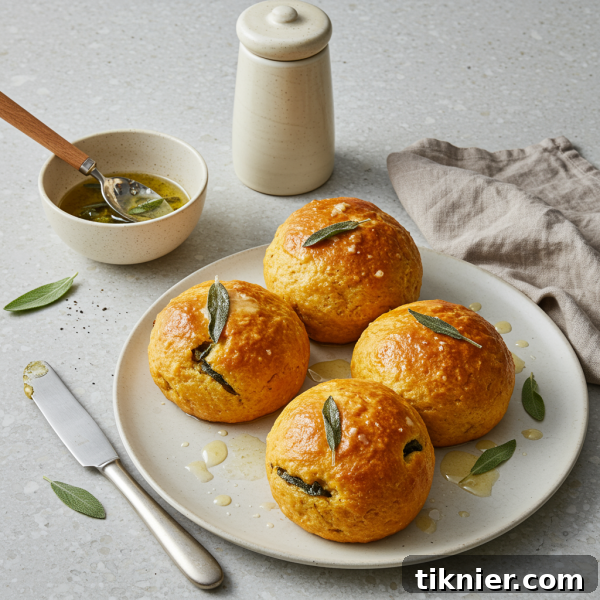
Description: These incredibly soft, pillowy sweet potato rolls are infused with nutty brown butter and fragrant fresh sage, offering a perfect balance of savory and sweet. They are an ideal side dish for any holiday gathering or cherished family meal.
Yield: 12 rolls | Category: Bread, Side Dish | Cuisine: Southern American, Comfort Food
Prep Time: 2 hours (includes rising time) | Cook Time: 20-25 minutes
Ingredients
- 1 large sweet potato (about 12 oz.), baked until very tender and peeled
- 6 tablespoons unsalted butter, for browning
- 1 tablespoon fresh sage, very finely chopped
- 1/2 cup whole milk, warmed to precisely 110°F (43°C)
- 1/4 cup granulated sugar
- 2 1/4 teaspoons active dry yeast (1 standard packet, ensure freshness)
- 2 large eggs, lightly beaten and at room temperature
- 1 1/2 teaspoons fine sea salt
- 4 to 4 1/2 cups all-purpose flour, plus more for dusting
- 2 tablespoons unsalted butter, melted, for brushing before baking
- Flaky sea salt, for an optional, flavorful finish
Instructions
- Bake sweet potato, peel, and mash until extremely smooth. Measure 1 cup of mash and ensure it cools to lukewarm.
- In a light-colored saucepan, melt 6 tbsp butter with chopped sage over medium heat. Cook until milk solids are golden brown and nutty-smelling. Let cool slightly.
- In a stand mixer bowl (or large mixing bowl), combine warm milk (110°F), sugar, and yeast. Stir gently and let proof for 5-10 minutes until distinctly foamy.
- To the foamy yeast mixture, add the lukewarm mashed sweet potato, cooled brown butter-sage mixture, lightly beaten eggs, and fine sea salt. Mix on low speed with a paddle attachment until just combined.
- Switch to the dough hook. Gradually add 4 cups of all-purpose flour, one cup at a time. Knead on low-medium speed for 8-10 minutes until the dough is smooth, elastic, and pulls away from the bowl. Add up to 1/2 cup more flour, 1 tbsp at a time, if dough is too sticky.
- Place dough in a lightly oiled bowl, turn once to coat, cover with plastic wrap or a damp towel, and let rise in a warm, draft-free spot for 1 to 1.5 hours, or until doubled in size.
- Gently punch down the risen dough. Turn it onto a lightly floured surface. Divide into 12 equal portions (use a kitchen scale for precision) and shape each into a smooth, round ball. Arrange in a greased 9×13-inch baking pan.
- Cover the pan loosely and allow the rolls to undergo a second rise in a warm spot for 30-45 minutes, until puffy and nearly touching.
- While rolls are rising, preheat your oven to 375°F (190°C).
- Just before baking, gently brush the tops of the risen rolls with the 2 tablespoons of melted butter.
- Bake in the preheated oven for 20-25 minutes, or until deeply golden brown. An instant-read thermometer inserted into the center of a roll should read 190°F (88°C).
- Immediately upon removing from the oven, sprinkle the hot rolls with flaky sea salt. Serve warm and enjoy!
Notes
For the absolute best flavor and moisture, always bake your sweet potato fresh instead of using canned puree. Ensure your whole milk is precisely 110°F (43°C) to perfectly activate the yeast without killing it. Using a light-colored saucepan makes it much easier to accurately monitor the butter’s browning process, preventing it from burning and ensuring that exquisite nutty flavor.
Servings: 12 | Calories: 250 (estimated) | Fat: 8g (estimated) | Carbohydrates: 38g (estimated) | Protein: 6g (estimated)
5 Essential FAQs About These Sweet Potato Rolls
Here are clear, comprehensive answers to the most common questions I receive about this delightful Brown Butter & Sage Sweet Potato Rolls recipe. These insights will help ensure your baking success and enjoyment.
Can I prepare these sweet potato rolls in advance?
Absolutely, preparing these rolls ahead of time is one of their most convenient features, making them ideal for busy holiday meal preparations or advanced meal planning! You have two excellent options for making them ahead, allowing you to choose the method that best suits your schedule. The first, and my preferred method for the freshest taste, involves preparing the dough all the way through the shaping step. After you’ve meticulously arranged the shaped dough balls in your greased baking pan, cover the pan tightly with plastic wrap and place it directly into the refrigerator. This “cold proofing” method can be done up to 18 hours in advance.
When you’re ready to bake, simply remove the pan from the refrigerator and allow it to sit on your kitchen counter at room temperature for approximately one to one and a half hours. This crucial step allows the dough to warm up gently and complete its second, final rise. Once puffy, proceed to bake them as directed in the recipe. Your second fantastic option is to bake the rolls completely, allow them to cool fully, and then store them in an airtight container at room temperature for up to two days. When it’s time to serve, simply reheat them in a 350°F (175°C) oven for about 10 minutes, or until they are warmed through and wonderfully soft again.
Is it possible to use canned sweet potato puree for this recipe?
While you certainly *can* use canned sweet potato puree in a pinch, I cannot stress enough how highly I recommend using a freshly baked sweet potato if you have the time and opportunity. The difference in flavor is quite significant and truly elevates the final product. When you bake a sweet potato, its natural sugars undergo a beautiful caramelization and concentration process, yielding a much deeper, richer, and inherently sweeter flavor compared to the often-steamed puree found in a can. Additionally, canned puree typically has a higher water content, which can impact the dough’s consistency.
If you opt for canned puree, ensure you are purchasing pure sweet potato puree, not sweet potato pie filling, which contains added sugars and spices that would alter the flavor profile of these rolls. You will need 1 cup of the puree. Due to the potential for extra moisture, you will most likely need to use the full 4 1/2 cups of flour specified in the recipe, and possibly even an additional tablespoon or two, to achieve the correct dough consistency. The rolls will still be delicious and soft, but for that truly exceptional, roasted, nuanced flavor, baking your own potato is unequivocally the superior choice.
My sweet potato roll dough didn’t rise. What could have gone wrong?
Ah, this is undoubtedly one of the most disheartening experiences in the kitchen, but please don’t despair! We can almost always pinpoint the culprit. The most common reason for dough failing to rise, or rising inadequately, is an issue with the yeast itself. Your active dry yeast might have been old or expired, so always make it a habit to check the expiration date on the packet or jar before you begin. Another frequent possibility is that your milk was too hot when you initially added the yeast. Remember, yeast is a living organism, and liquid temperatures above 120°F (49°C) will effectively kill it, rendering it inactive. Your milk should feel pleasantly warm, akin to a comfortable bath, ideally around 110°F (43°C). If your yeast mixture failed to become visibly foamy in the initial proofing step (Step 3), that is a definitive sign that your yeast is not active, and unfortunately, you will need to start over with fresh, active yeast.
Another critical factor could be the ambient temperature of your kitchen. Yeast thrives in a warm, cozy environment. If your house is particularly chilly, the rising process will be significantly slowed down, or may not occur at all. Try to find a warm, draft-free spot for your dough – options include inside an oven with just the light turned on (the heat from the bulb is often enough), or on top of a warm refrigerator or near a sunny window. Finally, ensure you kneaded the dough for the full recommended duration. Proper kneading is essential for developing the gluten structure, which creates the elastic network necessary to trap the gasses produced by the yeast, resulting in a beautiful, airy rise. A well-kneaded dough will be smooth, supple, and elastic.
How can I ensure my sweet potato rolls are all the same size?
Achieving uniformly sized rolls isn’t merely about aesthetics, although a beautifully presented pan of rolls is certainly appealing! More importantly, it ensures that all the rolls bake consistently and evenly in the same amount of time, preventing some from being undercooked while others are overbaked. The most accurate, consistent, and foolproof method for uniform sizing is to utilize a digital kitchen scale. This tool has become an indispensable item in my kitchen. After the dough has completed its first rise, gently place the entire ball of dough on the scale to determine its total weight. Then, simply divide that total weight by 12 (the number of rolls).
For instance, if your entire dough ball weighs 36 ounces, then each individual roll portion should weigh exactly 3 ounces. Proceed to tear off pieces of dough and weigh them individually, adjusting as needed, until you have 12 perfectly equal portions. If you don’t possess a kitchen scale, you can still achieve fairly consistent sizing by eye. Gently pat the risen dough into an even rectangle on your lightly floured countertop. Then, use a bench scraper or a sharp knife to carefully cut the dough in half lengthwise, and then cut each half into six relatively equal squares. From there, shape each square into a smooth, round ball, using the tuck-and-pinch method described in the recipe instructions.
Can these sweet potato rolls be frozen for later enjoyment?
Yes, these exceptional sweet potato rolls freeze remarkably well, making them an absolutely fantastic recipe to prepare well in advance, whether for future holiday meals or simply to have homemade rolls on hand. You have the flexibility to freeze them either before or after they are baked. To freeze the unbaked dough, follow the recipe through the shaping step, placing the shaped rolls into your baking pan. Instead of allowing them to undergo their second rise, place the entire pan in the freezer for about an hour, or until the individual dough balls are completely frozen solid. Once frozen, you can transfer the individual dough balls to a freezer-safe zip-top bag or airtight container, where they will keep beautifully for up to 3 months.
To bake them from frozen, arrange the frozen dough balls back in your greased baking pan, cover them loosely, and allow them to thaw and complete their second rise at room temperature. This thawing and rising process can take anywhere from 3 to 5 hours, depending on your kitchen’s temperature. Once they are visibly puffy, proceed to bake them as directed in the recipe. To freeze already baked rolls, ensure they have cooled completely to room temperature first. Then, wrap each roll tightly in plastic wrap, followed by a layer of aluminum foil, to prevent any freezer burn. They can also be frozen for up to 3 months. To serve, simply thaw them at room temperature and then reheat them in a 350°F (175°C) oven for 10-12 minutes until warm and tender.
We hope these FAQs help you master the art of baking these incredible sweet potato rolls!
Explore More Delicious Recipes
If these Brown Butter & Sage Sweet Potato Rolls have captured your heart and taste buds, I have a strong feeling you’ll absolutely fall in love with some of my other cherished recipes that offer similar comfort and flavor. Expand your culinary repertoire with these delightful options:
- Easy Sweet Potato Pie: Indulge in the classic warm spices and luxuriously smooth texture you adore, but with my special touch that takes it to the next level. A perfect holiday dessert!
- Sweet Potato Casserole with Pecan Streusel: Discover a semi-sweet, incredibly fluffy casserole crowned with a irresistible crunchy pecan streusel topping. It’s a perennial favorite!
- Honey Butter Dinner Rolls: For another incredibly fluffy, melt-in-your-mouth roll that is a guaranteed crowd-pleaser at any gathering, look no further than these sweet and savory delights.
Don’t hesitate to share which recipes you try next! Happy baking!