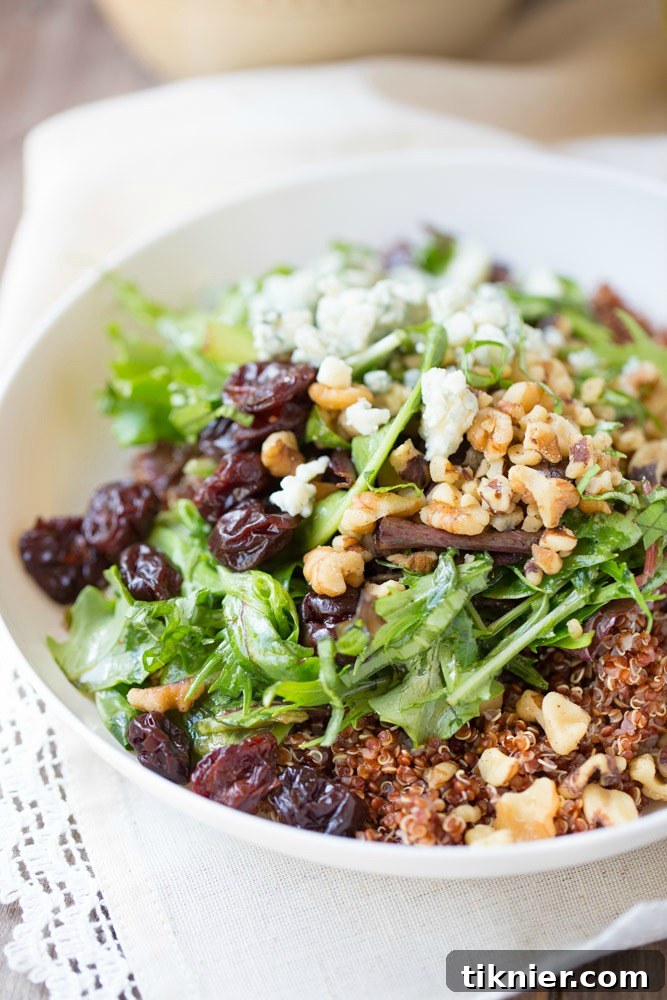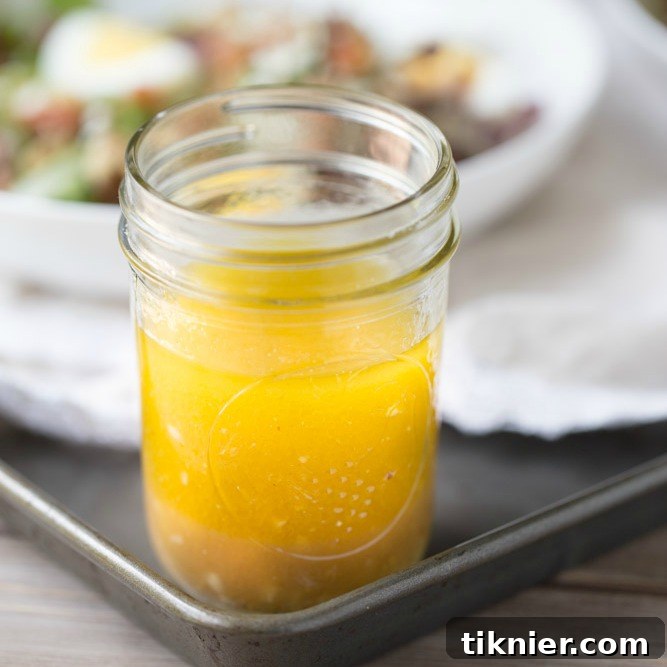
Welcome to a culinary journey that promises to transform your salads and everyday meals. Today, we’re diving into the delightful world of homemade salad dressings, specifically a recipe that has become an absolute staple in my kitchen: the Honey Balsamic Vinaigrette. Forget bland, store-bought alternatives laden with unpronounceable ingredients. This vibrant, homemade dressing offers a burst of fresh flavor, incredible versatility, and the peace of mind that comes from knowing exactly what you’re nourishing your body with.
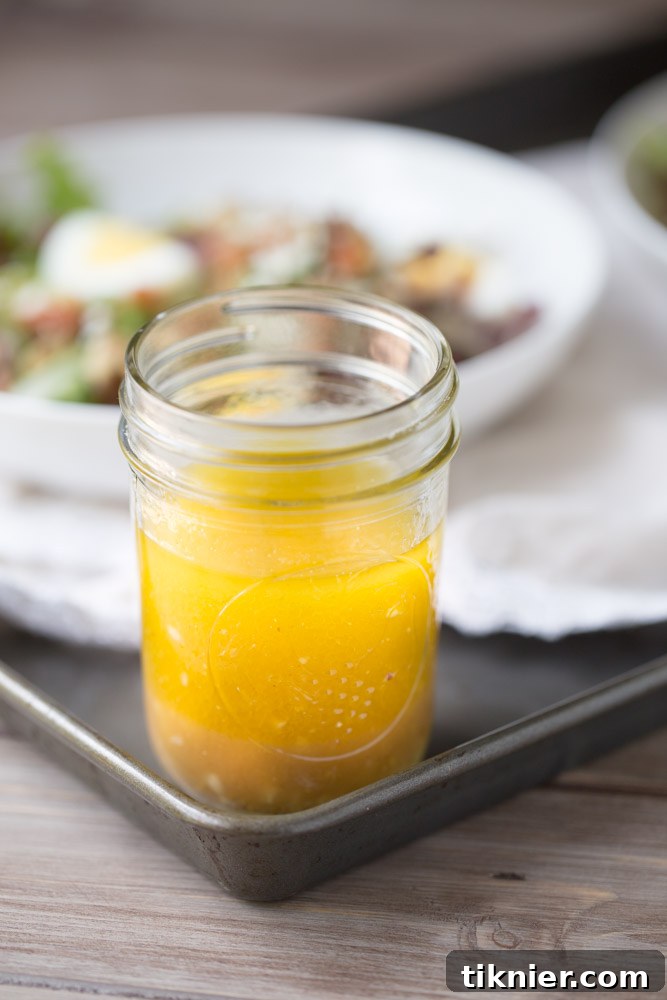
Over the past few months, this honey balsamic vinaigrette has graced my table countless times. Its irresistible balance of sweet and tangy notes, coupled with a surprising hint of savory depth, makes it incredibly addictive. I first crafted this dressing for a simple yet satisfying Baby Greens Salad, a dish that truly shines when paired with a bright, tart vinaigrette. The quest for the perfect dressing began with a choice: buy a bottle from the supermarket or create something fresh from scratch? Given my commitment to reducing processed foods from my diet, the answer was clear. Homemade was the undisputed winner, and this vinaigrette has proven to be a champion many times over.
Why Homemade Dressings Reign Supreme
In a world overflowing with convenience foods, it’s easy to reach for a bottled salad dressing. However, the benefits of making your own dressing at home are immense and truly outweigh the minimal effort involved. Firstly, you gain complete control over the ingredients. This means no artificial preservatives, no excessive sugars, no questionable oils, and no hidden additives. You can tailor the flavors to your exact preferences, ensuring a fresh taste that store-bought options simply cannot match.
Beyond health benefits, homemade dressings are often more cost-effective in the long run. Pantry staples like olive oil, vinegar, and a few spices are typically all you need. Furthermore, the satisfaction of creating something delicious and wholesome from scratch is deeply rewarding. This Honey Balsamic Vinaigrette perfectly embodies these advantages, offering a delicious, healthy, and easy alternative to its commercial counterparts.
Unveiling the Magic of This Honey Balsamic Vinaigrette
This particular vinaigrette is a masterpiece of simplicity and flavor. Here’s a closer look at what makes it so special:
- **Effortless Preparation:** One of its best features is how incredibly easy it is to make. You don’t need fancy equipment; a simple jar with a lid or a small bowl and a whisk is all it takes. This makes it perfect for busy weeknights or impromptu meal prep.
- **The Perfect Ratio:** It adheres to the classic 4 parts oil to 2 parts vinegar ratio, providing a harmonious balance that is neither too oily nor overly acidic. This versatile ratio can be adjusted slightly to suit your personal taste, allowing for a custom experience every time.
- **The Star Vinegar:** For an exceptional flavor profile, I recommend using a quality Honey White Balsamic Vinegar. Brands like O Olive Oil’s Honey White Balsamic Vinegar impart a delightful sweetness and mellow tang without the dark color often associated with traditional balsamic, making it ideal for lighter salads where aesthetics matter.
- **The Essential Emulsifier:** An emulsifier is crucial for preventing the oil and vinegar from separating, ensuring a creamy, consistent dressing. Spicy deli mustard or Dijon mustard works wonders here, providing a subtle kick that enhances the overall flavor without overpowering it.
- **Garlic’s Embrace:** Fresh garlic is an indispensable friend to this vinaigrette. Its pungent, aromatic notes add depth and a touch of savory warmth. Feel free to adjust the amount of minced garlic to suit your preference, from a subtle whisper to a bold statement.
- **Versatility Beyond Salads:** While it’s phenomenal on a bed of baby greens, this vinaigrette’s applications are incredibly broad. It elevates the humble carrot, transforms roasted Brussels sprouts into a gourmet side dish, and can even be used as a marinade for proteins.
Mastering the Art of Vinaigrette Making
Crafting the perfect vinaigrette is a skill that, once learned, opens up a world of culinary possibilities. Here are some fundamental principles to guide you:
- **Emulsification is Key:** The primary challenge with vinaigrettes is preventing the oil and vinegar from separating into distinct layers. An emulsifier acts as a binding agent. A general rule of thumb is to use about 1 teaspoon of emulsifier per 2 tablespoons of vinegar. Excellent choices include Greek yogurt (for a creamy texture), various types of mustard (Dijon, spicy brown, whole grain), and even fresh minced garlic, which contains natural emulsifying properties. Whisking vigorously or shaking ingredients in a sealed jar are effective methods.
- **Ingredient Harmony:** Think about the components of your salad. Research and select dressing ingredients that complement and enhance those flavors. A bold, peppery arugula might benefit from a sweeter vinaigrette, while a delicate butter lettuce might prefer something lighter and more herbal.
- **The Golden Ratio (and How to Tweak It):** The classic ratio of oil to vinegar is typically 3:1 or 4:1. For this Honey Balsamic Vinaigrette, I opted for a slightly bolder 4 parts oil to 2 parts vinegar (or 2:1), creating a richer, more pronounced flavor profile. Remember, these ratios are starting points. Always taste and adjust. If it’s too tart, add a little more oil or a touch more sweetener. If it’s too bland, a bit more vinegar or a pinch of salt can work wonders.
- **Less is Often More:** When dressing your salad, always start with a small amount and add more gradually. Over-drizzling can quickly turn a fresh salad into a soggy, overly-flavored mess. The goal is to lightly coat the greens and ingredients, allowing the dressing to enhance, not overwhelm, their natural flavors. Toss well, then taste. You can always add, but you can’t take away!
- **Proper Storage:** Homemade vinaigrettes, particularly those without dairy, can be stored in an airtight container in the refrigerator for 1 to 2 weeks. If you opt for a dairy-based emulsifier (like Greek yogurt), it’s safer to consume the dressing within a week to ensure freshness and prevent spoilage. Always give your dressing a good shake or whisk before each use, as some separation may still occur over time.

Honey Balsamic Vinaigrette
1 C
5 minutes
5 minutes
Print Recipe
Ingredients
- ¼ C extra virgin olive oil
- 2 tbsp Honey White Balsamic Vinegar
- 1 tsp deli spicy mustard (emulsifier)
- 1 clove garlic, minced
- Drop of vanilla extract
- Pinch of kosher salt
Instructions
- Whisk together the extra virgin olive oil (EVOO), Honey White Balsamic Vinegar, spicy mustard, minced garlic, and vanilla extract in a small bowl. Add a pinch of kosher salt to taste and adjust as needed. Alternatively, combine all ingredients in a dressing cruet or a jar with a tight-fitting lid and shake vigorously until well combined and emulsified.
- Store the prepared dressing in an airtight container in the refrigerator for 1-2 weeks. Shake well before each use.
Beyond the Salad Bowl: Creative Ways to Use Your Vinaigrette
While this Honey Balsamic Vinaigrette is an absolute showstopper on salads, its versatility extends far beyond. Don’t limit yourself to just greens; explore the many ways this flavorful dressing can elevate your culinary creations:
- **Roasted Vegetable Enhancer:** Drizzle it over roasted vegetables like carrots, asparagus, broccoli, or sweet potatoes before or after roasting. The sweet and tangy notes caramelize beautifully, adding depth and a gourmet touch. It’s particularly fantastic on hearty root vegetables and cruciferous greens.
- **Marinade Magic:** Use it as a quick and easy marinade for chicken, fish, pork, or tofu. The vinegar helps tenderize the protein, while the honey and balsamic infuse a rich, complex flavor. Marinate for at least 30 minutes, or up to a few hours for deeper flavor penetration.
- **Grain Bowl Superstar:** Elevate your grain bowls (quinoa, farro, couscous, rice) by tossing them with a generous amount of this vinaigrette. Add your favorite roasted vegetables, lean protein, and fresh herbs for a complete, satisfying meal.
- **Pasta Salad Perfector:** A cold pasta salad can be transformed with this dressing. Combine cooked pasta with cherry tomatoes, cucumber, red onion, feta cheese, and a liberal coating of the Honey Balsamic Vinaigrette for a refreshing side or light lunch.
- **Dip or Drizzle for Appetizers:** Serve it alongside a platter of fresh bread for dipping, or drizzle it over a Caprese salad with fresh mozzarella, tomatoes, and basil for a simple yet elegant appetizer.
- **Flavor Booster for Sandwiches & Wraps:** A little brush of this vinaigrette inside your sandwich or wrap can add an unexpected layer of flavor, brightening up your lunch.
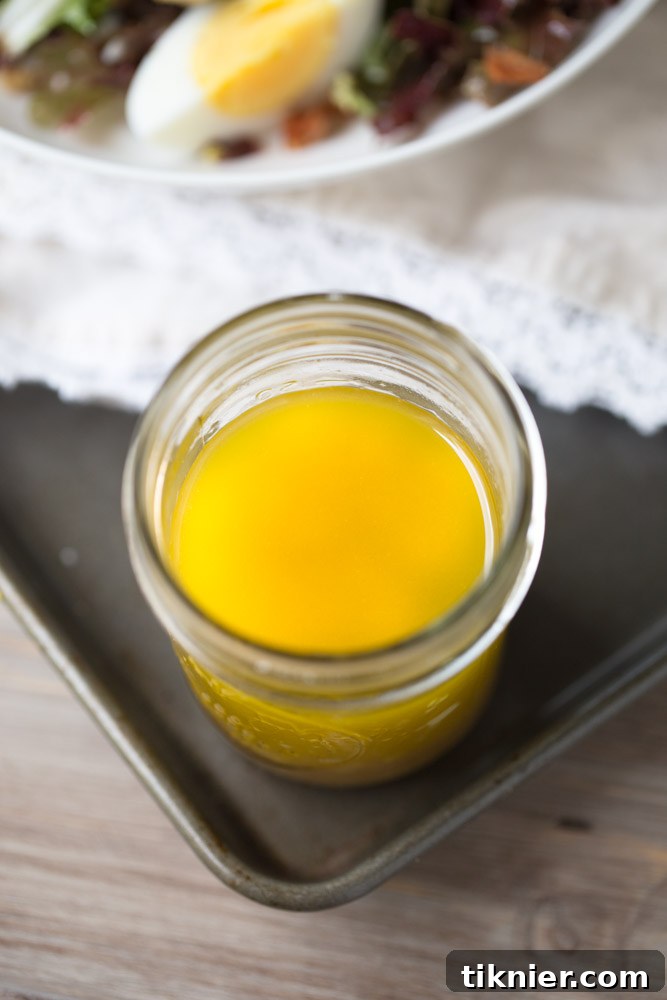
Troubleshooting Your Vinaigrette & FAQs
Even with a simple recipe, questions can arise. Here are some common queries and tips for troubleshooting your homemade vinaigrette:
- **”My vinaigrette separated! What went wrong?”** This is very common, especially if you didn’t use enough emulsifier or didn’t whisk/shake vigorously enough. Simply give it a good shake or a quick whisk before each use. It’s perfectly normal and doesn’t affect the flavor.
- **”It tastes too tart/acidic.”** If your vinaigrette is too sharp, you can balance it by adding a tiny bit more olive oil, or a touch more honey or maple syrup to sweeten it slightly. A tiny pinch of sugar can also work in a pinch.
- **”It’s too sweet for my liking.”** If you find it overly sweet, add a few drops of white balsamic vinegar or even a squeeze of fresh lemon juice to brighten and cut through the sweetness.
- **”Can I use regular balsamic vinegar instead of white?”** Absolutely! Regular balsamic vinegar will give the dressing a darker color and a deeper, more robust flavor profile. While delicious, the white balsamic is chosen for its slightly milder sweetness and lighter appearance. Experiment to see which you prefer!
- **”What if I don’t have spicy mustard?”** Dijon mustard is an excellent substitute and will provide a similar emulsifying effect with a slightly different flavor. Even a touch of dry mustard powder can work if you hydrate it first.
- **”Can I add fresh herbs?”** Fresh herbs like thyme, rosemary, oregano, or finely chopped parsley would be a wonderful addition! Add them in the last step of preparation. They will infuse more flavor the longer they sit in the dressing.
Making your own Honey Balsamic Vinaigrette is a simple act that yields incredible rewards in flavor, health, and culinary versatility. This recipe is more than just a dressing; it’s an invitation to take control of your plate and savor the vibrant, wholesome tastes that homemade food provides. Embrace the jar, the whisk, and the endless possibilities. Your salads, and your taste buds, will thank you!
RELATED POSTS
Baby Greens Salad with Quinoa