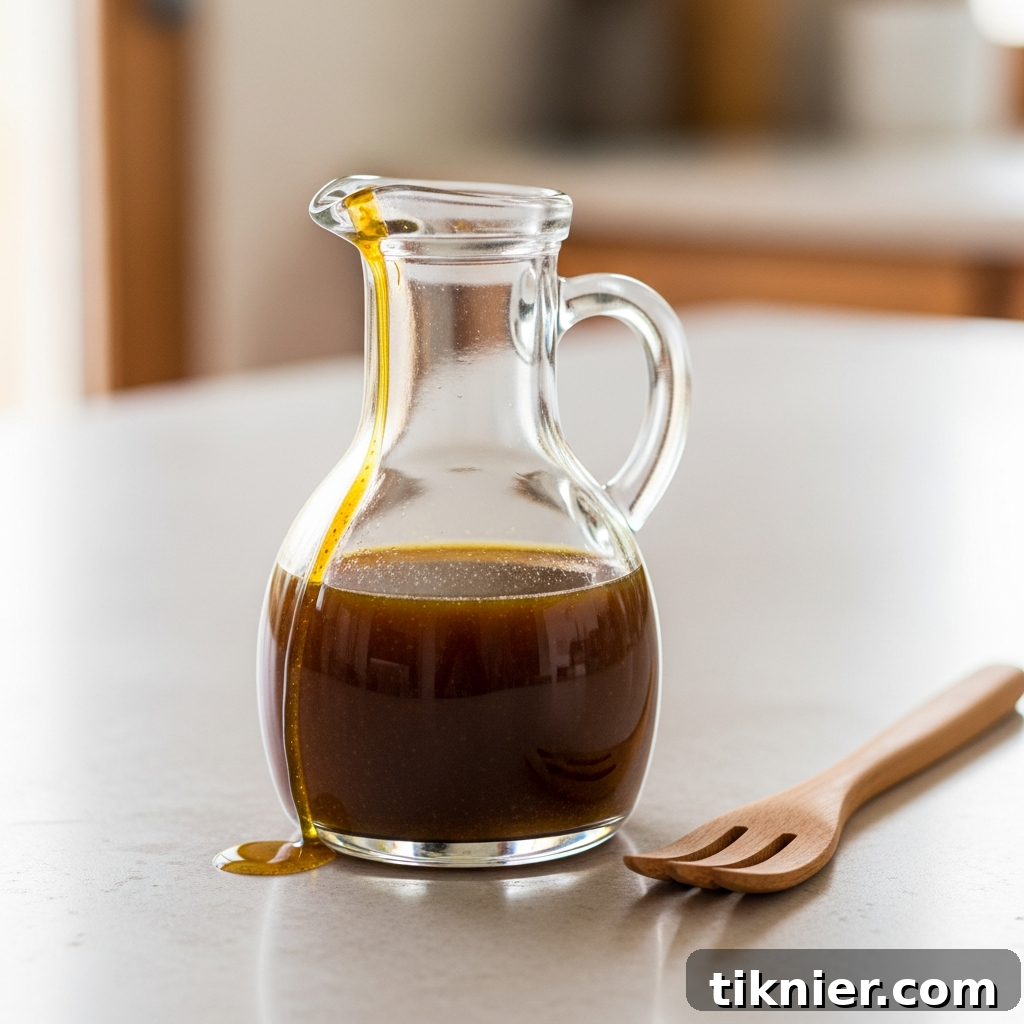
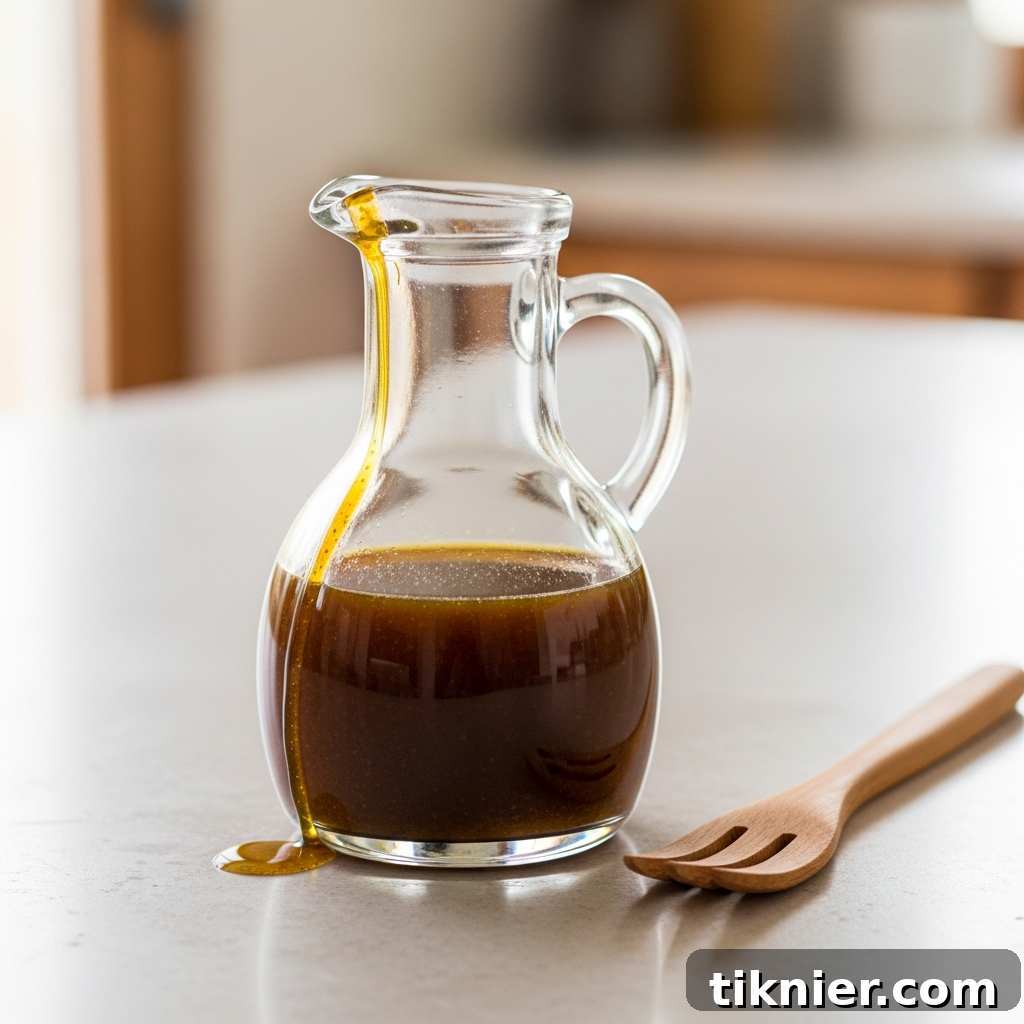
There are certain culinary moments that etch themselves into your memory, and for me, one such moment involved a deceptively simple salad. It wasn’t the fresh, crisp greens or the tangy goat cheese that made it unforgettable, but rather the dressing. It was a Balsamic Vinaigrette, yet it possessed an elusive, complex sweetness that danced on the palate, unlike any I had tasted before. This unique flavor profile sparked an immediate quest, a journey to unravel its secret.
The sweetness wasn’t the straightforward kind found in honey or sugar; it was deeper, richer, infused with a fruity undertone that elevated every ingredient in the bowl. Inspired, I embarked on a culinary detective mission. My kitchen transformed into a laboratory, adorned with an array of jars holding various experimental concoctions. I meticulously tested different vinegars, explored diverse oils, and cautiously added a touch of this or a dash of that, all in pursuit of that perfect balance.
The eureka moment arrived unexpectedly one morning while making toast. A jar of fig jam sat innocently on the counter, and suddenly, a lightbulb flickered bright. That was it! The fig jam, with its inherent sweetness and slightly earthy notes, dissolved seamlessly into the balsamic vinegar and Dijon mustard, yielding a dressing that was nothing short of perfection. It harmonized the bright tang of balsamic with the creamy emulsion of the oil and the incredible, nuanced fruitiness of the fig. This remarkable Balsamic Fig Vinaigrette has since become my signature house dressing, transforming everyday salads into extraordinary culinary experiences.
Skip to My Special Recipe!
Why This Balsamic Fig Vinaigrette Recipe Will Become Your Go-To Dressing
A well-crafted Balsamic Vinaigrette stands as a timeless culinary staple, revered for its ability to enhance almost any dish. Its origins are rooted in the simplicity of Italian cooking, where the quality of a few core ingredients dictates the success of the meal. The traditional marriage of rich olive oil and vibrant balsamic vinegar creates a harmonious blend of richness and acidity, capable of elevating everything from crisp salads to roasted vegetables, lean proteins, and hearty grains. It’s a versatile and dependable formula that has graced countless dinner tables, celebrated for its straightforward preparation and consistent deliciousness.
What sets homemade vinaigrettes apart is the unparalleled control over quality and flavor. While store-bought options offer convenience, they often fall short in flavor, sometimes being overly sweet, excessively sharp, or loaded with undesirable additives. Crafting your own allows you to select premium ingredients, ensuring a dressing that is perfectly balanced to your taste and free from artificial flavors or preservatives. This recipe, in particular, showcases the immense difference fresh ingredients make, delivering a dressing that is vibrant, robust, and incomparably better than anything you can buy.
The secret weapon that transforms this recipe from a dependable classic into a true showstopper is the subtle addition of fig jam. Unlike honey or maple syrup, which can offer a singular note of sweetness, fig jam introduces a profound depth and complexity. Its naturally earthy, robust, and subtly sweet fruitiness perfectly complements the aged notes of balsamic vinegar, creating a flavor profile that is both sophisticated and incredibly appealing. Beyond its exceptional taste, the fig jam also plays a crucial role in creating a thicker, more stable emulsion. This means your homemade Balsamic Fig Vinaigrette clings beautifully to every leaf and ingredient, ensuring a burst of flavor in every bite, rather than pooling unattractively at the bottom of the bowl. It’s this small, ingenious twist that elevates a simple salad into a memorable culinary experience.
Essential Ingredients for Crafting the Perfect Balsamic Fig Vinaigrette
The true elegance of an exceptional vinaigrette lies in its fundamental simplicity. You don’t need an elaborate pantry or exotic items to create something truly spectacular. Instead, focus on sourcing a few high-quality staples. Each ingredient in this Balsamic Fig Vinaigrette contributes significantly to the final flavor and texture, so selecting the best available will undoubtedly elevate your homemade dressing from good to absolutely outstanding. Here’s a breakdown of what you’ll need to gather:
- 1/2 cup extra virgin olive oil: The backbone of any great vinaigrette, providing richness and body.
- 1/4 cup balsamic vinegar: Contributes the signature tang and depth of flavor.
- 2 teaspoons fig jam: The star ingredient, offering nuanced sweetness and aiding in emulsion.
- 1 teaspoon Dijon mustard: Acts as a crucial emulsifier and adds a subtle, savory kick.
- 1 small garlic clove, minced: Infuses the dressing with a fresh, aromatic pungency.
- 1/4 teaspoon fine sea salt: Balances and enhances all the flavors.
- 1/8 teaspoon black pepper, freshly ground: Adds a hint of warmth and brightness.
Let’s delve a bit deeper into some of these key components. For the extra virgin olive oil, invest in a quality brand that you genuinely enjoy the taste of on its own. A robust, fruity, or slightly peppery olive oil will impart wonderful layers of flavor to your dressing. Given its prominence, this is definitely an area where choosing a premium product will make a noticeable difference. Similarly, for the balsamic vinegar, while you don’t need a decades-old, exorbitantly priced bottle, opt for a good quality Balsamic Vinegar of Modena with an “IGP” (Protected Geographical Indication) label. These tend to have a richer, more syrupy consistency and a more complex, less acidic flavor compared to the cheapest, watery alternatives. A good balsamic will offer a beautiful balance of sweet and tangy notes that are essential for this recipe.
Our featured ingredient, the fig jam, is what truly sets this vinaigrette apart. It not only provides a lovely, complex sweetness that’s superior to simple sugars but also contributes to the dressing’s smooth consistency, helping it thicken naturally. Any reputable brand of fig jam will work beautifully. Finally, don’t underestimate the importance of the Dijon mustard. Even a small amount is a powerful emulsifier, binding the oil and vinegar together into that coveted creamy, stable texture. Its subtle tang also complements the balsamic and fig notes without overpowering them, ensuring a perfectly harmonious dressing every time.
Step-by-Step Guide to Crafting Your Perfect Balsamic Fig Vinaigrette
Mastering the art of homemade salad dressing is one of the simplest yet most impactful upgrades you can make to your home cooking repertoire. This Balsamic Fig Vinaigrette comes together in mere minutes with just a few basic ingredients. The ultimate goal is to achieve a stable emulsion, which is simply the process of skillfully blending the oil and vinegar so they remain combined rather than immediately separating. A humble whisk and a bowl are perfectly adequate tools, though a small jar with a tight-fitting lid can make the emulsification process even easier.
Step 1: Lay the Flavor Foundation
Begin by combining the core flavor agents in a small mixing bowl. Add your balsamic vinegar, the star fig jam, the Dijon mustard, and the finely minced garlic. The aim here is to ensure all the water-soluble ingredients and the jam are thoroughly integrated before introducing the oil. Take a small whisk and vigorously combine these ingredients for approximately 30 to 45 seconds. Focus on breaking down the fig jam until it is largely dissolved and the mixture achieves a uniform, cohesive consistency. This critical initial step establishes a robust and flavorful base that will beautifully infuse the entire dressing.
Step 2: Expertly Emulsify the Olive Oil
This is arguably the most crucial phase in creating a perfectly smooth and stable vinaigrette. While maintaining continuous and vigorous whisking, begin to slowly and steadily drizzle the extra virgin olive oil into the bowl in an exceptionally thin stream. Resist the urge to pour the oil in all at once, as this will prevent proper emulsification and lead to immediate separation. As you continue to drizzle and whisk, you will observe a remarkable transformation: the mixture will gradually thicken and take on a creamy, luscious appearance. This indicates that a beautiful emulsion is forming. Continue this process until every drop of the olive oil has been fully incorporated. For those who prefer the convenience of a jar, simply combine all ingredients within it, secure the lid tightly, and shake with enthusiastic vigor for 30 to 45 seconds until thoroughly emulsified.
Step 3: Season and Allow Flavors to Mingle
Once your vinaigrette has achieved its desired emulsified state, it’s time to fine-tune the seasoning. Add the fine sea salt and the freshly ground black pepper to taste. Give the dressing one final, thorough whisk to ensure these seasonings are evenly distributed throughout. Here’s a professional tip for maximizing flavor: allow the finished vinaigrette to rest at room temperature for at least 15 to 20 minutes before serving. This brief resting period provides ample time for the fresh garlic and other ingredients to meld and deepen, resulting in a significantly more complex and harmonious flavor profile. While the dressing will be delicious immediately, this short rest truly enhances its character. Just remember to give it a quick whisk or shake once more right before you generously drizzle it over your favorite salad or dish.
Creative Ways to Serve Your Homemade Balsamic Fig Vinaigrette
Once you’ve mastered this exquisite, homemade Balsamic Fig Vinaigrette, a world of culinary possibilities opens up. While its most obvious application is undoubtedly as a dressing for vibrant salads, its rich, tangy, and subtly sweet profile makes it incredibly versatile. This dressing possesses such profound flavor that it can effortlessly elevate a wide array of dishes, transforming everyday meals into something truly special and memorable for both your family and guests.
The distinctive character of this vinaigrette, with its balanced sweetness from the fig and bright acidity from the balsamic, makes it an ideal partner for salads featuring robust or complementary flavors. It’s an absolute revelation when paired with creamy cheeses like fresh goat cheese, crumbly feta, or even a bold blue cheese. Its fruity notes also sing beautifully alongside various fruits, both fresh and dried, such as delicate sliced pears, crisp apples, juicy berries, or chewy dried cranberries. For an added layer of texture and nutty richness, incorporate some toasted pecans, walnuts, or pine nuts, and you’ll have a restaurant-quality salad creation right in your own kitchen.
But let’s expand our culinary horizons beyond the traditional salad bowl. This exceptional dressing is far more adaptable than you might imagine. Here are some of my favorite innovative applications:
- As a Dynamic Marinade: This vinaigrette makes for an absolutely superb marinade for a variety of proteins. Use it to tenderize and infuse incredible flavor into chicken breasts, pork chops, or even a lean steak. The acidity of the vinegar works magic on the meat, while the other ingredients contribute a gourmet essence. Allow your protein to marinate for at least 30 minutes, or up to several hours, before grilling, roasting, or pan-searing.
- Drizzled Over Roasted Vegetables: Transform your everyday roasted vegetables into a gourmet side dish. Simply toss vegetables like Brussels sprouts, asparagus spears, broccoli florets, or root vegetables (carrots, parsnips) with a touch of olive oil, salt, and pepper before roasting until tender and caramelized. Once they emerge from the oven, finish them with a generous drizzle of this warm, fragrant balsamic fig vinaigrette. It’s a truly game-changing flavor boost.
- An Elevated Caprese Salad: Give your classic Caprese salad (fresh tomatoes, mozzarella, and basil) a sophisticated twist. The subtle, jammy sweetness from the fig in this vinaigrette beautifully complements the inherent sweetness of ripe tomatoes and the creamy richness of fresh mozzarella, creating a more complex and delightful experience.
- A Flavorful Sandwich Spread: Move beyond mayonnaise or plain mustard. Use this vinaigrette in place of other spreads on sandwiches or wraps. It adds a vibrant burst of flavor and essential moisture, pairing wonderfully with ingredients like grilled chicken, savory prosciutto, peppery arugula, or fresh roasted vegetables.
- Brush on Grilled Fruit: For a surprisingly delicious appetizer or dessert, lightly brush sliced peaches, figs, or pineapple with the vinaigrette before grilling. The heat caramelizes the sugars and enhances the flavors, creating a delightful sweet and savory experience.
Truly, the potential uses for this dressing are limited only by your imagination. I’ve even found myself using it as an impromptu dipping sauce for crusty artisan bread when entertaining. Keeping a jar of this homemade elixir on hand ensures that weeknight meals can feel a little more gourmet, with almost no extra effort required.
Storing and Reusing Your Homemade Balsamic Fig Vinaigrette
One of the most appealing advantages of preparing your own Balsamic Fig Vinaigrette is its excellent shelf life and ease of storage. This makes it ideal for batch cooking; you can effortlessly double or triple the recipe to ensure a ready supply of delicious, flavorful dressing for quick meals throughout the week. Proper storage is paramount to maintaining its freshness and ensuring it’s always available when a salad craving strikes. Unlike many commercial dressings that rely on artificial preservatives, this homemade version is crafted from all-natural ingredients, meaning a little attention to storage will go a long way.
The optimal method for storing your vinaigrette is in an airtight container, refrigerated. I highly recommend using a small glass jar with a secure, screw-top lid, such as a Mason jar or a clean, repurposed jam jar. Glass containers not only allow you to easily monitor the remaining quantity but also make it incredibly simple to re-emulsify the dressing when you’re ready to use it. When correctly stored in the refrigerator, your homemade vinaigrette will remain fresh and wonderfully flavorful for up to two weeks. The fresh garlic is typically the first ingredient to subtly lose its vibrant edge, so enjoying it within this timeframe ensures the best possible taste.
Upon refrigerating your vinaigrette, you will notice two perfectly normal and expected occurrences:
- Natural Separation: It is entirely normal for the oil and vinegar to separate over time. This is a fundamental characteristic of vinaigrettes, as oil and water-based liquids inherently tend to stratify, especially without the aid of artificial emulsifiers commonly found in store-bought options. This separation is a natural phenomenon and is not an indicator that your dressing has spoiled.
- Olive Oil Solidification: High-quality extra virgin olive oil often becomes cloudy or partially solidifies when chilled. This reaction is completely normal and, in fact, serves as a positive sign that you are using an authentic, good quality olive oil rich in healthy monounsaturated fats.
To effortlessly revive your leftover vinaigrette, simply remove it from the refrigerator approximately 15 to 20 minutes before you plan to use it. This allows the olive oil sufficient time to return to its liquid state. Once the oil has fully liquefied, securely fasten the container’s lid and give it a very vigorous shake for about 30 seconds. This energetic action will effectively bring the dressing back together, restoring its creamy, beautifully emulsified consistency, making it perfectly ready to be drizzled and enjoyed over your favorite culinary creations.
Exciting Substitutions & Creative Variations for Your Balsamic Fig Vinaigrette
While I firmly believe this Balsamic Fig Vinaigrette recipe is truly exceptional in its original form, I also understand that cooking is an art form, an invitation to personalize and adapt. Perhaps you find yourself without a specific ingredient, or simply feel inspired to explore different flavor profiles. The beauty of such a straightforward recipe is its inherent flexibility and forgiving nature. It’s remarkably easy to tweak and customize, allowing you to tailor it perfectly to your individual tastes or whatever ingredients you happen to have on hand in your pantry.
A wonderful aspect of this recipe is that it is naturally gluten-free and dairy-free, making it accessible to many. Should you require further dietary adjustments or simply wish to unleash your culinary creativity, there are numerous simple yet impactful swaps you can make without compromising the integrity or deliciousness of the dressing. The fundamental ratio of oil to vinegar serves as an excellent starting point for countless delightful variations, allowing you to truly make this recipe your own.
Here are some inspiring substitutions and fun variations you can experiment with to customize your Balsamic Fig Vinaigrette and discover new favorites:
- Innovative Sweetener Swaps: If fig jam isn’t available, or you’re curious about different sweet nuances, you have excellent alternatives. Two teaspoons of rich honey or pure maple syrup would yield a delightfully sweet and smooth finish. For other fruity dimensions, consider using apricot preserves for a subtly tangy sweetness or even a vibrant raspberry jam for a brighter, more assertive fruit note.
- Mustard Explorations: While classic Dijon is celebrated for its smooth texture and pungent flavor, don’t hesitate to experiment with other mustard varieties. A grainy, stone-ground mustard would introduce a lovely textural element and a slightly milder, earthier flavor. For those who enjoy a bit of warmth, a small amount of sweet hot mustard could add an intriguing kick, or even a touch of whole grain mustard for a rustic feel.
- Infuse with Fresh Herbs: To impart a vibrant, herbaceous lift to your vinaigrette, try incorporating a tablespoon of finely chopped fresh herbs. Robust herbs like thyme, fragrant rosemary, or earthy oregano would all beautifully complement the deep balsamic and sweet fig notes. Simply stir them in at the very end, along with the salt and pepper, allowing their aromatic oils to meld with the dressing.
- Create a Creamier Consistency: For a richer, more decadent balsamic vinaigrette, you can easily add a tablespoon of plain Greek yogurt or even a small dollop of high-quality mayonnaise to the base ingredients before you begin whisking in the oil. This addition will create a wonderfully thick, creamy dressing that is particularly excellent for heartier salads, pasta salads, or as a dip for fresh vegetables.
- Spice It Up: For a subtle warmth or a zesty kick, consider adding a pinch of red pepper flakes, a dash of smoked paprika, or a tiny amount of finely grated fresh ginger. These additions can add a layer of complexity and heat that transforms the dressing.
Embrace the freedom to play with these ideas and discover your unique culinary preferences. That is, after all, the immense joy of home cooking – you are the master chef in your own kitchen, and the journey of discovering your perfect flavor combination is an exciting part of the process.
Balsamic Fig Vinaigrette
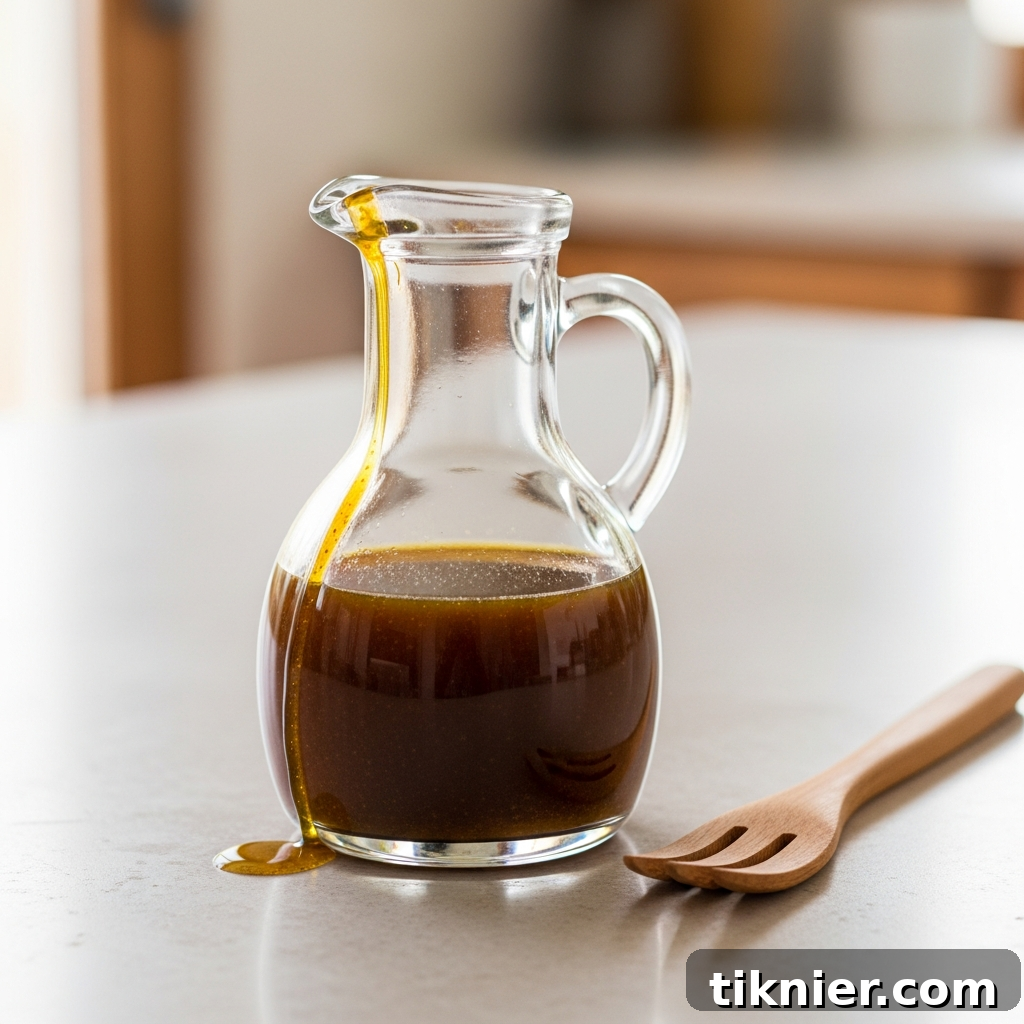
Description: A timeless classic, this balsamic vinaigrette is elevated with a sophisticated twist. Sweet fig jam perfectly balances the vibrant tang of balsamic vinegar and the rich depth of extra virgin olive oil, creating a dressing that effortlessly transforms any simple salad into a stunning culinary masterpiece.
Yield: Approximately 3/4 cup | Category: Dressing | Cuisine: American/Mediterranean Inspired
Prep Time: 5 minutes | Cook Time: 0 minutes
Ingredients
- 1/2 cup extra virgin olive oil
- 1/4 cup balsamic vinegar
- 2 teaspoons fig jam
- 1 teaspoon Dijon mustard
- 1 small garlic clove, minced
- 1/4 teaspoon fine sea salt
- 1/8 teaspoon black pepper, freshly ground
Instructions
- In a small bowl, combine the balsamic vinegar, fig jam, Dijon mustard, and minced garlic. Whisk vigorously for 30-45 seconds until the fig jam is mostly dissolved and the mixture is well combined.
- While continuously whisking, slowly drizzle in the extra virgin olive oil in a thin stream until the vinaigrette is fully emulsified and appears creamy and cohesive.
- Season the emulsified dressing with fine sea salt and freshly ground black pepper to taste. Give it one final whisk to ensure even distribution.
- For optimal flavor development, allow the vinaigrette to rest at room temperature for at least 15-20 minutes before serving. Whisk or shake well one last time just before drizzling over your favorite dishes.
Notes
To achieve the best possible flavor, prioritize using a high-quality, flavorful extra virgin olive oil and a good quality Balsamic Vinegar of Modena. This dressing can be stored in an airtight container in the refrigerator for up to 2 weeks. Before each use, allow it to come to room temperature for 15-20 minutes and shake vigorously to re-emulsify.
Servings: Approximately 6 (2 tbsp per serving) | Calories: 175 kcal | Fat: 18g | Carbohydrates: 3g | Protein: 0g
5 Essential FAQs About Homemade Balsamic Fig Vinaigrette
Here are comprehensive and straightforward answers to the most frequently asked questions I receive about this particular Balsamic Fig Vinaigrette recipe, designed to help you master your homemade dressing.
Why does my homemade Balsamic Vinaigrette keep separating after mixing?
It’s perfectly normal for your vinaigrette to separate; please don’t be concerned, as this is a natural and expected process for any oil-and-vinegar-based dressing. At its most fundamental, a vinaigrette is an emulsion – a temporary suspension of two liquids (oil and a water-based liquid like vinegar) that typically don’t mix. Because oil and water are famously immiscible, they will always strive to separate over time. The key to slowing down this natural separation lies with an emulsifier. In our recipe, the Dijon mustard and, to a lesser extent, the fig jam act as these crucial agents. They contain molecules that have an affinity for both oil and water, helping to encase and suspend tiny droplets of each within the other for a longer duration.
To create the strongest, most stable emulsion possible, it’s imperative to drizzle the olive oil in very, very slowly while continuously and vigorously whisking. This action breaks the oil into minuscule droplets, allowing the emulsifying agents to effectively coat them and hold them in suspension within the vinegar. If you pour the oil too quickly, you’ll create larger pockets of oil that will separate almost immediately. If separation occurs during refrigeration, which it will, simply give the container a robust shake or a vigorous whisk right before serving to beautifully re-emulsify it into a creamy, cohesive dressing.
Can I make Balsamic Vinaigrette without Dijon mustard?
Yes, you absolutely can prepare this dressing without Dijon mustard, but it’s important to understand the implications. As previously mentioned, Dijon mustard serves as our primary emulsifying agent, critical for binding the oil and vinegar. Without it, the oil and vinegar will separate much more rapidly and noticeably. Your dressing will still be delicious and flavorful, but it will have a thinner consistency, and you will need to whisk or shake it immediately before each use to ensure you get a balanced blend of both oil and vinegar in every bite.
If you need to avoid mustard due to allergies or dietary preferences but still desire a creamier, more stable texture, you could explore alternative emulsifiers. A small dollop (about a teaspoon) of mayonnaise, a spoonful of plain Greek yogurt, or even a little tahini could potentially help stabilize the dressing. Be aware that these alternatives will undoubtedly alter the final flavor profile, so you might need to experiment to find your preferred balance. For a straightforward, mustard-free version, simply omit it and be prepared to give your dressing a good shake before each application.
What kind of balsamic vinegar is best for Balsamic Vinaigrette?
This is an excellent question, as the quality of your balsamic vinegar profoundly impacts the final taste of your dressing. While you don’t need to splurge on an incredibly expensive, traditional “Aceto Balsamico Tradizionale” (which is best reserved for drizzling neat over cheeses or fruits), investing in a good quality vinegar for your vinaigrette is highly recommended. For an outstanding Balsamic Vinaigrette, look for a bottle labeled “Balsamic Vinegar of Modena (Aceto Balsamico di Modena IGP).” The IGP designation guarantees it’s produced in the Modena region of Italy and adheres to specific quality standards, ensuring authenticity.
Within the IGP category, you’ll find a range of prices and qualities. As a general rule, avoid the absolute cheapest options, which are often thin, overly acidic, and made primarily from white wine vinegar with added caramel coloring. Instead, opt for a decent mid-range bottle. A good quality balsamic will exhibit a slightly syrupy consistency, a deep, rich color, and a beautifully balanced flavor profile that is both tangy and subtly sweet. The best way to choose is to taste it on its own; if you enjoy its flavor, it will undoubtedly contribute wonderfully to your homemade dressing.
How long does homemade Balsamic Vinaigrette last in the refrigerator?
Your homemade Balsamic Fig Vinaigrette boasts a respectable shelf life when stored correctly. In an airtight container, such as a tightly sealed glass jar, and kept in the refrigerator, it will remain fresh and delicious for up to two weeks. Both olive oil and vinegar are natural preservatives, contributing to the dressing’s overall stability. The primary factor influencing its shelf life is typically the fresh garlic. After approximately two weeks, the raw garlic can begin to lose its vibrant, pungent flavor and may develop a slightly less desirable taste, though the dressing will still be safe to consume.
If you wish to significantly extend the life of your dressing, you have an easy option: omit the fresh garlic and substitute it with a quarter teaspoon of garlic powder instead. With garlic powder, your vinaigrette can comfortably last for up to a month in the refrigerator. Regardless of the garlic type, always trust your senses; give the dressing a quick sniff before using. If it smells fresh, zesty, and appealing, it’s perfectly good to go. Discard if you notice any off-smells or signs of spoilage.
Is homemade Balsamic Vinaigrette a healthy dressing option?
Absolutely, homemade Balsamic Vinaigrette is an incredibly healthy and flavorful choice for a salad dressing. The significant advantage of making it yourself is having complete control over every ingredient that goes into it. The primary components are high-quality extra virgin olive oil and authentic balsamic vinegar, both of which are lauded for their numerous health benefits. Extra virgin olive oil is a rich source of monounsaturated fats, which are scientifically linked to improved heart health, and it’s densely packed with powerful antioxidants.
Furthermore, balsamic vinegar has been associated with properties that may aid in blood sugar regulation and digestive health. Compared to the vast majority of commercial salad dressings, this homemade version is substantially healthier. Store-bought options are frequently laden with refined vegetable oils, high-fructose corn syrup, artificial flavors, and preservatives – ingredients you’ll never find in this recipe. While this homemade vinaigrette is naturally higher in calories and fat due to the olive oil, it’s primarily composed of beneficial, “good” fats. As with any food, moderation is key, but drizzling a tablespoon or two of this delicious and nutritious dressing over your greens is a fantastic way to enhance your meals and support a healthy lifestyle.
Explore More Delicious Dressing and Salad Recipes
If you’ve fallen in love with the simple elegance and profound flavor of this Balsamic Fig Vinaigrette, you’re sure to enjoy these other recipes that celebrate beautiful, homemade dressings and vibrant salads. Each offers a unique twist to elevate your culinary creations.
- Honey Balsamic Vinaigrette: Discover a slightly different take on the classic balsamic, featuring the smooth, natural sweetness of honey for a delightful finish. This recipe offers another versatile dressing option.
- Baby Greens Salad with Quinoa and Honey Balsamic Vinaigrette: Put your newfound vinaigrette skills to excellent use with this wholesome and satisfying salad. Packed with varying textures and nutrient-rich ingredients, it’s the perfect canvas for your homemade dressing.
- Harvest Wild Rice Salad with Pumpkin Vinaigrette: Indulge in a hearty and comforting salad, perfect for the autumn season. This recipe features a unique and incredibly delicious pumpkin-spiced dressing that offers a warm, savory-sweet profile.
- Zesty Lemon Herb Vinaigrette: For a lighter, brighter alternative, explore this refreshing dressing bursting with fresh lemon and a medley of aromatic herbs, perfect for spring and summer salads or grilled fish.
- Creamy Avocado Lime Dressing: If you’re craving something rich and luscious, this dairy-free, vibrant green dressing offers a wonderful creaminess and a tangy, zesty kick that’s fantastic on tacos, grain bowls, or as a dip.
I genuinely hope you find as much joy in preparing and savoring these additional recipes as I do. Happy cooking!