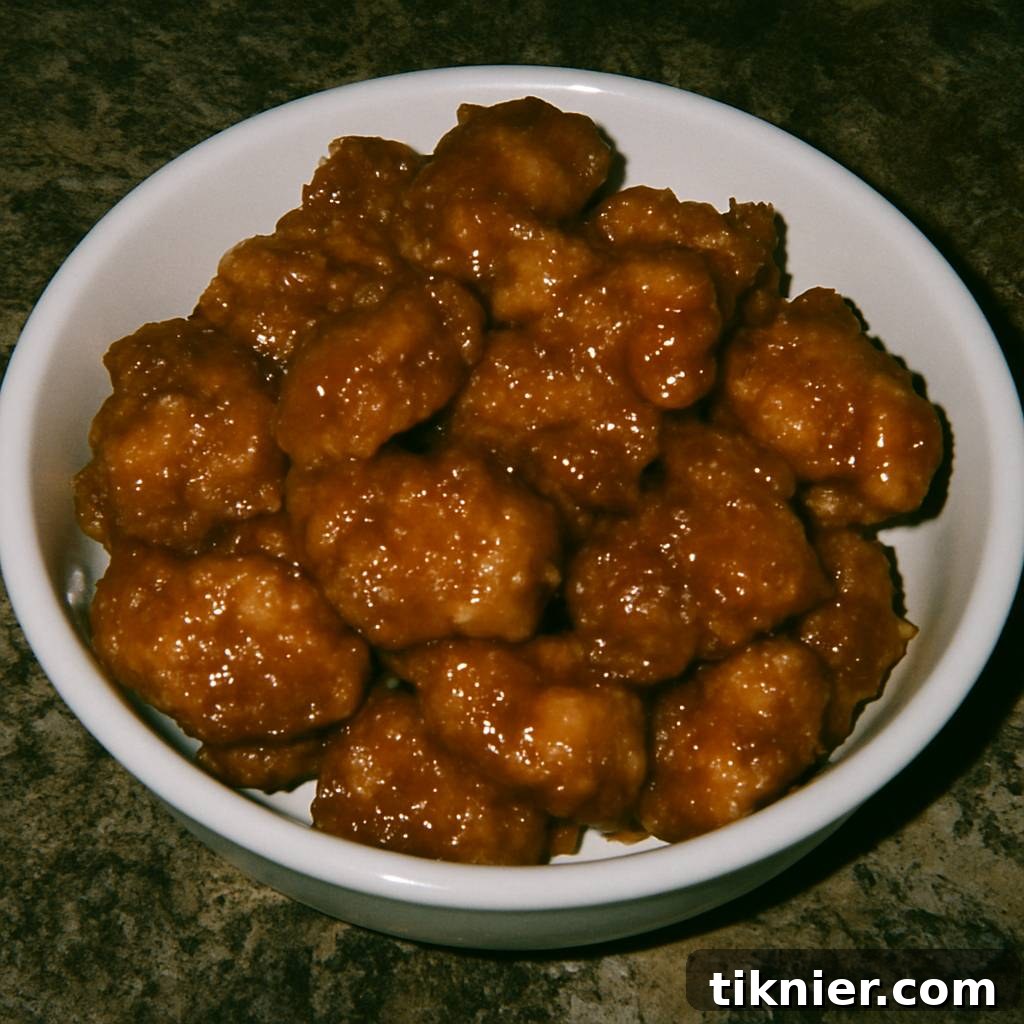
Mastering Homemade Panda Express Orange Chicken: Your Guide to a Zesty, Crispy Copycat
There’s an undeniable magic in recreating a beloved restaurant dish right in the comfort of your own kitchen. Few dishes evoke that feeling quite like Panda Express Orange Chicken. That distinctive sweet, tangy, and savory glaze clinging to perfectly crispy chicken pieces is a flavor profile that has captivated taste buds across the nation for decades. It’s more than just a meal; it’s a culinary experience, a go-to comfort food that signals a delicious treat for busy evenings or special gatherings.
I distinctly remember the first time my husband, Bobby, introduced me to the wonders of Panda Express Orange Chicken. We were knee-deep in a dusty back porch renovation, exhausted and covered in sawdust, far too spent to even consider cooking. He walked in, carrying that iconic white carton, and the sweet, citrusy aroma instantly filled our home. It was an absolute lifesaver that evening, and I was immediately, utterly hooked on that vibrant flavor, marking the beginning of a long-standing culinary love affair.
For many years, it remained our quintessential weeknight indulgence, a quick and satisfying answer to those demanding days. But as anyone who knows me can attest, I can’t resist a good challenge in the kitchen. Soon, a thought sparked: “I bet I can make this at home. And not just make it, but elevate it – make it even better, fresher, and more vibrant.” The standard store-bought orange juice often found in most copycat recipes always felt a tad underwhelming, lacking the bright, sunny zest I craved. It needed more depth, more life, a true burst of sunshine in every spoonful of sauce.
That’s when a brilliant idea struck me. Living down South, we’re blessed with an abundance of satsuma oranges, often growing practically in our backyards. Their juice is inherently sweeter, more fragrant, and boasts a much brighter flavor profile than any regular navel orange you’ll typically find in grocery stores. I decided that freshly squeezed satsuma juice, combined with a pungent, aromatic kick from fresh ginger, would be my secret weapon. It took a few delightful attempts to perfect the intricate balance of the sauce, experimenting with ratios and cooking times. But when I finally nailed it, oh, honey, it was pure culinary alchemy. This homemade Panda Express Orange Chicken recipe captures all the comforting nostalgia of the original, but with a vibrant, zesty, and utterly fresh flavor that truly sings on the palate, making it a new family favorite.
Unlocking the Magic: Why This Homemade Orange Chicken Recipe Excels
Orange chicken is undeniably an American culinary success story. While its origins can be traced back to classic sweet and sour dishes found in China’s Hunan province, the universally adored version we know today was skillfully crafted by Chef Andy Kao for Panda Express in 1987. It quickly ascended to become their signature dish, and its widespread appeal is easy to comprehend. The harmonious blend of tender, crispy fried chicken enveloped in a perfectly balanced sweet, tangy, and savory orange sauce is simply irresistible, a true masterpiece of fast-casual cuisine that continues to delight millions.
This dish masterfully engages all our senses and hits every desirable flavor note, making it profoundly satisfying. You experience the delightful crunch of the perfectly fried chicken, providing a textural contrast that makes each bite exciting. Then comes the pleasant sweetness derived from the sugar and fresh orange juice, followed by the profound savory depth contributed by the soy sauce, and finally, a gentle, refreshing tang from the rice vinegar. It’s a beautifully constructed and balanced dish that resonates with both children and adults, cementing its status as a beloved staple in food courts and family dinner rotations across the country. It’s the kind of meal that consistently brings smiles to faces and guarantees clean plates.
So, what exactly sets my rendition of Panda Express Orange Chicken apart and makes it so exceptionally special? It all boils down to an unwavering commitment to freshness and a subtle touch of Southern culinary charm. Instead of resorting to commercially bottled orange juice concentrate, which can often impart a somewhat muted or even artificial taste, I adamantly advocate for using only fresh-squeezed satsuma orange juice. This choice infuses the sauce with an incomparably brighter, more dynamic, and natural citrus flavor that simply cannot be replicated by juice from a carton. The difference in freshness and vibrancy is truly astounding and immediately noticeable.
Furthermore, I generously incorporate both fresh ginger and fresh garlic. These vibrant aromatics are not just background players; they provide a zesty, almost peppery backbone that skillfully cuts through the inherent sweetness of the sauce, preventing it from becoming cloying or one-dimensional. The ultimate outcome is a sauce that feels both comfortably familiar and distinctly elevated – a gourmet twist on a classic. This recipe pays homage to the delicious original while imbuing it with a personal, handcrafted touch that will undoubtedly have your family requesting it again and again, transforming weeknights into special occasions and making you the hero of the kitchen.
Essential Ingredients for Your Perfect Homemade Orange Chicken
The secret to crafting truly spectacular homemade orange chicken lies squarely in the quality and freshness of your ingredients. Opting for fresh components, particularly for the star of the show – the sauce – makes an enormous difference in the final taste, texture, and overall appeal. Here’s a detailed breakdown of everything you’ll need to embark on this delicious culinary adventure, along with tips for ingredient selection.
For the Crispy Chicken:
- 2 lbs boneless, skinless chicken thighs: Cut into uniform 1-inch pieces. Chicken thighs are my preferred choice due to their inherent tenderness, richer flavor, and higher fat content, which helps them stay moist and succulent even after frying and coating in sauce. They are far more forgiving than chicken breasts.
- 1 large egg: Beaten. The egg acts as a crucial binder, helping the subsequent flour and cornstarch coating adhere beautifully and evenly to the chicken pieces, creating a more substantial and ultimately crispier crust.
- 1 teaspoon salt: Essential for seasoning the chicken from the inside out, ensuring depth of flavor that penetrates beyond the surface.
- 1/2 teaspoon black pepper: Adds a subtle warmth and aromatic complexity, complementing the other spices in the coating.
- 1/2 teaspoon garlic powder: Infuses the chicken itself with a foundational savory note, working in perfect harmony with the fresh garlic that will go into the sauce.
- 1 cup all-purpose flour: Forms the primary base of our crispy breading, providing the necessary structure and body for the crust.
- 1/2 cup cornstarch: This is the game-changer for achieving maximum crispiness! Cornstarch ensures a lighter, airier, and much crunchier coating compared to using flour alone. This is absolutely crucial for replicating the authentic, delicate crispy texture of restaurant-style orange chicken.
- Vegetable or canola oil: Approximately 3-4 cups for frying. Always choose a neutral-flavored oil with a high smoke point, such as vegetable, canola, or peanut oil, to ensure clean-tasting, perfectly fried chicken without imparting unwanted flavors.
For the Bright & Tangy Orange Sauce:
- 1 1/2 cups fresh-squeezed satsuma orange juice: This will typically require about 6-8 satsumas, depending on their size and juiciness. This is the cornerstone and star of my recipe! Satsumas are a specific type of mandarin orange, highly prized for their exceptional sweetness, very low acidity, and incredibly aromatic zest. Using their fresh juice delivers an authentic, bright, and vibrantly natural citrus flavor that simply can’t be matched by bottled alternatives. It’s the taste of pure sunshine.
- 1/2 cup granulated sugar: Provides the essential sweetness that perfectly balances the tang and savory notes of the sauce, creating that classic and irresistible orange chicken flavor profile.
- 1/4 cup rice vinegar: Adds a crucial tangy acidity without being overly sharp or aggressive, contributing significantly to the sauce’s complex and balanced flavor.
- 3 tablespoons soy sauce: (Low sodium is highly recommended) Offers vital umami depth and savory seasoning, rounding out the sauce’s flavor. Using low sodium allows you greater control over the overall saltiness of your dish.
- 2 tablespoons water: Used specifically to create the cornstarch slurry, ensuring smooth, lump-free thickening of the sauce.
- 1 tablespoon cornstarch: The primary thickening agent for the sauce, responsible for giving it that characteristic glossy, luxurious, and clingy texture that coats every piece of chicken beautifully.
- 1 tablespoon fresh ginger: Finely grated or high-quality ginger paste. Fresh ginger is absolutely vital for its pungent, warming, and intensely aromatic kick, which brightens the sauce, adds a layer of complexity, and expertly cuts through its richness.
- 2 cloves garlic: Minced. Fresh garlic provides a sharp, savory, and aromatic foundation, complementing the ginger and orange notes perfectly.
- 1/2 teaspoon red pepper flakes: (Optional, for a little gentle heat) Adds a subtle, pleasant warmth that enhances the complexity of the sauce without making it overtly spicy. This tiny kick elevates the flavor profile.
- Zest of one satsuma orange: Provides an intense burst of concentrated orange aroma and flavor, elevating the natural citrus notes beautifully and adding visual appeal.
The undisputed hero ingredient here, the one that truly makes this recipe sing, is the fresh-squeezed satsuma orange juice. Satsumas, with their inherent sweetness, delicate fragrance, and vibrant flavor, provide a profile that is leagues ahead of anything found in a carton. If satsumas are not readily available in your area, a high-quality, freshly squeezed Valencia orange juice would be the next best and delicious alternative. Just ensure it’s truly fresh for the most impactful results.
Additionally, do not compromise on the fresh ginger and garlic. The powdered versions, while convenient, simply lack the vibrant, aromatic punch and nuanced flavor that fresh ingredients bring. These aromatics are essential for making this sauce truly lively, dynamic, and undeniably delectable, creating a depth that dry spices cannot match.
Step-by-Step Guide to Crafting Authentic Panda Express Orange Chicken at Home
Bringing this iconic dish to life in your own kitchen is a much simpler process than you might imagine. By diligently following these detailed, easy-to-understand steps, you’ll be able to present a restaurant-quality meal on your table in surprisingly little time. The key to success lies in methodical preparation, working in manageable batches, and having all your ingredients prepped and ready before you begin the frying process. This organized approach ensures a smooth and enjoyable cooking experience.
- Prepare and Season the Chicken to Perfection: In a medium-sized mixing bowl, combine your precisely cut 1-inch pieces of boneless, skinless chicken thigh. Add the lightly beaten large egg, the teaspoon of salt, half teaspoon of black pepper, and half teaspoon of garlic powder. Toss everything together thoroughly with your hands or a spoon, ensuring each piece of chicken is evenly coated with the seasoning and egg mixture. This initial seasoning is crucial for infusing flavor directly into the chicken meat, ensuring every bite is delicious. In a separate shallow dish or a large, sturdy plastic bag (which makes coating easier and less messy), whisk together the all-purpose flour and cornstarch until well combined. This specific combination is the secret to achieving that extra crispy, light, and enduringly crunchy coating that will hold up beautifully even after being tossed in the warm sauce.
- Dredge the Chicken for Maximum Crispness: Working in small, manageable batches to prevent overcrowding and ensure even coating, carefully take a few pieces of chicken from the egg mixture. Allow any excess egg to drip off naturally back into the bowl before transferring them into the flour and cornstarch mixture. Ensure each chicken piece is completely and evenly coated on all sides. Gently shake off any superfluous flour mixture – too much can lead to a heavy, gummy coating rather than a light, crispy one. Place the uniformly coated chicken pieces onto a clean baking sheet or a wire rack set over a baking sheet. This allows for even air circulation around the chicken and prevents them from sticking together while you bread the remaining pieces. Repeat this meticulous dredging process until all your chicken pieces are perfectly breaded and patiently waiting for their moment in the hot oil.
- Achieve Golden Perfection: Fry the Chicken: Heat approximately 2 inches of vegetable or canola oil in a large, heavy-bottomed pot, a sturdy Dutch oven, or a deep-fryer. Aim for a consistent temperature of 350°F (175°C). A deep-fry thermometer is an invaluable tool here, as maintaining the correct oil temperature is paramount for achieving truly crispy, non-greasy chicken. If the oil is too cool, the chicken will absorb oil and become soggy; if too hot, it will burn before cooking through. Carefully and gently add the breaded chicken to the hot oil in a single layer, being extremely cautious not to overcrowd the pot. Overcrowding will drastically lower the oil’s temperature, inevitably leading to greasy, soft chicken. Fry the chicken for approximately 4 to 5 minutes, turning the pieces occasionally with tongs to ensure even browning and a uniform crust, until they are beautifully golden brown and thoroughly cooked through. The internal temperature of the chicken should reach 165°F (74°C). Using a slotted spoon or spider, remove the cooked chicken from the oil and transfer it to a wire rack set over paper towels to drain any excess oil. This crucial step is vital for retaining maximum crispness.
- Craft the Irresistible Orange Sauce: While your chicken is frying in batches, you can simultaneously begin preparing the glorious orange sauce. In a small bowl, meticulously whisk together the 2 tablespoons of cold water and 1 tablespoon of cornstarch to form a smooth “slurry.” This slurry is essential for thickening the sauce without introducing any unwelcome lumps. Set this aside. In a medium saucepan, combine the fresh satsuma orange juice, granulated sugar, rice vinegar, soy sauce (low sodium preferred for better control), finely grated fresh ginger, minced garlic, and the optional red pepper flakes. Bring this mixture to a gentle simmer over medium heat, stirring occasionally with a whisk to ensure the sugar fully dissolves. Allow it to simmer for about 2-3 minutes to let the flavors meld beautifully.
- Thicken and Combine for a Glorious Finish: Once the sauce mixture is actively simmering, slowly and steadily whisk in the prepared cornstarch slurry. Continue to cook the sauce, stirring constantly with your whisk, for another minute or two. You will observe the sauce transforming, thickening beautifully until it achieves a consistency that generously coats the back of a spoon. Once thickened to your desired consistency, immediately remove the saucepan from the heat and stir in the fragrant satsuma orange zest. This ensures its vibrant aroma and delicate flavor are preserved and not cooked out. Finally, pour the piping hot, glossy orange sauce over your freshly fried, incredibly crispy chicken in a large mixing bowl. Gently toss the chicken with tongs until every single piece is magnificently coated with the glistening, flavorful sauce. Serve your homemade Panda Express Orange Chicken immediately while it is still wonderfully hot and irresistibly crispy, ensuring the best possible texture and taste experience.
Creative Ways to Serve Your Homemade Panda Express Orange Chicken
Once you’ve perfectly tossed those golden-crisp chicken pieces in that glorious, vibrant orange sauce, the moment of truth arrives: it’s time to serve. The true beauty of this homemade Panda Express Orange Chicken lies in its incredible versatility. It can effortlessly stand alone as the star of a simple, comforting weeknight meal or be elegantly integrated into a larger, more elaborate culinary spread for guests. The presentation possibilities are as delicious and exciting as the dish itself, allowing you to tailor the meal to any occasion.
For a quintessential, no-fuss presentation that perfectly mimics the beloved takeout experience, generously spoon the orange chicken over a fluffy bed of freshly steamed white rice or wholesome brown rice. The rice serves as an ideal canvas, diligently soaking up every precious drop of that exquisite sauce, ensuring absolutely none of that liquid gold goes to waste. To add a splash of color, vital nutrients, and a touch of freshness, I highly recommend steaming some vibrant broccoli florets or crisp green beans on the side. This simple addition beautifully rounds out the meal, making it both satisfying, balanced, and visually appealing.
If you’re in a more celebratory mood, hosting guests, or simply want to elevate your dining experience, consider creating a magnificent platter that allows for various accompaniments. Here are some of my favorite ways to serve this delectable dish, catering to different preferences and occasions:
- The Classic Takeout Experience, Elevated: Recreate the full restaurant vibe by serving your orange chicken alongside a generous portion of homemade fried rice, perhaps with some perfectly crispy egg rolls or fresh spring rolls. This timeless combination is an undeniable crowd-pleaser and effortlessly transports that fun, restaurant-quality dining experience directly to your own dining room table.
- Delightful with Noodles: For a delightful textural contrast and a hearty meal, consider serving the orange chicken over a bed of tender, savory lo mein noodles instead of rice. The soft, yielding noodles provide a wonderful counterpoint to the satisfying crispness of the chicken, creating a truly harmonious and deeply satisfying bite.
- Light & Interactive Lettuce Wraps: For a lighter, incredibly fun, and highly interactive meal, provide large, crisp lettuce cups – iceberg, butter lettuce, or romaine work beautifully. Let your family and guests build their own bespoke wraps, filling them with the savory orange chicken, a sprinkle of shredded carrots for crunch, and perhaps a scattering of chopped peanuts for an extra layer of texture and flavor. This makes for a great appetizer or a lighter main dish.
- The Art of Garnishing: Never underestimate the power of thoughtful garnishes to enhance both the visual appeal and the flavor profile of your dish. A delicate sprinkle of toasted sesame seeds adds a nutty crunch and elegant finish. Thinly sliced green onions (scallions) provide a mild, fresh oniony bite and a pop of vibrant green. For an extra aromatic flourish, a little extra satsuma orange zest grated over the top just before serving can awaken the senses and make the dish feel even more special and thoughtfully prepared, showcasing your attention to detail.
Regardless of how you choose to present it, this homemade Panda Express Orange Chicken is best savored hot, immediately after it has been lovingly tossed in the sauce. This is when the chicken is at its absolute crispiest, and the kaleidoscope of flavors in the sauce is at its brightest and most vibrant peak. The sauce clings perfectly, and the chicken retains its perfect crunch. So, gather everyone around the table, anticipation building, and prepare for some happy, contented chewing – a clear sign of a meal truly enjoyed and destined to become a regular request.
Smart Storage & Reheating Tips for Orange Chicken Leftovers
On the rare and fortunate occasion that we find ourselves with leftovers of this incredible homemade Panda Express Orange Chicken, I confess, I get a little thrill. While it is undeniably at its peak when enjoyed fresh off the stove, these leftovers can still be incredibly delicious, provided you know the proper techniques for storing and, more importantly, reheating them. The primary objective is to diligently preserve the chicken’s crispness and to skillfully revive that wonderful, zesty flavor profile, making your future self very happy.
First and foremost, allow the orange chicken to cool down completely to room temperature before you even think about storing it. This step is critical. Placing hot food directly into the refrigerator can create unwelcome condensation within the container, which is the sworn enemy of any crispy coating, turning it soggy prematurely. Once fully cooled (this can take up to an hour depending on quantity), transfer the leftovers into an airtight container. Stored correctly, this delightful chicken will keep beautifully in the refrigerator for up to 3 days, making for excellent future meals and quick lunches.
When it comes to the crucial step of reheating, I implore you, please, step away from the microwave! Microwaving will invariably transform that once-crispy coating into a soft, steamy, and utterly disappointing mess. Your efforts in achieving that perfect crunch deserve better. Here are a few vastly superior methods for expertly bringing your orange chicken back to its glorious, crispy life, ensuring maximum enjoyment:
- The Air Fryer Method (My Top Recommendation): This is, without a doubt, my absolute favorite and most effective way to reheat orange chicken, delivering results closest to freshly fried. Preheat your air fryer to a brisk 375°F (190°C). Arrange the leftover orange chicken pieces in a single, uncrowded layer within the air fryer basket to allow for optimal air circulation. Heat for approximately 4 to 6 minutes, making sure to shake the basket vigorously halfway through to ensure even heating and re-crisping. The powerful circulating hot air works wonders to breathe new life and crispness back into the coating, miraculously mimicking its fresh-fried texture.
- The Oven Method (Your Next Best Bet): If an air fryer isn’t part of your kitchen arsenal, the conventional oven is an excellent and reliable alternative. Preheat your oven to a robust 400°F (200°C). Spread the orange chicken out evenly on a baking sheet that has been lined with parchment paper – this prevents sticking and aids in easy cleanup. Bake for about 10 to 15 minutes, or until the chicken is thoroughly heated through and, crucially, its coating has firmed up and regained its appealing crispness. Keep a close eye on it during the last few minutes to prevent over-drying, as ovens can vary.
- The Skillet Method (For a Quick Refresh): You can also successfully reheat orange chicken in a non-stick skillet over medium heat. Add just a tiny splash of neutral oil to the pan (about a teaspoon) to aid in crisping the exterior. Add the chicken pieces and heat for a few minutes, turning them occasionally with tongs, until they are warm throughout and the exterior has become delightfully crisp again. If the sauce appears a bit too thick from refrigeration, you might want to add a tiny splash of water or a bit more fresh orange juice to thin it slightly as it reheats, stirring it in gently.
Armed with these expert tips, your leftover homemade Panda Express Orange Chicken will be astonishingly close to its original, freshly made perfection. It makes for an absolutely fantastic, quick, and immensely satisfying lunch the next day, saving you valuable time and providing something truly delicious to anticipate, proving that good food doesn’t always have to be eaten fresh to be enjoyed.
Exciting Substitutions & Creative Variations for Your Orange Chicken
One of the most rewarding aspects of cooking at home is the wonderful freedom it offers to personalize a recipe, adapting it to perfectly suit your individual tastes, dietary needs, or simply what ingredients you happen to have readily available. This homemade Panda Express Orange Chicken recipe serves as a magnificent foundation, but I wholeheartedly encourage you to experiment and play around with it. Cooking should be an adventure, a journey of flavor discovery! Here are some straightforward substitutions and exciting variations to inspire your culinary creativity and make this dish truly your own.
Don’t hesitate to truly make this recipe your own unique creation. The core of this dish is that simply fantastic, balanced orange sauce, which is quite forgiving and adaptable. Use what you love, what inspires you, and what you have on hand. Let your kitchen be your laboratory and your imagination be your guide!
Protein Swaps for Diverse Palates:
- Chicken Breast: While my recipe favors the unparalleled juiciness and rich flavor of chicken thighs, you can absolutely use boneless, skinless chicken breasts. Just be exceptionally mindful not to overcook them, as their leaner nature means they can dry out much more easily. Cut them into 1-inch cubes and follow the same breading and frying instructions, but reduce the frying time slightly to about 3-4 minutes.
- Crispy Shrimp: For a delightful seafood twist, this vibrant orange sauce is also incredibly delicious with crispy fried shrimp. Ensure your shrimp are peeled, deveined, and patted very dry before breading and frying quickly (about 1-2 minutes per side) until golden and cooked through. Toss gently with the sauce immediately.
- Vegetarian Tofu Option: For a fantastic plant-based alternative, try using extra-firm or super-firm tofu. The key is to press the tofu thoroughly (using a tofu press or heavy weights) to remove as much excess water as possible before cutting it into cubes, breading, and frying until golden and crispy. This ensures a firm, satisfying texture that can stand up beautifully to the sauce.
- Pork or Beef: Thinly sliced pork tenderloin or beef sirloin, velveted (coated in cornstarch and soy sauce then quickly seared) or lightly fried, can also be a wonderful protein base, offering a different texture and flavor profile.
Making it Gluten-Free:
- To effortlessly transform this into a gluten-free dish, simply swap the all-purpose flour for a high-quality gluten-free all-purpose flour blend. Many excellent blends are available that work beautifully for frying and create a crisp coating.
- Additionally, you will need to substitute the traditional soy sauce with tamari or coconut aminos. Both are superb gluten-free alternatives that provide a similar umami depth and savory profile without the gluten, ensuring the sauce remains authentic in flavor.
Tailoring Sweetness and Spice to Your Liking:
- Adjusting Sweetness: Is the sauce a tad too sweet for your preference? Feel free to reduce the granulated sugar by a couple of tablespoons initially, tasting and adding more if needed. You could also experiment with a touch of honey or maple syrup for a different kind of sweetness, adding it carefully to taste.
- Boosting the Heat: If you and your family are fans of a bolder kick, don’t be shy with the red pepper flakes! You can easily increase the amount to a full teaspoon or even more, depending on your desired spice level. For a different dimension of heat, consider adding a dash of sriracha, a spoonful of chili garlic sauce, or even a tiny amount of finely minced fresh serrano or jalapeño pepper to the saucepan while the sauce simmers. Adjust to your heat tolerance.
Exploring Citrus Variations:
- While the unique sweetness and fragrance of satsuma orange juice are my secret weapon, the world of citrus offers many exciting possibilities for experimentation in the sauce.
- A lovely blend of orange and pineapple juice can create a tropical, sweeter, and tangier profile, adding a delicious complexity.
- Trying blood orange juice will not only impart a strikingly beautiful reddish hue to your sauce but also offer a subtly different, often berry-like, flavor profile that is truly unique.
- A final squeeze of fresh lime juice or lemon juice just before serving can add a wonderful bright, zesty counterpoint that elevates and enlivens all the flavors beautifully, cutting through richness and adding a fresh finish.
Adding Vegetables or Nuts:
- For extra texture and nutrition, consider adding steamed broccoli florets, snap peas, bell pepper strips, or shredded carrots directly to the sauce during the last minute of simmering, or stir-fry them separately and add to the final dish.
- A sprinkle of toasted cashews or peanuts alongside the sesame seeds can provide an extra layer of crunch and nutty flavor.
These suggestions are merely a springboard. Let your culinary curiosity and the contents of your pantry be your guides. You might just uncover a brand new family favorite variation of this already incredibly delicious homemade Panda Express Orange Chicken, proving that a classic can always be re-imagined!
Frequently Asked Questions About Homemade Orange Chicken
Here are clear, concise, and helpful answers to the most common questions I receive regarding this homemade Panda Express Orange Chicken recipe. These insights will help you troubleshoot and perfect your dish, ensuring success every time you cook it.
Why isn’t my Homemade Orange Chicken crispy?
Oh, this is truly one of the most disheartening problems when making orange chicken, isn’t it? You invest all that effort into frying, only for the chicken to emerge soft and lacking that essential crunch. There are typically three primary culprits behind soggy orange chicken. First and foremost is the oil temperature. If your frying oil isn’t hot enough (ideally a consistent 350°F / 175°C), the breading will unfortunately absorb oil instead of instantly crisping up and forming a protective barrier. I cannot overstate how incredibly useful a kitchen thermometer is for maintaining this critical temperature; it’s your best friend for perfect frying! Furthermore, if you add too much chicken to the pot at once, the oil temperature will plummet dramatically, inevitably leading to greasy, soft chicken. Always fry in small, manageable batches to keep that temperature consistently high.
The second critical reason lies in the coating itself. The specific combination of all-purpose flour and cornstarch in the breading is absolutely crucial. Cornstarch is the ingredient that provides that signature light, airy, and incredibly crispy texture. Ensure your chicken pieces are thoroughly and evenly coated, but also remember to gently shake off any excess flour mixture – too much loose flour can create a heavy, gummy crust that doesn’t crisp well. Finally, don’t allow the chicken to sit in the sauce for too long before serving. This dish is designed to be sauced and served immediately. The longer the crispy chicken lingers in the warm sauce, the more the breading will inevitably soften. For the absolute best, crispiest results, toss the chicken with the sauce right before you announce dinner and call everyone to the table, ensuring maximum crunch and flavor.
Can I make this Homemade Orange Chicken in an air fryer for a healthier option?
Yes, absolutely! Making this homemade orange chicken in an air fryer is a fantastic and highly recommended way to achieve a wonderfully crispy result with significantly less oil, making it a lighter alternative without sacrificing much on texture. To successfully adapt this recipe for the air fryer, you will prepare and coat the chicken pieces exactly as described in the deep-frying instructions. The key difference is that instead of deep frying, you will lightly mist or spray the breaded chicken pieces with a thin, even layer of cooking oil (such as avocado or canola spray). This small amount of oil is essential for helping them achieve that beautiful golden-brown color and irresistible crispiness in the air fryer.
Preheat your air fryer to a robust 400°F (200°C). Carefully arrange the chicken in a single layer within the air fryer basket, ensuring not to overcrowd it. You will almost certainly need to cook in multiple batches to maintain even heat and crisping. Air fry for approximately 10 to 12 minutes in total, making sure to flip the chicken pieces halfway through the cooking time, until they are gloriously golden brown and thoroughly cooked through internally (165°F / 74°C). While the chicken is air frying, you can perfectly prepare the delicious orange sauce on the stovetop as directed. Once all the chicken is cooked, gently toss it with the warm sauce and serve immediately for a delicious, lighter version of this classic that still delivers on crunch and flavor.
Can I use chicken breast instead of thighs for this Homemade Orange Chicken recipe?
Of course, you can! Many individuals prefer the leaner, milder taste of chicken breasts, and they perform perfectly well in this recipe. The entire preparation process for the chicken remains precisely the same: You will cut the boneless, skinless chicken breasts into 1-inch cubes and then proceed with the exact same breading and frying steps. However, there is one very important aspect to be particularly mindful of: the cooking time.
Chicken breast cooks noticeably faster than chicken thigh meat and has a greater propensity to become dry, tough, and stringy if it is overcooked. When frying chicken breast, it may only require a shorter cooking time of 3 to 4 minutes to cook through adequately, rather than the 4-5 minutes for thighs. The most reliable way to check for doneness is to carefully cut into one of the larger pieces to ensure there is no trace of pink remaining in the center. Because chicken breasts are inherently leaner, they won’t possess the same juicy, forgiving qualities as chicken thighs, but they will still be absolutely delicious and thoroughly enjoyable when enveloped in that incredible homemade orange sauce, especially if not overcooked.
What makes the sauce for Homemade Orange Chicken thick and glossy?
The culinary magic behind the beautifully thick and glossy texture of this orange chicken sauce is a humble yet powerful ingredient: cornstarch. Specifically, we utilize a technique called creating a “slurry.” A slurry is simply a smooth mixture of cornstarch and a cold liquid – in this particular recipe, cold water. It is absolutely imperative that you thoroughly mix the cornstarch with cold water until it forms a smooth, lump-free paste BEFORE adding it to the hot sauce. If you were to dump dry cornstarch directly into the simmering sauce, you would inevitably end up with an unappetizingly lumpy, clumpy mess that is extremely difficult to smooth out, as the dry starch granules would clump together instantly.
By first dissolving the cornstarch in cold water, it can be seamlessly and smoothly incorporated into the hot sauce. When this cornstarch slurry encounters the hot liquid and is vigorously whisked in, the starch granules within the cornstarch absorb the heat, swell rapidly, and undergo a process known as gelatinization. This is the scientific explanation for why the sauce thickens so beautifully and quickly, transforming from a thin liquid to a viscous, glossy coating. It only requires a brief minute or two of gentle simmering and constant stirring for this transformation to occur, leaving you with a perfectly glossy, delightfully thick sauce that adheres exquisitely to every single piece of crispy chicken, creating that signature restaurant finish.
Is this Homemade Orange Chicken recipe spicy?
As written, this particular recipe is designed to offer just a subtle hint of warmth rather than being overtly spicy. The inclusion of 1/2 teaspoon of red pepper flakes is intended to provide a gentle background heat, a nuanced undertone that expertly balances the inherent sweetness of the sauce. Its purpose is to enhance the overall complexity of the flavor profile, making it more interesting without igniting a fiery sensation in your mouth. For the vast majority of palates, including my own children’s, it presents as a very mild, pleasant warmth that simply adds a layer of depth without being overwhelming.
However, the true beauty and flexibility of this recipe lie in the fact that you, the home cook, are in complete and total control of the heat level. If you or members of your family are particularly sensitive to spice or if you are preparing this for very young children, you can confidently omit the red pepper flakes entirely; the dish will still be exceptionally flavorful and delicious, simply without any heat. Conversely, if you and your family absolutely adore a good, fiery kick, feel completely free to increase the amount of red pepper flakes to a full teaspoon, or even more, to your personal preference. For an even more dynamic and different kind of heat, you could also consider stirring in a dash of sriracha or a spoonful of chili garlic sauce towards the end of the sauce preparation. The choice, and the delicious heat level, are entirely up to you!
Explore More Delicious Recipes
If you’ve enjoyed mastering this homemade orange chicken, you’ll love these other fantastic recipes to expand your culinary repertoire and discover more crowd-pleasing meals:
- 100 Delicious, Easy Breakfast Ideas & Recipes You Should Try This Year
- 50 Cheap Meal Ideas That Actually Taste Good (Budget-Friendly Recipes for Every Meal)
- 110 Easy Dinner Ideas That Taste Great (Easy Dinner Recipes You Can Do At Home)