The Perfect Chess Pie: An Easy & Delightful Southern Classic
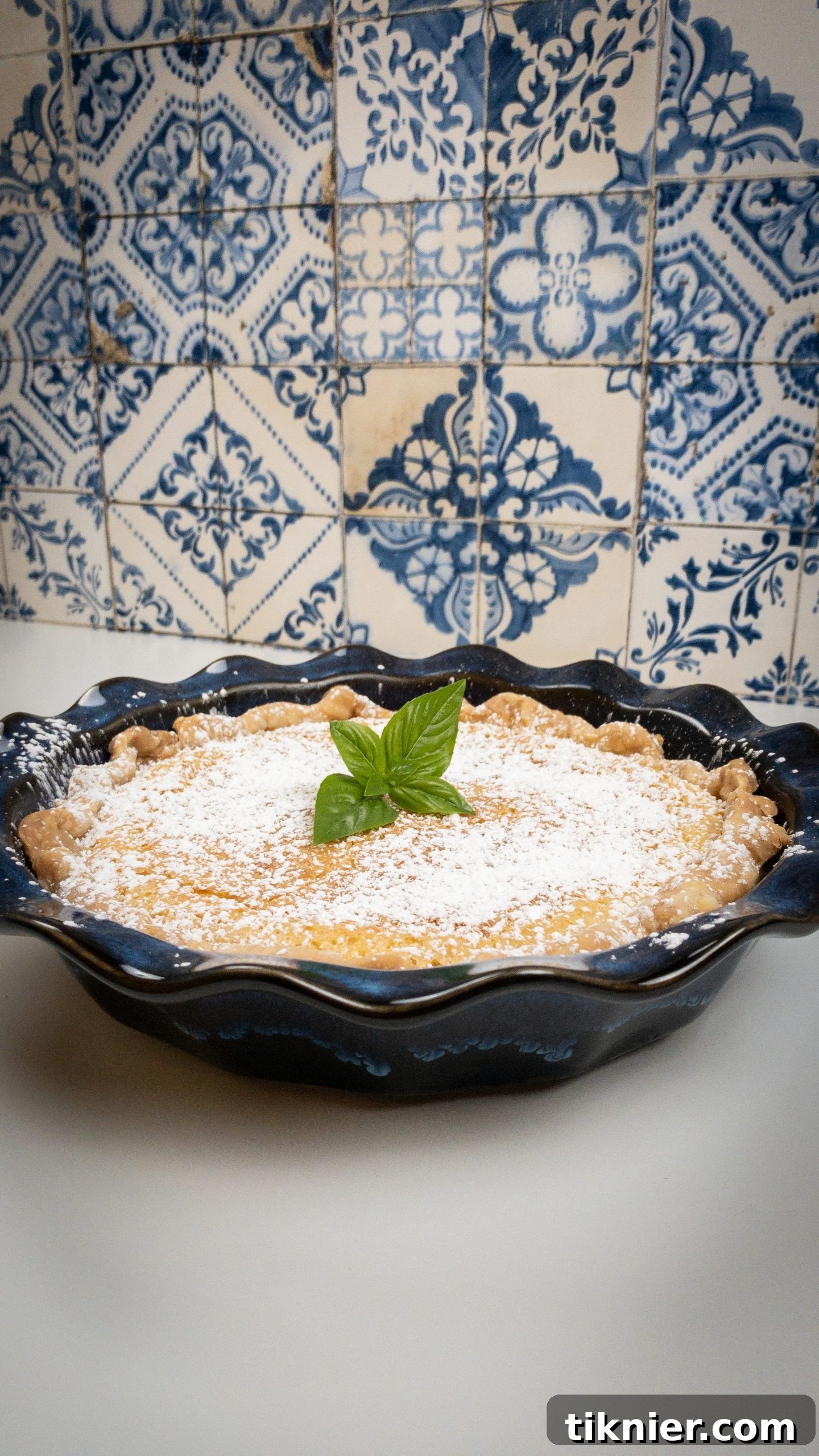
When it comes to the delightful world of homemade pies, many home bakers often harbor a misconception that crafting a truly exceptional pie must be a daunting task. While some intricate pastry creations certainly demand skill and patience, the classic Chess Pie stands apart, embodying the very essence of the popular saying, “as easy as pie.” This beloved Southern dessert dispels any notions of complexity, promising a surprisingly simple yet deeply satisfying baking experience. Its rich, sweet, and custardy filling, nestled in a flaky crust, offers a taste of pure comfort that will leave you wondering why you haven’t made it sooner.
The phrase “as easy as pie” has evolved over time. Originally, it was used to describe someone who was kind and agreeable. However, much like “a piece of cake,” it has come to signify something remarkably simple to accomplish. And when you bake a Chess Pie, you’ll quickly understand just how perfectly this saying applies. The straightforward nature of its ingredients and preparation makes it an ideal choice for both novice bakers and seasoned pros looking for a quick, impressive dessert.
Unraveling the Mystery: Why Is It Called Chess Pie?
Like many culinary enthusiasts, I find myself drawn to the stories behind food names. Understanding the etymology often adds another layer of appreciation to a dish. However, pinning down the exact origin of the “Chess Pie” name is a charmingly elusive quest. As I delved into its history, I uncovered several fascinating theories, each rooted in oral traditions and regional lore, painting a picture of a pie deeply entrenched in Southern culinary heritage.
The Chestnut Meal Theory
One compelling theory suggests that “chess” is a phonetic evolution of “chestnut.” In earlier times, especially in regions where cornmeal was scarce or less common, chestnut meal was occasionally used as a thickening agent in various recipes. Given the similar sound of “chess” and “chestnut,” it’s plausible that this simple pie, perhaps originally made with this alternative flour, gradually acquired its distinctive name. This speaks to the resourcefulness of early bakers, adapting recipes with available ingredients.
The Cheesecake Connection
Another popular belief links Chess Pie to an older form of cheesecake. Historical recipes, such as one found in Martha Washington’s renowned cookbook, describe methods for making “cheesecake without cheese curd.” These early cheesecakes often featured a rich, sweet custard filling that bears a striking resemblance to modern Chess Pie. While Martha Washington’s recipe didn’t bestow a specific name upon her cheese-less creation, it highlights a clear lineage between the simple, egg-and-sugar-based custards and what we now recognize as Chess Pie.
The Pie Chest Evolution
Before the widespread adoption of refrigeration, pies and other baked goods were commonly stored in specialized cabinets known as pie safes, or more colloquially, pie chests. These ventilated cupboards protected food from pests while allowing it to cool and remain fresh. Because Chess Pies were remarkably easy and economical to make, they were a frequent staple in many Southern households. People often expected to find such a simple, comforting pie within their “pie chest.” Over time, the name “chest pie” is believed to have subtly shifted into “chess pie,” a testament to its common presence in these household storage units.
The “Jus’ Pie” Tale from Alabama
Perhaps the most endearing and widely recounted origin story hails from late 19th-century Alabama. The tale speaks of a freed slave who supported herself by baking and selling pies, using only the most readily available ingredients. Given that expensive items like nuts and citrus were often hard to come by, her pies were simple concoctions of sugar, eggs, vinegar (or lemon juice), cornmeal, and butter. When asked by customers what kind of pie she was selling, her humble reply—”Oh, it’s jus’ pie“—is said to have been misheard or colloquialized into “chess pie.” This charming anecdote not only provides a plausible linguistic explanation but also beautifully captures the spirit of Southern cooking: making deliciousness from humble beginnings.
While each of these theories offers a compelling narrative, the exact truth remains delightfully ambiguous. It’s likely that a blend of these influences, or perhaps even distinct regional developments, contributed to the pie’s name. Regardless of its true origin, the Chess Pie has cemented its place as a beloved symbol of comfort and simplicity in Southern cuisine.
Crafting the Perfect Chess Pie Crust
One of the many appealing aspects of Chess Pie is its accessibility. The filling is made with common pantry staples, making it a go-to dessert for many. Because of this ease, a significant number of home bakers opt for the convenience of a store-bought, pre-made pie crust from the freezer section of their local supermarket. There’s certainly no shame in this time-saving shortcut, especially when you’re craving a quick dessert.
However, for those who find joy in the process of baking—the meditative rhythm of mixing, rolling, and creating something from scratch—a homemade pie crust elevates the entire experience. For me, personally, baking is a cherished opportunity to slow down, engage my senses, and savor the creative act. And let’s be honest, a truly excellent, flaky, buttery crust is a game-changer. If I’m going to indulge in the caloric pleasure of pie, it might as well be an utterly worthwhile endeavor, right?
For these reasons, I highly recommend making your own pie crust for this recipe. I’ve included a phenomenal homemade pie crust recipe, adapted from the trusted experts at King Arthur Baking Company. This particular recipe has been my unwavering go-to for over a decade. Its consistent flakiness, tender texture, and superb flavor are unparalleled, and I wouldn’t dream of deviating from it. Trust me, it’s that good, and it perfectly complements the rich, sweet filling of the Chess Pie.
The secret to a fantastic homemade crust lies in a few key principles: using very cold butter (cut into small pats), minimal handling of the dough to prevent gluten development, and ensuring the right amount of ice water to bring it together without making it sticky. These steps result in a crust that is both tender and incredibly flaky, providing the ideal foundation for your Chess Pie.
Deep Dish vs. Regular Pie Plates: Choosing Your Vessel
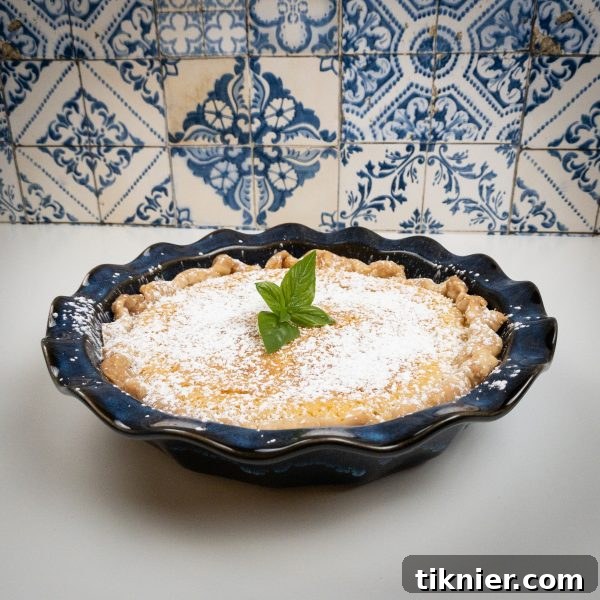
If you’ve recently perused the bakeware aisle, you’ve likely noticed a trend: deep-dish pie plates have become increasingly prevalent. This shift isn’t just about aesthetics; deep-dish plates offer practical advantages for many recipes, allowing for a more substantial filling and a grander presentation. Knowing this, I intentionally developed this Chess Pie recipe to perform beautifully in a deep-dish pie plate, anticipating that many of you would appreciate a recipe tailored to modern bakeware.
Deep-dish plates are fantastic because they accommodate a generous amount of filling, ensuring a satisfying slice with every serving. They also provide more surface area for the crust, which, if homemade, is a definite bonus. My popular mint chocolate pudding pie recipe also shines when baked in a deep-dish plate, proving their versatility for various pie types.
For this perfect Chess Pie, I opted for a 9-inch Koov ceramic pie plate, and I was absolutely thrilled with the results. Ceramic bakeware is known for its ability to distribute heat evenly, promoting a consistently baked crust and filling. It also retains heat well, keeping your pie warm longer after it comes out of the oven. The rich colors and sturdy construction of ceramic dishes also make them wonderful for oven-to-table presentation. In fact, my positive experience with the Koov pie plate has made me eager to explore their range of casserole dishes too, a testament to quality bakeware enhancing the baking process.
Pastry Mat vs. No Pastry Mat: The Convenience Factor
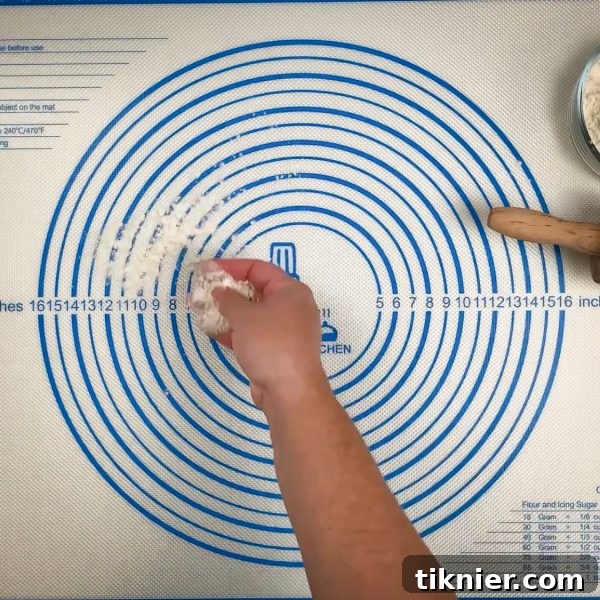
Another item I recently incorporated into my baking arsenal for this project was a 20” x 28” silicone pastry mat. For years, I, like many home bakers, relied on a clean countertop for rolling out dough. While a countertop certainly gets the job done effectively, the subsequent cleanup can sometimes be a bit of a chore, especially when flour dust seems to find its way into every crevice. I decided to give a dedicated pastry mat a try to see if it could simplify the process and minimize mess.
What I discovered was a revelation. The silicone mat’s non-stick surface allowed me to use significantly less flour to prevent the dough from sticking. This alone made for a much cleaner workspace and a super easy cleanup—a benefit anyone who bakes regularly will undoubtedly appreciate. Beyond the mess reduction, the mat also provided practical markings that made it much easier to measure and roll the dough to the precise size needed for a 9-inch deep-dish pie plate. This eliminated guesswork and helped achieve a perfectly round and sized crust, contributing to a more professional-looking finished pie. While not strictly necessary, a pastry mat is a simple yet effective tool that truly streamlines the pie-making process.
Lemon Juice vs. Vinegar: The Tangy Secret
A curious element often found in Chess Pie recipes is the inclusion of an acidic component: either lemon juice or vinegar. This isn’t just for flavor; the acid plays a crucial role in balancing the pie’s intense sweetness and helping the custardy filling set properly. When comparing various Chess Pie recipes, you’ll observe a clear division in preference, with some calling for the bright zest of lemon and others opting for the subtle tang of white distilled vinegar.
As a devoted fan of lemon’s vibrant and fresh flavor profile, I naturally gravitated towards using lemon juice in my recipe. Lemon not only provides the necessary acidity but also infuses the pie with a delicate, citrusy aroma that beautifully complements its rich sweetness. Some recipes I encountered suggested as much as ¼ cup of lemon juice. However, from experience with pies and casseroles, I prefer to keep the amount of liquid in fillings relatively low to ensure a firm, custardy texture rather than a watery one.
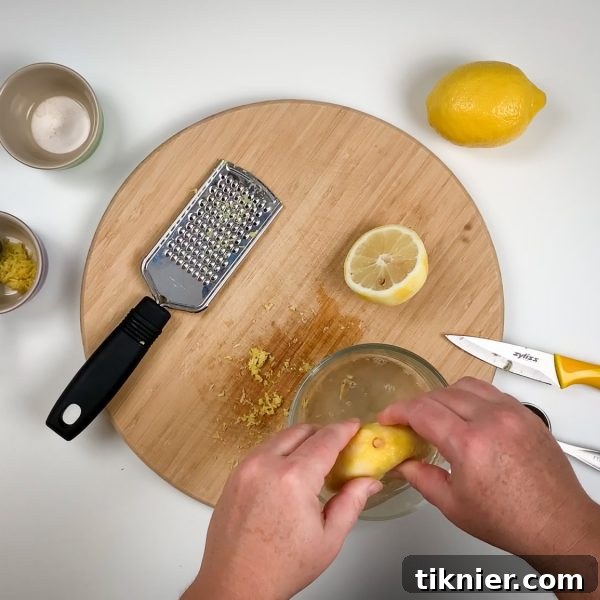
To achieve maximum lemon flavor without excess liquid, I opted to reduce the lemon juice to two tablespoons and compensate by adding two teaspoons of fresh lemon zest. Lemon zest, derived from the outer rind of the fruit, is packed with concentrated essential oils that deliver an intense burst of citrus aroma and flavor. This strategic substitution proved to be a stroke of genius; the results were phenomenal, yielding a Chess Pie with a perfect balance of sweetness and bright, tangy lemon notes, and a beautifully set filling.
If you prefer a milder tang or don’t have fresh lemons on hand, white distilled vinegar makes an excellent substitute. It provides the necessary acidity to cut through the sweetness and aid in the filling’s texture without imparting a distinct flavor of its own, allowing the pure sugar-and-butter notes to shine through.
Perfect Pairings for Your Chess Pie Experience
Chess Pie, with its inherently rich and sweet profile, truly sings when paired with the right beverage or accompaniment. The key is to find something that beautifully contrasts or complements its decadent flavors, preventing an overwhelming sweetness and enhancing the overall tasting experience.
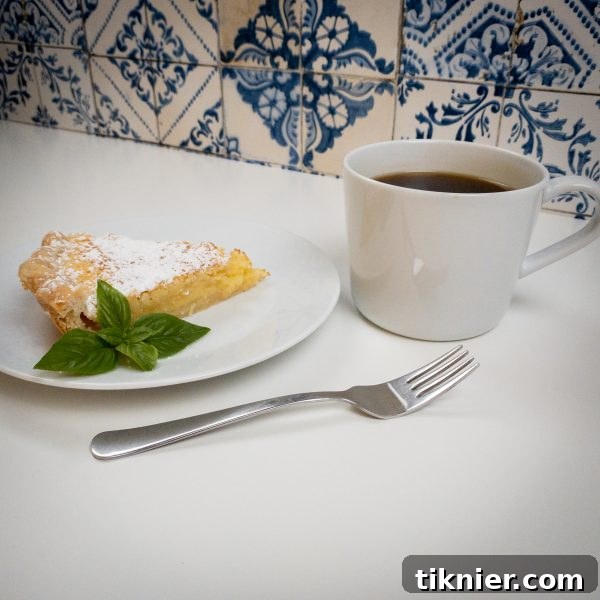
A classic and highly recommended pairing is a medium to full-bodied coffee. The inherent bitterness and robust flavor of coffee provide a wonderful counterpoint to the pie’s sugariness. It acts as a palate cleanser, allowing each bite of pie to be as enjoyable as the last. Think of a dark roast or a strong espresso; these will stand up to the pie’s richness without being overshadowed. Conversely, I would strongly advise against coffee doctored with excessive sugar and milk, or overly sweet teas, as their sweetness would compete directly with the pie, leading to a sugary overload that dulls the senses rather than delighting them.
For tea lovers, a strong brew like English Breakfast tea is another excellent choice. Its malty notes and brisk character cut through the pie’s sweetness, offering a refreshing balance. Other suitable tea options could include a robust Earl Grey or even a lightly sweetened black tea, as long as it doesn’t add too much additional sugar to the equation.
Beyond beverages, a simple dollop of unsweetened whipped cream or a scoop of high-quality vanilla bean ice cream can also elevate your Chess Pie experience. The cool, creamy texture and subtle flavors of these accompaniments provide a lovely contrast to the warm, custardy pie, adding another layer of indulgence without overwhelming the palate. The key is balance – allowing the Chess Pie to remain the star, while its companions enhance its inherent deliciousness.
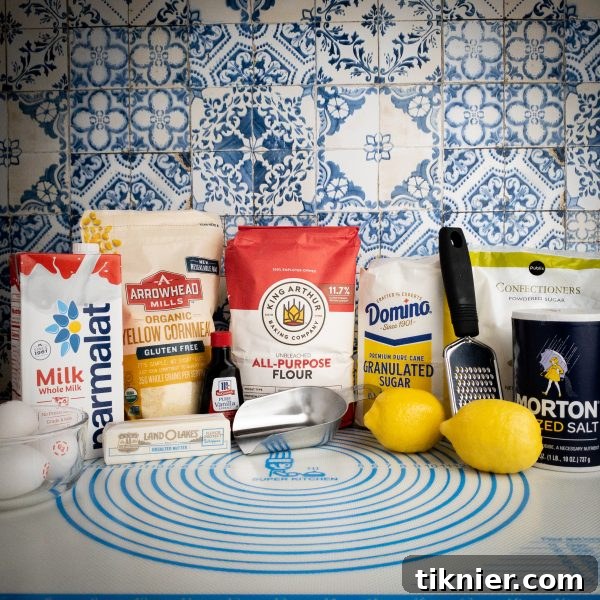
Ingredients for the Perfect Chess Pie
Gathering your ingredients is the first step to baking this delightful Southern treat. Ensure everything is measured precisely for the best results. For the butter in both the crust and filling, using unsalted butter allows you to control the overall saltiness of the pie.
For the Homemade Pie Crust:
- 1 ¼ cups (about 150g) all-purpose flour
- ½ teaspoon salt
- 8 tablespoons (1 stick or 113g) unsalted butter – very cold, cut into small pats
- ¼ cup (60ml) ice water (may need a little more or less)
For the Chess Pie Filling:
- 2 cups (400g) white granulated sugar
- 2 tablespoons cornmeal
- 2 tablespoons all-purpose flour
- 4 large eggs
- ⅔ cup (160ml) whole milk
- ½ cup (1 stick or 113g) unsalted butter – melted and cooled to room temperature
- 2 tablespoons freshly squeezed lemon juice (can substitute with 1 tablespoon white distilled vinegar for a less citrusy flavor)
- ¼ teaspoon salt
- 1 teaspoon pure vanilla extract
- 2 teaspoons fresh lemon zest (optional, but highly recommended for enhanced lemon flavor)
- Fresh basil or mint leaves for garnish (optional)
- Powdered sugar to dust the top (optional)
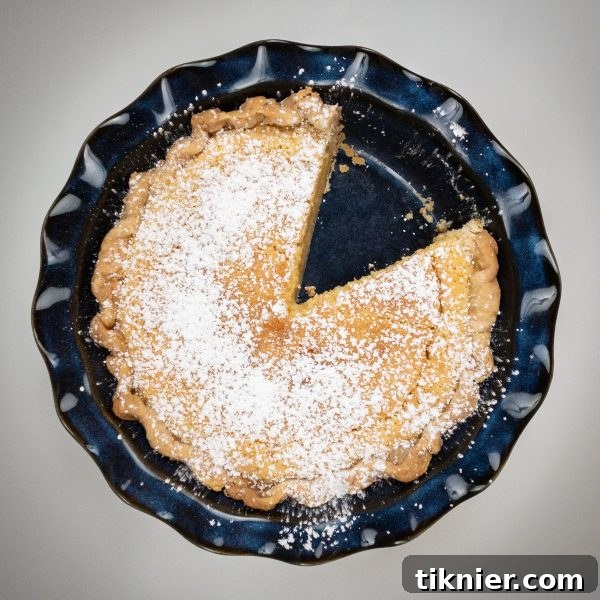
Instructions for Baking Your Perfect Chess Pie
Part 1: Crafting the Flaky Pie Crust
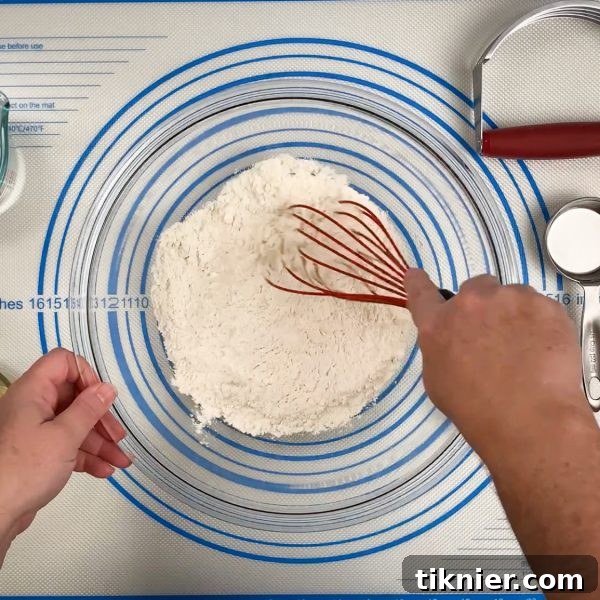
STEP 1: Combine the Dry Ingredients
In a large mixing bowl, whisk together 1 ¼ cups of all-purpose flour and ½ teaspoon of salt until well combined. Add the 8 tablespoons of very cold, unsalted butter, cut into small pats, directly into the flour mixture.
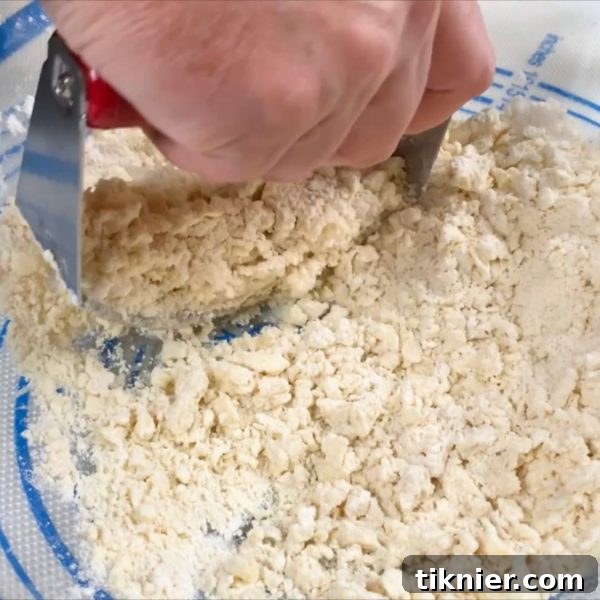
STEP 2: Work the Butter into the Flour
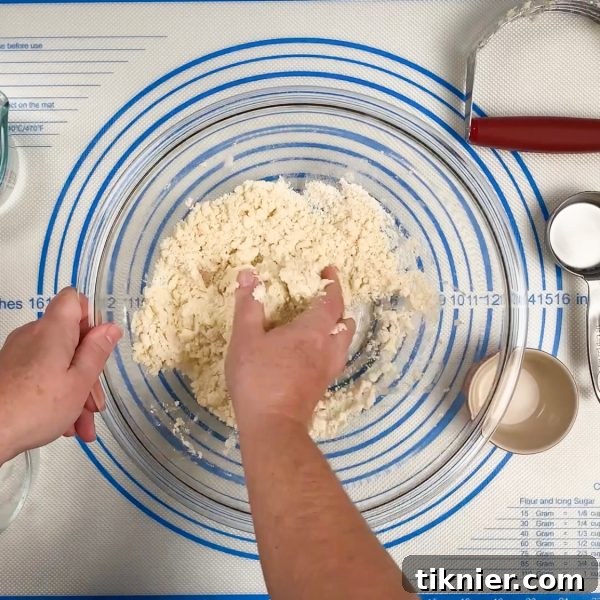
Using your fingertips, a pastry blender, or a food processor, work the cold butter into the flour mixture until it resembles coarse meal with some pea-sized pieces of butter remaining. This is crucial for a flaky crust; avoid overworking the butter.
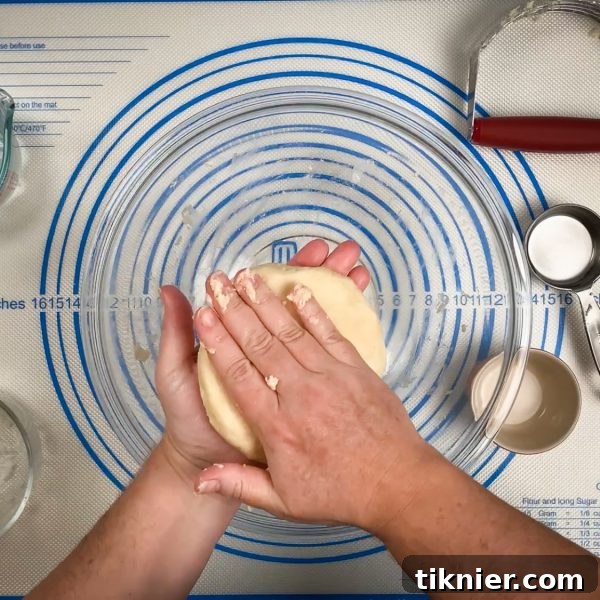
STEP 3: Form the Dough into a Disk
Gradually add the ¼ cup of ice water, a splash at a time, tossing the dough with a fork or your hands until it just comes together without crumbling. Be careful not to add too much water; the dough should be cohesive but not sticky. If the dough breaks easily or feels dry in places, add a tiny bit more water, ½ teaspoon at a time. Gather the dough into a ball, then flatten it into a thick disk. Wrap the disk tightly in plastic wrap and chill it in the refrigerator for at least 30 minutes. If chilling for longer, allow the dough to sit at room temperature for 10-15 minutes before rolling so it becomes pliable.
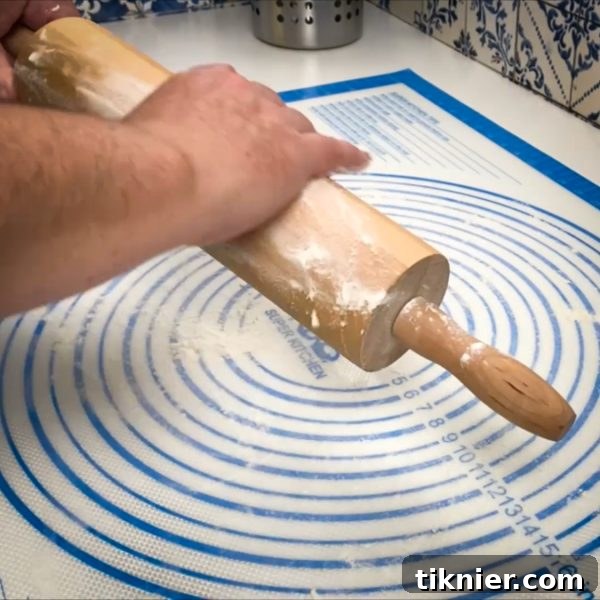
STEP 4: Prepare Your Rolling Surface
Lightly sprinkle flour on your rolling surface (a silicone pastry mat or clean countertop) to prevent the dough from sticking. Dust your rolling pin and the dough disk with a little flour as well.
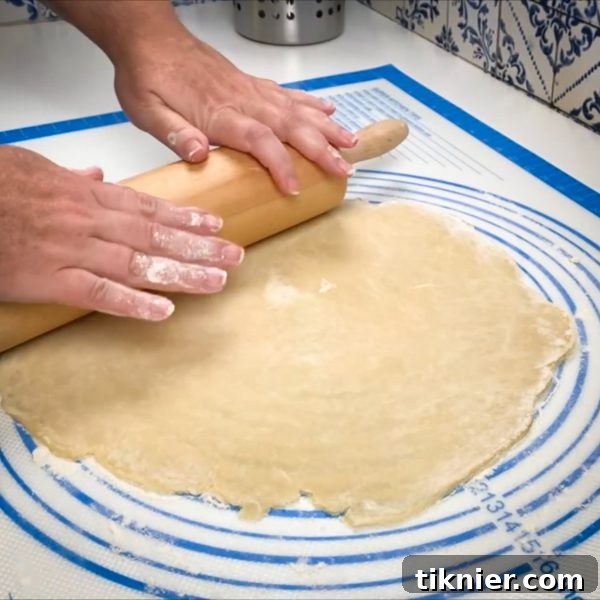
STEP 5: Roll Out the Dough
Roll out your chilled dough from the center outwards, rotating it frequently, until it forms a uniform circle that is about ⅛ inch thick. For a 9-inch deep-dish pie plate, you’ll want the dough to be approximately 12-13 inches in diameter to allow for crimping and overhang.
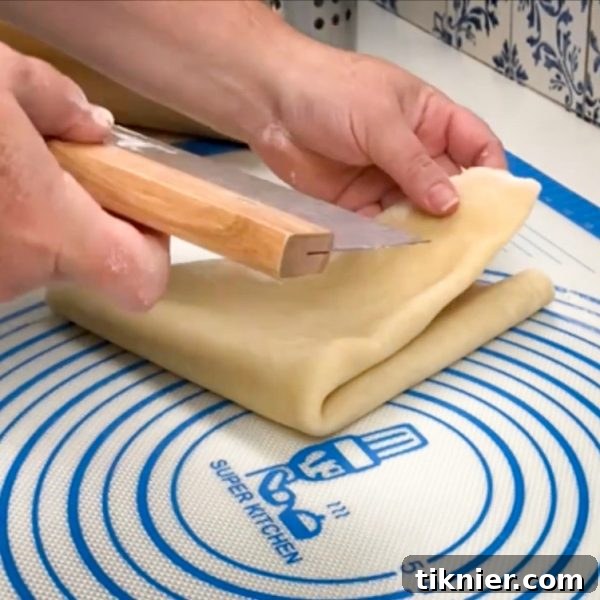
STEP 6: Transfer the Dough to the Pie Plate
Carefully fold the rolled-out dough into quarters (a triangle shape) to make it easier to transfer. Gently unfold the dough into your 9-inch deep-dish pie plate, centering it as best as possible. Fit the dough snugly into the bottom and sides of the plate without stretching it.
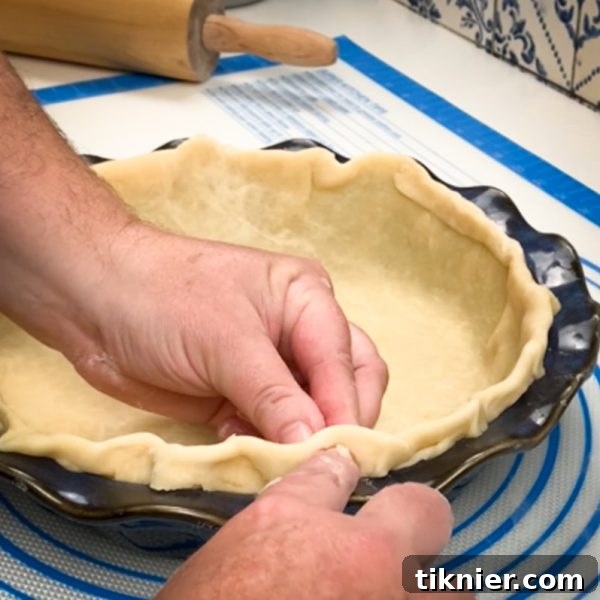
STEP 7: Make the Edges Beautiful
Trim any excess dough, leaving about a ½ to ¾ inch overhang around the rim of the pie plate. Fold this overhang under itself to create an even, slightly thicker edge. Then, use your fingers (or a fork) to crimp the edge of the crust, creating a decorative and sealed finish. For a sturdy crust, you can chill the prepared crust for another 15 minutes before baking.
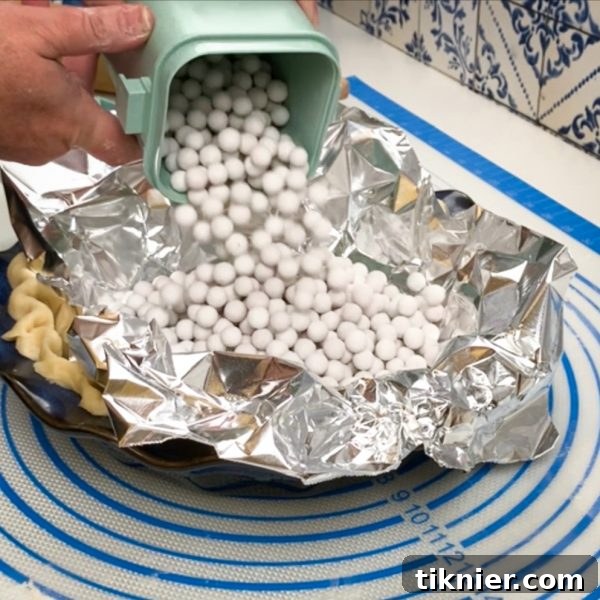
STEP 8: Blind Bake the Crust (with Pie Weights)
Preheat your oven to 425°F (220°C). Line the unbaked pie crust with a piece of parchment paper or aluminum foil, pressing it gently against the bottom and sides. Fill the foil-lined crust with ceramic pie weights (such as FurRain ceramic pie weights) or dried beans. This step prevents the crust from shrinking or puffing up excessively during baking.
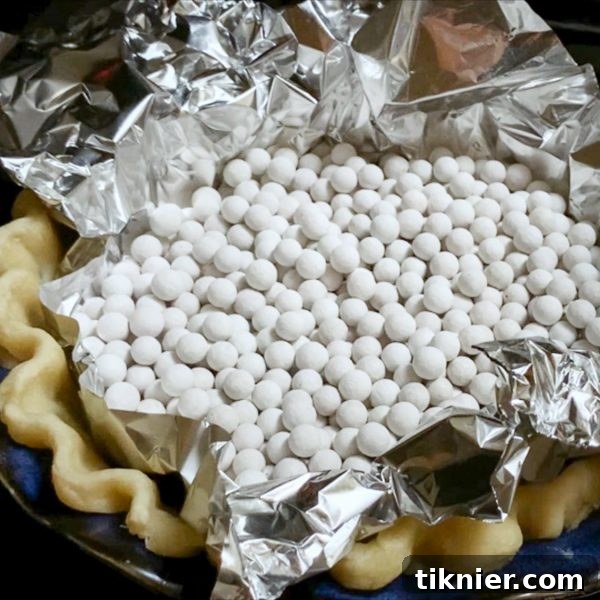
STEP 9: Bake the Crust
Bake the weighted crust at 425°F (220°C) for 10-12 minutes. Carefully remove the pie weights and foil. Continue baking the crust for an additional 2-3 minutes, or until the bottom is just lightly golden brown. This par-baking step helps ensure a crisp crust once the filling is added. Keep an eye on the edges; if they brown too quickly, you can cover them with foil. Note: If you overcook the crust at this stage, it may rise excessively in the middle.
Part 2: Preparing and Baking the Perfect Chess Pie Filling
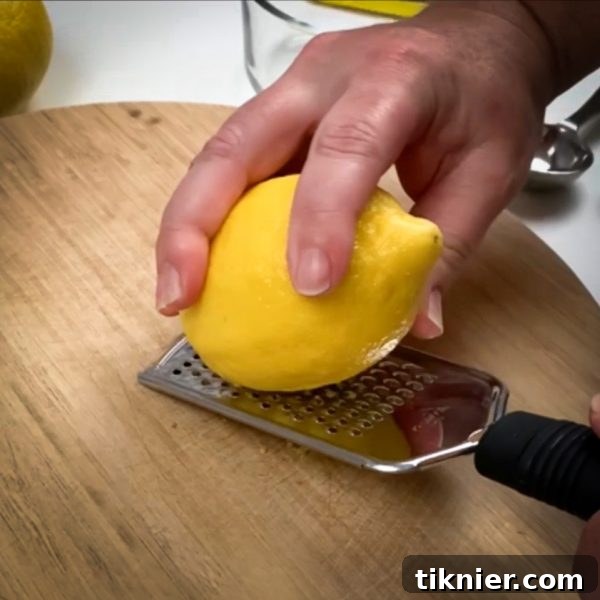
STEP 1: Prepare the Lemons
If using, zest 2 teaspoons of fresh lemon peel. Then, squeeze 2 tablespoons of juice from the lemons. Set aside.
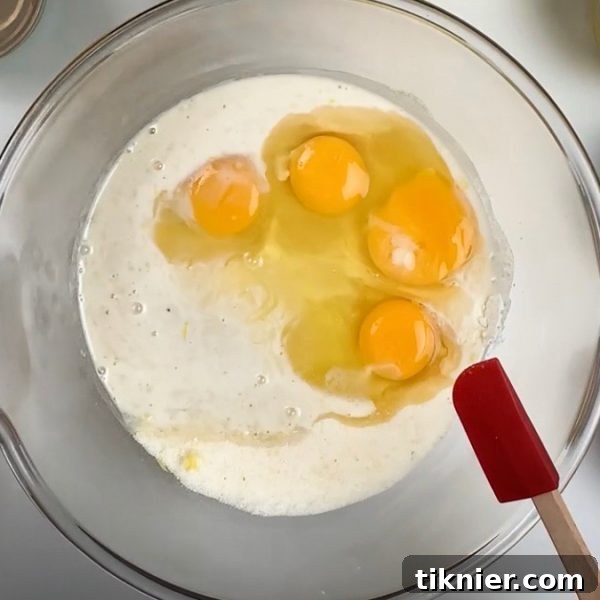
STEP 2: Combine the Filling Ingredients
In a large mixing bowl, combine the 2 cups of white granulated sugar, 2 tablespoons of cornmeal, 2 tablespoons of all-purpose flour, and ¼ teaspoon of salt. Add the 4 large unbeaten eggs, ⅔ cup of whole milk, ½ cup of cooled melted butter (ensure it’s not hot, or it might cook the eggs prematurely), 2 tablespoons of fresh lemon juice (or 1 tablespoon white distilled vinegar), 1 teaspoon of vanilla extract, and the 2 teaspoons of lemon zest (if using).
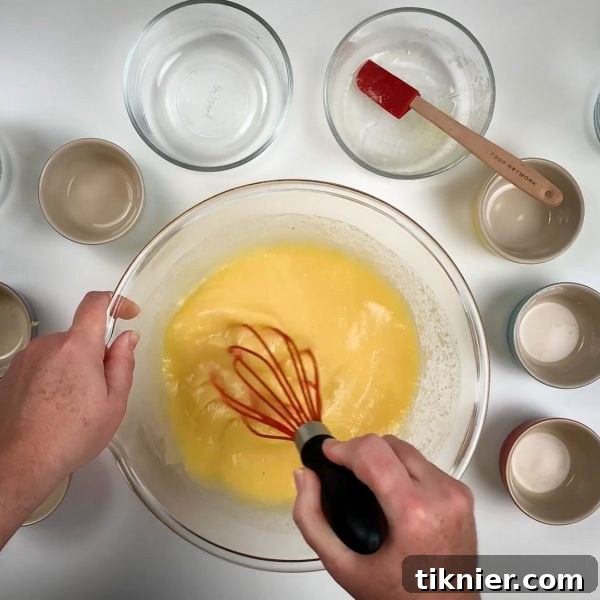
STEP 3: Whisk Until Fully Incorporated
Whisk all the filling ingredients together until they are thoroughly combined and smooth. Ensure there are no lumps of flour or cornmeal. Mix just until combined; do not over-whisk, as this can incorporate too much air.
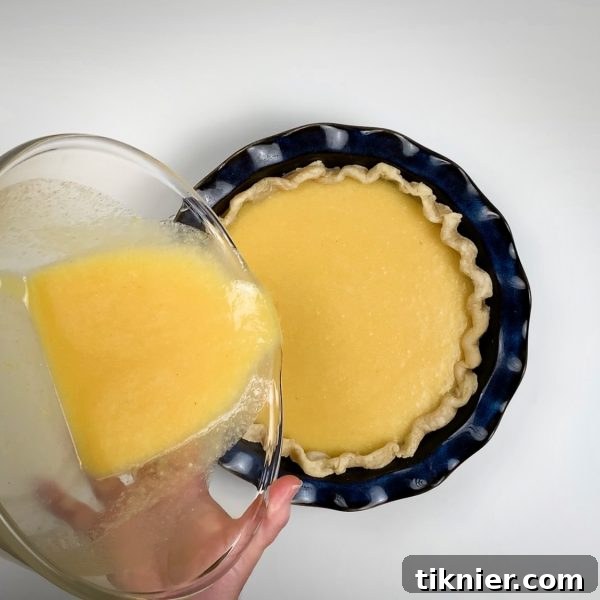
STEP 4: Pour the Filling into the Crust
Carefully pour the prepared Chess Pie filling into the par-baked pie crust. Do not overfill; leave a small amount of space at the top to prevent spillage during baking.
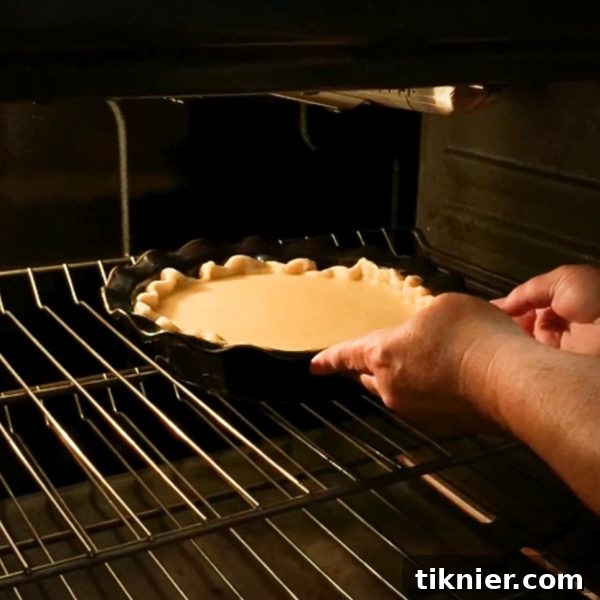
STEP 5: Bake the Pie
Place the pie in the preheated oven and bake at 400°F (200°C) for 10 minutes. This initial high heat helps set the crust and the edges of the filling. Then, reduce the oven temperature to 350°F (175°C) and continue baking for another 30-35 minutes, or until the center is just set with a slight jiggle. A knife inserted near the edge should come out clean. If the crust edges begin to brown too quickly, loosely cover them with aluminum foil.
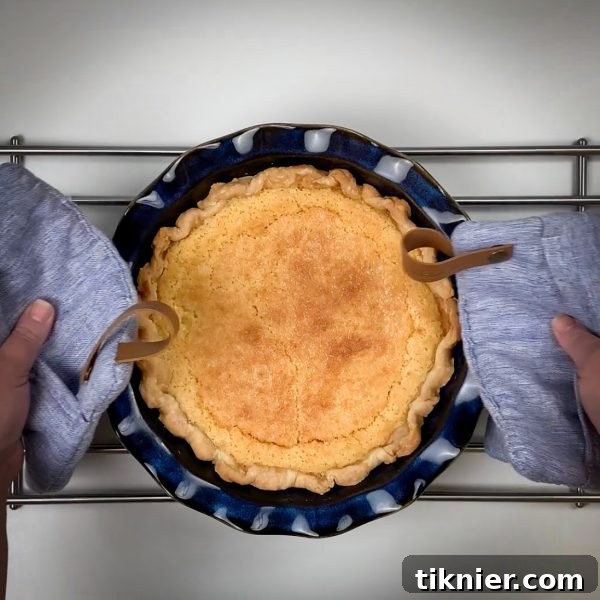
STEP 6: Let the Pie Cool or Chill
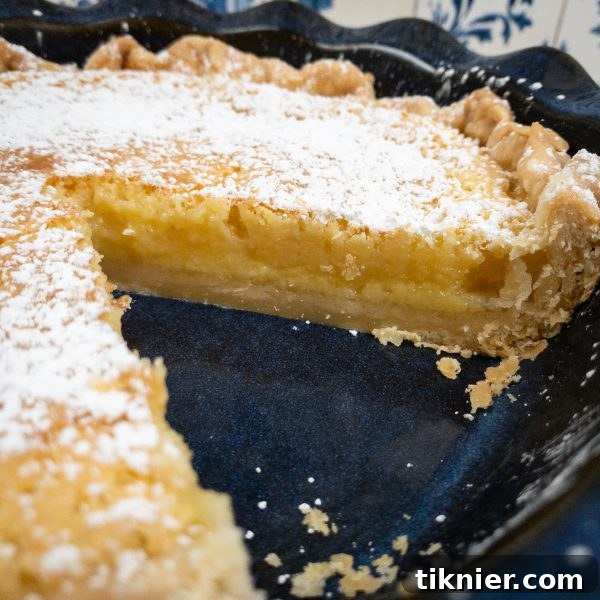
Once baked, carefully remove the pie from the oven and place it on a wire rack to cool completely. Allow it to cool for at least 1 hour at room temperature. For optimal serving, especially if you prefer a firmer slice, chilling the pie overnight in the refrigerator is highly recommended. This allows the filling to fully set and enhances its custardy texture.
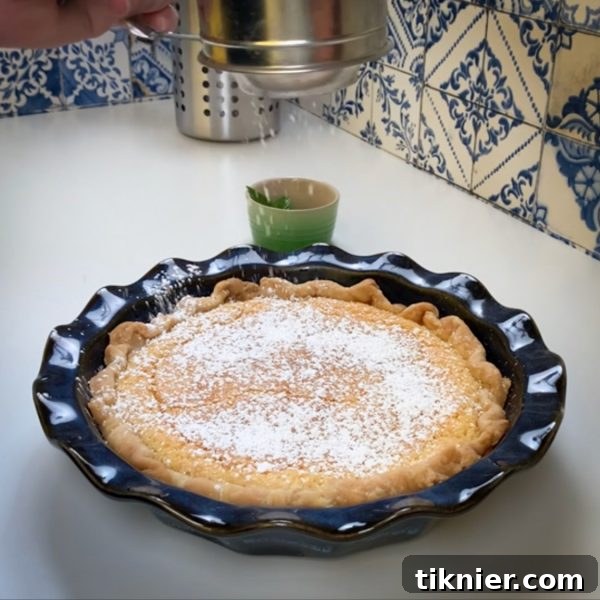
STEP 7: Garnish and Serve
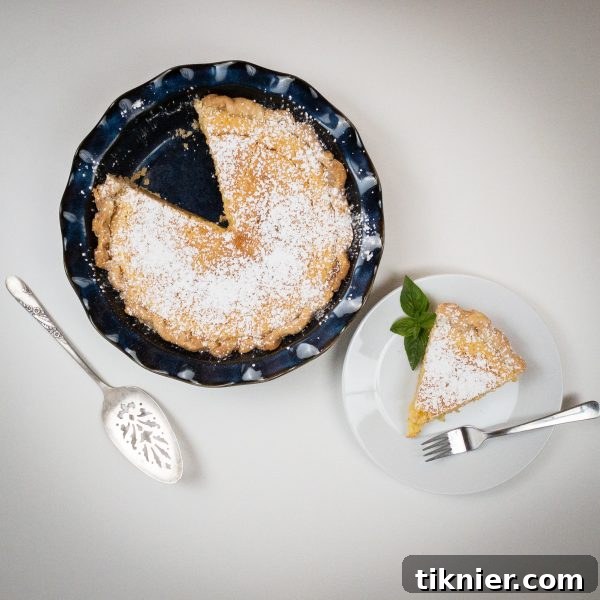
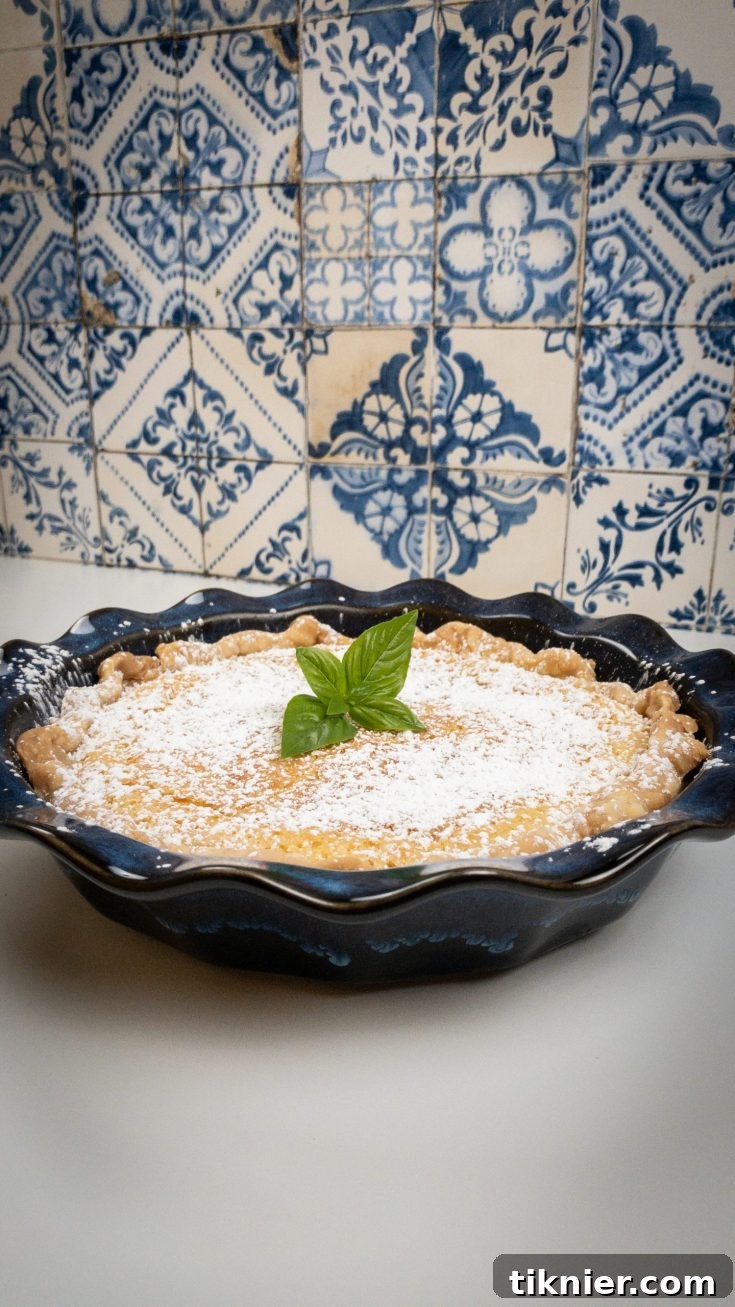
Before serving, lightly dust the top of the cooled or chilled pie with powdered sugar for an elegant finish. For a touch of fresh aroma and visual appeal, garnish individual slices with a few fresh basil or mint leaves. Slice and serve this delightful Southern classic, perhaps with a cup of robust coffee, and savor the sweet, tangy, and utterly comforting flavors.
Conclusion: Embrace the Simple Elegance of Chess Pie
The journey through the history and preparation of the Perfect Chess Pie reveals a dessert that truly lives up to its “easy as pie” reputation. From its mysterious origins, hinting at chestnut meals, early cheesecakes, or simply being “jus’ pie” from a humble Alabama kitchen, to its straightforward ingredient list, this Southern classic embodies culinary simplicity at its best.
Whether you choose to craft a homemade, flaky crust or opt for the convenience of store-bought, the rich, sweet, and tangy custard filling is guaranteed to be a crowd-pleaser. We’ve explored how a deep-dish plate can enhance its presentation, how a pastry mat can simplify your baking, and the subtle yet impactful choice between lemon juice and vinegar to achieve that perfect balance of flavor. And let’s not forget the delightful pairings, with a strong coffee or robust tea cutting through the sweetness for a harmonious experience.
Baking a Chess Pie is more than just making a dessert; it’s an invitation to slow down, enjoy the process, and share a piece of comforting history with loved ones. Its unfussy nature makes it an ideal addition to any home baker’s repertoire, promising consistently delicious results with minimal effort. So, gather your ingredients, follow these simple steps, and prepare to be charmed by the perfect, easy-to-make Chess Pie. It’s a testament that sometimes, the most exquisite pleasures are found in the simplest of creations.
Happy baking!