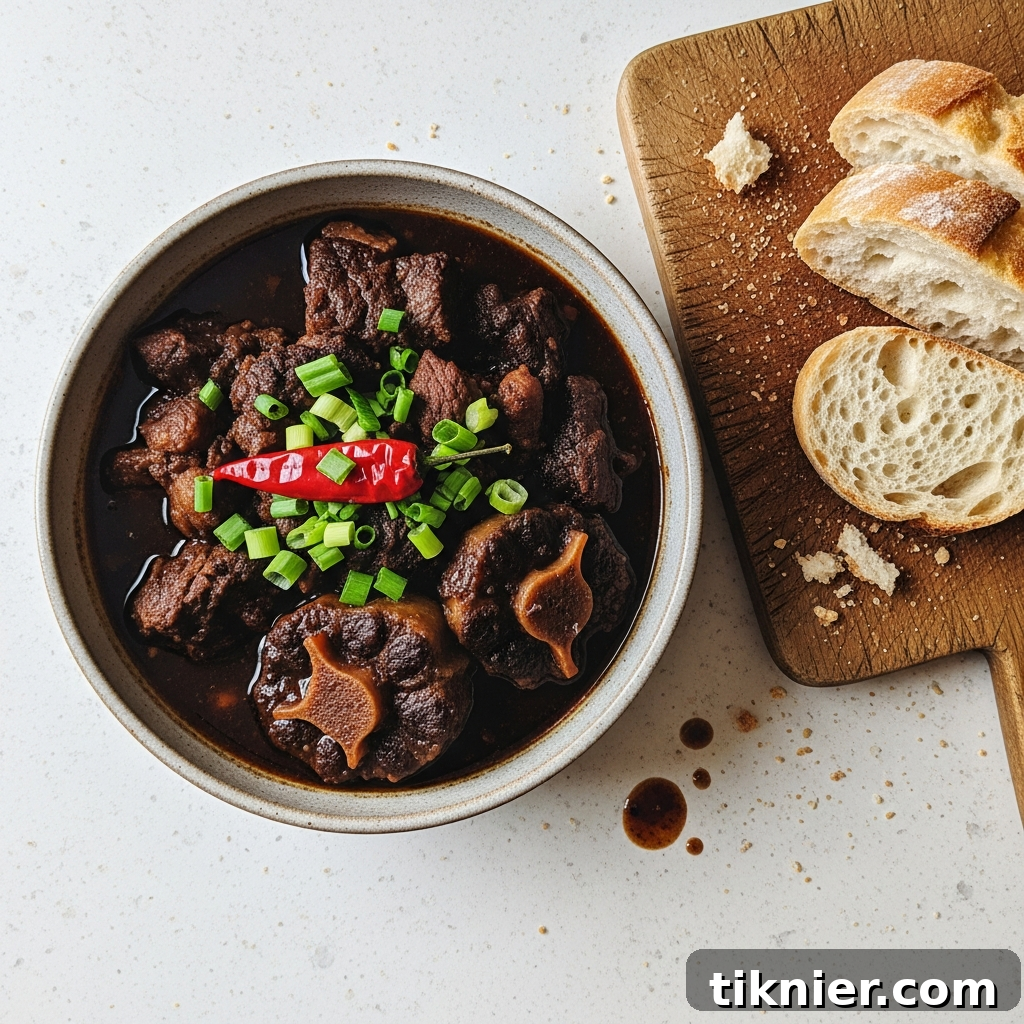
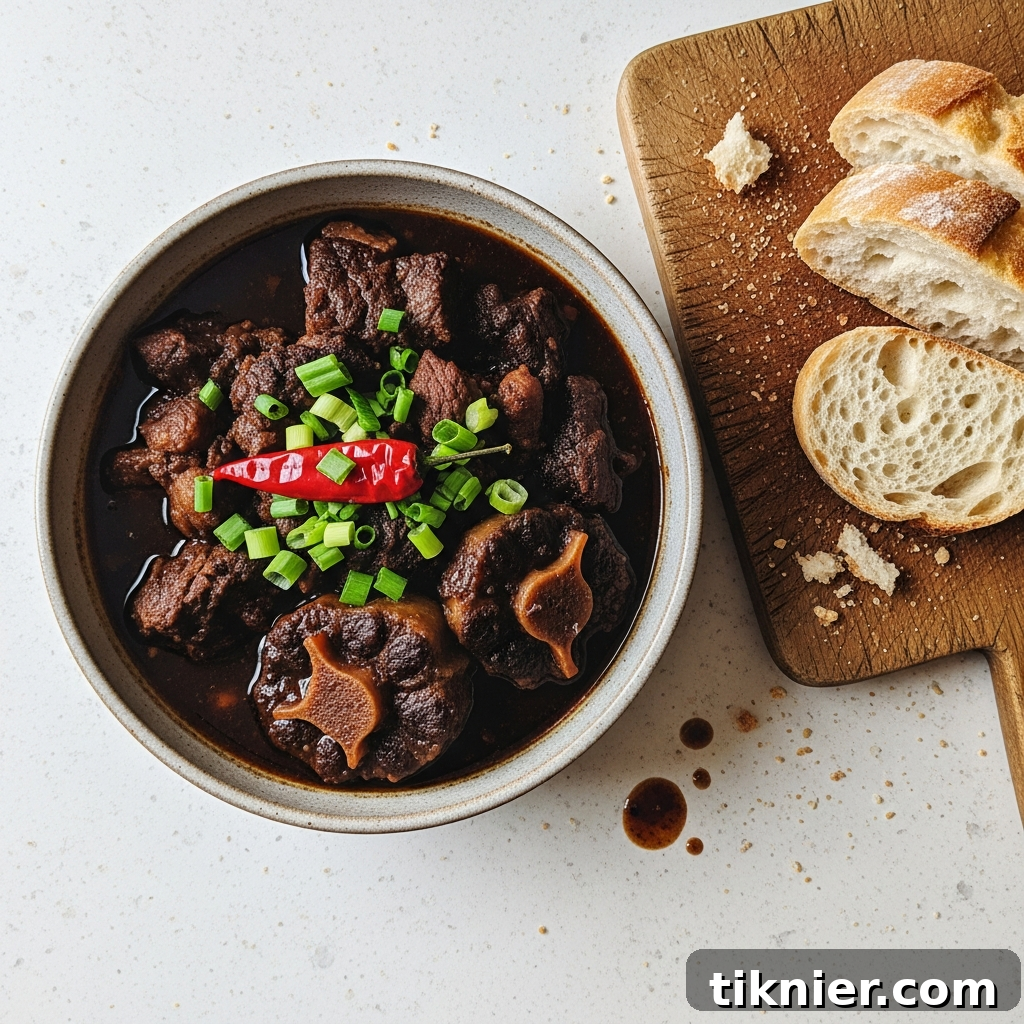
The first whisper of pepper pot soup I ever encountered wasn’t from a cookbook or a culinary show, but from the vivid recounting of a dear friend who had just returned from an enchanting trip to Guyana. Her eyes twinkled as she described this extraordinary, intensely aromatic, and profoundly flavorful stew, traditionally served on Christmas morning. It was a dish steeped in generations of tradition, a culinary anchor for festive celebrations. She spoke of its complex symphony of sweet, savory, and subtly bitter notes that lingered long after the first spoonful, utterly captivating my imagination. A soup for Christmas morning? It sounded like a wonderfully novel departure from the usual Southern breakfast casseroles and ham my family cherished.
Naturally, I was compelled to delve into its origins and learn every secret it held. My research quickly revealed that the very soul of an authentic pepper pot soup is cassareep, a dense, dark, molasses-like sauce derived from the bitter cassava root. This magical ingredient is not only responsible for the stew’s iconic deep, almost black color but also imparts its singular bittersweet and umami-rich flavor profile. After several respectful and utterly delicious attempts at traditional Guyanese preparations, my Southern culinary instincts began to stir. I found myself yearning to infuse it with a subtle, personal touch—a whisper of something familiar, yet delightfully unexpected.
My gaze drifted to my spice cabinet, a treasure trove of global flavors. I envisioned the gentle, woodsy smokiness that a dash of smoked paprika could lend, perfectly complementing the rich meats. And then, a single star anise caught my eye, promising a warm, licorice-like aromatic complexity that could elevate the dish without overshadowing its authentic character. The result was nothing short of spectacular: a pepper pot soup that profoundly honored its Caribbean heritage while featuring a nuanced depth that made my family raise their eyebrows in the most approving way. Each spoonful tells a story of tradition, innovation, and heartwarming flavor, making it a true centerpiece for any special gathering.
Skip to My Special Recipe!
Unveiling the Magic: Why This Pepper Pot Soup Recipe Stands Out
Pepper pot soup is far more than a mere meal; it’s a living celebration, a culinary emblem of Guyanese identity. As the cherished national dish of Guyana, it graces tables during Christmas and other significant holidays, often found gently simmering on the stovetop for days. This tradition allows families and friends to partake in its warmth and flavor at their leisure, a testament to its cultural significance and ingenious preservative properties from the cassareep. Its rich tapestry of history is interwoven with Amerindian, African, and European culinary threads, culminating in a magnificent melting pot of flavors that reflects Guyana’s diverse heritage.
The brilliance of this slow-cooked masterpiece lies in its ability to transform tough, often overlooked cuts of meat—such as succulent oxtail and robust stewing beef—into incredibly tender, fall-apart morsels that literally melt into the luxurious, dark gravy. This lengthy simmering process is not just about tenderness; it allows the complex flavors to fully integrate, creating a depth that simpler stews can only dream of.
The true alchemist behind this transformation is cassareep. This extraordinary cassava-based sauce is indispensable. Historically, its natural antiseptic qualities enabled the soup to be kept warm on the stove for extended periods, even without refrigeration, a practice that cemented its role in festive traditions. Beyond preservation, cassareep bestows upon the soup its iconic, lustrous black hue and a flavor that is profoundly unique—a harmonious balance of savory richness, subtle sweetness, and a distinctive bitter tang. When this foundational flavor is combined with the gentle fiery warmth of Scotch bonnet peppers and the earthy fragrance of fresh thyme, the result is a stew of unparalleled complexity and satisfying richness, warming both body and soul.
My rendition builds upon this already magnificent foundation by introducing two seemingly simple, yet remarkably impactful ingredients: smoked paprika and star anise. The smoked paprika infuses the dish with a delicate, woodsy smokiness that beautifully complements the deep flavors of the braised meats and the earthy depth of the cassareep. It’s a flavor note that feels instinctively right within a slow-simmered stew, adding an extra layer of savory intrigue. The addition of star anise introduces a warm, subtly licorice-like aroma that deepens the existing spice profile, adding another dimension of complexity without ever overpowering the traditional essence of the dish. These thoughtful enhancements elevate the final pepper pot soup, making it feel even more luxurious, special, and memorable—perfect for impressing guests or simply indulging your loved ones with an extraordinary homemade meal.
Essential Ingredients for an Unforgettable Pepper Pot Soup
The true essence of an exceptional pepper pot soup lies in the quality and careful selection of its core ingredients. It’s a remarkable fusion of humble yet flavorful cuts of meat, potent aromatics, and that one special, truly irreplaceable component. For a meal that truly sings with tradition and flavor, investing in the best quality meats and authentic cassareep you can find is paramount.
The blend of different meats is absolutely critical for achieving the superb depth of flavor and varied textures that define this stew. Oxtail, with its rich gelatinous quality, contributes a luxurious mouthfeel and savory body to the broth. Stewing beef, such as chuck, provides a classic hearty meatiness that anchors the dish. Pork shoulder adds a succulent tenderness and another layer of savory richness that beautifully complements the beef. The optional salted pigtail or beef is a highly traditional inclusion that imparts a deep, cured, savory saltiness that cannot be replicated by ordinary table salt alone. If you opt to include this ingredient, meticulous soaking is essential to properly manage and balance its salt content, ensuring it enhances rather than overwhelms the soup.
The undisputed star of this dish, and frankly, non-negotiable for authenticity, is cassareep. You simply cannot create a genuine Guyanese pepper pot soup without it. Its unique flavor profile—a complex blend of bittersweet, savory, and slightly tangy notes—along with its signature dark color, is utterly distinctive. Seek it out in well-stocked Caribbean markets or specialty food stores, or conveniently order it online. It is a worthy investment for its unparalleled contribution to the dish. My distinctive touch comes from the thoughtful inclusion of smoked paprika and whole star anise. The gentle smokiness from the paprika adds an intriguing depth that pairs beautifully with the long-simmered meats, while the warm, subtly sweet spice from the star anise elevates the entire aromatic profile of the stew, making the broth even more fragrant and intricately complex. It’s a small adjustment that creates a profound and memorable impact on the overall flavor experience.
- 2 lbs stewing beef, cut into 2-inch cubes
- 1 lb oxtail
- 1 lb pork shoulder, cut into 2-inch cubes
- 1/2 lb salted pigtail or beef (optional, for deeper flavor and authenticity)
- 1 large onion, finely chopped
- 6 cloves garlic, minced
- 2 wiri wiri peppers or 1 Scotch bonnet pepper, left whole (for flavor, not extreme heat)
- 1/4 cup cassareep (essential for color and flavor)
- 8 cups high-quality beef or vegetable broth
- 2 tablespoons brown sugar (to balance flavors)
- 2 teaspoons smoked paprika (my secret ingredient for depth)
- 2 whole star anise (for aromatic complexity)
- 1 cinnamon stick
- 1 bunch fresh thyme, tied with kitchen twine
- 4 scallions, chopped (for garnish)
- Salt and freshly ground black pepper to taste
- 2 tablespoons vegetable oil (for browning)
Step-by-Step Guide: Crafting Your Authentic Pepper Pot Soup
Preparing pepper pot soup is truly a labor of love, but the individual steps are wonderfully straightforward. The real magic unfolds through patience, allowing ample time for the rich flavors to meld and deepen, and for the meats to achieve that perfect, melt-in-your-mouth tenderness. A robust, heavy-bottomed pot or a trusty Dutch oven will be your best ally throughout this process, as it ensures even heat distribution during the lengthy simmering, which is key to a successful stew.
Step 1: Preparing the Salted Meat (If Using)
Should you choose to incorporate the optional salted pigtail or beef for that profound layer of authentic Guyanese flavor, this initial step is absolutely crucial. Place the salted meat in a large bowl and completely submerge it in hot water. Allow it to soak for at least one hour, or even longer, depending on the saltiness of your meat. This essential process effectively draws out the excess salt, ensuring it imparts a beautiful, deep savory note to the soup rather than overwhelming it. Once adequately soaked, drain the water thoroughly and set the meat aside.
Step 2: Seasoning and Expertly Browning the Meats
Take your stewing beef, oxtail, and pork shoulder and pat them meticulously dry with paper towels. A dry surface is paramount for achieving a superior, flavor-packed sear. Season them generously on all sides with kosher salt and freshly ground black pepper. Now, heat the vegetable oil in your Dutch oven over medium-high heat until shimmering. The secret to building the foundational flavor of your soup lies in browning the meats in batches. Resist the urge to overcrowd the pot; doing so will cause the meat to steam instead of developing that coveted deep, crusty sear. Take your time with this step, ensuring a beautiful, dark crust forms on all surfaces. Once browned, transfer the meats to a plate and set aside.
Step 3: Sautéing the Aromatics to Perfection
Reduce the heat in your Dutch oven to medium. You should notice a delightful layer of browned bits, known as fond, clinging to the bottom of the pot—these are concentrated flavor treasures! Add the chopped onion and cook, stirring frequently and scraping up those flavorful fond bits, until the onion softens and becomes beautifully translucent, a process that typically takes about 5 to 7 minutes. Next, introduce the minced garlic, my special touch of smoked paprika, and the brown sugar. Continue to cook for just one more minute, stirring constantly, until you are enveloped by the wonderful, fragrant aroma that fills your kitchen. This is the moment your home begins to smell truly inviting.
Step 4: Combining Ingredients and the Magical Simmer
It’s time to unite all the delicious components. Return all the expertly browned meats to the pot, along with the soaked salted meat if you’ve chosen to use it. Pour in the rich cassareep and the beef broth, stirring everything thoroughly to ensure it’s well combined. Now, carefully add the whole Scotch bonnet pepper (remember, for flavor, not extreme heat, so don’t pierce it!), the star anise, the cinnamon stick, and the entire bunch of fresh thyme. Bring this magnificent mixture to a rolling boil, then immediately reduce the heat to the lowest possible setting. Cover the pot tightly and allow it to gently simmer. This is where the true alchemy happens. Let it cook for a minimum of 3 to 4 hours. The longer the simmer, the more incredibly tender the meat will become, and the deeper, more complex the flavors will develop. Give it an occasional stir to prevent sticking and ensure even cooking.
Step 5: The Final Touches and Grand Serving
During the last 30 minutes of cooking, uncover the soup and give it a taste. This is your opportunity to adjust the seasoning; add more salt and freshly ground black pepper if needed to achieve your desired balance. At this stage, the sauce should be wonderfully thick, glossy, and a magnificent, deep black hue. Before serving, carefully fish out and discard the whole pepper, the cinnamon stick, and the star anise. Ladle your glorious pepper pot soup into warm bowls, generously garnish with fresh, vibrant chopped scallions, and prepare to receive an abundance of compliments. It’s a dish that truly shines.
How to Elegantly Serve Pepper Pot Soup
Serving pepper pot soup is nearly as satisfying as the meticulous process of preparing it. This is an inherently rich, hearty, and deeply flavorful dish that stands beautifully on its own, commanding attention. However, pairing it with the right accompaniments can effortlessly transform a great meal into a truly unforgettable culinary experience. The primary goal is to have something on the side—a perfect vehicle—to soak up every precious drop of that incredible, dark, and aromatic gravy.
In its native Guyana, pepper pot is traditionally served with a special homemade bread, often a dense, slightly sweet plait bread, which is ideally suited for dipping and savoring the rich broth. For those of us outside of Guyana, a good, crusty loaf of French bread, a rustic sourdough, or a hearty artisanal bread from your local bakery makes a superb substitute. I particularly enjoy slicing it thickly and warming it gently in the oven just before serving, making it wonderfully inviting. A simple bowl of perfectly steamed white rice is another time-honored classic pairing, providing a lovely, neutral base that allows the soup’s bold and complex flavors to truly shine.
Here are a few of my favorite and most effective ways to present this wonderful dish:
- The Traditional Presentation: Serve generous ladles of pepper pot soup in deep, wide bowls, accompanied by a basket of thick-sliced, crusty bread. This method is elegantly simple, timeless, and consistently a crowd-pleaser, inviting everyone to partake in the dipping ritual.
- Over Fluffy Rice: For a more substantial and satisfying meal, ladle the rich pepper pot soup over a bed of fluffy white or brown rice. The rice absorbs the fragrant sauce beautifully, making each spoonful incredibly flavorful and filling.
- With a Cooling Garnish: In addition to the fresh, vibrant chopped scallions, consider adding a small dollop of cool sour cream or a spoonful of rich, full-fat Greek yogurt on top. This subtle addition provides a delightful, creamy, and cooling contrast to the soup’s deep, savory, and subtly spicy notes, enhancing the overall sensory experience.
- As Part of a Festive Feast: If you are serving this for a special holiday or celebratory occasion, balance the richness of the stew by pairing it with a simple, refreshing green salad dressed with a light vinaigrette. This provides a crisp, palate-cleansing counterpoint to the deep flavors of the pepper pot.
Regardless of how you ultimately choose to serve it, present your pepper pot soup with immense pride. This is a dish that embodies both time and profound love in its preparation, and its deep, inviting color and intoxicating aroma are guaranteed to impress and captivate everyone at your table. It truly is a magnificent centerpiece dish, worthy of any celebration or cherished family gathering.
Mastering Leftovers: How to Store & Reuse Pepper Pot Soup
One of the most delightful aspects of pepper pot soup, a true culinary secret, is its remarkable ability to improve with age. Like many slow-cooked stews and braises, the flavors continue to meld, deepen, and harmonize overnight, making the leftovers something genuinely anticipated and often even more delicious than the fresh batch. Proper storage is incredibly simple and ensures you can savor this delectable meal for several days, or even months, to come.
Once your magnificent soup has cooled sufficiently to room temperature, it is ready for storage in either the refrigerator or the freezer. I find it most convenient to portion it into smaller, individual servings. This thoughtful approach makes it exceptionally easy to grab a quick, satisfying lunch or a hassle-free dinner without the need to reheat the entire batch. The natural richness and gelatinous texture derived from the oxtail and other meats contribute significantly to the soup’s exceptional stability, allowing it to maintain its superb quality whether stored for a few days or for an extended period.
Here are the most effective strategies for managing your pepper pot soup leftovers:
- Refrigerating: Transfer the cooled soup into clean, airtight containers. It will retain its exquisite flavor and quality beautifully in the refrigerator for up to 5 days. Many connoisseurs argue that the soup reaches its peak of deliciousness on day two or three, as the flavors have had ample time to fully integrate and deepen.
- Freezing: Pepper pot soup is an ideal candidate for freezing. Pour the cooled soup into freezer-safe containers or robust, heavy-duty freezer bags, ensuring you leave a little headspace at the top to account for expansion during freezing. It will steadfastly maintain its quality for up to 3 months. To thaw, simply transfer it from the freezer to the refrigerator overnight, allowing it to gently defrost before reheating.
- Reheating: The optimal method for reheating your soup is gently on the stovetop. Use low to medium heat, stirring occasionally, until it is thoroughly warmed through. If the soup has thickened considerably in the refrigerator, you can easily restore it to your preferred consistency by adding a small splash of beef broth or water. While microwaving is an option in a pinch, the stovetop method generally provides more even and gentle heating, preserving the soup’s texture and flavor best.
For those who enjoy culinary creativity, the tender, flavorful meat from the leftover soup offers incredible versatility. You can effortlessly shred the beef and pork to create sensational tacos, serve it warmly over creamy polenta or velvety mashed potatoes, or even use it as a robust and savory filling for homemade hand pies. These possibilities offer delightful ways to extend and reinterpret the enjoyment of your exceptional cooking.
Creative Twists: Substitutions & Variations for Pepper Pot Soup
While this particular recipe for pepper pot soup holds a special place in my heart, one of the greatest joys of home cooking lies in the freedom to make a dish truly your own. There are numerous thoughtful ways to adjust the ingredients to perfectly suit your personal taste preferences, utilize what you have conveniently on hand, or cater to specific dietary requirements. This recipe is wonderfully forgiving and adaptable, so feel empowered to experiment and personalize it a little.
The most common area for creative substitution is undoubtedly the choice of meat. The classic combination of beef, pork, and oxtail is celebrated for excellent reasons, as it meticulously builds layers of rich flavor and diverse textures. However, you are by no means limited to these. The guiding principle is to select tougher, collagen-rich cuts that benefit immensely from a long, slow cooking process. Consider succulent lamb shanks, flavorful goat meat (a very traditional choice in many Caribbean stews), or even tender beef short ribs. For those who prefer to avoid pork, you can certainly craft an exquisite all-beef version by combining oxtail with a generous chuck roast.
Here are a few additional ideas for clever substitutions and exciting variations:
- Customize the Heat Level: The single whole Scotch bonnet pepper in this recipe is primarily intended to impart its beautiful, fruity aroma and a gentle background warmth, rather than overwhelming heat. You have complete control over the spice. For a milder soup, simply remove the pepper after the first hour of simmering. For a more pronounced kick, you can carefully make a small slit in the pepper before adding it, but be forewarned, this will release a significantly more intense level of heat!
- Integrate Hearty Vegetables: To transform this into an even more comprehensive one-pot meal, consider adding some robust root vegetables. Cubed sweet potatoes, chunks of cassava, or earthy eddoes can be introduced during the last hour of cooking. They will soak up the magnificent gravy, becoming tender and adding another delightful layer of texture and nutritional value.
- When Cassareep is Elusive: I must emphasize that cassareep is the quintessential ingredient that defines this dish as authentic pepper pot soup; there is no perfect, identical substitute. However, if you find yourself absolutely unable to source it, you can approximate a similar dark, sweet, and savory flavor profile by carefully mixing dark molasses, Worcestershire sauce, and a touch of soy sauce. While the resulting flavor will undoubtedly be different, it will still yield a wonderfully delicious dark meat stew.
- Explore Different Aromatic Profiles: If star anise is not to your liking, or if you simply wish to explore other warm spice complexities, feel free to omit it. Instead, try adding a couple of whole cloves or a few allspice berries along with the cinnamon stick for a different, yet equally captivating, aromatic depth.
Always remember, the ultimate objective is to create a dish that you and your loved ones will genuinely adore. Use this recipe as a trusted guide, and never hesitate to infuse it with your own personal culinary touch. After all, that creative spirit is precisely what makes cooking such a fulfilling and joyful endeavor!
Julie’s Smoky Pepper Pot Soup: An Elevated Classic
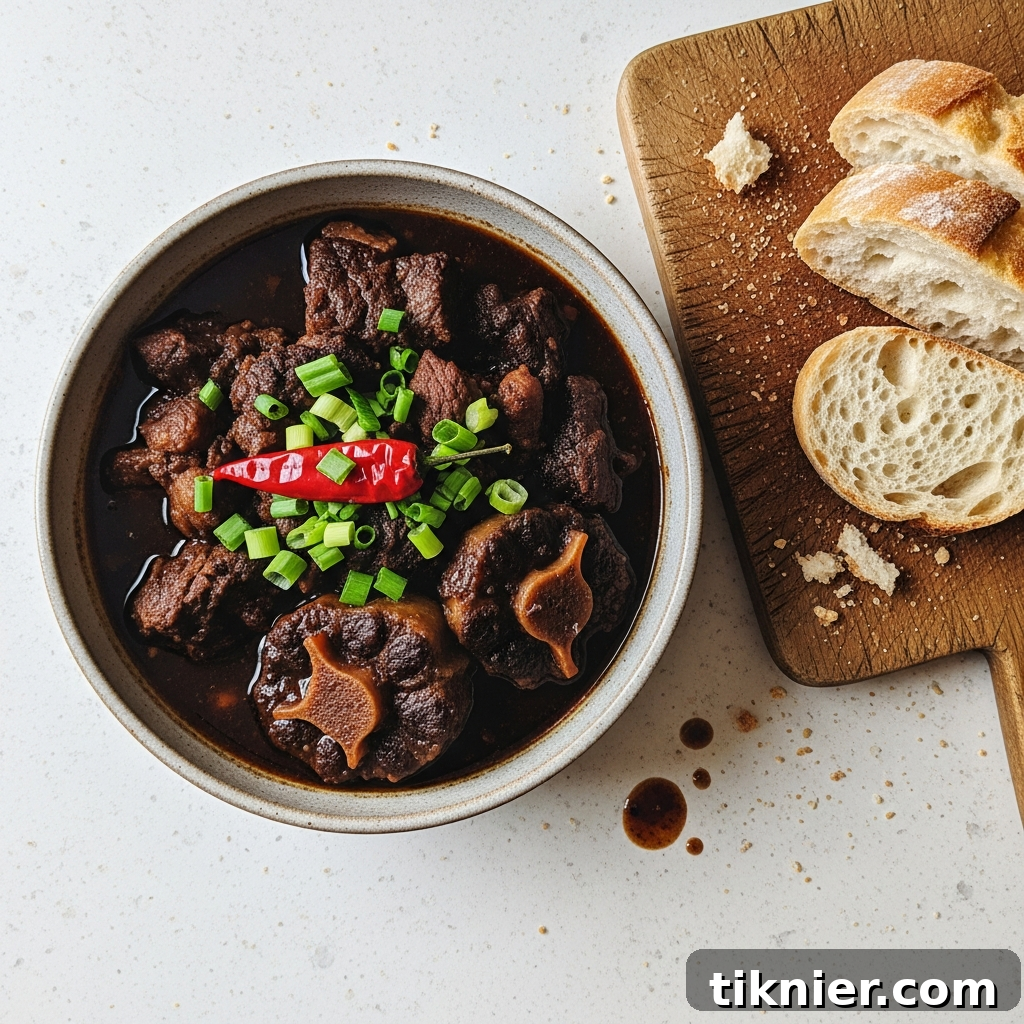
Description: A rich, dark, and deeply flavorful Guyanese-inspired stew, featuring a tender mix of meats slowly simmered for hours in an authentic cassareep-based broth. My unique version includes a special touch of smoked paprika and whole star anise for an extra layer of sophisticated smoky and aromatic complexity.
Yield: 8-10 servings | Category: Soup/Stew | Cuisine: Caribbean, Guyanese
Prep Time: 25 minutes (plus optional soaking time) | Cook Time: 4 hours
Ingredients
- 2 lbs stewing beef, cut into 2-inch cubes
- 1 lb oxtail
- 1 lb pork shoulder, cut into 2-inch cubes
- 1/2 lb salted pigtail or beef (optional, for authentic depth; soak for 1 hour)
- 1 large onion, finely chopped
- 6 cloves garlic, minced
- 1 Scotch bonnet pepper, left whole (for flavor, not heat)
- 1/4 cup cassareep (essential for signature color and flavor)
- 8 cups high-quality beef broth
- 2 tablespoons brown sugar
- 2 teaspoons smoked paprika (my special addition)
- 2 whole star anise (for aromatic complexity)
- 1 cinnamon stick
- 1 bunch fresh thyme, tied
- 4 scallions, chopped (for garnish)
- Salt and freshly ground black pepper to taste
- 2 tablespoons vegetable oil
Instructions
- Prepare Salted Meat: If using salted meat, soak it in hot water for at least 1 hour, then drain thoroughly. Pat all other meats (beef, oxtail, pork) completely dry with paper towels and season generously with salt and pepper.
- Brown Meats: In a large Dutch oven or heavy-bottomed pot, heat the vegetable oil over medium-high heat. Working in batches, brown the seasoned meats on all sides until a deep crust forms. Remove browned meats and set aside. Do not overcrowd the pot.
- Sauté Aromatics: Reduce heat to medium. Add the chopped onion to the pot and cook, scraping up any browned bits (fond) from the bottom, until soft and translucent (5-7 minutes). Add the minced garlic, smoked paprika, and brown sugar, cooking for 1 minute until fragrant.
- Combine & Simmer: Return all browned meats (and soaked salted meat, if using) to the pot. Stir in the cassareep and beef broth until well combined. Add the whole Scotch bonnet pepper, star anise, cinnamon stick, and the tied bunch of fresh thyme.
- Slow Cook: Bring the mixture to a boil, then immediately reduce the heat to the lowest setting, cover the pot tightly, and let it simmer for 3-4 hours, or until the meats are incredibly tender and the sauce has thickened beautifully. Stir occasionally.
- Adjust Seasoning & Serve: During the last 30 minutes of cooking, taste the soup and adjust seasoning with salt and pepper as needed. Before serving, carefully remove and discard the whole pepper, cinnamon stick, and star anise. Ladle the smoky pepper pot soup into bowls and garnish generously with fresh, chopped scallions.
Notes
For the most profound and integrated flavors, consider making this soup a day ahead. The tastes deepen and marry beautifully overnight, often resulting in an even more delicious experience on day two.
Servings: 10 | Calories: 580 kcal | Fat: 35g | Carbohydrates: 12g | Protein: 52g
5 Essential FAQs About Guyanese Pepper Pot Soup
Here are clear, comprehensive answers to the most frequently asked questions I receive about this cherished pepper pot soup recipe, offering deeper insights and practical advice for home cooks.
1. What exactly is cassareep, and is it truly indispensable for authentic pepper pot soup?
Cassareep is indeed the undisputed heart and soul of authentic Guyanese pepper pot soup. It’s a unique, thick, and dark syrup produced from the juice of the bitter cassava root. This juice is meticulously boiled down, often with aromatic spices like cinnamon and cloves, until it achieves a concentrated, molasses-like consistency. It is the single, most critical ingredient, responsible for giving pepper pot soup its signature, lustrous jet-black color. More importantly, its flavor profile is incredibly complex and utterly irreplaceable: a profound blend of bittersweet, savory, and subtly tangy notes that simply cannot be replicated by any other ingredient.
Beyond its culinary contributions, cassareep possesses natural antiseptic properties. This remarkable characteristic is precisely why, historically, a pot of pepper pot could be kept simmering on the stove for days, even weeks, without spoilage, with new ingredients added as needed—a testament to its ingenious preservative qualities. So, to answer your question unequivocally: yes, cassareep is absolutely essential. If your goal is to create genuine, traditional Guyanese pepper pot soup, you must use cassareep. You can typically find it in well-stocked Caribbean grocery stores or easily purchase it online. While it’s certainly possible to make a delicious dark meat stew using various substitutes, it will not, by definition, be authentic pepper pot soup without cassareep.
2. Can I adapt this pepper pot soup recipe for a slow cooker or Instant Pot?
Absolutely! This versatile recipe lends itself wonderfully to both slow cooker and Instant Pot preparation, offering fantastic convenience for those days when you prefer a less hands-on approach than stovetop simmering. For a slow cooker, it’s highly recommended to still perform the initial steps on the stovetop. Searing the meats to a deep brown and sautéing the aromatics in a separate pan is crucial for building a rich, foundational layer of flavor that you simply don’t want to bypass. After these initial steps, transfer all ingredients to your slow cooker, give them a good stir to combine, and cook on low for an extended period of 8 to 10 hours, or on high for 5 to 6 hours, until the meat is exquisitely tender.
For the Instant Pot, you can execute the entire process right in the pot using its convenient “Sauté” function. Brown the meats in batches and sauté the onions and garlic precisely as directed in the stovetop instructions. Return all the browned meat to the pot, incorporate the remaining ingredients, and give everything a thorough stir. Secure the lid, ensure the valve is set to “Sealing,” and cook on high pressure for approximately 75 minutes. This will result in unbelievably tender meat in a fraction of the traditional cooking time. Allow the pressure to release naturally for at least 15 to 20 minutes before performing a quick release. The outcome will be just as deeply flavorful and satisfying, but with significantly reduced active cooking time.
3. My pepper pot soup isn’t as dark and thick as I expected. What could be the reason?
There are a few common factors that might prevent your pepper pot soup from achieving that signature rich, dark, and beautifully thick consistency. The most probable culprit is often the quantity of cassareep used. This unique ingredient is solely responsible for the soup’s distinctive, deep black color. If your soup leans more towards a brown hue rather than black, it’s a strong indication that you may not have added enough cassareep. Don’t be timid with it; a quarter cup, as specified in this recipe, is an excellent starting point for this volume of soup to ensure both proper color and flavor.
Another significant reason could be insufficient cooking time. This soup genuinely requires a long, slow simmer to allow the sauce to naturally reduce and thicken. If you cut the cooking time short, the sauce won’t have the opportunity to concentrate and develop its characteristic body. If you’ve simmered for several hours and still find the consistency too thin for your preference, a simple solution is to remove the lid for the final 30 to 60 minutes of cooking. This allows excess liquid to evaporate, naturally thickening the sauce to a perfect consistency without the need for additional starches. Finally, ensure you’ve achieved a good, dark brown sear on your meats, as the caramelization from this initial browning step also contributes significantly to the final color and rich depth of the gravy.
4. What types of meat are considered best for an authentic pepper pot soup?
The very best pepper pot soup is traditionally crafted using a diverse array of meats, specifically tougher cuts that are abundant in collagen and connective tissue. These are precisely the cuts that, through the magic of a long, slow simmer, become extraordinarily tender, succulent, and infused with deep flavor. My recipe intelligently calls for a robust trio: stewing beef (such as a good chuck roast), flavorful pork shoulder, and indispensable oxtail. This masterful combination provides a fantastic depth of savory flavors and a delightful variety of textures that enrich every spoonful. The oxtail, in particular, is a non-negotiable component for me, as it contributes an incredible gelatinous body to the broth, imparting a luxurious richness that is simply unparalleled.
However, you are by no means rigidly limited to these specific cuts. The guiding principle remains consistent: choose meats that are designed for and benefit from prolonged, gentle cooking. Other excellent and traditional options include goat meat, which is widely celebrated in Caribbean stews for its robust flavor; tender lamb shanks; or succulent beef short ribs. For an even richer, more gelatinous broth, some traditional recipes also incorporate cow heel or foot. The optional inclusion of salted pigtail or salted beef adds a deep, distinctive savory flavor that is highly authentic to Guyanese cuisine. The key takeaway is to emphatically avoid lean, quick-cooking cuts, as these will inevitably become dry and tough during the extended cooking time required for this magnificent stew.
5. Is pepper pot soup meant to be intensely spicy, given its name?
This is a wonderfully insightful question, and the answer can often be quite surprising to those unfamiliar with the dish. Despite its evocative name, “pepper pot,” the soup is not inherently designed to be overwhelmingly spicy. The heat, when present, is traditionally contributed by whole wiri wiri peppers or Scotch bonnet peppers, which are added to the pot during the long simmering process. When these potent peppers are left whole and intact, they primarily release their beautiful, complex fruity aromatics and a gentle, nuanced background warmth into the broth, rather than their full-blown, searing heat.
Ultimately, the level of spice in your pepper pot soup is entirely within your control and can be customized to your preference. If you enjoy a mild warmth that complements the rich flavors, simply add the whole pepper as instructed and carefully remove it before serving. It is crucial to be very careful not to let the pepper burst or break open, as this would release the highly potent seeds and internal membrane directly into the soup, significantly increasing the heat. If you prefer a truly mild dish, you can remove the pepper after just the first hour or so of cooking. For true spice enthusiasts, you can certainly add an additional pepper, or, with extreme caution, carefully pierce the pepper with a small knife before adding it to the pot to allow more heat to infuse. Just be sure to issue a friendly warning to your guests about the increased spice level!
Explore More Deliciousness: Try These Recipes Next!
If you thoroughly enjoyed the deep, comforting, and complex flavors of this exceptional pepper pot soup, I’m confident you’ll discover new favorites among these other beloved recipes from my kitchen. Each one promises warmth, flavor, and a satisfying culinary journey.
- Easy Paprika Chipotle Gumbo: Dive into a smoky, soulful gumbo with a delightful Southern twist. This recipe comes together more easily than you might imagine, delivering rich flavors without the fuss.
- Roasted Jalapeno Chicken Chowder: Indulge in a creamy, hearty chowder that offers a perfect kick from beautifully roasted jalapenos. It’s the ultimate comfort food for a brisk evening, promising warmth and robust flavor.
- Copycat Wendy’s Chili: Relive all the comforting, nostalgic flavors of this fast-food classic, made even better and more wholesome right in your own kitchen. It’s a hearty, satisfying bowl that brings joy with every spoonful.
I genuinely hope you’ll give these recipes a try and find them to be new, cherished additions to your family’s meal rotation!