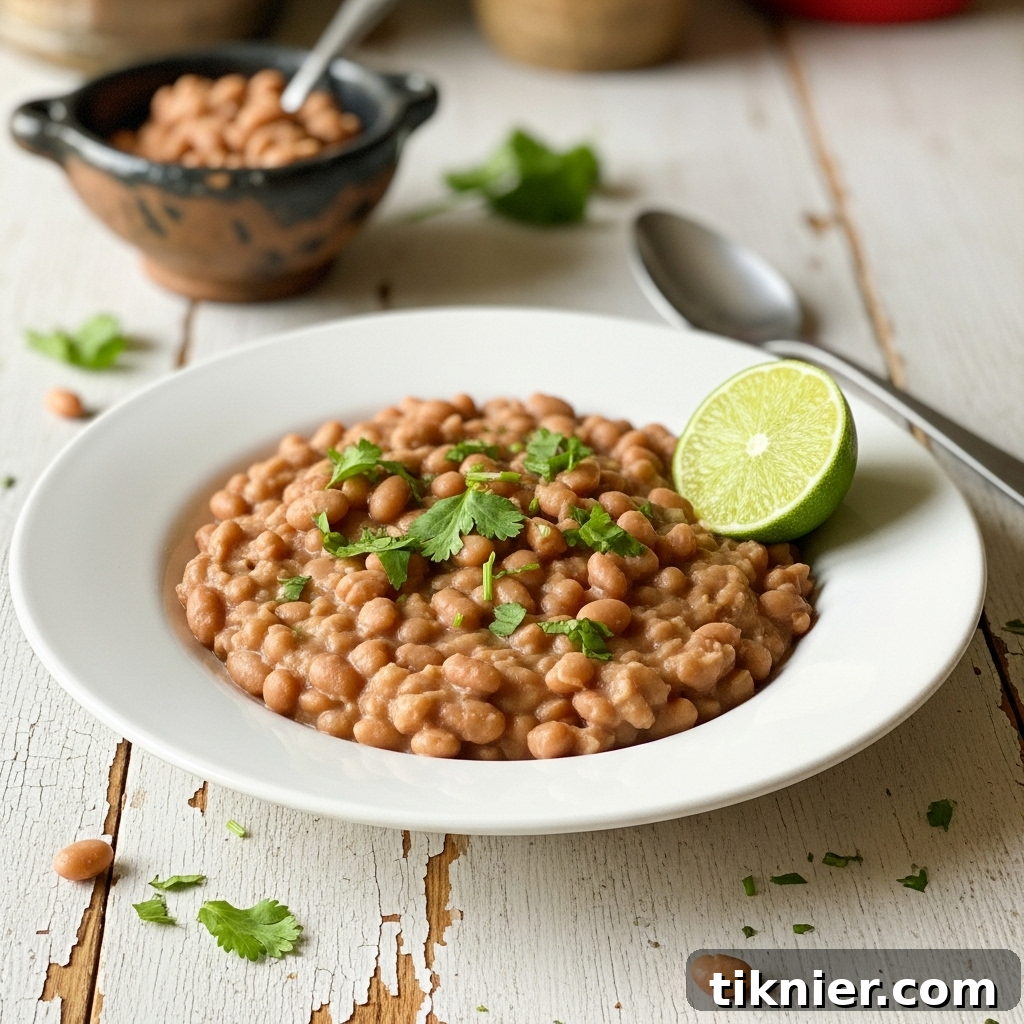
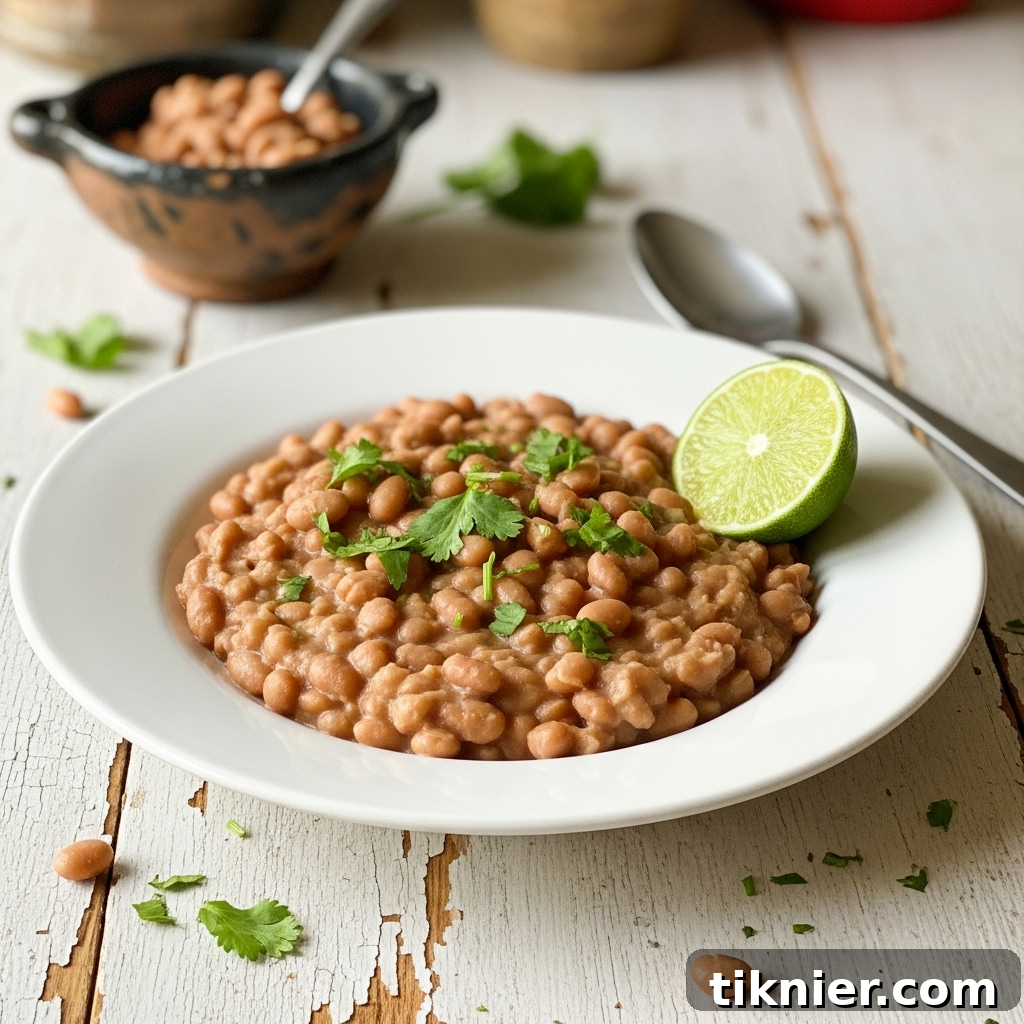
Experience the Best Homemade Refried Beans: Rich, Creamy, and Unforgettable
Prepare yourself for a culinary revelation: this isn’t just another refried beans recipe; it’s an experience. We’re confident in saying this is the best homemade refried beans recipe you will ever try. For years, like many home cooks, I was left utterly uninspired by the bland, mushy versions served in cans or even at many restaurants. They often felt like a forgotten sidekick, overshadowed by the vibrant flavors of tacos, enchiladas, or burritos on the plate. It was a genuine disappointment, especially for someone who truly loves the humble bean.
The turning point arrived after a particularly uninspiring Saturday lunch at a local Tex-Mex spot. As I gazed at the pale, pasty scoop of beans on my plate, a thought sparked: “There *has* to be a better way to make these.” This simple observation ignited a mission, transforming my kitchen into a laboratory for the perfect refried beans.
Of course, the foundational elements were well-known: beans, onion, garlic, and a type of fat. Traditionally, lard provides a rich base, and while effective, it wasn’t delivering the “wow” factor I craved. My mind drifted unexpectedly to French cuisine and the enchanting process of making beurre noisette, or brown butter. This magical ingredient boasts an incredible nutty, toasted aroma and flavor that elevates anything it touches, infusing it with unparalleled richness and complexity.
So, I experimented. I melted unsalted butter in my skillet, allowing it to gently simmer a little longer until it transformed into a golden-brown hue, releasing an intoxicating, nutty scent that promised something extraordinary. Into this fragrant brown butter, I introduced finely diced onions, minced garlic, and my second secret weapon: a touch of minced chipotle pepper in adobo sauce for a layer of smoky heat. The result, dear friends, was nothing short of a revelation. These are far from your average refried beans. They are luxuriously creamy, deeply rich, wonderfully nutty, subtly smoky, and truly unforgettable. Prepare to redefine your expectations of this classic dish.
Jump to the Full Recipe Card!
Why This Brown Butter Chipotle Refried Beans Recipe Is a Game Changer
Refried beans, or frijoles refritos, are more than just a side; they are a cherished cornerstone of Mexican and Tex-Mex culinary traditions. The Spanish name itself is often misunderstood; “refritos” actually translates to “well-fried” or “thoroughly fried,” not “fried again.” The traditional preparation involves cooking beans, then mashing and frying them with a chosen fat and essential seasonings. For generations, this fat has primarily been pork lard, lending the beans a distinctive savory richness and a wonderfully smooth, velvety texture that is hard to beat.
This beloved dish resonates with comfort, offers satisfying sustenance, and exhibits incredible versatility. It effortlessly serves as a simple yet hearty side dish, a robust filling for hearty burritos, or the essential, flavorful foundation for a crave-worthy dip. While the classic renditions are undeniably wonderful, I always sensed an opportunity to build upon that strong foundation, to introduce new layers of flavor that would elevate the dish from a humble accompaniment to a true star.
This ambition led to the development of two distinct yet harmonious twists that redefine traditional refried beans. Firstly, we consciously opt for brown butter over traditional lard or cooking oil. This is the ultimate game-changer. By carefully cooking unsalted butter just beyond its melted state, until the milk solids within toast to a beautiful golden brown, we unlock a profoundly deep, nutty, and almost caramel-like flavor profile. This complex richness simply cannot be achieved with plain melted butter or any type of oil. It introduces an incredible depth that perfectly complements the earthy undertones of pinto beans, creating a luxurious base that sings with flavor.
Secondly, we thoughtfully incorporate a minced chipotle pepper in adobo sauce. This addition serves a purpose far beyond mere heat. Chipotles, which are essentially smoked and dried jalapeños, contribute a smoldering, deeply smoky essence that beautifully cuts through and balances the richness of the brown butter and beans. Furthermore, a small amount of the accompanying adobo sauce introduces a tangy, subtly savory note that masterfully ties all the flavors together. The exquisite fusion of nutty brown butter and smoky chipotle truly transforms this humble side dish, making it a vibrant, flavorful attraction that will undoubtedly steal the show at any meal.
Essential Ingredients for Our Irresistible Refried Beans
The secret to the exceptional flavor of this refried beans recipe lies not in a long list of exotic items, but in the deliberate selection of simple, high-quality ingredients, coupled with our unique technique that coaxes out their very best flavors. Here’s a detailed look at exactly what you’ll need to craft these incredible brown butter and chipotle refried beans:
- 4 tablespoons unsalted butter: This is the hero ingredient. Using unsalted butter is crucial as it gives you complete control over the final seasoning of your beans, allowing you to perfectly balance the saltiness. A good quality butter will yield a richer, more profound nutty flavor when browned.
- 1/2 medium white onion, finely chopped: Onions provide a foundational aromatic sweetness that mellows and deepens as it sautés in the brown butter. Finely chopping ensures it integrates smoothly into the beans.
- 3 cloves garlic, minced: Garlic is indispensable in Tex-Mex cuisine, offering a pungent, aromatic warmth that is essential to the overall flavor profile.
- 1 chipotle pepper in adobo sauce, minced (plus 1 teaspoon of the adobo sauce): These smoked jalapeños are packed with complex smoky heat and a hint of tang. The adobo sauce itself is liquid gold, adding a layer of savory, slightly sweet, and tangy depth. Adjust quantity to your heat preference.
- 1 teaspoon ground cumin: A classic spice in Mexican and Tex-Mex cooking, cumin provides a warm, earthy, and slightly pungent flavor that is quintessential to refried beans.
- 1/2 teaspoon dried Mexican oregano: While regular oregano works, seeking out Mexican oregano is highly recommended. It possesses a distinct citrusy, earthy, and slightly peppery flavor profile that is notably different from its mintier Mediterranean cousin, contributing a more authentic touch to the dish.
- Two 15-ounce cans of pinto beans, rinsed and drained: Canned pinto beans offer convenience without sacrificing flavor or texture in this recipe. Rinsing removes excess sodium and any starchy liquid.
- 1/2 cup reserved bean cooking liquid, chicken broth, or water, plus more as needed: This liquid is vital for achieving the perfect creamy consistency and for moistening the beans during mashing and simmering. If using home-cooked beans, their starchy liquid is ideal.
- 3/4 teaspoon kosher salt, or to taste: Salt is a flavor enhancer. Start with the suggested amount and adjust to your personal preference.
- 1/4 teaspoon black pepper: A simple seasoning that adds a subtle warmth and balances the other flavors.
- 1 tablespoon fresh lime juice: This is a non-negotiable finishing touch. The acidity of fresh lime juice brightens all the rich, savory, and smoky flavors in the beans, preventing them from tasting heavy and adding a vibrant, balanced zest without imparting an overt lime flavor.
- As a Hearty, Irresistible Dip: Transform these beans into an instant crowd-pleaser. Spread the warm refried beans in a shallow, oven-safe dish. Top them generously with a blanket of shredded Monterey Jack cheese (or a Mexican blend), crumbled cotija cheese, a dollop of cooling sour cream or authentic Mexican crema, and a sprinkle of vibrant fresh cilantro. Serve immediately with an abundance of warm, crispy tortilla chips for an appetizer that always vanishes quickly.
- On Crispy Tostadas for a Quick Meal: A perfectly crisp corn tostada shell provides the ideal sturdy vehicle for these flavorful beans. Slather on a thick, satisfying layer of the brown butter chipotle refried beans. Then, pile on your favorite toppings: shredded lettuce, juicy diced tomatoes, creamy avocado slices or guacamole, and a generous dollop of your preferred salsa. It’s an incredibly quick, satisfying, and refreshingly light lunch or dinner option.
- A Robust Breakfast Companion: These beans are absolutely heavenly alongside a variety of breakfast dishes. Incorporate them into classic huevos rancheros, serving them proudly next to fluffy scrambled eggs and crispy bacon, or snugly tuck them into a hearty, protein-packed breakfast burrito for a flavorful start to your day.
- The Ultimate Foundation for a Seven-Layer Dip: Elevate your next seven-layer dip to legendary status by using this homemade refried beans recipe as the base. That deeply nutty, smoky flavor in the foundational layer will infuse the entire dip with an unmatched complexity and freshness that store-bought versions simply can’t achieve. It truly makes the whole dip sing.
- Effortless Bean and Cheese Burritos: Spoon cold or reheated beans onto a warm flour tortilla, generously sprinkle with your favorite shredded cheese, roll it up tightly, and you have an instant, satisfying lunch. For an extra layer of texture and flavor, you can even pan-fry the assembled burrito until the exterior is beautifully crispy and golden brown.
- Savory Stuffed Bell Peppers: Combine your leftover refried beans with some cooked rice and a handful of corn kernels. Take halved bell peppers (any color works beautifully) and stuff them generously with this flavorful mixture. Top with a sprinkle of cheese, then bake in a preheated oven until the peppers are tender and the cheese is bubbly and golden.
- Quick & Hearty Bean Soup: Transform your refried beans into a comforting soup by thinning them out with a good amount of chicken or vegetable broth in a saucepan. Enhance the flavor with additional seasonings like chili powder and a can of diced tomatoes with green chiles. In minutes, you’ll have a delicious, hearty, and incredibly simple soup.
- Bean Swaps for a New Flavor Profile: While traditional pinto beans are the star of this recipe, lending their creamy texture and mild, earthy flavor, this technique works wonderfully with other bean varieties too. Substituting black beans, for instance, will result in a slightly sweeter, deeper earthy flavor profile and a distinctively darker color. For an intriguing textural and flavor complexity, you could even use a harmonious mix of both pinto and black beans.
- Making It Completely Vegan: To craft a deliciously plant-based version of these refried beans, simply swap the unsalted butter for a high-quality plant-based oil. My top recommendations are robust olive oil or neutral avocado oil, both of which offer excellent flavor and cooking properties. While you won’t achieve the exact “brown butter” nutty notes, you can introduce a beautiful smoky depth by adding a pinch (1/4 to 1/2 teaspoon) of smoked paprika along with the other spices. Remember to also use vegetable broth or plain water instead of chicken broth for the simmering liquid.
- Adjusting the Spice Level to Your Liking: If you or your family are sensitive to heat, the chipotle pepper can be omitted entirely without sacrificing flavor. The adobo sauce alone still provides a lovely smoky tang. For those who crave an extra kick, feel free to incorporate a whole second chipotle pepper, or even a small pinch of cayenne pepper, when adding the other spices, to truly ignite the heat.
- Embracing Traditional Bacon Fat for Depth: For a deeply classic and smoky flavor that harkens back to traditional preparations, consider substituting the butter with four tablespoons of rendered bacon fat. To do this, simply cook a few strips of bacon in your skillet first, remove the crispy bacon (perfect for crumbling on top later!), and then proceed with the recipe using the flavorful rendered fat. It offers a distinct, savory richness that is incredibly delicious.
- Adding Extra Veggies for Texture and Flavor: To introduce additional texture, color, and a fresh burst of flavor, feel free to sauté some finely diced bell peppers (any color) or additional fresh jalapeños along with the onions in Step 2. This can add a delightful crunch and a layer of garden-fresh taste to your refried beans.
- 4 tablespoons unsalted butter
- 1/2 medium white onion, finely chopped
- 3 cloves garlic, minced
- 1 chipotle pepper in adobo sauce, minced (plus 1 teaspoon of the adobo sauce)
- 1 teaspoon ground cumin
- 1/2 teaspoon dried Mexican oregano
- Two 15-ounce cans of pinto beans, rinsed and drained
- 1/2 cup chicken broth or water, plus more as needed
- 3/4 teaspoon kosher salt, or to taste
- 1/4 teaspoon black pepper
- 1 tablespoon fresh lime juice
- Place a heavy-bottomed skillet over medium heat. Add butter and cook until it foams, then turns a toasted golden-brown and smells nutty, about 3-5 minutes.
- Immediately add the onion and sauté until softened, about 5-6 minutes.
- Stir in the garlic, chipotle pepper, adobo sauce, cumin, and oregano. Cook for 1 minute until fragrant.
- Add the pinto beans and 1/2 cup of broth. Bring to a simmer.
- Using a potato masher, mash the beans in the skillet to your desired consistency.
- Reduce heat to low and simmer for 5-8 minutes, stirring often, until thickened. Add more broth if they become too thick.
- Remove from heat. Stir in the salt, pepper, and lime juice. Taste and adjust seasoning before serving.
- 110 Easy Dinner Ideas For Any Occasion
- Budget-Friendly Cheap Meal Ideas
- Our Favorite Easy Breakfast Recipes
The careful combination and preparation of these seemingly simple ingredients are what transform this dish from ordinary to extraordinary, making it a truly unforgettable culinary experience.
Step-by-Step Guide to Crafting the Ultimate Refried Beans
Creating these outstanding refried beans is a straightforward process, but the magic truly happens when you pay close attention to the nuances of each step. This meticulous approach is precisely what will yield a result that rivals, if not surpasses, your favorite restaurant’s version, all from the comfort of your own kitchen.
Step 1: Master the Brown Butter
Begin by placing a heavy-bottomed skillet – a cast iron pan or a Dutch oven works perfectly – over medium heat. Add your four tablespoons of unsalted butter. As it melts, resist the urge to walk away; this is where the transformative process begins. Continuously swirl the pan gently as the butter transitions from melting to foaming vigorously. As the foam subsides, you’ll start to notice delicate golden-brown specks forming at the bottom of the pan. These are the toasted milk solids, responsible for the incredible flavor. Within approximately 3 to 5 minutes, your kitchen will be enveloped in the most enchanting, nutty aroma – that’s your definitive signal that the brown butter is perfectly achieved and ready for the next step.
Step 2: Sauté the Aromatic Onions
The moment your butter reaches its beautiful brown, immediately introduce your finely chopped white onion into the skillet. This crucial timing not only halts the butter from burning but also instantly begins building the first layer of savory flavor. Sauté the onions for about 5 to 6 minutes, stirring frequently. Your goal is to achieve a soft, translucent texture. As the onions release their moisture, use your spoon or spatula to diligently scrape up any of those delectable browned bits from the bottom of the pan, incorporating them back into the developing flavor base.
Step 3: Bloom the Spices and Aromatics
Next, add the minced garlic, the minced chipotle pepper, the precious teaspoon of adobo sauce, the ground cumin, and the dried Mexican oregano to the skillet. Stir these aromatics and spices constantly for precisely one minute. This essential step, often referred to as “blooming,” gently toasts the spices in the hot fat, which dramatically intensifies their inherent flavors and releases their full, intoxicating aromas. Your kitchen will now smell absolutely divine, promising the rich flavors to come.
Step 4: Combine Beans and Liquid
Pour in your rinsed and thoroughly drained pinto beans. Follow this with a half cup of your chosen liquid – whether it’s chicken broth for added richness, plain water, or, ideally, the reserved starchy liquid if you’ve cooked your beans from scratch. Stir all the ingredients together gently until well combined, then bring the mixture to a gentle simmer over the medium heat.
Step 5: Achieve Your Preferred Texture
Now comes the satisfying part where you customize the texture of your beans. Using a simple potato masher, press down firmly on the beans directly in the skillet. If you prefer a more rustic, chunky style of refried beans with some whole beans remaining, mash them partially. For that coveted creamy, super-smooth consistency, akin to what you’d find at your favorite authentic restaurant, be more thorough and persistent with your mashing. A sturdy fork can also serve as an effective mashing tool in a pinch!
Step 6: Simmer to Perfection and Thicken
Reduce the heat to low and allow the beans to continue simmering gently for 5 to 8 minutes. This is a critical stage for two primary reasons: it allows all those wonderfully complex flavors to fully meld and deepen, and it enables the beans to thicken into that perfect, scoopable consistency we all desire. Stir the beans frequently during this simmering period to prevent any sticking to the bottom of the pan. If, at any point, they become too thick for your liking, simply stir in an additional tablespoon of broth or water until they reach your ideal texture. Remember, they will thicken further as they cool.
Step 7: Finish with a Burst of Freshness
Once your beans have reached the desired consistency and flavor, remove the skillet from the heat. It’s time for the final, crucial touches. Stir in the kosher salt, the black pepper, and that all-important tablespoon of fresh lime juice. Give the beans a final taste test and adjust any seasonings as needed – perhaps a little more salt to enhance the flavors or another tiny squeeze of lime for an extra pop of brightness. Serve these sensational refried beans hot and enjoy!
Delicious Ways to Serve Your Brown Butter & Chipotle Refried Beans
These brown butter and chipotle refried beans are so incredibly flavorful, you might find yourself wanting to eat them directly from the skillet with a spoon! However, their true potential shines brightest when they are integrated into a larger meal. Their rich, creamy texture and smoky, nutty flavor profile make them the perfect companion to an extensive array of dishes, elevating every bite.
Naturally, there are the time-honored, classic ways to enjoy them. They are an absolute indispensable accompaniment to any plate laden with sizzling tacos, comforting enchiladas, or delicate tamales. You can generously spread a thick, warm layer inside a soft flour tortilla before adding your other fillings, creating the perfect foundation for a satisfying burrito or a gooey quesadilla. But let’s venture beyond the expected and explore some more creative serving possibilities, shall we?
Here are just a few of my favorite and most inspired ways to serve these spectacular refried beans, guaranteed to impress:
Regardless of how you choose to serve them, a few simple garnishes can enhance both their visual appeal and their taste. A sprinkle of crumbled cotija cheese, a scattering of freshly chopped cilantro or vibrant green onions, or even a few zesty slices of pickled jalapeño can add a final, delightful pop of flavor, texture, and color, making your dish as beautiful as it is delicious.
Maximizing Your Leftovers: Storage & Creative Reuse of Refried Beans
One of the many delights of preparing a generous batch of these sensational refried beans is that the leftovers are often just as delicious, if not even more so, as the flavors continue to meld and deepen over time. Mastering the proper storage and reheating techniques is essential to ensure you can savor them for days to come, minimizing waste and maximizing enjoyment.
To store your leftover refried beans, first allow them to cool completely to room temperature. Once cooled, transfer them into an airtight container. They will maintain their excellent quality and flavor in the refrigerator for up to 4 or 5 days. It’s important to note that you will observe them thickening considerably once chilled; this is a perfectly normal occurrence due to the starch content.
When you’re ready to enjoy them again, reheating is straightforward and can be done either in the microwave or on the stovetop. For microwave reheating, place the beans in a microwave-safe bowl and heat them in 30-second intervals, stirring thoroughly between each interval, until they are heated through and creamy. For stovetop reheating, transfer the beans to a small saucepan and warm them over medium-low heat. You will almost certainly need to add a splash of water, broth, or even a touch of milk to loosen them up and restore their luxurious, creamy texture as they heat. Stir continuously until they are smooth, piping hot, and fully reheated.
Beyond simply reheating and serving again, here are some imaginative and delightful ways to repurpose those flavorful leftovers:
These brown butter and chipotle refried beans also freeze exceptionally well! Portion them into freezer-safe bags or containers, ensuring you leave a little headspace for expansion. They will keep beautifully in the freezer for up to 3 months. When ready to use, simply thaw them overnight in the refrigerator before reheating them as described above. This makes meal prep a breeze and ensures you always have a delicious batch on hand.
Creative Substitutions & Exciting Variations for Your Refried Beans
While this particular refried beans recipe holds a special place in my heart as a near-perfect rendition, I understand that every cook has their unique preferences and dietary needs. The inherent beauty of a foundational recipe like this lies in its remarkable flexibility, inviting you to put your own creative spin on it. Don’t hesitate to experiment and discover the version that truly resonates with your taste buds and becomes a beloved staple in your household.
This recipe serves as an excellent springboard for a myriad of delicious adaptations. Here are some tried-and-true substitutions and exciting variations you might want to explore, each offering a slightly different, yet equally delightful, culinary experience:
Each of these thoughtful adjustments can unlock a new and exciting culinary experience, making this single refried beans recipe an incredibly versatile and indispensable tool in your kitchen arsenal. Don’t be afraid to get creative and truly make it your own!
Brown Butter & Chipotle Refried Beans
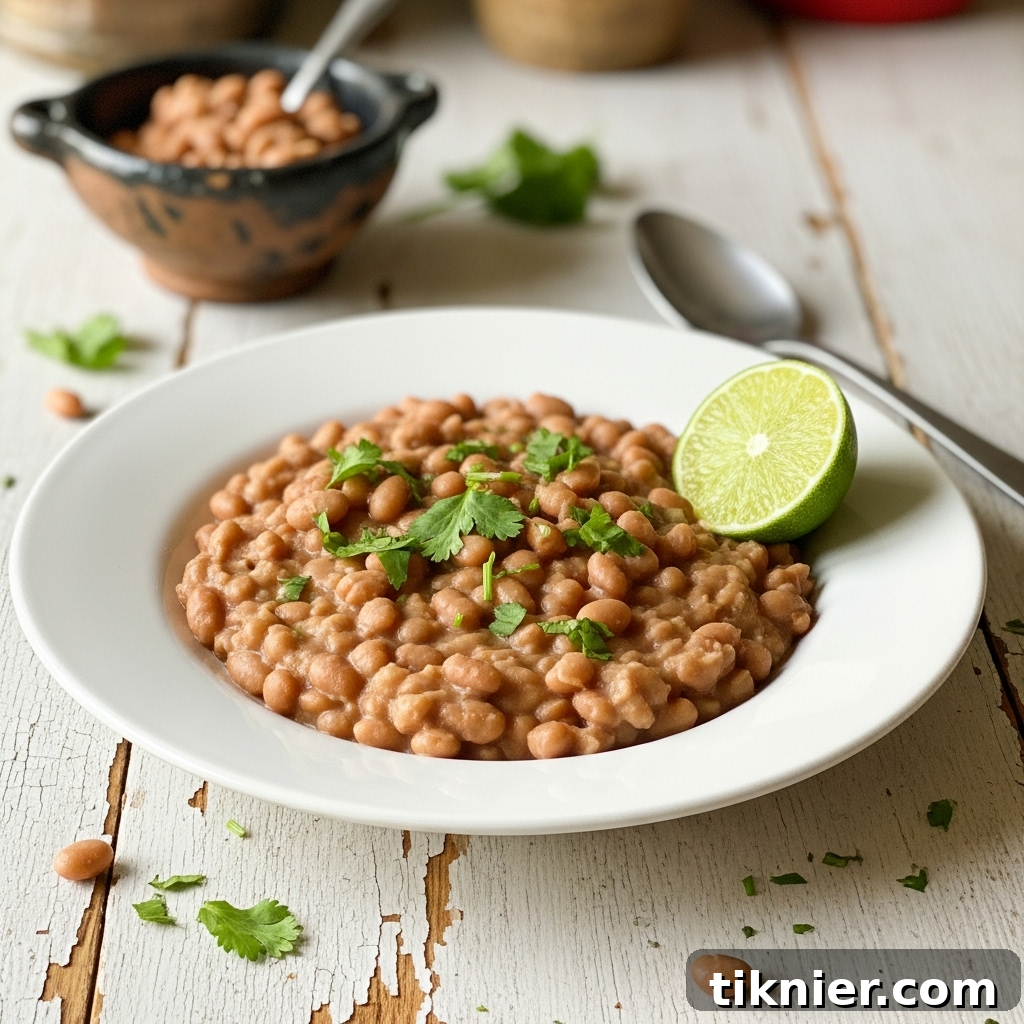
Description: A revolutionary take on classic refried beans, made incredibly rich and flavorful with nutty brown butter, smoky chipotle peppers, and a hint of fresh lime. The perfect side dish or filling that will steal the show!
Yield: 6 servings | Category: Side Dish | Cuisine: Tex-Mex
Prep Time: 10 minutes | Cook Time: 20 minutes
Ingredients
Instructions
Notes
For a vegan version, substitute olive oil or avocado oil for the butter and use vegetable broth. For extra smokiness without the butter, add 1/4 teaspoon of smoked paprika with the other spices.
Servings: 6 | Calories: 195 kcal | Fat: 8g | Carbohydrates: 24g | Protein: 7g
Common Questions About Making the Best Refried Beans (FAQs)
Here are some detailed, straightforward answers to the most frequently asked questions I receive about this particular brown butter and chipotle refried beans recipe. These insights will help you perfect your batch every time.
Can I make these refried beans vegan?
Absolutely, adapting this recipe to be entirely vegan and plant-based is wonderfully simple, and the resulting flavor is still incredibly rich and satisfying. The primary substitutions involve the fat source and the simmering liquid. Instead of the four tablespoons of unsalted butter, you’ll want to use a high-quality plant-based fat. My top recommendations include avocado oil, renowned for its neutral flavor profile and high smoke point, or a good extra virgin olive oil, which will impart a slightly fruitier, peppery undertone. Since you won’t be able to “brown” the oil in the same way you brown butter (the nutty flavor in brown butter comes from toasted milk solids), to compensate for that lost depth, I highly recommend incorporating 1/4 to 1/2 teaspoon of smoked paprika. Add it at the same stage as the other dry spices, such as cumin and oregano, to bring back a lovely smoky dimension to your dish. The other crucial substitution is to use vegetable broth or plain water instead of chicken broth when you add the liquid for simmering. With these simple yet effective tweaks, you will yield a fantastic batch of rich, flavorful vegan refried beans that everyone, regardless of dietary preference, will enjoy.
Why are my homemade refried beans dry?
Dry refried beans are a very common complaint, and the issue almost invariably stems from one of two factors: insufficient liquid during cooking or simmering them for an excessive duration. Beans, particularly pinto beans, possess a remarkable capacity to absorb liquid continuously as they cook and sit. When you first mash them, they might appear to have the perfect, creamy consistency. However, as they continue to gently simmer over low heat, they naturally thicken up quite considerably. This characteristic highlights why having additional liquid on hand is absolutely crucial for success.
My recipe initiates with 1/2 cup of liquid, but I always advocate for keeping more nearby. As you stir the beans during that final 5 to 8-minute simmer, pay very close attention to their evolving texture. If they begin to resemble a thick, pasty mass rather than a creamy, spreadable dip, it’s a clear signal to add more liquid. Stir in a tablespoon of broth or water at a time, patiently, until you consistently achieve that ideal creamy, luscious consistency. Remember, the beans will continue to thicken further as they cool, so it’s often better to remove them from the heat when they are slightly looser than your target texture. Don’t be apprehensive about adding that extra splash of liquid; it is truly the secret ingredient for perfectly creamy, never-dry refried beans every single time.
Can I use dried beans instead of canned for this refried beans recipe?
Yes, absolutely! Many seasoned cooks wholeheartedly advocate for the superior flavor and texture that beans cooked from scratch offer. While it undeniably demands more foresight and preparation time, the rewards in terms of taste and texture are considerable. To substitute dried pinto beans for the two 15-ounce cans specified in this recipe, you will typically need to begin with approximately 1 cup of dried pinto beans. This amount, once cooked, will yield roughly 3 cups of cooked beans, which is the equivalent volume you get from two standard cans.
First, meticulously sort through your dried beans to remove any small stones or debris, then rinse them thoroughly under cold water. You then have two primary options for soaking: either a traditional long soak overnight in a generous bowl of water (ensuring the beans are fully submerged with plenty of extra water as they expand) or a quicker soak method. For the quick soak, cover the beans with water, bring them to a rolling boil for 2 minutes, then remove from heat and let them sit, covered, for one hour. After soaking (regardless of method), drain the soaking water and cover the beans with fresh water or broth in a large pot. For enhanced flavor, you can add aromatics like a chunk of onion, a couple of peeled garlic cloves, and a bay leaf. Bring the pot to a boil, then reduce the heat to a gentle simmer and cook for 1.5 to 2.5 hours, or until the beans are completely tender and easily mashable. The most crucial tip when using dried beans is to reserve about 1 cup of the starchy, flavorful bean cooking liquid before you drain them. This liquid is gold; it is the absolute best thing to use in the refried beans recipe when it calls for broth or water, as it carries a deep bean flavor that complements the dish perfectly.
What’s the best way to get creamy refried beans?
Achieving that perfectly creamy, luscious, and utterly irresistible texture is indeed the ultimate aspiration for any refried beans enthusiast. There are three interconnected key factors that contribute to this desired result: the generous amount of fat used, the specific mashing technique employed, and diligent management of the liquid content. Firstly, do not be conservative with the fat. The four tablespoons of brown butter (or oil, if vegan) in this recipe are absolutely essential. The fat plays a crucial role by coating the starches released from the beans during cooking. This coating prevents the starches from becoming gluey or pasty, and instead, it helps create that wonderfully rich, smooth, and desirable mouthfeel. It is a fundamental component for achieving true creaminess.
Secondly, your mashing method significantly impacts the final texture. A standard potato masher is an excellent tool as it provides great control, allowing you to achieve a texture that can be as smooth as silk or as rustic and chunky as you prefer. However, for those seeking ultra-creamy, velvety-smooth, restaurant-style beans, your best tool is an immersion blender. After you’ve added the liquid and the beans are simmering gently, you can carefully use the immersion blender directly in the skillet to pulse and blend them until they reach a perfectly velvety consistency. Just exercise caution with potential hot splatters! Finally, and as previously emphasized, meticulous management of your liquid content is paramount. Never allow the beans to become too thick or dry. Continuously adding small splashes of broth or water as they simmer will keep them from seizing up and ensure they remain wonderfully creamy, spreadable, and never pasty. This attentive approach guarantees consistently perfect refried beans.
Are refried beans actually fried twice?
This is an excellent question and a source of widespread confusion, largely due to the English translation of the dish’s name! The direct answer is no, refried beans are not actually fried twice. The English name is a classic example of a “false friend” translation from the original Spanish term, frijoles refritos. In the Spanish language, the prefix “re-” is often used not to mean “again,” but rather as an intensifier, conveying the meaning of “very well” or “thoroughly.”
Therefore, a more linguistically accurate and conceptually correct translation of “frijoles refritos” would be “well-fried beans” or “thoroughly fried beans.” The name specifically refers to the culinary process of taking beans that have already been fully cooked (typically by boiling until tender) and then frying them thoroughly in a pan with fat and various seasonings. This frying process, which only occurs once, breaks down the beans further, concentrates their flavors, and imparts that characteristic rich, soft, and unctuous texture. It’s a subtle linguistic detail that beautifully clarifies the mystery behind the name of this wonderfully delicious and enduringly classic dish, highlighting that they are indeed fried *well*, not *twice*.
Continue Your Culinary Journey: Try These Delicious Recipes Next
If you’ve thoroughly enjoyed the rich, smoky, and deeply savory flavors of these brown butter and chipotle refried beans, you’re in for a treat with our other highly popular recipe collections. They are brimming with satisfying, easy-to-prepare dishes that are perfectly suited for any day of the week, promising to expand your culinary repertoire and delight your taste buds.