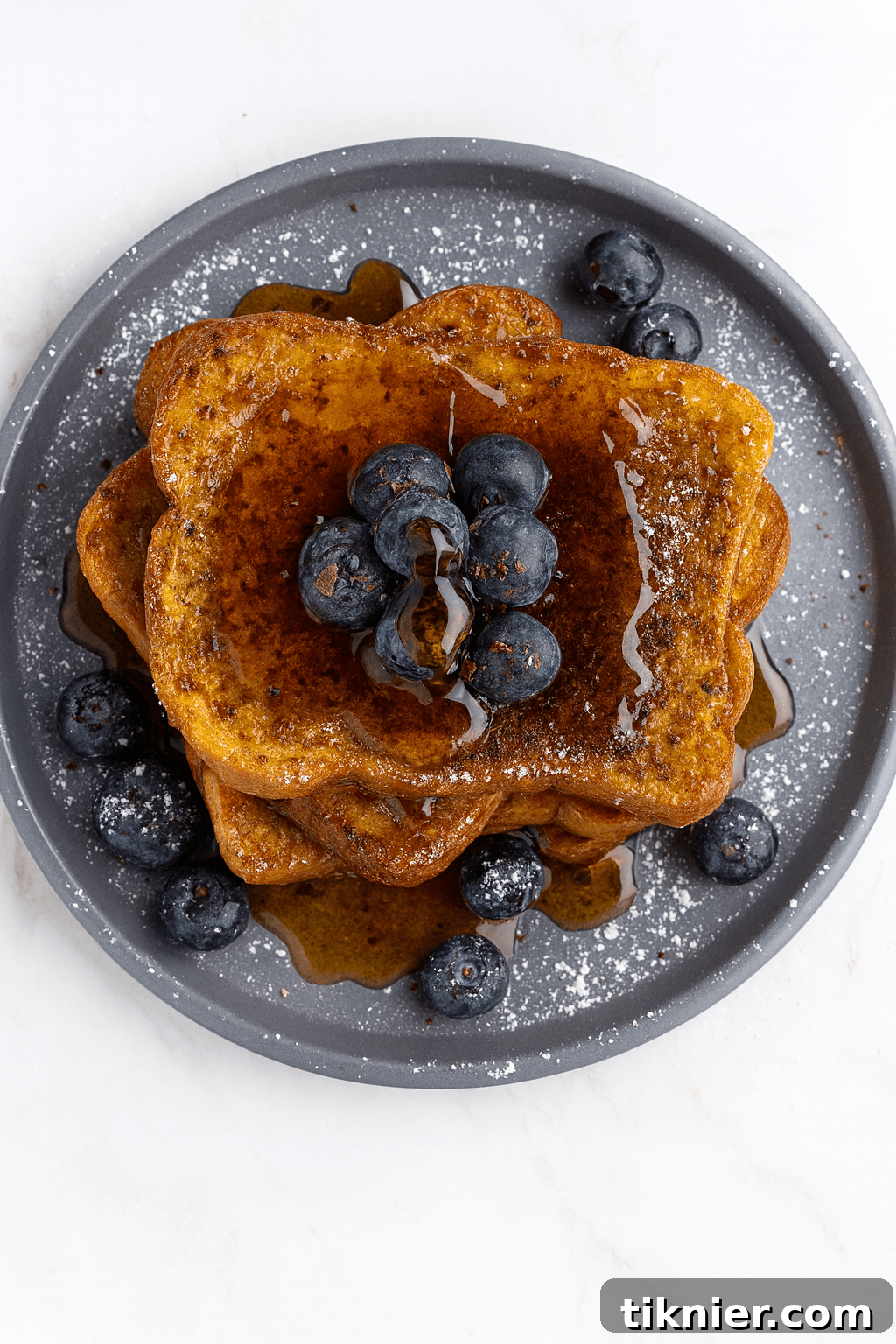
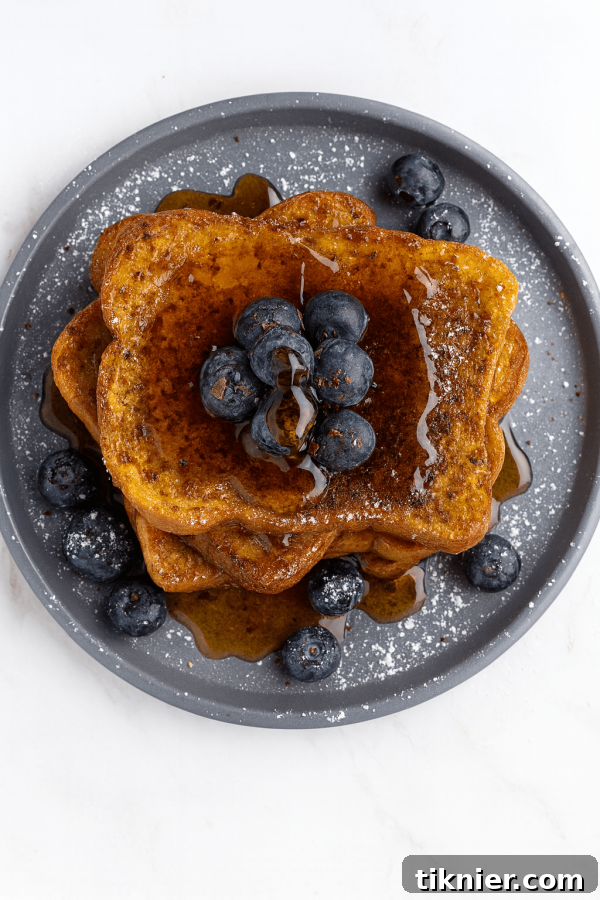
Imagine a golden, perfectly buttery French toast, with crisp edges and a creamy, custardy center. Now, imagine savoring every bite, knowing it’s entirely gluten-free. This recipe proves that you don’t have to sacrifice your favorite breakfast indulgence, even when following a gluten-free diet. It’s a culinary triumph that brings joy to every breakfast table, making delicious wheat-free mornings a delightful reality for everyone.
My journey to perfecting gluten-free French toast began out of love and necessity. I vividly recall the initial attempts, driven by the desire to include my cousin, who has celiac disease, in our cherished Saturday morning French toast tradition. The early experiments were, to put it mildly, disheartening. Many gluten-free breads simply couldn’t handle the job, dissolving into a soggy mess. It was a learning curve filled with trial and error, but eventually, I discovered the secret: finding a gluten-free loaf with just the right density and robust crumb structure. Once the foundation was solid, the rest of the recipe flowed effortlessly.
The true game-changer was a subtle yet impactful addition to the custard itself: a hint of pure maple syrup. This simple twist infuses the bread with a profound breakfast flavor from within, reducing the need for excessive toppings. The result is consistently satisfying—beautifully crisp on the exterior, wonderfully tender in the middle, and utterly irresistible. Whether dusted with a delicate cloud of powdered sugar or adorned with a generous dollop of vibrant fruit preserves, this gluten-free French toast promises a truly exceptional experience.
Jump to the Full Gluten-Free French Toast Recipe!
Unlocking the Perfect Gluten-Free French Toast: Why This Recipe Shines
Crafting exceptional gluten-free French toast can often feel like a culinary challenge. The inherent differences in gluten-free breads, particularly their lack of elastic gluten, can lead to common pitfalls: crumbling, gummy textures, or a frustrating inability to properly absorb the rich custard. However, this meticulously developed recipe circumvents these issues, consistently delivering a remarkable outcome through a few critical techniques.
The Foundation: Choosing the Right Gluten-Free Bread
The success of any French toast, especially a gluten-free version, hinges significantly on the quality and characteristics of the bread. Not all gluten-free loaves are created equal; some are notoriously fragile and disintegrate upon contact with moisture, while others possess a dense, unyielding texture that resists absorption, leaving you with dry centers. The ideal gluten-free bread for French toast possesses a sturdy, yet slightly soft crumb that can absorb the custard without losing its structural integrity. Brands like Canyon Bakehouse and Aldi’s gluten-free whole grain bread have proven to be excellent choices, offering the perfect balance of density and softness. Alternatively, if you’re an avid baker, a homemade gluten-free loaf, allowed to slightly dry out, can also yield fantastic results. Look for breads that aren’t overly airy, as these tend to become mushy, nor excessively crumbly, which will fall apart in the pan.
The Flavor Core: A Rich and Balanced Custard
Beyond the bread, the magic truly unfolds within the custard. This recipe’s custard is intentionally designed to impart deep, comforting flavors and contribute to the toast’s irresistible golden crust. The combination of a touch of brown sugar and maple syrup isn’t just for sweetness; these ingredients caramelize beautifully during cooking, enhancing the toast’s exterior and infusing it with a warm, complex sweetness that permeates every bite. The addition of vanilla extract and ground cinnamon elevates the aroma and taste profile, transforming simple bread into a gourmet experience. This carefully balanced custard ensures that each slice is not just moist, but truly flavorful from the inside out.
The Art of Cooking: Low, Slow, and Buttery Perfection
Finally, the cooking method plays a crucial role in achieving the desired texture. Gluten-free breads can sometimes brown faster than traditional wheat breads, potentially leaving the interior undercooked. By cooking the French toast low and slow in a generously buttered nonstick skillet, you allow the heat to gently penetrate and cook the custard through, while the exterior slowly develops that coveted golden-brown hue and crispy texture. The butter not only prevents sticking but also contributes a rich, savory depth that perfectly complements the sweet custard. This patient approach results in French toast with that perfect contrast—crispy edges giving way to a wonderfully tender, custardy center—a true taste of weekend comfort without any gluten concerns.
Essential Ingredients for Your Gluten-Free French Toast
Gathering the right components is the first step towards creating this delightful gluten-free French toast. Here’s a comprehensive list of what you’ll need to prepare this breakfast masterpiece:
- 6 slices of sturdy gluten-free bread (ideal choices include Canyon Bakehouse, Aldi’s gluten-free whole grain, or a dense homemade loaf)
- 3 large eggs (for richness and binding)
- 1/2 cup milk (dairy or your preferred non-dairy alternative like almond, oat, or soy milk)
- 1 tablespoon pure maple syrup (for natural sweetness and flavor depth in the custard)
- 1 tablespoon light brown sugar (enhances caramelization and adds warmth)
- 1 teaspoon pure vanilla extract (a cornerstone for classic French toast flavor)
- 1/2 teaspoon ground cinnamon (for aromatic spice and warmth)
- A small pinch of salt (to balance and enhance all the sweet flavors)
- Butter or a neutral cooking oil (such as avocado or coconut oil, for pan-frying)
- For serving: powdered sugar, additional maple syrup, fresh berries, sliced bananas, or fruit preserves
Ingredient Deep Dive:
Your Bread Choice is Paramount: As previously emphasized, selecting the correct gluten-free bread is the single most critical decision. Opt for a loaf that feels substantial, not overly airy, and demonstrates a good crumb structure. If your gluten-free bread slices are particularly soft or freshly baked, allowing them to air dry uncovered for 15-30 minutes, or even overnight, will significantly improve their ability to absorb the custard without becoming soggy. This slight drying process makes them more resilient during soaking and cooking. Thin or fragile slices are best avoided as they tend to fall apart.
Quality Check for Allergens: When cooking for individuals with celiac disease or severe gluten allergies, always double-check the labels of all packaged ingredients, especially extracts and syrups, to ensure they are certified gluten-free. While most are naturally free of gluten, cross-contamination can occur, and it’s always better to be safe.
Dairy or Dairy-Free: The beauty of this recipe lies in its adaptability. Any milk will work beautifully. Oat milk provides a lovely creaminess, almond milk keeps it lighter, and traditional dairy milk offers classic richness. Choose what best fits your dietary needs and taste preferences.
Step-by-Step Instructions for Flawless Gluten-Free French Toast
Follow these detailed steps to create perfectly golden, custardy gluten-free French toast every time:
- Prepare the Bread for Optimal Absorption: If your gluten-free bread is soft, fresh, or appears moist, lay the individual slices out on a wire rack or clean countertop. Allow them to air dry for approximately 15 to 30 minutes. This crucial step helps the bread firm up slightly, preventing it from becoming mushy when dipped into the custard and ensuring it absorbs the mixture effectively. For even better results, especially with very fresh bread, you can let it sit out for a few hours or even overnight.
- Craft the Aromatic Custard: In a wide, shallow dish (a pie plate or a shallow baking dish works perfectly for dipping), combine the 3 large eggs, 1/2 cup milk, 1 tablespoon maple syrup, 1 tablespoon brown sugar, 1 teaspoon vanilla extract, 1/2 teaspoon ground cinnamon, and a tiny pinch of salt. Whisk all the ingredients together vigorously until they are thoroughly combined and the sugar is mostly dissolved. Ensure there are no streaks of egg white remaining, as a homogenous custard leads to even flavor distribution.
- Strategically Soak the Bread: Gently place one or two slices of your prepared gluten-free bread into the custard mixture. Allow each side to soak for approximately 20 to 30 seconds. The exact soaking time will depend on the thickness and density of your specific bread; denser breads may need a slightly longer soak, while thinner ones require less. The goal is for the bread to absorb the custard without becoming oversaturated or flimsy. It should feel heavier and moist, but still hold its shape when lifted.
- Preheat and Prepare Your Pan: Place a nonstick skillet or griddle over medium heat. Allow it to preheat for 2-3 minutes. Once warm, add a tablespoon of butter or a teaspoon of oil to coat the bottom of the pan. Swirl the butter or oil around to ensure an even coating, which prevents sticking and aids in even browning.
- Cook the Gluten-Free French Toast to Golden Perfection: Carefully transfer the soaked bread slices from the custard to the heated skillet. Cook each side for about 2 to 3 minutes, or until the exterior is beautifully golden brown and the center feels set and cooked through. If you notice the bread browning too quickly before the inside has a chance to cook, slightly reduce the heat. Avoid overcrowding the pan; cook in batches if necessary to maintain consistent heat and allow for proper browning.
- Serve Warm with Your Favorite Toppings: As each batch of French toast finishes cooking, transfer them to individual plates. For optimal texture and flavor, serve immediately. Garnish with a generous dusting of powdered sugar, a drizzle of warm maple syrup, a handful of fresh berries, or any other preferred toppings. If cooking for a crowd, keep finished slices warm on a baking sheet in a low oven (around 200°F / 95°C) while you complete the remaining batches.
Creative Ways to Serve Gluten-Free French Toast
While this gluten-free French toast is undeniably delicious on its own, the right toppings and pairings can elevate it into an extraordinary culinary experience. Whether you’re preparing a quiet breakfast for one or an elaborate brunch spread for guests, there are myriad ways to make this dish truly shine.
Consider these delightful ideas to enhance your gluten-free French toast:
- Fresh Fruits: A colorful medley of fresh berries (strawberries, blueberries, raspberries), perfectly sliced bananas, or warm caramelized apples and pears add natural sweetness, vibrancy, and a pleasant textural contrast.
- Sweet Dustings: A simple, elegant dusting of powdered sugar adds a touch of sweetness and a refined finish. For a touch of sparkle, consider a fine sugar glaze.
- Syrups and Nectars: Classic pure maple syrup is always a winner. Experiment with agave nectar for a lighter sweetness, or fruit syrups like blackberry or peach for a unique twist.
- Creamy Delights: A generous dollop of freshly whipped cream, a scoop of vanilla ice cream for an indulgent treat, or a dairy-free coconut cream for those avoiding dairy.
- Crunchy Accents: Sprinkle with chopped nuts such as pecans, walnuts, or almonds for an added layer of texture and nutty flavor. Toasted coconut flakes also provide a wonderful crunch.
- Fruit Spreads and Curds: A spoonful of your favorite fruit preserves, a tangy lemon curd, or a rich cherry compote can introduce a burst of intense fruit flavor.
- Savory Swirls: For a decadent touch, a swirl of melted Nutella or a homemade chocolate sauce can transform it into a dessert-like breakfast.
Perfect Pairings for a Complete Meal:
To create a well-rounded and satisfying meal, pair your gluten-free French toast with savory sides. Crispy bacon, savory turkey sausage, perfectly scrambled eggs, or a light frittata are excellent complements. For beverages, a steaming hot cup of coffee, a refreshing glass of freshly squeezed orange juice, or a delicate herbal tea will round out the experience beautifully.
The Ultimate Brunch Board Concept:
Planning a brunch for a crowd? Consider assembling an impressive gluten-free French toast brunch board. Arrange beautifully cooked slices of French toast alongside an array of mini yogurt parfaits layered with granola and fruit, savory sausage links or crispy bacon strips, small bowls of various fresh berries, a selection of cheeses, and an assortment of fresh juices. This visually appealing spread not only looks magnificent but also offers a diverse range of flavors and textures, ensuring every guest finds something delicious to enjoy.
Storing & Reheating Gluten-Free French Toast for Future Enjoyment
One of the beauties of this gluten-free French toast recipe is its versatility, extending beyond just the morning it’s made. Leftover slices can be just as delightful the next day or even weeks later, provided you employ the correct storage and reheating techniques. Due to the inherent nature of gluten-free bread, which tends to dry out more quickly than its wheat-based counterpart (lacking the moisture-retaining gluten structure), proper sealing and gentle reheating are key to maintaining its delicious texture.
To Store Cooked Gluten-Free French Toast:
- Cool Completely: Before storing, ensure that the cooked French toast slices have cooled down to room temperature. Storing warm toast creates condensation, which can lead to sogginess and a shorter shelf life.
- Airtight Protection: Place the cooled slices in an airtight container. For added protection against moisture loss and freezer burn, you can individually wrap each slice in plastic wrap or parchment paper before placing them in the container.
- Refrigeration: Store the sealed container in the refrigerator for up to 3 days.
To Reheat Gluten-Free French Toast for Best Results:
- Toaster Oven (Highly Recommended): This is my preferred method for achieving that desirable crisp exterior. Preheat your toaster oven to 325°F (160°C). Place the chilled or frozen slices directly on the rack (or on a small baking sheet) and heat for 8–12 minutes, or until the French toast is thoroughly warmed through and the edges have regained their lovely crispness.
- Skillet (Stovetop Method): Reheating in a skillet is an excellent way to restore a tender interior and a slightly crispy surface. Place a nonstick skillet over low to medium-low heat. Add a tiny pat of butter or a drizzle of oil to the pan. Once melted, add the French toast slices and cook for 2-4 minutes per side, turning occasionally, until heated through. The low heat prevents burning while allowing the toast to warm evenly.
- Microwave (Quick but Less Crispy): Use the microwave only if you are in a significant hurry and prioritize speed over texture. While it will warm the French toast quickly, it will not yield a crispy exterior; the result will be softer. Heat for 30-60 seconds per slice, checking for warmth.
Freezing Gluten-Free French Toast:
Gluten-free French toast freezes exceptionally well, making it perfect for meal prepping a quick breakfast. Follow these steps for successful freezing:
- Individual Wrapping: After the French toast has cooled completely, wrap each slice individually in plastic wrap, then a layer of aluminum foil, or use parchment paper. This prevents them from sticking together and shields them from freezer burn.
- Freezing Flat: Place the individually wrapped slices in a single layer on a baking sheet and freeze until solid. This prevents them from clumping together.
- Transfer to Freezer Bag: Once frozen solid, transfer the individual slices to a large freezer-safe bag or an airtight container. Label with the date.
- Shelf Life: Frozen gluten-free French toast can be stored for up to 2-3 months.
- Reheating from Frozen: Reheat directly from frozen using the toaster oven or skillet method. Add a few extra minutes to the reheating time compared to refrigerated slices.
Substitutions & Variations for Your Gluten-Free French Toast
This gluten-free French toast recipe is wonderfully adaptable, allowing you to customize it to fit various dietary needs, flavor preferences, or even transform it into a completely different dish. Once you master the basic technique, feel free to get creative!
- Dairy-Free Adaptation: Easily make this recipe completely dairy-free by swapping out traditional milk for your favorite plant-based alternative. Oat milk, with its naturally creamy texture, is an excellent choice for a rich custard. Almond milk or soy milk also work beautifully, offering a slightly lighter result. When cooking, ensure you use a neutral cooking oil like avocado or coconut oil, or opt for a high-quality vegan butter substitute.
- Egg-Free Alternative: For an egg-free version, you can create “flax eggs” as a binder. For this recipe, mix 2 tablespoons of ground flaxseed meal with 6 tablespoons of warm water. Stir well and let the mixture sit for about 5 minutes until it thickens to a gel-like consistency. This flax egg mixture will effectively replace the three large eggs, providing enough binding for the French toast. Another option could be a commercial egg replacer, following package directions.
- Exciting Flavor Twists:
- Citrus Brightness: Introduce a zesty brightness by adding a teaspoon of finely grated orange or lemon zest to the custard, or even a splash of fresh orange juice.
- Spice Exploration: Beyond cinnamon, experiment with other warm spices. A pinch of ground nutmeg, cardamom, allspice, or even a blend of pumpkin pie spice can create distinct and inviting flavor profiles.
- Extract Enhancements: While vanilla is classic, a few drops of almond extract or even a hint of rum extract can add sophisticated nuances to the custard.
- Stuffed Gluten-Free French Toast: Take your French toast to the next level by making it stuffed. Spread a thin layer of cream cheese, ricotta cheese, or a generous dollop of your favorite fruit jam (or a combination!) between two slices of gluten-free bread. Gently press them together, then dip the “sandwich” into the custard and cook as usual. The melted, warm filling inside is an absolute delight.
- Savory Gluten-Free French Toast Spin: For a unique brunch experience, transform this sweet classic into a savory sensation. Omit the brown sugar, maple syrup, and cinnamon from the custard. Instead, whisk in a pinch of black pepper, a dash of garlic powder, and a sprinkle of dried herbs like thyme or rosemary. After cooking, top with an avocado slice, a fried or poached egg, sautéed mushrooms, caramelized onions, crumbled bacon, or a sprinkle of cheese for a truly gourmet savory dish.
The flexibility of this base recipe means you can truly make it your own, adapting it to suit any craving or dietary requirement.
Frequently Asked Questions About Gluten-Free French Toast
Here are clear and concise answers to the most common inquiries about making this delicious gluten-free French toast recipe.
1. What’s the absolute best gluten-free bread for French toast?
The key is to select a gluten-free bread that is sturdy enough to hold its shape when soaked, yet soft enough to absorb the custard. My top recommendations for store-bought options are Canyon Bakehouse and Aldi’s gluten-free sandwich bread due to their reliable texture. If using homemade gluten-free bread, ensure it’s slightly stale or allowed to air dry for a few hours before dipping. Avoid overly airy or crumbly breads, as they tend to become soggy or fall apart during the cooking process.
2. Can I successfully freeze gluten-free French toast?
Absolutely, this recipe is perfect for freezing! Once the cooked slices have cooled completely, individually wrap each one tightly in plastic wrap or parchment paper, then place them in a freezer-safe bag or airtight container. They can be stored in the freezer for up to 2-3 months. For reheating, simply pop them directly from frozen into a preheated toaster oven or skillet. They will crisp up beautifully and taste wonderfully fresh, making them ideal for quick breakfasts on busy mornings.
3. Does gluten-free bread tend to get soggy when soaked in custard?
It can if you’re not careful with your bread choice or soaking time. The trick is to use a sturdy, slightly dry gluten-free bread, and to limit the soaking time to about 20-30 seconds per side. This is usually sufficient for the bread to absorb the delicious flavors of the custard without becoming oversaturated or mushy. Pre-drying your bread slightly before dipping is a highly effective way to prevent sogginess.
4. How can I make this gluten-free French toast dairy-free as well?
Making this recipe dairy-free is simple and doesn’t compromise on flavor or texture. Just swap out regular milk for any non-dairy milk of your preference—oat milk provides a lovely creaminess, while almond milk keeps it light. For cooking, use a plant-based oil like coconut or avocado oil, or opt for a high-quality vegan butter substitute instead of traditional butter. The custard will remain rich and flavorful without any dairy components.
5. Can I prepare parts of this recipe ahead of time?
Yes, you can certainly do some prep in advance. The custard mixture can be whisked together and stored in an airtight container in the refrigerator for up to 24 hours. Alternatively, you can cook all the French toast slices, allow them to cool, and then refrigerate or freeze them. Reheat them the next morning using the oven, toaster oven, or skillet methods. For feeding a large crowd, consider transforming this into a gluten-free baked French toast casserole by using gluten-free bread cubes, which can often be assembled the night before.
Gluten-Free French Toast: The Ultimate Recipe
3 servings
10 minutes
10 minutes
20 minutes
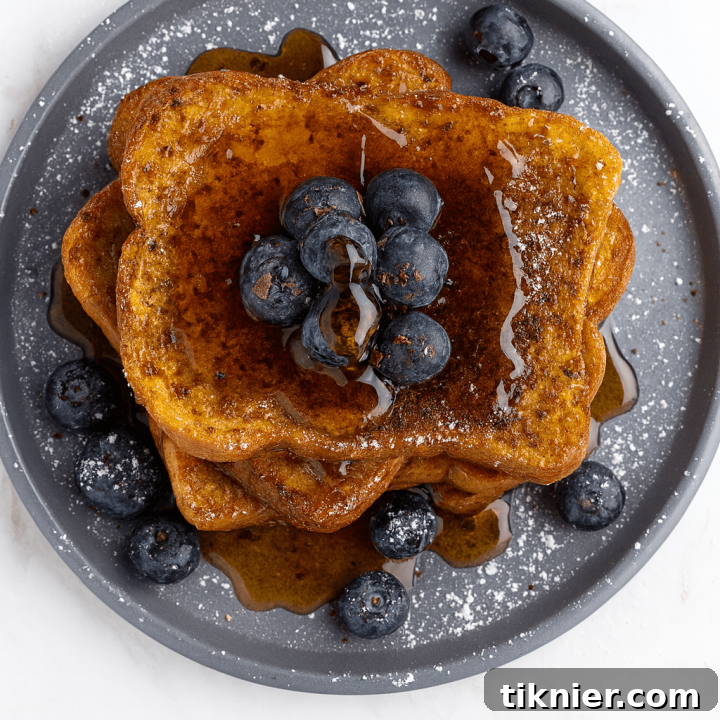
This Gluten-Free French Toast is golden, irresistibly crisp on the edges, and wonderfully custardy in the middle. Infused with a hint of maple syrup and cinnamon within the batter, it creates a cozy, comforting weekend breakfast that just happens to be entirely gluten-free. Finish it off with vibrant fresh berries, a delicate dusting of powdered sugar, or a generous pour of your favorite syrup for a brunch that will be adored by everyone at the table.
Ingredients
- 6 slices of sturdy gluten-free bread (such as Canyon Bakehouse or a dense homemade loaf)
- 3 large eggs
- 1/2 cup milk (dairy or your preferred non-dairy alternative)
- 1 tablespoon pure maple syrup
- 1 tablespoon light brown sugar
- 1 teaspoon vanilla extract
- 1/2 teaspoon ground cinnamon
- Pinch of salt
- Butter or cooking oil for pan-frying
- For serving: powdered sugar, additional maple syrup, fresh fruit, or whipped cream
Instructions
- Lay out the bread slices for 15–30 minutes to dry slightly if they are soft or freshly baked. This helps prevent sogginess.
- In a shallow dish, whisk together the eggs, milk, maple syrup, brown sugar, vanilla, cinnamon, and salt until well combined and sugar is mostly dissolved.
- Gently dip the gluten-free bread slices into the custard mixture, allowing each side to soak for about 20–30 seconds. Do not over-soak.
- Heat a nonstick skillet or griddle over medium heat. Add butter or cooking oil to coat the bottom.
- Place soaked bread in the skillet and cook for 2–3 minutes per side, or until golden brown and cooked through. Reduce heat slightly if browning too fast.
- Serve warm immediately with your choice of toppings like syrup, fresh berries, powdered sugar, or whipped cream.
Notes
For the best results, use a sturdy gluten-free bread that maintains its structure when soaked. Brands like Canyon Bakehouse and Aldi’s gluten-free breads are excellent choices. Allowing fresh bread to air dry slightly before dipping is crucial.
To make this recipe completely dairy-free, simply use your preferred plant-based milk (e.g., oat, almond) and opt for vegan butter or oil for cooking.
Leftover gluten-free French toast can be stored in an airtight container in the fridge for up to 3 days. For longer storage, cooked slices can be individually wrapped and frozen for up to 2-3 months. Reheat from frozen in a toaster oven or skillet for best texture.
Explore More Delicious Breakfast Recipes
If you’ve fallen in love with this versatile gluten-free French toast, I invite you to explore more delightful breakfast recipes from This Gal Cooks. These selections offer unique twists on classic morning favorites, perfect for any occasion:
- Cinnamon Roll French Toast – Crafted from store-bought cinnamon rolls, this incredibly sweet, gooey, and indulgent dish is an absolute showstopper, ideal for a memorable weekend brunch.
- Croissant French Toast Casserole – Indulge in a rich, custardy casserole featuring flaky croissants, bursting with juicy fruit and creamy pockets of cream cheese. It’s an elegant and comforting choice.
- Overnight French Toast Bake – Imagine waking up to the comforting aromas of chocolate pecan pie magically transformed into a glorious French toast bake. This overnight sensation is perfect for stress-free entertaining.
Each of these recipes brings its own special character, allowing you to continually refresh your breakfast routine while maintaining that familiar, comforting French toast essence. Whether you’re dedicated to a gluten-free lifestyle or simply searching for your next beloved breakfast dish, you’re sure to find something here you’ll be eager to prepare time and again.