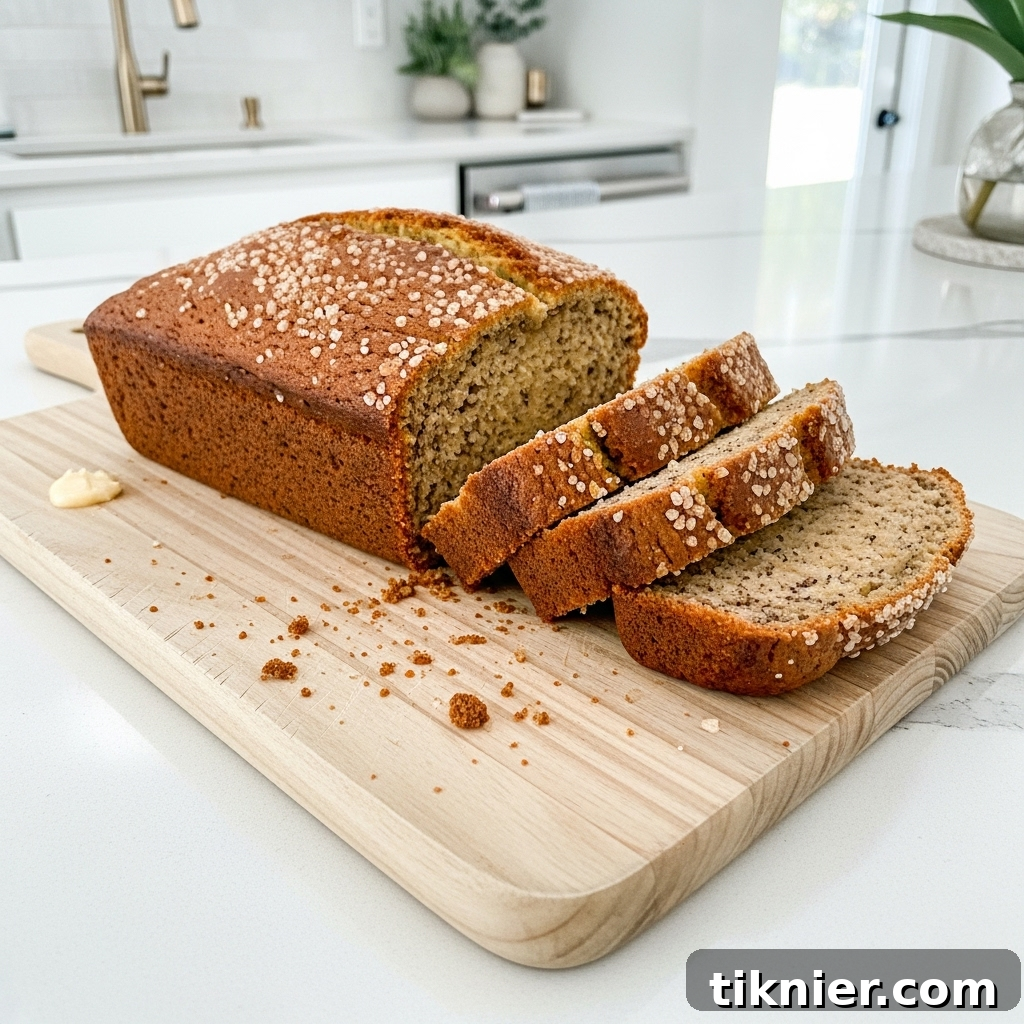
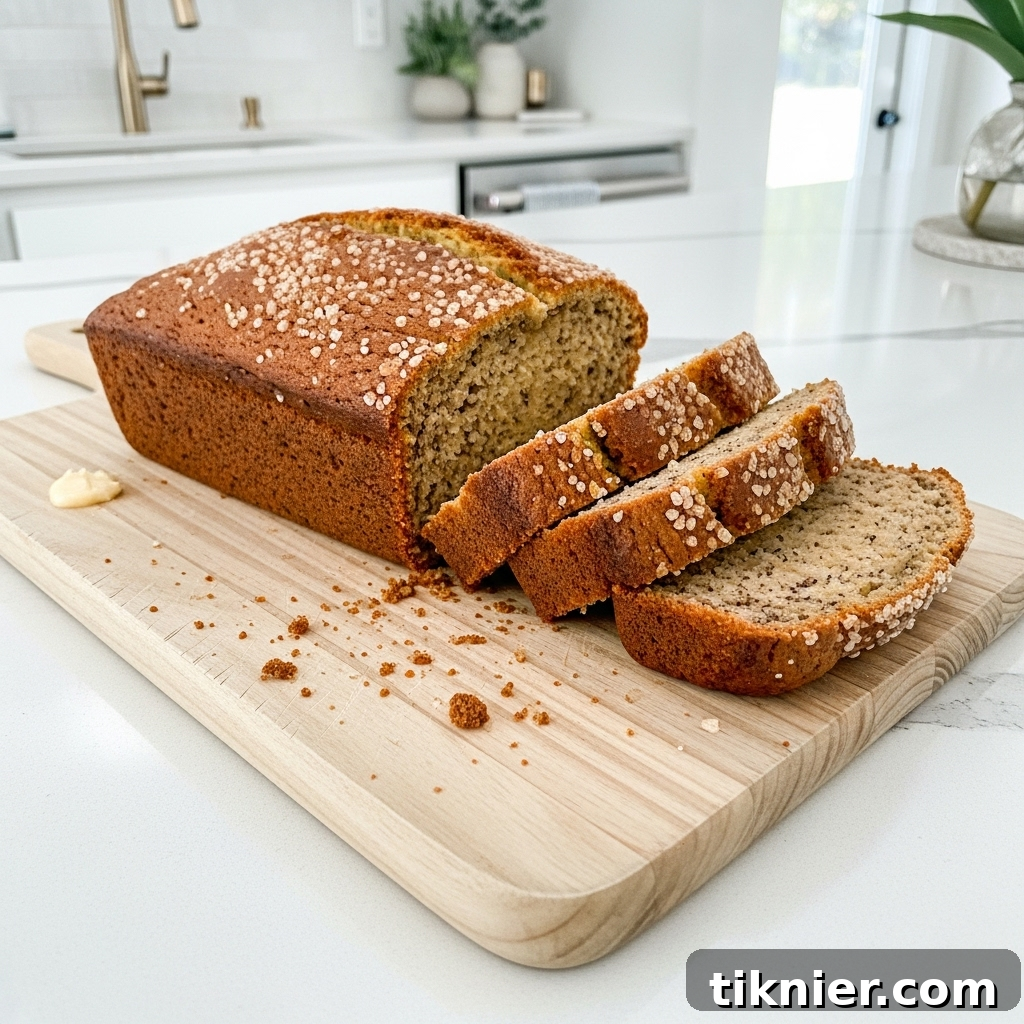
Elevate Your Baking: Discover the Best Brown Butter Miso Banana Bread
Prepare yourself for a culinary revelation: this extraordinary brown butter miso banana bread is poised to become your newest kitchen obsession. It’s a delightful reinvention of a beloved classic, offering a depth of flavor that is both comforting and surprisingly sophisticated.
Like many from the American South, my family held a treasured banana bread recipe, lovingly scrawled on a faded index card. Passed down from my great-aunt Carol, this recipe was my culinary anchor for years. It was foolproof, consistently moist, and perfectly sweet – everything you could want in a classic banana bread. It was a taste of home, a simple joy that filled our kitchen with its irresistible aroma.
Then, one unforgettable evening, my husband and I dined at a charming downtown restaurant. For dessert, I indulged in something featuring a miso caramel sauce. That single bite was a revelation. The salty, savory, incredibly complex flavor was unlike anything I had ever experienced, and it captivated my senses. On the drive home, a bold, almost audacious idea sparked in my mind: what if I could infuse a touch of that magical miso complexity into Aunt Carol’s cherished banana bread?
The thought felt almost sacrilegious, yet it lingered, demanding to be explored. The very next weekend, I embarked on my culinary experiment. My first step was to brown the butter, a technique that transforms ordinary butter into a nutty, toasted liquid gold, adding an immediate layer of warmth and sophistication. Then, carefully, I whisked a small amount of white miso paste into the brown sugar and eggs. As the loaf baked, a new, exciting aroma filled my kitchen, a harmonious blend of familiar sweetness and intriguing savory notes.
The result was nothing short of miraculous. The bread retained the comforting essence of the banana bread I grew up with, but with an astonishing new depth and complexity. It was an enhancement, not an overhaul – a familiar friend transformed into something extraordinary. This, my friends, is that very recipe, designed to bring a touch of culinary magic to your home.
Skip to My Special Recipe!
Unveiling the Magic: Why This Brown Butter Miso Banana Bread Stands Out
Banana bread has graced American kitchens for nearly a century, a testament to its enduring appeal. Most food historians trace its widespread popularity back to the Great Depression, when resourceful home cooks creatively repurposed every available ingredient, including those speckled, overripe bananas that often sat neglected on the counter. The advent of baking soda and baking powder in the early 20th century further fueled the rise of “quick breads,” cementing banana bread’s place as a comforting classic.
Its enduring charm is easy to understand. It’s incredibly simple to prepare, transforms humble ingredients into a wonderfully moist and tender treat, and infuses your entire home with an intoxicating, comforting aroma. It’s the perfect, delicious solution for those bananas that have transitioned past their prime for a morning smoothie but are ideal for baking. Everyone, it seems, loves a good banana bread.
However, this particular recipe elevates that beloved classic to an entirely new dimension through two incredibly simple, yet profoundly transformative, additions. These aren’t just minor tweaks; they are game-changers that add layers of flavor you might not expect in a quick bread.
The Nutty Depth of Brown Butter
The first secret ingredient is brown butter. The process begins by gently melting unsalted butter, but instead of stopping there, you continue to cook it over medium heat. As the water evaporates, the milk solids within the butter toast and caramelize, undergoing the Maillard reaction. This creates a rich, golden-brown liquid that smells heavenly and boasts an intense, nutty, and subtly caramelized flavor. This “liquid gold” adds a profound layer of warmth and complexity that plain melted butter simply cannot replicate, infusing the banana bread with a depth that is both familiar and exciting.
The Umami Boost of White Miso Paste
My second, truly secret weapon, is white miso paste. Before you raise an eyebrow, allow me to explain. Miso, a fermented soybean paste, is a cornerstone of Japanese cuisine, renowned for its savory umami qualities. The white variety, known as shiro miso, is the mildest and sweetest, characterized by its delicate, slightly sweet, and earthy notes. When thoughtfully incorporated into the banana bread batter, it doesn’t make the bread taste like a savory soup or stew. On the contrary!
Instead, the miso provides a gentle, savory saltiness that expertly balances the sweetness of the ripe bananas and brown sugar, preventing the bread from being overly cloying. More importantly, it contributes a powerful umami quality that actually amplifies and intensifies the natural flavor of the bananas, making them taste even more vibrant and pronounced. It’s the elusive ingredient you won’t quite be able to pinpoint, but its presence will elevate the bread to such a degree that you’ll never want to bake without it again. It adds that indescribable “something” that makes people ask, “What *is* in this?”
Essential Ingredients for Your Elevated Banana Bread
A truly exceptional loaf of banana bread begins with high-quality ingredients. While many items on this list are likely already in your pantry, two key players are paramount for achieving the unique and incredible flavor profile of this specific recipe. Paying close attention to these will make all the difference between a good loaf and an unforgettable one.
Here’s everything you’ll need to gather to create this masterpiece:
- 2 cups all-purpose flour: The foundation of our quick bread, providing structure.
- 1 tsp baking soda: Essential for lift and browning, especially with the acidic components.
- 1/2 tsp baking powder: Works alongside baking soda to give the bread a beautiful rise and tender crumb.
- 1/2 tsp ground cinnamon: A classic warm spice that beautifully complements bananas.
- 1/4 tsp ground nutmeg: Adds another layer of aromatic warmth and depth.
- 1/2 tsp fine sea salt: Crucial for balancing sweetness and enhancing all flavors.
- 1/2 cup (1 stick) unsalted butter: The star for browning, providing a rich, nutty foundation.
- 1 cup packed light brown sugar: Adds moisture and a lovely caramel note, complementing the brown butter and bananas.
- 2 large eggs, at room temperature: Binders that add richness and help with emulsification, ensuring a smooth batter.
- 2 tbsp white (shiro) miso paste: Our secret ingredient, delivering savory depth and umami.
- 1 tsp vanilla extract: A timeless flavor enhancer for baked goods.
- 1 ½ cups mashed very ripe bananas (about 3-4 large bananas): The sweeter and spottier, the better! These provide natural sweetness and essential moisture.
- 1/2 cup full-fat sour cream or Greek yogurt: Adds incredible moisture, tenderness, and a slight tang that brightens the flavors.
- 1 tbsp turbinado sugar, for topping (optional): For a beautiful, crunchy, bakery-style crust.
Let’s highlight our foundational flavor builders: the unsalted butter and the white (shiro) miso paste.
- Unsalted Butter: Using unsalted butter is critical because you will be browning it. Browning concentrates its flavor, and you want precise control over the overall salt level, especially since miso is inherently salty. This allows you to build layers of flavor without accidentally oversaturating with salt.
- White Miso Paste: This is truly the star of our show. You can typically find white miso in the refrigerated section of most well-stocked grocery stores, often located near the tofu, kimchi, or other fermented products. It’s important to specifically seek out white miso (shiro miso), as red or yellow varieties are much stronger, bolder, and saltier, and would likely overpower the delicate balance of flavors we’re aiming for in this banana bread. Shiro miso’s subtle sweetness and mild salinity are key to its transformative effect here.
Crucially, do not skimp on the ripeness of your bananas. You want them to be heavily speckled with brown, or ideally, even mostly black. These bananas are significantly sweeter, softer, and possess a far more intense banana flavor, which is absolutely essential for a truly outstanding banana bread. Green or even lightly yellow bananas simply won’t yield the same depth of flavor or moisture. Finally, the full-fat sour cream (or Greek yogurt) adds necessary fat and acidity, which work together to create an incredibly moist and tender crumb that maintains its freshness and deliciousness for days.
Step-by-Step Guide to Crafting the Perfect Brown Butter Miso Banana Bread
Creating this exceptional banana bread is a remarkably straightforward process. However, paying close attention to a few key techniques will guarantee a perfectly baked, incredibly flavorful loaf every single time. We’ll walk through each step together, ensuring your success from start to finish.
Step 1: Preheat Oven and Prepare Your Loaf Pan
First things first, get your oven preheating to 350°F (175°C). It’s crucial for the oven to be fully heated and at a consistent temperature by the time your batter is ready to go in. Properly preparing your 9×5-inch loaf pan is also a vital step to prevent sticking and ensure easy removal. I highly recommend greasing the pan thoroughly with butter or nonstick cooking spray, then lining it with a strip of parchment paper. Allow the parchment to overhang on the two longer sides; this creates a convenient “sling” that makes lifting the finished loaf out of the pan incredibly easy, eliminating any risk of it sticking, breaking, or crumbling.
Step 2: Whisk Together Dry Ingredients for Even Distribution
In a medium-sized mixing bowl, combine all your dry ingredients: the all-purpose flour, baking soda, baking powder, ground cinnamon, ground nutmeg, and fine sea salt. Take a whisk and vigorously mix them together for about 30 seconds. While seemingly minor, this step is quite important. It ensures that the leavening agents (baking soda and baking powder) and the fragrant spices are thoroughly and evenly distributed throughout the flour. This uniform distribution guarantees that your banana bread will rise consistently and that every single bite will be infused with balanced flavor, rather than encountering pockets of unmixed spice or leavener.
Step 3: The Art of Browning Butter – Where the Magic Begins
This is truly where the unique character of this banana bread starts to form. Place your half-cup (one stick) of unsalted butter into a small, light-colored saucepan. A light-colored pan is essential because it allows you to clearly observe the butter’s color transformation. Place the saucepan over medium heat. The butter will first melt, then it will begin to foam. Swirl the pan occasionally to ensure even cooking. After a few minutes, the sizzling sound will quiet down, and you’ll start to see tiny, golden-brown specks forming at the bottom of the pan. Simultaneously, a rich, nutty, and incredibly toasty aroma will waft up. The moment you see these specks and smell that distinct, irresistible aroma, immediately remove the pan from the heat. Carefully pour the browned butter, including all those flavorful brown bits, directly into your large mixing bowl. **Crucial warning:** Do not step away from the stove during this process; butter can go from perfectly brown to burnt in a matter of seconds, which would impart a bitter taste.
Step 4: Incorporate Sugar, Eggs, Miso, and Vanilla
Allow the hot brown butter to cool in the mixing bowl for a few minutes – just long enough so it won’t scramble your eggs when added. Next, add the packed light brown sugar to the slightly cooled brown butter. Whisk vigorously until the sugar is fully incorporated and the mixture is smooth and glossy. Then, add the room-temperature eggs, one at a time, whisking well after each addition until thoroughly combined. Now comes our special touch: add the white miso paste and vanilla extract. It is very important to continue whisking this mixture until the miso paste is completely dissolved and the batter is smooth and homogeneous. You want no visible clumps of miso in your finished bread, ensuring its flavor is evenly distributed throughout.
Step 5: Gently Fold in Bananas and Sour Cream
Switch from your whisk to a rubber spatula for this step. Add your luscious mashed bananas and the full-fat sour cream (or Greek yogurt) to the wet ingredients in the bowl. Using the spatula, gently fold these ingredients into the mixture until they are just combined. You don’t need to be overly meticulous here; a few small streaks of banana or sour cream are perfectly fine at this stage and will incorporate fully during the next step.
Step 6: Combine Wet and Dry Ingredients – The Golden Rule of Quick Breads
Carefully pour the whisked dry ingredient mixture into the bowl containing your wet ingredients. Now, remember the most important rule of making any quick bread: do not overmix! Using your rubber spatula, gently fold the dry ingredients into the wet until you no longer see large streaks of flour. It’s absolutely fine – in fact, it’s desirable – to have a few small lumps in your batter. Overmixing is the enemy of tender quick breads because it overdevelops the gluten in the flour. Excess gluten will result in a tough, dense, and chewy banana bread, rather than the moist, tender, and light crumb we’re aiming for. Mix just until combined, and then stop.
Step 7: Bake to Golden Perfection
Once your batter is perfectly mixed, pour it into your prepared loaf pan and use your spatula to gently spread it into an even layer. For a truly professional, bakery-style finish with a beautiful, crunchy crust, evenly sprinkle the top of the batter with turbinado sugar (if using). Place the pan into your preheated oven and bake for approximately 55 to 65 minutes. Remember that oven temperatures can vary significantly, so it’s always wise to start checking for doneness around the 55-minute mark. The banana bread is perfectly baked when a wooden skewer, toothpick, or thin knife inserted into the very center of the loaf comes out clean, or with just a few moist crumbs clinging to it. If it comes out with wet batter, it needs more time; if it’s completely dry, it might be slightly overbaked.
Step 8: The Patience of Cooling – Essential for a Perfect Slice
Once the banana bread is baked to perfection, remove the pan from the oven and place it on a wire rack to cool for about 15 minutes. This crucial resting period allows the internal structure of the bread to set up and firm slightly. After 15 minutes, carefully use the parchment paper sling to lift the entire loaf out of the pan and transfer it directly onto the wire rack to cool completely. I know, the aroma is intoxicating, and the temptation to slice into a warm loaf is incredibly strong, but patience truly is a virtue here. Slicing a warm quick bread can cause it to be gummy, crumbly, and difficult to manage. Letting it cool completely ensures beautifully clean, intact slices with a perfect texture and enhanced flavor. Trust me, it’s worth the wait!
Delightful Ways to Serve Your Brown Butter Miso Banana Bread
There’s absolutely nothing wrong with enjoying a thick, unadorned slice of this incredible brown butter miso banana bread. Its complex flavor profile is truly delicious enough to stand alone, perhaps paired with a comforting cup of freshly brewed coffee or a refreshing cold glass of milk. However, if you’re looking to elevate the experience and dress it up for a special breakfast, a leisurely brunch, or a sophisticated dessert, there are a myriad of wonderful ways to serve it, each highlighting its unique character.
A warm slice of this bread provides a perfect canvas for a variety of toppings that can complement and enhance its distinctive sweet and savory notes. Think about incorporating different textures and temperatures to create a truly memorable and multi-dimensional bite. Here are a few of my favorite ways to serve this exceptional Brown Butter Miso Banana Bread:
- Classic with a Luxurious Twist: Gently toast a slice until it’s warmed through and slightly crisp on the edges. Then, spread it generously with high-quality, salted butter. The extra touch of salt will brilliantly make the savory notes from the miso pop, creating a harmonious blend. Alternatively, a dollop of tangy cream cheese or mascarpone is a fantastic choice, as its rich, creamy texture and slight acidity beautifully cut through the richness of the bread, offering a delightful contrast.
- Decadent Dessert Extravaganza: Transform this humble quick bread into a show-stopping dessert that will impress any guest. Warm a slice gently and top it with a generous scoop of vanilla bean ice cream or a luxurious caramel swirl ice cream. For an extra touch of indulgence and visual appeal, drizzle the entire creation with a warm, homemade caramel sauce. The combination of warm bread, cold ice cream, and rich caramel is pure bliss, creating an unforgettable sensory experience.
- Brunch Superstar: French Toast Perfection: Take your brunch game to an entirely new level by turning this banana bread into the most incredible French toast you have ever tasted. Cut the cooled loaf into thick, one-inch slices. Prepare a classic French toast batter using eggs, milk, a hint of cinnamon, and a splash of vanilla. Dip the banana bread slices into this mixture, ensuring they are well coated, then pan-fry them in butter until they are golden brown and beautifully caramelized on both sides. Serve with a delicate dusting of powdered sugar and a generous side of pure maple syrup. The brown butter and miso notes add an unexpected depth that makes for truly gourmet French toast.
- A Simple, Elegant Drizzle: For a quick yet elegant touch of additional sweetness and a visually appealing presentation, a light drizzle of high-quality honey or pure maple syrup over a warm slice is absolutely perfect. This simple addition enhances the natural sweetness of the bananas and adds a subtle gloss that makes the bread look even more inviting.
No matter how you choose to serve it, this brown butter miso banana bread is guaranteed to be a resounding hit. It’s sophisticated enough for a special occasion, yet comforting and approachable enough for a simple weekday treat. Let your creativity guide you and savor every single extraordinary bite.
Optimizing Freshness: How to Store & Reuse Banana Bread Leftovers
If you somehow find yourself with leftovers of this incredibly delicious banana bread – and that’s a big “if” in my household! – proper storage is key to ensuring it remains wonderfully moist and flavorful for days. Quick breads, by their nature, are prone to drying out, so the absolute most important principle is to limit their exposure to air as much as possible.
Your chosen storage method will largely depend on how long you intend to keep the bread. For short-term enjoyment, keeping it on the counter is perfectly fine. However, for anything longer than a few days, the freezer becomes your best friend. Here’s a detailed guide on how I recommend storing your brown butter miso banana bread to preserve its fresh-baked taste and texture:
- Room Temperature (2-3 Days): Once the loaf has completely cooled to room temperature (this is crucial to prevent condensation), wrap it very tightly in plastic wrap. For an extra layer of protection, you can then wrap it again in aluminum foil. Alternatively, place the tightly wrapped loaf into a large, airtight container. A little trick I sometimes use is to place a paper towel inside the container, on top of the loaf; this can help absorb any excess moisture that might otherwise make the top of the loaf slightly soggy. Store it in a cool, dry spot on your kitchen counter.
- Refrigerator (Up to 1 Week): While you can store banana bread in the refrigerator, I generally find that it tends to alter the bread’s texture, drying it out more quickly than room temperature storage. If you do opt for the fridge, ensure it is wrapped extremely well – using both plastic wrap and foil is highly recommended. Slices from a refrigerated loaf are best enjoyed when lightly toasted or gently warmed, which helps to revive their moisture and tenderness.
- Freezer (Up to 3 Months): For long-term preservation, the freezer is undoubtedly the best option. You can freeze an entire loaf or, my personal preference, freeze individual slices for convenient portion control.
- For a whole loaf: Once completely cooled, wrap the entire loaf securely in at least two layers of plastic wrap, followed by a layer of heavy-duty aluminum foil. Then, place the well-wrapped loaf into a large freezer-safe bag to prevent freezer burn.
- For individual slices: This method is fantastic for future cravings! Wrap each cooled slice individually in plastic wrap. Then, gather all the wrapped slices and place them into a single freezer-safe bag. This way, you can easily pull out just one serving whenever a craving strikes, without needing to thaw the entire loaf.
To enjoy your stored banana bread, simply thaw frozen slices on the counter for about 30 minutes, or a whole loaf overnight in the refrigerator. To recapture that glorious fresh-baked taste and texture, I love to pop a thawed slice into the toaster oven for a few minutes until it’s warmed through and slightly crisp on the edges. A quick 10-15 seconds in the microwave also works beautifully to soften it up and restore its tender crumb, making it feel freshly baked once more.
Creative Twists: Substitutions & Variations for Your Banana Bread
While I firmly believe this Brown Butter Miso Banana Bread recipe is quite close to perfection just as it is, I understand that sometimes you need to adapt a recipe based on what’s currently in your pantry, or perhaps you simply want to unleash your creative culinary spirit. The beauty of this recipe lies in its wonderful adaptability, making it an excellent base for all sorts of fun and delicious additions and variations. Don’t hesitate to make it your own!
Whether you’re accommodating dietary needs or simply eager to experiment with new flavor combinations, here are some tried-and-true substitutions and variations that work beautifully with this unique banana bread:
- Delightful Mix-ins for Added Texture and Flavor: This is arguably the easiest way to customize your loaf.
- For a classic crunch and earthy flavor, fold in about a cup of chopped toasted walnuts or pecans during the final mixing stage.
- For a richer, more indulgent treat, add a cup of semi-sweet or dark chocolate chips. The slight bitterness of dark chocolate is absolutely incredible, creating a complex harmony with the sweet and savory notes of the bread.
- Consider adding dried fruits like chopped dates, raisins, or dried cranberries for extra chewiness and pockets of sweetness. About half a cup is usually sufficient.
- Exploring Flour Alternatives for Different Textures:
- For a heartier, nuttier loaf with increased fiber, you can substitute up to half of the all-purpose flour with whole wheat flour or white whole wheat flour. The texture will be a bit denser, but still wonderfully moist and delicious due to the other ingredients.
- For a gluten-free option, a good quality 1:1 gluten-free baking flour blend can often be used successfully. Ensure the blend contains xanthan gum for structure. Results may vary slightly in texture.
- Spice Things Up: Enhancing the Aromatic Profile: If you adore warm spices, feel free to enhance the existing cinnamon and nutmeg.
- A small pinch of ground ginger (1/4 tsp), a dash of allspice (1/8 tsp), or a touch of cardamom (1/4 tsp) would be a lovely addition to the dry ingredients, adding another sophisticated layer of aromatic warmth and complexity.
- For a bolder flavor, consider a tiny dash of clove or a bit more cinnamon.
- Dairy-Free Options for Inclusive Baking: To make this banana bread suitable for those avoiding dairy, thoughtful substitutions are readily available.
- For the unsalted butter, you can use your favorite plant-based butter substitute (like Earth Balance or Miyoko’s Kitchen). While it may not brown in precisely the same way as dairy butter, it will still provide the necessary fat and a good flavor base.
- For the full-fat sour cream, use a dairy-free sour cream alternative or a thick, unsweetened plain plant-based yogurt (such as coconut or almond milk yogurt). Ensure it’s full-fat for the best texture.
- If You Can’t Find Miso – What to Do: The white miso paste is truly what makes this recipe unique and gives it its signature savory depth. However, if you absolutely cannot find it in your local grocery store or if you need to omit it for other reasons, the recipe will still work beautifully.
- Simply leave out the miso paste. To compensate for the slight reduction in saltiness and to ensure the bread is still properly seasoned, I recommend adding an extra 1/4 teaspoon of fine sea salt to the dry ingredients.
- The result will be a delicious, incredibly moist brown butter banana bread, just without that secret, nuanced savory depth and umami richness that miso provides. It will still be fantastic, just more of a classic “brown butter” profile.
Remember, experimenting in the kitchen is half the joy of cooking and baking. Don’t be afraid to try new combinations or adapt ingredients to your taste and availability. You might just discover your new favorite version of this already fantastic and versatile recipe!
Brown Butter Miso Banana Bread
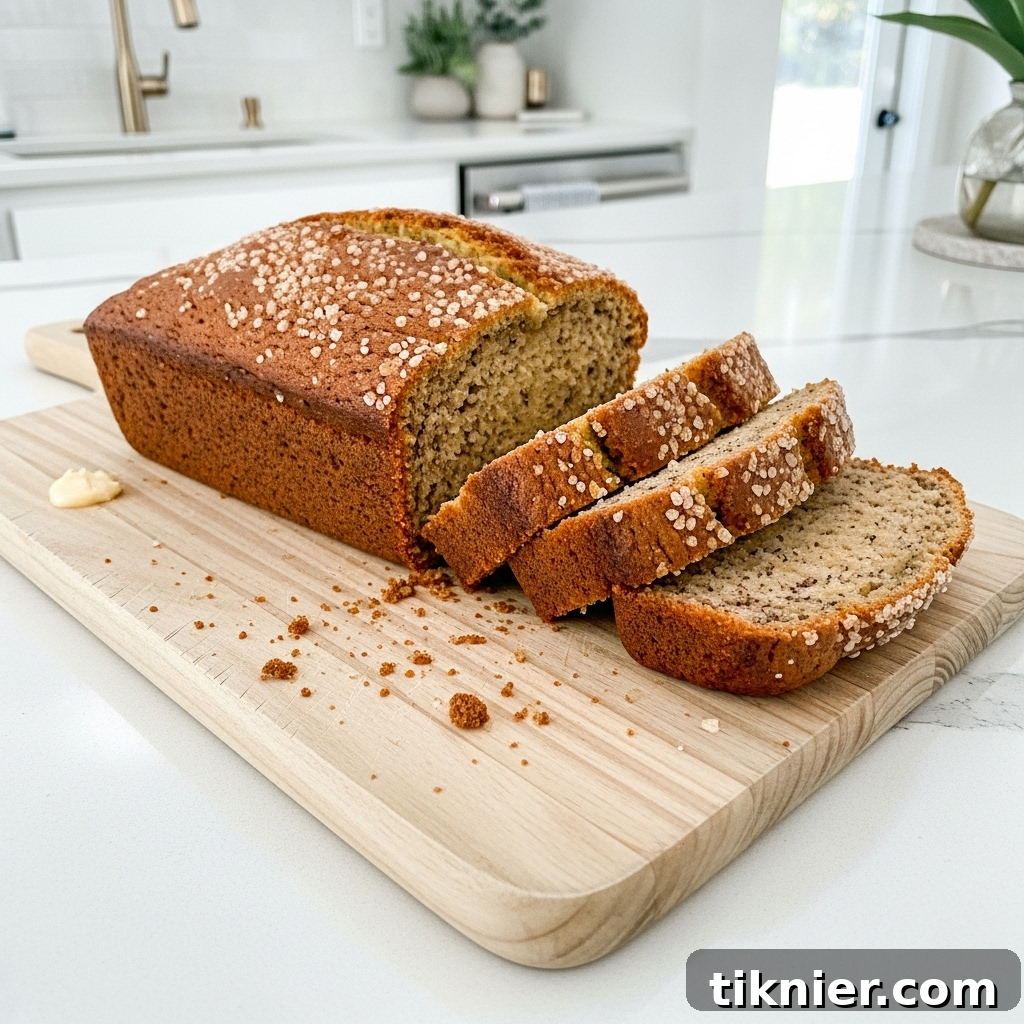
Description: A timeless banana bread recipe masterfully elevated with the deep, nutty, and toasted flavor of brown butter, combined with the subtle savory saltiness and profound umami depth of white miso paste. The result is an incredibly moist, tender, and uniquely flavorful loaf that promises to impress everyone who tastes it, offering a sophisticated twist on a comforting classic.
Yield: 1 Loaf (approx. 10-12 slices) | Category: Breakfast, Snack, Dessert | Cuisine: American (Fusion)
Prep Time: 20 minutes | Cook Time: 55-65 minutes
Ingredients
- 2 cups all-purpose flour
- 1 tsp baking soda
- 1/2 tsp baking powder
- 1/2 tsp ground cinnamon
- 1/4 tsp ground nutmeg
- 1/2 tsp fine sea salt
- 1/2 cup (1 stick) unsalted butter
- 1 cup packed light brown sugar
- 2 large eggs, at room temperature
- 2 tbsp white (shiro) miso paste
- 1 tsp vanilla extract
- 1 ½ cups mashed very ripe bananas (about 3-4 large bananas, heavily speckled or black)
- 1/2 cup full-fat sour cream or Greek yogurt
- 1 tbsp turbinado sugar, for topping (optional, for a crunchy crust)
Instructions
- Prepare Oven & Pan: Preheat your oven to 350°F (175°C). Lightly grease a 9×5-inch loaf pan, then line it with parchment paper, leaving an overhang on the two long sides to create a “sling” for easy removal.
- Combine Dry Ingredients: In a medium bowl, whisk together the flour, baking soda, baking powder, ground cinnamon, ground nutmeg, and fine sea salt for about 30 seconds to ensure even distribution.
- Brown the Butter: In a small, light-colored saucepan, melt the unsalted butter over medium heat. Continue cooking, swirling the pan occasionally, until the butter turns a rich golden brown and nutty-smelling brown specks appear at the bottom. Immediately pour the browned butter, including the specks, into a large mixing bowl and let it cool for 5 minutes.
- Whisk Wet Ingredients: Into the cooled brown butter, whisk in the packed light brown sugar until combined. Add the room-temperature eggs, one at a time, whisking well after each addition. Finally, whisk in the white miso paste and vanilla extract until the miso is completely dissolved and the mixture is smooth.
- Fold in Bananas & Sour Cream: Switch to a rubber spatula. Gently fold the mashed very ripe bananas and full-fat sour cream (or Greek yogurt) into the wet mixture until just combined. A few streaks are fine.
- Combine Wet & Dry: Add the dry ingredient mixture to the wet ingredients. With the rubber spatula, gently fold until just combined and no large streaks of flour remain. Be careful not to overmix, as this can lead to a tough loaf. A few small lumps are perfectly acceptable.
- Bake: Pour the batter into your prepared loaf pan and spread evenly. If desired, sprinkle the top with turbinado sugar for a crunchy crust. Bake for 55-65 minutes, or until a wooden skewer or toothpick inserted into the center of the loaf comes out clean or with only a few moist crumbs attached.
- Cool & Serve: Allow the banana bread to cool in the pan on a wire rack for 15 minutes. Then, use the parchment sling to carefully lift the loaf out and transfer it directly to the wire rack to cool completely before slicing. This prevents gumminess and ensures clean cuts.
Notes
For the absolute best flavor and moisture, ensure your bananas are very ripe – ideally heavily speckled with brown or almost entirely black. Overmixing the batter after adding the flour is the most common pitfall and can result in a tough, dense bread. Mix gently and stop as soon as the flour is incorporated.
Servings: 10-12 slices | Calories: Approx. 350 kcal per slice | Fat: Approx. 14g | Carbohydrates: Approx. 52g | Protein: Approx. 5g (Nutritional values are estimates and may vary based on specific ingredients and serving sizes.)
Demystifying Banana Bread: 5 Frequently Asked Questions
Here are clear and concise answers to the most common questions I receive about this particular brown butter miso banana bread recipe, designed to help you bake with confidence and avoid common pitfalls.
1. Why is my banana bread dry or tough, and how can I prevent it?
The primary culprit behind a dry or tough banana bread is almost always overmixing the batter. When you combine flour with liquid ingredients, you initiate the development of gluten. While a certain amount of gluten is necessary to provide structure to your bread, excessive mixing overdevelops it, resulting in a dense, chewy, and unpleasant texture rather than the desired soft, tender, and moist crumb. To avoid this, once you add the dry ingredients to the wet, switch from a whisk to a rubber spatula and fold gently, stopping as soon as you no longer see large streaks of dry flour. Remember, a few small lumps in the batter are perfectly acceptable and are often a sign of a properly mixed quick bread.
Another common reason is overbaking. Every oven has its quirks, so it’s wise to start checking for doneness a few minutes before the recipe’s suggested minimum baking time. The toothpick test is reliable: insert a wooden skewer or toothpick into the very center of the loaf. It should come out clean or with just a few moist crumbs clinging to it. If it emerges with wet batter, it clearly needs more time. However, if it’s completely clean and dry, you’ve likely overshot the ideal baking time. Finally, ensure you’re measuring your flour correctly. Instead of scooping flour directly from the bag, which compacts it and leads to too much flour, spoon the flour into your measuring cup and then level it off with a straight edge. This “spoon and level” method prevents you from accidentally adding an excess of flour, which is a fast track to a dry final product.
2. Can I use regular melted butter instead of brown butter for this banana bread?
While you certainly can use regular melted unsalted butter in a pinch, and you will still yield a very tasty banana bread, you will undeniably be missing the unique and crucial flavor element that distinguishes this particular recipe. The process of browning butter, known as the Maillard reaction, carefully toasts the milk solids present in the butter. This transformation profoundly changes its flavor profile from simple and creamy to a much more complex, nutty, deeply caramelized, and incredibly aromatic experience. It imparts a distinctive warmth and richness that you simply cannot achieve with standard melted butter. If you opt for regular melted butter, your final loaf will possess a more classic, straightforward banana bread flavor. It will be sweet and pleasant, but it won’t have that extraordinary extra layer of toasty, nuanced complexity that makes this recipe so special. If you have an extra five minutes, I strongly encourage you to try browning the butter. It’s a simple technique that offers an immense flavor payoff and is one of the two foundational secrets to crafting what many will declare the best banana bread they’ve ever tasted.
3. What is the best way to mash bananas for banana bread, and does it matter?
The “best” way to mash bananas for banana bread ultimately comes down to personal preference and the texture you desire in your finished loaf. The most common, straightforward, and easiest method is to simply use a fork. Place your peeled, very ripe bananas in a medium bowl and use the back of a fork to press down and mash them until they reach your desired consistency. This technique typically leaves some small, tender lumps of banana in the batter, which many people, myself included, enjoy for a slightly more rustic and appealing texture in the finished bread.
If you’re working with a larger batch of bananas or prefer an even smoother mash, a potato masher works wonderfully and is highly efficient. For a completely smooth, almost puréed consistency, you can technically use a stand mixer fitted with the paddle attachment or even an immersion blender. However, if using mechanical methods, be careful not to overdo it, as you can end up with a texture that is too liquidy, which can impact the final consistency of your bread. Ultimately, as long as the bananas are sufficiently broken down to be evenly incorporated into the batter, any of these methods will work just fine. The most critical factor for success is the ripeness of the bananas themselves, far more than the specific mashing technique employed.
4. How can I ensure my banana bread is extra moist, and why is this recipe so moist?
This particular recipe is meticulously designed to achieve an incredibly moist and tender crumb, primarily due to the strategic inclusion of two key ingredients: full-fat sour cream and the absolute necessity of using very ripe bananas. The full-fat sour cream contributes both fat and acidity, which work synergistically to create a super tender crumb that retains its freshness and delightful texture for several days. The acidity also interacts beautifully with the baking soda, aiding in the bread’s lift and tenderness. If you want to guarantee maximum moistness, the first and most crucial step is to use the ripest bananas you can possibly find – those heavily speckled with brown, or ideally, almost entirely black on the outside. These bananas contain significantly more natural sugar and moisture, which directly translates into a moister, more flavorful loaf.
Accurate measurement of your flour is also critically important, as inadvertently adding too much flour is a swift path to a dry, dense loaf. Always use the “spoon and level” method when measuring flour. Lastly, be exceptionally careful not to overbake the bread. Keep a vigilant eye on it towards the end of its baking time and remove it from the oven as soon as a skewer inserted into the center comes out with just a few moist crumbs attached. Allowing the bread to cool properly, ideally wrapped once fully cooled, will also help to lock in that precious moisture, ensuring every slice is a testament to tenderness.
5. Why did my banana bread sink in the middle, and how can I prevent it?
A sunken center is a common and often frustrating issue encountered when baking quick breads. There are several potential reasons for this disheartening collapse. The most probable cause is that the bread was underbaked. Even if the top and sides appear perfectly golden brown and done, the internal structure of the loaf may not have had sufficient time to fully set and firm up. When removed from the oven prematurely, the unstable, still-raw center will inevitably deflate as it cools. Always rely on the skewer test, ensuring it comes out clean from the very center of the loaf, not just the edges.
Another contributing factor could be an issue with your leavening agents, baking soda and baking powder. If these ingredients are old or have expired, they will have lost their potency and won’t be able to provide the necessary lift for the batter, resulting in a dense, heavy, and potentially sunken loaf. It’s also possible that you opened the oven door too frequently or too early during the baking process. A sudden drop in temperature from opening the door can shock the delicate batter, causing it to collapse before its structure has had a chance to solidify. Finally, overmixing the batter can also contribute to a sunken center. Excessive mixing incorporates too much air into the batter initially, causing the bread to rise rapidly and dramatically in the oven. However, this over-inflated structure often lacks the stability to hold up, leading to a dramatic fall and a sunken middle as it cools.
Explore More Culinary Adventures with These Recommended Recipes
I sincerely hope you adore this Brown Butter Miso Banana Bread as much as my family and I do. It stands as a perfect example of how one or two thoughtfully chosen twists can transform a familiar favorite into something truly spectacular and memorable. If you thoroughly enjoyed this recipe and are now looking for more inspiration to fuel your kitchen adventures, I believe you’ll love exploring some of these other fantastic collections from the blog.
Whether you’re in search of a quick and easy weeknight meal solution, a delightful treat for a lazy weekend morning, or budget-friendly options that don’t compromise on flavor, there’s always something delicious waiting for you to discover and cook. Here are a few curated starting points to spark your next culinary creation:
- Easy Breakfast Ideas and Recipes: Kickstart your day on the right note with these simple, yet utterly delicious breakfast recipes. From light and fluffy pancakes that melt in your mouth to hearty and savory egg dishes designed to keep you energized, you’ll find an abundance of ideas to make your mornings a little brighter and more delicious.
- 110 Easy Dinner Ideas: Stuck in the dreaded dinner rut? This extensive and impressive list of easy dinner recipes is your ultimate guide out of mealtime monotony. You’ll discover everything from lightning-fast 30-minute meals perfect for busy weeknights to comforting, soul-satisfying casseroles that the entire family will love and ask for again and again.
- Cheap Meal Ideas on a Budget: Proving that eating incredibly well doesn’t have to strain your wallet, this collection is jam-packed with budget-friendly recipes. Each dish is big on flavor without being hard on your finances, demonstrating that smart cooking can be both delicious and economical.
Happy cooking, y’all! I eagerly await to see what delicious creations you whip up next. Enjoy every moment in your kitchen!