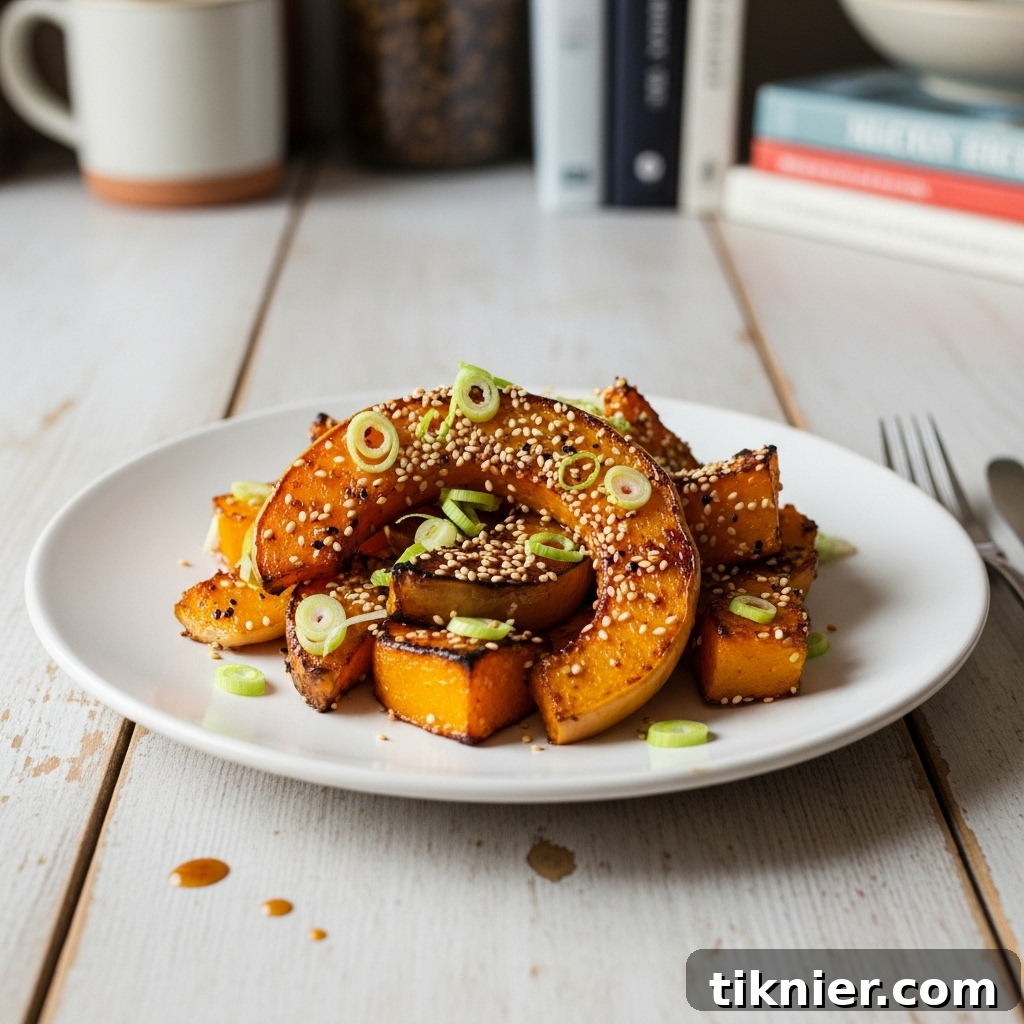
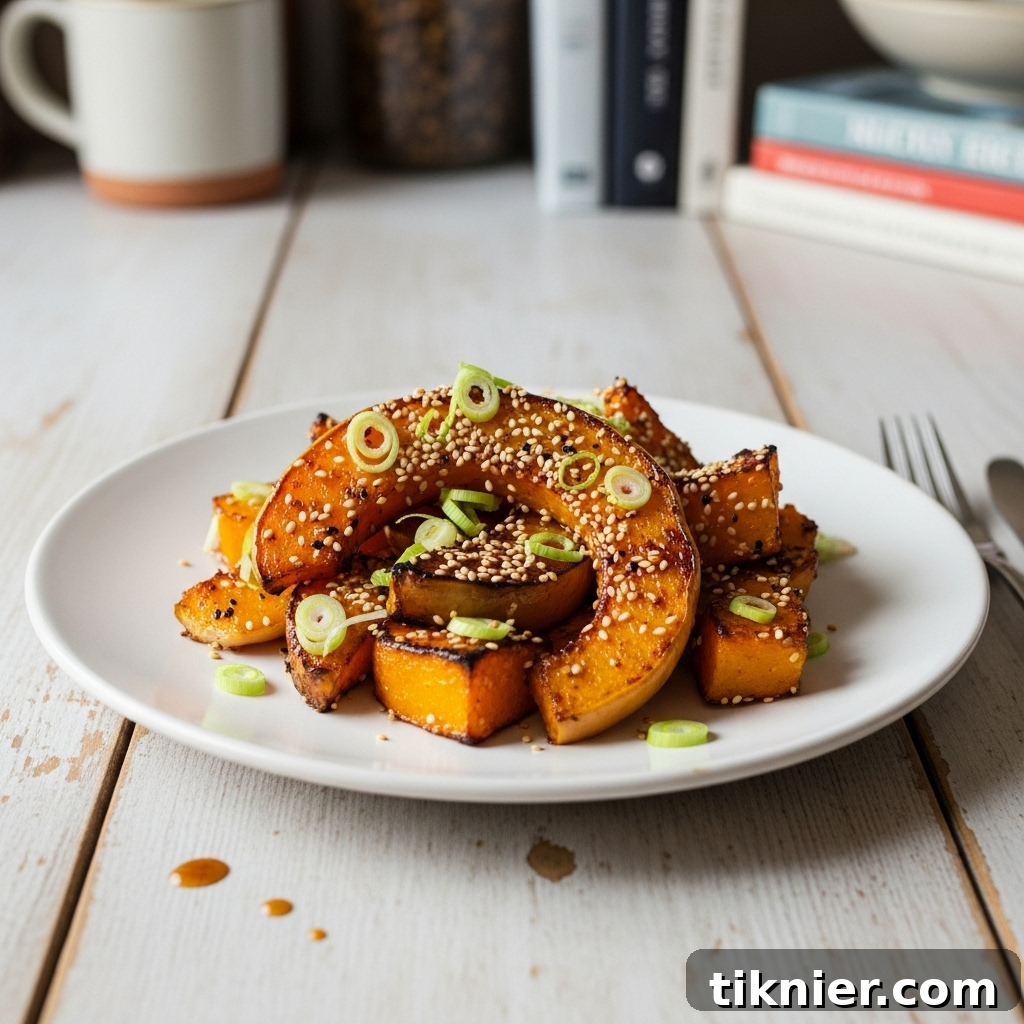
For years, my perception of butternut squash was, frankly, unremarkable. It was a reliable, subtly sweet vegetable that graced our tables in autumn, typically roasted with a hint of cinnamon and brown sugar, then faded into seasonal obscurity until the following year. While pleasant, it never quite captured my culinary imagination. My husband, equally indifferent, meant it rarely found its way into our dinner rotations.
Then, a few years ago, a culinary experiment sparked an unexpected revelation. While developing a different recipe, I found myself with a tub of white miso paste, typically reserved for soups, and a bottle of spicy hot honey, a thoughtful gift from a local farmers market. A curious thought struck me: What if these profoundly savory, subtly funky, and beautifully sweet-spicy flavors could meld with the inherent sweetness of butternut squash?
The outcome was nothing short of extraordinary. The miso paste introduced an unparalleled depth, an umami richness that transformed the squash into a complex and incredibly satisfying dish. The hot honey contributed a gentle, yet distinct, warmth that expertly counterbalanced the sweetness, while melted butter seamlessly unified all the elements into an irresistibly glossy glaze. What was once a simple side dish had been elevated to the undeniable star of the meal. This innovative method has since become my definitive way to prepare roasted butternut squash, and it’s the recipe that finally won over my entire family, transforming them into enthusiastic admirers of this cherished autumn vegetable.
Jump to the Full Recipe Card!
Miso Hot Honey Roasted Butternut Squash: A Flavor Revolution
Roasted butternut squash holds a special place in fall and winter cooking, cherished for its naturally sweet, nutty essence that intensifies beautifully under the oven’s high heat. Traditionally, it’s enhanced with warm spices like cinnamon and nutmeg, or sweetened further with maple syrup or brown sugar. These classic preparations are undeniably comforting, evoking memories of festive holiday gatherings and crisp autumn evenings. The squash’s inherent simplicity makes it a versatile foundation for a myriad of flavors, securing its perennial popularity.
Our recipe doesn’t just embrace this beloved tradition; it elevates it with two culinary powerhouses: white miso and hot honey. This dynamic duo introduces a dimension of flavor that transforms a humble vegetable into a gourmet experience. The roasting process itself is key; it coaxes out the squash’s natural sugars, initiating the Maillard reaction and caramelization that result in those coveted crispy, browned edges and a wonderfully tender, creamy interior. This method is crucial for developing the depth of flavor and texture that makes roasted vegetables so appealing.
The Magic of Umami and Spice
The addition of white miso paste is where the true alchemy begins. Miso, a fermented soybean paste, brings an incredible savory, salty, and profound umami dimension that is both unexpected and perfectly harmonious with the squash’s sweetness. Umami, often described as a savory “fifth taste,” adds a satisfying richness that makes the dish incredibly moreish and complex. It introduces a subtle, fermented funk that you might not immediately identify, but which leaves an unforgettable impression and an irresistible desire for more. This deep, savory note prevents the dish from being overly sweet, creating a perfectly balanced flavor profile.
Complementing the miso is the hot honey, which does far more than just add sweetness. It imparts a subtle, lingering warmth that gently builds with each bite. This touch of spice elegantly cuts through the richness of the butter and miso, ensuring the dish feels vibrant and balanced, rather than heavy. Together, the miso and hot honey concoct a glaze that is a symphony of salty, sweet, spicy, and savory notes all at once. This sophisticated combination transforms a straightforward vegetable side into a truly memorable dish, one that will undoubtedly have everyone at your table inquiring about your secret ingredient.
Essential Ingredients for Your Elevated Butternut Squash
The brilliance of this recipe lies in how a select few, yet special, ingredients can utterly revolutionize a simple vegetable. While the ingredient list is concise, each component plays an indispensable role in crafting that incredible salty, sweet, and spicy flavor profile. Here’s a closer look at what you’ll need to embark on this culinary journey:
- 1 medium (about 2.5 lbs) butternut squash, peeled, seeded, and cut into 1-inch cubes.
- 2 tablespoons unsalted butter, melted.
- 1 tablespoon white (shiro) miso paste.
- 1 tablespoon hot honey (or regular honey with 1/4 tsp red pepper flakes).
- 1/2 teaspoon garlic powder.
- 1/2 teaspoon kosher salt.
- 1/4 teaspoon freshly ground black pepper.
- 1 tablespoon toasted sesame seeds, for garnish.
- 1 scallion, thinly sliced, for garnish.
Ingredient Spotlight: Unlocking Maximum Flavor
The absolute star of our innovative flavor twist is the white (shiro) miso paste. If you’re new to miso, it’s a fermented soybean paste that forms a cornerstone of Japanese cuisine. White miso is the mildest variety, characterized by its subtle sweetness, creamy texture, and a profound salty, savory depth that contributes an astonishing amount of flavor. You can typically find it in the refrigerated section of most well-stocked grocery stores, often alongside tofu or other fermented products. It’s the secret behind the unforgettable umami punch that defines this roasted butternut squash.
For the butternut squash itself, select one that feels notably heavy for its size, boasting smooth, firm skin free from any soft spots or deep blemishes. A deep, uniform tan color is a reliable indicator of ripeness and optimal sweetness. When it comes to hot honey, you can opt for a readily available store-bought brand, or easily craft your own by simply stirring a generous pinch of red pepper flakes into regular honey. This ensures that perfect kick of heat needed to expertly balance the other intricate flavors. Utilizing unsalted butter is crucial, as it grants you precise control over the overall saltiness of the dish, especially since the miso paste itself carries a significant saline component. The garlic powder provides an even distribution of aromatic flavor, while kosher salt and freshly ground black pepper are fundamental for enhancing and rounding out every other taste. Finally, the toasted sesame seeds and fresh scallions aren’t just for show; they provide essential textural contrast and a burst of fresh, pungent flavor that brightens the entire dish, making it visually appealing and deliciously complex.
Step-by-Step Guide to Perfect Miso Hot Honey Roasted Butternut Squash
This remarkable recipe comes together with surprising ease, requiring just a few straightforward steps. The essence of its success lies in the meticulous preparation of the glaze and ensuring the squash roasts perfectly to achieve that coveted caramelization and tender texture. Follow these instructions, and you’ll soon be presenting a show-stopping side dish that will impress everyone at your table.
1. Preheat the Oven and Prepare Your Baking Sheet
Begin by preheating your oven to a robust 425°F (220°C). This high temperature is absolutely critical for developing those desirable caramelized edges on the squash, ensuring it roasts rather than steams. As the oven heats, line a large, rimmed baking sheet with parchment paper. This step is non-negotiable; the sugary glaze can be notoriously sticky, and parchment paper guarantees effortless cleanup while preventing the delicate squash from tearing when you flip it.
2. Whisk Together the Aromatic Miso-Honey Glaze
In a generously sized bowl—one large enough to comfortably hold all of your cubed squash—you will create the foundational flavor of this dish: the magic glaze. Combine the melted unsalted butter, creamy white miso paste, flavorful hot honey, and aromatic garlic powder. Whisk these ingredients together vigorously. Initially, the miso might appear slightly clumpy, but persevere with your whisking until it completely dissolves into the butter and honey, forming a beautifully smooth, emulsified glaze. This process should take no more than a minute of steady, consistent whisking.
3. Evenly Coat the Butternut Squash Cubes
Now, introduce all of your meticulously peeled and cubed butternut squash into the bowl containing the glaze. Employ a sturdy spatula or, for a more hands-on approach, your clean hands, to toss everything thoroughly. Ensure that every single piece of squash is uniformly coated in that luscious, glistening glaze. Once every cube is beautifully covered, sprinkle in the kosher salt and freshly ground black pepper, and give it one final, gentle toss to evenly distribute these essential seasonings.
4. Arrange the Squash for Optimal Roasting
Carefully pour the coated squash onto your prepared baking sheet. The most vital technique at this stage is to spread the squash out into a single, uniform layer. Critically, avoid overcrowding the pan at all costs. If the squash pieces are packed too closely together, they will generate steam and cook unevenly, failing to achieve those desirable crispy, caramelized bits we’re aiming for. If necessary, don’t hesitate to use two baking sheets to provide the squash with ample space to breathe and roast properly.
5. Initiate Roasting and Perform the Mid-Cook Flip
Place the baking sheet into your preheated oven and roast for an initial 20 minutes. After this time, carefully remove the pan from the oven. You should observe the undersides of the squash pieces beginning to brown and caramelize beautifully. Using a thin, sturdy spatula, gently flip each piece over. This crucial step ensures that both sides receive the benefit of direct heat, resulting in evenly roasted and caramelized surfaces.
6. Finish Roasting to Tender, Caramelized Perfection
Return the baking sheet to the oven and continue to roast for an additional 10 to 15 minutes. The precise cooking time may vary slightly depending on the size of your squash cubes and the specific characteristics of your oven. Your goal is for the squash to be undeniably fork-tender throughout and deeply caramelized around its edges. The color should be a rich, inviting golden brown, indicating peak flavor and texture.
7. Garnish and Serve Immediately
Once the squash has achieved its perfect roasted state, carefully transfer it to your chosen serving platter or bowl. To impart a final layer of texture and a burst of fresh flavor, generously garnish with a sprinkle of toasted sesame seeds and thinly sliced scallions. The nutty crunch of the sesame seeds, combined with the fresh, subtly sharp bite of the scallions, provides the ideal finishing touches. Serve this exquisite dish warm, and prepare to bask in the inevitable compliments and requests for the recipe.
Creative Ways to Serve Miso Hot Honey Roasted Butternut Squash
This Miso Hot Honey Roasted Butternut Squash is so vibrantly flavorful that it effortlessly commands attention as the star of any plate. However, its unique sweet and savory profile also allows it to beautifully complement an extensive array of main courses. Its incredible versatility means it can seamlessly fit into any meal where you’d typically serve a roasted vegetable. It shines particularly bright as a sophisticated side dish for holiday feasts like Thanksgiving or Christmas, offering a modern, memorable twist that will undeniably stand out amidst a crowded buffet.
For a casual weeknight dinner, this squash provides a fantastic accompaniment to simpler proteins, instantly elevating them. The complex flavors of the squash can transform a basic roasted chicken or simple pan-seared pork chops into something truly special. I also adore serving it alongside a perfectly cooked steak, where the deep savory notes in the squash beautifully echo and enhance the rich flavor of the beef, creating a harmonious culinary experience.
Beyond traditional side dish roles, here are some of my favorite innovative ways to incorporate this delectable squash:
- As a Hearty Salad Topping: Allow the roasted squash to cool slightly, then toss it with a bed of peppery arugula, crumbled goat cheese, crunchy toasted pecans, and a light, tangy vinaigrette for a substantial and utterly delicious fall-inspired salad.
- Integrated into a Grain Bowl: Construct a nutritious and immensely satisfying grain bowl starting with a base of quinoa, farro, or brown rice. Crown it with the roasted butternut squash, add some chickpeas for an extra boost of protein, and finish with a generous drizzle of creamy tahini dressing.
- Stuffed into Tacos for a Vegetarian Delight: For a vibrant vegetarian taco night, utilize the roasted squash as your primary filling. The sweet and savory cubes are incredible when paired with some crumbled cotija cheese, bright pickled red onions, and a dollop of cooling sour cream, all nestled within a warm corn tortilla.
- Blended into a Silky Soup: While exquisite on its own, any leftovers can be transformed into a luxuriously creamy soup. Simply blend the roasted squash with vegetable broth until perfectly smooth, gently warm it on the stovetop, and finish with a swirl of cream or a sprinkle of fresh herbs for an elegant starter.
- Topping for Flatbreads or Pizzas: Scatter cubes of the leftover squash over a pizza crust or flatbread along with caramelized onions and crumbled goat cheese before baking for a fantastic sweet and savory meal that feels effortlessly gourmet.
- Added to Breakfast Hash: Incorporate smaller diced pieces of the roasted squash into a breakfast hash with potatoes, onions, and your favorite breakfast sausage or bacon for a flavorful morning meal.
You can also simply present it in a large, inviting bowl at the center of the table, encouraging everyone to help themselves. Regardless of how you choose to serve it, this miso hot honey roasted butternut squash is guaranteed to be a resounding success. It stands as compelling proof that a side dish can be every bit as exciting and memorable as the main event, sometimes even stealing the spotlight.
Storing and Reimagining Your Leftover Roasted Butternut Squash
While this roasted butternut squash is so incredibly delicious it often disappears in a single sitting, any leftovers are just as delightful and incredibly versatile for various creative culinary applications. Proper storage is paramount to ensure it tastes as wonderful the next day. The initial crucial step is to allow the squash to cool completely to room temperature before attempting to store it. Placing warm food directly into an airtight container can create condensation, which will inevitably lead to soggy squash, compromising its texture.
Once thoroughly cooled, transfer the leftover squash to an airtight container and refrigerate it. It will maintain its quality and flavor for up to four days. Be aware that the glaze may cause the pieces to stick together slightly when chilled, but they will easily separate once reheated.
When you’re ready to savor it again, you have a couple of excellent options for reheating. The superior method for reviving that desirable texture is to spread the squash evenly on a baking sheet and warm it in a 375°F (190°C) oven for approximately 10 to 15 minutes, or until it’s heated through. This technique helps to re-crisp the edges beautifully. Alternatively, you can reheat it in a skillet over medium heat, or for a quicker option, in the microwave, though be mindful that the microwave method will likely result in a softer texture, losing some of the beloved crispiness.
Beyond simply reheating, here are some inspiring ideas for repurposing those flavorful leftovers:
- Enhance Your Morning Eggs: Chop the leftover squash into smaller pieces and fold it into your morning omelet or frittata, alongside some fresh spinach and crumbled feta cheese, for a delightfully flavorful and satisfying breakfast.
- Craft a Quick Pasta Sauce: Mash the squash with a splash of pasta water, a drizzle of good olive oil, and a generous grating of Parmesan cheese to create a simple yet wonderfully creamy sauce. Toss this with your favorite pasta for a quick and comforting meal.
- Whip into a Unique Dip: Blend the leftover squash with a dollop of Greek yogurt or tahini, a squeeze of fresh lemon juice, and a hint of garlic to create an inventive and delicious dip perfect for crackers, pita bread, or an assortment of vegetable sticks.
- Boost Sandwiches or Wraps: Add mashed or cubed leftover squash to your sandwiches or wraps for an extra layer of flavor and nutrition. It pairs wonderfully with turkey, chicken, or other roasted vegetables.
- Create a Savory Puree: Blend the squash until smooth, then use this vibrant puree as a base for creamy sauces, or even as a healthy alternative to butter on toast.
Having a container of this scrumptious roasted butternut squash in your refrigerator is akin to giving yourself a future gift, ready to elevate any meal with minimal effort and maximum flavor.
Substitutions & Creative Variations for Your Roasted Butternut Squash
One of the most appealing aspects of this roasted butternut squash recipe is its remarkable adaptability. You can effortlessly adjust it to perfectly match your personal tastes or to utilize ingredients readily available in your pantry. While the miso and hot honey combination is undoubtedly a showstopper, there are abundant avenues to infuse your own unique spin on this dish. Don’t hesitate to experiment; you might just uncover a new favorite flavor pairing!
For those with dietary considerations, this recipe is quite accommodating. If you’re aiming for a vegan version, the modification is delightfully simple. Just substitute the unsalted butter with an equivalent amount of olive oil, coconut oil, or your preferred brand of vegan butter. The resulting dish will be equally delicious, achieving that beautiful caramelization and rich flavor profile.
Here are some other exciting and flavorful substitutions and variations to consider trying:
- Swap the Squash: This incredibly versatile glaze works wonders on a variety of other winter squashes. Consider trying it with delicata squash (which, conveniently, requires no peeling!), acorn squash, or even sweet potatoes. Just be sure to adjust the roasting time accordingly, taking into account the density and size of your chosen vegetable cubes to ensure they cook through evenly and caramelize beautifully.
- Alter the Sweetener: If hot honey isn’t on hand, you can certainly use regular honey and simply add a pinch of red pepper flakes, as suggested in the original recipe. Maple syrup is another fantastic alternative that harmonizes beautifully with both squash and miso, offering a slightly different but equally delicious depth of sweetness. For a distinct flavor profile, you could also experiment with dark brown sugar or agave nectar.
- Experiment with Spices: While the garlic powder provides a lovely base, don’t shy away from incorporating other warm spices into the glaze. A pinch of smoked paprika would introduce a delightful smokiness, a dash of ground ginger would provide a zesty, warming kick, or a little ground cinnamon would lean into a more traditional, comforting fall flavor. Consider adding a touch of coriander or cumin for an earthy nuance.
- Introduce Acidity: A squeeze of fresh lime or lemon juice added just before serving can brighten the entire dish, cutting through the richness and adding a vibrant zing. This simple addition can awaken the palate and elevate the complexity of the flavors.
- Vary the Herbs and Garnishes: Instead of scallions, consider garnishing with freshly chopped cilantro or parsley for a different kind of fresh herbaceousness. For an extra textural crunch, swap the toasted sesame seeds for toasted pepitas (pumpkin seeds), chopped pecans, or even finely crushed roasted peanuts for a distinct nutty flavor.
Consider this recipe a foundational blueprint for deliciousness. The core technique of roasting tender squash cubes with a expertly balanced salty, sweet, and savory glaze can be creatively adapted in countless directions. Embrace the spirit of culinary adventure and truly make this recipe your own, tailoring it to your unique palate and preferences.
Miso Hot Honey Roasted Butternut Squash
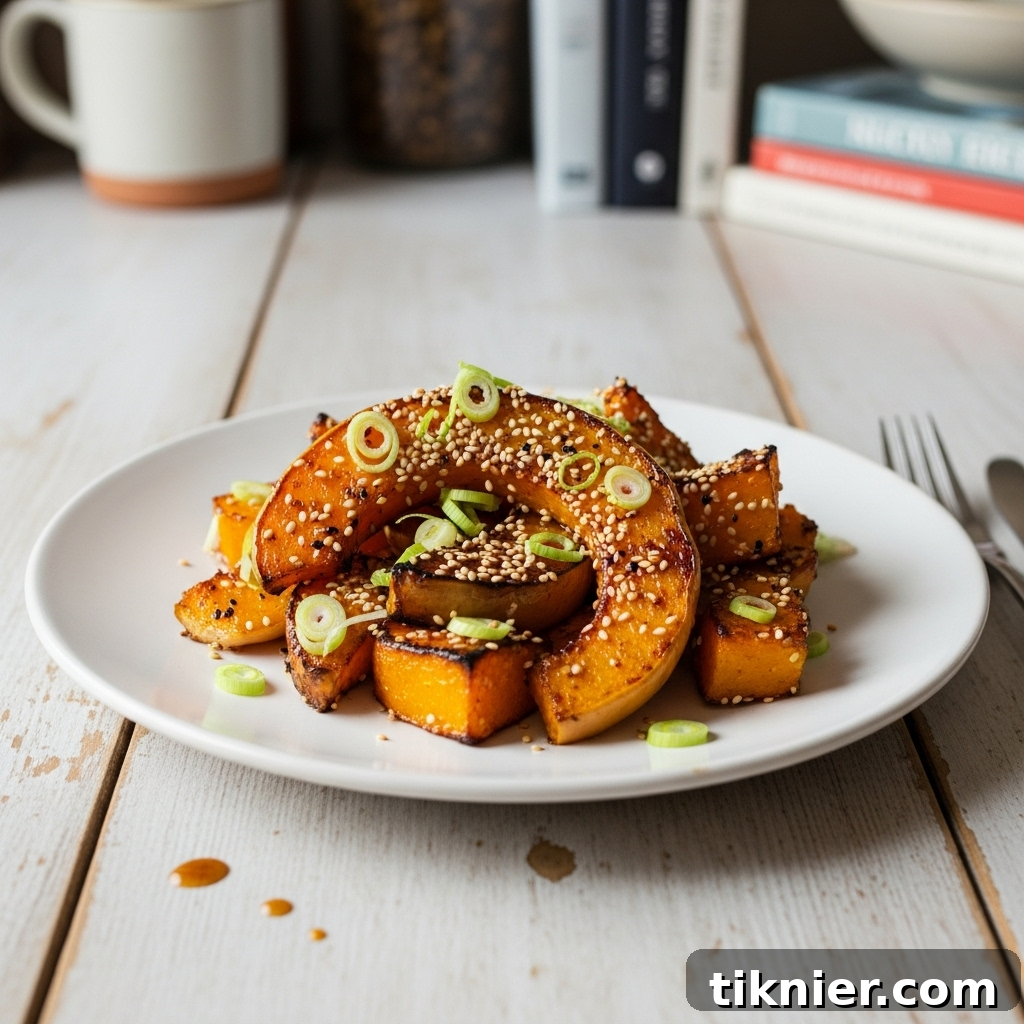
Description: Experience a modern, irresistible twist on a classic fall side dish. This butternut squash is sumptuously tossed in a savory, sweet, and spicy glaze crafted from white miso, hot honey, and butter, then roasted to achieve tender perfection and exquisite caramelization. It’s a truly unforgettable dish destined to become a new family favorite and a staple in your autumn repertoire.
Yield: 4-6 servings | Category: Side Dish | Cuisine: American (Fusion)
Prep Time: 15 minutes | Cook Time: 35 minutes
Ingredients
- 1 medium (about 2.5 lbs) butternut squash, peeled, seeded, and cut into 1-inch cubes
- 2 tablespoons unsalted butter, melted
- 1 tablespoon white (shiro) miso paste
- 1 tablespoon hot honey (or regular honey with 1/4 tsp red pepper flakes)
- 1/2 teaspoon garlic powder
- 1/2 teaspoon kosher salt
- 1/4 teaspoon freshly ground black pepper
- 1 tablespoon toasted sesame seeds, for garnish
- 1 scallion, thinly sliced, for garnish
Instructions
- Preheat oven to 425°F (220°C) and line a large baking sheet with parchment paper.
- In a large bowl, whisk together melted butter, miso paste, hot honey, and garlic powder until completely smooth and emulsified.
- Add the cubed squash to the bowl and toss thoroughly to ensure every piece is evenly coated in the rich glaze. Season with salt and pepper, tossing once more.
- Spread the coated squash in a single, even layer on the prepared baking sheet. Ensure there is ample space between pieces to promote roasting, not steaming.
- Roast for 20 minutes. Carefully remove the pan from the oven and use a spatula to flip all the squash pieces over.
- Return to the oven and continue roasting for another 10-15 minutes, or until the squash is fork-tender and beautifully caramelized around the edges.
- Transfer the roasted squash to a serving platter. Garnish generously with toasted sesame seeds and thinly sliced scallions before serving warm.
Notes
For the absolute best results and crispy edges, it is crucial not to overcrowd the baking sheet. If your squash appears too densely packed, use two baking sheets to give the pieces sufficient room to roast rather than steam. White miso paste is typically found in the refrigerated section of most major grocery stores, often near specialty produce or tofu.
Servings: 6 | Calories: 155 kcal | Fat: 5g | Carbohydrates: 28g | Protein: 3g
5 Essential FAQs About Roasted Butternut Squash
Here are some clear, comprehensive answers to the most frequently asked questions I receive about preparing and enjoying this sensational roasted butternut squash recipe, ensuring your culinary success.
1. What is the easiest and safest way to peel and cut a butternut squash?
The tough skin and unique shape of a butternut squash can seem daunting, but with the correct tools and technique, it’s quite manageable. Start by ensuring you have a sharp, sturdy vegetable peeler and a heavy chef’s knife. First, thoroughly wash the squash. Then, trim off both the top stem and the bottom end to create two flat, stable surfaces. This makes the squash much safer to handle.
Next, use your vegetable peeler to remove the skin, working in long, downward strokes from top to bottom. Once completely peeled, stand the squash upright on its wider base and carefully slice it in half lengthwise. You will now see the seeds and pulpy interior. Use a sturdy spoon, such as a metal soup spoon or an ice cream scoop, to efficiently scrape out all the seeds and stringy bits. From this point, you can place the halves cut-side down on your cutting board and slice them into uniform planks, then into cubes of your desired size. For this particular roasted butternut squash recipe, consistent one-inch cubes are ideal for even cooking and optimal caramelization.
2. Can I prepare this roasted butternut squash in advance for meal planning?
Absolutely, you can definitely do some crucial preparation ahead of time to simplify your cooking process, which is especially beneficial for busy weeknights or elaborate holiday meals. You can peel and meticulously cube the butternut squash up to two days in advance. Simply store the raw, cubed squash in an airtight container or a large zip-top bag in the refrigerator until you are ready to proceed with the cooking. This simple step can be a significant time-saver, reducing stress on cooking day.
Moreover, you can even prepare the entire dish ahead of time. Simply follow the recipe as written, allow the roasted squash to cool completely to room temperature, and then store it in an airtight container in the refrigerator for up to three days. When you’re ready to serve, spread the squash in a single layer on a baking sheet and reheat it in a 375°F (190°C) oven for 10 to 15 minutes. This reheating method helps to re-crisp the edges beautifully, bringing it closer to its freshly made state. While it’s always at its peak fresh from the oven, this make-ahead option works wonderfully for a stress-free meal.
3. Why isn’t my roasted butternut squash achieving a crispy and caramelized texture?
This is a very common culinary frustration, and it typically boils down to one of two critical factors: insufficient oven temperature or overcrowding the baking pan. For proper caramelization – that desirable browning and crisping – you absolutely require high heat. An oven temperature of 425°F (220°C) is paramount because it facilitates the rapid browning of the natural sugars in the squash, creating those irresistible crispy edges before the interior becomes overly soft or mushy. If your oven temperature is too low, the squash will slowly bake and primarily steam in its own released moisture, preventing caramelization.
The other major culprit is overcrowding your baking sheet. When the squash pieces are packed too tightly together, they trap steam, much like a covered pot. This excess moisture hinders the squash from browning and roasting effectively. To rectify this, always ensure you spread the squash in a single, even layer, allowing a little space between each individual piece. If your baking sheet appears too full, it is always advisable to divide the squash and use two separate sheets. Giving the squash ample room to breathe and allowing hot air to circulate freely around each piece is the fundamental secret to achieving that perfectly roasted, crispy, and caramelized texture.
4. Can I use frozen butternut squash for this specific recipe?
While fresh butternut squash is always recommended for optimal texture and caramelization, you can certainly use frozen butternut squash in a pinch, though you will need to adjust your cooking technique and manage expectations regarding the final texture. Frozen squash inherently contains a significantly higher water content than fresh squash, which can make it challenging to achieve that desired crispy, caramelized exterior.
I do not recommend thawing frozen squash beforehand, as this will only lead to it becoming even more waterlogged and potentially mushy. Instead, toss the frozen squash cubes directly with the prepared glaze and spread them on your parchment-lined baking sheet. You will likely need to increase the roasting time by approximately 10 to 15 minutes, possibly even a bit more, to allow the excess moisture to evaporate and for some browning to occur. Be aware that the final texture may be a bit softer and less caramelized compared to using fresh squash, but the delicious miso hot honey flavor will still shine through brilliantly, making it a convenient shortcut for a busy weeknight meal.
5. What creative uses are there for the butternut squash seeds?
Please, do not discard those precious seeds! Just like pumpkin seeds, butternut squash seeds are completely edible, incredibly nutritious, and remarkably delicious when roasted. They make for a wonderful, crunchy snack on their own or serve as an excellent, flavorful topping for a variety of dishes, including salads, soups, and even roasted vegetables. To prepare them, first, meticulously separate the seeds from the stringy, fibrous pulp. Then, give them a thorough rinse under cold running water to remove any remaining pulp.
Next, and this step is crucial for crispiness, pat the seeds completely dry with a clean kitchen towel. Any residual moisture will prevent them from achieving that desired crunch. Toss them with a small amount of olive oil and a pinch of salt (and perhaps a sprinkle of your favorite spices like paprika or chili powder for extra flavor), then spread them in a single layer on a small baking sheet. You can roast them in the same 425°F (220°C) oven alongside your squash, but keep a very close eye on them. They cook much faster than the squash and will likely be done in about 10 to 12 minutes, or once they turn a beautiful golden brown and become fragrant and crispy. Let them cool, then enjoy!
Explore More Butternut Squash Delights
If you’ve fallen in love with the comforting, rich flavors of this Miso Hot Honey Roasted Butternut Squash, you’ll undoubtedly want to delve into more of my cherished recipes featuring this versatile and wonderful fall vegetable. Each recipe showcases butternut squash in a new and exciting light, promising delicious culinary adventures.
- Roasted Butternut Squash and Sage Tortellini Soup: This soup embodies pure comfort in a bowl, masterfully blending the inherent sweetness of squash with earthy sage and delicate, cheesy tortellini for a truly soul-warming experience.
- Turkey Roasted Butternut Squash Chili: A hearty, wholesome, and incredibly satisfying chili that innovatively incorporates roasted squash, adding a delightful touch of sweetness and an exceptional textural dimension.
- Penne with Butternut Squash Cream Sauce: Indulge in a creamy, dreamy pasta sauce crafted from beautifully roasted squash. This dish is both wonderfully indulgent and cleverly packed with nutritious vegetables, making it a guilt-free pleasure.
Each of these recipes is designed to bring out the very best in butternut squash, offering diverse and exciting ways to enjoy this seasonal favorite. Happy cooking, and prepare to expand your butternut squash repertoire!