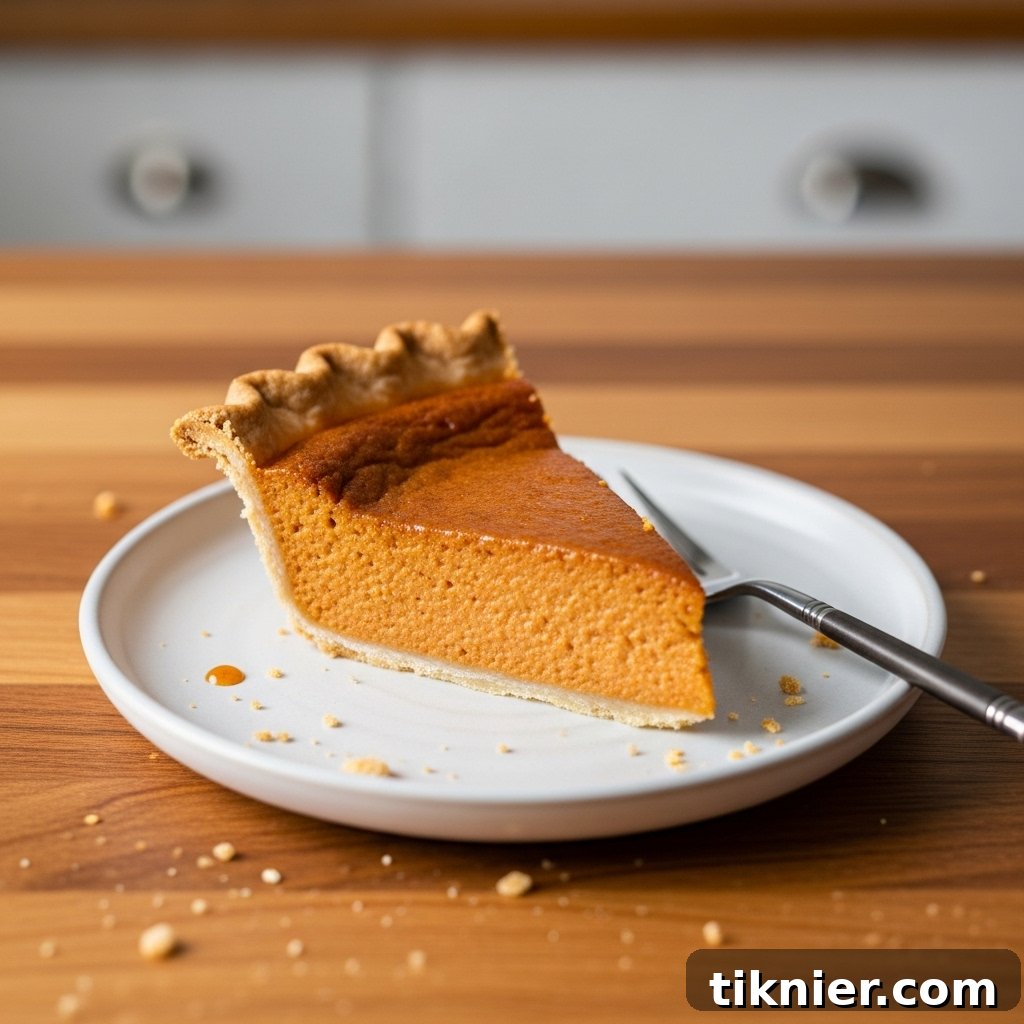
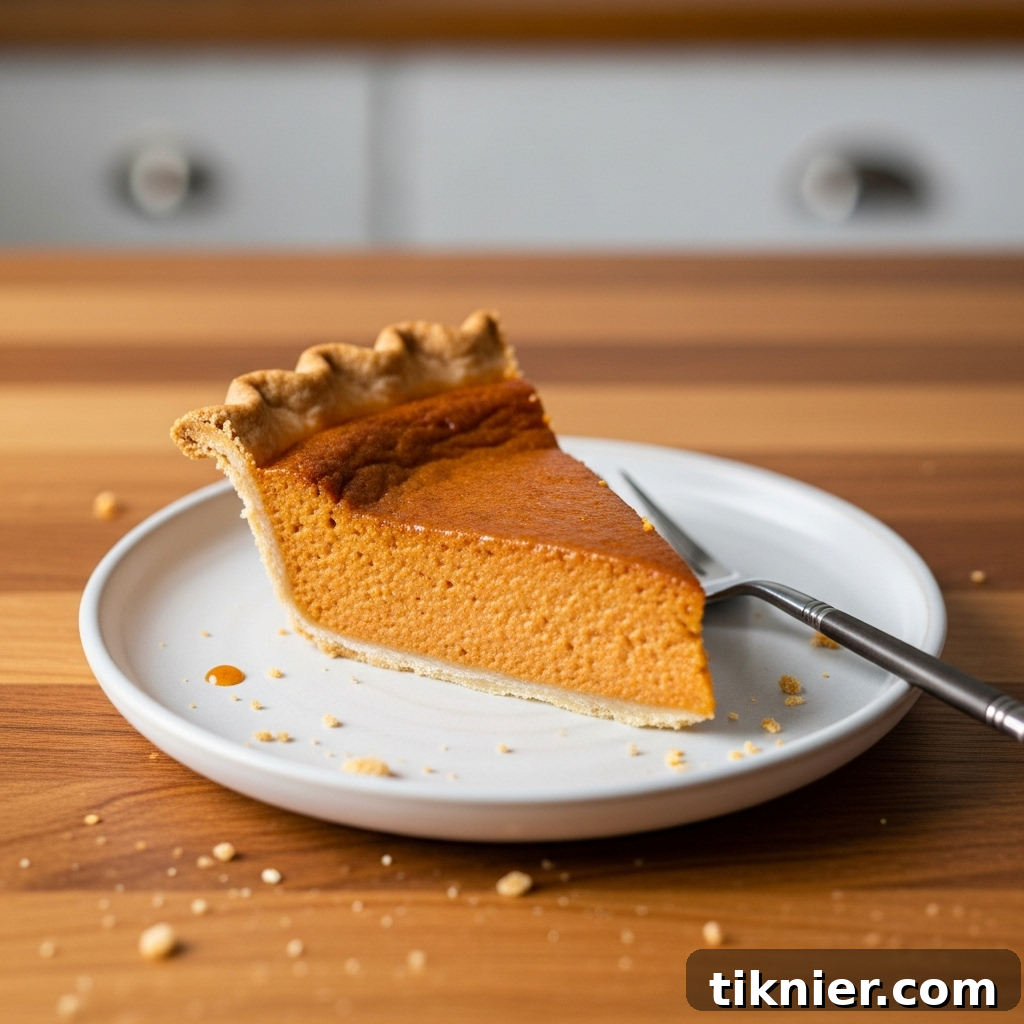
Prepare to discover not just a recipe, but a culinary revelation: the absolute best sweet potato pie you will ever taste. This isn’t just a bold claim; it’s a promise backed by a secret ingredient that elevates a beloved Southern classic into an unforgettable masterpiece. Forget everything you thought you knew about sweet potato pie, because this rendition, infused with the rich, nutty essence of brown butter, is in a league of its own.
For many years, sweet potato pie was merely a pleasant presence on my holiday dessert table, nestled comfortably between its more assertive cousins, pumpkin and pecan. It was good, certainly—a sweet, warmly spiced custard encased in a flaky crust—the quintessential Southern comfort food. Yet, it never quite captivated my palate or sparked the culinary passion I typically reserve for truly exceptional dishes. It was traditional, reliable, and always appreciated, but it lacked that certain je ne sais quoi that transforms a good dessert into an extraordinary one.
Then, destiny, in the form of my wonderful neighbor, Mrs. Evelyn, intervened. Her sweet potato pie was the stuff of legend in our community, whispered about with reverence and anticipation. One golden afternoon, she generously offered me a slice over our shared fence, and with the very first bite, I knew I had encountered something profoundly different. Her pie possessed an incredible depth of flavor, a luxurious richness, and an elegant complexity I had never before experienced. It was still undeniably cozy and familiar, yet it carried an unexpected sophistication that intrigued me deeply.
Mrs. Evelyn, bless her heart, was a keeper of secrets. When pressed for her culinary magic, she would merely wink and offer the enigmatic phrase, “It’s all in the butter, honey.” For years, I agonized over this riddle. Was it a specific brand of butter? A particular quantity? More butter? Less butter? The answer, as so often happens, came to me in an unexpected flash of insight. One day, while preparing a batch of cookies and browning butter to enhance their nutty flavor, an intoxicating aroma filled my kitchen. It was that distinct, warm, toasty, and utterly irresistible scent that had always emanated from Mrs. Evelyn’s home. In that moment, the lightbulb flickered on, illuminating her elusive secret.
I immediately rushed to my kitchen, eager to test my theory. I roasted some sweet potatoes, then carefully browned a stick of butter, allowing its milk solids to transform into golden, caramelized specks. The first batch of brown butter sweet potato pie I created was pure culinary magic. The nutty, almost caramel-like flavor of the brown butter didn’t just add a note; it orchestrated a symphony, elevating the entire dessert to an entirely new realm of deliciousness. This recipe is a heartfelt tribute to Mrs. Evelyn, to her quiet wisdom, and to that simple, yet utterly transformative, secret that makes all the difference.
Skip to My Special Recipe!
Unveiling the Magic: Why This Sweet Potato Pie Recipe Truly Shines
Sweet potato pie holds an undeniable place as a cornerstone of Southern baking, a dessert deeply woven into the fabric of African American culinary traditions. For countless generations, it has graced holiday tables, church potlucks, and celebratory family dinners, its comforting presence a testament to its enduring appeal. The magic of a classic sweet potato pie lies in its profoundly soulful flavor and its wonderfully velvety, luscious texture. Compared to its often bolder cousin, pumpkin pie, sweet potato pie offers a more understated charm, with a natural, earthy sweetness that feels inherently lighter on the palate, making each bite an exquisite pleasure.
While the traditional sweet potato pie is undeniably beautiful in its simplicity, this particular recipe embarks on a journey to a whole new dimension of deliciousness. The key to this elevation isn’t a complex array of exotic ingredients or an intricate technique, but rather one deceptively simple, yet utterly transformative, method: the art of browning butter. This technique, a secret whispered from Mrs. Evelyn’s kitchen, is the heart of what makes this pie truly special.
When you gently cook unsalted butter beyond its melting point, a captivating chemical transformation occurs. The milk solids, suspended within the butter, begin to toast and caramelize, undergoing the famed Maillard reaction. This process, known in classical French cooking as “beurre noisette” (hazelnut butter) due to its fragrant, nutty aroma, creates an incredibly complex and captivating flavor profile. It evokes the rich warmth of roasted hazelnuts and the buttery sweetness of fine toffee. Introducing this “liquid gold” into the sweet potato filling isn’t merely an addition; it’s an infusion of pure culinary alchemy, transforming the familiar into something extraordinary.
The genius of brown butter lies in its ability to enhance rather than overpower. Far from dominating the other ingredients, its deep, nutty nuances act as a magnificent amplifier. It intensifies the rich sweetness of the brown sugar, beautifully complements the cozy, warm notes of cinnamon, nutmeg, and ginger, and exquisitely brings forth the subtle, earthy character of the roasted sweet potatoes. This added layer of sophisticated complexity makes every single bite more intriguing, more satisfying, and utterly memorable. This small, deliberate step elevates a great sweet potato pie into an unforgettable one, guaranteed to have every guest politely, yet persistently, inquiring about your secret ingredient.
Furthermore, our approach to preparing the sweet potatoes themselves sets this recipe apart. Instead of the more common method of boiling, we insist on roasting our sweet potatoes. Roasting is a superior technique because it concentrates the potatoes’ natural sugars, deepening their inherent sweetness and intensifying their earthy flavor. Crucially, roasting also draws out excess water, which is a common culprit for a bland or watery pie filling. This results in a pie filling that is not only intensely flavorful but also possesses a perfectly dense, luscious texture, free from any hint of dilution or insipidity. When this deeply flavorful, perfectly textured sweet potato base is paired with the enchanting nuttiness of the brown butter, the result is a dessert that is nothing short of divine, a true celebration of Southern comfort with an elegant twist.
Essential Ingredients for the Perfect Sweet Potato Pie
One of the most appealing aspects of a truly exceptional sweet potato pie lies in its ability to transform simple, humble ingredients into something spectacularly delicious. For this recipe, we embrace all the beloved classic components, but we elevate them through meticulous attention to technique and ingredient quality. Having these specific items readily available will ensure your pie achieves its full, glorious potential. The success of this dessert truly begins long before any mixing happens; it starts with the thoughtful selection of each ingredient. While the list itself is straightforward, a few nuanced details can make an enormous difference in the final taste, texture, and overall enjoyment of your sweet potato pie. Let’s explore each one.
- 1 (9-inch) unbaked all-butter pie crust, chilled: The foundation of any great pie is its crust. An all-butter crust is non-negotiable for superior flavor and a wonderfully flaky, tender texture that provides the perfect counterpoint to the rich, creamy filling. You can certainly use your cherished homemade pie crust recipe, or opt for a high-quality, store-bought alternative if time is a constraint. The crucial detail here is that the crust must be thoroughly chilled before you begin assembly; this helps prevent shrinkage and ensures maximum flakiness.
- 2 lbs sweet potatoes (about 2-3 medium): Select sweet potatoes that are firm, unblemished, and have smooth skins. Varieties like Beauregard, Jewel, or Garnet are particularly excellent choices for pies due to their vibrant orange flesh, naturally sweet profile, and creamy texture when cooked. As previously emphasized, roasting them whole in their skins is absolutely essential for concentrating their sugars and developing the deepest possible flavor.
- 1/2 cup (1 stick) unsalted butter: This is the star of our special twist. Using unsalted butter is critical because it allows you complete control over the salt content in your finished pie. More importantly, unsalted butter browns beautifully, developing those coveted nutty, caramelized milk solids without the risk of an overly salty end product. Investing in a good quality butter, one whose taste you genuinely enjoy, will significantly impact the depth and richness of your brown butter flavor.
- 3/4 cup packed light brown sugar: Light brown sugar brings more than just sweetness to the pie. Its fine texture and higher molasses content contribute a delicate, nuanced caramel-like flavor and crucial moisture, creating a wonderfully moist and tender filling that pairs exquisitely with the earthy sweetness of the sweet potatoes.
- 1/4 cup granulated sugar: A touch of granulated sugar works in harmony with the brown sugar, helping to balance the overall sweetness profile of the pie. Furthermore, it plays a vital role in the custard’s structure, contributing to a proper, smooth set that yields a beautifully firm yet creamy slice.
- 3/4 cup evaporated milk: This is a classic and indispensable ingredient in traditional sweet potato pie for a very good reason. Evaporated milk, which is concentrated milk with about 60% of its water removed, provides an unparalleled richness and creamy mouthfeel that regular milk simply cannot replicate. It contributes to a truly decadent, luxurious texture that is a hallmark of an exceptional sweet potato pie.
- 2 large eggs, at room temperature: Eggs are the binding agent that transforms the liquid filling into a smooth, sliceable custard. Ensuring your eggs are at room temperature is a small but important detail. Room temperature eggs emulsify more easily and evenly into the other ingredients, preventing any curdling and resulting in a smoother, more uniform custard with a superior texture.
- 1 teaspoon vanilla extract: Use pure vanilla extract for the most authentic and aromatic flavor. Vanilla acts as a beautiful bridge, rounding out and enhancing all the other sweet and spicy notes in the pie, adding a layer of subtle warmth and complexity.
- 1 teaspoon ground cinnamon: Cinnamon is an absolute must for any sweet potato pie, providing that classic, comforting warmth and spicy aroma that evokes holiday cheer.
- 1/2 teaspoon ground ginger: Ground ginger adds a lovely, subtle warmth and a gentle, peppery spice that expertly cuts through the richness of the filling, preventing it from tasting overly sweet or cloying. It provides a bright counterpoint to the heavier flavors.
- 1/4 teaspoon ground nutmeg: For the most vibrant and aromatic experience, freshly grated nutmeg is always recommended if you have a grater and whole nutmegs on hand. However, good quality pre-ground nutmeg works perfectly well too. It imparts that quintessential holiday aroma and a distinctive, warm spiciness that defines the flavor profile of this pie.
- 1/4 teaspoon salt: Never underestimate the power of salt in sweet recipes! A small amount of salt is absolutely crucial. It doesn’t make the pie taste salty, but rather acts as a flavor enhancer, balancing the sugars, intensifying the spices, and making all the other flavors pop and sing in perfect harmony.
- Optional: 1 tablespoon bourbon or dark rum: For those seeking an extra layer of sophisticated warmth and depth, a splash of good quality bourbon or dark rum is highly recommended. It adds a subtle, complex boozy note that truly elevates the dessert, making it feel even more grown-up and special.
Mastering the Art: Step-by-Step Instructions for Your Brown Butter Sweet Potato Pie
Embarking on the journey of making this sweet potato pie is a truly joyful experience, one that will fill your home with the most incredible, comforting aromas. We’ll guide you through each stage with precision, from preparing the foundational elements of the potatoes and crust, to crafting our signature brown butter, expertly mixing the luscious filling, and finally, the satisfying process of baking. Follow these steps diligently, and you are guaranteed to achieve a perfectly delectable pie every single time.
Step 1: Roast the Sweet Potatoes to Perfection
Begin by preheating your oven to 400°F (200°C). Take your sweet potatoes, give them a thorough scrub under running water to clean any dirt, and then pat them completely dry. Using a fork, prick each sweet potato several times all over its surface. This crucial step allows steam to escape during roasting, preventing the potatoes from bursting in the oven. Arrange them on a baking sheet lined with aluminum foil or parchment paper – this is a wise move for easy cleanup, as the potatoes are likely to ooze some delicious, caramelized sugary syrup as they cook. Roast the sweet potatoes for approximately 45 to 60 minutes, or potentially longer depending on their size. You’ll know they are perfectly roasted when they are utterly tender, and a knife or fork slides into their center with absolutely no resistance. Once cooked, remove them from the oven and allow them to cool just enough so you can comfortably handle them without burning your hands.
Step 2: The Essential Par-Bake of the Pie Crust
While your sweet potatoes are roasting and cooling, it’s time to prepare our pie crust. The nemesis of any good pie is a soggy bottom, and to combat this, we are going to par-bake, or blind bake, our crust. Gently press your chilled, all-butter pie dough evenly into your 9-inch pie plate. Carefully crimp the edges of the crust in your preferred decorative style. Next, line the inside of the raw pie crust with a piece of parchment paper, ensuring it covers the bottom and extends up the sides. Fill this parchment-lined crust with pie weights, dried beans, or even uncooked rice. This weight prevents the crust from puffing up or shrinking during baking. Transfer the pie plate to the preheated 400°F (200°C) oven (which will still be hot from roasting the potatoes) and bake for 15 minutes. After 15 minutes, carefully remove the pie weights and parchment paper. Return the crust to the oven for another 5 to 7 minutes, or until the bottom appears dry and has just started to turn a pale, delicate golden color. Once achieved, remove the par-baked crust from the oven and set it aside to cool. Immediately reduce your oven temperature to 350°F (175°C) in preparation for the final bake.
Step 3: The Magical Transformation: Making Brown Butter
This is arguably the most exciting part of the entire process! Place your half-cup (one stick) of unsalted butter into a small, light-colored saucepan. A light-colored bottom is highly recommended as it allows you to clearly observe the butter’s color change, which is crucial for perfect browning. Melt the butter over medium heat. Once it has fully melted, the butter will begin to foam and sputter as the water content cooks off. Continue to cook, gently swirling the pan occasionally to ensure even heating. As the water evaporates, the sputtering will subside, and you’ll start to notice tiny golden-brown specks forming at the bottom of the pan. The butter itself will transform into a beautiful, rich amber color, and most importantly, it will emit an incredibly fragrant, distinctively nutty aroma, reminiscent of toasted hazelnuts. The very instant you detect that nutty, caramel-like scent, remove the saucepan from the heat immediately. Swiftly pour the brown butter, along with all those precious, tasty brown bits at the bottom of the pan, into your large mixing bowl. Transferring it quickly stops the cooking process and prevents the butter from burning, which can happen very rapidly once it reaches its peak flavor.
Step 4: Crafting the Silky Sweet Potato Filling
Once your roasted sweet potatoes have cooled sufficiently to handle, carefully scoop the soft, sweet flesh out of their skins using a spoon. You should aim for approximately two cups of cooked sweet potato flesh. Add this sweet potato flesh directly into the large mixing bowl containing your freshly made brown butter. For the smoothest, most lump-free filling, use either a food processor or an electric hand mixer to whip the sweet potato and brown butter together until the mixture is absolutely silky and homogeneous. No one wants a lumpy pie! Now, incorporate the remaining filling ingredients: the packed light brown sugar, granulated sugar, evaporated milk, room temperature eggs, vanilla extract, all your carefully measured spices (cinnamon, ginger, nutmeg), and the salt. If using, add the optional tablespoon of bourbon or dark rum at this stage. Mix on low speed, just until all the ingredients are thoroughly combined and the filling appears beautifully silky and uniform. Be cautious not to overmix here; excessive beating can incorporate too much air into the custard, which can lead to cracks forming in your pie’s surface during baking and cooling.
Step 5: Baking Your Masterpiece
Carefully pour your gorgeous, silky sweet potato filling into your par-baked pie crust. Use a spatula to gently smooth the top surface of the filling, ensuring an even layer. For added peace of mind and easier handling, place the entire pie plate onto a larger baking sheet. This simple step will catch any potential drips that might occur during baking and makes it much easier to transfer the pie in and out of the hot oven. Bake your pie in the preheated 350°F (175°C) oven for 50 to 60 minutes. The pie is perfectly done when the edges appear set and slightly puffed, but the very center still has a slight, delicate jiggle to it, much like a perfectly set gelatin. It should not be sloshy or liquid in the center. Remember, the pie will continue to set and firm up as it cools, so resist the urge to overbake.
Step 6: The Virtue of Patience: Cooling Completely
This final step is often the most challenging, as the irresistible aroma of your freshly baked pie can be maddening. However, it is absolutely non-negotiable: you must allow the pie to cool completely on a wire rack. This critical cooling period will take at least 3 hours, and sometimes even longer, depending on your ambient room temperature. Attempting to slice into a warm custard pie will inevitably result in a soupy, messy disaster, as the custard will not have had sufficient time to fully set and firm up. Patience, in baking, is truly a virtue that is richly rewarded. Once your pie is completely cool, you can confidently slice it and serve, or, for even cleaner, more defined slices, chill it in the refrigerator for a few hours before serving.
Presenting Your Culinary Creation: How To Serve Sweet Potato Pie
Serving this exquisite brown butter sweet potato pie is where its true artistry can fully shine. It is, without a doubt, absolutely wonderful enjoyed all on its own, allowing its incredibly creamy texture and complex, nutty, spiced flavor to take center stage. A simple, unadorned slice is a profound testament to the timeless beauty of classic Southern baking, now infused with a modern, sophisticated twist. When the pie itself is this remarkably good, there’s truly no need to overcomplicate the presentation.
However, if you, like me, appreciate a little extra flair and a touch of indulgence on the dessert table, there are several delightful ways to garnish and accompany this magnificent pie. Each option has been carefully considered to complement the pie’s existing flavors without ever overwhelming its delicate balance or inherent deliciousness.
Here are a few of my absolute favorite ways to serve this brown butter sweet potato pie:
- Lightly Sweetened Whipped Cream: A generous dollop of freshly made, lightly sweetened whipped cream is the classic pairing for a reason—it’s simply perfect. You can easily make your own by whipping cold heavy cream with a touch of powdered sugar (confectioners’ sugar) and a splash of pure vanilla extract until soft, billowy peaks form. For an extra layer of flavor and a slightly more “adult” dessert, consider infusing the cream by adding a small splash of bourbon or dark rum, or even a tiny pinch of ground cinnamon or nutmeg to echo the pie’s spices.
- Toasted Pecans: The inherent nutty flavor derived from the brown butter in the pie’s filling is beautifully and naturally echoed by the addition of toasted pecans. To prepare them, simply chop some pecans into rough pieces and toast them gently in a dry skillet over medium heat for a few minutes. Keep a close eye on them and stir frequently until they become fragrant and lightly golden. Sprinkle these wonderfully crunchy, aromatic pecans over the top of each slice just before serving for an irresistible textural contrast and an enhanced nutty depth.
- Salted Caramel Drizzle: For those seeking a truly decadent and luxurious treat, a luscious drizzle of homemade or high-quality store-bought salted caramel sauce is absolutely heavenly. The exquisite interplay of sweet and salty notes in the caramel sauce marries perfectly with the earthy sweetness of the sweet potato and the rich complexity of the brown butter filling, creating an unforgettable sensory experience.
- Premium Vanilla Bean Ice Cream: A perfectly sized scoop of high-quality vanilla bean ice cream, slowly melting into a warm (or room temperature) slice of this pie, is the epitome of pure comfort. The cold, creamy indulgence of the ice cream provides a fantastic and delightful contrast to the dense, rich, and warmly spiced pie filling, making each spoonful a pure delight.
Regardless of how you ultimately choose to serve it, this brown butter sweet potato pie is best enjoyed either at room temperature or slightly chilled. Serving it this way allows the custard to achieve its optimal set, ensuring beautiful, clean slices that hold their shape perfectly. It’s truly the ideal ending to a festive holiday meal, a cherished centerpiece for a special family gathering, or even a simple, delightful treat to savor on a quiet afternoon alongside a warm cup of coffee or a comforting mug of tea.
Maximizing Enjoyment: Storing & Reusing Your Sweet Potato Pie Leftovers
Should you find yourself with the delightful dilemma of leftover sweet potato pie, consider yourself incredibly fortunate! This pie is one of those rare culinary treasures that often tastes even more delicious the day after it’s baked, as the myriad flavors have had ample time to meld, deepen, and fully develop. However, ensuring proper storage is paramount to keeping your pie fresh, maintaining its exquisite taste, and preserving its inviting texture.
Given that this is a rich, custard-based pie, meticulously crafted with eggs and milk, refrigeration is not just a recommendation but an absolute necessity. Before storing, it is critically important to allow the pie to cool completely to room temperature on a wire rack. Never attempt to cover and store a warm pie, as the resulting condensation will inevitably lead to a soggy, undesirable crust. Once thoroughly cooled, you have a couple of excellent storage options. You can either place the entire pie plate into a large, airtight container, or you can gently cover the pie directly with plastic wrap or aluminum foil. To cleverly prevent the plastic wrap from adhering to the delicate surface of the pie, a handy trick is to insert a few toothpicks into the center of the pie to create a small “tent,” keeping the wrap lifted away from the filling. Stored correctly, your leftover sweet potato pie will remain wonderfully fresh and delicious in the refrigerator for up to 4 days.
When it comes to savoring those coveted leftovers, you have several appealing choices, each offering a slightly different experience:
- Chilled Perfection: The simplest and quickest way to enjoy your leftover pie is to serve it straight from the refrigerator. When chilled, the custard’s texture becomes notably firmer, and the flavors appear crisp and clean. It makes for an unexpectedly wonderful breakfast, and rest assured, your secret will be safe with me!
- Room Temperature Bliss: My personal favorite way to indulge in this pie is at room temperature. To achieve this, simply take a slice out of the refrigerator approximately 20-30 minutes before you intend to eat it. This brief warming period allows the pie’s complex flavors to “open up” more fully, and the texture of the custard to soften ever so slightly, creating a truly harmonious eating experience.
- Gently Warmed Comfort: While reheating an entire custard pie is generally not advisable as it can compromise the delicate texture of the custard, you can certainly gently warm an individual slice. Place a single slice on a microwave-safe plate and heat it for just 15-20 seconds. The goal isn’t to make it hot, but merely to take the chill off, enhancing its comforting qualities without overcooking the custard.
For those looking for longer-term storage solutions, freezing is an excellent option. You can freeze either the entire pie or individual slices. To ensure maximum freshness and prevent freezer burn, wrap them meticulously in a double layer of plastic wrap, followed by an additional protective layer of aluminum foil. Properly wrapped, the pie can be frozen for up to 3 months. To serve after freezing, simply thaw the pie overnight in the refrigerator. While the texture of the crust might not retain quite the same crispness as freshly baked, the rich, flavorful filling will still be utterly delicious and satisfying.
Creative Twists: Substitutions & Variations for Your Sweet Potato Pie
One of the most beautiful aspects of a cherished classic recipe, like this sweet potato pie, is its inherent versatility. It serves as a magnificent canvas, inviting your own creativity and personal touch. While my brown butter rendition already offers a delightful twist on tradition, there are countless other avenues through which you can customize this pie to perfectly suit your preferences, dietary needs, or simply to utilize ingredients you already have on hand. It’s a surprisingly forgiving recipe, encouraging culinary exploration without fear of compromising its soulful essence.
Whether you’re thoughtfully accommodating a specific dietary requirement or simply feeling a burst of adventurous spirit in the kitchen, these thoughtfully curated substitutions and variations work beautifully. They allow you to personalize the pie without ever sacrificing the comforting heart and soul of this beloved dessert. Don’t hesitate to experiment and truly make this recipe your own unique creation.
Here are some inspiring ideas to ignite your culinary imagination:
- Amplify the Spices: If you possess a deep appreciation for warm, aromatic spices, feel absolutely free to adjust the quantities of cinnamon, ginger, and nutmeg to your liking. You could also introduce a delicate pinch of allspice or ground cloves for a richer, more complex spice profile. For an intriguing and subtle depth, a tiny dash of freshly ground black pepper can surprisingly enhance and awaken the other flavors, adding a sophisticated edge.
- Bright Citrus Zest: The addition of a teaspoon of finely grated orange or lemon zest to the sweet potato filling can introduce a wonderfully bright, fragrant note. This subtle citrusy lift beautifully cuts through the richness of the custard, adding a refreshing counterpoint that elevates the overall flavor without being overtly dominant. It’s a small change with a surprisingly significant impact.
- Innovative Crust Alternatives: While a buttery, flaky all-butter crust is undoubtedly classic, this pie is also extraordinarily delicious when paired with alternative crusts. Consider a crunchy gingersnap or graham cracker crust for a delightful textural contrast and complementary flavor. To make one, simply crush your chosen cookies, mix them with melted butter, and firmly press the mixture into your pie plate before chilling and then filling. This adds a wonderful, unexpected layer of crunch and spice.
- Sweetener Swaps for Depth: You can certainly experiment with the types of sugars used. Swapping out some or all of the light brown sugar for dark brown sugar will impart a more robust, pronounced molasses flavor, adding a deeper, richer character to the pie. Alternatively, replacing a tablespoon or two of the granulated sugar with pure maple syrup can introduce a distinct, woodsy sweetness that harmonizes beautifully with the sweet potatoes and spices.
- Crafting a Dairy-Free Version: For those following a dairy-free diet, this recipe can be successfully adapted. You can substitute the unsalted butter with a high-quality vegan butter that is specifically designed for browning; many excellent options are available. In place of the evaporated milk, use full-fat canned coconut milk (the thick cream at the top, not the beverage type) or a dairy-free evaporated milk alternative. With these thoughtful substitutions, the results will still be incredibly creamy, rich, and utterly delicious.
Regardless of the delightful variation you choose to explore, the core, fundamental techniques—meticulously roasting the sweet potatoes and carefully mixing the filling to perfection—remain steadfast. These little tweaks and creative interpretations are simply wonderful ways to infuse your unique, personal signature into this cherished Southern sweet potato pie, making it truly your own.
The Best Brown Butter Sweet Potato Pie: A Culinary Masterpiece
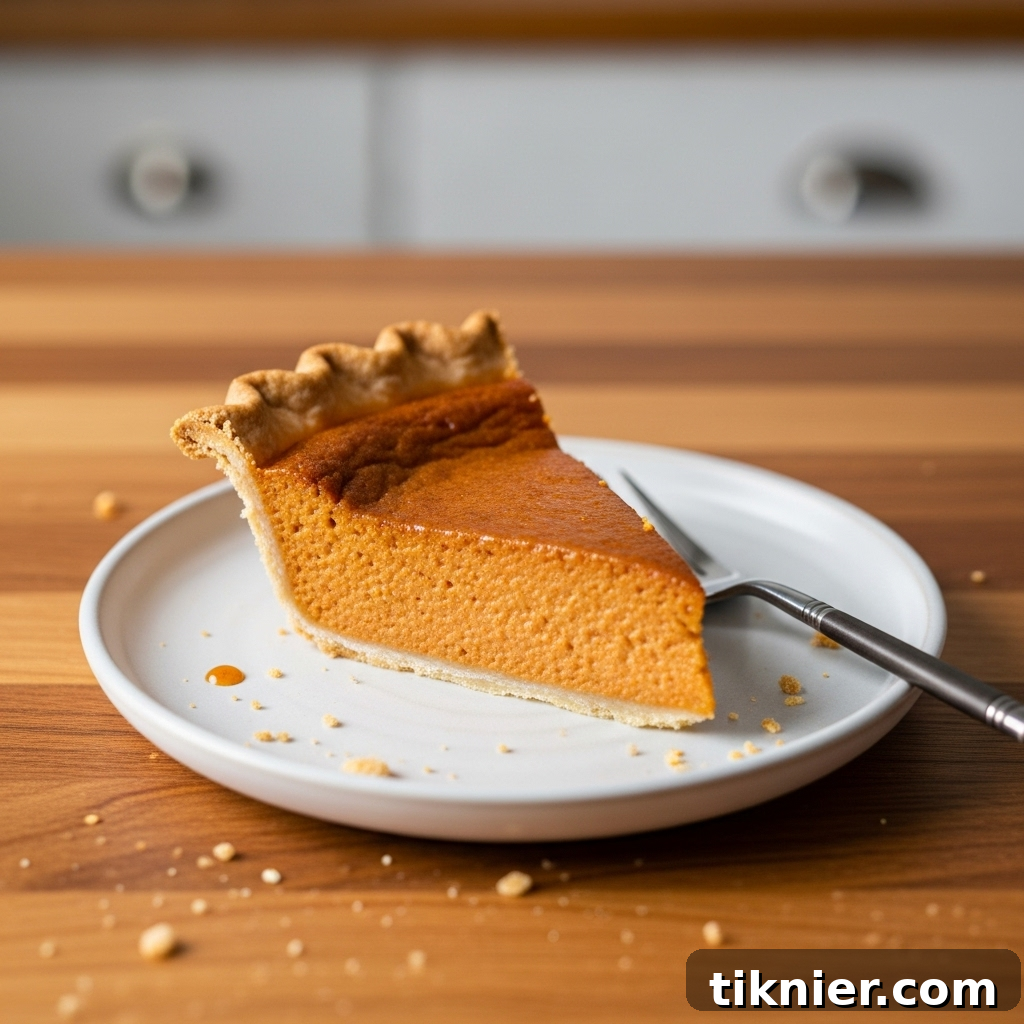
Description: A timeless Southern sweet potato pie elevated with a modern, sophisticated twist. The inclusion of nutty, fragrant brown butter infuses incredible depth and luxurious complexity into the silky, warmly spiced sweet potato filling, all cradled within a wonderfully flaky, all-butter crust. This extraordinary dessert promises to be the ultimate showstopper for any holiday gathering or special occasion.
Yield: 8 servings | Category: Dessert | Cuisine: Southern American
Prep Time: 25 minutes | Cook Time: 1 hour 45 minutes
Ingredients
- 1 (9-inch) unbaked all-butter pie crust, thoroughly chilled
- 2 lbs sweet potatoes (approximately 2-3 medium-sized potatoes)
- 1/2 cup (1 stick) unsalted butter, of good quality
- 3/4 cup packed light brown sugar
- 1/4 cup granulated sugar
- 3/4 cup evaporated milk
- 2 large eggs, at room temperature
- 1 teaspoon pure vanilla extract
- 1 teaspoon ground cinnamon
- 1/2 teaspoon ground ginger
- 1/4 teaspoon ground nutmeg (freshly grated is preferred)
- 1/4 teaspoon salt
- Optional: 1 tablespoon bourbon or dark rum, for added depth
Instructions
- Preheat your oven to 400°F (200°C). Thoroughly scrub and prick the sweet potatoes all over with a fork. Place them on a foil-lined baking sheet and roast for 45-60 minutes, or until they are extremely tender when pierced with a knife. Allow them to cool sufficiently to handle.
- While the potatoes roast, gently press the chilled pie dough into a 9-inch pie plate, crimping the edges as desired. Line the inside of the crust with parchment paper and fill it with pie weights. Bake at 400°F (200°C) for 15 minutes. Carefully remove the weights and parchment, then bake for another 5-7 minutes until the crust is lightly golden and appears dry. Reduce oven temperature to 350°F (175°C).
- Once cooled, scoop the soft flesh from the roasted sweet potatoes into a large mixing bowl (you should yield about 2 cups of flesh). Discard the skins.
- In a small, light-colored saucepan over medium heat, melt the unsalted butter. Continue cooking, gently swirling occasionally, until the butter foams, turns a rich deep amber brown, and emits a distinct nutty aroma. Immediately pour the brown butter, including all the delightful brown bits, into the bowl with the sweet potatoes to halt the cooking process.
- Using an electric mixer (or a food processor), beat the sweet potato flesh and brown butter together until the mixture is completely smooth and free of any lumps.
- Add the brown sugar, granulated sugar, evaporated milk, room temperature eggs, vanilla extract, all the spices (cinnamon, ginger, nutmeg), salt, and the optional bourbon or rum. Mix on low speed just until all ingredients are thoroughly combined and the filling appears silky and uniform. Avoid overmixing.
- Carefully pour the luscious sweet potato filling into your par-baked pie crust. Place the pie on a baking sheet to catch any drips and facilitate easier handling. Bake at 350°F (175°C) for 50-60 minutes. The pie is done when the edges are set and slightly puffed, but the very center still has a gentle jiggle, indicating a perfectly set custard.
- This is the hardest part: Allow the pie to cool completely on a wire rack for a minimum of 3 hours before attempting to slice and serve. This cooling period is crucial for the custard to fully set.
Notes
To prevent cracks from forming in your pie, it is vital not to overmix the filling, especially after adding the eggs. Overmixing can incorporate too much air. For the silkiest possible filling, consider pressing the roasted sweet potato flesh through a fine-mesh sieve or using a potato ricer before blending it with the brown butter.
Servings: 8 | Calories: 450 kcal | Fat: 22g | Carbohydrates: 58g | Protein: 6g
5 Frequently Asked Questions About Sweet Potato Pie
Here are straightforward, comprehensive answers to the most common questions I receive about this particular sweet potato pie recipe, designed to help you achieve perfect results every time.
Why does my sweet potato pie sometimes turn out watery?
A watery sweet potato pie is a disheartening problem that, thankfully, is almost always preventable with the right techniques. The primary culprit behind this issue is typically an excess of moisture present in your sweet potato puree. If you choose to boil or steam your sweet potatoes instead of roasting them, they tend to absorb a significant amount of water. When this excess water is incorporated into your pie filling, it directly hinders the custard’s ability to set properly, resulting in a loose, sometimes even weepy, and unappetizing pie.
This is precisely why roasting the sweet potatoes is an absolutely non-negotiable step in my recipe. Roasting the potatoes whole, in their protective skins, performs a dual function: it intensely concentrates their natural sugars and deepens their inherent flavor, while simultaneously drawing out unwanted moisture. This process yields a thick, incredibly flavorful, and perfectly dry sweet potato base that is ideal for your filling. Another potential, albeit less common, cause for a watery pie could be insufficient baking time. A perfectly baked sweet potato pie is done when its edges are visibly set and slightly puffed, but the very center still retains a slight, delicate jiggle, much like a firm gelatin. If the center remains liquid and visibly sloshing, it definitively requires more time in the oven. Crucially, always remember to allow the pie to cool completely; the custard continues to firm up and set during this vital cooling period.
Can I prepare sweet potato pie in advance?
Absolutely, and enthusiastically yes! Sweet potato pie is an ideal dessert for making ahead, which proves to be an invaluable time-saver, particularly during the bustling holiday season. In fact, many connoisseurs, myself included, believe the pie often tastes even better the day after it’s baked, as this extended resting period allows all the complex flavors to fully meld, deepen, and harmonize. You can confidently bake the entire pie one to two days before you plan to serve it. After baking, ensure it cools completely to room temperature on a wire rack; this essential process can take several hours, so plan accordingly.
Once the pie has thoroughly cooled, gently cover it with plastic wrap or aluminum foil and store it in the refrigerator. When the time comes to serve, you have flexibility: you can either serve it directly chilled from the fridge for a firmer texture and crisp flavors, or you can allow it to sit out on the counter for approximately 30 minutes to an hour. This brings it closer to room temperature, which, in my opinion, allows the flavors to truly unfurl and offers a more nuanced experience. This make-ahead capability makes it a perfect, low-stress dessert solution for a large dinner party, a Thanksgiving feast, or any special occasion, allowing you to complete all the preparation beforehand and simply retrieve a perfect pie when dessert time arrives.
What are the key differences between sweet potato pie and pumpkin pie?
While sweet potato pie and pumpkin pie are frequently served side by side, sharing a similar autumnal spice profile and often appearing on the same holiday tables, they are, in fact, distinctly different desserts with unique characteristics. The most obvious and fundamental difference lies in their primary ingredient. Sweet potato pie is crafted from rich, mashed, and often roasted sweet potatoes, whereas pumpkin pie is traditionally made from pumpkin puree, which is most commonly purchased canned.
This fundamental distinction in the base ingredient leads to markedly different textures and flavor nuances. Sweet potato pie is generally characterized by a richer, denser, and more profoundly creamy, almost velvety mouthfeel. Its texture is often described as lusciously smooth. Pumpkin pie, by contrast, tends to be lighter, a touch more delicate, and features a smoother, more uniformly structured custard texture. Flavor-wise, sweet potatoes possess a natural, earthy sweetness that is more pronounced, complex, and inherent than the milder, more subtly squash-like flavor of pumpkin. Consequently, pumpkin pie frequently relies more heavily on its blend of warming spices (like cinnamon, nutmeg, ginger, and cloves) to define its flavor profile, while in a sweet potato pie, the distinct, sweet, and robust flavor of the potato itself truly shines through as the star.
How can I prevent my sweet potato pie from cracking on top?
A crack on the surface of a sweet potato pie is purely a cosmetic flaw and doesn’t impact its delicious taste. However, we all strive for that perfectly smooth, unblemished top. Cracks are most commonly caused by one of two primary issues: either overmixing the pie filling or overbaking the pie itself. When you add the eggs to the sweet potato filling, it is crucial to mix on the lowest possible speed, just until the eggs are fully incorporated into the mixture. Overmixing whips excessive amounts of air into the delicate custard base. During the baking process, this incorporated air expands; then, as the pie cools, that air contracts and collapses, which often leads to the unsightly cracking of the surface.
Overbaking is the other prevalent cause. A custard pie bakes progressively from the outside edges inward. To achieve a flawless, uncracked surface, you should aim to remove the pie from the oven when its edges are visibly set and slightly puffed, but the very center still exhibits a distinct and undeniable jiggle when gently nudged. It is important to note that the center will likely not appear fully set at this stage. The residual heat retained within the pie will continue to cook the center as it cools completely on a wire rack, allowing it to fully firm up. If you continue to bake the pie until the center appears completely firm in the oven, you have already gone too far, and it will almost certainly crack as it cools down. While a water bath (bain-marie) can sometimes assist in preventing cracks by ensuring more even, gentle baking, with careful mixing and precise timing, it is usually not necessary for this particular sweet potato pie recipe.
Is it necessary to par-bake the crust for sweet potato pie?
Yes, I unequivocally and highly recommend par-baking, also known as blind baking, the crust for this sweet potato pie. A wet, liquid custard filling, such as the one in this recipe, can very easily transform the bottom layer of your pie crust into a pale, unappetizingly soggy layer if poured directly into a raw pie shell. Par-baking is a critical step that ensures the crust has ample opportunity to firm up, dry out, and develop a beautiful crispness and golden-brown hue before it ever comes into contact with the moist filling.
The process of carefully lining the raw crust with parchment paper and then filling it with pie weights (or dried beans) serves to prevent the bottom of the crust from puffing up unattractively and the sides from slumping down during its initial bake. This seemingly small extra step, which typically only adds about 20-25 minutes to your overall preparation time, is the single most effective way to guarantee a flaky, sturdy, and perfectly baked crust. Such a crust is essential for providing the necessary structural integrity to hold up to the rich, creamy filling, and it creates a vital textural contrast that is absolutely essential for a truly great pie. A crisp, golden bottom crust is the foundational element of a perfect slice of sweet potato pie, and it is undoubtedly well worth the minimal additional effort.
Explore More Culinary Delights: Try These Recipes Next!
If you fell in love with the comforting, rich, and deeply satisfying flavors of this Brown Butter Sweet Potato Pie, I am confident you will find immense joy in discovering some of my other cherished recipes. For me, cooking, especially for holiday celebrations or crafting a special family dinner, is one of life’s greatest pleasures. I revel in the opportunity to share the dishes that consistently earn rave reviews and heartfelt compliments from my own family and closest friends.
Whether you are diligently planning for a holiday feast and searching for more show-stopping main courses and sides, or simply seeking reliable and deliciously appealing meal ideas for any night of the week, I have an extensive collection that has you covered. These curated collections are brimming with recipes that have been meticulously tested, refined, and perfected in my own kitchen. They are all thoughtfully designed to be approachable for home cooks of all skill levels, brimming with robust flavor, and consistently impressive enough to delight your loved ones and guests.
Here are a few excellent starting points to find your next favorite recipe:
- Thanksgiving Dinner Ideas: If you find yourself in the thick of holiday planning, this comprehensive resource is your ultimate guide. You’ll uncover everything imaginable, from tantalizing appetizers to hearty side dishes, and even more delectable desserts that will perfectly complement this beautiful sweet potato pie.
- 110 Easy Dinner Ideas That Taste Great: For those evenings when you crave something incredibly delicious without the fuss of a complicated cooking process, this massive list of dinner recipes offers something for every palate and preference. It’s my personal go-to for weeknight culinary inspiration and guaranteed crowd-pleasers.
- Smart & Cheap Meal Ideas: Budget-Friendly Recipes: We all adore a recipe that delivers the flavor and satisfaction of a million-dollar meal without actually breaking the bank. This collection is packed with creative, budget-friendly meals that are bursting with flavor and perfectly suited for nourishing a family without compromise.
It is my sincere hope that these recipes bring as much joy and deliciousness to your table as they consistently do to mine. Happy cooking, y’all!