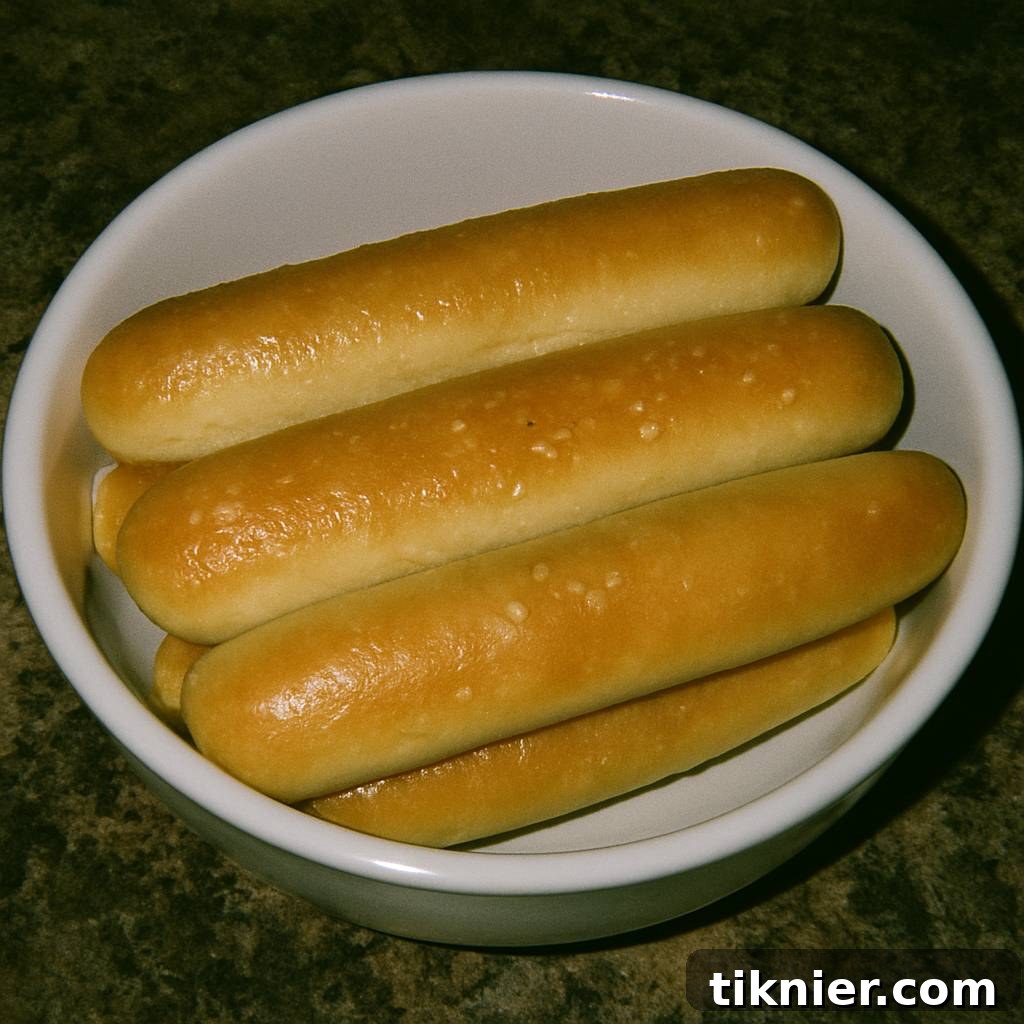
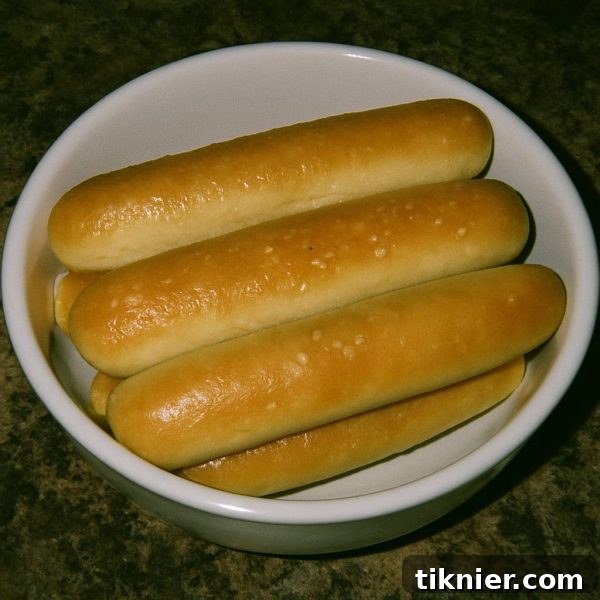
There’s an undeniable magic in a basket of warm, buttery breadsticks gracing the table. They’re more than just a side dish; they’re an invitation, a promise of comfort, and often, the highlight of a meal.
For many, the mention of Olive Garden instantly conjures images of their iconic, endless breadsticks—soft, salty, and glistening with garlic butter. My own journey with these culinary delights began on a childhood trip to a bustling city, where Olive Garden felt like the epitome of fancy dining. Amidst the lively atmosphere, it was those irresistibly soft, garlic-buttery breadsticks that truly captured my imagination. That first bite was pure enchantment, a memory that has stayed with me for years.
Ever since, I’ve made it my mission to recreate that unforgettable experience at home. My copycat Olive Garden Breadsticks have become a staple, especially when I’m serving hearty pasta dishes or a comforting pot of soup. My family simply can’t get enough of them. Yet, driven by a passion for culinary perfection, I’m always seeking that extra touch to transform a good recipe into something truly extraordinary.
After numerous experiments in my kitchen, I discovered my secret weapon: a subtle addition of buttermilk powder to the dough. This simple ingredient infuses the breadsticks with an incredible tenderness that practically melts in your mouth and imparts a pleasant, delicate tang. To further elevate the experience, I enhance the classic garlic butter topping with a sprinkle of dried rosemary and thyme. This aromatic blend of herbs adds a sophisticated, homemade essence that makes these breadsticks truly stand out. It’s a minor adjustment, but the depth of flavor and texture it creates is absolutely transformative.
Jump to the Full Recipe Card
Experience Authentic Comfort: The Best Homemade Olive Garden Breadsticks Recipe
Why This Homemade Olive Garden Breadsticks Recipe Is a Must-Try
For countless diners, the breadsticks are the undeniable star of the show at Olive Garden. They transcend mere side dish status, embodying an experience of warmth, generosity, and endless enjoyment with loved ones. Their widespread appeal is straightforward: they masterfully blend critical elements—a pillowy soft interior with just the right amount of chew, enveloped in a rich, salty, and intensely savory garlic butter coating that is utterly irresistible. This recipe isn’t just a replication; it’s an enhancement of that beloved classic, meticulously designed to bring that iconic taste and texture directly to your home kitchen.
Our recipe excels because it reveres the original combination of exquisite texture and potent flavor, while subtly elevating it to new heights. We’re not attempting to reinvent a classic; rather, we’re refining it for an even more superior homemade experience. The foundation is a straightforward, dependable yeast dough, which is the key to achieving that signature light, airy, and slightly chewy crumb. This dough is incredibly forgiving, making it an ideal choice even for those new to the art of bread making. You can confidently expect fantastic results with minimal fuss, transforming a potentially intimidating baking process into an enjoyable and rewarding one.
The true genius of this particular recipe, and what will undoubtedly make it your permanent go-to, resides in two innovative tweaks: the inclusion of buttermilk powder and the herb-infused garlic butter. Buttermilk powder is a well-guarded secret among professional bakers for good reason. It skillfully tenderizes the gluten in the flour, resulting in a breadstick that is remarkably softer, richer, and more luxurious. Beyond texture, it introduces a very subtle, pleasant tang that beautifully counterbalances the inherent sweetness of the dough and the luxurious richness of the butter topping, adding a layer of complex flavor that is often missing in other copycat versions.
And that distinctive herb-infused garlic butter? It’s the crowning glory that elevates these from a simple copycat to a signature creation. The harmonious blend of warm, earthy rosemary and thyme perfectly complements the pungent garlic, imparting a sophisticated, restaurant-quality flavor that will compel everyone at your table to reach for “just one more.” This recipe successfully captures the cherished nostalgia of the original Olive Garden breadsticks, while simultaneously infusing them with a bespoke, homemade charm that makes them uniquely yours. Prepare to impress with breadsticks that are not just copycat, but truly a cut above.
Essential Ingredients for Perfect Olive Garden Breadsticks
Crafting these heavenly breadsticks requires a selection of readily available pantry staples. However, as with any baking endeavor, the quality of your ingredients, especially our unique additions, significantly impacts the final taste and texture. Opt for fresh, high-quality components to ensure the most delicious results.
For the Tender Breadstick Dough:
- Warm Water: 1 1/2 cups. The temperature is crucial—aim for a comfortable warm bath feel, ideally around 110°F (43°C). Water that’s too hot will unfortunately destroy the yeast, preventing your dough from rising, while water that’s too cool won’t activate it effectively.
- Active Dry Yeast: 2 1/4 teaspoons (equivalent to one standard packet). Ensure your yeast is fresh and active for a robust rise.
- Granulated Sugar: 2 tablespoons. This serves a dual purpose: it acts as a vital food source for the yeast, encouraging its activity, and imparts a subtle sweetness to the dough, a signature characteristic of the authentic Olive Garden breadstick flavor.
- Olive Oil: 2 tablespoons. Using a good quality extra virgin olive oil not only adds richness and moisture to the dough but also contributes a delicate, fruity flavor that enhances the overall profile.
- Salt: 1 1/2 teaspoons. I highly recommend using fine sea salt for bread making; its consistent grain size ensures even distribution and seasoning throughout the dough. Salt is essential for flavor and also controls yeast activity.
- All-Purpose Flour: 4 to 4 1/2 cups, plus extra for dusting. All-purpose flour yields a wonderfully soft breadstick. For those who prefer a chewier texture, bread flour, with its higher protein content, can be substituted.
- Buttermilk Powder: 2 tablespoons. This is truly my secret ingredient! It’s what imparts an unparalleled tenderness and a delightful, subtle tang to the dough, making these breadsticks incredibly special. Look for it in the baking aisle, usually alongside powdered milk products. It’s a game-changer for texture and flavor.
For the Irresistible Garlic Herb Topping:
- Unsalted Butter: 1/2 cup (1 stick), melted. Opting for unsalted butter gives you precise control over the final saltiness of your breadsticks, allowing you to season to perfection.
- Garlic Powder: 1 teaspoon. Do not hold back on this! It is absolutely essential for achieving that iconic, savory garlic flavor that defines Olive Garden breadsticks.
- Salt: 1/2 teaspoon. A coarse sea salt or kosher salt is ideal here. Its larger crystals provide a pleasant textural crunch and a burst of salty flavor with every bite.
- Dried Rosemary: 1/4 teaspoon, lightly crushed between your fingers. Crushing releases its aromatic oils, intensifying its warm, piney flavor.
- Dried Thyme: 1/4 teaspoon. This classic herb pairing with rosemary and garlic creates the signature aromatic twist that sets this topping apart and elevates the breadsticks to gourmet status.
A Quick Note on Yeast: Always ensure your active dry yeast is fresh. An easy way to test its viability is to combine it with the warm water and sugar. If it doesn’t become visibly foamy and bubbly within 5-10 minutes, your yeast is likely inactive or expired, and your breadsticks will not rise properly. It’s always best to perform this simple test before incorporating all your other valuable ingredients into the dough.
Step-by-Step Instructions for Crafting Authentic Olive Garden Breadsticks
Follow these detailed steps carefully, and you will be rewarded with a basket of warm, unbelievably soft, and buttery breadsticks that easily surpass the restaurant’s offering. Don’t let the idea of working with yeast intimidate you; the process is much simpler and more rewarding than you might imagine!
- Activate the Yeast: Begin by combining 1 1/2 cups of warm water (around 110°F or 43°C), 2 tablespoons of granulated sugar, and 2 1/4 teaspoons of active dry yeast in the bowl of a stand mixer fitted with a dough hook, or in a large mixing bowl if kneading by hand. Give the mixture a gentle stir to combine the ingredients, then let it rest undisturbed for 5 to 10 minutes. During this time, the yeast should become foamy and bubbly on the surface, indicating it is alive and ready to work its magic.
- Mix and Knead the Dough: Once your yeast is active and thriving, add the 2 tablespoons of olive oil, 1 1/2 teaspoons of salt, 2 tablespoons of buttermilk powder, and 4 cups of all-purpose flour to the bowl. If using a stand mixer, mix on low speed until the ingredients come together to form a shaggy dough. Increase the speed to medium and knead for 5 to 7 minutes. The goal is to achieve a dough that is smooth, elastic, and pulls away from the sides of the bowl. If kneading by hand, turn the dough out onto a lightly floured surface and knead vigorously for 8 to 10 minutes. If the dough feels excessively sticky, add the remaining 1/2 cup of flour gradually, one tablespoon at a time, until it reaches a manageable consistency.
- First Rise (Bulk Fermentation): Lightly grease a large, clean bowl with a touch of olive oil. Form your kneaded dough into a smooth ball and place it in the prepared bowl, turning it once to ensure the top is lightly coated with oil (this prevents a dry skin from forming). Cover the bowl securely with plastic wrap or a clean, damp kitchen towel. Transfer the bowl to a warm, draft-free location in your kitchen and allow the dough to rise for 60 to 90 minutes, or until it has visibly doubled in size. This initial rise is crucial for developing flavor and texture.
- Shape the Breadsticks: Gently “punch down” the risen dough to release the accumulated air. Transfer the dough to a lightly floured countertop or work surface. For perfectly uniform breadsticks, divide the dough into 12 equal portions. A kitchen scale is an invaluable tool here for precision. Take each portion and, using the palms of your hands and gentle, even pressure, roll it into a rope approximately 8 to 9 inches (20-23 cm) long. Arrange the shaped breadsticks on a large baking sheet lined with parchment paper, ensuring there is a small amount of space between each one to allow for expansion.
- Second Rise (Proofing) & Preheat Oven: Loosely cover the baking sheet containing the shaped breadsticks with a clean kitchen towel. Allow them to rest for another 15 to 20 minutes; they will visibly puff up slightly during this brief second rise. While the breadsticks are resting, preheat your oven to 400°F (200°C), ensuring it reaches the correct temperature before baking.
- Bake to Golden Perfection: Place the baking sheet with the breadsticks into the preheated oven. Bake for 12 to 15 minutes, or until they achieve a beautiful, inviting golden-brown color on top and feel light when lifted. Keep a close eye on them towards the end of the baking time, as oven temperatures can vary.
- Apply the Signature Topping & Serve: While your breadsticks are baking, melt 1/2 cup of unsalted butter in a small, microwave-safe bowl or saucepan. Stir in 1 teaspoon of garlic powder, 1/2 teaspoon of salt (preferably coarse sea salt), 1/4 teaspoon of lightly crushed dried rosemary, and 1/4 teaspoon of dried thyme until well combined. As soon as the golden-brown breadsticks emerge from the oven, use a pastry brush to generously coat each one with the fragrant garlic herb butter. Serve them immediately, piping hot and glistening, to enjoy their peak freshness and flavor.
Creative Ways to Serve Your Homemade Olive Garden Breadsticks
Serving these breadsticks piping hot from the oven is non-negotiable. The warmth guarantees an impossibly soft texture, allowing the aromatic garlic herb butter to thoroughly melt and infuse every crevice. While they are undeniably perfect alongside your favorite Italian-inspired dishes, their versatility extends far beyond. A warm basket of these homemade Olive Garden Breadsticks is the very definition of comfort and hospitality, making any meal feel special.
Picture a grand, family-sized bowl of rich spaghetti and meatballs or a luxurious, creamy chicken alfredo, with a generous basket of these breadsticks taking center stage. They are essential for dipping, for sopping up every last drop of savory sauce, and for generally enhancing the entire dining experience. They also serve as the ideal companion for a comforting, hearty soup. I particularly love pairing them with a homemade Zuppa Toscana copycat or a velvety, rich tomato soup. On a crisp evening, there’s truly no combination more satisfying.
But why stop there? These adaptable breadsticks are capable of being the star of the show in myriad other delicious ways. Here are some of my favorite creative serving suggestions to truly make the most of your freshly baked batch:
- Craft a Gourmet Dipping Bar: Elevate appetizer hour by setting out an array of small bowls filled with warm marinara sauce, a decadent creamy Alfredo sauce, and perhaps even a vibrant pesto cream cheese dip. This interactive approach invites everyone to customize their dipping adventure, making it a fantastic and engaging option for parties or family gatherings.
- Transform Them into Savory Sliders: For a fun and filling treat, slice a breadstick horizontally, almost all the way through, and fill it with miniature meatballs nestled in marinara and melted mozzarella cheese. You could also create tantalizing mini chicken parmesan sliders or classic Italian cold cut sliders for a quick and satisfying snack or light meal.
- Create Exceptional Gourmet Croutons: In the rare event of having any leftovers (a truly big “if”!), don’t let them go to waste! Slice the cooled breadsticks into bite-sized cubes, toss them lightly with a drizzle of extra olive oil, and bake until they achieve a delightful crispness. These homemade croutons will instantly elevate any Caesar salad or creamy soup to an extraordinary level.
- Enhance Your Charcuterie Board: Move beyond traditional crackers and introduce these warm, soft breadsticks to your next charcuterie board. Their comforting texture and savory flavor provide a wonderful contrast to cured meats, an assortment of cheeses, briny olives, and sweet jams, making your board even more inviting and unique.
No matter which way you choose to serve them, be prepared for them to vanish quickly. These homemade beauties are universally loved and are sure to be a massive hit every single time.
Storing & Reusing Your Homemade Olive Garden Breadsticks
In the highly improbable scenario that you find yourself with leftover breadsticks, proper storage is crucial for preserving their delightful texture and flavor for later enjoyment. The primary goal is to prevent them from drying out, as that signature soft, pillowy quality is what makes them so special. We want to maintain that tenderness for as long as possible.
Once your breadsticks have cooled completely to room temperature, the best way to store them is in an airtight container or a high-quality zip-top plastic bag. When stored this way on your kitchen counter, they will retain their freshness and soft texture for up to two days. I strongly advise against storing them in the refrigerator; the cold, dry air of a fridge tends to accelerate the staling process in bread, making it dry and tough much faster.
When you’re ready to indulge in them again, a simple reheating process will revitalize them beautifully. While they may not be quite as flawlessly perfect as they were moments fresh from the oven, they will still be incredibly delicious. Here are the most effective methods for warming them up and a few creative ideas for repurposing them:
- In the Oven or Toaster Oven (Recommended): This is my preferred method for bringing them back to life. Preheat your oven or toaster oven to 350°F (175°C). For optimal results, wrap the breadsticks loosely in aluminum foil. This helps to steam them slightly, preventing them from getting too brown or crispy and preserving their tender interior. Heat for 5 to 7 minutes, or until they are thoroughly warmed through and have regained their desired softness.
- In the Air Fryer (Quick & Slightly Crisp): If you’re pressed for time and enjoy a slightly crisper exterior, your air fryer is an excellent option. Arrange the breadsticks in a single layer in the air fryer basket to ensure even heating. Heat at 350°F (175°C) for just 2 to 3 minutes. Keep a close watch to prevent over-browning.
- In the Microwave (Fastest Method): While the quickest option, exercise caution with the microwave as it can easily make breadsticks tough and chewy if overdone. Wrap a single breadstick in a slightly damp paper towel. Microwave in short bursts, typically 15-second intervals, until it is warmed to your liking. This method is best for individual servings.
- Repurpose as Quick Garlic Toast: For a delightful reuse idea, slice leftover breadsticks in half lengthwise. Brush the cut sides with a little extra melted butter, perhaps a touch more garlic powder, and a generous sprinkle of grated Parmesan cheese. Broil for 1 to 2 minutes, or until the cheese is bubbly and golden and the edges are slightly crisp. These make an absolutely incredible accompaniment for dipping into soup or serving alongside an Italian meal.
By following these simple storage and reheating tips, you can ensure that not a single one of your delightful homemade breadsticks goes to waste. A quick warm-up and they’re almost as good as new, ready to enhance another meal or serve as a satisfying snack.
Exciting Substitutions & Creative Variations for Olive Garden Breadsticks
One of the most wonderful aspects of mastering a versatile base recipe like these homemade breadsticks is the endless potential for adaptation. You can easily tailor them to suit your personal taste preferences, accommodate dietary needs, or simply work with the ingredients you have on hand. While my signature version, with its buttermilk powder and herb-infused topping, is a beloved family favorite, I encourage you to experiment and truly make this recipe your own!
Whether you’re aiming to address a specific dietary restriction or simply craving a new flavor profile, these thoughtful tweaks can help you customize your breadsticks perfectly. It’s important to remember that altering ingredients, particularly in baking, can sometimes subtly change the final texture or flavor. However, the foundational robustness of this recipe ensures delicious results even with modifications.
Here are a few tested ideas to inspire your culinary creativity:
- Flour Alternatives for Varied Textures: For those seeking a more robust, slightly nutty flavor and denser texture, consider substituting up to half of the all-purpose flour with whole wheat flour. If your preference leans towards an even chewier breadstick, swapping all-purpose flour for bread flour is an excellent choice, as its higher protein content develops more gluten, resulting in that desirable chewiness.
- Making Them Dairy-Free: To create a delicious dairy-free version, simply omit the buttermilk powder from the dough. Rest assured, your breadsticks will still be wonderfully soft and incredibly flavorful. For the topping, ensure you use a high-quality, plant-based butter substitute in place of traditional dairy butter. Many excellent options are available today that melt and taste remarkably similar.
- Alternative Sweeteners: If you prefer to avoid granulated sugar, you can substitute it with an equal amount of natural sweeteners such as honey or maple syrup. Be aware that these alternatives might introduce a subtle, distinct flavor note to the dough, slightly altering the original profile but adding their own unique sweetness.
- Yeast Flexibility: Don’t fret if you only have instant yeast (often labeled as rapid-rise yeast) in your pantry instead of active dry yeast. Instant yeast can be used interchangeably; the convenient benefit is that you can skip the initial proofing step. Simply mix the instant yeast directly with the flour and other dry ingredients before adding the wet components.
- Unleash Topping Creativity: The classic garlic butter is just the starting point! After generously brushing on the butter, consider sprinkling the hot breadsticks with freshly grated Parmesan cheese for a delightful cheesy crust. For those who enjoy a little heat, a pinch of red pepper flakes added to the butter mixture provides a fantastic kick. Alternatively, a sprinkle of everything bagel seasoning offers a wonderfully savory, crunchy, and aromatic topping that is unexpectedly delicious.
Embrace the spirit of experimentation in your kitchen! You could incorporate different dried or fresh herbs into the butter, such as fragrant parsley or a hint of oregano. For a bright, fresh twist, a small amount of finely grated lemon zest can awaken the flavors beautifully. Cooking is ultimately about discovering and creating dishes that you and your loved ones will adore, so have fun with it and make these breadsticks uniquely yours!
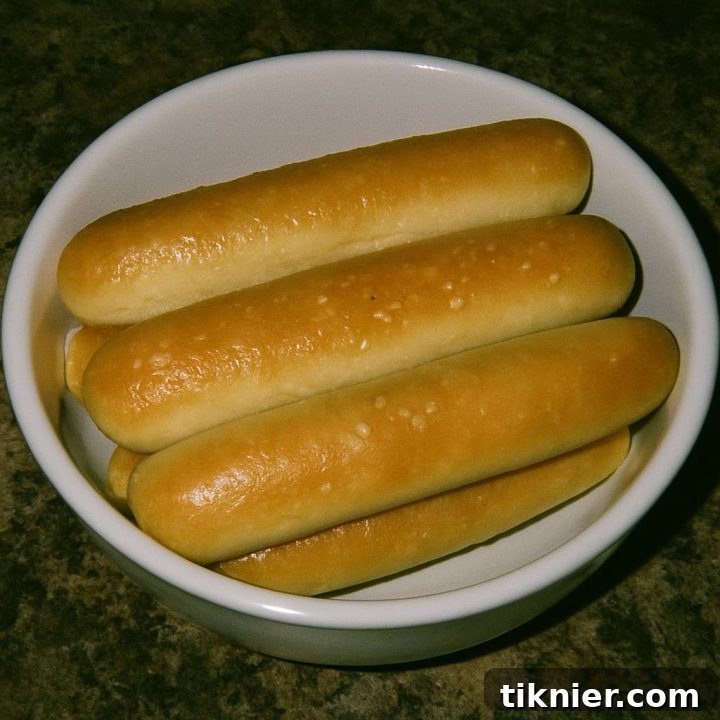
Easy, Homemade Olive Garden Breadsticks (Copycat Recipe)
Recreate the iconic flavor and irresistible tenderness of Olive Garden’s famous breadsticks right in your own kitchen with this enhanced copycat recipe. Featuring a secret ingredient for ultimate softness and a flavorful herb-infused garlic butter topping, these breadsticks are a guaranteed crowd-pleaser for any meal.
Ingredients
- For the Breadstick Dough:
- Warm Water: 1 1/2 cups (around 110°F/43°C)
- Active Dry Yeast: 2 1/4 teaspoons (1 standard packet)
- Granulated Sugar: 2 tablespoons
- Olive Oil: 2 tablespoons
- Salt: 1 1/2 teaspoons (fine sea salt recommended)
- All-Purpose Flour: 4 to 4 1/2 cups, plus more for dusting
- Buttermilk Powder: 2 tablespoons (our secret for tenderness!)
- For the Garlic Herb Topping:
- Unsalted Butter: 1/2 cup (1 stick), melted
- Garlic Powder: 1 teaspoon
- Salt: 1/2 teaspoon (coarse sea salt or kosher salt recommended)
- Dried Rosemary: 1/4 teaspoon, lightly crushed
- Dried Thyme: 1/4 teaspoon
Instructions
- Activate the Yeast: In a mixing bowl, combine warm water, sugar, and yeast. Stir gently and let sit for 5-10 minutes until foamy and bubbly.
- Mix the Dough: Add olive oil, salt, buttermilk powder, and 4 cups of flour to the activated yeast mixture. Using a stand mixer with a dough hook (or by hand), mix on low until a shaggy dough forms, then knead on medium for 5-7 minutes (8-10 by hand) until smooth and elastic. Add remaining flour (up to 1/2 cup) if dough is too sticky.
- First Rise: Lightly grease a large bowl with olive oil. Form dough into a ball, place it in the bowl, turning once to coat. Cover with plastic wrap or a clean towel and let rise in a warm, draft-free spot for 60-90 minutes, or until doubled in size.
- Shape the Breadsticks: Gently punch down the risen dough. Transfer to a lightly floured surface and divide into 12 equal portions (use a kitchen scale for uniformity). Roll each portion into a rope about 8-9 inches long. Place on a parchment-lined baking sheet, leaving space between them.
- Second Rise & Preheat: Loosely cover the baking sheet with a kitchen towel and let breadsticks rest for 15-20 minutes to puff up slightly. Meanwhile, preheat oven to 400°F (200°C).
- Bake to Perfection: Bake breadsticks for 12-15 minutes, or until golden brown.
- Add the Topping: While breadsticks bake, melt butter in a small bowl. Stir in garlic powder, salt, dried rosemary, and dried thyme. Immediately upon removing breadsticks from the oven, use a pastry brush to generously coat them with the garlic herb butter. Serve hot and fresh.
5 Common Questions About Homemade Olive Garden Breadsticks Answered
Here are clear, comprehensive answers to the most frequently asked questions about mastering this irresistible breadstick recipe.
Why are my homemade Olive Garden breadsticks tough or dense?
A tough or dense breadstick is a common frustration, typically stemming from a few key issues during the dough preparation. The most frequent culprit is often related to the kneading process. If the dough isn’t kneaded sufficiently, the crucial gluten network won’t develop adequately to trap the carbon dioxide bubbles produced by the yeast, resulting in a heavy, dense crumb. Conversely, over-kneading can create an overly tight gluten structure, which also leads to a tough breadstick. A reliable indicator that your dough is perfectly kneaded is the “windowpane test”: pinch off a small piece of dough and gently stretch it between your fingers. If you can stretch it thin enough to see light pass through without it tearing, your gluten is well-developed and ready.
Another significant factor could be the viability of your yeast. If your yeast is old, expired, or wasn’t properly activated at the correct temperature, it won’t produce enough gas to make the dough rise effectively, leaving you with predictably heavy and dense bread. Always confirm the expiration date and ensure your yeast mixture becomes vigorously foamy and bubbly before proceeding with the rest of your ingredients. Lastly, adding an excessive amount of flour during mixing or kneading is a common mistake that dries out the dough, making it tough. Always adhere closely to the recipe measurements and only incorporate additional flour incrementally, one tablespoon at a time, if the dough proves unmanageably sticky.
Can I prepare the dough for these Olive Garden breadsticks in advance?
Absolutely! Preparing the dough ahead of time is one of my most cherished time-saving strategies, especially when orchestrating a large dinner or holiday meal. You can easily prepare the dough right through its first rise, and then strategically store it in the refrigerator. After you’ve completed the mixing and kneading, place the dough in a lightly greased bowl, cover it tightly with plastic wrap to prevent drying, and transfer it to the refrigerator. The cool temperature dramatically slows down the yeast’s fermentation process, which not only extends its life but also allows for a more complex and nuanced flavor to develop in the dough over time.
This refrigerated dough can be stored for up to 24 hours. When you’re ready to bake, simply remove the bowl from the refrigerator and let the dough sit on your countertop for approximately 30 to 60 minutes. This crucial step allows the dough to warm up slightly, making it more pliable and easier to handle. Once it’s taken the chill off, gently punch it down, proceed to shape your breadsticks, allow them to undergo their shorter second rise, and then bake them according to the recipe instructions. This method offers incredible flexibility, allowing you to break up the baking process and enjoy fresh, warm breadsticks with minimal last-minute effort.
How do I achieve uniformly sized copycat Olive Garden breadsticks?
Achieving uniformly sized breadsticks isn’t just about aesthetics; it’s key to ensuring they bake evenly and consistently, resulting in a professional-looking and tasting batch. While eyeballing portions is tempting, the most foolproof method to guarantee consistent size is to utilize a kitchen scale. After the first rise, gently press the dough into a rough rectangular shape on a clean surface. Then, using a bench scraper or a sharp knife, divide the dough into 12 equal pieces. Weigh each individual piece of dough on your kitchen scale to ensure they all have identical weights. This step, while seemingly a minor addition, takes only a couple of extra minutes but makes a substantial difference in the final product’s consistency and appearance.
Once your portions are precisely equal, focus on your rolling technique. Begin by placing the dough ball in the center and apply gentle, even pressure with the palms of your hands, gradually rolling it outwards to form a rope. Strive to maintain consistent pressure along the entire length of the rope to prevent the formation of thick middles and overly skinny ends, which can lead to uneven baking. Rolling the dough on a clean, unfloured countertop can provide a slight bit of friction or traction, which can actually make the shaping process much easier and help you achieve those perfectly cylindrical breadsticks. With just a little bit of practice, you’ll be rolling consistently perfect breadsticks every single time, making your homemade batch truly restaurant-worthy.
What contributes to the authentic taste of these Olive Garden breadsticks?
The authentic flavor and texture that make Olive Garden’s breadsticks so memorable stem from a meticulous balance of specific elements, all of which this recipe carefully recreates and, in many aspects, enhances. Firstly, the texture is paramount. Our dough features a relatively high hydration level, combined with the enriching fat from olive oil. This combination is critical for producing a very soft, tender, and subtly chewy crumb. Additionally, the process of allowing the dough to undergo a double rise is absolutely essential for developing that desirable light and airy interior structure. A well-risen dough is a fundamental cornerstone of excellent bread making.
Secondly, the flavor profile is carefully calibrated. The dough itself possesses a delicate sweetness derived from sugar, which is a core characteristic of the original breadsticks. This sweetness is expertly balanced by the salt incorporated into the dough and, crucially, by the intensely savory topping. The generous brushing of a garlic-butter and salt mixture immediately after the breadsticks emerge from the oven is non-negotiable for achieving that classic, addictive taste. My special addition of buttermilk powder further deepens the dough’s flavor with a subtle tang and elevates the texture to an even softer, more luxurious level. Furthermore, the inclusion of aromatic herbs in the butter topping introduces a gourmet, homemade touch that, in my honest opinion, makes these taste even superior to the restaurant version. It’s a harmonious blend of carefully chosen components working together to create an unforgettable breadstick experience.
Can I freeze these homemade Olive Garden breadsticks for later?
Yes, absolutely! Freezing these breadsticks is a brilliant strategy for ensuring you always have fresh-tasting, homemade goodness on hand whenever a craving strikes. You essentially have two convenient options for freezing: you can freeze them after they’ve been fully baked, or you can freeze the unbaked, shaped dough. Each method offers distinct advantages.
To freeze baked breadsticks, allow them to cool completely to room temperature first. It’s crucial to do this *before* applying the garlic butter topping. Once cooled, wrap each breadstick tightly in plastic wrap, then place them collectively in a freezer-safe bag or an airtight container. They can be stored in the freezer for up to 3 months. To reheat, simply let them thaw on your kitchen counter for a bit, then wrap them loosely in aluminum foil and bake at 350°F (175°C) for approximately 10 minutes, or until they are warmed through. Once reheated, brush generously with a freshly prepared batch of the garlic butter topping before serving for maximum flavor.
To freeze unbaked dough, first shape your breadsticks as directed in the recipe and arrange them on a baking sheet lined with parchment paper. Place the entire baking sheet into the freezer until the breadsticks are completely frozen solid. Once frozen, you can transfer them to a freezer-safe bag, where they will keep for several weeks. When you’re ready to bake, arrange the frozen breadsticks back onto a parchment-lined baking sheet, cover them loosely, and allow them to thaw and rise in a warm place. This thawing and second rising process will take longer than a fresh second rise, typically about 1 to 2 hours, or until they look visibly puffy. Once adequately risen, bake them according to the recipe instructions. This method yields results that are remarkably close, almost indistinguishable, from freshly made breadsticks, offering unparalleled convenience without sacrificing quality.
Beyond the Breadsticks: Explore More Beloved Copycat Recipes
If you’ve fallen in love with this homemade rendition of a classic restaurant favorite, you’re in for a treat! I’m confident you’ll adore some of my other highly popular copycat recipes, designed to bring your favorite dining-out experiences right into your home kitchen.
- Easy Homemade Olive Garden Zuppa Toscana (Copycat Recipe): This is my perfected version of the iconic, hearty soup, ideal for cozy evenings. It’s especially handy when fresh fennel isn’t readily available, delivering all the rich flavor you crave.
- Easy Homemade Olive Garden Alfredo Sauce (Copycat Recipe): For those nights when only serious Italian-American comfort food will do, this unbelievably rich and creamy Alfredo sauce is an absolute essential. It’s simple to make and tastes divine over any pasta.
- Copycat Wendy’s Chili: Craving a bowl of warm, robust chili? This recipe delivers! Packed with savory meat and hearty beans, it’s the ultimate comfort food and makes for a wonderfully satisfying and filling lunch or dinner.
I genuinely hope you and your family find as much joy in preparing and savoring these beloved copycat recipes as my family and I do!