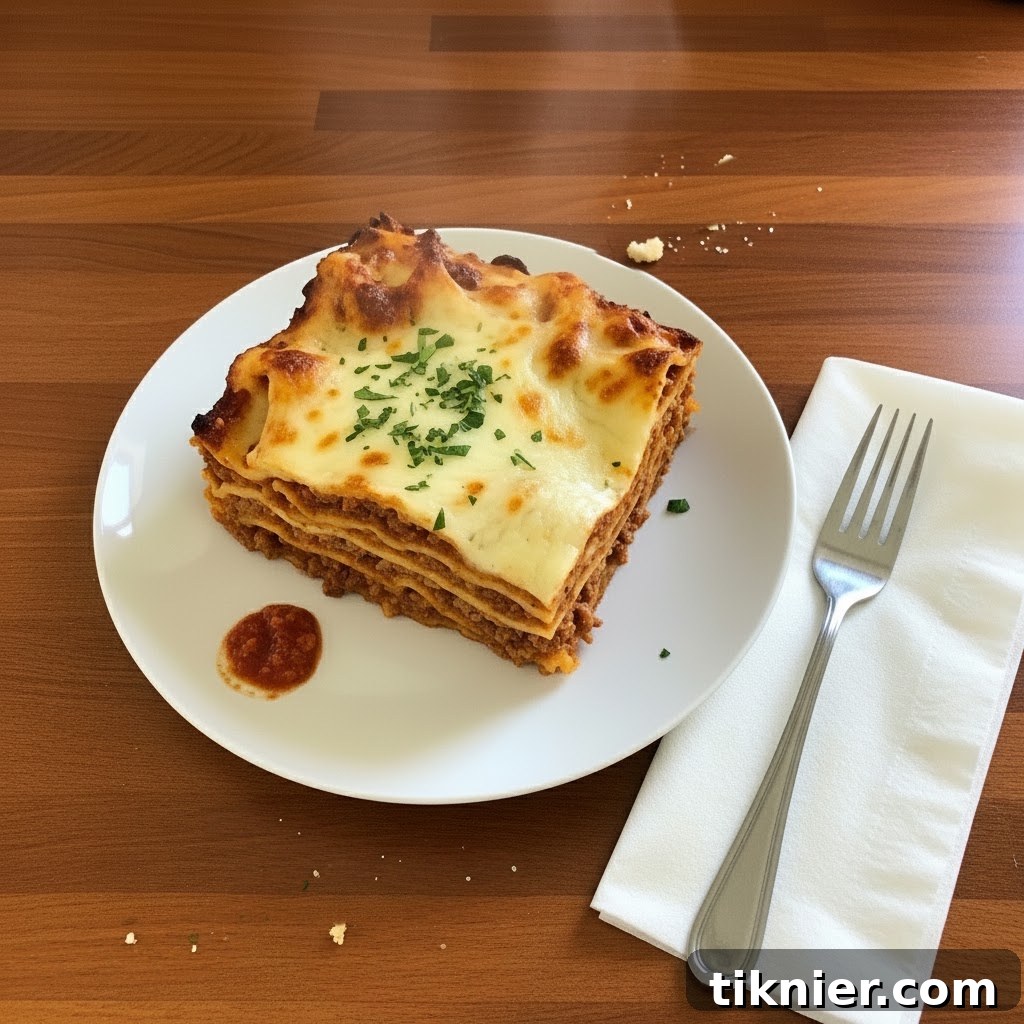
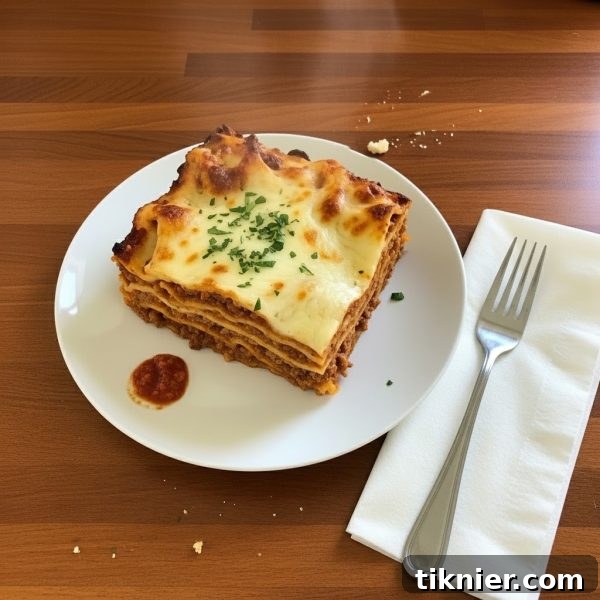
There are certain dishes that simply embody comfort, warmth, and togetherness, and for many, lasagna sits at the top of that list. This ultimate lasagna recipe is crafted to be both indulgently savory and perfectly balanced, ensuring a rich experience without ever feeling heavy. Prepare yourself for rave reviews and constant requests for your secret ingredient – a truly transformative brown butter and sage béchamel sauce that elevates this classic to an unforgettable culinary masterpiece.
My journey to perfecting lasagna began like many home cooks. I was a newlywed, eager to impress, particularly my mother-in-law, who possessed an uncanny knack for making everything taste extraordinary. I meticulously followed a very traditional lasagna recipe, spending hours simmering the sauce and carefully arranging layers of noodles, cheese, and meat. The result, while perfectly acceptable, lacked that special spark, that memorable quality that makes a dish truly personal. It was good, yes, but it was just… lasagna.
Years passed, and while I continued to make that same traditional recipe, a subtle dissatisfaction lingered. I knew lasagna could be more, could offer a deeper, more nuanced flavor profile. The breakthrough arrived unexpectedly one ordinary weeknight. I was preparing a simple brown butter and sage pasta, and as the kitchen filled with the enchanting, nutty, and earthy aroma, a culinary epiphany struck. What if this incredible depth of flavor could be integrated into the creamy layers of a lasagna? I immediately reimagined the classic béchamel, infusing it with the rich essence of browned butter and fresh sage. The transformation was instant and spectacular. This innovative twist provided the “pop” I had been searching for, transforming a beloved classic into my signature dish.
Today, this Brown Butter & Sage Lasagna is my definitive recipe for any occasion that calls for a dish that feels like a warm, luxurious embrace. It’s perfect for elegant Sunday dinners, festive holiday gatherings, or simply when you desire a meal that transcends everyday comfort food. Each bite offers a harmonious blend of richness, savory depth, and an unexpected complexity that will leave a lasting impression on everyone at your table.
Skip to The Ultimate Lasagna Recipe!
Unveiling the Magic: Why This Lasagna Recipe Stands Apart
Lasagna holds a cherished place in family culinary traditions globally, and for excellent reasons. At its core, it represents a masterful symphony of textures and flavors – from the robust, slow-simmered meat sauce and the creamy filling to the tender pasta sheets and the generous blanket of bubbling, melted cheese. It’s a dish that inherently demands patience and love, and that dedication is undeniably evident in every exquisite bite.
The authentic Lasagna alla Bolognese, originating from Italy’s Emilia-Romagna region, traditionally features a deeply flavored meat ragù paired with a smooth, silken béchamel sauce. While many American adaptations often incorporate ricotta cheese, I find that adhering to béchamel yields a far more velvety and luxurious texture. This choice allows the intricate flavors of the ragù and our special béchamel to truly shine, without introducing an overly dense or heavy quality that ricotta can sometimes impart.
However, to truly elevate this lasagna from merely good to absolutely extraordinary, we introduce a game-changing element: a brown butter and sage-infused béchamel. This isn’t just about creaminess; it’s about layering in sophisticated flavor. By browning the butter, we unlock a deep, nutty, and almost caramel-like aroma, thanks to the toasted milk solids – a simple yet profound French technique known as beurre noisette. This process alone adds incredible complexity. When this rich brown butter is then infused with the earthy, slightly peppery, and aromatic notes of fresh sage, the béchamel transcends its supporting role, becoming a star component in its own right.
This unique béchamel doesn’t just bind the layers; it provides a warm, aromatic counterpoint that beautifully cuts through the richness of the meat and cheese, ensuring each forkful is incredibly interesting and balanced. It’s this thoughtful addition that transforms a classic comfort food into an unforgettable culinary experience, making your lasagna truly unique and utterly addictive.
Essential Ingredients for Your Masterpiece Lasagna
Crafting an exceptional lasagna begins with a commitment to quality ingredients. While every component plays a vital role, the true stars of this particular recipe are the unsalted butter and fragrant fresh sage leaves, which together create our signature brown butter béchamel. Here’s a detailed look at everything you’ll need to bring this incredible dish to life, along with some important tips for selecting the best items.
- 2 tbsp olive oil: A good quality extra virgin olive oil forms the foundation of our ragù.
- 4 oz pancetta, finely diced: This cured Italian pork belly adds a crucial layer of savory depth and renders out delicious fat to cook the vegetables.
- 1 large yellow onion, finely chopped: The aromatic base for the ragù, adding sweetness and essential flavor.
- 2 carrots, finely chopped: Contributes natural sweetness and body to the sauce.
- 2 celery stalks, finely chopped: Completes the classic Italian soffritto, providing a fresh, herbaceous note.
- 4 cloves garlic, minced: Adds pungent warmth to the ragù.
- 1 lb ground beef (80/20): The ideal lean-to-fat ratio for a rich, flavorful meat sauce that won’t be overly greasy.
- 1/2 lb ground pork: Balances the beef with a subtle sweetness and higher fat content, contributing to a more tender and moist ragù.
- 1 cup dry red wine, such as Chianti or Merlot: Essential for deglazing the pot and infusing the ragù with complex, fruity notes. Don’t skip this for depth of flavor.
- 1 (28-ounce) can crushed San Marzano tomatoes: These are absolutely worth seeking out. True San Marzano tomatoes, with their distinct low acidity and naturally rich, sweet flavor, make a profound difference in the quality of your ragù.
- 2 tbsp tomato paste: A concentrated burst of tomato flavor that adds depth and umami to the sauce.
- 1 cup whole milk: Added to the ragù during simmering, it tenderizes the meat and mellows the acidity of the tomatoes, creating a smoother sauce.
- 1 bay leaf: A classic aromatic that imparts a subtle, savory herbal note to the simmering meat sauce.
- Kosher salt and freshly ground black pepper: Crucial for seasoning at every stage, enhancing all the flavors.
- 6 tbsp unsalted butter: This is the foundation of our extraordinary béchamel. Using unsalted butter gives you precise control over the final saltiness of the sauce.
- 8-10 fresh sage leaves: Our secret weapon! Fresh sage is non-negotiable for infusing that beautiful, earthy, slightly peppery aroma into the brown butter. Dried sage simply cannot replicate its vibrant flavor.
- 1/2 cup all-purpose flour: Used to create the roux, which thickens our béchamel to a perfect, creamy consistency.
- 4 cups whole milk, warmed: Warming the milk before incorporating it into the roux is a crucial step for achieving a perfectly smooth, lump-free béchamel sauce.
- 1/2 tsp freshly grated nutmeg: A traditional béchamel ingredient that adds a delicate warmth and aromatic complexity. Always grate it fresh for the best impact.
- Pinch of white pepper: Offers a subtle, clean pepper flavor without the visible specks of black pepper, maintaining the béchamel’s creamy appearance.
- 1 (1-pound) box no-boil lasagna noodles: These convenience noodles make assembly a breeze and are designed to absorb moisture from the sauces as they cook, resulting in perfectly tender layers.
- 8 oz low-moisture mozzarella, shredded: Opt for a block and shred it yourself. Pre-shredded varieties often contain anti-caking agents that can hinder a smooth, even melt.
- 1 1/2 cups freshly grated Parmesan cheese, divided: This sharp, salty, and nutty cheese is indispensable. Grating your own Parmigiano-Reggiano from a wedge provides superior flavor and texture compared to pre-grated options.
Step-by-Step Guide to Crafting Your Ultimate Lasagna
Creating a truly showstopping lasagna is a delightful culinary journey, meticulously building layers of exquisite flavor with each step. We’ll begin by preparing a rich, deeply satisfying ragù, then move on to our signature brown butter and sage béchamel, before expertly assembling these components into a baking dish brimming with pure comfort. Patience is a virtue in lasagna making, and the incredible results are undeniably worth every moment.
1. Begin the Ragù: Building the Flavor Foundation
To start, heat the olive oil in a large Dutch oven or a heavy-bottomed pot over medium heat. These types of pots are ideal as they provide excellent heat distribution, which is crucial for the long, gentle simmer ahead. Add the finely diced pancetta to the pot and cook until it’s beautifully crisp and has rendered most of its fat, typically taking about 5 to 7 minutes. Once crispy, remove the pancetta with a slotted spoon and set aside, leaving the rendered fat in the pot. Next, add your finely chopped onion, carrots, and celery – the classic Italian soffritto. Sauté this aromatic trio until they are tender, translucent, and wonderfully fragrant, a process that usually takes around 10 minutes. This step is fundamental for establishing the deep, foundational flavor of your sauce. Finally, stir in the minced garlic and cook for just one more minute until its aroma fills your kitchen. Be vigilant to prevent the garlic from burning, which can turn bitter quickly.
2. Brown the Meats and Simmer to Perfection
Increase the heat to medium-high and add both the ground beef and ground pork to the pot. Use a sturdy wooden spoon or spatula to break up the meat into small pieces as it cooks. Continue browning until no pink remains. Once the meats are thoroughly browned, carefully drain off any excess fat to prevent the ragù from becoming greasy. Now, for the crucial deglazing step: pour in the dry red wine. As the wine bubbles, use your spoon to scrape up all those delicious browned bits, known as “fond,” from the bottom of the pot. These bits are packed with concentrated flavor. Allow the wine to simmer vigorously until it has reduced by approximately half. Stir in the crushed San Marzano tomatoes, tomato paste, and the first cup of whole milk. Add the bay leaf and generously season with kosher salt and freshly ground black pepper. Bring the entire mixture to a gentle simmer, then reduce the heat to low, cover the pot tightly, and let it perform its magic for a minimum of 1.5 hours. For an even more profound and complex flavor profile, allowing it to simmer for up to 3 hours is highly recommended. Remember to stir occasionally to prevent sticking. Before you begin assembling the lasagna, retrieve and discard the bay leaf.
3. Craft the Brown Butter & Sage Béchamel
While your savory ragù is slowly simmering, turn your attention to our signature sauce. In a medium saucepan, melt the unsalted butter over medium heat. Add the whole fresh sage leaves to the melting butter. Continue to cook, swirling the pan gently, until the butter begins to foam, then subsides, leaving behind enticing little brown specks at the bottom of the pan. Your kitchen will be enveloped in an incredible, nutty aroma – this is the sign of perfectly browned butter. This process typically takes 4 to 5 minutes. Keep a close eye on it, as brown butter can swiftly transition from ideal to burnt. Once it reaches that beautiful amber color and nutty fragrance, immediately remove the crispy sage leaves and discard them; their aromatic essence has been fully infused into the butter.
4. Thicken and Flavor the Béchamel
Into your fragrant brown butter, whisk in the all-purpose flour. This creates your roux, the thickening agent for the béchamel. Cook the roux for about one minute, continuously stirring, which helps to cook out the raw flour taste. Now, gradually pour in the warmed whole milk, whisking constantly and vigorously to prevent lumps from forming. This continuous whisking is the secret to a silky-smooth sauce. Bring the sauce to a gentle simmer and continue to cook, whisking frequently, for approximately 8 to 10 minutes, or until it has thickened enough to generously coat the back of a spoon. Remove the béchamel from the heat and stir in the freshly grated nutmeg, a pinch of white pepper, and half a cup of the freshly grated Parmesan cheese. Taste and adjust seasoning with salt as needed, remembering that the Parmesan also contributes saltiness.
5. Expertly Assemble Your Lasagna Layers
Preheat your oven to 375°F (190°C). Prepare a 9×13-inch baking dish by spreading a thin layer of the prepared ragù across the bottom. This crucial step not only adds flavor but also prevents the first layer of noodles from sticking. Arrange a single, even layer of no-boil lasagna noodles over the sauce. Now, begin building your majestic layers: spread approximately a quarter of the remaining ragù over the noodles, followed by a generous, even layer of the brown butter béchamel. Sprinkle this with about a quarter cup of Parmesan cheese. Repeat this entire layering process – noodles, ragù, béchamel, Parmesan – two more times, ensuring each layer is distinct and well-distributed.
6. Bake and Rest Your Culinary Masterpiece
For the final, crowning layer, place the last of the no-boil noodles. Spread all the remaining brown butter béchamel evenly over these noodles, ensuring they are completely covered. Then, sprinkle generously with all the shredded low-moisture mozzarella and the last half cup of Parmesan cheese. Cover the baking dish tightly with aluminum foil. This traps steam and helps the noodles cook perfectly without drying out. Bake for 30 minutes. After 30 minutes, remove the foil and continue baking for another 20 to 25 minutes, or until the top is gloriously bubbly, the cheese is melted and golden brown, and the edges are lightly caramelized. The most critical, yet often overlooked, final step is resting. Remove the lasagna from the oven and let it rest on a wire rack for at least 20 minutes before you even think about slicing into it. This allows the internal temperatures to equalize, the sauces to set, and the layers to firm up, ensuring you achieve clean, beautiful slices instead of a delicious, collapsed mess.
Presenting Your Lasagna: Serving Suggestions
Once your magnificent lasagna has rested, allowing its rich layers to set beautifully, it’s time to unveil and serve your culinary triumph. A perfectly cut slice of this lasagna, showcasing its distinct layers of robust ragù and silken brown butter béchamel, is a showstopper in its own right. However, pairing it with the right accompaniments can elevate an already great meal into an unforgettable feast. The key is to choose sides that complement the richness of the lasagna without overwhelming its complex flavors.
My absolute go-to accompaniment is always a simple, vibrant green salad. The crisp freshness and bright acidity of a light vinaigrette provide a wonderful contrast to the hearty richness of the lasagna. It acts as a palate cleanser, ensuring each bite of lasagna remains exciting and preventing the meal from feeling too heavy. Consider a mixed greens salad with tender baby spinach, juicy cherry tomatoes, thinly sliced red onion, and perhaps some cucumber, all lightly dressed with a classic lemon and olive oil vinaigrette. It’s an elegant, easy, and essential counterpoint.
Of course, no discussion about serving lasagna is complete without mentioning garlic bread. It’s the quintessential partner, perfect for savoring every last drop of sauce. Here are a few ideas for creating a truly classic and comforting meal experience:
- The Essential Garlic Bread: A warm, crusty loaf of Italian bread, generously slathered with a fragrant mixture of garlic butter, fresh parsley, and a hint of Parmesan, baked until golden. It’s the ultimate tool for mopping up any leftover sauce and a non-negotiable in my household.
- Roasted Green Vegetables: For a slightly lighter yet equally delicious side, consider simple roasted vegetables. Options like broccoli florets, asparagus spears, or green beans tossed with a drizzle of olive oil, salt, and pepper, then roasted until tender-crisp, add a lovely pop of color, texture, and nutritional value to the plate.
- Thoughtful Wine Pairing: A well-chosen glass of wine can significantly enhance the entire dining experience. Since our ragù incorporates dry red wine, serving the same Chianti or Merlot you used in cooking is a natural and excellent choice. The wine’s acidity and fruit notes will beautifully complement the rich tomato and meat sauce, creating a harmonious pairing.
- Fresh Garnish: For a final touch of vibrancy and freshness, consider garnishing individual slices of lasagna with a sprinkle of freshly chopped parsley or basil just before serving. This not only adds a beautiful pop of green color but also a burst of fresh herb flavor that brightens the entire dish.
No matter which accompaniments you choose, serve those beautiful slices of lasagna with pride. This is a dish crafted with love, and it undeniably deserves to be the celebrated centerpiece of your table.
Savvy Storage & Reheating: Enjoying Lasagna Leftovers
One of the most delightful aspects of preparing a generous pan of lasagna is the promise of delicious leftovers. In my humble opinion, lasagna often tastes even better the next day, as the multitude of flavors have had ample time to meld and deepen. Proper storage is key to extending the life and enjoyment of your lasagna, whether you’re planning a quick lunch tomorrow or a convenient dinner next month.
Once your lasagna has cooled completely to room temperature – this is crucial to prevent condensation and bacterial growth – you have several storage options. For short-term refrigeration, you can simply cover the baking dish tightly with a layer of plastic wrap, followed by aluminum foil. Alternatively, for grab-and-go convenience, transfer individual slices into airtight containers. Stored this way, your lasagna will remain fresh, flavorful, and safe to eat for up to 4 days in the refrigerator.
If you wish to savor your lasagna for an extended period, it freezes exceptionally well. Here’s how to best handle freezing and reheating:
- Refrigerating for Short Term: As mentioned, once cooled, cover the baking dish tightly with foil or plastic wrap. It will keep beautifully in the refrigerator for 3 to 4 days, with flavors often improving over time.
- Freezing a Whole Lasagna (Baked or Unbaked): You have the flexibility to freeze the entire lasagna either before or after baking. For an unbaked lasagna, assemble it in a freezer-safe dish (aluminum pans are great for this), then cover it with a layer of plastic wrap pressed directly onto the surface of the lasagna, followed by a tight layer of heavy-duty aluminum foil. It can be frozen for up to 3 months. To bake from frozen, simply transfer it directly to a preheated oven, but anticipate adding an extra 30-40 minutes to the initial covered baking time. If freezing a *baked* lasagna, allow it to cool completely before wrapping and freezing as described.
- Freezing Individual Slices (My Preferred Method): For ultimate convenience, freezing individual portions is a game-changer. Cut the cooled lasagna into desired slices, then meticulously wrap each slice first in plastic wrap, followed by a layer of aluminum foil. Place these securely wrapped slices into a large freezer bag, removing as much air as possible before sealing. This method allows you to pull out a single serving whenever you crave a quick, comforting, home-cooked meal without any fuss.
- Reheating for Optimal Texture: To reheat a slice or a larger portion, the oven or a toaster oven is your best bet for preserving the lasagna’s wonderful texture. Place the slice in an oven-safe dish, add a tiny splash of water or a spoonful of sauce to the bottom of the dish to create some steam and prevent drying, cover loosely with foil, and bake at 350°F (175°C) until thoroughly heated through, usually about 20-25 minutes for a single slice. If time is of the essence, the microwave can also work; place it on a microwave-safe plate, cover it loosely, and heat in short intervals until piping hot.
Having a stash of this amazing lasagna in the freezer genuinely feels like a gift to my future self. It’s the perfect, ready-made solution for those busy weeknights when you yearn for a hearty, homemade meal but lack the time or energy to cook from scratch.
Creative Twists: Substitutions & Variations for Your Lasagna
While I firmly believe this brown butter and sage lasagna recipe is close to culinary perfection, the art of cooking should always encourage personal expression. Your kitchen, your rules! This recipe is wonderfully adaptable, providing a fantastic canvas for experimentation based on your preferences or what ingredients you have readily available. There are countless ways to infuse your own unique spin into this beloved classic dish, making it truly yours.
The ragù is an excellent starting point for customization. If pork isn’t to your liking, you can easily use all ground beef, ensuring it’s an 80/20 blend for richness. Alternatively, substitute the pork with ground veal for a more delicate flavor, or incorporate sweet or spicy Italian sausage (casings removed) for an extra layer of zesty flavor and warmth. For those seeking a lighter alternative, ground turkey or chicken can also work effectively; just be sure to choose a blend with sufficient fat to prevent the sauce from becoming dry and ensure it retains its succulence.
Here are a few other simple substitutions and exciting variations you might want to explore:
- Vegetarian Lasagna Transformation: To adapt this recipe for vegetarian diets, replace the meat in the ragù entirely with a finely chopped medley of mushrooms (such as cremini, shiitake, or porcini) and brown or green lentils. Sauté the mushrooms thoroughly until they release their water and achieve a beautiful caramelization; this step is crucial for building a deep, savory, umami-rich flavor base that mimics the meat.
- Alternative Herb Infusions: If sage isn’t your preferred herb, you can still create a wonderfully aromatic infused brown butter béchamel. Fresh thyme or rosemary would be excellent substitutes, each lending its own distinct, fragrant, and earthy quality to the creamy sauce. Experiment to find your favorite!
- Cheese Combination Adventures: Feel free to experiment with the cheese layers beyond mozzarella and Parmesan. Introduce some smoked mozzarella for a delightful smoky nuance, or for a richer, tangier flavor, incorporate a layer of fontina. If you lean towards a more classic Italian-American style lasagna, you could swap some of the béchamel and mozzarella for layers of creamy ricotta cheese mixed with an egg, a touch of Parmesan, and fresh chopped parsley.
- Adding a Boost of Greens: For an extra layer of flavor, vibrant color, and nutritional value, consider incorporating a layer of wilted spinach or Swiss chard. If using spinach, ensure you thoroughly squeeze out as much excess water as possible after cooking to prevent a watery lasagna. This addition complements the rich ragù beautifully.
Don’t be afraid to unleash your culinary creativity. The fundamental components of pasta, rich sauce, and melted cheese provide an incredibly versatile canvas for crafting all sorts of delicious and personalized combinations. Use this recipe as a guiding framework, and allow your imagination to lead you to new and exciting flavors.
The Ultimate Lasagna with Brown Butter & Sage Béchamel
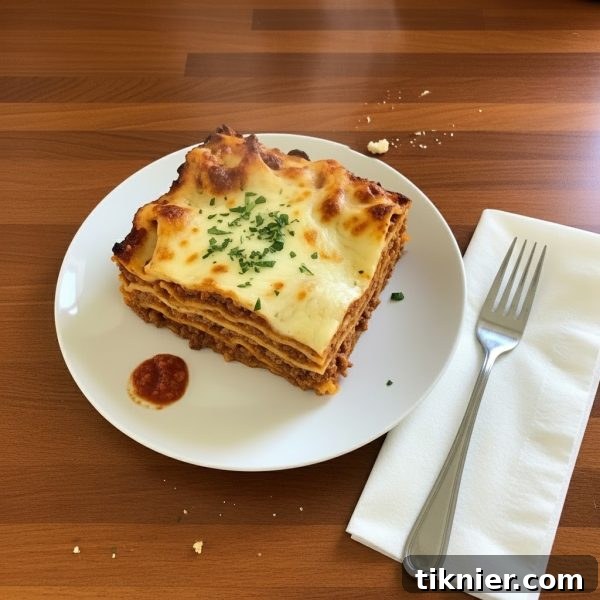
Description: A rich, deeply comforting lasagna recipe featuring a slow-simmered, flavorful meat ragù and a luxurious brown butter and sage béchamel sauce. This special, aromatic twist elevates the classic Italian-American dish into an unforgettable, showstopping meal perfect for any special occasion or a cozy family dinner.
Yield: 8-10 servings | Category: Main Course | Cuisine: Italian-American
Prep Time: 30 minutes | Cook Time: 3 hours (including ragù simmer time)
Ingredients
- 2 tbsp olive oil
- 4 oz pancetta, finely diced
- 1 large yellow onion, finely chopped
- 2 carrots, finely chopped
- 2 celery stalks, finely chopped
- 4 cloves garlic, minced
- 1 lb ground beef (80/20)
- 1/2 lb ground pork
- 1 cup dry red wine (e.g., Chianti, Merlot)
- 1 (28-ounce) can crushed San Marzano tomatoes
- 2 tbsp tomato paste
- 1 cup whole milk (for ragù)
- 1 bay leaf
- Kosher salt and freshly ground black pepper (to taste)
- 6 tbsp unsalted butter
- 8-10 fresh sage leaves
- 1/2 cup all-purpose flour
- 4 cups whole milk, warmed (for béchamel)
- 1/2 tsp freshly grated nutmeg
- Pinch of white pepper
- 1 (1-pound) box no-boil lasagna noodles
- 8 oz low-moisture mozzarella, shredded (preferably from a block)
- 1 1/2 cups freshly grated Parmesan cheese, divided
Instructions
- Prepare the Ragù: In a large Dutch oven or heavy pot, heat olive oil over medium heat. Crisp the diced pancetta until golden; remove and set aside. Add chopped onion, carrots, and celery to the pot; cook until softened (approx. 10 mins). Stir in minced garlic and cook for 1 minute more.
- Brown Meats & Simmer Sauce: Increase heat to medium-high, add ground beef and pork. Brown thoroughly, breaking up meat with a spoon. Drain excess fat. Deglaze the pot with red wine, scraping up any browned bits. Stir in crushed tomatoes, tomato paste, 1 cup milk, bay leaf, and season generously with salt and pepper. Bring to a simmer, then reduce heat to low, cover, and cook for at least 1.5 hours (up to 3 hours for deeper flavor), stirring occasionally. Remove bay leaf before assembly.
- Make the Brown Butter & Sage Béchamel: In a medium saucepan, melt unsalted butter over medium heat. Add whole fresh sage leaves. Cook, swirling, until butter foams, then subsides, and brown specks appear (approx. 4-5 mins). Butter should smell nutty. Immediately remove and discard sage leaves.
- Thicken the Béchamel: Whisk all-purpose flour into the brown butter; cook for 1 minute. Gradually whisk in 4 cups of warmed milk until smooth and lump-free. Bring to a simmer, then cook, whisking often, for 8-10 minutes until thickened enough to coat the back of a spoon. Remove from heat. Stir in freshly grated nutmeg, white pepper, and 1/2 cup Parmesan cheese. Taste and season with salt if needed.
- Assemble the Lasagna: Preheat oven to 375°F (190°C). Spread a thin layer of ragù on the bottom of a 9×13-inch baking dish. Arrange a single layer of no-boil noodles over the sauce. Top with approximately a quarter of the remaining ragù, followed by a generous layer of béchamel, then sprinkle with 1/4 cup Parmesan. Repeat this noodle-ragù-béchamel-Parmesan layering sequence two more times.
- Top and Bake: For the final layer, place the last of the noodles, spread all the remaining béchamel evenly over them, and sprinkle with all the shredded mozzarella and the remaining 1/2 cup Parmesan.
- Bake & Rest: Cover the baking dish tightly with aluminum foil. Bake for 30 minutes. Remove the foil and bake for an additional 20-25 minutes, or until the top is bubbly and golden brown. This is crucial: Let the lasagna rest on a wire rack for at least 20 minutes (preferably 30) before slicing and serving. This allows the layers to set for clean, beautiful slices.
Notes
Allowing the lasagna to rest is absolutely crucial for achieving clean, well-defined slices; do not skip this step! For the best flavor and melt, always use freshly grated cheeses from blocks or wedges rather than pre-shredded varieties. The ragù can be made a day in advance for deeper flavor.
Servings: 10 | Calories: 650 kcal | Fat: 38g | Carbohydrates: 45g | Protein: 32g
Frequently Asked Questions About Lasagna
Here are comprehensive answers to some of the most common questions I receive about preparing and enjoying this exquisite lasagna recipe, designed to help you achieve perfect results every time.
Can I prepare this lasagna ahead of time?
Absolutely! This lasagna is an incredibly versatile and forgiving dish, making it a perfect candidate for make-ahead preparations, especially beneficial for entertaining guests or navigating busy holiday schedules. You have a couple of excellent options depending on your timeline. Your first approach involves preparing all the individual components – both the rich ragù and the aromatic brown butter béchamel – in advance. You can cook both sauces up to two days prior to assembly, storing them separately in airtight containers in the refrigerator. When you’re ready to bake, simply assemble the lasagna as instructed in the recipe and place it in the oven. Keep in mind that you might need to extend the initial covered baking time by a few minutes, as the sauces will be cold.
My personal favorite method for maximum time-saving is to assemble the entire lasagna a day before you plan to serve it. Layer all the ingredients in your baking dish, then cover it tightly with plastic wrap or aluminum foil and refrigerate for up to 24 hours. On the day of your meal, remove the lasagna from the refrigerator about 30 minutes before baking to allow it to come slightly closer to room temperature. Then, proceed with baking according to the recipe directions. This pre-assembly method offers an added benefit: it allows all the flavors to meld and deepen even further, resulting in an exceptionally delicious and cohesive final product.
What causes my lasagna to be watery, and how can I prevent it?
A watery lasagna is a common and understandably frustrating issue, but it’s almost always preventable with a few key considerations. The primary culprit is most often a meat sauce (ragù) that hasn’t been simmered for a sufficient duration. Your ragù should be luxuriously thick and rich, not thin or soupy. If the sauce retains too much liquid, that excess moisture will inevitably pool at the bottom of your baking dish during cooking. The low and slow simmering process is absolutely essential here; it allows the liquids to gradually evaporate, concentrating the flavors and thickening the sauce naturally. For this particular recipe, the minimum 1.5-hour simmer for the ragù is vital, but extending it to 2 or even 3 hours will only improve its consistency and intensify its taste.
Another potential source of excess water can be certain types of cheese, especially fresh mozzarella or ricotta that haven’t been properly drained. This recipe ingeniously bypasses that problem by specifying low-moisture mozzarella and utilizing a béchamel sauce instead of ricotta. Furthermore, it’s crucial not to overdo the sauce layers during assembly. You need enough sauce to properly cook and flavor the no-boil noodles, but not so much that the layers are literally swimming. Finally, and this is a critical step, always respect the resting period after baking. Cutting into a piping hot lasagna immediately after it comes out of the oven is a sure way to have the layers slide apart and release steam and liquid. Allowing it to rest for at least 20 to 30 minutes gives everything – the sauces, cheese, and noodles – time to set and absorb any remaining moisture, ensuring perfectly defined and stable slices.
Is it really necessary to use both beef and pork in this lasagna ragù?
While you can certainly create a delicious lasagna using solely ground beef, the traditional combination of beef and pork is a classic choice for compelling reasons, and one I highly recommend. Each type of meat contributes unique characteristics, resulting in a ragù with significantly more complexity, depth, and a nuanced flavor profile. Ground beef, particularly an 80/20 blend, provides that quintessential robust, savory beefy flavor and a wonderfully hearty texture, forming the solid foundation of the ragù.
Ground pork, on the other hand, introduces a subtle sweetness that beautifully balances the richness of the beef and tomatoes. Crucially, pork also has a higher fat content. This fat renders down slowly during the long simmering process, deeply enriching the entire ragù and contributing to a much more tender, moist, and luxurious mouthfeel. Together, beef and pork create a perfect culinary synergy where neither meat overpowers the other, but rather they complement each other to build a truly balanced and deeply satisfying sauce. If you absolutely must choose only one, ground beef will yield a good result, but I strongly encourage you to experience the difference the combination makes at least once. It genuinely elevates the final flavor profile of your lasagna to another level.
What’s the difference between using no-boil noodles and traditional noodles for lasagna?
The fundamental distinction between no-boil and traditional lasagna noodles lies in their preparation and how they integrate into the finished dish. Traditional, or regular, lasagna noodles are typically thicker and require pre-boiling in salted water until they are al dente before you can begin assembling your lasagna. This adds an extra, time-consuming step and necessitates an additional pot to wash. Because they are already partially cooked and hydrated, they absorb less liquid from the sauces during the final baking process.
No-boil lasagna noodles, which this recipe specifically calls for, are thinner and are engineered to be used directly from the box without any prior cooking. They are designed to cook by absorbing the moisture and flavors from both the ragù and the béchamel sauces as the lasagna bakes in the oven. This not only saves you significant time and effort in the kitchen but also contributes to a slightly different, often preferred, texture in the final lasagna. Because they soak up the delicious sauces, these noodles become incredibly flavorful and tender, creating a more cohesive and integrated dish where the pasta truly melts into the layers. It is vitally important, however, to ensure that you use a sufficient amount of sauce to completely cover the no-boil noodles in each layer, guaranteeing they have ample liquid to cook through properly and achieve that perfect, yielding texture.
How can I achieve clean, perfect slices of lasagna?
The elusive secret to those beautiful, restaurant-worthy slices of lasagna with perfectly defined, distinct layers boils down to one essential word: patience. I understand the agonizing temptation to immediately dig into that bubbling, golden-brown masterpiece fresh from the oven, but resisting this urge is absolutely critical. Allowing the lasagna to rest undisturbed on a wire rack for a minimum of 20 minutes, or ideally even up to 30 minutes, is the single most important step for achieving impeccably clean slices. This crucial resting period grants the molten cheese, rich sauces, and tender pasta adequate time to cool down slightly, firm up, and set. If you attempt to cut into it too soon, the layers will inevitably slide against each other, the sauces will be too liquid, and you’ll end up with a delicious, but undeniably messy, pile on your plate.
Once the resting period is complete and you’re ready to slice, use a long, sharp knife. A chef’s knife or a serrated bread knife can both work effectively. For exceptionally clean cuts, some experienced cooks even prefer using a thin, sharp spatula or a bench scraper. Press straight down firmly and deliberately to cut through all the layers in one swift motion. It’s also highly beneficial to wipe the knife blade clean between each cut; this prevents any clinging sauce and cheese from dragging through and smudging the subsequent slices. By meticulously following the recipe and, most importantly, honoring that vital rest time, you will consistently be able to serve up lasagna slices that are as visually stunning as they are incredibly delicious.
Explore More Recipes Next!
If you’ve savored the comforting, crowd-pleasing delight of this ultimate lasagna, I am confident you’ll adore some of my other cherished recipes. Whether you’re planning for a bustling weeknight, a special holiday celebration, or simply seeking fresh culinary inspiration, I have a collection of dishes to suit your needs.
- 110 Easy Dinner Ideas That Taste Great: In search of more delicious and straightforward meals for any day of the week? This extensive list is brimming with recipes perfect for simplifying your meal planning without sacrificing flavor.
- Ultimate Thanksgiving Dinner Ideas: This lasagna makes a magnificent addition to any holiday table. If you’re orchestrating a grand festive feast, you’ll discover an abundance of other showstopping recipes here to complete your menu.
- Cheap Meal Ideas & Budget-Friendly Recipes: Proving that exceptional flavor doesn’t need to break the bank, this collection features recipes that are as kind to your wallet as they are delightful to your taste buds.