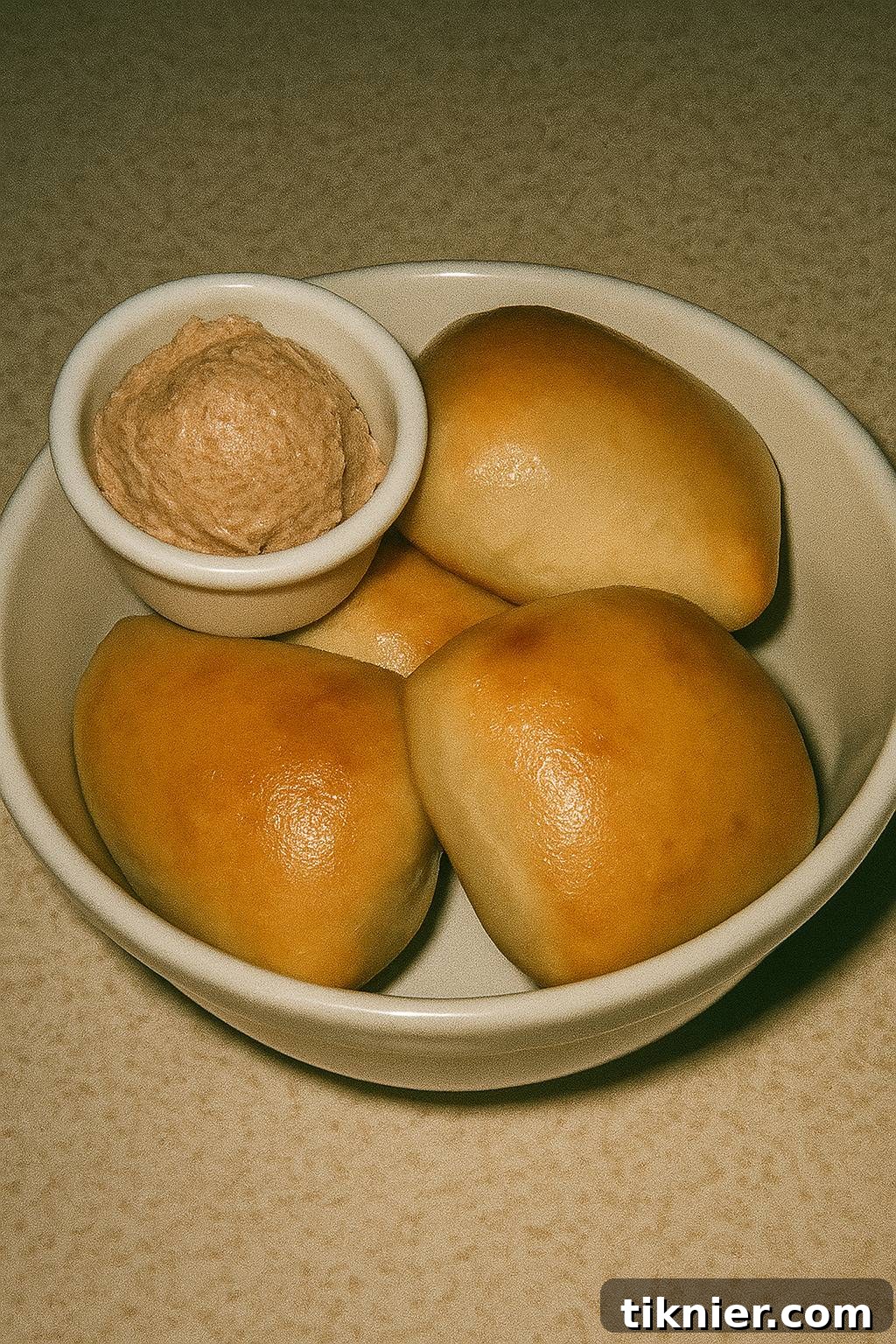
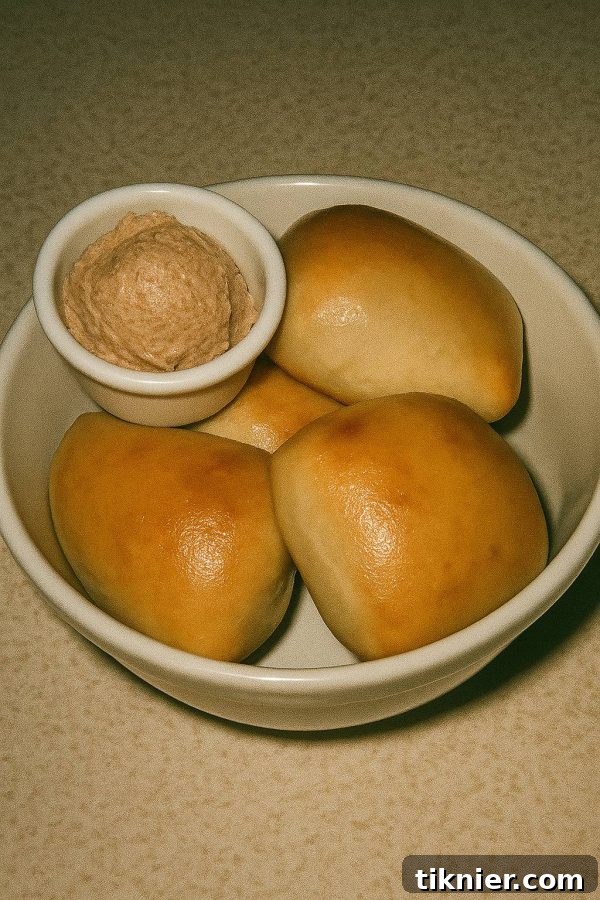
Few culinary delights evoke such a strong sense of comfort and nostalgia as a basket of freshly baked, warm, and impossibly fluffy yeast rolls arriving at your table. They’re more than just a side dish; they’re an experience, a signal that a hearty, delicious meal is about to begin. For many, the gold standard for this experience comes from the iconic Texas Roadhouse, renowned for its legendary rolls and their accompanying sweet cinnamon butter.
My own journey with these rolls began years ago during a memorable family trip through Tennessee. The moment we stepped into Texas Roadhouse, the inviting aroma of grilled steaks and roasted peanuts filled the air. Yet, it was the arrival of that first basket of rolls that truly captivated me. Each one was a soft, pillowy cloud, brushed with a glistening, buttery glaze that shimmered under the restaurant lights. And the cinnamon butter? It wasn’t just good; it was a revelation – a creamy, sweet, and spiced spread that elevated every bite to pure bliss. From that day forward, I was determined to recreate that magic in my own kitchen.
For years, I meticulously scoured the internet, trying every “copycat” recipe I could find. While many were decent, none quite captured the ephemeral quality, that elusive “something extra” that made the restaurant version so addictive. They lacked the perfect balance of tenderness, subtle sweetness, and that unmistakable flavor profile. Like any dedicated Southern cook, I eventually decided to take matters into my own hands, embarking on a delicious quest to crack the secret code of these beloved rolls.
After countless batches, flour-dusted countertops, and enthusiastic taste-testing sessions with my ever-willing family, I finally found the key. It wasn’t a single grand revelation, but rather a couple of subtle yet impactful tweaks that made all the difference. My rendition of these Texas Roadhouse Rolls with Cinnamon Butter incorporates a touch of buttermilk powder into the dough. This isn’t just a random addition; it introduces a delicate tang and contributes to an unbelievably tender, melt-in-your-mouth crumb that sets these rolls apart. And for the legendary butter? My unique twist involves browning a small portion of the butter before incorporating it into the spread. This simple step infuses the cinnamon butter with a rich, nutty, almost toffee-like depth that transforms it from merely delicious to utterly unforgettable. It’s these thoughtful details, this little bit of extra culinary love, that make these rolls taste not just like home, but even better.
Unlocking the Magic: Why This Texas Roadhouse Rolls Recipe Truly Shines
The original Texas Roadhouse rolls have rightfully earned their legendary status. They embody the pinnacle of comfort food: soft, warm, perfectly sweet, and served with a wonderfully indulgent spread. Their widespread popularity stems from their consistently cloud-like texture, an ideal balance of sweetness in both the roll and the iconic cinnamon honey butter, making every guest feel welcome and well-fed from the moment they are seated. This recipe doesn’t just replicate; it elevates that beloved original by introducing thoughtful touches that any home cook will appreciate, transforming a simple roll into a culinary highlight.
The foundation of this recipe lies in a meticulously crafted, enriched dough made with warm milk, granulated sugar, and active dry yeast, ensuring a tender and airy crumb. However, my secret ingredient—buttermilk powder—is where the real magic happens. This isn’t just for flavor; it’s a game-changer for texture. While it doesn’t make the rolls overtly sour, it imparts a very subtle tang that beautifully cuts through the sweetness, adding a layer of complexity to the overall taste profile. More importantly, from a chemical standpoint, the lactic acid present in buttermilk powder actively works to tenderize the gluten in the dough. This results in an even softer, more pillowy roll than you might have thought possible, giving them that signature Texas Roadhouse bounce and chew.
For the accompanying cinnamon butter, the secret to its unparalleled appeal lies in achieving profound depth of flavor. While simply whipping honey, cinnamon, and powdered sugar into softened butter creates a delightful spread, browning a portion of the butter before incorporating it introduces a new dimension. This transformative step infuses the spread with a rich, nutty, and slightly caramelized taste that perfectly complements the warm spice of the cinnamon and the fragrant sweetness of the honey. This simple yet profound technique transforms the cinnamon butter from a mere sweet topping into a gourmet component that truly elevates these Texas Roadhouse Rolls with Cinnamon Butter into a special treat. It is these carefully considered details—the buttermilk powder for an ethereal texture and the brown butter for a complex flavor—that make this recipe not merely a copycat, but a true standalone masterpiece in the world of homemade bread.
Essential Ingredients for Your Texas Roadhouse Rolls with Cinnamon Butter
When it comes to these rolls, the quality of your ingredients truly shines through, contributing significantly to their exceptional flavor and texture. While the list appears simple, paying close attention to a few key details will yield the best results. Remember, my little secret for that extra-tender crumb and subtle, irresistible flavor is the buttermilk powder in the dough – it’s the element that will have everyone asking for your recipe.
For the Irresistible Rolls:
- Warm Milk: You’ll need 1 ½ cups, ideally heated to about 110°F (43°C). Whole milk is highly recommended for its richness, which contributes to a more tender and flavorful roll. Ensure it’s not too hot, as this can kill your yeast.
- Active Dry Yeast: 2 ¼ teaspoons, which is equivalent to one standard packet. Always double-check the expiration date on your yeast; old or inactive yeast is the most common reason for rolls that fail to rise properly.
- Granulated Sugar: ½ cup. This not only provides the essential food source for your yeast to activate and thrive but also adds the perfect amount of sweetness to the dough itself.
- Melted Unsalted Butter: ¼ cup, plus additional for brushing the rolls after baking. Opting for unsalted butter gives you precise control over the overall salt content in your recipe.
- Large Egg: 1, brought to room temperature. A room-temperature egg incorporates more smoothly into the dough and contributes to a lighter, more even texture.
- All-Purpose Flour: Approximately 4 to 4 ½ cups, with a little extra for dusting your work surface. I find that a high-quality all-purpose flour, such as King Arthur, offers consistent protein content, leading to reliable results.
- Salt: 1 ½ teaspoons. Essential for balancing the sweetness and enhancing all the other flavors in the dough.
- Buttermilk Powder: 2 tablespoons. This is my unique secret ingredient! It’s crucial for imparting that unparalleled tenderness and a slight, tangy note that beautifully balances the sweetness, elevating the rolls beyond a typical recipe. You can typically find it in the baking aisle of most well-stocked grocery stores.
For the Signature Brown Cinnamon Honey Butter:
- Unsalted Butter: 1 cup (or 2 sticks), softened completely to room temperature. This is vital for achieving that wonderfully light and fluffy whipped texture.
- Powdered Sugar: ½ cup, sifted to prevent any lumps and ensure a smooth consistency.
- Honey: ¼ cup. Choose a good quality honey whose flavor you personally enjoy, as its notes will be prominent in the finished spread.
- Ground Cinnamon: 2 teaspoons. For that classic warm, inviting spice.
- Vanilla Extract: ½ teaspoon. A touch of vanilla enhances the overall sweetness and adds a comforting aroma.
- Pinch of Salt: Just a small pinch, yet it plays a significant role in enhancing and balancing all the sweet and spiced flavors in the butter.
The process of browning just a portion of the butter for the spread is the crucial step that will truly distinguish your cinnamon butter from all others. It creates a complexity and depth of flavor that is simply divine and undeniably addictive. Trust me on this, y’all; it’s an extra five minutes that is absolutely worth the effort for an unforgettable result.
Mastering the Craft: Step-by-Step Instructions for Texas Roadhouse Rolls with Cinnamon Butter
The idea of making yeast rolls from scratch might seem a little daunting at first, but I assure you, this recipe is incredibly straightforward and quite forgiving. Just follow these steps carefully, and you’ll soon be rewarded with a basket of heavenly, golden-brown rolls. While a stand mixer equipped with a dough hook will make this process significantly easier and less labor-intensive, you can absolutely achieve the same delicious results with a bit of elbow grease and hand-kneading.
- Activate Your Yeast (Proofing): In the bowl of your stand mixer (or a large mixing bowl if kneading by hand), combine the warm milk (remember, around 110°F), the granulated sugar, and your active dry yeast. Give this mixture a gentle stir to ensure everything is well combined. Now, let it sit undisturbed for approximately 5 to 10 minutes. What you’re looking for is a noticeable foamy, bubbly layer to form on the surface. This “proofing” step confirms that your yeast is alive, active, and ready to perform its magic. If your mixture doesn’t become foamy, it’s likely your yeast is old and inactive, or the milk was too hot (killing the yeast), and you’ll need to start this step over with fresh ingredients.
- Prepare and Mix the Dough: Once your yeast is beautifully proofed, add the melted butter and the room-temperature egg directly into the yeast mixture in the bowl. Whisk them in lightly to combine. In a separate, medium-sized bowl, thoroughly whisk together 4 cups of the all-purpose flour, the salt, and our special secret ingredient: the buttermilk powder. With your stand mixer running on low speed, using the dough hook attachment, gradually begin adding the dry ingredient mixture to the wet ingredients. Add it about a cup at a time, allowing it to incorporate before adding more.
- Knead the Dough to Perfection: Continue mixing on a low to medium-low speed for about 6 to 8 minutes. During this time, the dough will transform: it should start to pull away cleanly from the sides of the bowl, gather around the dough hook, and become noticeably smooth, elastic, and supple. A critical point here: if the dough still feels excessively sticky after a few minutes of kneading, add the remaining ½ cup of flour, but do so very gradually—a tablespoon at a time—until it reaches a consistency that is just slightly tacky to the touch. A very common mistake that leads to dense rolls is incorporating too much flour, so resist the urge to add more than necessary.
- First Rise (Bulk Fermentation): Lightly grease a large, clean bowl with a neutral oil or softened butter. Form your kneaded dough into a smooth ball, place it into the prepared bowl, and then turn it over once to lightly coat the top surface with the oil/butter. Cover the bowl snugly with plastic wrap or a clean kitchen towel. Now, place the bowl in a warm, draft-free spot in your kitchen (like an oven with just the light on) to rise for approximately 1 hour, or until the dough has impressively doubled in size.
- Shape and Second Rise: Once the dough has completed its first rise, gently “punch it down” to release the accumulated air. Turn the dough out onto a lightly floured surface. Using a rolling pin, roll the dough into an approximate rectangle, about ½ inch thick. Now, using a sharp knife or a pizza cutter, cut the dough into 12 to 15 square-shaped rolls. Carefully transfer these squares to a parchment-lined baking sheet, ensuring you leave a little bit of space between each roll to allow for expansion. Cover them again with plastic wrap or a towel and let them rise for a second time, for another 30 to 45 minutes, until they look visibly puffy and airy.
- Bake the Golden Rolls: While your rolls are undergoing their second rise, preheat your oven to 375°F (190°C). Once preheated and the rolls are puffy, place the baking sheet into the oven. Bake for 12 to 15 minutes, or until the tops are a beautiful, golden brown. The moment they emerge from the oven, brush them generously and immediately with more melted butter. This step is crucial; it gives them that signature glossy, sweet finish and enhances their flavor.
- Craft the Brown Cinnamon Honey Butter: While your rolls are baking, it’s the perfect time to prepare the star spread. In a small saucepan, melt ¼ cup (which is half of one stick) of the unsalted butter over medium heat. Keep a close eye on it, swirling the pan occasionally. The butter will first foam, then the milk solids will begin to brown, turning a lovely light brown color and emitting a distinctly nutty, toasted aroma. As soon as you achieve this, immediately pour the browned butter into a heatproof bowl to halt the cooking process and allow it to cool slightly. In a separate mixing bowl, combine the remaining ¾ cup of softened butter, the slightly cooled brown butter, the sifted powdered sugar, honey, cinnamon, vanilla extract, and a pinch of salt. Using a hand mixer (or your stand mixer with the paddle attachment), whip the mixture on medium-high speed for a full 3 to 4 minutes. You’ll see the butter become remarkably light, fluffy, and perfectly combined. Serve this exquisite butter warm with your freshly baked, still-warm rolls.
The Art of Serving: Presenting Your Texas Roadhouse Rolls with Cinnamon Butter
Serving these homemade Texas Roadhouse Rolls is all about creating an atmosphere of warmth, generosity, and welcome. Without a doubt, the absolute best way to present them is fresh from the oven, still radiating heat and their intoxicating aroma. Arrange the perfectly golden, buttery rolls in a charming cloth-lined basket. The cloth not only adds a touch of rustic elegance but also helps to keep them wonderfully warm for longer. Alongside, place a small, inviting bowl of that glorious brown cinnamon honey butter, accompanied by a small butter knife. The mere sight and the irresistible smell of these rolls and their decadent spread are enough to make everyone’s mouth water long before the main course even graces the table.
These versatile rolls are the quintessential companion to nearly any hearty Southern or classic American-style meal. They are practically a mandatory accompaniment to a slow-cooked Sunday pot roast, a celebratory holiday ham, or a comforting bowl of homemade chili. But please, don’t reserve them solely for special occasions! These rolls have the power to transform a simple weeknight dinner into something truly memorable. Here are a few of my favorite ways to enjoy them:
- As the Perfect Side for Hearty Meals: Their soft texture and subtle sweetness make them ideal for sopping up every last drop of delicious sauce, gravy, or broth from dishes like beef stew, pot roast, or a generous plate of barbecue pulled pork. They ensure no flavorful morsel goes to waste.
- Creative Slider Sandwiches: On the rare occasion you have leftovers (it happens!), split the rolls horizontally the next day. Fill them with thinly sliced ham and cheese, a creamy chicken salad, or even miniature burger patties for the most amazing little slider sandwiches. They are a guaranteed hit at parties, tailgates, or casual game day gatherings.
- A Sweet Breakfast Treat: For a delightful start to your day, toast a leftover roll until lightly golden, then generously slather it with more of that luscious cinnamon butter. It’s a fantastic, slightly indulgent alternative to traditional toast or biscuits, pairing beautifully with your morning eggs and bacon. The combination of sweet and savory is truly divine.
For an extra touch of sweetness, you can even transform them into a quick dessert. Immediately after brushing them with melted butter straight from the oven, sprinkle a light dusting of extra cinnamon and sugar over the tops for a churro-like effect. No matter how you choose to serve them, these Texas Roadhouse Rolls with Cinnamon Butter are guaranteed to be the undisputed star of your meal. Just be prepared to share the recipe, as everyone will undoubtedly ask for it!
Maximizing Freshness: How to Store & Reuse Your Texas Roadhouse Rolls with Cinnamon Butter
Should you miraculously find yourself with leftover rolls – a truly rare event in my household, I confess – proper storage is paramount to ensure they retain their delightful freshness and flavor for later enjoyment. The single most important rule is to allow the rolls to cool completely to room temperature before attempting to store them. Packing them away while they are still warm will inevitably create condensation inside the container, which can quickly lead to soggy, unappetizing rolls. And trust me, nobody wants a soggy roll!
Once your rolls are thoroughly cooled, you have several excellent options for keeping them fresh. The cinnamon butter, on the other hand, is much simpler to manage; it can be stored in an airtight container in your refrigerator for several weeks without issue. Just remember to let it sit on the counter for about 20-30 minutes before serving so it softens sufficiently to be easily spreadable.
Here’s my recommended approach for storing and reheating the rolls, ensuring they taste as close to freshly baked as possible:
- Room Temperature Storage (Short-Term): For rolls you plan to enjoy within 1-2 days, place them in an airtight container or a high-quality zip-top bag. Make sure to gently press out as much air as possible before sealing. Stored this way on your countertop, they will remain wonderfully soft and delicious.
- Freezing for Extended Freshness: These homemade rolls freeze exceptionally well, making them perfect for meal prepping or having a quick treat on hand. For the best results, arrange the completely cooled rolls in a single layer on a baking sheet and place them in the freezer for about an hour, or until they are firm to the touch. This “flash freezing” technique prevents them from sticking together. Once firm, transfer the frozen rolls to a freezer-safe bag or container, removing as much air as possible. They will maintain their quality for up to 3 months.
- Optimal Reheating Instructions: My preferred method for reheating, especially for that “just-baked” quality, is the oven. Preheat your oven to 350°F (175°C). Place the rolls on a baking sheet and heat for approximately 5 to 7 minutes if they were at room temperature, or 10 to 12 minutes if reheating from frozen. For an extra touch of indulgence, brush them with a little more melted butter as soon as they come out of the oven. While you can also microwave them for a quick 15-20 seconds to soften them, the oven method undeniably yields the superior texture.
And remember, leftover rolls are incredibly versatile! They make fantastic bread pudding or delicious homemade croutons. To make croutons, simply cube the rolls, toss them with a little olive oil and your favorite seasonings (garlic powder, Italian herbs), and bake until they’re golden brown and crispy. It’s a wonderful way to ensure not a single crumb goes to waste.
Personalizing Your Plate: Substitutions & Variations for Texas Roadhouse Rolls with Cinnamon Butter
While I genuinely believe this recipe is pretty close to perfection as written, one of the greatest joys of home cooking is the freedom to make a recipe truly your own. There are abundant ways to put your unique spin on these Texas Roadhouse Rolls with Cinnamon Butter or to adapt them to whatever ingredients you happen to have in your pantry. Don’t be shy about experimenting a little, darlin’; you might just stumble upon a new family favorite that’s uniquely yours!
Whether you need to accommodate a specific dietary need, simply want to use what’s on hand, or feel like playfully altering the flavor profile, here are some tested ideas to spark your creativity. These swaps are generally easy and have been tried in my own kitchen with great success.
- Flour Alternatives: While standard all-purpose flour provides that classic, light, and airy texture, you can certainly experiment with other flours. For a heartier roll with a subtly nutty flavor, you can substitute up to half of the all-purpose flour with whole wheat flour. Keep in mind that whole wheat flour tends to be “thirstier,” so you may need to add an extra tablespoon or two of milk to maintain the correct dough consistency. Conversely, for an even richer, slightly chewier, and exceptionally soft roll, bread flour can be used in place of all-purpose flour, as its higher protein content develops more gluten.
- Dairy-Free Adaptations: It’s surprisingly simple to make these rolls dairy-free without sacrificing much flavor or texture. Easily swap the whole milk for an unsweetened plant-based milk such as almond, soy, or oat milk. For the butter in both the dough, for brushing, and in the cinnamon spread, opt for a high-quality vegan butter substitute. If you’re going dairy-free, you can simply omit the buttermilk powder from the dough, as its primary function (acid and milk solids) would be absent or replaced by other tenderizers.
- Sweetener Swaps: The granulated sugar in the dough can be substituted with an equal amount of liquid sweeteners like honey or maple syrup if you prefer a different flavor profile. However, if using a liquid sweetener, you might need to slightly reduce the amount of milk by a tablespoon or two to ensure the dough maintains its ideal consistency. For the cinnamon butter itself, maple syrup makes a truly delightful and aromatic substitute for honey, offering a distinctively rich flavor.
- Flavorful Add-ins & Savory Twists: Unleash your creativity! For a savory twist on the rolls, reduce the sugar in the dough by half, and then experiment with incorporating ingredients like shredded sharp cheddar cheese, finely chopped jalapeños (for a touch of heat!), or a fragrant blend of dried herbs such as rosemary and thyme. If you’re looking for a different sweet variation, consider adding a little finely grated orange zest to your cinnamon butter. The bright, citrusy note from the orange pairs absolutely beautifully with the warm spice of cinnamon, creating a surprisingly refreshing and aromatic spread.
Think of this recipe as a robust starting point, a reliable foundation upon which to build. The core techniques for making this tender yeast dough and the luxurious whipped butter are versatile and will work wonderfully with all sorts of delicious flavor combinations. So, have fun with it, embrace the joy of experimenting, and most importantly, savor the process and the delicious results!
5 Frequently Asked Questions About Texas Roadhouse Rolls with Cinnamon Butter
Here are clear and concise answers to the most common questions I receive about this beloved Texas Roadhouse Rolls recipe, designed to help you bake with confidence.
Why are my Texas Roadhouse Rolls dense instead of wonderfully fluffy?
Ah, the dreaded dense roll – it’s a common challenge in yeast baking, but fortunately, it’s usually quite fixable! The primary culprit is often inactive yeast. If your yeast is old, expired, or wasn’t proofed correctly (meaning it didn’t become foamy and bubbly in the warm milk and sugar), it won’t produce enough carbon dioxide to make the dough rise and create that signature light, airy texture. Always check your yeast’s expiration date!
Another frequent reason for dense rolls is adding too much flour. The recipe provides a range (4 to 4 ½ cups) because flour absorption can vary. It’s tempting to add more flour if the dough feels sticky, but this dough is designed to be soft and slightly tacky. Excess flour makes the dough heavy and difficult for the yeast to lift. For accurate measurement, spoon flour into your measuring cup and level it off, rather than scooping directly from the bag, which can compact it. Lastly, ensure you’re kneading adequately – enough to develop gluten for structure, but not so much that it becomes tough.
Can I prepare the dough for Texas Roadhouse Rolls ahead of time?
Absolutely, and this is one of my favorite time-saving strategies, especially when preparing for holidays or entertaining guests! You can prepare the dough up through step 3 (after it’s been kneaded and is smooth and elastic). Instead of letting it rise on the counter for an hour, place the greased, covered bowl of dough directly into the refrigerator. It can cold ferment there for anywhere from 8 to 24 hours.
This slow, cold fermentation actually has a wonderful benefit: it develops a more complex and richer flavor in the rolls. When you’re ready to bake, simply take the dough out of the fridge, gently punch it down to release the air, and proceed with shaping the rolls as described in step 5. You will need to allow a bit more time for the second rise, as the dough will be cold; expect it to take closer to 60-90 minutes. This make-ahead method is a true lifesaver for managing your kitchen schedule effectively.
How do I achieve that signature sweet, shiny top on my Texas Roadhouse Rolls?
That beautiful, glossy sheen is indeed one of the most appealing features of these rolls! The secret is delightfully simple: butter. For that authentic Texas Roadhouse appearance and taste, a two-part buttering process is key, rather than an egg wash before baking.
The most important step is to brush the rolls generously with melted butter the very second they emerge from the hot oven. The residual heat of the freshly baked rolls will help them absorb some of the butter, creating that gorgeous shine as they cool. Don’t be shy with the butter here! Ensure you thoroughly coat the tops and sides of every single roll. For an even sweeter and slightly sticky finish, you can mix a teaspoon of honey into the melted butter before brushing it on – it adds an extra layer of sweetness that is truly delightful.
What’s the best technique to make the cinnamon butter for Texas Roadhouse Rolls so light and fluffy?
Achieving that perfectly light and fluffy cinnamon honey butter is all about effective whipping, which incorporates plenty of air into the mixture. This transforms it from a dense block of butter into an ethereal, creamy, and effortlessly spreadable delight. First and foremost, ensure your butter is genuinely at room temperature. It should be soft enough that you can easily press an indent into it, but it shouldn’t be greasy or melted. Cold butter simply won’t whip up properly.
Using a stand mixer with the paddle attachment or a hand mixer is essential for this. Begin by beating the softened butter on its own for a minute or two until it’s visibly creamy. Then, carefully sift in your powdered sugar to prevent any lumps. Add the honey, cinnamon, vanilla extract, the slightly cooled brown butter, and a pinch of salt. Start the mixer on low speed to gently combine everything, then increase the speed to medium-high and let it whip for a full 3 to 4 minutes. Remember to scrape down the sides of the bowl once or twice during this process to ensure everything is evenly incorporated. You’ll notice the color lighten and the texture become incredibly airy and fluffy. This step makes all the difference, so don’t rush it!
Can I successfully make these Texas Roadhouse Rolls without a stand mixer?
Absolutely, you can! People have been making delicious bread by hand for centuries, and there’s a unique satisfaction that comes from feeling the dough transform under your hands. While a stand mixer certainly makes the kneading process faster and less physically demanding, you can achieve the exact same delicious results with a little patience and muscle.
After you’ve combined the wet and dry ingredients in a large bowl with a sturdy wooden spoon until a shaggy dough forms, it’s time to turn it out onto a lightly floured surface for kneading. To knead by hand, fold the dough over on itself, then use the heel of your hand to press down and away from you, stretching it gently. Give the dough a quarter turn, and repeat this fold-press-turn motion for about 10 to 12 minutes. You’re looking for the dough to evolve from a sticky, lumpy mass into a smooth, elastic, and slightly tacky ball. It’s a great workout, and the final rolls will be just as soft and fluffy as their machine-kneaded counterparts. All subsequent steps for rising and baking remain precisely the same.
Explore More Delicious Recipes
100 Delicious, Easy Breakfast Ideas & Recipes You Should Try This Year
50 Cheap Meal Ideas That Actually Taste Good (Budget-Friendly Recipes for Every Meal)
110 Easy Dinner Ideas That Taste Great (Easy Dinner Recipes You Can Do At Home)