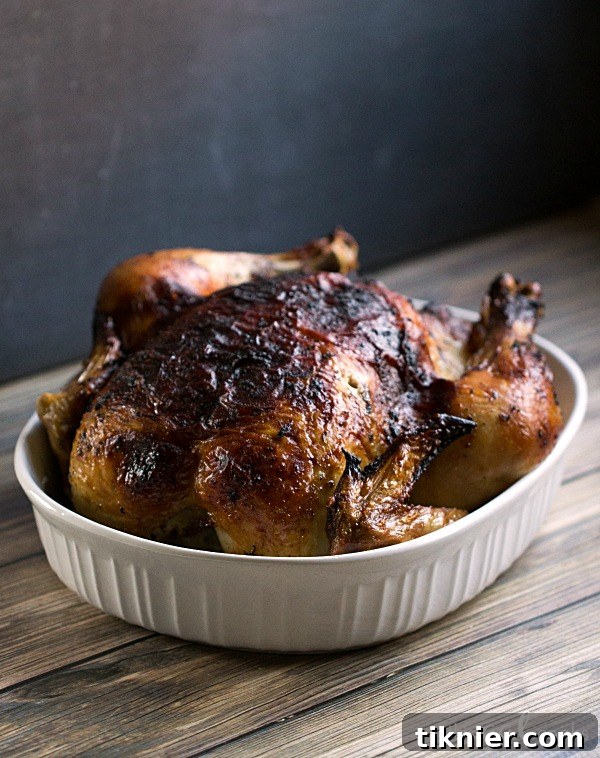
Unlock the secret to the most tender, juicy, and flavorful Oven Roasted Chicken you’ve ever tasted. This recipe delivers a truly remarkable bird, reminiscent of a classic rotisserie chicken, perfect for a memorable family dinner or a festive gathering. The magic lies in one simple yet transformative step: brining. Prepare to be amazed as this technique ensures every bite is infused with moisture and seasoning, resulting in meat so succulent it practically falls off the bone.
Mastering the Art of Brining a Chicken
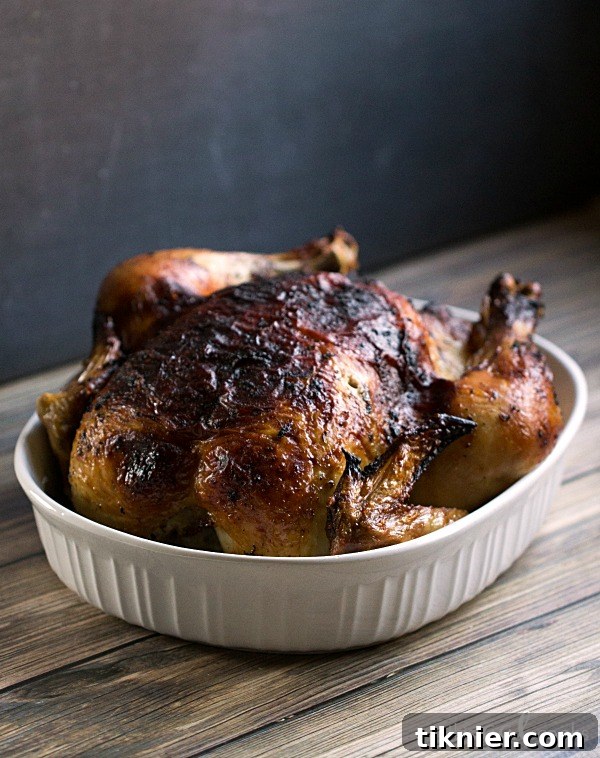
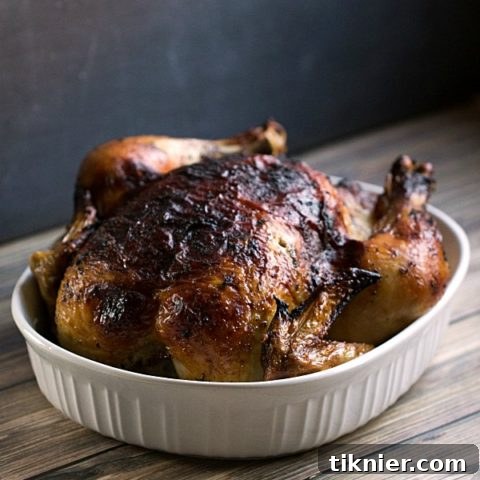
Are you tired of serving chicken that’s disappointingly dry, whether it’s baked, grilled, or slow-cooked? It’s a common culinary challenge, but one with an incredibly straightforward and effective solution: brining. While it does add an extra 3 to 8 hours to your preparation time, this crucial step is undeniably worth the wait. Just look at the chicken in the photo above – it’s a testament to the power of a good brine, yielding an impeccably tender and flavorful roast chicken.
In fact, this oven-roasted chicken consistently emerges as juicy and aromatic as any high-quality rotisserie chicken you’d find. The first time I carved it, a drumstick bone practically slipped out of the meat, a clear indicator of its tenderness. The secret to achieving such a moist, deeply flavored chicken isn’t just one thing, but a combination of thoughtful brining and consistent basting throughout the roasting process.
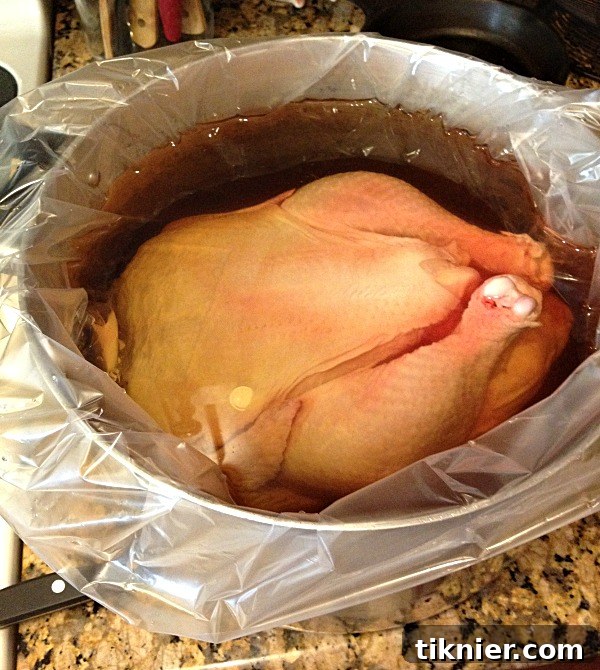
The image above illustrates how I typically brine my chicken. For a 4-6 pound bird, you’ll need a container large enough to fully submerge it. I often use a substantial stockpot, sometimes lined with a 6-quart crockpot liner for effortless cleanup. The brine itself is wonderfully simple, composed of just kosher salt, a touch of brown sugar, and cold water. Allowing the chicken to soak for approximately four hours transforms it into a flavor-packed, moisture-rich canvas ready for roasting.
Essential Ingredients for Your Perfect Oven Roasted Chicken
The true elegance of an exceptional oven roasted chicken lies in its reliance on a select few, high-quality ingredients. There’s no need for an overly complex list when you build upon a strong foundation of fresh, impactful components. Each ingredient plays a vital role in developing rich flavors and achieving that coveted tender interior with crispy skin.
Here’s what you’ll gather to create this signature oven roasted chicken:
-
- For the Brine
- 1 gallon of cold water
- 3/4 cup (C) kosher salt
- 1/3 cup (C) brown sugar
- For the Chicken
- 1 whole roasting chicken (4-6 lbs)
- 1 tablespoon (tbsp) fresh rosemary, finely chopped
- 1 tablespoon (tbsp) fresh thyme, finely chopped
- 3 cloves of garlic, minced
- 1/4 cup (C) fresh lemon juice
- 4 tablespoons (tbsp) unsalted butter, softened to room temperature
- 1/8 teaspoon (tsp) ground chipotle pepper
- Pinch of paprika
- 1/4 teaspoon (tsp) kosher salt
- 1/4 teaspoon (tsp) freshly ground black pepper
- Extra sprigs of fresh rosemary and thyme (for cavity)
- 1 1/2 cups (C) water (for the roasting pan)
- For the Brine
Let’s delve deeper into some of these key ingredients. For the brine, the choice of kosher salt is paramount. Its larger, coarser crystals dissolve gradually, providing a more balanced and gentle seasoning to the meat compared to finer table salt, which can quickly lead to an overly salty result. The addition of brown sugar to the brine offers a subtle sweetness that perfectly counteracts the saltiness and assists in developing that beautiful, golden-brown, caramelized skin during roasting.
When it comes to seasoning the chicken itself, fresh herbs are non-negotiable. Dried herbs simply cannot replicate the vibrant aroma and fresh taste that finely chopped fresh rosemary and thyme bring to the dish. The real star of our compound butter, however, is the ground chipotle pepper. This is where a unique depth of flavor truly emerges. It’s not about overwhelming heat, but rather a delicate, smoky warmth that elevates the entire recipe and makes it truly special. And, of course, using high-quality, room temperature unsalted butter ensures that our seasoning paste is effortlessly smooth, adheres perfectly to the chicken, and contributes to that irresistibly crisp and golden skin.
Step-by-Step Guide to Roasting a Flawless Chicken
By diligently following these detailed instructions, you are guaranteed a consistently perfect oven roasted chicken every single time. We will begin with the indispensable brining process and guide you through to creating a delectable pan gravy from the savory drippings. Resist the urge to rush any step; your patience will be handsomely rewarded with the juiciest, most flavorful chicken you’ve ever had.
Step 1: The Essential Brine for Ultimate Juiciness
First and foremost, let’s prepare our brine. Select a stockpot or any container capacious enough to fully submerge your entire chicken. For an effortless cleanup, I highly recommend lining your pot with a crockpot liner. Into this container, pour your gallon of cold water, add the kosher salt, and the brown sugar. Stir the mixture thoroughly until both the salt and sugar are completely dissolved. Gently ease your whole chicken into the brine, ensuring it is fully covered by the liquid. Secure the container with a lid and place it in the refrigerator for a minimum of four hours. This critical step imbues the meat with essential moisture and deep seasoning, effectively safeguarding against a dry bird.
Step 2: Crafting the Aromatic Compound Butter
While your chicken is undergoing its brining transformation, or immediately after it’s done, you can prepare the incredible butter rub. In a small mixing bowl, combine the softened, room-temperature unsalted butter with the finely chopped fresh rosemary and thyme, minced garlic, fresh lemon juice, ground chipotle pepper, a pinch of paprika, kosher salt, and freshly ground black pepper. If you’re using a spoon to mix, don’t worry if the lemon juice doesn’t entirely incorporate; it’s perfectly fine. For a supremely smooth, uniform paste, you can pulse all these ingredients together in a small food processor until they are perfectly combined. The delightful aroma alone will confirm that this concoction is going to be spectacular.
Step 3: Expert Seasoning for Maximum Flavor
Once the four-hour brining period has concluded, carefully remove the chicken from the brine and responsibly discard the liquid. It is absolutely crucial to pat the chicken completely dry, both inside and out, using paper towels. A dry skin surface is the fundamental key to achieving that desirable crispy skin. Now, with gentle hands, slide your fingers between the chicken’s skin and the breast meat to create a small pocket. Take approximately half of your prepared compound butter and rub it directly onto the meat beneath the skin. Distribute the remaining butter generously over the entire exterior of the chicken. Finally, stuff the cavity of the chicken with a few extra sprigs of fresh rosemary and thyme to further enhance its fragrance and flavor.
Step 4: Roasting to Golden Perfection
Preheat your oven to a robust 425°F (220°C). Position your seasoned chicken on a wire rack nestled within a foil-lined roasting pan. The rack is indispensable, as it facilitates the circulation of hot air all around the bird, ensuring uniformly even cooking and crispy skin on all sides. Pour the 1 1/2 cups of water into the bottom of the pan; this will generate steam, keeping the drippings from scorching and contributing to a moist environment. Roast the chicken for approximately 1 1/2 hours. Every 20 to 30 minutes during this period, use a baster or a large spoon to liberally baste the chicken with the accumulated pan juices. If the skin begins to darken too quickly, simply tent a piece of aluminum foil loosely over the top. The chicken is perfectly cooked when a meat thermometer, inserted into the thickest part of the thigh (avoiding the bone), registers an internal temperature of 165°F (74°C).
Step 5: The Crucial Rest and Luscious Gravy
This may very well be the most challenging step of all, but it is absolutely vital for a truly juicy chicken. Once removed from the oven, transfer the cooked chicken to a cutting board and cover it loosely with aluminum foil. Allow it to rest undisturbed for at least 20 to 30 minutes. This resting period allows the muscle fibers to relax and the internal juices to redistribute evenly throughout the meat, preventing them from escaping when carved. While the chicken rests, carefully pour all those magnificent pan drippings into a saucepan. Place the saucepan over medium heat and begin by whisking in 1/4 cup of all-purpose flour to form a paste, or roux. Continue to cook for about a minute, then slowly whisk in additional flour if necessary, until you achieve your desired gravy thickness and consistency. Carve your perfectly rested chicken and serve it generously with your homemade, rich pan gravy.
Delightful Ways to Serve Your Oven Roasted Chicken
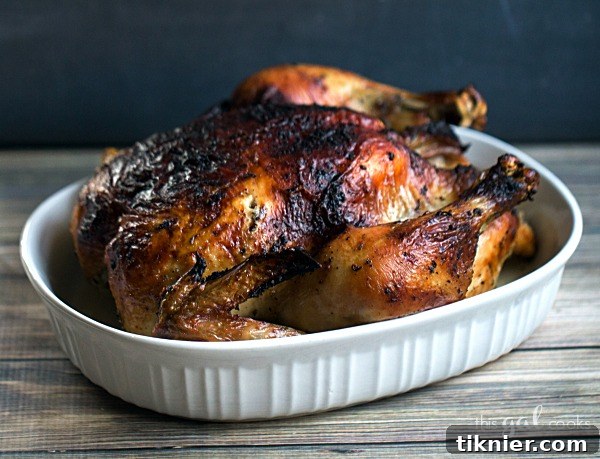
Once your magnificent, golden-brown oven roasted chicken emerges from the oven and has had its essential resting period, the enjoyable part of serving begins. Presenting an oven roasted chicken can be as traditional or as innovatively creative as your culinary heart desires. For a truly timeless and comforting Sunday dinner, you simply cannot go wrong with classic pairings that beautifully complement the rich, savory flavors of the chicken and its accompanying delectable pan gravy.
I find immense pleasure in presenting the entire chicken on a grand platter, perhaps artfully garnished with a few fresh sprigs of rosemary, and carving it directly at the dining table. This adds a charming touch of ceremony to the meal, making it feel inherently special for everyone. Surrounding the beautifully roasted chicken with a vibrant array of colorful side dishes creates a stunning presentation that unfailingly excites everyone to dig in.
Here are some of my most cherished ways to serve this incredible chicken:
-
-
- The Quintessential Classic Spread: Serve generous slices of the succulent chicken alongside a mound of fluffy, creamy mashed potatoes – an ideal vehicle for soaking up every drop of that heavenly homemade gravy. Complete the plate with a side of simply steamed green beans or sweet, honey-glazed carrots for a burst of color and a balanced sweetness.
- Effortless Roasted Vegetable Medley: For a convenient, one-pan-style meal, you can easily roast a colorful medley of root vegetables. Think hearty potatoes, sweet potatoes, parsnips, and onions, arranged in the roasting pan with the chicken during the final 45 minutes of its cooking time. They’ll absorb all the glorious chicken drippings and become incredibly tender and flavorful.
- Southern Comfort Style: Transport your taste buds south by pairing your chicken with light and fluffy buttermilk biscuits, a creamy, cheesy macaroni and cheese, and a generous helping of tender, seasoned collard greens for an authentic Southern comfort food experience.
- A Lighter, Fresher Approach: If you’re seeking a less indulgent option, serve the roasted chicken with a vibrant, crisp green salad tossed in a bright lemon vinaigrette, accompanied by a side of fluffy quinoa or nutty wild rice for a wholesome and satisfying meal.
-
Regardless of how you ultimately choose to serve it, this oven roasted chicken is destined to be the unequivocal star of your meal. Just remember to drizzle that magnificent pan gravy generously over every component!
Maximizing Leftovers: Store and Reuse Your Oven Roasted Chicken
One of the many hidden benefits of preparing a whole oven roasted chicken is the wonderful abundance of leftovers. These aren’t just remnants; they are a culinary gift that continues to provide for quick lunches and effortless dinners throughout the busy week. Proper storage of your leftover chicken is absolutely vital to ensure it remains fresh, safe, and delicious for several days.
First, allow the chicken to cool down slightly after your meal, but be mindful not to leave it at room temperature for more than two hours. Once cooled, carve any remaining meat off the bones. Place the carved chicken meat into an airtight container or a resealable plastic bag. Stored correctly in this manner, the cooked chicken will happily last in the refrigerator for three to four days. If you have any leftover pan gravy, store it in a separate airtight container in the fridge as well.
The culinary possibilities for repurposing leftover chicken are virtually boundless. Here are some of my favorite, go-to ideas that transform your roast into exciting new meals:
-
-
- Classic Chicken Salad: Easily chop the cooled, leftover chicken and combine it with mayonnaise, finely diced celery, a bit of minced onion, and your preferred seasonings for a quick, delicious chicken salad. It’s perfect tucked into sandwiches, wraps, or served elegantly on a bed of fresh lettuce.
- Speedy Chicken Tacos: Shred the chicken and gently warm it in a skillet with a splash of chicken broth and a generous sprinkle of your favorite taco seasoning. Serve it piping hot in warm tortillas with an assortment of toppings like fresh salsa, creamy avocado, shredded cheese, and a dollop of sour cream.
- Hearty Homemade Chicken Noodle Soup: Never discard the chicken carcass! Place it in a large stockpot with a quartered onion, a few carrots, and some celery stalks. Cover everything with cold water and let it simmer gently for several hours to create a rich, incredibly flavorful homemade chicken stock. Use this nourishing stock and your leftover shredded chicken to craft the ultimate comforting chicken noodle soup.
- Effortless Pasta Dish: Toss the shredded chicken with your favorite cooked pasta, a simple cream sauce or vibrant pesto, and some quick-steamed vegetables like tender broccoli florets or sweet peas for a super-fast and satisfying weeknight dinner that’s big on flavor.
-
Having this delicious, already-cooked chicken readily available in your fridge makes meal preparation an absolute breeze and ensures that nothing from your beautiful roast goes to waste.
Creative Substitutions and Flavorful Variations for Oven Roasted Chicken
While I wholeheartedly adore the smoky, herbaceous profile of this oven roasted chicken recipe exactly as written, one of the greatest joys of cooking is the freedom to personalize and make a recipe truly your own. This particular roast chicken serves as a magnificent canvas for culinary experimentation. Whether you need to adapt for a dietary preference, utilize ingredients you already have on hand, or simply desire a different flavor experience, there are numerous straightforward swaps and variations you can explore.
Feel empowered to experiment with the herbs, the citrus, or even the spices incorporated into the compound butter. With just a few simple adjustments, you can unlock an entirely new and exciting culinary experience. The foundational techniques – brining the chicken, employing a compound butter, and allowing the cooked bird to rest – will consistently deliver a fantastic result, giving you confidence in your creative explorations.
Here are some inspiring substitutions and exciting variations to spark your imagination:
-
-
- Diverse Herb Combinations: If fresh rosemary and thyme aren’t available, or if you simply prefer a different profile, consider fresh sage and oregano for a wonderfully robust, slightly more Mediterranean-inspired blend. Alternatively, finely chopped fresh parsley and chives would offer a lighter, milder, and very fresh flavor.
- Citrus Flavor Swaps: Instead of classic lemon juice, venture into using fresh orange juice or even zesty lime juice in your compound butter. Orange juice will impart a delicate sweetness that harmonizes beautifully with the smoky notes of chipotle, while lime juice will provide a sharper, more tangy and invigorating zest.
- Adjusting the Spice Level: If the smoky warmth of chipotle isn’t to your liking, or if you prefer no heat at all, you can easily substitute it with an equal amount of smoked paprika. This will still provide that desirable smoky depth without any spiciness. For those who crave an extra kick, a small pinch of cayenne pepper added alongside the chipotle will deliver a noticeable heat boost.
- A Flavorful Roasting Bed: Instead of simply using water in the bottom of your roasting pan, create a natural, edible “rack” by arranging thickly sliced onions, carrots, and celery. The chicken will roast directly on top of these vegetables, and its delicious juices will drip down, infusing them with incredible flavor. These roasted vegetables then become a wonderful side dish and contribute to an even more robust base for your homemade gravy.
-
Don’t hesitate to mix and match these innovative ideas. Cooking should always be an enjoyable and exploratory process, and this recipe is incredibly forgiving, so go ahead and infuse it with your own unique culinary signature.
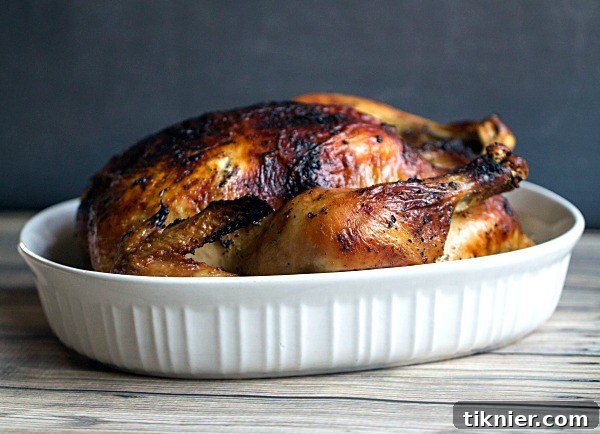
Oven Roasted Chicken Recipe
6 servings
4 hours 5 minutes
1 hour 30 minutes
5 hours 35 minutes
Ingredients
For the Brine
- 1 gallon of cold water
- 3/4 C kosher salt
- 1/3 C brown sugar
For the Chicken
- 1 4-6lb roasting chicken
- 1 tbsp fresh rosemary, finely chopped
- 1 tbsp fresh thyme, finely chopped
- 3 cloves of garlic, minced
- 1/4 C fresh lemon juice
- 4 tbsp butter, room temp
- 1/8 tsp ground chipotle pepper
- Pinch of paprika
- 1/4 tsp kosher salt
- 1/4 tsp ground black pepper
- Extra sprigs of rosemary and thyme
- 1 1/2 C water for the roasting pan
Instructions
For the Brine
- Line a large stock pot with a crockpot liner for easy cleanup.
- Add the cold water, kosher salt, and brown sugar. Stir the mixture thoroughly until both the salt and sugar are completely dissolved.
- Gently add the whole chicken to the brine, ensuring it is fully submerged. Cover and refrigerate for four hours. Once the brining process is complete, remove the chicken and discard the brine.
For the Chicken
- In a mixing bowl, combine the finely chopped fresh rosemary and thyme, minced garlic, fresh lemon juice, softened butter, ground chipotle pepper, paprika, kosher salt, and freshly ground black pepper. Mix thoroughly until well combined (a food processor can be used for a smoother paste).
- Pat the chicken completely dry with paper towels, inside and out. Then, slide your fingers under the skin of the breast meat to create a pocket. Rub about half of the compound butter directly onto the meat under the skin. Rub the remaining butter over the entire exterior of the chicken. Stuff the cavity with extra sprigs of fresh rosemary and thyme.
- Place the seasoned chicken on a rack inside a foil-lined roasting pan (the chicken should not be sitting in water or touching the bottom of the pan). Pour 1 1/2 cups of water into the bottom of the pan.
- Roast the chicken at 425°F (220°C) for approximately 1 1/2 hours, basting liberally with pan juices every 20-30 minutes. If the skin begins to brown too quickly, loosely tent the chicken with aluminum foil. Continue roasting until an internal temperature of 165°F (74°C) is reached in the thickest part of the thigh (avoiding the bone).
- Remove the chicken from the oven, transfer it to a cutting board, and cover loosely with foil. Allow it to rest for 20 to 30 minutes before carving.
- While the chicken rests, reserve the pan drippings to make gravy. Pour the drippings into a saucepan and place over medium heat. Whisk in 1/4 cup of all-purpose flour to create a roux, then gradually add more flour if needed, whisking continuously until the mixture thickens to your desired gravy consistency.
Notes
Adapted from the Williams Sonoma Cookbook.
Nutrition Information:
Yield: 6
Amount Per Serving:
Calories: 713 Total Fat: 53g Saturated Fat: 18g Cholesterol: 247mg Sodium: 263mg Carbohydrates: 1g Fiber: 0g Sugar: 0g Protein: 56g
5 Frequently Asked Questions About Oven Roasted Chicken
Here are concise and helpful answers to the most common inquiries regarding this exceptional oven roasted chicken recipe.
Why is brining absolutely essential for this Oven Roasted Chicken recipe?
I completely understand if brining appears to be an extra, potentially time-consuming step, but I assure you, it is the single most impactful action you can take to guarantee an incredibly juicy, flavorful chicken. Consider it your culinary insurance against dry, uninspiring meat. The brining process operates through osmosis: the high concentration of salt in the water initially draws some moisture out of the chicken, but then this newly seasoned water is reabsorbed back into the meat. This dual action accomplishes two wonderful things. Firstly, it seasons the chicken thoroughly from the inside out, ensuring every single bite is bursting with flavor, not just the crispy skin. Secondly, and critically, it helps the muscle fibers retain significantly more moisture as they cook. The salt solution subtly alters the meat’s proteins, enabling them to cling to water more effectively. This means that even under the high heat of the oven, your chicken will emerge astonishingly succulent and tender. Skipping the brine is the most frequent mistake leading to a dry oven roasted chicken, so please, do not skip this vital step.
How can I definitively know when my Oven Roasted Chicken is fully cooked?
The most accurate and reliable method for determining when your chicken is perfectly cooked, ensuring both safety and optimal juiciness, is to use a digital meat thermometer. Visual cues alone can be deceptive, and overcooking is the absolute enemy of a tender, moist bird. You should insert the thermometer into the thickest part of the thigh, taking care not to touch the bone, as proximity to the bone can give you a falsely high reading. The chicken is safe to consume and ideally cooked when its internal temperature consistently reaches 165°F (74°C).
If you don’t possess a thermometer, you can resort to a traditional method: pierce the thickest part of the thigh with a knife or a skewer. The juices that emerge should be completely clear; any hint of pink or red indicates that the chicken requires more time in the oven. Another indicator is that the chicken’s legs should wiggle freely in their sockets when it is fully cooked. However, for both paramount food safety and consistently perfect results, I wholeheartedly recommend investing in an inexpensive, instant-read meat thermometer.
Is it possible to make this Oven Roasted Chicken without a roasting rack?
Absolutely, it is entirely possible to roast this chicken beautifully without a dedicated roasting rack. The primary purpose of the roasting rack is to elevate the chicken, allowing hot air to circulate freely underneath for more even cooking and to encourage crispiness all around. It also prevents the bottom of the bird from sitting directly in the accumulating drippings, which could lead to a soggy underside. However, if a rack isn’t available, you have a couple of excellent alternatives at your disposal.
My preferred substitute is to fashion a natural, edible “rack” using sturdy vegetables. Simply slice robust vegetables such as onions, carrots, celery, and even potatoes into thick pieces and arrange them in a single, even layer across the bottom of your roasting pan. You can then comfortably place the chicken directly on top of this vegetable bed. Not only will this effectively elevate the chicken, but the vegetables themselves will become incredibly delicious as they slowly cook and absorb all the flavorful chicken drippings. Another quick and ingenious solution is to crumple up several pieces of heavy-duty aluminum foil into thick, stable ropes and arrange them strategically in the pan to support and lift the chicken.
What is the ultimate secret to achieving irresistibly crispy skin on my Oven Roasted Chicken?
Everyone adores that incredibly crispy, golden-brown skin, and achieving it involves a few critical steps. Firstly, as emphasized in the instructions, you must pat the chicken absolutely dry after removing it from the brine. Moisture is the archenemy of crispiness. Use plenty of paper towels and diligently dry every inch of the chicken’s surface, including deep inside the cavity. The dryer the skin, the crisper it will become.
Secondly, the fat from the compound butter is instrumental. Rubbing this flavorful butter mixture both underneath and over the skin not only infuses the meat with incredible flavor but also significantly aids the skin in browning and crisping up beautifully. The high initial roasting temperature of 425°F (220°C) is equally crucial. This intense blast of heat rapidly renders the fat within the skin, which is precisely what creates that delightful crunch. Ensure you don’t overcrowd the chicken in the oven, and avoid covering it with foil unless the skin is truly getting too dark, as trapping steam will inevitably lead to soft, less desirable skin.
Can I prepare the Oven Roasted Chicken ahead of time to streamline my cooking?
Yes, you can certainly perform a significant amount of the preparation work in advance, which will greatly simplify things on the day you plan to serve this delicious chicken. The brining step is the easiest component to tackle ahead of time. You can allow the chicken to brine in the refrigerator for up to 8 hours, making it perfectly feasible to set it up in the morning for an evening meal. Additionally, the compound butter can be prepared up to two days in advance. Simply mix all the ingredients together as directed and store it in an airtight container in your refrigerator until you’re ready to use it.
I would advise against seasoning the chicken with the butter and letting it sit overnight, as the salt within the butter can begin to cure the meat and potentially affect its delicate texture. The optimal strategy is to brine the chicken, then prepare the compound butter separately. When you are ready to cook, all that remains is to pat the chicken dry, generously rub it with your pre-made butter, and then pop it into the preheated oven. This strategic division of labor breaks up the cooking process and makes for a much more relaxed and enjoyable culinary experience.
Explore More Delicious Recipes
If you thoroughly enjoyed preparing and savoring this incredible oven roasted chicken, you’ll likely fall in love with some of my other cherished recipes, designed to bring joy to your kitchen.
-
-
- Oven Roasted Turkey Recipe: Ideal for holiday feasts or any significant special occasion, this foolproof recipe guarantees a beautifully moist and exquisitely flavorful turkey every single time.
- Easy Roast Duck Recipe with Glaze: Feeling a touch more adventurous in your culinary pursuits? This roast duck is surprisingly straightforward to prepare and features an undeniably crisp skin paired with a delightful, sweet glaze.
- 87 Thanksgiving Dinner Ideas: Discover a wealth of inspiration for your Thanksgiving table spread beyond just oven-roasted chicken, with a vast collection of ideas to make your holiday meal unforgettable.
-
I sincerely hope you’ll choose to give one of these fantastic recipes a try for your next special meal or even just a delightful weeknight dinner.