Transforming Treasures: My DIY Upcycled Window Pane Mirror Makeover
There’s an undeniable magic in discovering a hidden gem amidst the forgotten relics of a thrift store. It’s not just about finding an item; it’s about seeing its potential, envisioning a new life for it, and then bringing that vision to fruition with your own hands. This journey recently unfolded for me with an extraordinary find that sparked a complete room transformation: an old window pane beautifully repurposed into a mirror. Join me as I recount the tale of this charming piece, from its serendipitous discovery to its starring role in our home.
The Thrill of the Thrift Store Find: A Greek Festival Discovery
A few months ago, my boyfriend and I embarked on a delightful adventure to a local Greek Festival. Beyond the vibrant music, delicious food, and cultural festivities, this particular festival held a secret treasure trove – a thrift store located right on the church premises. Naturally, our curiosity led us inside, and what we found within its unassuming walls was far more exciting than we could have anticipated.
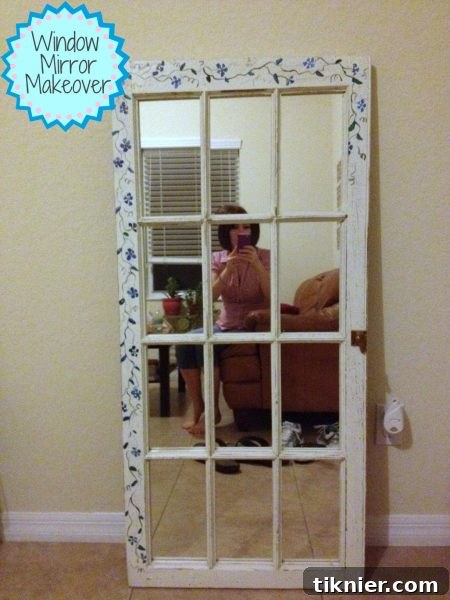
Thrift stores are veritable playgrounds for those with a keen eye for unique decor and a love for sustainable living. You never know what stories lie within the dusty shelves or what forgotten beauty might be waiting for a second chance. On this particular day, as I browsed through an eclectic array of items, my gaze landed upon something truly remarkable: an old window pane, meticulously converted into a stunning mirror. It possessed an inherent character, a rustic charm that immediately captivated me. From the moment I first saw it, I knew, with absolute certainty, that it had to come home with me.
My heart raced as I approached the mirror, bracing myself for the inevitable sticker shock that often accompanies such unique finds. I fully expected to see a price tag in the realm of $30 or $40, a reasonable but still significant cost for a repurposed piece. But to my utter delight, the price tag told a different story – a much sweeter one. This magnificent old window pane mirror was mine for only $15! It was a moment of pure joy, a testament to the incredible value that can be found when you embrace the art of thrifting. This wasn’t just a mirror; it was a steal, a project waiting to happen, and a piece of history ready for a new chapter.
Unlocking Potential: Six Months in Waiting
Bringing our new treasure home was just the beginning. As is often the case with many DIY enthusiasts, the excitement of the find sometimes precedes the immediate execution of the project. This beautiful window mirror sat patiently for six months, a testament to the fact that good things, and indeed good DIY projects, sometimes require a little time to marinate. During this period, the mirror served as a silent muse, subtly influencing my thoughts and allowing me to fully formulate the perfect vision for its transformation. It gave me ample time to gather inspiration, solidify my design aesthetic for the room it would inhabit, and ensure that when I finally picked up a paintbrush, I would do so with a clear, intentional plan.
The waiting period wasn’t wasted; it was a crucial phase of ideation. I pondered color palettes, considered distressing techniques, and envisioned how this statement piece would integrate seamlessly into our home decor. This anticipation only heightened the satisfaction when the time finally came to bring my ideas to life. It’s a common experience for many crafters and renovators – sometimes the perfect moment to start a project isn’t immediate, but rather when inspiration, time, and materials align perfectly.
Crafting the Vision: A Beachy Retreat in Our Front Room
My ultimate goal for our front room was to infuse it with a tranquil, relaxing, and distinctly “beachy” feeling. I wanted the space to evoke the serene calm of a coastal getaway, a haven where one could unwind and feel a gentle breeze, even far from the ocean. This aesthetic guided every decision, from the choice of fabrics to the accents, and most importantly, the color scheme. It’s amazing how a specific theme can provide such a clear roadmap for decorating, ensuring every piece contributes to a cohesive and inviting atmosphere.
The window mirror, with its antique charm and segmented structure, was a natural fit for this vision. Its inherent character lent itself beautifully to a distressed, weathered look reminiscent of sun-bleached coastal elements. The challenge, then, was to find the perfect hue that would encapsulate the essence of a tranquil beach – something that spoke of both the sky and the sea, yet felt soft and inviting.
The Magic of Annie Sloan Chalk Paint: A Custom Coastal Hue
When it came to choosing paint, Annie Sloan Chalk Paint (ASCP) was my go-to. Its renowned versatility, matte finish, and most importantly, its no-primer-or-sanding-needed quality, make it an absolute dream for upcycling projects. ASCP allows you to achieve beautifully distressed and aged finishes with relative ease, making it perfect for capturing that relaxed, vintage coastal vibe I was aiming for.
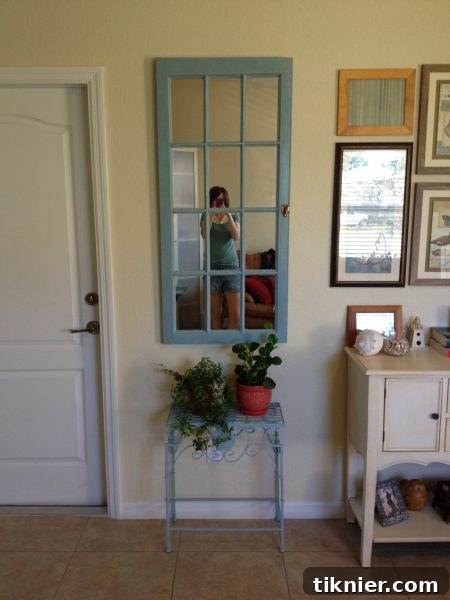
To achieve the exact shade I envisioned, I embarked on a little paint alchemy. I mixed 1 part ASCP Aubusson Blue with 4 parts ASCP Old White. Aubusson Blue is a deep, sophisticated blue, while Old White is a soft, warm white. The combination was nothing short of amazing – a stunning, muted blue with subtle gray undertones that perfectly mimicked the gentle ebb and flow of ocean waves and the soft expanse of a cloudy sky. This custom blend wasn’t just a color; it was the embodiment of the beachy serenity I sought to create. Its unique character made it suitable for multiple items, helping to unify the entire room’s aesthetic.
A Unified Aesthetic: More Than Just a Mirror
The beauty of creating a custom paint color is the opportunity it presents to weave a cohesive narrative throughout a space. Knowing I had this perfect shade, I decided to extend its application beyond just the window mirror. This allowed me to create a truly unified and curated look for the front room, ensuring every element spoke the same design language.
Alongside the window mirror, I also applied this custom blue blend to two other fantastic thrift store finds. First, a vintage window shutter, which I had scored for an incredible $7, also received a fresh coat of this coastal blue. Its slatted design and distressed finish further amplified the beach house feel. Second, a charming metal table, which I had previously made over but now wanted to integrate more fully into the beachy theme, was also given this beautiful new hue. The transformation of these pieces was remarkable, and seeing them together, all prettied up in their matching custom paint, was incredibly satisfying. They truly look great together, contributing significantly to the desired atmosphere of the room.
Step-by-Step: Bringing the Window Mirror to Life
The process of transforming the window mirror was a labor of love, meticulous yet incredibly rewarding. Here’s a detailed breakdown of the steps I took to achieve its beautifully aged and coastal-inspired look:
1. Preparation: Setting the Stage for Transformation
- Remove Hardware: The first crucial step was to carefully remove any existing hardware. On the right side of my window mirror, there was a small, ornate knob. Removing it ensured an even paint application and allowed me to clean the surface thoroughly. Always store hardware in a safe place so it doesn’t get lost!
- Clean the Surface: Before any paint touches the surface, it’s essential to give the entire piece a good cleaning. A simple wipe down with a damp cloth and mild soap (if necessary) to remove dust, grime, and any residues will ensure optimal paint adhesion. Let it dry completely.
2. Painting: Laying Down the Custom Hue
- First Coat of Custom Paint: Using my custom blend of 1 part ASCP Aubusson Blue with 4 parts ASCP Old White, I applied a thin, even first coat across the entire frame of the window mirror. Chalk paint dries relatively quickly, so I worked efficiently, ensuring full coverage without overloading the brush.
- Second Coat of Custom Paint: After allowing the first coat to dry completely (usually about an hour or two), I applied a second thin coat. This ensured rich, opaque color saturation and provided a solid base for the distressing techniques to come. Two thin coats are always better than one thick, gloopy coat, as it prevents drips and ensures a smoother finish.
3. Distressing: Adding Character and Age
- Initial Distressing: Once the paint was thoroughly dry, I began the distressing process. This step is where the character truly starts to emerge. Using fine-grit sandpaper (120-220 grit) or even a damp cloth for a softer, ‘wet distressing’ effect, I gently sanded back the paint on areas where natural wear and tear would typically occur. This included edges, raised details, and corners. The goal isn’t to remove all the paint, but to reveal hints of the original finish beneath, creating a beautifully aged and weathered appearance.
4. Sealing with Clear Wax (First Layer)
- One Light Coat of ASCP Clear Wax: After distressing, it’s crucial to seal the paint to protect it. I applied a light, even coat of Annie Sloan Clear Soft Wax using a dedicated wax brush. The clear wax provides durability and creates a beautiful matte finish. Work in small sections, applying the wax and then immediately wiping away any excess with a lint-free cloth. This layer acts as a barrier, preparing the surface for the dark wax and preventing it from staining the paint.
5. More Distressing: Enhancing the Aged Look
- A Little More Distressing: Once the clear wax had cured slightly (usually within 15-20 minutes), I went back in for a bit more targeted distressing. The clear wax makes the paint slightly more resistant, allowing for a subtler distressing effect. This secondary distressing helps to emphasize certain areas and creates a multi-layered, authentic aged look, giving the piece even more depth and history.
6. Antiquing with Dark Wax
- One Light Coat of ASCP Dark Wax: To truly achieve that antique, weathered, and enhanced distressed look, I applied a light coat of Annie Sloan Dark Soft Wax. Dark wax settles into crevices, brushed-away paint areas, and carved details, instantly adding age and depth. Apply sparingly, working in small sections, and immediately wipe back the excess with a clean, lint-free cloth. If you apply too much, you can always use clear wax on a cloth to “erase” or lighten the dark wax. This step truly brought out the nuances of the distressing and deepened the overall color.
7. Final Sealing: Long-lasting Protection
- Another Light Coat of ASCP Clear Wax: To fully seal the dark wax and provide maximum protection and durability, I applied a final light coat of clear wax over the entire piece. This also helps to blend the dark wax seamlessly and ensures a smooth, protected finish that will withstand daily use. Allow ample time for the wax to cure completely (typically a few weeks for full hardness).
8. Reinstalling Hardware
- Reattach Hardware: With all the painting and waxing complete and cured, I carefully reattached the original knob to the window mirror. This final touch restored its functionality and completed the authentic, vintage aesthetic.
Secure Installation: Prioritizing Safety and Stability
When hanging any decorative item, especially one as substantial as an old window pane mirror, security is paramount. While this specific window mirror doesn’t weigh an exorbitant amount, it is certainly heavy enough to warrant careful consideration regarding its installation. My priority was to ensure it was held securely and safely in place, providing peace of mind and preventing any potential accidents.
To achieve this, I chose a robust hanging method. First, I attached a sturdy hook to the back of the mirror frame, ensuring it was centered and firmly screwed into the wood. For the wall attachment, I opted for a heavy-duty drywall bolt. These specialized anchors are designed to hold significant weight, with the particular one I used capable of supporting up to 143 lbs. While the mirror weighed nowhere near that, choosing an anchor with a generous weight capacity provided an extra layer of reassurance. Proper measuring and leveling were also crucial steps to ensure the mirror hung straight and was aesthetically pleasing within the room. This meticulous approach to hanging ensures the beauty of the piece is enjoyed without any concerns about stability.
The Grand Reveal: A Serene Coastal Haven
The transformation of the front room, anchored by this magnificent upcycled window mirror, has been truly remarkable. This space, once somewhat undefined, now exudes the serene and relaxing beachy feeling I had always envisioned. The custom blue of the mirror, the shutter, and the metal table ties everything together, creating a harmonious and inviting atmosphere that feels like a breath of fresh, sea air.
The mirror is now prominently located in our front room, serving as a focal point that reflects light and makes the space feel larger and brighter. Its distressed finish and the gentle blue hue complement the natural textures and soft tones I’ve incorporated into the room – think woven baskets, light linen fabrics, and subtle nautical accents. It’s a space where one can truly unwind, read a book, or simply enjoy the tranquility. Each element, especially the upcycled pieces, tells a story and contributes to the room’s unique character. The entire experience, from the thrill of the thrift store hunt to the final styling, underscores the profound satisfaction of transforming overlooked items into cherished parts of our home.
The Enduring Joy of Upcycling and Personalized Decor
This DIY window mirror project is more than just a decorative piece; it’s a testament to the power of imagination, the joy of creating, and the sustainability of upcycling. In a world often dominated by mass-produced items, there’s immense satisfaction in giving an old object a new lease on life, imbuing it with personality and history that no new purchase could ever replicate. It’s budget-friendly, environmentally conscious, and deeply personal.
My journey with this $15 thrift store find not only resulted in a stunning piece of decor but also provided a catalyst for redesigning an entire room to reflect a specific mood and aesthetic. It encourages me, and hopefully inspires you, to look beyond the surface of old items, to see the potential in what others might discard, and to embrace the creative process of making a house truly feel like a home. So, next time you visit a thrift store or come across an old, forgotten item, pause and imagine its possibilities. You might just find your next amazing project waiting to be transformed into a cherished treasure.