There’s a special kind of comfort that only homemade bread can bring, and for me, it’s been far too long since I shared a new bread recipe. What better time than now to dive back into the wonderful world of baking? Few things rival the aroma of freshly baked bread wafting through your home, transforming an ordinary day into something truly extraordinary. It’s an experience that awakens the senses and promises a reward far beyond the simple act of eating.
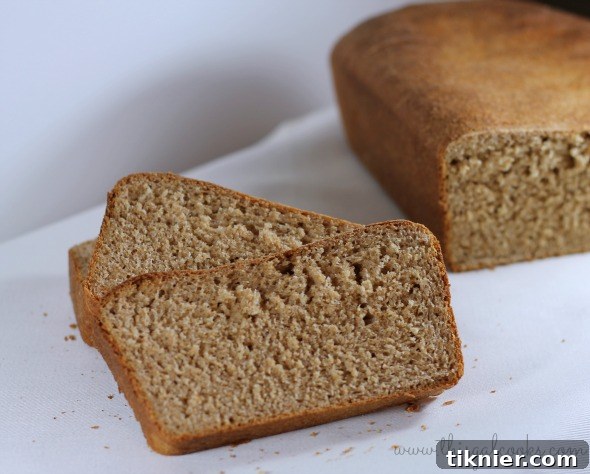
A few months ago, a significant upgrade arrived in my kitchen: a trusty KitchenAid stand mixer. This wasn’t just any appliance purchase; it was a game-changer motivated by a desire to master homemade breads and pizza dough without the intensive labor of hand kneading. While some might call it lazy, I prefer to think of it as smart baking! If a tool can save me precious time and energy, allowing me to bake more frequently and with greater joy, then I’m all for it. The mixer has truly revolutionized my approach to dough, opening up a world of possibilities I once found daunting.
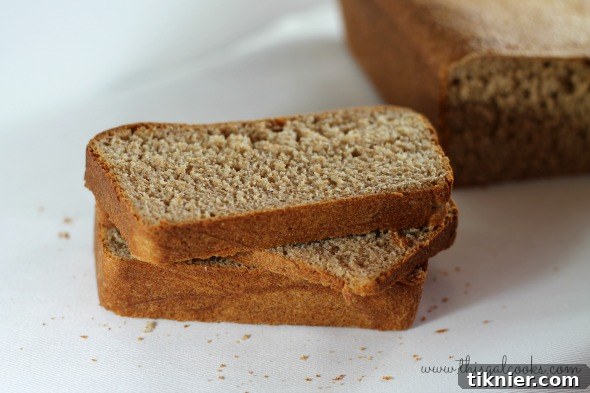
Since then, I’ve embarked on various bread experiments, exploring different flours and techniques. Many of those successful ventures are linked below for you to discover. Today, however, I’m excited to share a specific recipe that came straight from my KitchenAid mixer cookbook: a wholesome 100% whole wheat bread. This loaf, while undeniably delicious and packed with flavor, presented a common challenge often associated with whole wheat baking: it was quite dense. This isn’t uncommon feedback I’ve heard from many home bakers striving for that perfect whole wheat texture. But every baking attempt is a learning opportunity, and I’m already planning future experiments to tackle this density head-on. In the meantime, I truly hope you enjoy this recipe and the journey of baking your own hearty loaf.
 Crafting Your Own 100% Whole Wheat Bread: A Wholesome Recipe
 Crafting Your Own 100% Whole Wheat Bread: A Wholesome Recipe
Why Choose 100% Whole Wheat? The Nutritional Powerhouse
Opting for 100% whole wheat bread isn’t just a trend; it’s a choice for enhanced nutrition and robust flavor. Unlike refined white flour, whole wheat flour retains the entire grain kernel—the bran, germ, and endosperm. This means you’re getting a bread rich in dietary fiber, essential vitamins (like B vitamins), and crucial minerals (such as iron, magnesium, and selenium). The high fiber content aids digestion, promotes satiety, and contributes to better blood sugar control, making it an excellent staple for a balanced diet. Plus, the earthy, nutty flavor of whole wheat adds a depth that white bread simply can’t match, elevating everything from a simple sandwich to a gourmet toast.
Tackling the Density: Tips for Lighter Whole Wheat Loaves
One of the most frequent comments about 100% whole wheat bread, as I experienced with this recipe, is its tendency to be denser than white bread. This is primarily due to the bran and germ particles in whole wheat flour. These particles have sharp edges that can cut the delicate gluten strands, making it harder for the dough to develop the strong, elastic network needed to trap gases and create a light, airy crumb. Furthermore, whole wheat flour absorbs more liquid than white flour, which can also contribute to a heavier texture if not properly hydrated.
While this recipe provides a solid, hearty loaf, future experiments might explore a few tricks to achieve a lighter crumb. One approach is to increase hydration slightly, as whole wheat flour can often handle more water than you think, which helps soften the bran. Another consideration is the kneading technique and duration; ensuring optimal gluten development without overworking the dough is key. Sometimes, a combination of whole wheat and bread flour can offer a compromise, but for a true 100% whole wheat loaf, understanding these nuances is crucial. Don’t be discouraged by a dense loaf; embrace it as a learning step on your baking journey. Every baker knows that perfection in bread-making comes with practice and keen observation.
The Stand Mixer Advantage: Effortless Dough Making
My KitchenAid stand mixer has been an absolute revelation for bread making, especially when it comes to heavier doughs like this 100% whole wheat recipe. Before acquiring it, the thought of kneading a stiff, fibrous whole wheat dough by hand for 8-10 minutes was enough to deter me from baking bread regularly. The stand mixer, with its powerful motor and specialized dough hook attachment, takes all the arduous work out of the process. It consistently kneads the dough to the perfect elasticity, ensuring optimal gluten development without any strain on your wrists or arms. This convenience means I can enjoy the therapeutic process of baking without the physical exhaustion, making homemade bread a regular, joyful activity rather than an occasional, laborious task. If you’re serious about baking bread, particularly whole grain varieties, a stand mixer is an invaluable investment that pays dividends in both convenience and consistency.
Recipe: Hearty 100% Whole Wheat Bread
12 Servings (2 Loaves)
3 hours
30-40 minutes
3 hours 30 minutes – 4 hours
A wholesome and rustic whole wheat bread recipe, adapted for easy preparation with a KitchenAid stand mixer. Perfect for sandwiches or toast!
Ingredients
- 2 cups warm water (approx. 115°F / 46°C)
- 5-6 cups 100% whole wheat flour
- ½ cup + 1 tablespoon brown sugar (divided)
- ⅓ cup vegetable oil
- 2 teaspoons salt
- 2 packages (approx. 4½ teaspoons) dry active yeast
- ¾ cup dry milk powder
Instructions
- In the bowl of your stand mixer, combine the warm water, 1 tablespoon of brown sugar, and the dry active yeast. Stir gently and allow the mixture to sit for 5-10 minutes until it becomes foamy. This indicates the yeast is active and ready to work.
- While the yeast is activating, in a separate bowl, whisk together 4 cups of the whole wheat flour, the remaining ½ cup brown sugar, the powdered dry milk, and the salt. Add this dry mixture to the foamy yeast mixture in the stand mixer bowl. Attach the flat beater attachment and mix on low speed until just combined. Next, add the vegetable oil and beat for another 30 seconds until thoroughly incorporated.
- Remove the flat beater attachment and replace it with the dough hook. Begin kneading on speed 2 (medium-low) for 8-10 minutes. Gradually add more whole wheat flour, one tablespoon at a time, until the dough is elastic in consistency and no longer sticks excessively to the sides of the bowl. The dough should be soft but manageable.
- Lightly grease a large bowl with a little vegetable oil. Transfer the dough ball into the oiled bowl, turning it once or twice to ensure the entire surface is coated with a thin layer of oil. This prevents the dough from drying out during rising.
- Cover the bowl tightly with plastic wrap or a clean kitchen towel. Place it in a warm, draft-free spot and let the dough rise for 1 to 2 hours, or until it has visibly doubled in size. The rising time can vary depending on the warmth of your kitchen.
- Once doubled, gently punch down the dough to release the air. Transfer it to a lightly floured surface and divide the dough in half. Shape each half into a neat loaf, tucking the edges under to create a smooth top.
- Generously grease two standard loaf pans (approximately 9×5 inches). Carefully place one shaped dough half into each greased loaf pan. Cover the pans again and let the loaves rise in a warm spot for another 30-60 minutes, or until they have nearly doubled in size again and crown slightly over the top of the pans.
- Preheat your oven to 350°F (175°C). Once preheated and the loaves have risen, bake them for 30-40 minutes, or until the tops are golden brown and the internal temperature reaches 200-210°F (93-99°C) when tested with an instant-read thermometer.
- Carefully remove the loaves from the oven and immediately transfer them from the pans to a wire cooling rack. Allow them to cool completely before slicing to ensure the best texture and prevent a gummy interior.
Tips for Perfecting Your Whole Wheat Loaf
- Yeast Activation: Ensure your water is the correct temperature (110-115°F or 43-46°C). Water that’s too hot will kill the yeast, while water that’s too cold won’t activate it. The foamy top is your green light!
- Flour Measurement: Measure your flour by lightly spooning it into a measuring cup and then leveling it off with a straight edge. Scooping directly can compact the flour, leading to too much flour and a dry, dense dough.
- Kneading is Key: Don’t skimp on kneading time. The dough hook is doing the hard work of developing gluten, which is essential for structure, even in whole wheat bread. Look for an elastic texture that springs back when gently poked.
- Proofing Environment: A warm, draft-free place is crucial for rising. You can create one by placing the covered bowl in an oven that’s turned off with just the light on, or in a microwave (also turned off) with a cup of hot water.
- Don’t Over-Rise: While rising is important, over-proofed dough can collapse in the oven. Aim for doubled in size, not excessively puffy.
- Cool Completely: Resist the urge to slice into your fresh bread immediately. Whole wheat bread benefits greatly from cooling completely on a wire rack. This allows the internal structure to set and prevents a gummy texture.
Serving Suggestions: Enjoying Your Homemade Creation
Once your beautiful 100% whole wheat bread has cooled, the possibilities are endless! Its hearty texture and rich flavor make it incredibly versatile. Enjoy thick slices simply toasted with butter and jam for a classic breakfast. Create wholesome sandwiches packed with your favorite fillings for lunch, knowing the bread will hold up perfectly. It also pairs wonderfully with soups and stews, ideal for dipping and soaking up savory broths. For a quick snack, slice it thin, toast until crispy, and top with avocado or hummus. This bread is not just food; it’s a foundation for countless delicious meals.
Explore More Homemade Bread Delights: Other Recipes You Might Love
If you enjoyed baking this whole wheat bread, you’ll be thrilled to discover other fantastic recipes from my kitchen. Each offers a unique flavor and texture, proving that homemade bread is always the best bread. Expanding your repertoire is a rewarding experience, and these recipes are perfect next steps on your baking journey.
Effortless & Delicious Easy White Bread
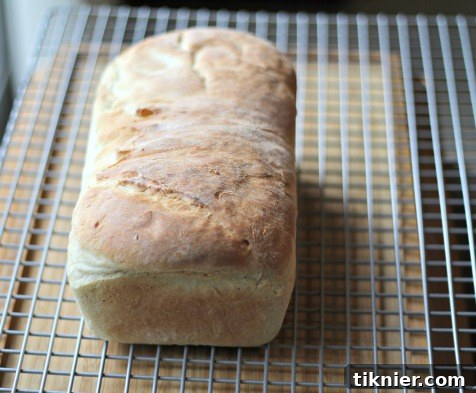
Craving a lighter, softer loaf? My Easy White Bread recipe is designed for simplicity and delivers a wonderfully airy texture. It’s the perfect starting point for beginner bakers or anyone looking for a no-fuss, classic white bread that’s far superior to anything from a grocery store. This recipe proves that homemade white bread doesn’t have to be complicated to be utterly delicious and satisfying for the whole family. Give it a try for your next batch of sandwiches or morning toast!
Hearty & Nutritious Whole Grain Bread
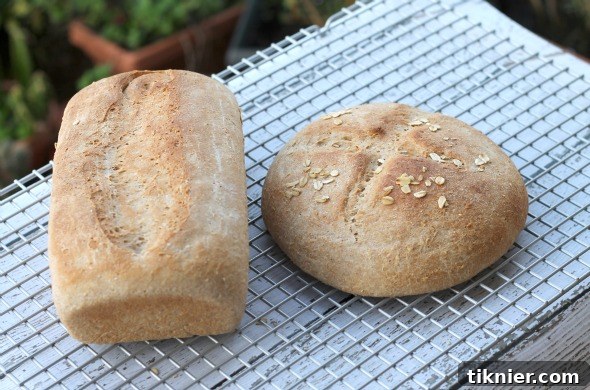
For those who love the health benefits of whole grains but seek a slightly different texture or flavor profile than pure whole wheat, my Whole Grain Bread recipe is an excellent choice. This recipe often incorporates a blend of various whole grains, adding complexity, fiber, and a delightful chewiness. It’s a fantastic way to introduce more diverse nutrients into your diet while enjoying the satisfying experience of baking from scratch. Expect a loaf that’s robust, flavorful, and incredibly wholesome – perfect for a substantial breakfast or a healthy lunch.
Sweet & Fluffy Honey Butter Dinner Rolls
No meal is complete without a side of warm, soft dinner rolls, and my Honey Butter Dinner Rolls are truly irresistible. These rolls are known for their incredibly fluffy texture and a subtle sweetness that comes from honey, perfectly complemented by a rich buttery finish. They are ideal for holiday gatherings, Sunday dinners, or simply as a comforting accompaniment to any meal. Light, tender, and infused with a hint of sweetness, these rolls are guaranteed to be a crowd-pleaser and disappear quickly from any table. Master these, and you’ll always have the perfect addition to your family meals.