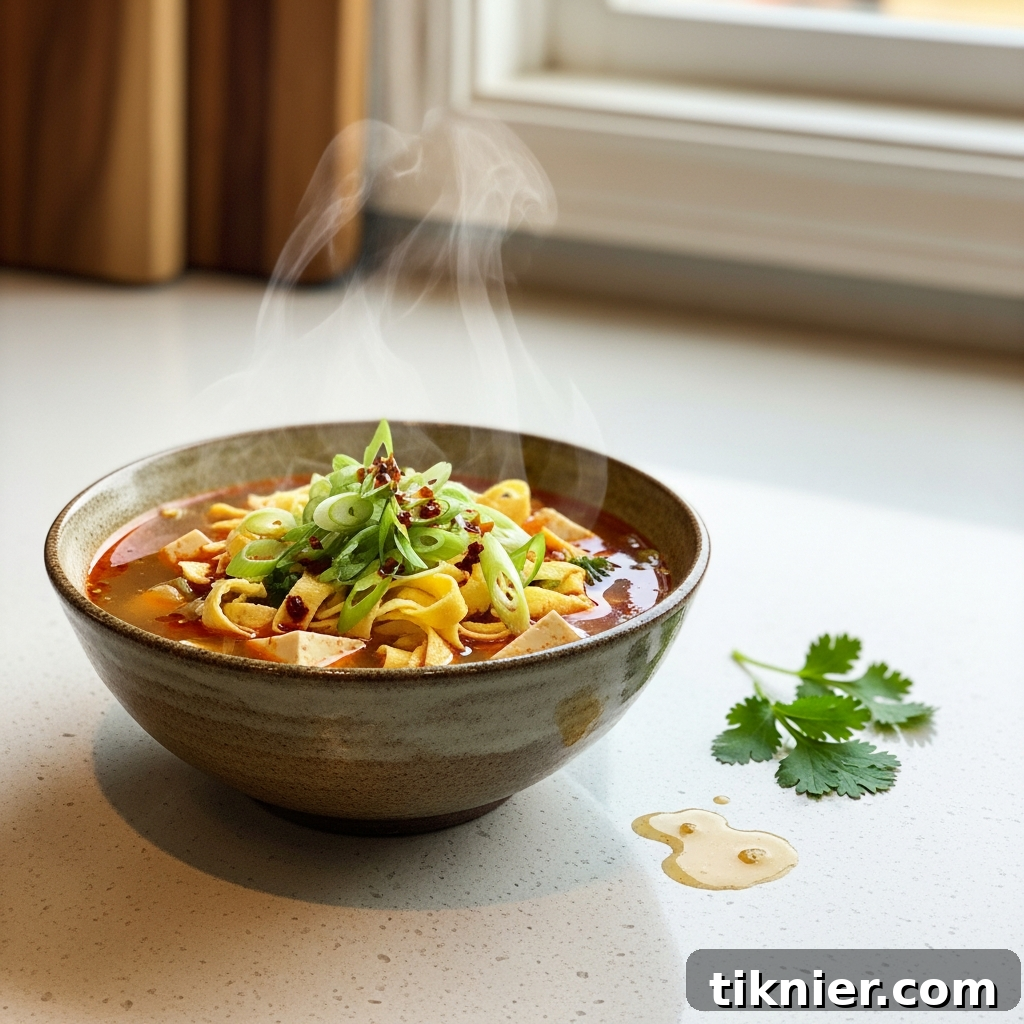
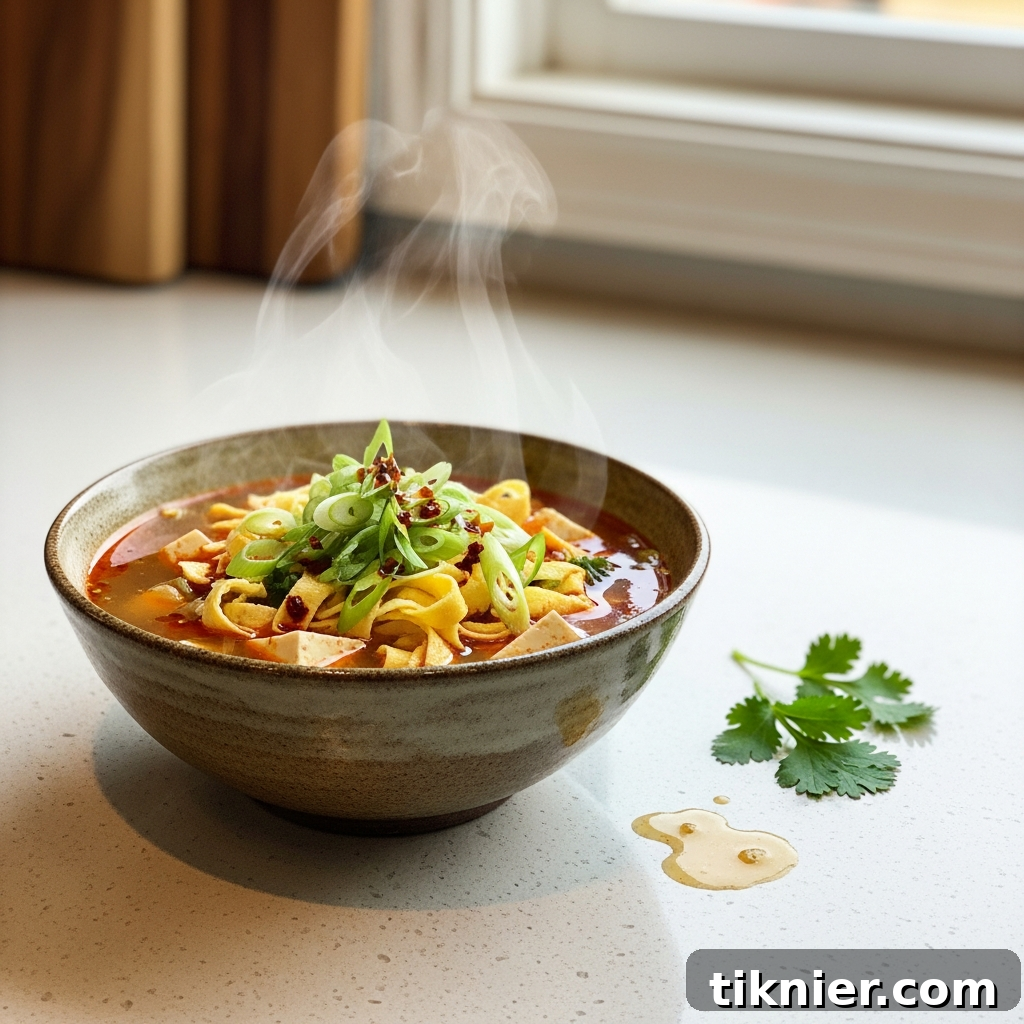
There are certain meals that etch themselves into your memory, becoming benchmarks against which all subsequent experiences are measured. For me, that meal was my very first authentic bowl of hot and sour soup. It was a cold, dreary Tuesday, the kind of day that demands warmth and comfort from the inside out. My husband and I stumbled into a cozy, family-run Chinese restaurant, and the moment that steaming bowl arrived, its intricate aroma alone promised solace. It was a revelation: a symphony of tangy, spicy, and savory notes that instantly uplifted my spirits. From that day on, I was captivated, determined to master this classic Chinese comfort food in my own kitchen.
For years, I perfected a truly delicious version of the traditional hot and sour soup, achieving a balance that brought that restaurant experience home. But as any passionate cook knows, the quest for culinary excellence never truly ends. My journey took an unexpected turn during a vibrant food festival. There, I encountered a dish featuring Sichuan peppercorns, and it was unlike anything I had ever tasted. It wasn’t just heat; it was an extraordinary, electrifying tingle that danced across my palate, awakening every taste bud. A culinary epiphany struck me then and there.
I rushed home, my mind buzzing with inspiration. What if I could infuse my beloved hot and sour soup with that distinctive, mouth-watering tingle? The first attempt was nothing short of miraculous. The addition of toasted and freshly ground Sichuan peppercorns didn’t merely layer on another spice; it transmuted the entire dish. It offered the familiar, soul-satisfying comfort I adored, but with an exhilarating, almost electric buzz that made every spoonful an unforgettable adventure. This, my friends, is that very recipe – my carefully guarded secret for crafting the most exceptional hot and sour soup you will ever create.
Jump Straight to My Sichuan Twist Hot and Sour Soup Recipe!
Unveiling the Magic: Why This Hot and Sour Soup Recipe Stands Out
Hot and sour soup holds a revered place in Chinese cuisine, a testament to its universally appealing flavor profile. Its exact origins are a topic of friendly debate among culinary historians, with some tracing its roots to the fiery kitchens of Sichuan province, known for its bold flavors, while others attribute it to the more subtle culinary traditions of northern China. Regardless of its precise birthplace, its enduring popularity is undeniable. At its heart, this soup is a masterful exercise in balancing contrasting elements: the profound sourness derived from rice vinegar, the invigorating heat typically from white pepper and chili, all suspended in a rich, umami-laden broth. It’s a delicate culinary tightrope walk, and when executed with precision, the result is truly spectacular.
Traditionally, the “hot” component of this classic Chinese soup has relied heavily on ground white pepper. White pepper delivers a sharp, earthy spiciness that is distinctly different from the fruity heat of black pepper. It’s the time-honored choice and undoubtedly contributes beautifully to the dish. However, my innovative twist introduces an entirely new dimension of sensation, elevating the entire experience from delicious to truly extraordinary.
The secret lies in toasted and freshly ground Sichuan peppercorns. It’s crucial to understand that these aren’t related to black peppercorns, nor are they a type of chili pepper. Instead, they are the husks of seeds from the prickly ash tree, possessing a unique and captivating power. When consumed, they create a distinctive tingly, numbing sensation on the tongue and lips, a characteristic known in Chinese cooking as “málà.” This isn’t merely a burning heat; it’s a physical, almost effervescent feeling that primes your palate, making it exquisitely receptive to the other intricate flavors woven into the soup.
By integrating this dynamic element, the familiar sourness of the vinegar appears brighter and more pronounced, the earthy depth of the shiitake mushrooms feels richer and more complex, and the savory notes of the chicken or vegetable broth become profoundly more satisfying. This single addition transforms the soup from a two-note song of “hot and sour” into a full-bodied symphony of flavor and sensation. It’s this unexpected and delightful spark that will have your dinner guests marveling and eagerly inquiring about your secret ingredient. It imbues this comforting Chinese soup with a truly unforgettable quality, making it a standout dish that consistently impresses.
Essential Ingredients for Crafting the Ultimate Sichuan Hot and Sour Soup
The inherent beauty of this hot and sour soup recipe stems from its reliance on simple, readily available ingredients that, when combined thoughtfully, culminate in a dish of remarkable complexity and profound satisfaction. While the ingredient list may initially seem comprehensive, each component plays an indispensable role in constructing the intricate layers of flavor that define this beloved soup. And, of course, the true star of our show is that distinctive twist that propels it from excellent to truly exceptional.
The quality of your ingredients undeniably makes a significant difference in the final outcome. Beginning with a superior, flavorful chicken or vegetable broth will establish a much richer and more robust base than using plain water or a diluted bouillon. For the tofu, it is imperative to select firm or extra-firm varieties. While silken tofu is delightful in many other culinary applications, its delicate structure would simply disintegrate within the simmering broth of this soup. Investing a few extra minutes to properly press the tofu is a worthwhile endeavor, as it removes excess water, allowing the tofu to absorb the savory broth more effectively and achieve a pleasing, resilient texture.
Fresh shiitake mushrooms are, in my culinary philosophy, a non-negotiable component. They contribute a wonderfully meaty texture and a deep, earthy umami flavor that simply cannot be replicated by other mushroom varieties. They add both a satisfying chew and an unparalleled depth to the soup. Now, let’s explore the full ensemble of ingredients you’ll require to embark on this culinary adventure:
- 6 cups chicken or vegetable broth: The foundation of our soup, choose a high-quality, low-sodium option.
- 8 oz firm or extra-firm tofu: Pressed to remove excess water, then cut into small, even cubes.
- 4 oz fresh shiitake mushrooms: Thinly sliced for optimal flavor release and texture.
- 1/2 cup bamboo shoots: Julienne-cut, offering a subtle crunch and earthy flavor.
- 1/4 cup rice vinegar: The primary source of our signature sour tang; adjust to your preference.
- 3 tablespoons soy sauce: For savory umami depth. Opt for low-sodium if preferred, or tamari for a gluten-free version.
- 1 tablespoon chili garlic sauce: (or to taste) Provides a direct, robust heat and aromatic garlic notes.
- 1 teaspoon ground white pepper: Essential for the traditional, earthy warmth of hot and sour soup.
- 1 tablespoon cornstarch mixed with 2 tablespoons cold water: Our slurry, crucial for thickening the soup to its characteristic velvety consistency.
- 2 large eggs: Lightly beaten, to create delicate, beautiful ribbons.
- 2 green onions: Thinly sliced, for freshness and a mild oniony bite, used for both cooking and garnish.
- 1 teaspoon sesame oil: Added at the end for its distinctive nutty aroma and flavor.
- 🌟 Twist Ingredient: 1 teaspoon toasted and ground Sichuan peppercorns: The secret weapon for that unique, mouth-tingling sensation.
- Salt to taste: Use sparingly, as soy sauce and broth contribute significant sodium.
- Optional Garnish: A drizzle of extra chili oil for more heat, fresh cilantro for herbaceous brightness.
Mastering the Craft: Step-by-Step Instructions for Your Sichuan Hot and Sour Soup
Alright, let’s ignite the stove and coax this incredible soup into a gentle simmer. I assure you, despite its complex flavor profile, this dish comes together with surprising speed. The cardinal rule for a stress-free cooking experience, particularly in Asian cuisine, is “mise en place” – a elegant French term simply meaning “everything in its place.” Before you even consider turning on the heat, gather and prepare all your ingredients: cube your tofu, meticulously slice your mushrooms, measure out all liquids and spices. This meticulous preparation ensures a smooth, enjoyable, and efficient cooking process.
For this recipe, I highly recommend employing a sturdy Dutch oven or a large, heavy-bottomed pot. Its robust construction ensures even heat distribution, preventing hot spots and allowing the soup to maintain a consistent, gentle simmer crucial for developing deep flavors. Now, let’s navigate the creation of this extraordinary soup, step by deliberate step.
Step 1: Awaken the Secret Weapon – Prepare the Sichuan Peppercorns
Our journey begins by awakening the star of our unique twist. Place the whole Sichuan peppercorns in a small, dry skillet over medium heat. Toast them gently, shaking the pan frequently, for approximately 2 to 3 minutes. The tell-tale sign of their readiness will be an incredibly fragrant aroma filling your kitchen. Exercise caution to prevent burning, which can impart a bitter taste. Once fragrant, immediately transfer them from the hot pan to a plate to cool completely. After cooling, grind them into a fine powder. A dedicated spice grinder makes this task swift and effortless, but a traditional mortar and pestle works beautifully, offering a tactile connection to the culinary process.
Step 2: Build the Foundation – Simmer Broth and Key Vegetables
In your chosen large pot or Dutch oven, pour in the 6 cups of high-quality chicken or vegetable broth. Bring the broth to a gentle simmer over medium-high heat. As soon as you observe small, consistent bubbles beginning to form, introduce the thinly sliced shiitake mushrooms and the julienned bamboo shoots. Allow these to cook gracefully in the simmering broth for approximately 5 minutes. This crucial step permits the mushrooms to soften to a tender texture and, more importantly, to generously release their wonderful earthy, umami-rich essence into the developing soup base.
Step 3: Infuse the Signature Flavors – Add the Flavor Base
Now, it’s time to meticulously construct those quintessential hot and sour flavors. Reduce the heat slightly to maintain a gentle, rolling simmer. Carefully stir in the cubed tofu, the rice vinegar for its bright, essential sour tang, the soy sauce for its profound umami depth, the chili garlic sauce for a robust, straightforward kick of heat, and the classic ground white pepper for its characteristic earthy warmth. Give all the ingredients a thorough, gentle stir to ensure they are well combined and allow the soup to return to a steady simmer.
Step 4: Achieve Perfect Consistency – Thicken the Soup
In a small, separate bowl, whisk together the cornstarch and cold water until the mixture is completely smooth, resembling a milky liquid. This is your cornstarch slurry. While continuously stirring the soup in a slow, circular motion, gradually and slowly pour the slurry into the pot. Continue to stir gently for another minute or two. You will observe the soup gradually thickening to a lovely, slightly velvety consistency, providing that characteristic body and mouthfeel that hot and sour soup is famous for. Ensure it simmers for at least a minute after thickening to cook out any raw cornstarch flavor.
Step 5: Create Delicate Silk – Form the Egg Ribbons
This is arguably the most visually satisfying and elegant part of the process. With one hand, stir the simmering soup in a slow, steady circle, creating a gentle, spiraling whirlpool in the center of the pot. With your other hand, slowly and carefully drizzle the lightly beaten eggs into the moving soup. The continuous motion will magically stretch the eggs into beautiful, delicate, feathery ribbons. As soon as you have incorporated all the beaten egg, immediately cease stirring to allow the delicate ribbons to set without breaking apart.
Step 6: The Grand Finale – Finishing Touches and Seasoning
Once the egg ribbons have formed, remove the pot from the heat. This is the moment for the grand finale. Stir in your freshly ground Sichuan peppercorns – their vibrant aroma will immediately bloom in the residual heat – along with the toasted sesame oil and the majority of your thinly sliced green onions, reserving a small amount for a fresh garnish. Give the soup one final, gentle taste and adjust the seasoning as needed. Remember that soy sauce contributes significant saltiness, so you may find that additional salt is unnecessary. Ladle the hot soup into individual bowls, garnish with the reserved fresh green onions, and if you desire an extra layer of heat and aroma, add a delicate drizzle of chili oil.
Elevating the Experience: How to Serve Your Sichuan Hot and Sour Soup
Serving this exquisite hot and sour soup is an art form in itself, entirely focused on enhancing the overall dining experience. The mere act of ladling that rich, fragrant broth into a bowl, replete with its delicate egg ribbons, hearty tofu, and earthy mushrooms, already creates a sense of anticipation and culinary delight. However, a few thoughtfully applied touches can transform it into a truly special occasion, even on the busiest of weeknights.
I find that serving this Chinese soup in wide, shallow bowls is ideal. This presentation allows the soup to cool just enough to be enjoyed comfortably while beautifully showcasing all the vibrant ingredients that float within its depths. A traditional ceramic Chinese soup spoon is an indispensable utensil, designed to capture the perfect ratio of broth to solids in every satisfying bite. Before bringing the steaming bowls to the table, ensure your garnishes are meticulously prepared and arranged. A small, inviting station featuring extra sliced green onions, a sprig of fresh cilantro, and a small bottle of high-quality chili oil empowers each diner to personalize their bowl to their exact preference, adding a delightful interactive element to the meal.
While this soup is undeniably a fulfilling meal on its own, its versatile flavor profile also makes it an excellent companion to other dishes. For a more substantial dinner spread, consider pairing it with a selection of complementary Asian-inspired plates. Here are a few of my favorite ways to serve it, each designed to create a memorable culinary experience:
- As an Elegant Starter: Serve smaller, appetizer-sized portions as the sophisticated first course of a larger Asian-inspired feast. Its vibrant flavors are a wonderful way to awaken the palate before progressing to dishes such as homemade potstickers, crispy spring rolls, or a simple, flavorful stir-fry.
- Accompanied by Crispy Wontons: For an irresistible textural contrast, I adore quickly frying wonton wrappers until they achieve a golden, shatteringly crisp perfection. These can be served elegantly on the side for dipping into the soup, or, for an immediate burst of crunch, crumbled directly over the top of the soup just before serving.
- Paired with Steamed Rice: A modest bowl of perfectly steamed jasmine rice, served on the side, is a simple yet profoundly satisfying companion. Its neutral flavor provides a wonderful canvas for the soup’s bold profile and is excellent for soaking up every last precious drop of that incredible broth.
- For a Themed Soup and Dumpling Night: Transform your dinner into a delightful themed event. Offer generous bowls of this hot and sour soup alongside a beautiful platter of steamed or pan-fried dumplings. This combination is the epitome of comfort and culinary satisfaction, a truly heartwarming meal.
Regardless of how you choose to present it, the most crucial aspect is to savor this exceptional soup while it is hot. The intricate interplay of textures and that unique, electrifying málà tingle from the Sichuan peppercorns is undeniably at its absolute peak when the soup is enjoyed fresh from the pot.
Maximizing Your Enjoyment: Storing and Reheating Leftover Sichuan Hot and Sour Soup
One of the many hidden joys of preparing a generous pot of soup is the promise of delicious leftovers for the following day. In fact, I often find that this hot and sour soup, with its complex array of flavors, tastes even more profound and integrated on day two, as the ingredients have had additional time to meld and deepen. Therefore, proper storage is paramount to ensuring that your reheated soup is every bit as delicious and satisfying as it was on the first day.
A key consideration when storing and reheating this particular soup is the delicate nature of the egg ribbons and tofu. To preserve their wonderful texture, it is essential to reheat the soup gently. It’s also worth noting that the cornstarch-thickened broth may occasionally exhibit a slight separation upon cooling, but rest assured, it will readily come back together with a gentle stir during the reheating process. This is a wonderfully forgiving soup when it comes to leftovers, which is a true blessing for those busy weeknights when a quick, comforting meal is desired.
Here is my tried-and-true method for storing and reheating this sensational Chinese soup, designed to keep it fresh, flavorful, and perfectly textured for days to come:
- Cooling Down Safely: The initial step is to allow the soup to cool down gradually at room temperature. It is never advisable to place a steaming hot pot directly into the refrigerator, as this can elevate the internal temperature of the appliance and potentially compromise the safety of other stored foods. Allow the soup to sit uncovered for approximately 30 to 45 minutes, but never for longer than two hours.
- Airtight Storage: Once sufficiently cooled, transfer the soup into a clean, airtight container. Glass containers are an excellent choice as they do not absorb odors or stain. Ensure the lid is securely fastened. Stored in this manner, the soup will maintain its quality beautifully in the refrigerator for up to 3 to 4 days.
- Reheating on the Stovetop (Recommended): The optimal method for reheating this Chinese soup is gently on the stovetop. Pour the desired portion into a small saucepan and warm it slowly over medium-low heat. Stir occasionally to ensure even heating and to reincorporate any separated broth. The goal is to heat it through until piping hot, but critically, avoid bringing the soup to a vigorous boil, as this can toughen the delicate tofu and egg ribbons.
- Reheating in the Microwave (Quick Option): If time is of the essence, the microwave can be used. Place a single serving in a microwave-safe bowl and cover it loosely (a microwave-safe plate or lid will suffice). Heat in short intervals, typically 60 seconds at a time, stirring thoroughly between each interval, until the soup reaches your desired temperature.
When you are ready to savor your reheated soup, don’t overlook the importance of refreshing the garnishes. A fresh sprinkle of vibrant green onions or a handful of aromatic cilantro can instantly revitalize the soup, making it taste as though it was just prepared, ensuring every leftover bowl is a delightful experience.
Unleashing Your Creativity: Substitutions and Variations for Your Chinese Soup
While this recipe provides a fantastic and foolproof blueprint for an exceptional hot and sour soup, one of the greatest joys of home cooking lies in the freedom to personalize a dish and make it uniquely your own. There are myriad ways to adapt this recipe to align with your specific tastes, dietary requirements, or simply to utilize ingredients you already have on hand. Do not shy away from a little culinary experimentation; often, this is precisely how new family favorites are born.
Whether your goal is to make it gluten-free, to incorporate an alternative protein, or to simply boost its vegetable content, this Chinese soup is remarkably adaptable. The fundamental flavor profile of hot, sour, and savory serves as a magnificent canvas for your culinary imagination. As you contemplate making changes, always bear in mind the delicate balance of flavors. If you introduce an element of sweetness, you might find that a touch more vinegar is needed to maintain the tang. Similarly, if you add a substantial quantity of additional vegetables, a little more broth might be required to ensure the correct consistency and flavor intensity.
Here are some of my favorite substitutions and variations, designed to spark your creativity and inspire your next hot and sour soup masterpiece:
- Crafting a Vegetarian or Vegan Delight: This is one of the easiest modifications. Simply substitute the chicken broth with a high-quality, flavorful vegetable broth. The vast majority of the other core ingredients are already plant-based. If you are preparing a fully vegan version, you would simply omit the step of adding the beaten egg ribbons. The soup will remain incredibly flavorful and satisfying, with the textures of the tofu and mushrooms providing ample substance.
- Embracing a Gluten-Free Lifestyle: The primary ingredient to scrutinize for gluten content is typically soy sauce. To render this recipe entirely gluten-free, replace the regular soy sauce with an equal quantity of tamari, a Japanese soy sauce alternative that is traditionally brewed without wheat. Coconut aminos also serve as an excellent gluten-free substitute, offering a slightly sweeter, less salty profile. Always double-check the labels of other processed ingredients, such as chili garlic sauce and your chosen broth, to ensure they are certified gluten-free, as formulations can vary by brand.
- Exploring Protein Alternatives: If tofu isn’t your preferred protein, you have several delicious alternatives. Thinly sliced pork tenderloin or chicken breast can be added to the simmering broth just before you would typically add the tofu. These lean proteins will cook through swiftly, usually within a few minutes. Pre-cooked shredded rotisserie chicken offers another quick and convenient addition, perfect for busy weeknights.
- Diversifying with Mushroom Varieties: While shiitake mushrooms are my top recommendation for their robust, earthy flavor and meaty texture, you are certainly not limited to them. Sliced cremini mushrooms (also known as baby bellas), delicate oyster mushrooms, or even rehydrated wood ear mushrooms (which add a fantastic crunchy texture) would all perform admirably and introduce different nuances to the soup.
- Enhancing with Additional Vegetables: Feel empowered to increase the vegetable content of your soup. Thinly sliced carrots, water chestnuts for a pleasant crunch, or even small pieces of baby corn would all make delicious and visually appealing additions. Incorporate these extra vegetables alongside the shiitake mushrooms and bamboo shoots to allow them ample time to cook and meld with the broth.
Sichuan Twist Hot and Sour Soup
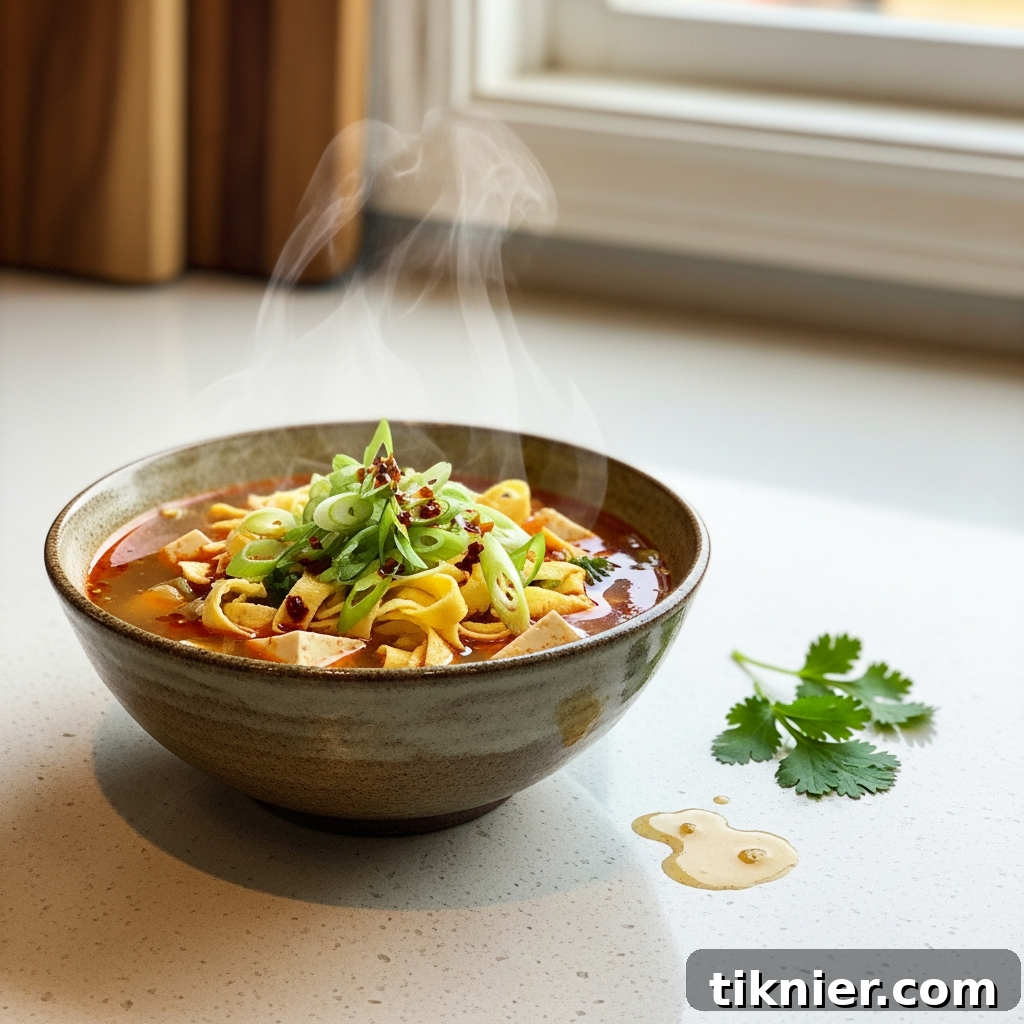
Description: This recipe elevates the classic Chinese hot and sour soup with a unique, modern twist. Toasted and freshly ground Sichuan peppercorns introduce an exhilarating, mouth-tingling sensation that magnificently complements the traditional spicy, tangy, and savory flavors, creating a truly unforgettable and impressive culinary experience.
Yield: 6 servings | Category: Soup | Cuisine: Chinese-inspired | Skill Level: Easy
Prep Time: 15 minutes | Cook Time: 20 minutes
Ingredients
- 6 cups chicken or vegetable broth (low sodium preferred)
- 8 oz firm or extra-firm tofu, pressed and cut into ½-inch cubes
- 4 oz fresh shiitake mushrooms, stems removed, thinly sliced
- ½ cup julienned bamboo shoots
- ¼ cup rice vinegar (unseasoned)
- 3 tablespoons soy sauce (or tamari for gluten-free)
- 1 tablespoon chili garlic sauce (adjust to desired spice level)
- 1 teaspoon ground white pepper
- 1 tablespoon cornstarch
- 2 tablespoons cold water
- 2 large eggs, lightly beaten
- 2 green onions, thinly sliced (divided for cooking and garnish)
- 1 teaspoon sesame oil
- 1 teaspoon whole Sichuan peppercorns, toasted and freshly ground
- Salt to taste (optional)
- Optional Garnish: extra chili oil, fresh cilantro
Instructions
- Prepare Sichuan Peppercorns: In a small, dry skillet over medium heat, toast the whole Sichuan peppercorns for 2-3 minutes until incredibly fragrant. Be careful not to burn them. Remove from heat, let cool, then grind into a fine powder using a spice grinder or mortar and pestle. Set aside.
- Simmer Broth and Vegetables: Pour broth into a large pot or Dutch oven and bring to a gentle simmer over medium-high heat. Add sliced shiitake mushrooms and julienned bamboo shoots. Cook for 5 minutes to soften and allow flavors to meld.
- Build Flavor Base: Reduce heat to maintain a gentle simmer. Stir in cubed tofu, rice vinegar, soy sauce, chili garlic sauce, and ground white pepper. Stir well to combine and let return to a simmer.
- Thicken the Soup: In a small bowl, whisk cornstarch with cold water until smooth to create a slurry. While stirring the soup continuously in a slow circle, gradually pour the slurry into the pot. Continue stirring gently for 1-2 minutes until the soup thickens to a velvety consistency. Ensure it simmers briefly to cook the cornstarch.
- Create Egg Ribbons: With one hand, stir the soup in a slow, steady whirlpool motion. With the other hand, slowly drizzle the lightly beaten eggs into the moving soup. The motion will create delicate, beautiful egg ribbons. Stop stirring once all egg is added and ribbons have formed.
- Finishing Touches and Serve: Remove the pot from heat. Stir in the freshly ground Sichuan peppercorns, sesame oil, and most of the sliced green onions (reserving some for garnish). Taste and add salt if needed (soy sauce adds significant salt). Ladle into bowls, garnish with reserved green onions and optional chili oil or fresh cilantro. Serve immediately and enjoy!
Notes
For the best texture, always press firm tofu for at least 15 minutes to remove excess water before cubing. Adjust the amount of chili garlic sauce and ground Sichuan peppercorns to precisely match your personal spice and tingle preference. This soup tastes even better the next day as flavors deepen!
Servings: 6 | Calories (Estimated): 180 kcal | Fat (Estimated): 7g | Carbohydrates (Estimated): 15g | Protein (Estimated): 12g
Your Questions Answered: 5 FAQs About Sichuan Hot and Sour Soup
Here are comprehensive and straightforward answers to the most frequently asked questions I receive about this incredible hot and sour soup recipe, offering deeper insights and practical advice.
What precisely makes this Chinese soup “hot and sour”?
The iconic name of this soup precisely reflects the two dominant, beautifully balanced flavor profiles that define its character. It’s a testament to the art of culinary harmony. The “sour” component is primarily derived from rice vinegar, which imparts a clean, bright, and invigorating tang. This acidity is crucial; it cuts through the richness of the broth, preventing the soup from feeling heavy and stimulating the palate. The amount of vinegar can be subtly adjusted to your personal preference, but its presence is absolutely non-negotiable for achieving that authentic, signature taste.
Traditionally, the “hot” element originates from ground white pepper. Unlike its black counterpart, white pepper delivers a more direct, earthy heat without the additional floral notes. In my distinctive version, we build upon this foundational warmth from white pepper, but the primary layers of spiciness come from two additional, powerful sources: chili garlic sauce provides a robust, straightforward heat, while the star, Sichuan peppercorns, introduce a unique, electrifying tingly sensation. This sophisticated combination doesn’t just create a one-dimensional heat; it cultivates a multi-layered spiciness that is far more complex, engaging, and unforgettable. It is this perfect, dynamic equilibrium between the bright, tangy vinegar and the intricate, multifaceted spice that has cemented this Chinese soup’s reputation as a famous and universally beloved dish.
What is the key distinction between Sichuan peppercorns and black peppercorns in this Chinese soup?
This is a brilliant question that delves directly into the heart of what makes my recipe truly distinctive and exceptional. While both share the intriguing name “peppercorn,” it is vital to understand that they are entirely unrelated botanically and exert completely different effects on your palate. Black peppercorns, which are a familiar staple in most kitchens, derive their characteristic sharp, pungent heat from a compound called piperine. It’s the familiar warmth and bite that we know and love, a direct and stimulating heat.
Sichuan peppercorns, conversely, belong to an entirely different plant family, specifically the citrus family. Their remarkable and almost magical effect stems from a molecule known as hydroxy-alpha-sanshool. This unique compound interacts with nerve receptors in your mouth, producing a distinct and delightful light tingling, buzzing, or even slightly numbing sensation. It is not the painful, burning heat associated with chili peppers; rather, it’s more akin to a gentle, effervescent vibration that makes your lips and tongue feel wonderfully alive and sensitized. This extraordinary sensation is known as “málà” in Chinese cuisine, which vividly translates to “numbing and spicy.” Incorporating Sichuan peppercorns into this Chinese soup doesn’t merely increase its spice level; it introduces an entirely new, captivating sensory dimension. This unique quality profoundly enhances all the other flavors, making the sour tangier, the umami deeper, and the overall experience profoundly more complex and exhilarating.
Is it possible to prepare this hot and sour soup for a vegetarian diet?
Absolutely, and I’m delighted to confirm that adapting this recipe for a vegetarian diet is incredibly straightforward. This particular recipe is inherently very close to being vegetarian already, requiring just one simple substitution to make it completely meat-free. The sole ingredient you need to adjust is the broth. Instead of using chicken broth, simply opt for a high-quality vegetable broth. I highly recommend seeking out a vegetable broth that is rich and deeply flavorful, perhaps one with a mushroom base, to ensure the soup retains a robust and savory foundation, preventing it from tasting thin or watery.
All other primary ingredients, including the firm tofu, shiitake mushrooms, bamboo shoots, rice vinegar, soy sauce, and an array of spices, are naturally plant-based. If you adhere to a fully vegan diet, you would simply omit the step where the beaten eggs are incorporated. Even without the eggs, the soup will remain wonderfully delicious and satisfying. The combined textures of the tofu and various mushrooms provide ample substance and richness, ensuring you won’t feel as though you’re missing out on anything. It’s an exceptionally satisfying and flavorful choice for a meatless meal that doesn’t compromise on taste or experience.
How can I adjust the thickness of my Chinese soup?
The consistency of hot and sour soup is ultimately a matter of personal preference, and fortunately, it is remarkably easy to adjust to your liking. The characteristic thickness and velvety texture of this soup are primarily achieved through the use of a cornstarch slurry, which is a simple mixture of cornstarch and cold water. If you have a preference for a thicker, more luxuriant soup, you can readily increase the amount of slurry you incorporate into the pot.
To achieve a thicker consistency, you could prepare an additional small slurry by whisking together an extra teaspoon of cornstarch with two teaspoons of cold water. Slowly stir this additional slurry into the simmering soup until it reaches your desired velvety consistency. Remember to allow the soup to simmer gently for at least a minute after adding the cornstarch to ensure it fully cooks and thickens, preventing any starchy aftertaste. Conversely, if you find that your soup has become thicker than you intended, you can easily thin it out by stirring in a little more broth. Begin by adding a quarter cup of extra broth, stir well, and then add more as needed until the consistency is just right. This is a very forgiving recipe, so feel free to experiment and adjust until it perfectly suits your taste and texture preferences.
Is hot and sour soup a gluten-free dish?
Authentic or traditional hot and sour soup is typically not considered gluten-free, but it can be very simply adapted to meet gluten-free dietary requirements with one key substitution. The primary source of gluten in most hot and sour soup recipes is conventional soy sauce, which is commonly brewed with wheat. Fortunately, the culinary market today offers an abundance of excellent gluten-free alternatives that integrate seamlessly into this Chinese soup.
To ensure this recipe is entirely gluten-free, simply replace the 3 tablespoons of regular soy sauce with an equal quantity of tamari. Tamari is a Japanese soy sauce variety that, while also made from fermented soybeans, is characteristically brewed without wheat, making it an ideal gluten-free alternative. It often possesses a slightly richer, less salty flavor profile than traditional Chinese soy sauce, which actually enhances the depth of this soup beautifully. Another viable gluten-free option is coconut aminos. Beyond the soy sauce, it’s always prudent to double-check the labels of any other packaged ingredients you use, such as your chili garlic sauce and broth, to confirm they are certified gluten-free, as ingredient formulations can differ significantly across various brands.
Continue Your Culinary Adventure: Explore These Next Recipes
If you’ve thoroughly enjoyed the comforting warmth, intricate flavors, and unique sensations of this Sichuan Hot and Sour Soup, I am confident you’ll appreciate these additional recipes that promise similar satisfaction and culinary delight.
- Simple Egg Drop Soup Recipe: When you crave something incredibly quick, light, and deeply comforting, this classic Egg Drop Soup is your perfect go-to. It’s savory, silky, and ready to soothe your soul in mere minutes.
- Hearty Ground Beef Ramen Recipe: For a more substantial and robust meal, this ramen is bursting with savory flavors and has the added benefit of coming together effortlessly in a single pot, making cleanup a breeze.
- Effortless Crock Pot Thai Chicken Soup: Let your slow cooker do all the heavy lifting with this incredibly fragrant, creamy, and subtly spicy Thai-inspired chicken soup. It’s perfect for a flavorful, fuss-free meal.
I sincerely hope you derive as much joy and satisfaction from preparing and tasting these recipes as my family and I do!