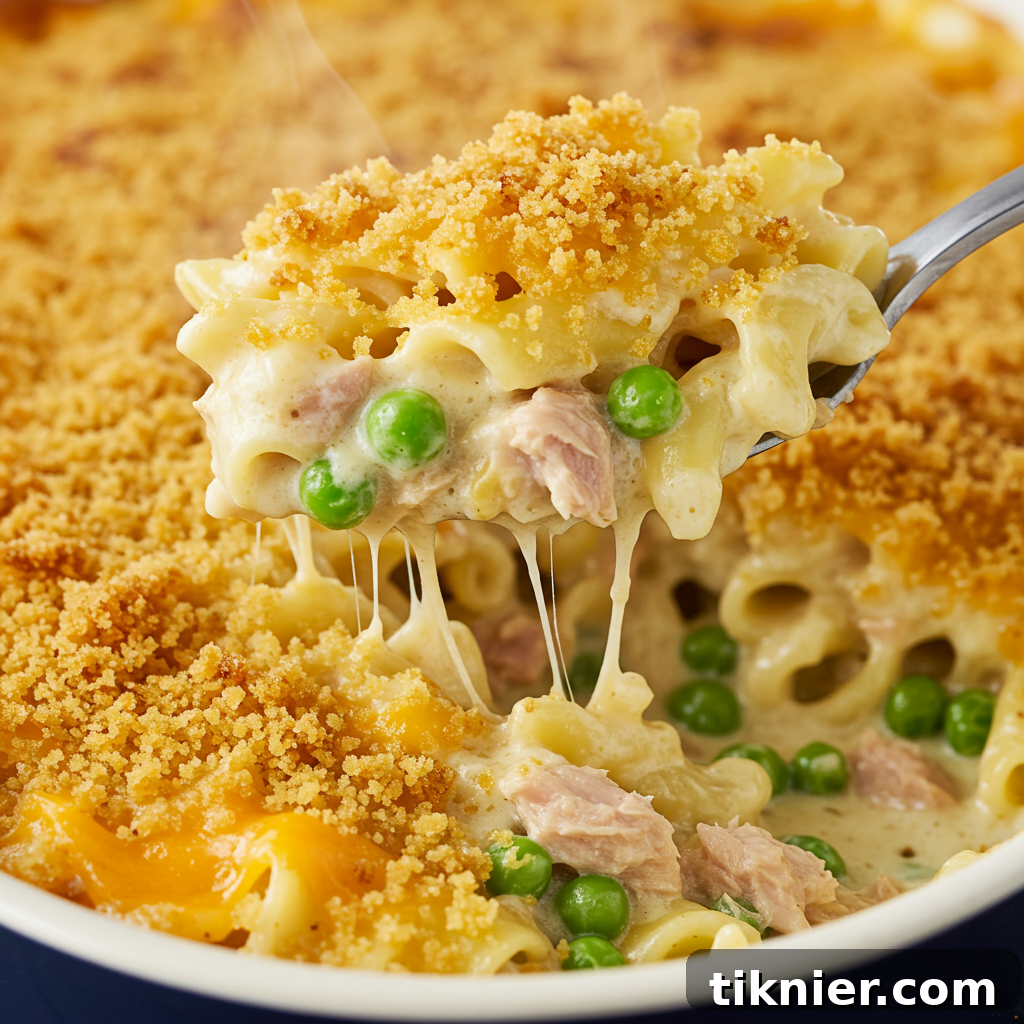
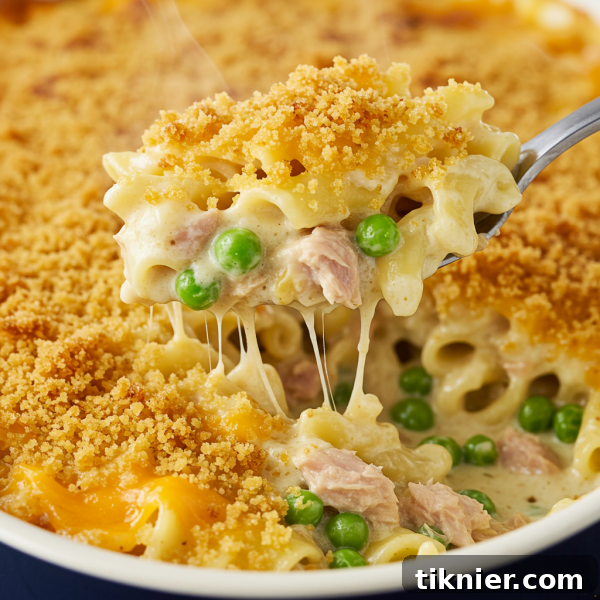
Forget everything you thought you knew about tuna casserole. This isn’t the bland, mushy, gray dish of yesteryear. This is a culinary transformation, turning a humble pantry staple into a true showstopper. For years, I approached tuna casserole with skepticism, my memories tainted by uninspired church potlucks where it was often a mere tummy-filler, devoid of true flavor or character. The idea of recreating something so unappealing in my own kitchen was simply out of the question.
However, a sudden craving and a well-stocked pantry on a dreary Tuesday forced a reconsideration. Staring at cans of tuna, a bag of egg noodles, and a block of sharp cheddar, the universe seemed to whisper, “Tuna Noodle Casserole.” But this time, I was determined to elevate it beyond its humble origins. I believed this classic comfort food held immense potential, just waiting for a touch of creativity and a whole lot of personality to unleash its deliciousness.
And so, I embarked on a mission to redefine the best tuna casserole recipe. The first crucial step was to ditch the canned soup, the traditional culprit behind many a mediocre casserole. In its place, I crafted a rich, velvety béchamel sauce from scratch, stirring in plenty of sharp cheddar for an intensely cheesy, savory base. Then came the game-changing additions: a generous spoonful of tangy Dijon mustard and a delightful shake of smoky paprika. These two ingredients cut through the richness with a vibrant zest and a subtle depth, awakening the entire dish. It was a revelation! What started as a simple pantry meal blossomed into a beloved family favorite, now requested by name – a truly creamy, flavorful, and incredibly satisfying homemade tuna casserole.
Skip to My Special Recipe!
Why This Tuna Casserole Recipe Reigns Supreme
Tuna casserole is more than just a dish; it’s an iconic American comfort food, a cherished staple that has graced family dinner tables and potluck buffets for generations. Its history dates back to the mid-20th century, a time when convenient, affordable, and nourishing meals were paramount for busy home cooks. Canned tuna, cream of mushroom soup, and pasta became the go-to ingredients for creating quick, shelf-stable, and budget-friendly dinners across the country.
While convenience was its birthright, its enduring popularity stems from its unparalleled comforting nature. There’s something inherently satisfying about a warm, creamy, and cheesy pasta dish, especially on a chilly evening. It evokes nostalgia, reminding many of simpler times, childhood memories, and treasured family meals shared around the table. It’s the culinary equivalent of a warm hug.
This particular homemade tuna casserole recipe not only honors that comforting tradition but significantly elevates its flavor profile. We move beyond merely opening cans; we meticulously build layers of taste from the ground up. The foundation of this transformation is a simple yet exquisite homemade cream sauce. By crafting it ourselves, we gain complete control over the ingredients, eliminating the often overly processed taste and high sodium content found in canned soups. The result is a richer, silkier, and far more flavorful sauce that serves as the perfect backdrop for our carefully selected additions.
The true secret to its success, as I discovered through delicious experimentation, lies in the dynamic duo of Dijon mustard and smoked paprika. The Dijon introduces a bright, tangy zest that brilliantly counteracts the richness of the creamy sauce and sharp cheddar, ensuring the dish remains vibrant and never heavy. Meanwhile, the smoked paprika infuses a subtle, irresistible depth, beautifully complementing the tuna. This sophisticated touch distinguishes our casserole from any other, transforming it into a gourmet experience. And to crown it all, a generous topping of crunchy Panko breadcrumbs (rather than soggy crackers) provides that essential textural contrast, making every bite a delightful combination of creamy, savory, and perfectly crispy.
Essential Ingredients for the Perfect Tuna Casserole
The magic of this easy tuna casserole recipe lies in using simple, high-quality ingredients to construct truly extraordinary flavor. While a basic tuna casserole can be made with minimal effort, paying attention to the specific types of tuna and cheese will undoubtedly elevate your final dish. And, of course, don’t even think about skipping the secret ingredients that impart that special, unforgettable pop!
- Wide Egg Noodles: 12 ounces. Cook them al dente, following package instructions but reducing the cooking time by 1-2 minutes. They will finish cooking to perfection in the oven, ensuring a pleasant bite.
- Unsalted Butter: 1/4 cup for the creamy sauce, plus an additional 2 tablespoons, melted, for our superior Panko topping.
- All-Purpose Flour: 1/4 cup. This is the crucial thickener for our luxurious, from-scratch cream sauce, creating a smooth and luscious texture.
- Whole Milk: 2 cups. For the ultimate richness and creaminess, whole milk is indispensable. While 2% milk can be used, it won’t yield quite the same luxurious consistency.
- Low-Sodium Chicken Broth: 1/2 cup. Adding chicken broth introduces an extra layer of savory depth to the sauce that milk alone simply cannot provide, enhancing the overall umami.
- Sharp Cheddar Cheese: 2 cups, freshly shredded from a block. This step is non-negotiable! Pre-shredded cheeses often contain starches and anti-caking agents that hinder smooth melting. Freshly shredded sharp cheddar offers unparalleled flavor and a wonderfully smooth melt.
- Frozen Peas: 1 cup. A classic addition that brings a pop of color and sweetness. No need to thaw them; they cook perfectly within the casserole.
- Solid White Albacore Tuna (in oil): Two 5-ounce cans, thoroughly drained. Opting for tuna packed in oil makes a significant difference in flavor and texture. It’s richer, more succulent, and boasts a much firmer, flakier consistency compared to water-packed tuna.
- Dijon Mustard: 1 tablespoon. Our first key secret ingredient! It provides a bright, zesty tang that masterfully cuts through the richness of the cheese sauce, balancing the flavors beautifully.
- Smoked Paprika: 1 teaspoon. Our second secret weapon. The deep, smoky notes are absolutely divine, harmonizing exquisitely with the tuna and cheddar.
- Salt and Black Pepper: 1/2 teaspoon of each, or adjusted to your personal taste preference. Season generously!
- Panko Breadcrumbs: 3/4 cup. These Japanese-style breadcrumbs are lighter, coarser, and create a far crispier, golden-brown topping than regular breadcrumbs, elevating the textural experience.
Step-by-Step Instructions For Crafting the Best Tuna Casserole
Bringing this incredible creamy tuna casserole to life is a surprisingly straightforward process. The most important step is creating the sauce from scratch, but please don’t be intimidated – it’s much simpler than it sounds! Just follow these easy steps, and you’ll soon have a perfectly bubbly, golden-brown tuna casserole ready for your oven in no time.
- Prepare Your Workspace and Noodles: Begin by preheating your oven to a precise 375°F (190°C). While the oven heats, lightly grease a 9×13 inch baking dish to prevent sticking. Next, cook your wide egg noodles according to the package directions, but remember to aim for al dente. This typically means cooking them 1-2 minutes less than the recommended time. They will continue to cook and absorb flavor as the casserole bakes. Once cooked, drain the noodles thoroughly and set them aside.
- Craft the Silky Cream Sauce (Roux): In a large, heavy-bottomed pot or a sturdy Dutch oven, melt 1/4 cup of unsalted butter over medium heat. As soon as the butter is melted and begins to bubble gently, whisk in the 1/4 cup of all-purpose flour. Continue whisking constantly for approximately one minute. This crucial step cooks out the raw flour taste, ensuring a smooth and delicious sauce.
- Build the Béchamel Base: While still whisking vigorously, slowly pour in the 2 cups of whole milk and the 1/2 cup of low-sodium chicken broth. Continuous whisking is key here to prevent any lumps from forming, ensuring a perfectly smooth sauce. Continue to cook over medium heat, stirring frequently, until the sauce thickens sufficiently to generously coat the back of a spoon. This process typically takes about 5 to 7 minutes.
- Infuse the Signature Flavor: Once your béchamel has reached the desired consistency, remove the pot from the heat. Now, stir in the 1 tablespoon of tangy Dijon mustard, the 1 teaspoon of aromatic smoked paprika, and your measured salt and black pepper. Taste and adjust seasonings if necessary. Then, gradually incorporate the 2 cups of freshly shredded sharp cheddar cheese, stirring until it is completely melted and beautifully integrated, creating a rich and smooth cheese sauce. This is where the magic truly begins!
- Combine All Components: Return to the pot containing your glorious cheese sauce. Add the drained, al dente cooked noodles, the 1 cup of vibrant frozen peas, and the two thoroughly drained cans of solid white albacore tuna. Using a spatula or large spoon, gently fold everything together. Ensure that the noodles, tuna, and peas are evenly coated in that luscious, savory sauce.
- Assemble and Top for Perfection: Carefully pour the entire mixture into your previously prepared 9×13 inch baking dish. Spread it out into an even, level layer. In a small separate bowl, combine the 3/4 cup of Panko breadcrumbs with the 2 tablespoons of melted butter. Toss them together until the breadcrumbs are lightly and uniformly coated. Sprinkle this buttery Panko mixture generously and evenly over the top of the casserole, creating a future golden, crispy crust.
- Bake to Golden Perfection: Place the assembled casserole into your preheated oven. Bake for approximately 20 to 25 minutes, or until the creamy sauce is visibly bubbly around the edges of the dish and the Panko topping has achieved a beautiful, golden-brown hue and irresistible crispness. Once out of the oven, allow the casserole to rest for 5-10 minutes before serving. This brief resting period is important as it allows the sauce to set slightly, making for easier and cleaner serving.
How To Serve Your Delectable Tuna Casserole
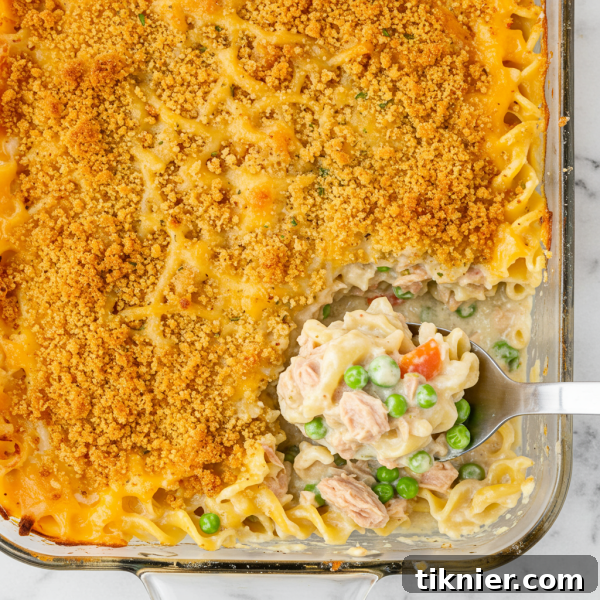
As that magnificent, golden-brown tuna casserole emerges from the oven, its rich, comforting aroma will undoubtedly fill your entire home. The waiting period, allowing it to rest for a few minutes, is arguably the hardest part, but it’s essential for the sauce to settle and prevent a runny dish. Once ready, you can simply scoop generous portions onto plates; this dish is hearty enough to be a complete, all-in-one meal, offering protein, starch, and vegetables in perfect harmony.
However, if you wish to elevate the experience and create a more balanced and visually appealing dinner, this creamy tuna casserole pairs exquisitely with a variety of simple yet complementary side dishes. Given the casserole’s rich and creamy nature, I always recommend serving it with something fresh, green, and crisp. This provides a delightful contrast in both texture and flavor, cutting through the richness beautifully.
Here are a few of my favorite ways to serve this ultimate comfort food:
- A Crisp Green Salad: A simple, vibrant salad is the perfect counterpoint. Think fresh romaine lettuce, crisp cucumbers, and juicy cherry tomatoes, all tossed in a bright, zesty lemon vinaigrette. The acidity of the dressing will cleanse the palate and perfectly complement the creamy cheese sauce.
- Steamed or Roasted Vegetables: Classic choices like steamed green beans, lightly tossed with a knob of butter and a squeeze of fresh lemon juice, are always a hit. For a richer flavor profile, consider roasting broccoli florets or asparagus spears with a drizzle of olive oil, salt, and pepper until they are tender-crisp and slightly caramelized.
- Warm Garlic Bread: While the casserole already contains noodles, who can resist a slice of warm, crusty, buttery garlic bread? It’s not just delicious on its own but also absolutely perfect for sopping up any extra bits of that incredible, creamy sauce left on your plate – pure comfort food bliss.
For an ideal beverage pairing, a crisp white wine such as a Sauvignon Blanc or an unoaked Chardonnay works wonderfully to complement the richness. If you prefer a non-alcoholic option, a tall glass of sparkling water with a fresh lemon wedge is both refreshing and elegantly simple. Serving this best tuna casserole is all about embracing coziness and creating a meal that feels both special and effortlessly enjoyable.
Storing & Reusing Tuna Casserole Leftovers
One of the many joys of preparing a large pan of this incredible tuna casserole is knowing that the leftovers are often just as, if not more, delicious the following day! As the casserole rests, the flavors have additional time to meld and deepen, transforming into an even more incredibly tasty lunch or a convenient second-night dinner. Proper storage is paramount to keeping your leftovers fresh, safe, and flavorful.
To store your leftover homemade tuna casserole, first allow it to cool completely to room temperature. It’s important to avoid placing a piping hot dish directly into the refrigerator, as this can raise the internal temperature of your fridge and affect other foods. Once cooled, you have a couple of excellent options: either cover the original baking dish tightly with a double layer of plastic wrap or aluminum foil, or transfer individual portions or the entire remainder to airtight containers. When stored correctly in the refrigerator, your tuna casserole will maintain its freshness and deliciousness for 3 to 4 days.
Here are my absolute go-to methods for reheating and creatively reusing those wonderful leftovers:
- Oven Reheating (My Preferred Method): This method is fantastic because it helps restore the delightful crispiness of the Panko topping. Preheat your oven to 350°F (175°C). Place the desired portion of leftover casserole in an oven-safe dish. If the sauce appears a little dry, don’t hesitate to add a splash of milk or a tiny bit of chicken broth to help loosen it and bring back its creamy texture. Cover the dish tightly with foil and bake for 15-20 minutes, or until it’s heated thoroughly. For the final 5 minutes, remove the foil to allow the Panko topping to re-crisp and turn golden brown again.
- Microwave Reheating (Quick & Easy): For a rapid lunch or individual serving, the microwave works perfectly fine. Place a single serving onto a microwave-safe plate, cover it loosely with a microwave-safe lid or paper towel, and heat for 1-2 minutes. Stir halfway through to ensure even heating. While the topping won’t regain its original crispness, the casserole will still be wonderfully hot and delicious.
- Creative Reuse: Tuna Casserole Melts (An Absolute Favorite!): My most beloved way to repurpose leftovers is by creating these amazing Tuna Casserole Melts. Simply spoon some of the cold or room-temperature casserole mixture onto a slice of sturdy bread (sourdough or a good country loaf works incredibly well). Top it with an additional slice of melty cheese, such as Provolone or Swiss. Then, grill it in a buttered pan, just as you would a classic grilled cheese sandwich, until the bread is golden and the cheese is bubbly and melted. Trust me, it is out-of-this-world good and a brilliant way to transform leftovers into something new and exciting!
For even longer storage, tuna casserole can be frozen for up to 3 months. While the texture of the noodles and sauce might become slightly softer upon thawing and reheating, it will still provide a tasty and incredibly convenient meal to have on hand for those busy days.
Exciting Substitutions & Variations for Your Tuna Casserole
One of the most appealing aspects of a beloved classic like this tuna casserole recipe is its incredible versatility. It truly acts as a blank canvas, eagerly awaiting your personal culinary touches. Whether you need to adapt it for a dietary restriction, want to incorporate seasonal produce, or simply wish to utilize ingredients already in your pantry, there are countless easy swaps and creative additions you can make to customize your perfect dish.
Don’t be hesitant to experiment and make this recipe your own. The homemade cream sauce is remarkably forgiving and beautifully complements a wide spectrum of flavors and textures. Consider this recipe a stellar starting point, a foundation upon which you can build your family’s unique and cherished version. It’s also an excellent strategy for subtly introducing new vegetables or nuanced flavors to even the pickiest eaters, all nestled within a familiar, comforting, and cheesy package.
Here are some straightforward substitutions and exciting variations to inspire your next batch of homemade tuna casserole:
- Pasta Alternatives: While wide egg noodles are the traditional choice and provide excellent texture, you can seamlessly substitute almost any short pasta shape you happen to have. Penne, rotini, medium shells, or elbow macaroni are all fantastic alternatives that hold the creamy sauce well. For those requiring a gluten-free option, simply use your preferred brand of gluten-free pasta, cooking it according to package directions.
- Protein Diversity: If canned tuna isn’t your preferred protein, or if you simply want a change, this casserole is equally delicious with other proteins. Canned salmon (drained well) offers a richer flavor, while shredded rotisserie chicken or any leftover cooked chicken can be easily incorporated, making it a wonderful way to reduce food waste.
- Vegetable Enhancements: Our recipe features classic peas, but feel free to load up on additional vegetables to boost nutrition and flavor! Sautéed mushrooms, finely diced onions, and celery (a classic mirepoix) would add incredible aromatic depth. You could also stir in some sweet corn kernels, finely diced carrots, or even a generous handful of fresh spinach during the final mixing stage; the residual heat will wilt the spinach perfectly.
- Cheese Spectrum: While sharp cheddar is my personal go-to for its robust flavor, don’t shy away from creating a more complex cheese blend. Gruyère offers a sophisticated nutty note, while Colby or Monterey Jack would yield an extra mild and super melty texture. A sprinkle of grated Parmesan cheese alongside the Panko breadcrumbs on top would also add a delightful savory finish.
- Dietary Adjustments: For those needing a dairy-free version, this recipe is adaptable. Simply substitute your favorite unsweetened, unflavored plant-based milk (such as oat, almond, or cashew milk) for the whole milk. Pair this with a good quality dairy-free butter and a reliable shredded dairy-free cheddar substitute. The results can be surprisingly delicious!
- Topping Innovations: If Panko breadcrumbs are unavailable, don’t fret! Regular plain or seasoned breadcrumbs work well. Alternatively, crushed Ritz crackers provide a buttery, salty crunch, or for a truly unique and irresistible topping, try crushing your favorite potato chips for an extra layer of salty crispness.
5 FAQs About Our Amazing Tuna Casserole
Here are clear, concise answers to the most common questions I hear about this incredible tuna casserole recipe, designed to help you achieve perfect results every time.
Why is my tuna casserole dry?
A dry tuna casserole is a common disappointment when you’re anticipating a creamy, comforting dish. The primary culprits are usually threefold. Firstly, an imbalanced sauce-to-noodle ratio is often the issue. If there isn’t enough sauce to generously coat all the pasta and other ingredients, the noodles will absorb too much moisture during baking, leaving the casserole dry. My recipe is carefully balanced to provide ample creamy sauce, but if you add extra noodles or vegetables, you’ll need to scale up the sauce accordingly. Secondly, overcooked noodles are a major factor. It’s crucial to cook your pasta only until al dente – meaning it still has a slight bite. The noodles will continue to cook and soften in the oven. If they are already soft or mushy before baking, they’ll act like sponges, absorbing excessive amounts of sauce and resulting in a heavy, dry final product. Lastly, reheating methods can affect moisture. Reheating uncovered in the oven or for too long in the microwave can cause further drying. When reheating, always cover with foil in the oven, and for either method, a splash of milk stirred in beforehand can work wonders to revive that creamy texture.
Can I make this tuna casserole ahead of time?
Absolutely! This is one of the fantastic benefits that make this easy tuna casserole recipe ideal for busy weeknights or for entertaining guests. You can fully assemble the entire casserole a day in advance without compromising flavor or quality. Simply follow all the steps outlined in the recipe right up until the final baking stage. Prepare the noodle and sauce mixture, spread it evenly into your greased 9×13 inch baking dish, and then cover it tightly with plastic wrap or aluminum foil. It can be stored safely in the refrigerator for up to 24 hours. When you’re ready to bake, remove the dish from the refrigerator about 30 minutes before you plan to put it in the oven; this allows it to come closer to room temperature for more even cooking. Just before baking, prepare the buttered Panko topping, sprinkle it over the casserole, and then pop it into the preheated oven. Because you’re starting with a cold casserole, you will typically need to add an extra 10-15 minutes to the total baking time. You’ll know it’s perfectly done when the sauce is hot and bubbly throughout, and the topping is beautifully golden brown and crispy.
What is the best kind of tuna to use for tuna casserole?
The type of tuna you select significantly impacts the ultimate flavor and texture of your creamy tuna casserole. While any canned tuna can be used in a pinch, I wholeheartedly recommend using a good quality, solid white albacore tuna packed in oil. Here’s why this choice makes a world of difference: Tuna packed in oil is inherently more flavorful and boasts a richer, more tender, and succulent texture compared to tuna packed in water. The oil helps to preserve the fish’s moisture and enhances its natural taste. When you drain the oil, the tuna flakes that remain are moist, tender, and incredibly delicious. Water-packed tuna, conversely, can sometimes be a bit drier or watery, and its flavor is often much milder. Since tuna is the central ingredient of this dish, opting for a more flavorful version genuinely elevates the entire experience. Look for “solid white” on the label, which indicates larger, firmer pieces of fish, offering a heartier and more satisfying bite than the smaller, flakier pieces typically found in “chunk light” varieties.
How can I add more vegetables to my tuna casserole?
This homemade tuna casserole recipe serves as a wonderfully versatile vehicle for incorporating additional vegetables, which is excellent for boosting both nutrition and for utilizing any produce you might have on hand. The rich, creamy cheese sauce is incredibly accommodating to a wide array of vegetable additions. While my recipe includes classic frozen peas for their sweetness and ease, don’t hesitate to expand your horizons. One of the most effective ways to add more depth and vegetables is by sautéing them before you even begin making the sauce. For example, you could finely chop a small onion, a stalk of celery, and a carrot (a classic mirepoix blend) and sauté them in the butter until softened before whisking in the flour for your roux. This method builds an incredible flavor base for the entire dish. Sliced mushrooms are another fantastic addition; sauté about 8 ounces of sliced cremini mushrooms until they release their moisture and begin to brown, then stir them into the casserole along with the tuna and peas. For a vibrant green boost, you can stir a few large handfuls of fresh spinach directly into the hot sauce at the very end; the residual heat will perfectly wilt it down.
What can I use instead of canned soup in tuna casserole?
This question gets right to the heart of what makes this particular tuna casserole recipe so uniquely delicious and superior! Many traditional recipes for tuna casserole rely heavily on a can of condensed cream of mushroom or cream of celery soup as the base for their sauce. While this method is undoubtedly quick, it frequently results in a flavor that can be rather one-dimensional, often tasting overly processed, and typically high in sodium. Making your own luscious cream sauce from scratch, as meticulously detailed in this recipe, is hands down the single best way to elevate your tuna casserole from merely good to truly exceptional. The homemade sauce, which is essentially a classic béchamel enriched with cheese (transforming it into a Mornay sauce), is surprisingly simple to prepare. It consists of just butter, flour, milk, and broth. This fundamental base provides you with complete control over the flavor and quality of ingredients. You can season it precisely to your liking, completely avoiding the metallic aftertaste that can sometimes accompany canned soups. The result is a sauce that is richer, infinitely creamier, and boasts a much more authentic, genuine homemade taste. Once you experience how easy it is to create this simple yet elegant cream sauce, you’ll find yourself eager to incorporate it into a multitude of other dishes, from classic macaroni and cheese to creamy vegetable gratins. It’s a foundational cooking technique that is well worth mastering, and it undeniably makes all the difference in this specific recipe.
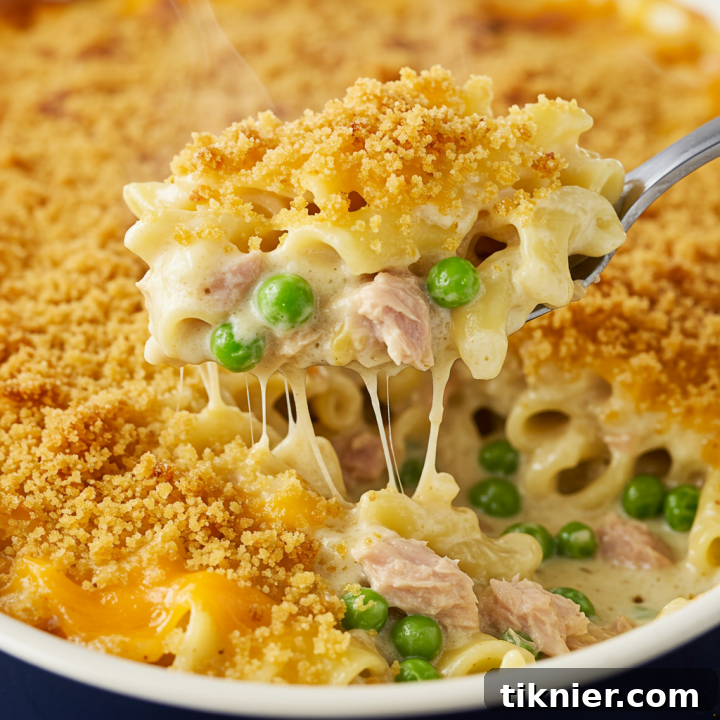
The Best Homemade Tuna Casserole You’ll Ever Make
6 servings
20 minutes
25 minutes
45 minutes
This ultimate homemade Tuna Casserole recipe combines tender egg noodles with a rich, creamy, from-scratch cheddar cheese sauce, flaky albacore tuna, and sweet peas. Crowned with a golden, buttery Panko breadcrumb topping for the perfect crunch, this is comfort food redefined. Using simple pantry ingredients, this easy and delicious dinner comes together in under an hour, guaranteed to become a family favorite.
Ingredients
- 12 ounces wide egg noodles, cooked al dente
- 1/4 cup unsalted butter (plus 2 tablespoons melted for topping)
- 1/4 cup all-purpose flour
- 2 cups whole milk
- 1/2 cup low sodium chicken broth
- 2 cups sharp cheddar cheese, freshly shredded from a block
- 1 cup frozen peas
- Two 5-ounce cans solid white albacore tuna in oil, thoroughly drained
- 1 tablespoon Dijon mustard
- 1 teaspoon smoked paprika
- 1/2 teaspoon salt (adjust to taste)
- 1/2 teaspoon black pepper (adjust to taste)
- 3/4 cup Panko breadcrumbs
Instructions
- Preheat oven to 375°F (190°C). Lightly grease a 9×13-inch baking dish. Cook egg noodles al dente according to package directions, drain, and set aside.
- In a large pot, melt 1/4 cup butter over medium heat. Whisk in flour and cook 1 minute to remove raw flour taste. Slowly whisk in milk and chicken broth. Cook, stirring frequently, until sauce thickens enough to coat the back of a spoon (5–7 minutes).
- Remove from heat. Stir in Dijon mustard, smoked paprika, salt, and pepper. Gradually stir in shredded cheddar cheese until melted and smooth.
- Add cooked noodles, frozen peas, and drained tuna to the cheese sauce. Gently fold together until evenly coated.
- Transfer mixture to prepared baking dish. Mix Panko breadcrumbs with 2 tablespoons melted butter and sprinkle evenly over casserole.
- Bake 20–25 minutes, until topping is golden brown and sauce is bubbly. Let rest 5–10 minutes before serving.
Explore More Delicious Comfort Food Recipes
If this elevated tuna casserole has ignited your passion for comforting, flavorful dishes, then you’re in luck! I’ve curated a selection of other fantastic recipes that I’m sure you’ll love to try next. Each one offers a unique and satisfying culinary experience, perfect for expanding your weekly meal rotation.
- Garlic Sesame Rice Noodles – For those nights when you need something quick, incredibly flavorful, and undeniably satisfying, these noodles are a winner. Tossed in a savory garlic sesame sauce, they come together in mere minutes, making them ideal for busy weeknights or a light lunch.
- 110 Easy Dinner Ideas – A treasure trove of inspiration! This comprehensive roundup offers a vast array of simple and satisfying meal ideas for every craving, ranging from comforting casseroles to convenient one-pan dinners. It’s the perfect resource to bookmark whenever you need a burst of culinary creativity.
- Hummingbird Cake – To perfectly round off a savory meal, indulge in this classic Southern dessert. This incredibly moist cake is packed with the delightful flavors of banana, pineapple, and pecans, all generously topped with a luscious cream cheese frosting. It’s a truly sweet treat that embodies comfort.
These carefully selected recipes will provide ample variety for your meal planning, allowing you to continue exploring and enjoying the rich, comforting flavors you’ve come to love.