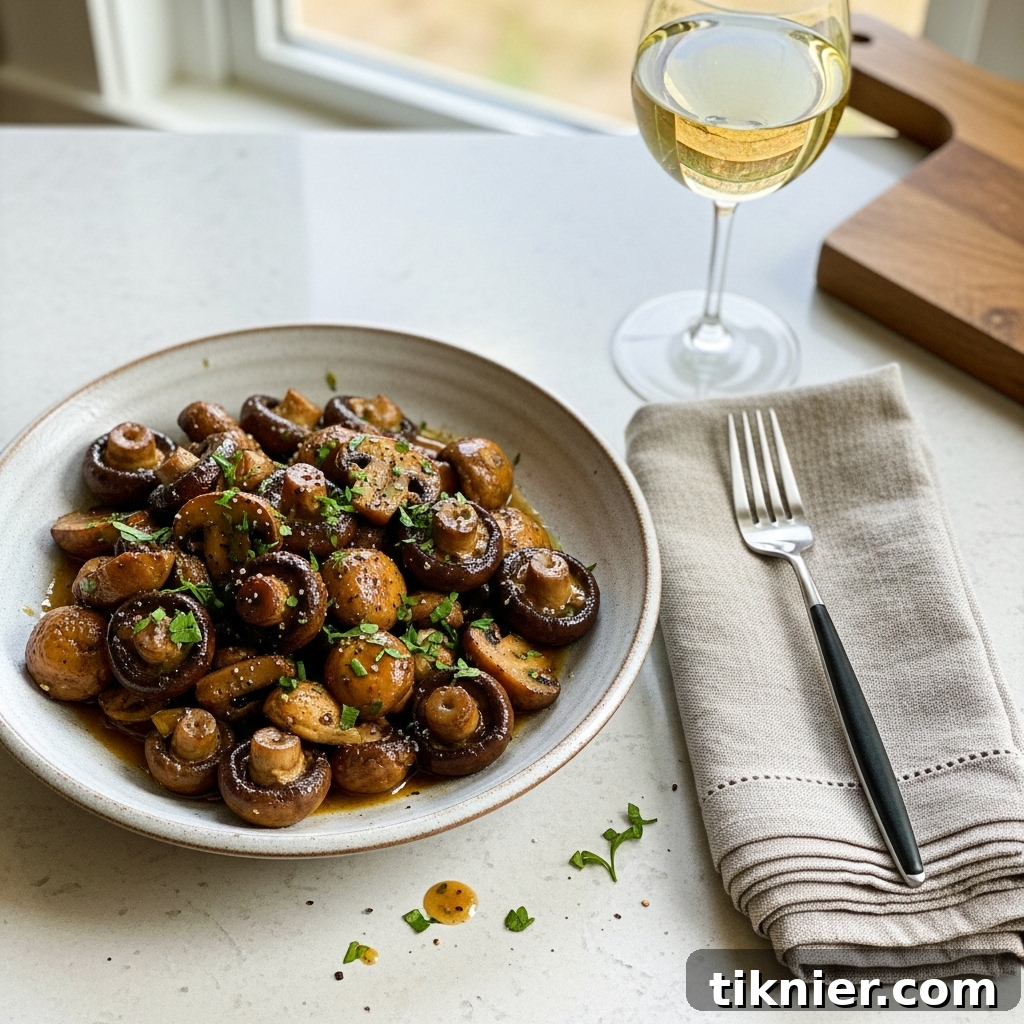
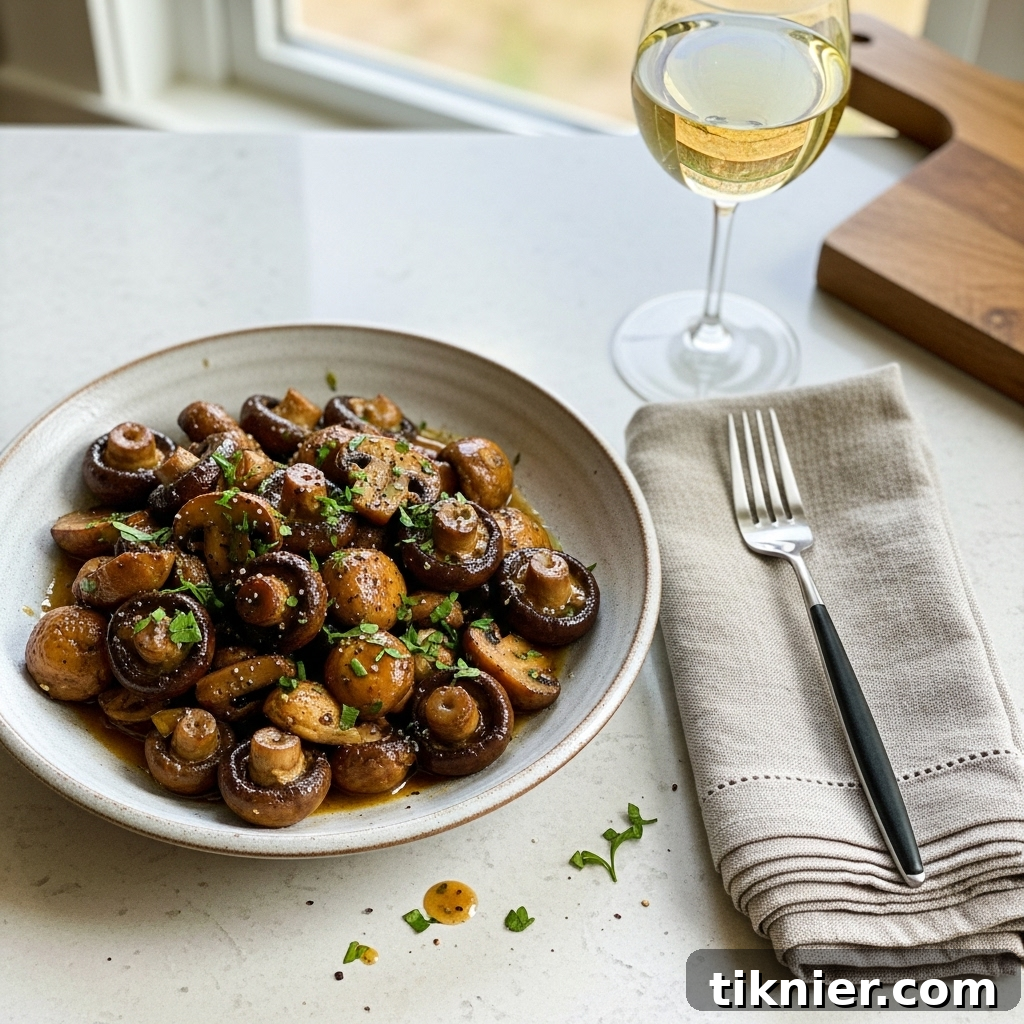
There’s nothing quite like a perfectly cooked mushroom. Yet, I remember a time when my experience with them was far from perfect. It was a fancy steak dinner – white tablecloths, dim lights, the works. The steak was superb, but the side of sautéed mushrooms? A disappointment. They were gray, slightly slimy, and tasted predominantly of bland butter. They lacked character, depth, and that irresistible meaty texture I knew mushrooms could achieve.
I knew these humble fungi held far greater potential. At home, I cherished how mushrooms could transform into deeply browned, intensely flavorful bites, with an earthy quality begging to be amplified. This culinary misstep ignited a mission in my own kitchen: to craft a side dish so exceptional it could easily outshine any main course, even a prime steak.
My initial experiments followed the usual path: butter, garlic, herbs, wine. The results were good, but not revolutionary. Then, a small tub of white miso paste in the back of my fridge sparked an idea. I mashed it into softened butter, and that, my friends, was the moment of revelation. The miso didn’t just add flavor; it infused an incredible, savory depth—a profound umami that elevates the mushrooms to an unforgettable level. These aren’t just Sautéed Mushrooms; these are the Miso-Butter Sautéed Mushrooms that will make you a legend at your own dinner table.
Skip to the Full Recipe Card!
Why This Miso-Butter Sautéed Mushrooms Recipe Stands Out
Sautéed mushrooms are a culinary classic, beloved for their rich, savory essence that beautifully complements a myriad of dishes, from robust steaks to delicate fish. The traditional method, involving browning mushrooms in fat and seasoning them with aromatics, forms a solid foundation. However, this recipe takes that foundation and builds something truly extraordinary by introducing a powerful, yet subtle, secret ingredient: white miso paste.
Miso, a fermented soybean paste, is a concentrated source of umami – the elusive fifth taste often described as savory, meaty, or deeply satisfying. When incorporated into a compound butter and added at the perfect moment, it doesn’t make the mushrooms taste overtly “miso-like.” Instead, it acts as a flavor amplifier, enhancing the natural earthiness of the mushrooms and adding a layer of complexity that simple salt or even traditional spices cannot replicate. This miso-butter melts into a luxurious, glossy sauce that clings to every mushroom, creating a dish so rich and flavorful, it consistently leaves guests asking for the recipe.
The success of this recipe lies in a carefully orchestrated process: an initial high-heat sear develops deep golden-brown crusts on the mushrooms, unlocking their inherent nutty flavors through the Maillard reaction. This is followed by a gentle sauté with aromatic shallots and garlic, releasing their fragrant oils. Deglazing the pan with dry white wine captures all the delicious browned bits, forming the base of a vibrant pan sauce. Finally, the miso-butter is swirled in off the heat, melding with the pan juices to create an emulsified, deeply savory, and utterly irresistible coating. A touch of fresh lemon juice and parsley brightens the finish, balancing the richness with a hint of acidity and herbaceous freshness. This harmonious blend of techniques and ingredients transforms a simple side dish into a culinary masterpiece that will redefine your perception of sautéed mushrooms.
Essential Ingredients for Ultimate Sautéed Mushrooms
The brilliance of this recipe lies in its carefully selected, high-quality ingredients, each playing a vital role in creating a truly special dish. While mushrooms are the undeniable star, our secret ingredient is what orchestrates this symphony of flavors. Here’s what you’ll need to gather:
- 1 lb mixed mushrooms (cremini, shiitake, oyster), cleaned and sliced or torn: A variety offers the best texture and flavor complexity.
- 2 tbsp unsalted butter, softened: Essential for richness and flavor, using unsalted allows you to control the seasoning.
- 1 tbsp white or yellow miso paste: The star ingredient that adds profound umami without overpowering the mushrooms.
- 1 tbsp high-heat neutral oil (like avocado or grapeseed): Crucial for achieving that initial perfect sear without burning.
- 1 large shallot, finely minced: Provides a delicate oniony aroma and sweetness.
- 2 medium cloves garlic, minced: Adds an irreplaceable aromatic foundation.
- 2 sprigs fresh thyme: Imparts an earthy, subtle herbaceous note that complements mushrooms beautifully.
- ¼ cup dry white wine (like Sauvignon Blanc or Pinot Grigio): Deglazes the pan, adding acidity and depth.
- 1 tbsp fresh parsley, finely chopped: For a burst of fresh flavor and vibrant color at the end.
- 1 tsp fresh lemon juice: Brightens the overall flavor profile and cuts through the richness.
- Freshly ground black pepper: For aromatic spice.
- Flaky sea salt, to taste: To finish and enhance all the flavors, adjusted carefully due to miso’s saltiness.
A Closer Look at Key Players:
The Mushrooms: I highly recommend a blend for optimal results. Cremini mushrooms (baby portobellos) provide a classic meaty texture and earthy flavor. Shiitake mushrooms contribute a deeper, almost smoky, umami richness. Oyster mushrooms are delicate and beautifully absorb the sauce, adding a tender contrast. Using a mix ensures a diverse range of textures and a richer flavor profile in every bite.
The Miso Paste: This is the game-changer. White (Shiro) miso is typically fermented for a shorter period, resulting in a milder, sweeter, and lighter flavor—perfect for this dish as it enhances without dominating. Yellow (Shinshu) miso is a great middle-ground option. You can find miso paste in the refrigerated section of most well-stocked grocery stores, often near the tofu or international ingredients. A little goes a long way, and a tub stored in the fridge will last for months.
The Wine: A dry white wine, like Sauvignon Blanc, Pinot Grigio, or an unoaked Chardonnay, is ideal. Its acidity cuts through the richness and adds a bright complexity. Crucially, use a wine you would enjoy drinking, as its flavor will concentrate in the sauce. If you prefer not to cook with alcohol, a good quality vegetable or chicken broth with a tiny splash of white wine vinegar or lemon juice can be an excellent substitute, providing a similar acidic lift.
Step-by-Step Guide to Perfect Miso-Butter Sautéed Mushrooms
Achieving perfectly browned, deeply flavorful mushrooms is a straightforward process when you follow these steps. The key is to build layers of flavor, starting with a robust sear and culminating in that luscious miso-butter sauce. Grab your largest skillet, and let’s create something extraordinary.
Step 1: Prepare the Miso-Butter Compound
Before you even turn on the stove, create our secret weapon. In a small bowl, combine the softened unsalted butter and the miso paste. Using the back of a fork or a small spatula, mash and mix them together until you have a completely smooth, uniform paste. This compound butter is designed to be added at the very end. Preparing it ahead ensures it’s ready when needed and prevents the miso from burning, which can lead to a bitter taste. Set it aside at room temperature.
Step 2: Achieve the Perfect Mushroom Sear
This is arguably the most crucial step for incredible sautéed mushrooms: developing deep, golden-brown color. Heat your high-heat neutral oil in a large, heavy-bottomed skillet (cast iron or stainless steel works best for even heat retention) over medium-high heat. You want the oil to be shimmering, indicating it’s hot enough. Add your mushrooms in a single layer, ensuring they have ample space. This is critical: do not overcrowd the pan. If you do, the mushrooms will release too much moisture and steam, resulting in a soggy, rather than seared, texture. If necessary, work in two batches. Let them cook, undisturbed, for 3 to 4 minutes. Resist the urge to stir! This patience allows a beautiful, flavorful crust to form on the underside.
Step 3: Continue Cooking and Infuse Aromatics
Once the undersides are a rich golden-brown, give them a good stir and continue cooking for another 3 to 4 minutes, or until they are golden all over and have released and reabsorbed most of their liquid. Reduce the heat to medium. Add the finely minced shallot to the pan and sauté for about 1 minute until it softens and becomes translucent, releasing its delicate aroma. Then, add the minced garlic and the whole sprigs of fresh thyme. Cook for just 30 seconds more, stirring constantly, until the garlic becomes fragrant. Be careful not to let the garlic brown or burn, as this can make it bitter.
Step 4: Deglaze the Pan and Build Flavor
This simple yet powerful step adds immense depth. Pour the dry white wine into the skillet. As it bubbles vigorously, use a wooden spoon or spatula to scrape up all those delicious browned bits (called “fond”) that are clinging to the bottom of the pan. These bits are pure concentrated flavor. Allow the wine to simmer for 1 to 2 minutes, letting it reduce by about half. This process cooks off the alcohol and concentrates the wine’s bright, acidic flavor, integrating it into your pan sauce.
Step 5: Finish with Miso-Butter and Freshness
Remove the pan from the heat completely. This is key for the miso-butter. Add the prepared miso-butter mixture to the hot pan. The residual heat will be sufficient to melt it. Stir everything together constantly, allowing the butter to melt and emulsify with the pan juices. You’ll witness it transform into a glossy, luxurious sauce that perfectly coats every single mushroom. Finally, stir in the fresh parsley for a burst of vibrant color and herbaceous freshness, and the fresh lemon juice to brighten the rich flavors. Season generously with freshly ground black pepper. Taste for seasoning, then add a pinch of flaky sea salt only if needed, remembering that miso is naturally salty. Before serving, remove and discard the thyme sprigs.
Expert Tips for Perfect Sautéed Mushrooms Every Time
While the recipe instructions are clear, a few expert tips can elevate your sautéed mushrooms from good to truly exceptional. Mastering these nuances will ensure perfect results, whether you’re a seasoned chef or a home cook.
- Choosing the Best Mushrooms: Always select firm, plump mushrooms that are free from any slimy spots or excessive moisture. A mix of varieties like cremini, shiitake, and oyster mushrooms provides the best flavor and textural contrast.
- Proper Cleaning is Crucial: Avoid soaking mushrooms in water, as they absorb liquid like sponges and will steam instead of brown. For most mushrooms, a gentle wipe with a damp paper towel or a soft mushroom brush is sufficient to remove dirt. If they are particularly dirty, a very quick rinse under cold running water followed by an immediate and thorough pat-dry with a clean kitchen towel is acceptable. The drier the mushrooms, the better they will sear.
- Don’t Overcrowd the Pan: This is the golden rule for browning, not steaming, mushrooms. Ensure they are in a single, even layer with space between them. If your pan isn’t large enough, work in batches. Overcrowding drops the pan temperature and releases too much moisture, leading to soggy results.
- High Heat is Your Friend (Initially): Start with medium-high heat to achieve that crucial initial sear. You want to hear a sizzle when the mushrooms hit the pan. This high heat helps moisture evaporate quickly and promotes the Maillard reaction, which creates those deeply flavorful browned surfaces.
- Patience During Searing: Resist the urge to stir the mushrooms too early. Allow them to cook undisturbed for the first few minutes (3-4 minutes) to develop a beautiful golden-brown crust on one side. This patience is rewarded with superior texture and flavor.
- Season at the End: Salt draws moisture out of vegetables. If you salt mushrooms too early, they’ll release their liquid prematurely and steam. Add salt towards the very end of cooking, after the miso-butter has been incorporated, to fine-tune the seasoning without compromising texture.
- The Miso-Butter Timing: Adding the miso-butter off the heat is essential. This allows it to melt and emulsify into a glossy sauce without burning the miso or breaking the emulsion.
Creative Ways to Serve Your Miso-Butter Sautéed Mushrooms
These Miso-Butter Sautéed Mushrooms are incredibly versatile, capable of elevating a simple meal or starring as the main attraction. While they are a quintessential accompaniment to a perfectly cooked steak or a juicy pork chop, their steakhouse reputation should only be the beginning of your culinary imagination. Here are some of my favorite ways to enjoy them:
- Gourmet Mushroom Toast: Pile them generously onto thick slices of toasted sourdough bread, perhaps rubbed with a raw garlic clove for an extra kick. Finish with a sprinkle of flaky sea salt and a drizzle of good olive oil. It’s an elegant appetizer or a satisfying lunch.
- Over Creamy Polenta or Grits: The savory, glossy sauce from the mushrooms is absolutely divine when spooned over a bed of rich, creamy polenta or comforting Southern-style grits. This creates a hearty, flavorful vegetarian main course.
- Mixed into Pasta: Toss the warm mushrooms and their luscious sauce with your favorite pasta shape – pappardelle, fettuccine, or even a short pasta like rigatoni. A grating of Parmesan or Pecorino Romano cheese makes for a quick, luxurious weeknight dinner.
- Breakfast and Brunch Upgrade: Fold them into an omelet, frittata, or pile them alongside fluffy scrambled eggs. The umami-rich mushrooms are a fantastic way to elevate your morning meal.
- Burger or Sandwich Topping: Move beyond basic condiments. A generous spoonful of these savory mushrooms transforms a simple beef burger, turkey burger, or grilled chicken sandwich into a gourmet experience.
- Side for Roast Chicken or Fish: While excellent with red meat, their earthy flavor also beautifully complements roasted chicken, pan-seared salmon, or cod, adding a layer of sophisticated flavor.
- As a Pizza or Flatbread Topping: Scatter them over a pizza crust with some mozzarella, Gruyère, or goat cheese for an incredibly flavorful vegetarian pizza.
Honestly, these mushrooms are so delicious, you might just find yourself eating them straight out of the pan with a fork, and there’s absolutely no judgment here. Their deep, savory flavor is sure to impress, no matter how you choose to serve them. Just be prepared to share the recipe!
Storing and Reheating Sautéed Mushrooms Leftovers
While these Miso-Butter Sautéed Mushrooms are often devoured in one sitting, on the rare occasion we have leftovers, they are a delightful discovery. Proper storage ensures they retain their exquisite taste and texture for future enjoyment. The most important step is to allow them to cool completely to room temperature before storing.
Once cooled, transfer the mushrooms and any remaining luscious sauce to an airtight container. They will keep beautifully in the refrigerator for up to 3 to 4 days. I do not recommend freezing them, as the delicate texture of the mushrooms can become watery and rubbery upon thawing. Given how quickly they come together, it’s best to enjoy them fresh or within a few days of refrigeration.
When it comes to reheating, my preferred method is to gently warm them in a skillet over medium-low heat. This allows the sauce to loosen and become glossy again, and the mushrooms retain some of their pleasant texture. Stir occasionally until heated through. While the microwave can be used in a pinch, be cautious: use short bursts of power and stir frequently to prevent them from becoming too soft or rubbery. A gentle reheat preserves their quality best.
Leftover sautéed mushrooms are incredibly versatile and can be used to create quick, flavorful meals throughout the week:
- Enhance a Simple Soup: Roughly chop the cooled mushrooms and stir them into a creamy tomato soup, a clear vegetable broth, or even a lentil soup for an instant boost of umami and depth.
- Quick & Gourmet Quesadillas: Layer them in a tortilla with your favorite melting cheese (like Monterey Jack, Gruyère, or fontina) for a sophisticated and speedy quesadilla.
- Savory Dip Base: Finely chop the mushrooms and mix them with softened cream cheese, a touch of sour cream, and fresh chives for a decadent spread or dip to serve with crackers or crudités.
- Stuffed Chicken or Pork: Mix them with breadcrumbs and herbs to create a savory stuffing for chicken breasts or pork tenderloin.
Having a container of these flavorful leftovers in the fridge truly feels like having a secret weapon for elevating everyday meals. It’s the gift that keeps on giving!
Substitutions & Variations for Your Sautéed Mushrooms
One of the joys of a robust recipe like this is its adaptability. While my miso-butter version is, in my opinion, culinary perfection, you can easily adjust it to suit your pantry, dietary needs, or personal taste preferences. Don’t hesitate to experiment and make this recipe truly your own.
These variations maintain the core technique of the recipe while offering a fresh twist or accommodating specific needs:
- Vegan / Dairy-Free Option: This recipe is easily made plant-based. Simply swap the unsalted butter for a high-quality vegan butter substitute. Ensure the miso paste you use is also vegan (most are, but always check labels). The rest of the ingredients are naturally plant-based, allowing you to enjoy a fully vegan version without sacrificing an ounce of flavor. Alternatively, you can use a good olive oil, though the creamy texture of butter is part of the magic.
- Herb Alternatives: While fresh thyme is a classic pairing for mushrooms, other woody herbs offer delightful variations. Try a sprig of fresh rosemary during cooking for a more robust, piney aroma, or stir in finely chopped fresh sage with the garlic for an earthy, slightly peppery note. For a delicate, slightly anise-like finish, fresh tarragon is a beautiful addition at the very end.
- No White Wine? No Problem: If you prefer not to use wine, a good quality vegetable or chicken broth makes an excellent substitute for deglazing. To replicate the acidity and brightness that wine provides, add an extra squeeze of lemon juice at the end, or a tiny splash of white wine vinegar or sherry vinegar during the deglazing step.
- For Extra Creaminess: If you desire an even more decadent and luxurious sauce, stir in a couple of tablespoons of heavy cream or full-fat coconut milk (for a dairy-free option) right after the miso-butter has melted. Let it gently simmer for just a minute or two to thicken slightly before adding the final herbs and lemon juice.
- A Hint of Heat: If you appreciate a little spice, add a pinch of red pepper flakes along with the minced garlic. This introduces a gentle warmth that beautifully contrasts with the savory umami of the mushrooms and miso, adding another layer of complexity.
- Alternative Umami Boost (if no miso): If miso paste is truly unavailable, you can still achieve a significant umami kick. A teaspoon or two of soy sauce or tamari (for gluten-free) added during the deglazing step can provide a similar savory depth. A dash of Worcestershire sauce (check for vegetarian/vegan if needed) also works well. While these won’t precisely replicate miso’s fermented complexity, they’ll still create a wonderfully savory dish.
Consider this recipe a fantastic template for mushroom perfection. The fundamental principles of proper browning and creating a flavorful pan sauce will always lead to a delicious outcome, no matter how you choose to personalize it.
Show-Stopping Miso-Butter Sautéed Mushrooms
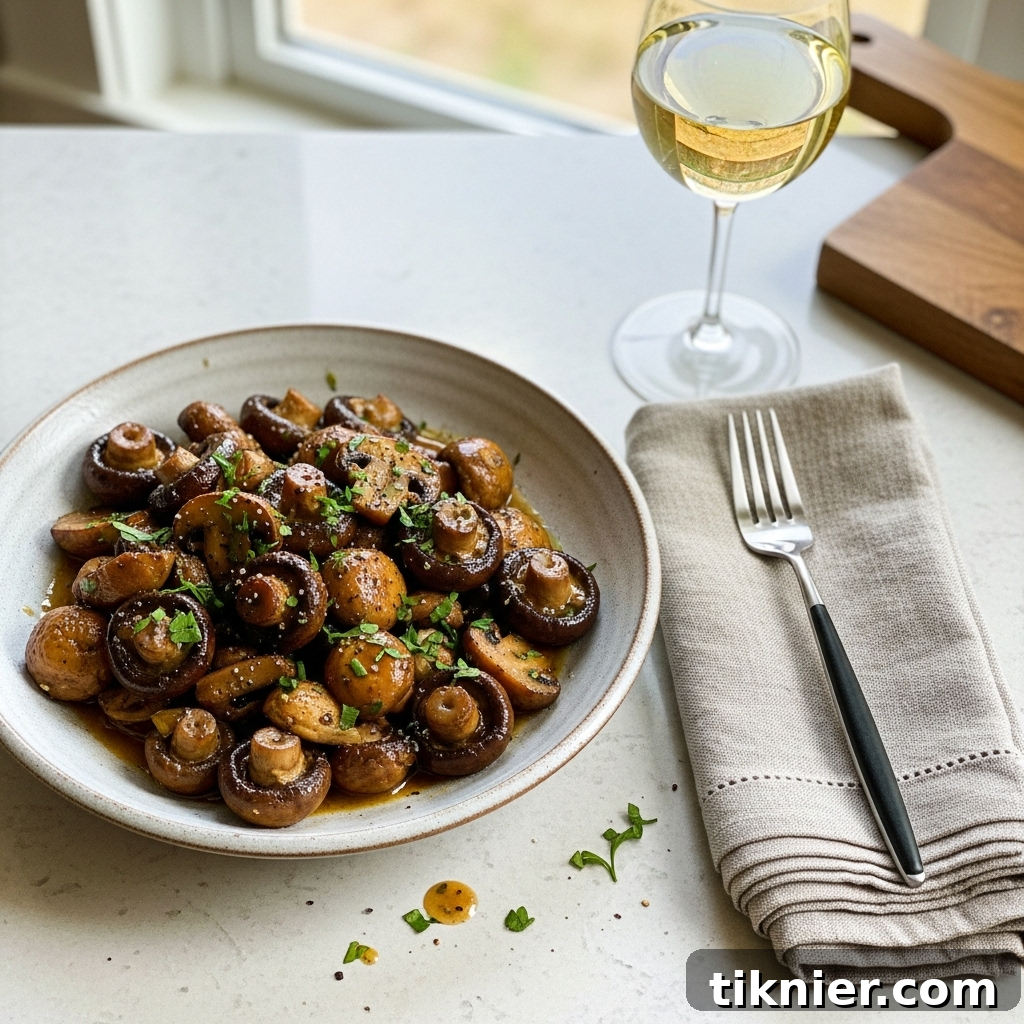
Description: Elevate a classic side dish with a unique secret ingredient. These sautéed mushrooms are perfectly browned and coated in an incredibly savory, glossy sauce crafted with white wine, aromatic garlic, fresh herbs, and a rich miso-butter compound, delivering an unforgettable umami experience.
Yield: 4 servings | Category: Side Dish | Cuisine: American (with Asian influence)
Prep Time: 10 minutes | Cook Time: 15 minutes
Ingredients
- 1 lb mixed mushrooms (cremini, shiitake, oyster), cleaned and sliced or torn
- 2 tbsp unsalted butter, softened
- 1 tbsp white or yellow miso paste
- 1 tbsp high-heat neutral oil (like avocado or grapeseed)
- 1 large shallot, finely minced
- 2 medium cloves garlic, minced
- 2 sprigs fresh thyme
- ¼ cup dry white wine (like Sauvignon Blanc or Pinot Grigio)
- 1 tbsp fresh parsley, finely chopped
- 1 tsp fresh lemon juice
- Freshly ground black pepper
- Flaky sea salt, to taste
Instructions
- In a small bowl, mash the softened unsalted butter and miso paste together until thoroughly combined and smooth. Set aside.
- Heat the neutral oil in a large skillet (cast iron or heavy-bottomed stainless steel) over medium-high heat until shimmering. Add the mushrooms in a single, uncrowded layer. Cook without stirring for 3-4 minutes, allowing them to develop a deep golden-brown crust on one side. Stir and continue to cook for another 3-4 minutes until golden-brown all over and most of their liquid has evaporated.
- Reduce the heat to medium. Add the finely minced shallot and sauté for 1 minute until softened and translucent. Stir in the minced garlic and whole thyme sprigs, cooking for just 30 seconds until fragrant, being careful not to burn the garlic.
- Pour in the dry white wine to deglaze the pan, using a wooden spoon to scrape up any browned bits from the bottom. Let the wine simmer and reduce by about half, which should take 1-2 minutes.
- Remove the pan from the heat. Add the prepared miso-butter mixture and stir constantly until it melts completely and combines with the pan juices to form a glossy, emulsified sauce that coats all the mushrooms.
- Finally, stir in the fresh parsley and fresh lemon juice. Season generously with freshly ground black pepper. Taste the mushrooms and add flaky sea salt only if needed, remembering that miso is already salty. Remove the thyme sprigs before serving.
Notes
For the best texture and color, always avoid overcrowding the pan when browning mushrooms; cook them in multiple batches if necessary to ensure a single layer. Miso paste is inherently salty, so be sure to taste the finished dish before adding any additional salt to avoid over-seasoning.
Servings: 4 | Calories: 155 kcal | Fat: 11g | Carbohydrates: 9g | Protein: 5g
Frequently Asked Questions About Sautéed Mushrooms
Here are comprehensive answers to the most common questions regarding this Miso-Butter Sautéed Mushrooms recipe, ensuring you achieve perfect results every time.
1. How do I properly clean mushrooms for sautéing?
This is a critical first step! The key is to avoid waterlogging your mushrooms, as they act like sponges and excessive moisture will lead to steaming rather than browning, resulting in a rubbery texture. For most cultivated mushrooms like cremini or white button, simply use a slightly damp paper towel or a soft mushroom brush to gently wipe away any visible dirt from the caps and stems. This method is ideal as it keeps the mushrooms as dry as possible. For wilder or more heavily soiled mushrooms, a very quick rinse under cool running water is acceptable, but it must be followed immediately by a thorough pat-dry with a clean kitchen towel or paper towels. Speed and immediate drying are crucial; never let them soak in a bowl of water. Properly cleaned and dry mushrooms are the foundation for a spectacular sear.
2. Why do my sautéed mushrooms often turn out soggy?
Soggy mushrooms are a common culinary frustration, but entirely preventable with a few key techniques. The primary culprit is almost always overcrowding the pan. When you add too many mushrooms at once, the temperature of the pan drops significantly, and the mushrooms release their natural moisture, essentially steaming in their own juices rather than searing. To prevent this, always use a large skillet that allows the mushrooms to spread out in a single, even layer, and cook in batches if necessary. The second major reason is insufficient heat. Your pan and oil need to be hot enough (medium-high heat) to create an immediate sizzle when the mushrooms are added, which encourages rapid moisture evaporation and browning. Lastly, resist the urge to stir them too frequently at the beginning; let them sit undisturbed for a few minutes to develop a beautiful crust. Also, avoid salting mushrooms too early, as salt draws out moisture, contributing to sogginess. Following these guidelines will yield beautifully browned, never soggy, sautéed mushrooms.
3. Can I make these sautéed mushrooms ahead of time?
Yes, absolutely! This makes them a fantastic option for meal prep or entertaining. You can prepare the entire dish from start to finish up to 2-3 days in advance. Once cooked, allow the mushrooms to cool completely to room temperature. Then, transfer them and any accompanying sauce to an airtight container and store them in the refrigerator. When you’re ready to serve, the best method for reheating is gently in a skillet over medium-low heat. This helps them warm through evenly, allows the sauce to become glossy again, and helps to maintain some of their desirable texture. While a microwave can be used, it can sometimes soften the mushrooms more than ideal, so use short bursts of power and stir frequently if you opt for this method. Reheating them in a preheated 350°F (175°C) oven on a baking sheet for about 10 minutes is also a great option for larger batches, ensuring they retain their delicious flavor and texture.
4. What are the best types of mushrooms for this recipe?
While this recipe can be made with a single type of mushroom, using a medley truly elevates the dish by offering a more complex flavor profile and interesting textural variety. My go-to combination for this recipe is cremini, shiitake, and oyster mushrooms. Cremini mushrooms (often called baby bellas) provide a familiar, robust, and meaty base. Shiitake mushrooms contribute a deeper, earthier, and almost smoky umami punch, with a slightly firmer texture. Oyster mushrooms are more delicate and velvety when cooked, and their unique shape is excellent at capturing and holding onto the savory miso-butter sauce. This combination ensures a dynamic and flavorful experience in every bite. Feel free to experiment with other varieties like sliced portobellos for an even meatier texture, or seasonal wild mushrooms like chanterelles or morels when available, for an extra gourmet touch.
5. Is the miso paste truly necessary for these sautéed mushrooms?
In my culinary opinion, the miso paste is the transformative ingredient that takes these sautéed mushrooms from merely “good” to “absolutely spectacular” and truly unforgettable. It provides a profound, savory, and complex umami depth that simply cannot be replicated by salt alone, perfectly complementing and amplifying the natural earthiness of the mushrooms. It’s what gives the sauce its incredible richness and glossy texture. Therefore, if you can find it, I highly, highly recommend incorporating it. A small tub will last for months in your refrigerator and can be used to add incredible flavor to soups, marinades, dressings, and glazes. However, if miso paste is genuinely unavailable or you need a quick substitute, you can still make a delicious dish. A teaspoon or two of soy sauce or tamari (for gluten-free), added when you deglaze the pan with wine, can provide a similar umami kick. A dash of Worcestershire sauce also works (note: check for vegetarian/vegan ingredients if applicable). While these alternatives will yield a very tasty result, they won’t quite capture the unique fermented complexity and silky texture that miso paste contributes. If possible, a trip to the store for miso is well worth the effort—you won’t regret it!
Continue Your Culinary Journey with These Recipes
If you loved the rich, savory, and umami-packed flavors in these Miso-Butter Sautéed Mushrooms, I’m confident you’ll adore some of my other favorite recipes that celebrate similar delicious profiles.
- One Skillet Chicken Thighs and Mushrooms: A hassle-free, complete meal featuring succulent chicken thighs crisped to perfection and nestled in a creamy, savory mushroom sauce, all cooked in a single pan for easy cleanup.
- Scallops with Bacon, Mushrooms, and Chives: An elegant and surprisingly quick dish perfect for special occasions. Pan-seared scallops are paired with crispy bacon, earthy mushrooms, and fresh chives for a truly impressive meal.
- Savory Orzo with Mushrooms: A comforting and hearty pasta dish that’s incredibly satisfying. Loaded with flavorful mushrooms and rich Parmesan cheese, it’s a go-to for a delicious and easy weeknight dinner.
Each of these dishes embraces those wonderful earthy and savory flavors we all cherish. Happy cooking, and may your kitchen always be filled with incredible aromas!