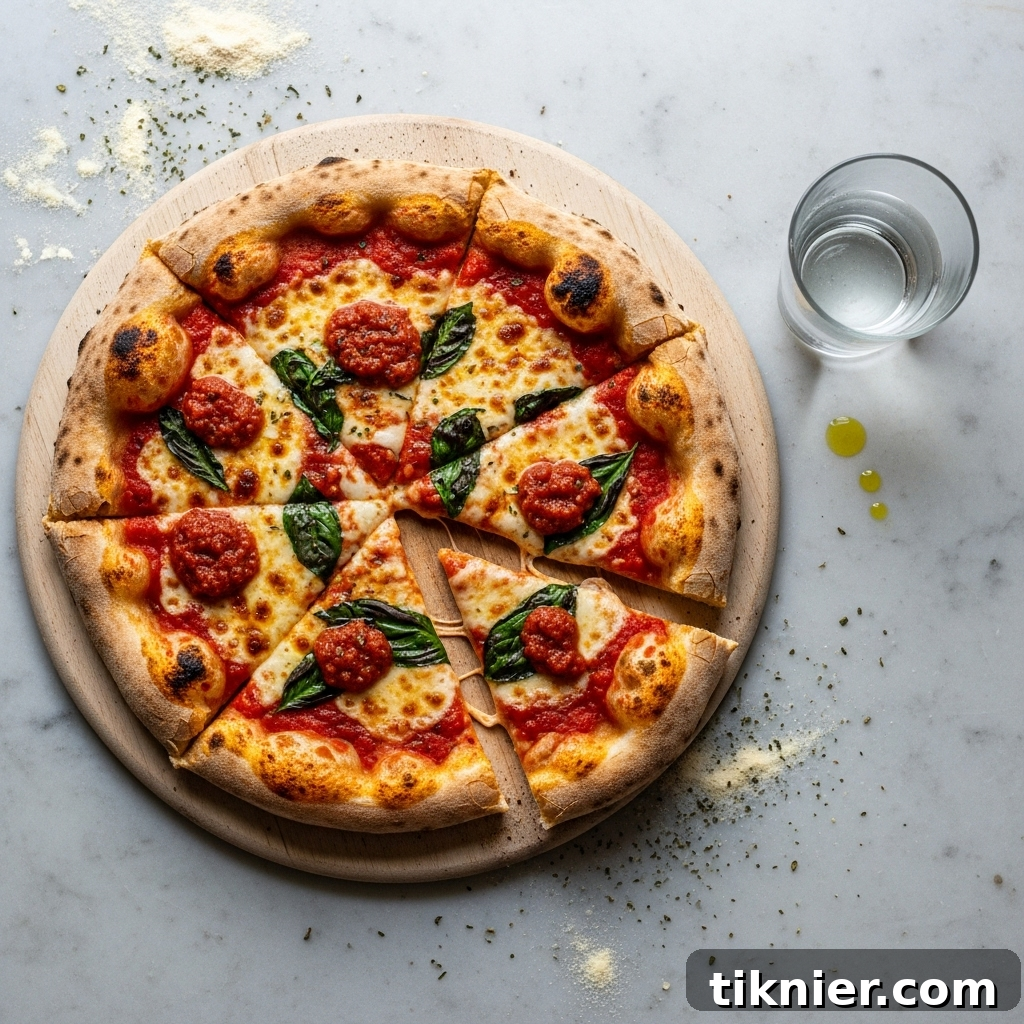
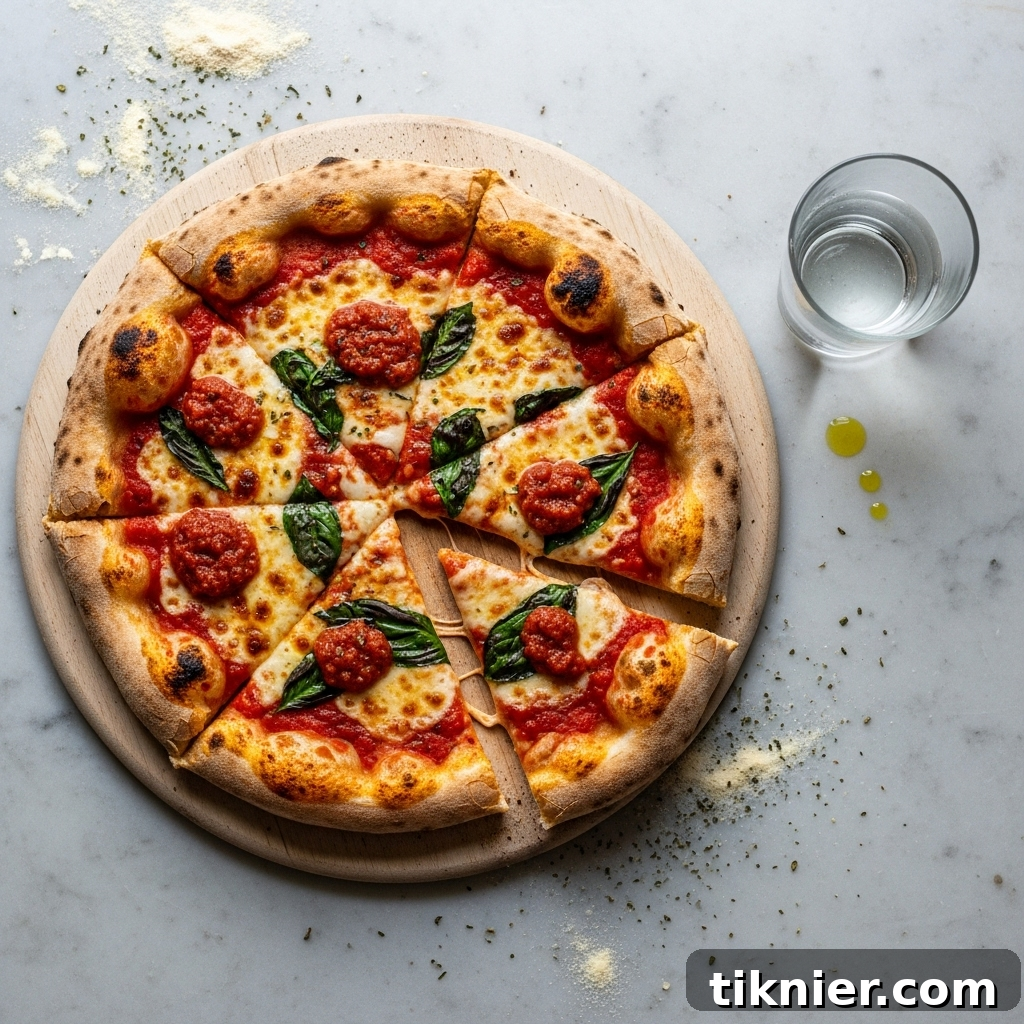
Prepare to discover the ultimate secret weapon for your next pizza night. This isn’t just another pizza dough recipe; it’s the culmination of years of tireless experimentation, a culinary quest for that elusive, restaurant-quality crust right in your own kitchen. And trust me, once you try it, you’ll never look back.
For what feels like an eternity, Friday nights have been sacred pizza nights in our home. Over these years, I’ve embarked on countless dough-making adventures, from lightning-fast, no-knead versions to elaborate, multi-day sourdough projects. While many produced decent results, none ever quite captured that magical depth of flavor, that perfect balance of chewiness and crispness, that truly elevates a pizza from good to unforgettable. The quest for perfection felt endless.
Then, salvation arrived in the unassuming form of my dear friend Carter, an exceptionally talented chef from Charleston. During one of his visits, I mentioned our impending casual pizza night. To my surprise, he arrived not with a bottle of wine, but with a small, unassuming container of white miso paste. I must have shot him a look of utter confusion, because he simply chuckled and said, “Trust me, Julie. Just a spoonful.”
Intrigued, and always open to a chef’s wisdom, I followed his instruction. I whisked a single tablespoon of that savory, umami-rich paste into the warm water before adding the yeast. The rest of the dough-making process remained unchanged, adhering to my tried-and-true method. Yet, the outcome was profoundly different, nothing short of spectacular. The crust that emerged from my scorching oven was a revelation. It boasted a magnificent golden-brown hue, an exquisitely chewy interior, and a profoundly complex flavor profile. It carried a subtle, savory, almost cheesy note that was impossible to pinpoint but utterly captivating and undeniably addictive.
That seemingly insignificant spoonful of miso paste proved to be the missing link. It acts as a masterful flavor enhancer, subtly amplifying all the other ingredients, transforming the crust from a mere foundation for toppings into the undeniable star of the entire pizza experience. This miso pizza dough has now unequivocally become my new standard, the benchmark against which all future pizza crusts will be judged. And I have an unwavering feeling that very soon, it will become yours too, forever changing your pizza game.
Skip to My Special Recipe!
Why This Miso Pizza Dough Recipe Is a Game-Changer
Embarking on the journey of making pizza dough from scratch can initially feel like a daunting culinary challenge, often reserved for seasoned chefs. However, I assure you, it is one of the most profoundly rewarding kitchen projects you can undertake. At its fundamental core, pizza dough is an elegant composition of just four basic ingredients: flour, water, yeast, and salt. The true artistry, the magic that transforms these simple components into something extraordinary, lies in the meticulous application of technique and the discerning selection of high-quality ingredients. There’s an undeniable freshness, a nuanced texture, and a profound depth of flavor in homemade pizza that store-bought crusts simply cannot replicate.
This particular recipe builds upon a robust, time-honored foundation, a classic method refined and perfected over countless generations of skilled bakers. We purposefully select high-protein bread flour, which is instrumental in developing a strong gluten structure, yielding that wonderfully satisfying, chewy texture characteristic of a truly great pizza. Additionally, a touch of fine semolina flour is incorporated, not just for its subtle flavor, but primarily to achieve that authentic, irresistible crispy bottom, reminiscent of a traditional pizzeria-style crust that gracefully slides from the peel.
The Magic of Cold Fermentation
A pivotal technique employed in this recipe is the slow, cold fermentation period in the refrigerator. This step is far more than a matter of convenience; it is precisely where the profound flavor development truly begins. During this extended chilling period, the yeast activity slows significantly, allowing enzymes within the dough to break down complex carbohydrates and proteins. This metabolic dance creates a symphony of new flavor compounds, imbuing the dough with complex, tangy notes and a depth that simply cannot be achieved through a rapid, same-day rise. It’s the secret to a more digestible, flavorful, and incredibly pliable dough.
The Unbeatable Umami Boost: White Miso Paste
However, the real transformative element, the unparalleled game-changer in this recipe, is the strategic inclusion of white miso paste. This ingredient is my secret weapon, a culinary revelation that will forever alter your perception of pizza crust. Miso, a traditional Japanese fermented soybean paste, is an absolute powerhouse of umami – the fifth basic taste, renowned for its savory, rich, and profoundly complex flavor profile. When expertly incorporated into the pizza dough, white miso works diligently in the background. Its role isn’t to impart a distinctly Japanese flavor to your crust, but rather to subtly amplify and enhance the inherent, wheaty sweetness of the flour and the nuanced, tangy flavors imparted by the yeast and fermentation process. It creates a harmonious synergy of tastes that is truly remarkable.
Furthermore, the beneficial enzymes present in the miso paste contribute significantly to the dough’s overall quality. These enzymes gently assist in the breakdown of the starches and proteins within the flour, resulting in a crust that is noticeably more tender, possesses a superior chew, and develops a consistently beautiful, rich golden-brown color during baking. It introduces a delicate, savory depth that will undoubtedly have everyone at your table clamoring to uncover your secret ingredient. It’s an unexpectedly simple twist that effortlessly elevates a merely good pizza dough into an undeniably unforgettable culinary masterpiece, guaranteeing rave reviews and empty plates.
Essential Ingredients for Your Perfect Pizza Dough
The inherent beauty of crafting truly exceptional pizza dough lies in its elegant reliance on a select few, simple yet high-quality ingredients. While the list may appear concise, each individual component plays an absolutely critical and indispensable role in cultivating the ultimate texture, structure, and nuanced flavor for your homemade crust. And of course, we mustn’t forget that one unassuming yet transformative ingredient that makes all the difference.
- 1 ⅓ cups (320ml) warm water (105-115°F / 40-46°C): The foundational liquid for our dough. The precise temperature is crucial here; it needs to be warm enough to gently awaken and activate the yeast, promoting its growth, but not so hot that it inadvertently kills these delicate microorganisms. Think of it as a comfortable warm bath for your yeast.
- 1 tablespoon white miso paste: The undisputed star and the secret ingredient of this recipe. White miso, often labeled “shiro miso,” is the preferred choice due to its milder, slightly sweeter, and less intensely salty profile compared to its red or yellow counterparts. It delivers that perfect, rounded savory umami kick without ever overwhelming the delicate flavors of the dough. It subtly enhances everything else.
- 2 ¼ teaspoons (1 packet) instant yeast: The living leavening agent responsible for giving our dough its beautiful rise and airy texture. Instant yeast is wonderfully convenient as it can be added directly to the dry ingredients, though we’ll “bloom” it with the miso and water for an extra boost of confidence.
- 1 teaspoon honey or granulated sugar: This acts as a vital food source for the yeast, giving it a quick energy boost to kickstart the fermentation process. It also contributes a very subtle sweetness that balances the savory notes in the dough.
- 4 cups (500g) bread flour or “00” flour: The backbone of our dough. Bread flour, with its higher protein content (typically 12-14%), is excellent for developing strong gluten, resulting in a delightfully chewy, foldable, and robust New York-style crust. Alternatively, Italian “00” flour is milled to an extra-fine consistency, which yields an incredibly light, tender, and delicately crisp crust, embodying the characteristics of a classic Neapolitan pizza. Both are superb choices, offering slightly different but equally delicious results.
- ¼ cup (40g) fine semolina flour, plus more for dusting: A secret weapon for texture. A small amount integrated into the dough contributes a subtle crispness and a delightful mouthfeel. More importantly, when used for dusting your work surface and pizza peel, it acts like tiny ball bearings, allowing your pizza to glide effortlessly into the searing-hot oven, while also ensuring a fantastic, subtly crunchy bottom crust.
- 2 teaspoons fine sea salt: Far more than just a seasoning, salt is essential for flavor and plays a critical role in controlling yeast activity, strengthening the gluten structure, and improving the dough’s overall elasticity and extensibility. Use fine sea salt for even distribution.
- 2 tablespoons extra-virgin olive oil, plus more for the bowl: A touch of good quality extra-virgin olive oil adds richness, contributes to a more tender crumb, and imparts a lovely golden hue to the crust. It also helps with extensibility and makes the dough easier to handle. Choose one with a flavor you genuinely enjoy, as it will subtly influence the final taste.
Step-by-Step Instructions for Crafting the Best Miso Pizza Dough
Follow these detailed steps with care and precision, and you will be well on your way to crafting the finest homemade pizza you have ever experienced. We will meticulously guide you through every stage, from expertly activating the yeast to mastering the art of stretching the dough like a seasoned professional, ensuring your success at every turn.
1. Activate the Yeast and Infuse with Miso
Begin by pouring the precisely measured warm water into the spacious bowl of your stand mixer. The temperature of this water is critically important; it should feel comfortably warm to the touch, much like a gentle bath, ideally registering between 105 and 115 degrees Fahrenheit (40-46°C). Water that is excessively hot (above 120°F) will irrevocably kill the delicate yeast, rendering it inactive, while water that is too cool will fail to properly awaken it. Now, add the tablespoon of white miso paste to the warm water and whisk it vigorously and persistently until the paste is completely and uniformly dissolved, leaving no lumps. Once dissolved, gently sprinkle the instant yeast and honey (or granulated sugar) evenly over the surface of the liquid. Give it a gentle swirl with your whisk, then let this mixture rest undisturbed for approximately 5 to 10 minutes. During this crucial period, you should observe the mixture transforming, becoming visibly foamy and emitting a pleasant, yeasty aroma. This effervescent activity is the undeniable sign that your yeast is alive, vibrant, and fully primed to begin its work.
2. Combine the Dry Ingredients Thoroughly
While your yeast is actively blooming and thriving, take a separate, clean medium-sized bowl. Into this bowl, add your chosen flour (either bread flour or “00” flour), the fine semolina flour, and the fine sea salt. Take a whisk and combine these dry ingredients thoroughly, ensuring they are evenly distributed. This seemingly simple step is vital, as it prevents any pockets of unmixed salt from forming within your final dough, which could lead to inconsistent flavor.
3. Initiate the Dough Mixing Process
Once your yeast mixture is beautifully foamy, pour the pre-mixed dry flour ingredients and the two tablespoons of extra-virgin olive oil into the stand mixer bowl. If you are utilizing a stand mixer, attach the dough hook attachment. Begin mixing on the lowest speed setting. Continue mixing until a shaggy, somewhat rough dough forms, and you can no longer discern any dry pockets of flour clinging to the bottom or sides of the bowl. Should you be mixing by hand, employ a robust wooden spoon or a sturdy spatula for this initial combining phase, stirring until everything is just incorporated.
4. Knead Until Silky Smooth and Elastic
After the dough has successfully come together into a shaggy mass, increase the stand mixer speed to a medium-low setting and allow it to knead continuously for an additional 6 to 8 minutes. The dough has reached its optimal consistency when it appears smooth, feels wonderfully elastic to the touch, and gracefully pulls away cleanly from the sides of the mixing bowl. To conduct a simple test for readiness, gently poke the dough with a clean finger; it should slowly but surely spring back into place. If you are kneading by hand, turn the shaggy dough out onto a lightly floured countertop. Knead with a push-and-fold motion for a slightly longer duration, typically 8 to 10 minutes, until the dough achieves a velvety smoothness and a supple, elastic texture.
5. First Rise: Allowing the Dough to Double
Select a separate, generously sized, and impeccably clean bowl. Drizzle a small amount of extra-virgin olive oil into the bowl and spread it around to coat the interior surfaces. Form your thoroughly kneaded dough into a neat, smooth ball and carefully place it into the oiled bowl, turning it over once to ensure the entire surface is lightly coated with oil. This essential step acts as a protective barrier, preventing the formation of a dry skin on the dough as it rises. Securely cover the bowl with plastic wrap, ensuring an airtight seal, or use a clean, damp kitchen towel. Locate a warm, draft-free spot within your kitchen – a slightly warmed, turned-off oven with just the light on often works wonders. Allow the dough to rise undisturbed for approximately 1 to 1.5 hours, or until it has visibly doubled in its original size, becoming light and airy.
6. Divide and Initiate the Crucial Cold Fermentation
Once the dough has completed its first rise, gently press down on it to release the accumulated gases and deflate it. Carefully transfer the dough onto a lightly floured work surface. Using a sharp knife or a dough scraper, divide the dough into two equal portions. For each portion, gently form it into a tight, smooth ball by tucking the edges underneath the main body of the dough. For the absolute pinnacle of flavor development and superior texture, we will now embark on the cold fermentation process. Place each formed dough ball into a separate, lightly oiled, airtight container or a large zip-top bag, ensuring adequate space. Seal them securely and then place them into the refrigerator for a minimum of 24 hours. For even more profound flavor, you can extend this cold ferment period for up to 3 days. This slow, chilled ferment is where incredible, complex flavors truly blossom.
7. Prepare for Optimal Baking Conditions
Approximately 2 hours before your anticipated pizza-making time, retrieve the cold-fermented dough balls from the refrigerator. Leave them covered on your kitchen counter to gradually come to room temperature. This crucial step allows the gluten structure to relax, making the dough significantly easier to stretch and preventing it from snapping back during handling. About 45 minutes prior to baking, place your pizza stone or heavy-duty pizza steel onto a rack in your oven. Preheat your oven to its absolute highest possible setting, which typically ranges between 500 and 550 degrees Fahrenheit (260-290°C). Achieving a screamingly hot baking surface is fundamentally essential for developing that coveted crispy crust and ensuring a rapid, authentic bake.
8. Master the Stretch and Achieve the Perfect Bake
Liberally dust your clean work surface and your pizza peel with fine semolina flour. Take one ball of room-temperature dough and gently begin pressing it out with your fingertips, starting from the center and meticulously working your way outwards towards the edges. The goal is to create an even disc. Resist the temptation to use a rolling pin, as this will crush all the beautiful, vital air bubbles that developed during fermentation, resulting in a dense crust. Continue to gently stretch the dough into an approximate 12-inch circular shape, consciously leaving the outer edge slightly thicker to facilitate the formation of a magnificent, airy crust. Carefully transfer the stretched dough onto your prepared pizza peel. Swiftly add your desired sauce and an abundance of your favorite toppings. With a decisive, swift motion, slide the topped pizza directly onto the preheated, scorching hot stone or steel in the oven. Bake for a relatively short period, typically 6 to 10 minutes, or until the crust is beautifully golden brown, and the cheese is gloriously melted and bubbling. Repeat this exhilarating process with the second dough ball. Then, slice, serve, and savor every single bite of your truly extraordinary homemade pizza!
Creative Ways to Serve Your Amazing Pizza Dough
Naturally, the most quintessential and universally cherished application for this truly incredible pizza dough is to create, well, pizza itself! It serves as an absolutely flawless and versatile canvas, patiently awaiting whatever delightful toppings your heart and culinary imagination desire. You can gracefully adhere to the beloved classics, such as a traditional Margherita, sumptuously adorned with fresh mozzarella, vibrant basil leaves, and a perfectly balanced simple tomato sauce. Alternatively, embrace abundance and pile it high with generous layers of spicy pepperoni, earthy mushrooms, and crisp bell peppers. Among our cherished family traditions, favorites include a creamy white pizza featuring dollops of rich ricotta, aromatic garlic, and fresh spinach, or a delightful sweet and savory fusion combining thinly sliced prosciutto, luscious fig jam, and peppery fresh arugula.
However, please don’t feel confined to the traditional round pie. This remarkably versatile dough is merely the magnificent starting point for an almost endless array of other delectable creations, each perfectly suited for elegant appetizers, satisfying snacks, or even a robust main course. Dare to think far beyond the conventional pizza pie!
Here are several imaginative and mouth-watering ways to utilize and serve your exceptional miso pizza dough:
- Stromboli or Calzones: These are fantastic options for individual servings or a hearty meal. Liberally load one half of a stretched dough round with a medley of your preferred fillings – think creamy ricotta, stretchy mozzarella, savory cooked sausage, and sautéed peppers and onions. For a calzone, simply fold the dough over to create a perfect half-moon shape and securely crimp the edges to seal. For a stromboli, roll the filled dough tightly like a log. Brush the exterior generously with an egg wash for a beautiful sheen, and bake until gloriously golden brown and cooked through.
- Irresistible Garlic Knots: Transform a portion of the dough into these addictive, savory delights. Divide one of the dough balls into smaller, manageable pieces, then roll each piece into a thin rope. Tie these ropes into simple yet elegant knots. Before baking, brush them lavishly with a mixture of melted butter, finely minced fresh garlic, chopped fresh parsley, and a pinch of salt. Bake until golden and fragrant. Serve these warm, aromatic knots with a side of robust marinara sauce for dipping – they’re perfect for sharing!
- Ultimate Cheesy Breadsticks: A crowd-pleasing appetizer that disappears quickly. Press the dough evenly into a rectangular shape on a prepared baking sheet. Brush the surface lightly with extra-virgin olive oil, then generously sprinkle with garlic powder, a good Italian seasoning blend, and a thick, decadent layer of shredded mozzarella and Parmesan cheese. Bake until the cheese is bubbling, gooey, and beautifully golden brown, then slice into convenient sticks for easy grabbing and dipping.
- Smoky Grilled Pizza: For a uniquely charred and smoky flavor, especially perfect during warmer months, take your pizza to the grill. Stretch the dough as usual, brush one side with olive oil, and place it directly onto a preheated grill grate for just a couple of minutes until grill marks appear. Flip the dough, quickly add your chosen toppings to the cooked side, and continue grilling with the lid closed until the crust is fully cooked and the cheese is gloriously melted and bubbly. The smoky notes are divine!
Regardless of how you choose to shape it, creatively top it, or innovatively serve it, this remarkable miso pizza dough consistently delivers a profoundly flavorful, wonderfully textured base that is guaranteed to impress and delight everyone gathered around your table. Prepare for smiles and requests for the recipe!
How To Store & Thoughtfully Reuse Pizza Dough Leftovers
One of the most practical and delightful aspects of this particular pizza dough recipe is its generous yield of two distinct crusts. This feature makes it exceptionally convenient for strategic meal planning, whether you intend to enjoy a second pizza later in the week or freeze one for a future impromptu pizza night. Masterfully storing your dough, both in its unbaked state and when it has been transformed into a delectable baked pizza, is paramount to ensuring its quality and prolonging your enjoyment.
Storing Unbaked Dough: Freshness and Future Planning
For the unbaked dough, you are presented with a couple of excellent, highly effective options. The core cold fermentation process already detailed in the recipe involves refrigerating the dough. You can confidently keep the airtight containers of dough in the refrigerator for an impressive period of up to three days. In fact, numerous enthusiasts and professional bakers alike often find that the flavor and texture of the dough actually improve significantly on day two or three, as the cold ferment continues its magic. If your planning extends beyond this timeframe, the freezer emerges as your most reliable ally for long-term preservation.
- Freezing Pizza Dough: After the dough has completed its initial rise and you have divided it into two balls, prepare them for freezing. Lightly coat each individual dough ball with a thin, even layer of olive oil. This crucial step prevents the dough from drying out and forming an undesirable tough skin while it is in the freezer. Place each oiled dough ball into its own separate, heavy-duty zip-top freezer bag. Before sealing, make sure to meticulously squeeze out as much air as possible from the bag to prevent freezer burn, which can compromise texture and flavor. Clearly label each bag with the date it was prepared. The dough can be safely and effectively frozen for up to 3 months, maintaining its quality.
- Thawing Pizza Dough: When the craving for pizza strikes and you’re ready to utilize your frozen dough, the thawing process is simple and requires a bit of foresight. Transfer the frozen dough ball from the freezer to the refrigerator and allow it to thaw slowly and gradually overnight. This slow thaw is gentle on the gluten structure. Once thawed in the fridge, take the dough out and let it sit on your counter, still covered, for approximately 2 hours. This allows it to gently come to room temperature, relaxing the gluten and making it perfectly pliable and easy to stretch for baking.
Reheating Leftover Baked Pizza: Crispy Perfection, No Sogginess
Should you be fortunate enough to have any leftover baked pizza, I implore you, please, make a solemn promise to avoid the microwave at all costs. Microwaving leftover pizza is a culinary travesty that inevitably transforms that perfectly crispy, flavorful crust into a sad, soggy, and chewy disappointment. The ultimate objective when reheating is to gently warm the toppings and cheese while simultaneously revitalizing and re-crisping the crust back to its original glory. My unequivocally favorite and most effective method involves using a skillet on the stovetop.
Place a single slice of leftover pizza in a dry, non-stick skillet over medium heat. Allow it to heat for a couple of minutes until the bottom of the crust achieves a delightful crispness. Then, ingeniously, add just a few drops of water to the pan (being careful to avoid placing the water directly onto the pizza itself), and immediately cover the skillet with a tight-fitting lid. Allow it to steam for just another minute or so; this trapped steam will perfectly melt the cheese without overcooking the crust. Alternatively, for equally fantastic results, an air fryer set to a medium-high temperature or a hot oven (around 350-375°F for about 5-7 minutes) also work absolute wonders for bringing leftover pizza slices magnificently back to life, ensuring a crispy, delicious experience every time.
Masterful Substitutions & Flavorful Variations for Your Pizza Dough
While I firmly believe that this miso pizza dough recipe, as thoughtfully written and tested, achieves near perfection, I understand that culinary creativity often sparks the desire for adaptation. Sometimes, you need to gracefully work with the ingredients you have readily available in your pantry, or perhaps you simply feel an irresistible urge to experiment and personalize. The wonderful news is that this particular dough is incredibly forgiving and provides a superb, robust foundation for your own ingenious creative twists and variations.
If you’re contemplating making some simple ingredient swaps or aiming to infuse a little something extra special into your crust, here are several ideas that work beautifully and have been taste-tested with fantastic results. Feel completely free to mix and match these suggestions to discover your family’s new, unique favorite pizza night combination, making this recipe truly your own.
- Flour Swaps: Should bread flour or the specialized “00” flour be unavailable, you can certainly use good quality all-purpose flour as a direct substitute. Be aware that the resulting crust will possess a slightly less chewy texture and lean more towards tenderness, but it will remain undeniably delicious. For those seeking a heartier, more robust, and distinctly nutty flavor profile, consider substituting up to 1 cup of the bread flour with whole wheat flour. This addition will also increase the fiber content.
- Sweetener Options: The honey or granulated sugar in this recipe primarily serves as readily accessible fuel for the yeast, helping to kickstart its activity. You can effortlessly substitute it with an equal amount of pure maple syrup or agave nectar if those are your preferred sweeteners, or if you simply have them on hand. The subtle sweetness will still be present to aid the yeast.
- Herbaceous Infusions: For a pizza crust that bursts with an additional layer of aromatic flavor, consider incorporating 1 to 2 teaspoons of dried herbs directly into your dry flour mixture. Dried oregano, fragrant basil, or a high-quality Italian seasoning blend are all absolutely fantastic choices that complement pizza beautifully. A teaspoon of savory garlic powder is also a very welcome and highly recommended addition, enhancing the overall umami experience of the crust.
- For a Cheesier Crust: Elevate the savory depth even further by mixing approximately ¼ cup of finely grated Parmesan or Pecorino Romano cheese in with your dry ingredients before adding them to the wet. This cheese will subtly bake right into the crust, adding another layer of salty, tangy, and incredibly savory goodness that beautifully complements and harmonizes with the unique umami notes provided by the miso.
Always remember that the true heart and soul of this recipe reside in the meticulously followed technique – particularly the proper kneading and the patient fermentation – and, of course, that distinctive, game-changing touch of miso. As long as you diligently adhere to these fundamental steps, you are guaranteed to end up with an absolutely fantastic, flavorful, and perfectly textured foundation for all your creative pizza night endeavors, no matter which delightful variations you ultimately choose to explore and enjoy.
The Best Miso Pizza Dough (Your Secret Weapon!)
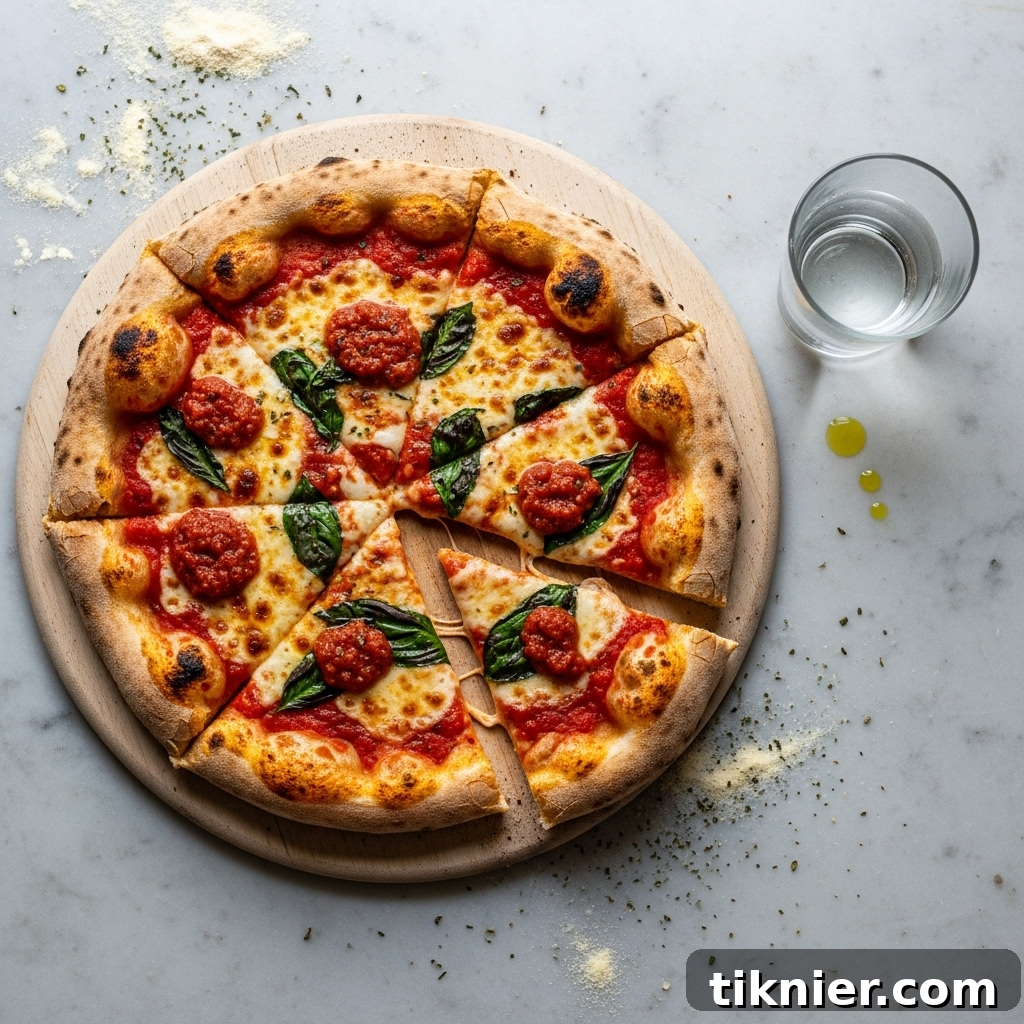
Description: A perfectly chewy, incredibly flavorful, and restaurant-quality homemade pizza dough featuring a secret ingredient – white miso paste. This unexpected addition adds astonishing umami and depth, elevating the crust to star status. The recipe expertly utilizes a cold fermentation process for the best possible texture and truly unforgettable taste.
Yield: 2 12-inch pizzas | Category: Dough, Main Course | Cuisine: Italian-American (with a Japanese twist)
Prep Time: 20 minutes + 25 hours rising (for cold ferment) | Cook Time: 10 minutes
Ingredients
- 1 ⅓ cups (320ml) warm water (105-115°F / 40-46°C)
- 1 tablespoon white miso paste
- 2 ¼ teaspoons (1 packet) instant yeast
- 1 teaspoon honey or granulated sugar
- 4 cups (500g) bread flour or “00” flour
- ¼ cup (40g) fine semolina flour, plus more for dusting
- 2 teaspoons fine sea salt
- 2 tablespoons extra-virgin olive oil, plus more for the bowl
Instructions
- In a large stand mixer bowl, vigorously whisk warm water and miso paste until completely dissolved. Sprinkle yeast and honey over the top, give a gentle stir, and let stand for 5-10 minutes until visibly foamy.
- In a separate medium bowl, thoroughly whisk together the bread flour (or “00” flour), semolina, and fine sea salt until well combined.
- Add the whisked flour mixture and the two tablespoons of olive oil to the foamy wet ingredients in the stand mixer bowl. Mix on low speed with a dough hook until a shaggy dough forms and no dry flour remains.
- Increase mixer speed to medium-low and knead for 6-8 minutes (or 8-10 minutes by hand) until the dough is smooth, elastic, and pulls cleanly from the bowl.
- Lightly oil a separate large bowl. Form the kneaded dough into a smooth ball, place it in the oiled bowl, turning once to coat. Cover tightly with plastic wrap and let rise in a warm, draft-free place for 1-1.5 hours, or until doubled in size.
- Gently punch down the risen dough, transfer to a lightly floured surface, and divide it into two equal portions. Form each portion into a tight ball.
- For optimal flavor and texture (highly recommended!), place each dough ball into a separate oiled, airtight container or large zip-top bag. Refrigerate for at least 24 hours and up to 3 days.
- Approximately two hours before you plan to bake, remove the dough balls from the refrigerator. Leave them covered on the counter to come to room temperature, allowing the gluten to relax.
- About 45 minutes before baking, place your pizza stone or steel in the oven and preheat the oven to its highest setting (500-550°F / 260-290°C).
- Dust your work surface and pizza peel with semolina flour. Gently stretch one dough ball into a 12-inch round with your fingertips, leaving the edge slightly thicker. Transfer to the prepared peel, add your desired sauce and toppings, and slide onto the hot stone in the oven. Bake for 6-10 minutes, until the crust is golden brown and the cheese is bubbly. Repeat with the second dough ball.
Notes
The 24-hour (or longer) cold fermentation is unequivocally highly recommended for achieving the most complex flavor, superior texture, and easier-to-handle dough. However, if you are genuinely short on time, you can proceed with baking after the initial 1.5-hour room temperature rise. Just know the cold ferment truly elevates the pizza!
Servings: 8 slices (per pizza, total 16 slices) | Calories: 295 kcal (per 1/8th of a 12-inch pizza) | Fat: 6g | Carbohydrates: 51g | Protein: 8g
5 Frequently Asked Questions About This Miso Pizza Dough
Here are some thorough and straightforward answers to the most common questions I consistently receive about this exceptional pizza dough recipe, designed to address your every concern and enhance your baking success.
Can I make this pizza dough entirely without a stand mixer?
Yes, absolutely, you can! Humanity has been crafting undeniably incredible pizza dough by hand for many centuries, long before the convenience of stand mixers became a staple in modern home kitchens. While a stand mixer undeniably streamlines the kneading process, making it significantly faster and considerably less labor-intensive, you can achieve the exact same superior results with merely a little bit of diligent elbow grease and patience. To embark on this manual kneading journey, you’ll commence by thoroughly mixing all the ingredients in a large bowl with a sturdy wooden spoon until a shaggy, cohesive dough begins to form. Then, carefully turn the dough out onto a lightly floured, impeccably clean countertop or work surface. The fundamental kneading technique involves pressing the heel of your hand firmly into the dough, pushing it forward and away from you, and then gracefully folding it back over on itself. Rotate the dough a quarter turn and simply repeat this rhythmic push, fold, and turn motion for approximately 8 to 10 minutes. You will intuitively know the dough is ready when it undergoes a magical transformation from a somewhat sticky, uneven mass into a beautifully smooth, wonderfully elastic, and remarkably supple ball that springs back slowly yet confidently when you gently poke it with your finger. It’s not only a fantastic workout for your arms but also an immensely satisfying and primal culinary process.
Why is my pizza dough not rising adequately?
This is undeniably the most frequently encountered issue in almost any yeast-based recipe, and it is almost invariably attributable to one of two primary factors: the vitality of your yeast or the ambient temperature. Firstly, your yeast may unfortunately no longer be active or potent. Yeast, being a living organism, has a finite shelf life and can expire. Always make it a diligent habit to check the expiration date printed on the packet or jar. If you are at all uncertain about its viability, you can perform a quick and simple test: gently sprinkle it into the warm water with the honey (or sugar) before incorporating any other ingredients. If the mixture fails to become visibly foamy and bubbly within 10 minutes, it is a clear indication that your yeast is inert, and you will regrettably need to discard it and commence anew with a fresh, active packet of yeast. The second common culprit is temperature. The water used to initially activate the yeast must be precisely warm, ideally within the range of 105-115°F (40-46°C). If the water is excessively hot (specifically over 120°F or 49°C), it will instantly kill the delicate yeast cells, rendering them completely ineffective. Conversely, if the water is too cold, the yeast will simply fail to become active and will remain dormant. Similarly, the dough itself requires a consistently warm, tranquil, and draft-free environment for its crucial first rise. If your kitchen happens to be on the chilly side, a clever trick is to place the bowl of dough inside an oven that is completely turned off but has its light turned on. The gentle, consistent heat emitted by the oven light creates an absolutely perfect, controlled proofing box, fostering optimal rising conditions.
What is the precise purpose and benefit of the cold fermentation for this pizza dough?
The cold fermentation step, wherein the dough is allowed to patiently rest and mature in the refrigerator for a period ranging from one to three days, is truly what profoundly distinguishes merely good pizza dough from genuinely exceptional pizza dough. While it might initially appear to be just a protracted waiting game, a remarkable amount of complex science and flavor development is actively occurring during this extended period. The significantly lower cold temperature drastically slows down the yeast’s metabolic production of carbon dioxide (which is the gas responsible for causing the dough to rise), but it crucially does not halt the fermentation process altogether. This deliberate, slow, and cold ferment allows the inherent enzymes present in both the yeast and the flour an ample amount of time to methodically break down complex carbohydrates and proteins. This enzymatic action results in the development of significantly more complex and nuanced flavors. You will experience a subtly tangy, almost sourdough-like character that is utterly impossible to achieve with a rapid, same-day rise. Beyond the profound flavor enhancement, this extended process also dramatically improves the dough’s overall texture and workability. The gluten structure is given an extended period to fully relax and strengthen, which makes the dough significantly easier to stretch without stubbornly snapping back, and ultimately yields a finished crust with a superior, satisfying chew, more beautiful and consistent browning, and those coveted, artisanal large air pockets (often referred to as “leopard-spotting”) that are the hallmark of truly high-quality, authentic pizza.
Can I successfully freeze this pizza dough for later use?
Yes, absolutely, this expertly crafted pizza dough freezes remarkably well, making it an incredibly convenient and practical solution for future impromptu pizza nights or simply for efficient meal planning. The optimal time to freeze the dough is after its initial rise and once you have carefully divided it into two separate balls. To ensure proper freezing and preserve its quality, lightly coat each individual dough ball with a thin, even layer of extra-virgin olive oil. This protective oil barrier is essential as it prevents the dough from drying out and forming an undesirable tough skin or developing freezer burn during its time in the freezer. Place each oiled dough ball into its own individual, heavy-duty zip-top freezer bag. Before sealing the bag completely, make sure to meticulously press out as much air as possible to further safeguard against freezer burn. It’s a good practice to clearly label the bags with the date you prepared them. The dough can then be confidently stored in the freezer for an impressive duration of up to three months without significant loss of quality. When you’re ready to indulge in homemade pizza, simply transfer the frozen dough from the freezer to the refrigerator and allow it to thaw slowly and gently overnight. Then, approximately two hours before your desired baking time, take it out of the fridge and let it rest on the kitchen counter, still covered, to gradually come to room temperature, precisely as the recipe instructs. This ensures maximum pliability and optimal baking results.
What truly sets this miso pizza dough apart from a conventional pizza dough recipe?
The distinct and simple addition of just one tablespoon of white miso paste is the fundamental secret that dramatically elevates this pizza dough from a standard, good recipe to something truly extraordinary and unforgettable. Miso, a revered traditional Japanese seasoning crafted from fermented soybeans, is an absolute powerhouse of savory, complex flavor known universally as umami. When you artfully incorporate it into the pizza dough, it performs its unique magic subtly and brilliantly in the background. It is crucial to understand that it does not impart a distinctly overt miso or Asian food flavor to the crust. Instead, its genius lies in its ability to profoundly deepen and enhance the natural, inherent flavors of the wheat flour and the yeast. It introduces a subtle yet incredibly rich and savory complexity that, to many, tastes almost cheesy or nutty, transforming the crust itself into a compelling culinary destination, rather than merely serving as a passive base for toppings. Furthermore, the beneficial enzymes naturally present within the miso actively contribute to a more tender and yielding crumb structure, and they remarkably assist the crust in achieving a more uniform, consistent, and beautifully golden-brown color during the baking process. It is a deceptively simple, unexpected ingredient that masterfully adds an invaluable layer of profound complexity and will undoubtedly have your family and friends effusively raving about your truly exceptional pizza-making prowess, begging for your secret.
Continue Your Culinary Journey: Try These Recipes Next!
Now that you’ve unequivocally mastered the art of crafting this incredible homemade miso pizza dough, you are perfectly poised and ready to confidently tackle an exciting array of other delicious kitchen projects. If you’re actively seeking more culinary inspiration to enrich your weekly meal plan, rest assured, I’ve got you thoroughly covered. This versatile dough serves as an absolutely perfect and robust starting point for a delightful family dinner, a budget-friendly and satisfying meal, or even an innovative and creative breakfast idea that will surprise and delight.
Here are a few carefully curated collections from the blog that I am confident you will thoroughly enjoy exploring and integrating into your cooking repertoire next:
- 110 Easy Dinner Ideas That Taste Great: When the demands of a busy day leave you yearning to get a truly delicious and satisfying dinner on the table without any unnecessary fuss or complication, this extensive list will swiftly become your most trusted culinary companion. It’s thoughtfully packed with simple, universally crowd-pleasing, and effortlessly achievable recipes designed for any night of the week.
- Cheap Meal Ideas & Budget Friendly Recipes: The act of making homemade pizza from scratch is, in itself, a fantastic and highly effective strategy to save money on dining out. This comprehensive list extends that philosophy even further, offering an abundance of additional ideas for truly delicious and fulfilling meals that are remarkably gentle on your wallet, proving that gourmet taste doesn’t require a gourmet price tag.
- Easy Breakfast Ideas & Recipes: Who ever decreed that pizza is exclusively reserved for dinner? Dare to break convention and try topping this very dough with fluffy scrambled eggs, crispy bacon, and a generous layer of melted cheese for an absolutely amazing breakfast pizza that the entire family will undoubtedly go wild for! This vibrant collection offers plenty of other inspiring and effortless morning meal ideas to kickstart your day with flavor.