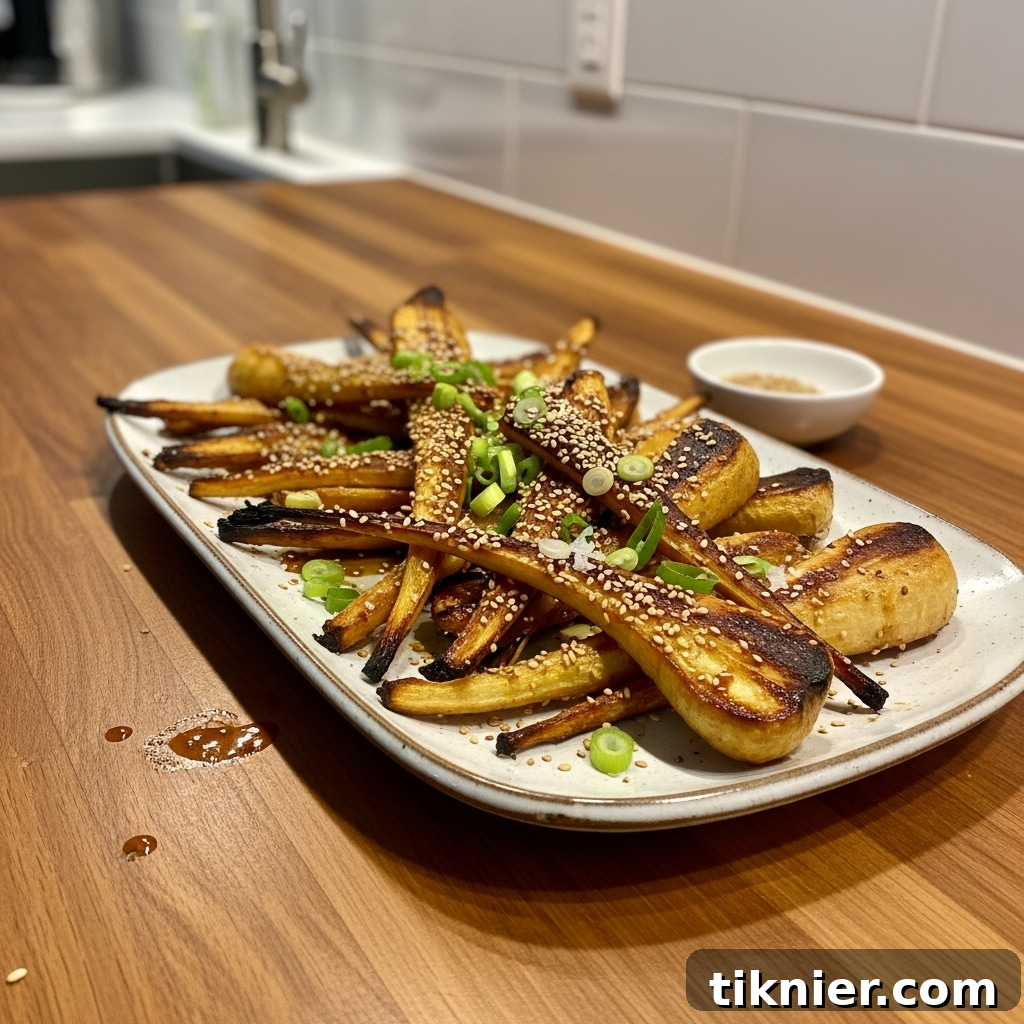
Elevate Your Plate: Miso Maple Roasted Parsnips – A Sweet & Savory Revelation
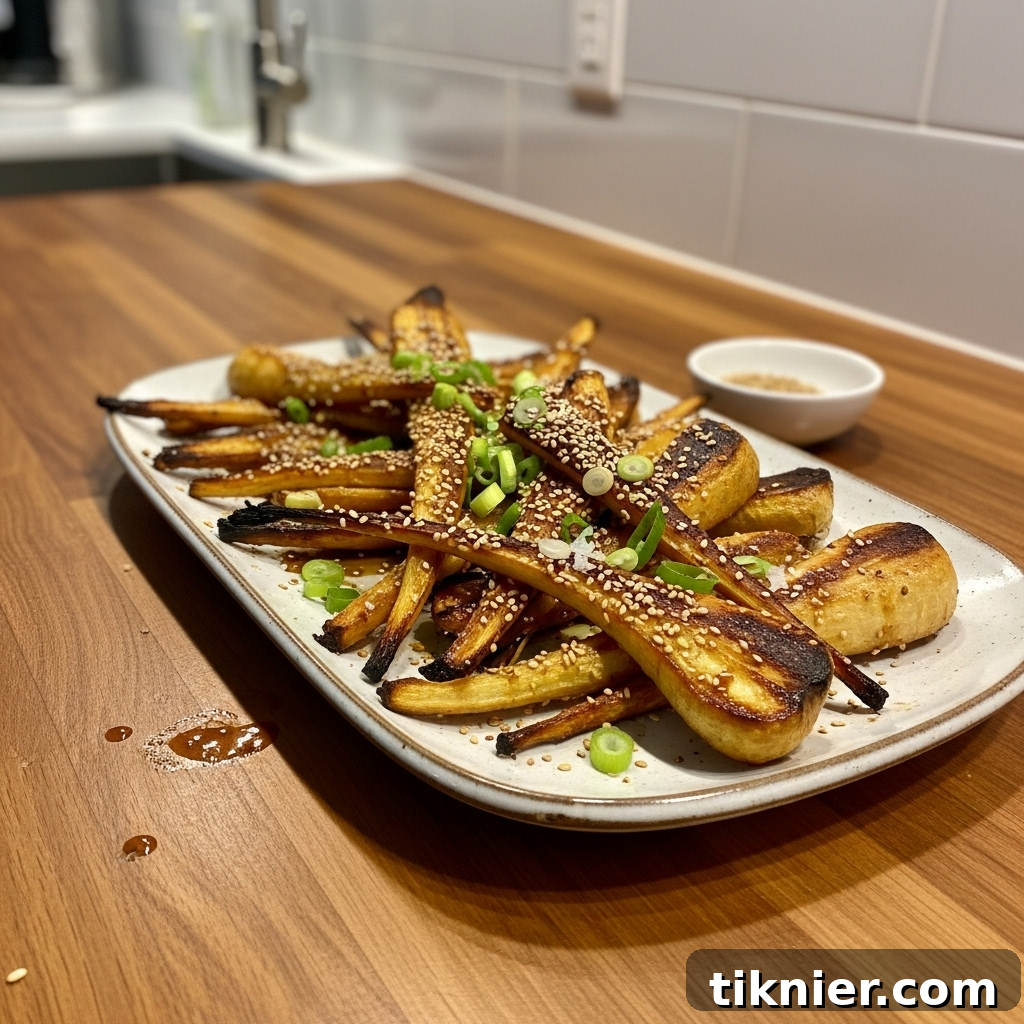
For too long, parsnips have languished in the culinary shadows, often dismissed as merely pale, uninteresting carrots. I’ll readily admit, I spent most of my life viewing them with a degree of skepticism, encountering them primarily as bland additions to a winter stew, boiled into submission. The true appeal of this root vegetable remained a mystery to me, until a pivotal chilly evening unfolded at a charming farm-to-table restaurant nestled in the heart of Asheville. It was there that I encountered a side dish that forever altered my perception: the most glorious, glistening roasted parsnips I had ever laid eyes on.
These weren’t just any parsnips; they were a revelation. Sweet, profoundly nutty, and impossibly rich, they possessed a depth of flavor that captivated my palate. In that moment, I knew I was destined to recreate that culinary magic within the confines of my own kitchen. My initial attempts involved the traditional approach, employing honey or maple syrup for a sweet glaze. While certainly good, something felt inherently missing. It lacked that elusive “wow” factor, a subtle twist that would elevate the dish from pleasant to truly unforgettable, sparking conversation at the dinner table.
The turning point arrived when I instinctively reached for a tub of white miso paste, typically reserved for soup recipes, from the depths of my refrigerator. The profound savory, salty, and umami depth inherent in the miso proved to be the quintessential dance partner for the earthy sweetness of the parsnips and the luxurious richness of pure maple syrup. This extraordinary combination melds into a glaze that caramelizes into something truly spectacular as it roasts. This specific roasted parsnips recipe didn’t just change my mind; it transformed me from a parsnip skeptic into a full-blown evangelist, eager to share this culinary secret with everyone.
Skip to My Special Recipe!
The Culinary Alchemy: Why These Miso Maple Roasted Parsnips Are a Game-Changer
Roasted vegetables are far more than just a side; they are a cornerstone of simple, yet elegant cooking, and parsnips, with their inherent sweetness and robust character, are an ideal candidate for this transformative treatment. The magic begins when these humble root vegetables encounter the high, dry heat of an oven. This intense heat initiates a process known as the Maillard reaction and caramelization, drawing out and concentrating the parsnips’ natural sugars. What was once a relatively starchy texture gives way to something remarkably tender on the inside, encased in a beautifully caramelized and slightly crisp exterior. This process doesn’t just cook them; it profoundly enhances and concentrates their flavor, making them taste even more intensely “parsnip” in the most delightful way possible.
For generations, the conventional method for dressing roasted parsnips has revolved around a straightforward sweet glaze, often featuring honey or pure maple syrup. This classic pairing endures for a good reason: the natural sweetness perfectly complements the earthy undertones of the root vegetable, creating a comforting and harmonious flavor profile. It’s a reliable, crowd-pleasing side dish that feels perfectly at home whether gracing a festive holiday table or providing a wholesome accompaniment to a casual weeknight dinner.
However, we’re not aiming for merely “good”; we’re striving for “extraordinary.” The true secret weapon, the ingredient that elevates this dish into a culinary masterpiece, is white miso paste. Miso, a fermented soybean paste, introduces a profound savory element, a concept deeply cherished in Japanese cuisine known as umami. This deep, complex, and subtly salty flavor provides a stunning, almost electrifying contrast to the inherent sweetness of both the parsnips and the maple syrup. The result is a glaze of incredible complexity, one that manages to hit every note on the flavor spectrum: sweet, salty, savory, and earthy. It transcends the humble parsnip from a simple, expected side dish to a truly memorable and talked-about culinary experience that will leave your guests asking for the recipe.
Unveiling the Stars: Key Ingredients for Perfect Miso Maple Roasted Parsnips
The inherent beauty of this recipe lies not in a lengthy ingredient list, but in its elegant simplicity and the powerful synergy created by just a few meticulously chosen components. While the list may appear modest, the quality and integrity of each ingredient play a pivotal role in shaping the exquisite final flavor. Here’s a detailed look at exactly what you’ll need to create these truly incredible roasted parsnips, along with tips for selecting the best.
- 1.5 lbs parsnips, peeled: Look for firm, smooth parsnips without soft spots or excessive root hairs. Smaller to medium-sized parsnips are often sweeter and more tender.
- 2 tbsp avocado oil or other neutral high-heat oil: Avocado oil is excellent due to its high smoke point, which is crucial for high-temperature roasting. Grapeseed oil or refined coconut oil are also good alternatives.
- 1 tbsp white miso paste: This is the secret ingredient!
- 1 tbsp pure maple syrup: The real deal makes all the difference; avoid imitation syrups.
- 1 tsp rice vinegar: Adds a subtle tang that brightens the glaze.
- 1/2 tsp toasted sesame oil: A small amount adds a wonderfully nutty, aromatic depth.
- 1/4 tsp freshly ground black pepper: Freshly ground provides superior flavor.
- Flaky sea salt, to taste: For finishing, it adds a lovely textural crunch and enhances all flavors.
- 1 tbsp toasted sesame seeds, for garnish: Provides visual appeal and a delicate nutty crunch.
- 1 scallion, thinly sliced (green parts only), for garnish: Offers a fresh, vibrant, and slightly pungent counterpoint to the richness.
The undisputed star and the very heart of this dish is the white miso paste. Also known as shiro miso, it distinguishes itself from its red or yellow counterparts by undergoing a shorter fermentation period. This results in a distinctly milder, sweeter, and less salty flavor profile, making it absolutely perfect for this delicate glaze. Its creamy texture and profound savory depth enrich the dish without overpowering the natural sweetness of the parsnips or the maple syrup. You can typically locate white miso paste in the refrigerated section of most well-stocked grocery stores, often alongside tofu, kimchi, or other Asian specialty ingredients. Once opened, store it in the refrigerator, where it will last for several months.
Equally important is your choice of sweetener: please ensure you use only pure, unadulterated maple syrup. The complex, caramel-like notes and natural richness of real maple syrup are incomparable to the one-dimensional sweetness of pancake syrup, which is predominantly corn syrup and artificial flavors. Similarly, investing in a good quality toasted sesame oil will pay dividends. Its intense, nutty aroma is incredibly potent, and just a small amount woven into the glaze brings a cohesive, exotic warmth to the entire dish. A small bottle will last for many culinary adventures. It’s these seemingly minor details and quality ingredient choices that truly make this roasted parsnips recipe stand out, transforming a simple vegetable into a memorable gourmet experience.
Master the Method: Step-by-Step Guide to Miso Maple Roasted Parsnips
Creating these exquisite Miso Maple Roasted Parsnips is remarkably straightforward, requiring minimal active prep time while the oven diligently handles the heavy lifting. By following these precise steps, you are guaranteed to achieve a consistently perfect, deeply flavorful side dish every single time. Precision in preparation ensures optimal texture and caramelization.
1. Preheat Oven and Prepare Your Pan
Begin by preheating your oven to a robust 425°F (220°C). This high temperature is absolutely critical for encouraging the rapid evaporation of moisture, fostering the coveted caramelization, and achieving beautifully browned edges. As your oven heats, take a large, rimmed baking sheet and line it completely with parchment paper. This often-overlooked step is an absolute lifesaver for cleanup; the sugary, sticky glaze can adhere tenaciously to the pan during baking, making parchment paper an indispensable barrier.
2. Expertly Cut the Parsnips
Once your parsnips are peeled, it’s time for precise cutting. The ultimate goal is to achieve pieces that are as uniform in size as possible, which is paramount for ensuring they cook evenly throughout the roasting process. Parsnips naturally vary in thickness, typically being broader at the top and tapering down to a thinner tail. For the slender bottom half of the parsnip, a simple lengthwise slice usually suffices. However, for the thicker, upper sections, I recommend quartering them lengthwise. This thoughtful approach prevents any piece from being either too thick (and thus undercooked) or too thin (and prone to burning), ensuring a harmonious texture in every bite.
3. Craft the Silky Miso Maple Glaze
In a bowl spacious enough to comfortably accommodate all your prepared parsnip pieces, it’s time to whisk together the magical glaze. Combine the avocado oil, luscious white miso paste, pure maple syrup, zesty rice vinegar, and aromatic toasted sesame oil. Miso paste, by its nature, can be quite thick and dense. Therefore, whisk the mixture vigorously for at least a full minute. Your objective is to thoroughly incorporate the miso until the glaze becomes completely smooth and beautifully emulsified, transforming into a creamy, cohesive liquid that will evenly coat the parsnips.
4. Thoroughly Coat the Parsnips
Introduce your uniformly cut parsnip pieces directly into the bowl containing the freshly prepared glaze. Utilizing a sturdy spatula or, even better, your clean hands, toss everything together with enthusiasm. The aim is to ensure that every single piece of parsnip is evenly and generously coated in the shimmering glaze. Do not be timid; meticulous coating ensures that each parsnip benefits from the complex flavors and develops that desirable caramelized crust. Finish this step by seasoning the coated parsnips with several generous grinds of fresh black pepper, which adds a subtle warmth and aromatic lift.
5. Arrange for Perfection and Begin Roasting
Carefully spread the glazed parsnips in a single, uncrowded layer on your parchment-lined baking sheet. This is perhaps the most critical rule in the art of roasting vegetables. Overcrowding the pan is a common pitfall; when vegetables are packed too tightly, they release moisture and essentially steam rather than roast, preventing the development of those irresistible crispy, caramelized edges. If your baking sheet appears too full, do not hesitate to divide the parsnips between two separate pans to ensure ample space for proper roasting. This small detail guarantees maximum flavor and texture.
6. The Mid-Roast Flip for Even Browning
Place the pan in your preheated oven and roast for an initial period of 15 minutes. At this juncture, you’ll observe that the glaze has begun to bubble and develop an attractive golden-brown hue. Carefully remove the pan from the oven. Using a pair of tongs, meticulously flip each individual parsnip piece over. This crucial step exposes all sides of the parsnips to the direct heat, ensuring they achieve a uniform and stunning caramelization on all surfaces, contributing to an even texture and consistent flavor throughout.
7. Complete the Roasting Process
Return the pan to the oven and continue roasting for an additional 10 to 15 minutes. Keep a close eye on them during this final stage. You’ll know the parsnips are perfectly done when they are undeniably fork-tender (a fork should slide into them with minimal resistance) and have developed deep, rich, golden-brown caramelized spots across their surfaces. Beyond visual cues, your kitchen will be filled with an absolutely divine aroma, a sure sign of a perfectly roasted and flavorful dish.
8. Garnish and Serve with Panache
Once roasted to perfection, gently transfer your glistening parsnips to an elegant serving platter. While they are still delightfully warm, enhance their presentation and flavor profile with a thoughtful garnish. Sprinkle generously with toasted sesame seeds for an added layer of nutty crunch, and scatter thinly sliced scallions (utilizing only the vibrant green parts) for a fresh, slightly piquant bite that cuts through the richness. A final, delicate flourish of flaky sea salt will bring all those complex sweet, savory, and earthy flavors into brilliant harmony, truly making them sing.
Elevate Your Meal: Serving Suggestions for Miso Maple Roasted Parsnips
These Miso Maple Roasted Parsnips boast an incredible versatility, allowing them to seamlessly integrate into virtually any meal where a standout side dish is desired. Their distinctive sweet and savory flavor profile, harmoniously balanced with umami depth, renders them a fantastic and sophisticated addition to both lavish special occasion feasts and simple, comforting weeknight meals. Beyond their exquisite taste, the presentation is inherently beautiful; the glistening glaze paired with the vibrant green garnish creates a visual appeal that is as enticing as the flavors themselves, making them look every bit as good as they taste.
For a more traditional and hearty meal, these parsnips are nothing short of a showstopper. Their complex flavor cuts through richness, making them an ideal companion for a variety of savory main courses. Consider serving them alongside:
- A Holiday Roast: They are an impeccable partner for festive centerpieces such as a succulent Thanksgiving turkey, a glazed Christmas ham, a beautifully roasted leg of lamb, or a perfectly rendered roasted chicken.
- Pork Dishes: The inherent sweetness of the glaze and the parsnips themselves complements pork exceptionally well. Try them with a juicy pork loin, thick-cut pork chops, savory pulled pork, or even a crispy-skinned pork belly.
- Steak Dinner: Offer them as a sophisticated alternative to, or alongside, traditional potatoes for an elegant, elevated steakhouse-style meal right in the comfort of your home. They also pair wonderfully with slow-cooked beef or robust stews.
- Fish and Seafood: The umami notes in the miso glaze can beautifully complement the delicate flavors of pan-seared salmon, baked cod, or even roasted scallops.
- Vegetarian Mains: Pair them with a lentil loaf, a hearty mushroom wellington, or a rich vegetable gratin for a satisfying meat-free meal.
However, the allure of these beautiful parsnips isn’t confined solely to the dinner plate. They are equally fantastic when repurposed or creatively incorporated into more inventive dishes. Any delightful leftovers can be chopped and tossed into a robust winter salad, perhaps with bitter greens like kale, toasted nuts, dried cranberries, and a sharp vinaigrette to balance the sweetness. They also make a fantastic and flavorful addition to a grain bowl, served with quinoa or farro, roasted chickpeas, fresh greens, and perhaps a drizzle of tahini dressing. For a truly decadent brunch experience, try serving them alongside perfectly fried or poached eggs and crusty artisanal bread, allowing their unique flavor to shine. Their remarkable versatility is undoubtedly one of their most appealing attributes, encouraging culinary exploration beyond the expected.
Preserve the Perfection: Storing and Reheating Leftover Roasted Parsnips
While these miso maple roasted parsnips undoubtedly achieve their peak deliciousness when served immediately, fresh from the oven, any leftovers are still incredibly flavorful and can be stored with ease. The key to maintaining as much of their original texture and vibrant flavor as possible lies in proper storage and reheating techniques. When handled correctly, you can relish these delightful parsnips for several days after their initial preparation, ensuring no delicious morsel goes to waste.
To store your leftover roasted parsnips, the first crucial step is to allow them to cool completely to room temperature. Introducing warm food directly into the refrigerator can create unwanted condensation within the container, which is the primary culprit behind soggy vegetables. Once fully cooled, transfer the parsnips to an airtight container. Stored properly, they will maintain their quality and flavor beautifully in the refrigerator for approximately 3 to 4 days.
When it comes to reheating, I strongly advise against using the microwave. While convenient, the microwave’s method of heating tends to steam the parsnips, inevitably rendering them soft, mushy, and devoid of their original caramelized texture. For optimal results, your goal is to revive some of that coveted roasted crispness. Here are the most effective methods for reheating:
- Oven: This is arguably the best method for restoring texture. Spread the parsnips in a single layer on a baking sheet (preferably lined with parchment paper). Heat them in a preheated 375°F (190°C) oven for about 10 to 15 minutes, or until they are warmed through and their edges have subtly re-crisped and browned again.
- Air Fryer: An air fryer performs exceptionally well for reheating, thanks to its circulating hot air. Place the parsnips in a single layer in the air fryer basket and heat them at approximately 350°F (175°C) for 5-7 minutes, shaking the basket once or twice, until they are hot and have regained a pleasant texture.
- Skillet: You can also pan-fry them. Heat a lightly oiled skillet over medium heat. Add the parsnips and sauté for a few minutes, stirring occasionally, which will help to re-caramelize the glaze and warm them through, adding a nice golden crust.
Beyond simple reheating, leftover roasted parsnips are wonderfully versatile for repurposing. Chop them up and incorporate them into savory frittatas, hearty omelets, or flavorful breakfast hashes. For a truly comforting option, blend them with some rich vegetable broth and a splash of cream to create a silky, deeply delicious parsnip soup. They add a magnificent sweet and savory depth to virtually any dish you choose to add them to, proving their culinary value extends far beyond their initial serving.
Beyond the Recipe: Customizing Your Miso Maple Roasted Parsnips
One of the aspects I adore most about this roasted parsnips recipe is its remarkable adaptability. It readily welcomes modifications, allowing you to tailor it perfectly to your personal taste preferences or to creatively utilize ingredients you already have on hand in your pantry. While the unique miso-maple combination holds a special place as my absolute favorite, there are abundant ways to infuse this dish with your own culinary signature. Whether you require a specific dietary swap or are simply eager to experiment with a fresh flavor profile, here are several inspired ideas to ignite your creativity.
Feel empowered to playfully experiment with the core components of the glaze. Should you find yourself without one of the listed ingredients, a thoughtful substitution can still yield a delightfully delicious result, showcasing the robustness of the flavor concept. Here are some simple, yet effective, substitutions you can confidently try:
- For White Miso Paste: If acquiring white miso proves challenging, tahini can offer a similar creamy texture and a delightful nutty depth. For a potent salty and savory kick, though without the creamy body, a tablespoon of tamari or soy sauce will also work effectively, adding that crucial umami dimension.
- For Maple Syrup: Honey is an excellent and classic choice, pairing beautifully with the earthy notes of parsnips. Agave nectar also serves as a perfect one-to-one substitute, offering a similar sweetness and viscosity.
- For Rice Vinegar: A teaspoon of apple cider vinegar, or even a vibrant squeeze of fresh lemon or lime juice, can provide the essential acidity required to perfectly balance and brighten the entire glaze, preventing it from tasting overly sweet.
- Spice It Up: If your palate craves a touch of heat, consider adding a generous pinch of red pepper flakes directly into the glaze, or a half-teaspoon of sriracha or gochujang for a more pronounced sweet and spicy kick that adds an exciting layer of complexity.
- Herbaceous Notes: Fresh thyme, rosemary, or sage, finely chopped and mixed into the glaze or sprinkled over the parsnips before roasting, can introduce wonderful aromatic depth.
- Citrus Zest: A little lemon or orange zest added to the glaze can provide a bright, fragrant lift that complements both the sweetness and the umami.
Furthermore, this incredible, versatile glaze is not limited to parsnips alone. It performs absolutely fantastically on a myriad of other root vegetables and even other sturdy vegetables. Imagine it coating perfectly roasted carrots, sweet potatoes, chunks of hearty butternut squash, Brussels sprouts, or even broccoli florets. Simply be sure to adjust the roasting time accordingly, taking into account the varying density and size of the specific vegetable you select. This versatile miso-maple glaze is an indispensable secret weapon to have at your disposal in your culinary arsenal, capable of transforming all sorts of roasted dishes into something truly extraordinary.
Miso Maple Roasted Parsnips
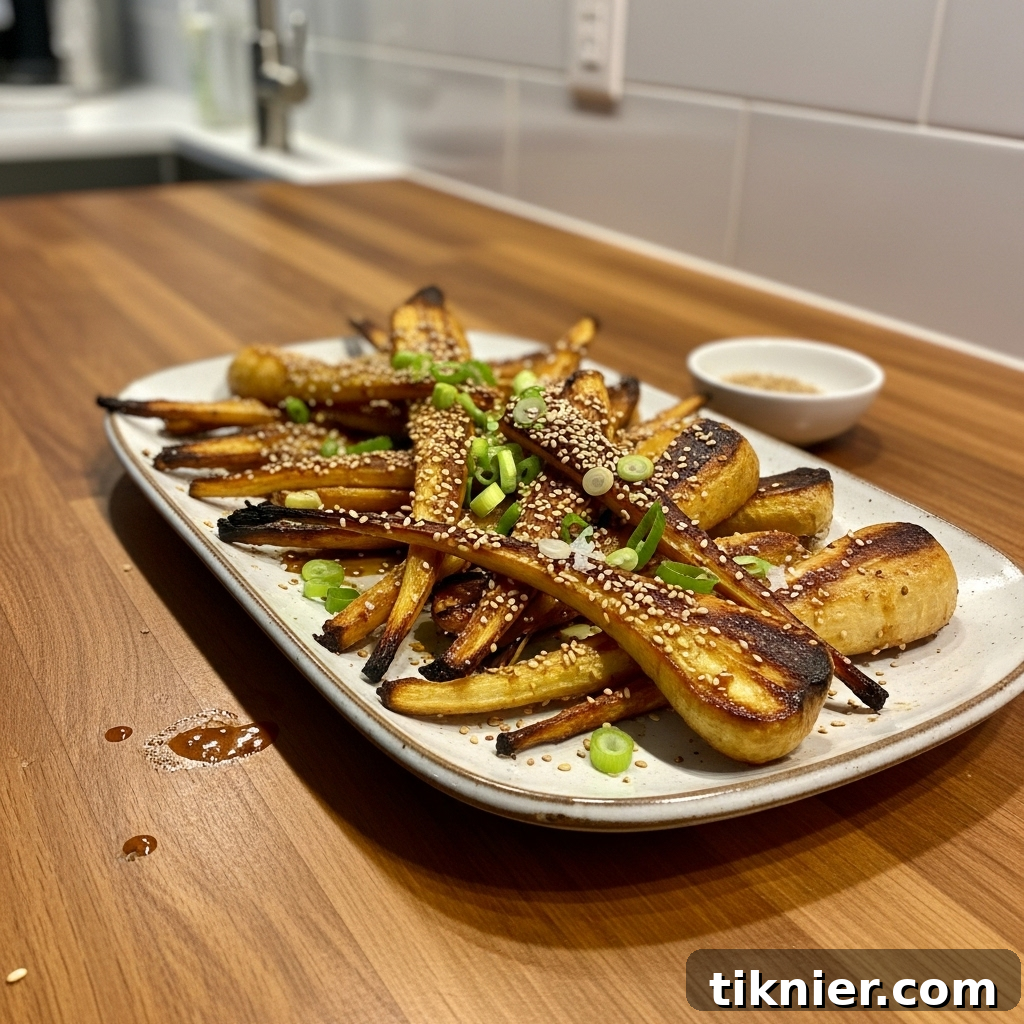
Description: Earthy parsnips roasted to perfection in a delectable sweet and savory glaze crafted from white miso, pure maple syrup, and fragrant toasted sesame oil. This truly unforgettable side dish boasts a harmonious balance of flavors and a wonderfully caramelized texture, making it a standout addition to any meal.
Yield: 4 Servings | Category: Side Dish | Cuisine: American Fusion
Prep Time: 10 minutes | Cook Time: 30 minutes
Ingredients
- 1.5 lbs parsnips, peeled
- 2 tbsp avocado oil
- 1 tbsp white miso paste
- 1 tbsp maple syrup (pure, not artificial)
- 1 tsp rice vinegar
- 1/2 tsp toasted sesame oil
- 1/4 tsp freshly ground black pepper
- Flaky sea salt, to taste
- 1 tbsp toasted sesame seeds, for garnish
- 1 scallion, thinly sliced (green parts only), for garnish
Instructions
- Preheat oven to 425°F (220°C). Line a large, rimmed baking sheet with parchment paper for easy cleanup.
- Peel the parsnips and cut them into uniform pieces. For thinner ends, slice in half lengthwise. For thicker tops, quarter lengthwise to ensure even cooking.
- In a large bowl, whisk together the avocado oil, white miso paste, maple syrup, rice vinegar, and toasted sesame oil. Whisk vigorously until the miso is fully incorporated and the mixture forms a smooth, creamy glaze.
- Add the prepared parsnips to the bowl with the glaze. Toss thoroughly using a spatula or your hands until every piece is evenly coated. Season with freshly ground black pepper.
- Spread the coated parsnips in a single, even layer on the prepared baking sheet. Ensure they are not overcrowded to promote roasting, not steaming. Use a second sheet if necessary.
- Roast for 15 minutes. Carefully remove the pan from the oven and use tongs to flip each parsnip piece over, ensuring even caramelization.
- Return the pan to the oven and roast for another 10-15 minutes, or until the parsnips are fork-tender and deeply golden brown with caramelized edges.
- Transfer the roasted parsnips to a serving platter. Garnish immediately with toasted sesame seeds, thinly sliced scallions, and a final sprinkle of flaky sea salt for an enhanced finish. Serve warm.
Notes
To achieve the best possible texture and caramelization, it is crucial not to overcrowd the baking sheet. If the parsnips are packed too tightly, they will steam instead of roast, resulting in a soggy texture. Utilize two baking sheets if needed to ensure adequate space for each piece. Quality ingredients, especially pure maple syrup and good white miso, will significantly impact the final flavor.
Servings: 4 | Calories: 220 kcal | Fat: 10g | Carbohydrates: 32g | Protein: 3g
Frequently Asked Questions (FAQs) About Roasted Parsnips
Here are comprehensive answers to the most common questions I receive about preparing and enjoying this delicious miso maple roasted parsnips recipe, providing clarity and confidence for your culinary journey.
What do roasted parsnips truly taste like, especially with this glaze?
If you’re new to the world of parsnips, prepare for a delightful culinary discovery. Raw, parsnips share a textural resemblance to carrots, being firm and crisp, but their flavor profile is notably more complex. They possess an earthy, slightly nutty essence, often with subtle hints of spice, reminiscent of a very mild turnip beautifully intertwined with the natural sweetness of a carrot. They are distinctly different from carrots, boasting a more robust, sophisticated, and inherently savory character before any cooking even begins.
The true magic, however, unfolds when parsnips are subjected to high-heat roasting. This intense dry heat masterfully coaxes out their inherent sugars, causing them to caramelize and dramatically concentrating their flavors. The roasting process transforms them into something incredibly sweet, deeply tender, and possessing a rich, nutty, almost buttery taste. Their edges develop a wonderfully irresistible caramelization and become slightly crispy, providing a fantastic textural counterpoint to the soft, creamy interior. When paired with our signature miso maple glaze, the result is an unparalleled symphony of flavors: a perfect balance of earthy depth, comforting sweetness, profound umami, and a subtle savory kick that makes them truly unforgettable. It’s a flavor profile that stands out without being overpowering.
Is it essential to peel parsnips before roasting?
This is a frequently asked and excellent question, and my unequivocal recommendation for this particular recipe is yes, absolutely peel them. While the skin of a parsnip is technically edible, especially on very young and slender parsnips, it can often be tough, fibrous, and occasionally impart a slightly bitter or woody flavor. Peeling them ensures a consistently tender, smooth texture throughout the cooked parsnip, and allows the natural sweetness to shine through more purely, unobstructed by any potential bitterness from the skin.
By removing that outer layer, you create a perfect canvas for the parsnip flesh to cook evenly and absorb the rich miso maple glaze beautifully. The peeling process adds only a few extra minutes to your preparation time, easily accomplished with a standard vegetable peeler, but it makes a significant and noticeable difference in the overall quality, palatability, and enjoyment of your final roasted parsnips. Treat them just as you would carrots, removing the outer layer before proceeding with your desired cutting method.
Why are my roasted parsnips turning out soggy, and how can I fix it?
Soggy roasted vegetables are indeed a common culinary disappointment, but the good news is that this problem is typically easy to diagnose and rectify. There are usually three primary culprits behind parsnips that emerge from the oven less than perfectly crisp and caramelized. The most common reason, by far, is overcrowding the baking sheet. When vegetables are packed too tightly together, they release moisture, and this trapped moisture essentially creates a steamy environment. Instead of roasting in the dry heat of the oven, they end up steaming in their own juices, leading to that undesirable soft, mushy, and soggy texture.
Another potential issue lies with the oven temperature itself. Your oven must be adequately hot, ideally within the 400-425°F (200-220°C) range, to rapidly evaporate moisture from the surface of the parsnips and encourage the browning and caramelization (Maillard reaction) that creates those delicious crispy edges. If the oven temperature is too low, the parsnips will cook through slowly without developing that coveted crispy exterior. Finally, ensure your parsnips are as dry as possible before you toss them in the glaze. If you rinse them after peeling or cutting, pat them thoroughly dry with a clean paper towel or kitchen towel before proceeding to the glazing step. Excess surface moisture will hinder proper browning.
Can I prepare these roasted parsnips ahead of time, and how?
Yes, absolutely! You can certainly undertake several preparatory steps in advance to streamline your cooking process, which is particularly advantageous when juggling multiple dishes for holiday meals or busy weeknights. You can peel and chop the parsnips up to 24 hours prior to cooking. To prevent any unsightly browning (oxidation), store the cut parsnip pieces submerged in a bowl of cold water in the refrigerator. When you’re ready to proceed with the recipe, simply drain them thoroughly and pat them completely dry with paper towels. Additionally, the miso maple glaze can be whisked together ahead of time and stored in an airtight container in the fridge for a day or two, ready for immediate use.
While these roasted parsnips are undeniably at their peak perfection when enjoyed fresh out of the oven, they can be cooked entirely ahead of time if your schedule demands it. After roasting, allow them to cool completely to room temperature before transferring them to an airtight container and refrigerating. To reheat, spread the parsnips evenly on a baking sheet and pop them into a 375°F (190°C) oven for approximately 10-15 minutes. This method gently warms them through and helps to revive some of their original crispness. Preparing components in advance is a fantastic strategy for saving valuable time when orchestrating complex meals or simply seeking a stress-free cooking experience.
What makes this Miso Maple glaze so exceptionally special for roasted parsnips?
This particular Miso Maple glaze transcends the ordinary because it orchestrates a complex symphony of flavors, resulting in a dish that is far more nuanced and intriguing than a simple sweet coating. The pure maple syrup provides a familiar, comforting, and rich sweetness that harmonizes naturally with the inherent earthiness of the parsnip. The addition of toasted sesame oil contributes a wonderful nutty aroma and a subtle depth, while the rice vinegar introduces a crucial touch of acidity, brightening the entire glaze and preventing it from becoming cloyingly sweet. Even without the miso, it’s a beautifully balanced combination on its own.
However, the white miso paste is the true star ingredient that elevates the entire dish from excellent to extraordinary. Miso, with its profound savory, salty, and richly fermented flavor, delivers a powerful umami punch. This savory element creates a dynamic and utterly captivating contrast with the sweetness of both the maple syrup and the roasted parsnips themselves. It imparts an incredible depth, a complexity, and that elusive “I can’t quite put my finger on it, but I want more” quality that defines truly great food. This unique interplay of sweet, savory, and earthy notes transforms a simple, good side dish into something genuinely extraordinary, memorable, and utterly addictive.
Explore More Culinary Adventures: Try These Recipes Next
If you savored the experience of transforming a humble vegetable into a star side dish with our Miso Maple Roasted Parsnips, I encourage you to explore a few other roasting recipes from the blog that I’m confident you will thoroughly enjoy. Each offers a unique way to celebrate the natural flavors of vegetables.
- Roasted Rainbow Carrots with Carrot Puree: A visually stunning and incredibly delicious dish that beautifully makes carrots the undeniable star of the show, offering a sophisticated take on a classic.
- Roasted Brussels Sprouts with Bacon: This perennial favorite combines the delightful crispiness of perfectly roasted Brussels sprouts with the irresistible savory crunch of bacon, a guaranteed crowd-pleaser.
- Easy Roasted Fingerling Potatoes: A wonderfully simple, yet elegant, and perfectly crispy potato side dish that boasts incredible versatility, pairing seamlessly with absolutely everything you could imagine.
I sincerely hope you’ll give one of these delightful recipes a try for your next meal and continue your journey of culinary exploration!