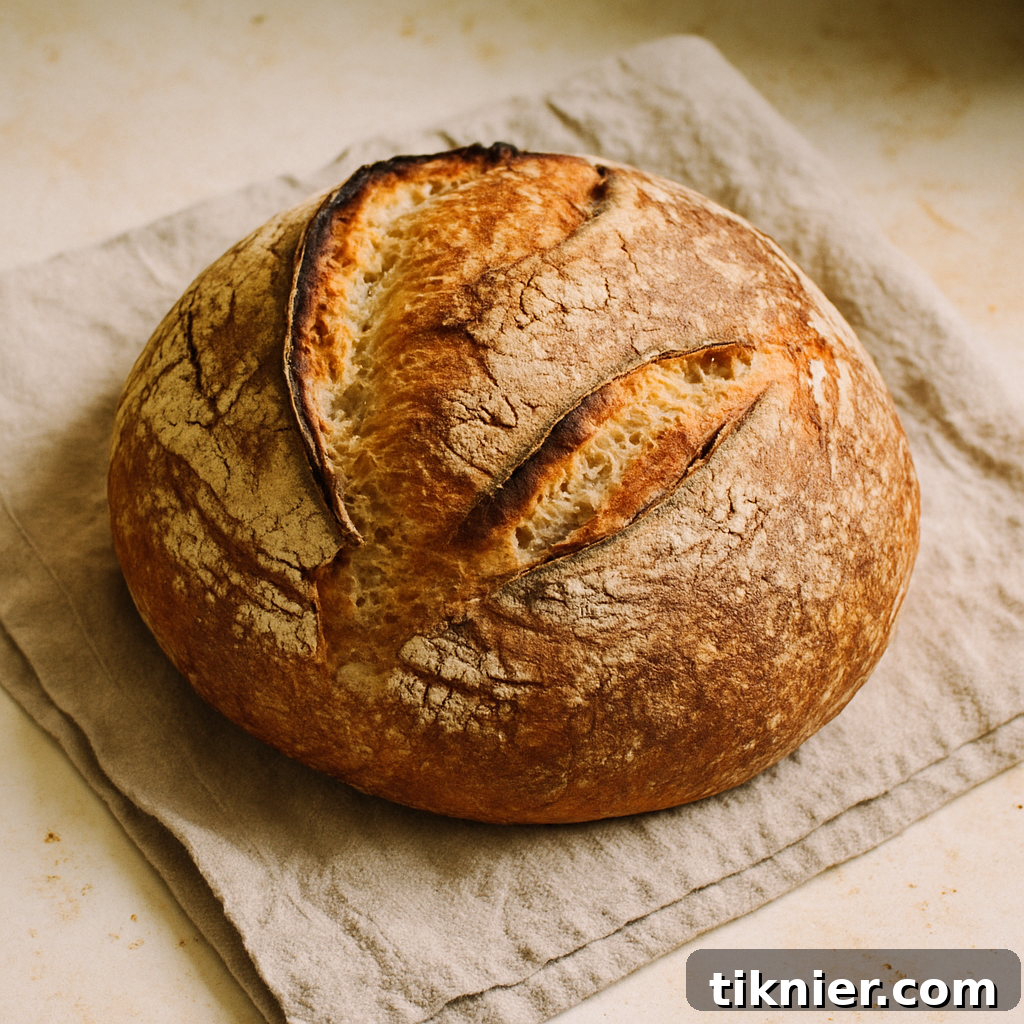
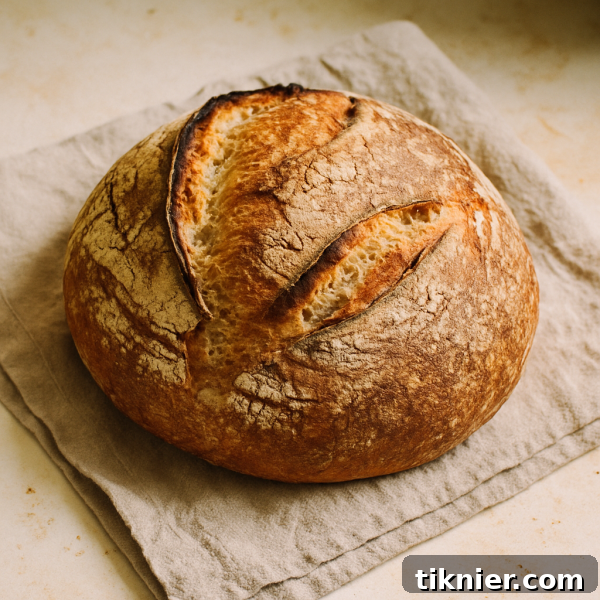
Embarking on the journey of baking authentic sourdough bread can feel like stepping into a culinary mystery. For many, including myself, this captivating adventure began during the quiet, reflective days of lockdown. Suddenly, flour became a coveted treasure, and kitchens across the globe transformed into makeshift bakeries. Intrigued yet intimidated by the intricate dance of “feeding” starters and “developing gluten structure,” I initially viewed sourdough as a challenging scientific endeavor.
However, with an abundance of time and a craving for something deeply satisfying, I decided to take the plunge. That very first, rather humble loaf, though far from perfect, ignited an enduring obsession that continues to thrive years later. There’s an undeniable magic in transforming basic ingredients—flour, water, and salt, staples that have graced pantries for millennia—into a golden, crackling masterpiece. It’s a primal satisfaction, a connection to ancient traditions of bread-making that predates commercial yeast by thousands of years.
My initial attempts were, to put it mildly, more suitable as sturdy doorstops than delightful dinner companions. Flat, dense discs barely hinted at the magnificent bread they aspired to be. Yet, each setback was a valuable lesson, slowly guiding me towards understanding the nuanced art of fermentation and dough handling. Gradually, those sad little pancakes evolved into spectacular loaves, boasting that coveted open crumb and a shatteringly crisp crust that makes any sourdough enthusiast swoon.
Beyond the sheer delight of its incredible flavor—that distinctive tangy, complex taste is truly unparalleled—it’s the profound connection to history that I cherish most. With every golden loaf I pull from my oven, I feel a tangible link to countless generations who have sustained themselves with naturally leavened bread. It’s a feeling that’s difficult to articulate but deeply, profoundly satisfying.
Today, I’m thrilled to share my tried-and-true, never-fail sourdough bread recipe. Designed to be approachable for even the most novice bakers, it consistently delivers results that will make you feel like a seasoned professional. Imagine slicing into a loaf where the crust audibly shatters, revealing a tender, chewy interior adorned with irregular, airy pockets—perfect for catching pools of melting butter or a drizzle of rich olive oil. And that aroma? Nothing infuses a home with warmth and comfort quite like the scent of freshly baked sourdough.
Yes, this recipe does require time, but the majority of it is hands-off, allowing the dough to slowly develop its character while you go about your day. The actual active work involved is surprisingly minimal. So, whether you’re a seasoned baker or just starting your sourdough journey (don’t have a starter yet? I’ll guide you on how to acquire or create one), let’s embark on this rewarding culinary adventure together. Trust me, once you experience the immense satisfaction of baking your own perfect loaf, store-bought bread will simply never compare.
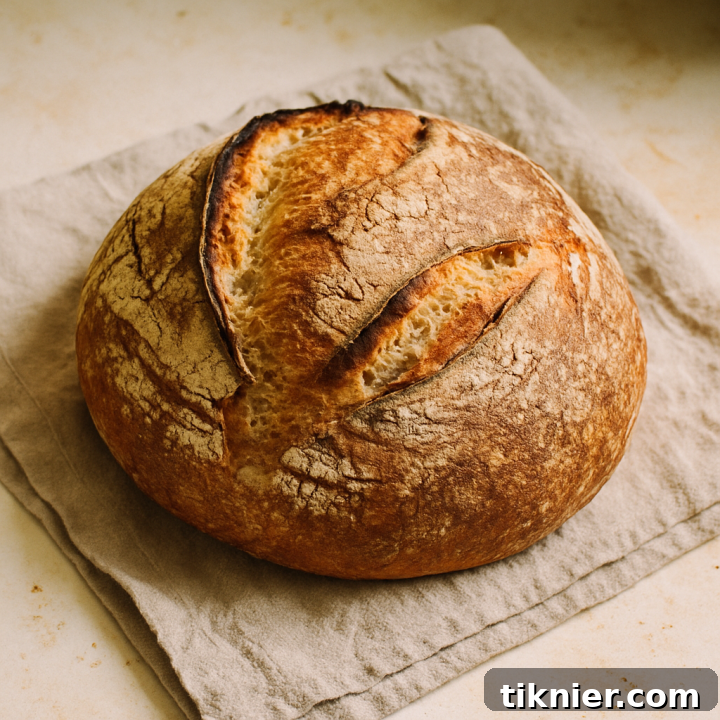
The Ultimate Guide to Baking Perfect Sourdough Bread
Yield: 1 loaf (12 servings)
Prep Time: 30 minutes
Cook Time: 45 minutes
Additional Time: 18 hours
Total Time: 1 hour 15 minutes (active) / 20+ hours (total)
Unlock the secrets to baking exceptional homemade sourdough bread with this comprehensive, beginner-friendly recipe. Featuring a irresistibly crackling crust and a tender, open crumb, this loaf embodies the distinctive tangy flavor that makes sourdough so beloved. Crafted with just four fundamental ingredients—flour, water, salt, and an active sourdough starter—this guide empowers you to achieve bakery-quality results right in your own kitchen.
Ingredients You’ll Need for Your Sourdough Loaf
For the Levain (Pre-ferment):
- 50g active sourdough starter (fed within the last 12 hours)
- 50g bread flour
- 50g whole wheat flour
- 100g filtered water, room temperature
For the Main Dough:
- All of the prepared levain
- 400g bread flour
- 100g whole wheat flour
- 350g filtered water, room temperature
- 10g fine sea salt
- Rice flour for dusting (optional, but highly recommended for preventing sticking)
Essential Notes About Your Sourdough Ingredients
When working with such a minimalist ingredient list, the quality and type of each component profoundly impact your final sourdough loaf. Let’s delve a bit deeper into what makes each ingredient crucial for success.
Sourdough Starter: The Heart of Your Bread
The vitality of your sourdough starter is paramount. Before beginning this recipe, ensure your starter is robustly active and bubbly. A simple test for readiness: drop a spoonful into a glass of water; if it floats, it’s ready to bring your dough to life! If you don’t yet have a starter, you have a few options: cultivate your own from scratch (a rewarding process taking 7-10 days), ask a generous friend for a portion of theirs, or inquire at local artisan bakeries—many are happy to share or sell active starter.
Flour Choices: Building Structure and Flavor
My preferred blend combines bread flour and whole wheat flour, striking a perfect harmony between structural integrity and rich flavor. Bread flour, with its higher protein content, provides the robust gluten network necessary for those beautiful, airy pockets. Whole wheat flour, on the other hand, infuses the bread with a delightful nutty depth and complex character. While you can subtly adjust this ratio, I advise maintaining at least 70% bread flour to ensure that classic, desirable open crumb structure.
Water Quality: The Unsung Hero of Fermentation
The quality of your water is more critical than you might imagine. Chlorine, commonly found in tap water, can inhibit the delicate microbial activity of your sourdough starter and yeast. Therefore, using filtered water is highly recommended. If filtered water isn’t available, simply let your tap water sit out in an open container overnight; this allows the chlorine to dissipate naturally, making it safe for your sourdough.
Salt: More Than Just Flavor
Salt isn’t merely a flavor enhancer in sourdough; it’s a vital structural component. Fine sea salt is ideal as it dissolves readily into the dough, but kosher salt will also work effectively. Crucially, do not omit the salt! It plays a dual role: it fortifies the gluten structure, contributing to a stronger, more manageable dough, and it regulates the fermentation rate, preventing your dough from developing too quickly or becoming overly sour.
Rice Flour: Your Non-Stick Ally
While optional, a light dusting of rice flour in your banneton (proofing basket) is a game-changer. It not only creates a beautiful, contrasting pattern on the finished crust but is significantly more effective than regular wheat flour at preventing the dough from sticking. If you plan to bake sourdough regularly, keeping rice flour on hand is a worthwhile investment.
How to Bake Sourdough Bread: A Step-by-Step Guide
Patience and precision are your best friends in sourdough baking. Keep in mind that this exquisite bread is a labor of love spread over a two-day process.
Day 1: Building the Levain and Developing the Dough
-
STEP 1: Build Your Levain
In a medium bowl, thoroughly combine 50g active sourdough starter, 50g bread flour, 50g whole wheat flour, and 100g filtered water until no dry flour spots remain. Cover the bowl with a clean kitchen towel or plastic wrap and allow it to sit at room temperature (ideally between 68-72°F or 20-22°C) for 4-6 hours. Your levain is ready when it has roughly doubled in size, exhibits a bubbly, domed surface, and smells pleasantly like ripe yogurt. Pro Tip: The timing here is crucial! Aim to use your levain at its peak activity. Colder kitchens will require longer fermentation, while warmer environments will accelerate it.
-
STEP 2: Autolyse the Flour
Approximately 1 hour before your levain is expected to be ready, prepare your main dough. In a large mixing bowl, combine 400g bread flour, 100g whole wheat flour, and 325g of the filtered water (reserve the remaining 25g for later). Mix by hand until all the flour is hydrated and no dry clumps are visible. Cover the bowl and let the mixture rest for 1 hour. This “autolyse” step allows the flour to fully hydrate and kickstarts the gluten development naturally, making the dough more extensible later. Pro Tip: Don’t be afraid to get your hands in the dough for mixing; it gives you a better feel for its consistency and is often easier to clean than spatulas!
-
STEP 3: Combine Levain and Dough
Once your levain is at its peak, add all of it directly to the autolysed dough. With wet hands (to prevent sticking), gently pinch and fold the dough to fully incorporate the levain, ensuring an even distribution. Cover the bowl and let it rest for 30 minutes. Pro Tip: Always keep a small bowl of water nearby to re-wet your hands throughout the process. This is far more effective than adding extra flour, which can lead to a dense, tough bread.
-
STEP 4: Incorporate the Salt
Sprinkle 10g of fine sea salt evenly over the dough surface, then add the reserved 25g of water. Using your fingers, gently work the salt and water into the dough. The dough may feel like it’s tearing or coming apart initially, but with continued gentle folding and squeezing, it will re-cohere and become stronger. Cover and rest for 30 minutes. Pro Tip: This step is vital for both flavor and gluten strength. Take your time to ensure the salt is evenly dispersed.
-
STEP 5: Bulk Fermentation with Stretch and Folds
This phase, known as bulk fermentation, is where your dough truly transforms. Over the next 4-6 hours (depending on your room temperature and starter activity), you will perform a series of “stretch and folds” to build strength and structure. Begin by wetting your hands. Grab one side of the dough from underneath, gently stretch it upwards, and fold it over towards the opposite side of the bowl. Rotate the bowl 90 degrees and repeat this action for all four sides. Cover the dough and let it rest for 30 minutes. Repeat this “stretch and fold” process 4-6 more times, with 30-minute rests in between each set. You’ll observe the dough becoming progressively smoother, stronger, and more cohesive with each successive set. After your final stretch and fold, cover the dough and allow it to continue fermenting undisturbed until its volume has increased by approximately 50%. You should see numerous small bubbles around the edges and on the surface of the dough. This usually takes an additional 1-2 hours after the last fold. Pro Tip: The bulk fermentation is complete when the dough feels visibly puffy, springy, and full of life, with a slightly domed surface. When in doubt, it’s generally better to slightly under-ferment than over-ferment at this critical stage.
-
STEP 6: Pre-Shape the Dough
Gently turn the dough out onto a lightly floured work surface. Using a bench scraper or the palms of your hands, carefully fold the edges of the dough towards its center, creating a rough, rounded shape. Flip the dough over so the seam side faces down. Allow it to rest, uncovered, for 20-30 minutes. This short rest, often called the “bench rest,” allows the gluten network to relax, making the subsequent final shaping much easier and more effective. Pro Tip: Resist the urge to add too much flour during pre-shaping; a light dusting is all you need.
-
STEP 7: Final Shape
Lightly dust your banneton (proofing basket) or a bowl lined with a clean kitchen towel generously with rice flour. Gently flip your pre-shaped dough so the smooth top is now facing down. Pull the edges of the dough towards the center once more, creating a tight package. Flip the dough over again. Now, using your hands or a bench scraper, drag the dough towards you on the countertop. This friction will create significant surface tension on what will become the top of your loaf. Rotate the dough 90 degrees and repeat the dragging motion until you achieve a tight, smooth, well-rounded ball. Carefully transfer the shaped dough into your prepared banneton or bowl, placing it seam-side up. Pro Tip: The final shaping is paramount for a well-risen loaf with a beautiful “ear.” Your goal is to create ample surface tension without tearing the delicate dough or expelling too many precious air bubbles.
-
STEP 8: Cold Proof
Cover your banneton with a plastic bag or a damp kitchen towel to prevent drying and place it directly into the refrigerator. Allow the dough to cold proof for 12-16 hours. This extended, slow cold fermentation period is key to developing complex, nuanced flavors and makes the dough significantly easier to handle and score once it’s time to bake. Pro Tip: This cold proof offers excellent flexibility; your dough can comfortably remain in the refrigerator for up to 24 hours if your baking schedule shifts.
Day 2: Baking Your Masterpiece
-
STEP 9: Preheat Your Oven
Place a Dutch oven (with its lid on) into your oven and preheat to a scorching 500°F (260°C) for a minimum of 45 minutes. A proper, thorough preheat is absolutely essential. The superheated Dutch oven acts as a mini-oven within your oven, creating the crucial steam environment that helps your bread achieve maximum rise (oven spring) and develop that iconic, deeply crispy crust. Pro Tip: Don’t rush this step! A truly hot Dutch oven is a non-negotiable for superior sourdough.
-
STEP 10: Score and Bake
Once your oven is fully preheated, carefully retrieve your dough from the refrigerator. Cut a piece of parchment paper slightly larger than your loaf and gently place it over the banneton. Position a cutting board or a sturdy plate over the parchment paper, then confidently flip everything over so your dough now rests beautifully on the parchment paper. Using a very sharp knife, a specialized razor blade (lame), or a bread lame, score the top of your dough with a single, confident slash about ¼-inch deep. Feel free to unleash your inner artist and create a more decorative pattern if you wish! Carefully remove the intensely hot Dutch oven from the oven. Using the parchment paper as a convenient sling, gently lower your scored dough into the hot Dutch oven. Replace the lid securely and immediately return it to the oven. Reduce the oven temperature to 450°F (230°C) and bake for 20 minutes with the lid on. After 20 minutes, carefully remove the lid. Continue baking for an additional 20-25 minutes, or until the crust develops a rich, deep golden-brown color. Pro Tip: Don’t shy away from a dark crust – that’s where much of the bread’s incredible flavor resides! If you notice your bread browning too quickly, you can slightly lower the temperature during the final 10 minutes.
-
STEP 11: Cool Completely
With great care, remove the baked bread from the Dutch oven and transfer it to a wire rack to cool. Now comes arguably the hardest part: the wait! Allow the bread to cool completely for at least 2 hours before attempting to slice it. Pro Tip: I understand the irresistible urge to cut into that warm, fragrant loaf immediately, but the cooling period is actually a critical part of the baking process. Slicing too soon will result in a gummy texture rather than the perfect, chewy crumb you’ve worked so hard to achieve.
Troubleshooting Common Sourdough Issues
Even seasoned bakers encounter challenges. Here are solutions to common sourdough mishaps:
- Excessively Sticky Dough: If your dough feels unmanageably sticky after adding the levain, you can incorporate an extra tablespoon or two of bread flour during the initial stretch and fold rounds.
- Poor Rise (Dense Loaf): Ensure your sourdough starter is exceptionally active and buoyant before you begin. Critically, perform enough stretch and folds to build sufficient gluten strength, and always confirm your Dutch oven is properly preheated to maximize oven spring.
- Pale Crust: If your bread’s crust isn’t achieving that beautiful deep golden hue, it likely needs more time baking with the lid off. Embrace a deeply caramelized crust; it’s a hallmark of rich flavor and perfect texture!
- Dense Bottom Crumb: A common issue, this often indicates insufficient bulk fermentation. Try extending your bulk fermentation period by an additional 30-60 minutes before shaping.
5-Year Sourdough Bread Recipe
1 loaf (12 servings)
30 minutes
45 minutes
18 hours
1 hour 15 minutes (active)
This classic sourdough bread features a crackling crust and tender, open crumb with that distinctive tangy flavor. Made with just flour, water, salt, and active sourdough starter, this recipe produces bakery-quality bread right in your home kitchen.
Ingredients
- For the Levain
- 50g active sourdough starter (fed within the last 12 hours)
- 50g bread flour
- 50g whole wheat flour
- 100g filtered water, room temperature
- For the Main Dough
- All of the prepared levain
- 400g bread flour
- 100g whole wheat flour
- 350g filtered water, room temperature
- 10g fine sea salt
- Rice flour for dusting (optional)
Instructions
Day 1: Prepare the Levain
- In a medium bowl, combine 50g active sourdough starter, 50g bread flour, 50g whole wheat flour, and 100g filtered water.
- Mix until no dry flour remains. Cover with a clean kitchen towel or plastic wrap.
- Let sit at room temperature (68-72°F) for 4-6 hours, or until doubled in size with a bubbly surface.
Make the Dough
- About 1 hour before your levain is ready, in a large mixing bowl, combine 400g bread flour, 100g whole wheat flour, and 325g of the water (reserve 25g for later).
- Mix by hand until no dry flour remains. Cover and let rest for 1 hour.
- When your levain is ready, add all of it to the autolysed dough. Use wet hands to pinch and fold the dough to fully incorporate the levain. Cover and rest for 30 minutes.
- Sprinkle 10g salt over the dough and add the remaining 25g water. Use your fingers to work the salt into the dough until fully incorporated. Cover and rest for 30 minutes.
- Perform the first stretch and fold: Wet your hands, then grab one side of the dough, stretch it up and fold it over to the opposite side. Rotate the bowl 90 degrees and repeat. Do this for all four sides of the dough. Cover and rest for 30 minutes.
- Repeat the stretch and fold process 4-6 more times, with 30-minute rests in between.
- After your final stretch and fold, cover the dough and let it continue to ferment until it has increased in volume by about 50% and you can see bubbles around the edges and on the surface (usually 1-2 more hours).
Shape and Cold Proof
- Gently turn the dough out onto a lightly floured work surface. Using a bench scraper or your hands, fold the edges toward the center to create a rough round shape. Flip the dough over so the seam side is down. Let it rest, uncovered, for 20-30 minutes.
- Lightly dust a banneton or a bowl lined with a clean kitchen towel with rice flour.
- For the final shape, gently flip your dough so the smooth side is down. Pull the edges toward the center again, creating a tight package. Flip the dough over and, using your hands or a bench scraper, drag the dough toward you on the countertop to create tension on the top of the loaf. Rotate and repeat until you have a tight, smooth ball.
- Carefully transfer the dough to your prepared banneton or bowl, seam side up.
- Cover your banneton with a plastic bag or damp towel and place it in the refrigerator for 12-16 hours.
Day 2: Bake the Bread
- Place a Dutch oven with its lid on in your oven and preheat to 500°F (260°C) for at least 45 minutes.
- When your oven is preheated, remove the dough from the refrigerator. Cut a piece of parchment paper slightly larger than your loaf and place it over the banneton. Place a cutting board or plate over the parchment, then flip everything over so the dough is now on the parchment paper.
- Using a very sharp knife, razor blade, or bread lame, score the top of your dough with a single confident slash about ¼-inch deep, or create a more decorative pattern.
- Carefully remove the hot Dutch oven from the oven. Using the parchment paper as a sling, lower your dough into the Dutch oven. Cover with the lid and return to the oven.
- Reduce the oven temperature to 450°F (230°C) and bake for 20 minutes with the lid on.
- After 20 minutes, remove the lid and continue baking for another 20-25 minutes, until the crust is deep golden brown.
- Remove the bread from the Dutch oven and place it on a wire rack. Allow the bread to cool completely, at least 2 hours, before slicing.
Baker’s Notes & Pro Tips
Your sourdough starter must be active and bubbly. The “float test” (a spoonful floats in water) is your best indicator of readiness.
Embrace mixing with your hands! It provides invaluable tactile feedback on the dough’s development and is often easier to clean up than utensils.
Keep a small bowl of water handy. Wetting your hands as needed will prevent sticking far more effectively than adding extra flour, which can lead to a dense crumb.
Identify the end of bulk fermentation: the dough should feel visibly puffy and alive, with a slightly domed surface. When in doubt, it’s better to slightly under-ferment than over-ferment.
Don’t fear a dark crust! This deep caramelization is a major source of flavor. If it’s browning too quickly, a slight temperature reduction during the final 10 minutes can help.
The cooling period is non-negotiable. Slicing a warm loaf prematurely will result in a gummy interior rather than the desirable chewy texture. Patience yields perfection!
Sourdough Bread Recipe Variations & Substitutions
One of the beauties of sourdough baking is its adaptability. This foundational recipe can be creatively adjusted to suit your dietary needs, flavor preferences, and available equipment.
Flour Alternatives for Unique Textures & Flavors
Experimenting with different flours can dramatically alter the character of your sourdough. Here are some options:
All-Purpose Flour Instead of Bread Flour
If bread flour isn’t readily available, don’t despair! You can successfully substitute all-purpose flour. Your bread will still be delicious, though you might notice a slightly less open crumb and a softer crust due to the lower protein content. For the best results when using all-purpose flour, consider reducing the total water by about 25g, as it typically absorbs less moisture than high-protein bread flour.
Heartier Whole Wheat Variations
Craving a more rustic, nutrient-dense loaf? Feel free to increase the whole wheat flour content up to 50% of the total flour weight. Be mindful that a higher percentage of whole wheat will result in a denser loaf with a more pronounced, earthy wheat flavor. To compensate for whole wheat flour’s higher absorption rate, you may need to add an extra 25-50g of water, adjusting based on your dough’s feel.
Specialty Flour Additions for Distinctive Aromas
For an adventurous twist and added layers of flavor, consider replacing up to 50g of the bread flour with one of these specialty flours:
- Rye Flour: Imparts a complex, slightly tangy, and robust flavor. It also creates a denser, chewier crumb.
- Spelt Flour: Offers a delightful nutty and subtly sweet character, providing a softer, more tender crumb.
- Einkorn Flour: For an ancient grain experience, einkorn lends a buttery, rich flavor and a unique, delicate texture.
Pro Tip: When introducing specialty flours, begin with small quantities (10-20% of the total flour weight) to understand how they influence your dough’s handling and the final bread’s texture before increasing the proportion.
Exciting Add-Ins for Enhanced Flavor Profiles
Elevate your sourdough by folding in delicious ingredients during the bulk fermentation or final stretch and fold stages.
Seeded Sourdough for Crunch and Nutrition
For a wholesome and texturally exciting seeded loaf, incorporate 75-100g of mixed seeds during the final stretch and fold. Popular combinations include:
- Sunflower seeds and pumpkin seeds for a hearty bite.
- Sesame seeds and flax seeds for subtle flavor and omega-3s.
- Poppy seeds for a delicate crunch.
Pro Tip: Lightly toast your seeds in a dry pan before adding them to the dough to significantly amplify their flavor.
Aromatic Herb and Garlic Sourdough
Infuse your bread with savory aromas by incorporating these during the final stretch and fold:
- 2-3 tablespoons of fresh rosemary, finely chopped
- 4-6 cloves of roasted garlic, roughly chopped (roasting mellows the flavor)
- 1 tablespoon of olive oil (optional, but adds a lovely richness and softness)
Briny Olive Sourdough
For a Mediterranean-inspired loaf, fold in 100g of pitted and roughly chopped olives (Kalamata, green, or a mix) during the final stretch and fold. Ensure you pat the olives dry beforehand to avoid introducing excess moisture to your dough.
Sweet & Savory Cranberry Walnut Sourdough
Add 75g of dried cranberries and 75g of toasted, chopped walnuts during the final stretch and fold. This combination creates an exquisite sweet-savory balance that is absolutely phenomenal for toast or with cheese.
No Dutch Oven? Try These Baking Alternatives
While a Dutch oven is highly recommended for optimal sourdough baking, don’t let its absence deter you. Several alternatives can help you achieve excellent results:
Baking Stone or Steel with Steam
If you own a baking stone or steel, preheat it thoroughly in your oven. Gently transfer your shaped dough (on parchment paper) onto a pizza peel or an inverted baking sheet, then slide it onto the scorching hot stone. To create the essential steam, place an empty cast iron pan on the bottom rack of your oven during preheating. Just before adding your bread, carefully pour 1 cup of boiling water into the hot cast iron pan (be cautious of the steam!). Quickly close the oven door to trap the moisture.
Covered Roasting Pan
A heavy-duty stainless steel or cast iron roasting pan with a snug-fitting lid can mimic the Dutch oven environment. Preheat both the pan and its lid separately in the oven, then carefully place your dough inside the hot pan and cover it. This method effectively traps steam.
Dedicated Bread Cloche
If you’ve invested in a ceramic bread cloche, you’re in luck! It’s designed specifically for bread baking and performs identically to a Dutch oven, creating an ideal steaming environment.
Oven-Safe Pot with Foil
In a pinch, any large, oven-safe pot with a tight-fitting lid can work. If your pot’s lid isn’t perfectly sealed, you can use heavy-duty aluminum foil, crimped tightly around the pot’s edges, to create a similar steam-trapping environment.
Timing Alternatives for Schedule Flexibility
Sourdough can be surprisingly flexible with its timing, allowing you to adapt the process to your schedule.
Faster Timeline Option
If you’re short on time and can’t commit to a long cold proof, you can accelerate the process. After final shaping, instead of refrigerating, let the dough rise at room temperature for 2-3 hours, or until it looks noticeably puffy and aerated. Then proceed to bake. While the flavor won’t be quite as complex as a cold-proofed loaf, you’ll still enjoy a delicious, homemade sourdough.
Extended Cold Proof for Enhanced Flavor
Need to delay your baking? Your shaped dough can comfortably remain in the refrigerator for an extended cold proof of up to 36 hours. This longer, slower fermentation period will further develop the bread’s internal structure and yield an even more complex, tangy flavor profile.
Freezing Option for Future Enjoyment
Sourdough dough freezes remarkably well, allowing you to bake fresh loaves whenever the craving strikes. After shaping, wrap the dough meticulously in plastic wrap, then an additional layer of aluminum foil, and freeze for up to 3 months. To bake, thaw the dough overnight in the refrigerator, then let it come to room temperature for 2-3 hours before proceeding with the preheating and baking steps.
Dietary Adaptations for Specific Needs
Adjusting this recipe for specific dietary considerations is possible, with a few important caveats.
Lower Sodium Version
For those monitoring their sodium intake, you can safely reduce the salt in this recipe to 5g (approximately 1 teaspoon). However, avoid eliminating salt entirely, as it plays crucial roles in both controlling fermentation and strengthening the gluten structure, impacting the final texture and rise of your bread.
Whole Grain Focus for Added Nutrition
To create an even more nutritious loaf, adjust your flour ratio to 300g whole wheat flour and 200g bread flour. Remember to also increase the water by an additional 50g to compensate for whole wheat flour’s higher absorption capacity.
Pro Tip: When baking a loaf with a high percentage of whole wheat flour, consider adding 1 tablespoon of vital wheat gluten. This supplement can significantly aid in gluten development, leading to a better rise and improved texture.
Gluten-Free Sourdough Considerations
Unfortunately, traditional sourdough relies fundamentally on gluten development for its signature structure and rise. For individuals with gluten sensitivities or celiac disease, this recipe will not work. I highly recommend seeking out specialized gluten-free sourdough recipes that utilize alternative flours and binding agents to achieve a similar, satisfying bread experience.
How to Serve & Store Your Homemade Sourdough Bread
Sourdough bread is a true culinary chameleon, equally at home as the star of an elaborate charcuterie board or a humble companion to a comforting bowl of soup. Its distinctive tangy flavor and satisfyingly chewy crust make it a bread that begs to be showcased. Whether you’re enjoying a fresh loaf hot from the oven or reviving slices from your favorite bakery, here are some of the best ways to savor your sourdough.
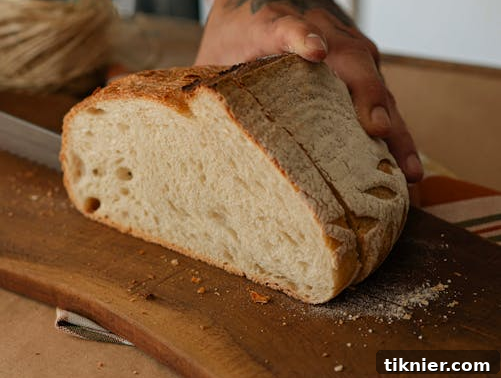
1. Serve it Warm for Irresistible Aroma
A warm slice of sourdough is practically impossible to resist. If your loaf is freshly baked, simply slice and serve immediately. For a day-old loaf, a quick warm-up in the oven at 350°F (175°C) for 5-10 minutes, or toasting individual slices, will restore its warm, crusty appeal. For a rustic touch, try rubbing a cut garlic clove over the surface of a freshly toasted slice.
2. Perfect Pairings with Spreads
While a generous slather of salted butter is always a winning choice, sourdough’s versatility allows it to harmonize beautifully with a variety of spreads:
- Creamy soft cheeses like brie, chèvre (goat cheese), or even fresh ricotta.
- Sweet fruit preserves, homemade jams, or a drizzle of local honey.
- Herbed cream cheese or a savory hummus.
- Mashed avocado brightened with lemon juice and a sprinkle of flaky sea salt.
- Rich olive tapenade or roasted red pepper spread.
Arranging a selection of these options alongside your sliced sourdough creates an effortless and elegant appetizer board.
3. Sourdough for Dipping Delights
Thanks to its robust texture and open crumb, sourdough is ideally suited for dipping. Serve it alongside:
- High-quality olive oil and aged balsamic vinegar for a classic pairing.
- Hearty tomato-based soups such as roasted red pepper bisque or minestrone.
- Velvety creamy soups like potato leek, wild mushroom, or butternut squash.
- Rich stews, spicy chili, or slow-cooked braises that benefit from bread for soaking up juices.
Tear the loaf into rustic chunks or slice it into sturdy strips for optimal dunking.
4. The Ultimate Base for Open-Faced Creations
Sourdough slices provide the perfect sturdy foundation for open-faced sandwiches, elegant tartines, or crisp crostini. Lightly toast the slices and top with:
- Roasted seasonal vegetables with a swipe of tangy goat cheese.
- Smoked salmon, dill-infused cream cheese, and a sprinkle of capers.
- Fresh ricotta cheese, a drizzle of honey, and a pinch of flaky sea salt.
- Juicy heirloom tomatoes, fresh mozzarella, and fragrant basil for a caprese-inspired bite.
It also stands up beautifully to the heat and pressure of grilled cheese sandwiches and paninis, developing an extra layer of flavor and crunch.
5. Rustic-Style Serving for Communal Meals
Sometimes, simplicity shines brightest. Present a whole or halved loaf of sourdough in a linen-lined basket, accompanied by a sharp bread knife. This encourages guests to tear and slice as they please, fostering a casual, interactive, and wonderfully communal dining experience.
How to Store & Reheat Sourdough Bread to Maximize Freshness
Sourdough bread is undeniably best when fresh, but that doesn’t mean you need to devour an entire loaf in one sitting. With proper storage and reheating techniques, you can extend its life and enjoyment for days, or even months.
Storing Sourdough in the First 24 Hours
When you’ve just baked or purchased a magnificent loaf, resist the immediate urge to seal it in an airtight container. For the first day, the best way to maintain its crispy crust and soft interior is to store it cut-side down on a wooden cutting board. If you wish to protect it further, simply drape a clean kitchen towel loosely over the top. Avoid plastic or airtight containers at this stage, as they can trap moisture and soften the crust prematurely.
Short-Term Storage (2 to 4 Days)
For enjoyment over the next few days, your sourdough will fare best in a bread box or a simple paper bag. Both options allow for a crucial amount of air circulation, which helps preserve the crust’s integrity while preventing the interior from becoming either soggy or rubbery.
If a bread box isn’t part of your kitchen arsenal, a clean kitchen towel wrapped around the loaf, then tucked into a paper bag, works wonders. Always store your bread at room temperature, away from direct sunlight or any heat sources.
Important Rule: Do NOT refrigerate sourdough bread. While it might seem counterintuitive, cold temperatures actually accelerate the staling process of bread, leading to a dry, tough texture much faster.
Freezing Sourdough for Long-Term Preservation
Sourdough bread freezes exceptionally well, particularly when prepared correctly, ensuring you have delicious bread ready whenever you desire.
Here’s the optimal method for freezing:
- Allow the freshly baked bread to cool completely to room temperature.
- For convenience, slice the entire loaf before freezing. This way, you can retrieve only the amount you need without thawing the whole loaf.
- Wrap individual slices (or sections) tightly in plastic wrap, followed by a layer of aluminum foil. This dual-layer protection minimizes freezer burn.
- Place the securely wrapped slices into a freezer-safe bag, expelling as much air as possible before sealing.
- Your sourdough can be stored in the freezer for up to 3 months.
To reheat, simply toast frozen slices directly from the freezer. For a whole frozen loaf, allow it to thaw at room temperature for several hours, then refresh it in a 350°F (175°C) oven for 10-15 minutes to revive that magnificent crisp crust.
How to Refresh Stale Sourdough and Bring it Back to Life
Even the finest sourdough will start to lose its fresh appeal after a couple of days. Fortunately, reviving stale bread is surprisingly simple:
- In the Oven: Preheat your oven to 350°F (175°C). Lightly sprinkle the crust of the entire loaf with a little water (do not soak it). Wrap the loaf loosely in aluminum foil and warm it for about 10-15 minutes. For an extra-crispy finish, remove the foil for the final 5 minutes of heating.
- Using Steam for Slices: Boil a kettle of water. Carefully hold an individual slice of sourdough over the steam for approximately 30 seconds (be cautious to avoid burns). Immediately pop it into the toaster. This method works remarkably well to soften the interior and refresh the texture.
- Pan-Toasting or Grilling: For slightly stale slices, a brush of olive oil and a quick toast in a cast iron skillet or on a grill can transform them. This turns ordinary bread into golden, crunchy crostini – perfect for pairing with soups, salads, or charcuterie boards.
This comprehensive guide should equip you with everything you need for a successful and enjoyable sourdough baking experience, from start to finish!
More Delicious Bread Recipes To Try Next
If you’ve fallen in love with the comforting ritual of baking and are craving more delectable, carb-filled goodness, here are three standout bread recipes that are sure to become new favorites. They pair beautifully with hearty soups, make excellent breakfast treats, or simply shine all on their own:
🥖 Beer Batter Bread
This incredibly easy, no-knead bread recipe is a dream come true for busy bakers. It boasts a perfectly crisp crust and a delightfully buttery, tender crumb. It’s an ideal companion for dipping into warming soups or for enjoying generously slathered with butter. The best part? It comes together effortlessly in just one bowl with minimal effort.
👉 Get the Beer Batter Bread recipe
🍌 Sour Cream Banana Bread
Indulge in this classic, moist, and wonderfully rich loaf, bursting with the irresistible flavor of ripe bananas. Sour Cream Banana Bread is perfect for a comforting breakfast, a delightful afternoon snack, or even a simple dessert. The addition of sour cream lends an exceptionally tender texture that keeps the bread soft and delicious for days.
👉 Get the Sour Cream Banana Bread recipe
🍞 Oatmeal Molasses Rolls
Discover the warmth and comfort of these soft, buttery rolls. With a subtle sweetness and a hearty texture from the oatmeal and molasses, they are the perfect accompaniment to cozy soups, hearty stews, or any family meal. These homemade rolls offer a wonderfully satisfying alternative to store-bought dinner rolls.
👉 Get the Oatmeal Molasses Rolls recipe
Each of these recipes brings its own unique flavor profile and textural experience to the table, making them excellent and rewarding additions to your baking repertoire. Happy baking, and enjoy the delicious fruits of your labor!