Embarking on the journey of food photography can be an incredibly rewarding experience, transforming simple dishes into captivating visual stories. While a DSLR camera is a fantastic tool once you master its intricacies, the core principles of great food photography are accessible to everyone willing to learn and practice. Many aspiring food bloggers and culinary enthusiasts often find themselves grappling with the complexities of lighting, composition, and styling. However, with dedication and a few key insights, you can elevate your food photos from ordinary snapshots to truly mouth-watering masterpieces.
My own path into the world of food photography began with humble origins, much like many beginners. When I first started documenting my culinary creations, my experience with photography was, to put it mildly, virtually nonexistent. Initially, my trusty companion for capturing food images was nothing more than my iPhone, and my understanding of essential elements like proper lighting was severely lacking. Those early photos, while documenting the food, often failed to do justice to the dishes themselves, appearing flat, underexposed, or simply unappetizing. It was a steep learning curve, but one that proved incredibly fulfilling. Fast forward a few months, armed with a new Canon Rebel T3 DSLR camera and a determined spirit for research and experimentation, I began to produce images that truly reflected the deliciousness of the food. This transformation underscores a crucial point: while equipment helps, knowledge and practice are the real game-changers in achieving genuinely appetizing food photography.
Mastering Food Photography: The BBQ Nachos Transformation
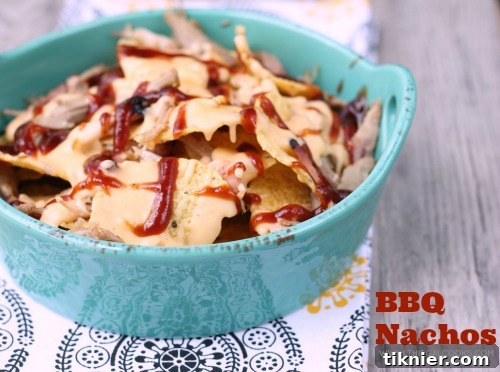
One of the most impactful changes you can make in your food photography is understanding and utilizing natural light effectively. For all my food photography sessions, I consistently position my setup right next to a window. Natural light, especially diffused light from an overcast day or an indirect window, provides a soft, even glow that is incredibly flattering for food. It helps to bring out textures, create gentle shadows that add dimension, and ensures accurate color representation, making your dishes look as appealing in photos as they do in person. Avoiding direct, harsh sunlight is crucial, as it can create strong, unappealing shadows and overexposed highlights.
Beyond light, creating an inviting scene is paramount. This is where props and thoughtful styling come into play. I always use a selection of props to give the setting character and context, telling a subtle story around the dish. This might include anything from rustic cutting boards, elegant cutlery, textured linens, small bowls of garnishes, or even a strategically placed beverage. The key is to choose props that complement the food without overpowering it, adding visual interest and depth to the overall composition. Simple, neutral-colored props often work best, allowing the food to remain the undeniable star of the shot. A common mistake beginners make is cluttering the frame; remember, sometimes less is truly more when it comes to styling.
Another indispensable tool in my food photography arsenal is a reflector. While professional reflectors are available, a DIY version can be just as effective. My preferred method is quite simple: wrapping aluminum foil around a sturdy canvas board. This ingenious idea, which I picked up from Dorothy at Crazy for Crust, demonstrates that you don’t need expensive gear to achieve professional results. A reflector’s primary purpose is to bounce light back onto the food, filling in shadows, reducing harsh contrasts, and adding a subtle sparkle that makes ingredients look fresh and vibrant. Positioning it opposite your light source can dramatically enhance the dimensionality and brightness of your subject.
When it comes to camera settings, understanding the exposure triangle (aperture, ISO, and shutter speed) is fundamental. For most of my food shots, my camera settings typically revolve around an f-stop of approximately 2.8. This wide aperture is ideal for food photography as it creates a shallow depth of field, resulting in that coveted blurry background, or ‘bokeh,’ which helps the main subject pop and isolates it from any distracting elements. However, depending on the dish and desired effect, I might adjust the aperture to a slightly higher f-stop (e.g., f/4 or f/5.6) if I want more of the dish or surrounding elements to be in sharp focus, such as a layered cake or an elaborate tablescape.
My ISO setting is almost always kept at 100. ISO controls the camera’s sensitivity to light; a low ISO ensures the highest image quality with the least amount of digital noise or grain. Since food is a stationary subject and I’m utilizing natural light, a low ISO is almost always achievable, resulting in crisp, clean images. The shutter speed typically ranges between s/25 and s/125. Shutter speed determines how long the camera’s sensor is exposed to light. For stationary subjects like food, a relatively slower shutter speed is perfectly fine, especially when using a tripod to prevent camera shake. The exact setting will always depend on the available light level; on a brighter day, a faster shutter speed might be appropriate, while on a darker day, a slower one might be necessary to achieve correct exposure. It’s a delicate balance between these three settings to achieve a perfectly exposed and visually appealing photograph.
Experimentation is key to refining your food photography skills. I typically take close to thirty photos of my food during a single session. This allows me to adjust settings, try different angles—from overhead flat lays that highlight patterns and textures, to 45-degree angles that showcase height and depth, or straight-on shots for beverages and layered dishes. I also experiment with various placements of the food and props within the frame, exploring composition techniques like the rule of thirds or leading lines. Each subtle shift can drastically alter the mood and impact of the final image. Don’t be afraid to move your camera, move your props, and even move the food slightly to find that perfect shot. This iterative process of shooting, reviewing, and adjusting is how you truly learn and improve.
Let’s take a moment to compare the evolution of food photography with a tangible example. Consider the significant contrast between the pre-DSLR camera photos and the images captured with improved techniques. The difference is often startling, highlighting just how much impact proper lighting, composition, and camera settings can have. Which would you rather eat? The food presented in the beautifully styled, well-lit photograph above, or the dish depicted in the following image?
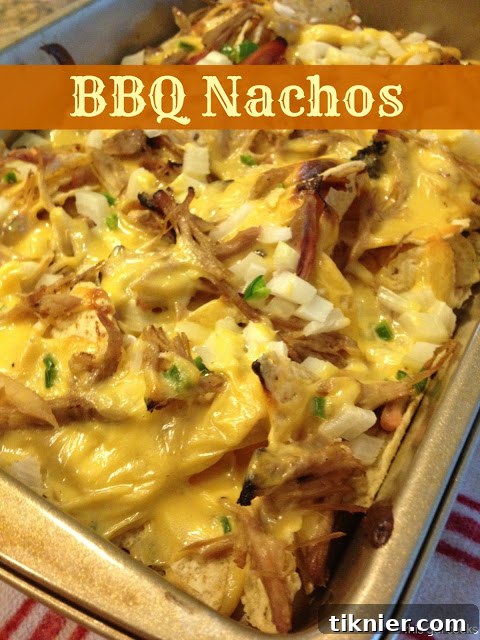
The “before” image, often characterized by inadequate lighting, dull colors, and a lack of depth, can make even the most delicious food appear unappetizing. It might suffer from harsh overhead lighting, unflattering shadows, or a cluttered, unconsidered background. The focus might be soft, or the colors might be inaccurate, failing to convey the freshness and vibrancy of the ingredients. Such photos often lack the visual ‘pop’ that draws a viewer in and makes them crave the dish. In stark contrast, the “after” images, like the one at the top of this article, showcase a thoughtful approach: inviting light that highlights textures, vibrant and accurate colors, a clear and appealing composition, and an overall sense of deliciousness. The food looks fresh, appealing, and utterly irresistible. This side-by-side comparison serves as a powerful testament to the transformative power of understanding and applying fundamental food photography principles.
If you’re eager to delve deeper into the visual transformation and see more examples of improved food photography, I encourage you to visit my original BBQ Nachos post. There, you can explore additional “after” photos that further illustrate the impact of these techniques on the visual appeal of a dish. Observing these examples can provide valuable inspiration and concrete proof of how much your photography can improve with practice and knowledge.
Developing a keen eye for food photography is a journey, not a destination. It involves continuous learning, experimentation, and a passion for making food look as good as it tastes. From harnessing natural light and carefully selecting props to mastering your camera’s settings and experimenting with composition, every step contributes to creating more compelling and appetizing images. Don’t be discouraged by early attempts; every seemingly “bad” photo is a valuable learning opportunity.
We’d love to hear your thoughts! What do you think of these new and improved photos? Have they inspired you to look at your own food photography differently? More importantly, do you have any helpful food photography tips, tricks, or favorite techniques that you’ve discovered along your own journey? Sharing insights and experiences is a wonderful way to foster a creative community and help others on their path to capturing stunning food images.