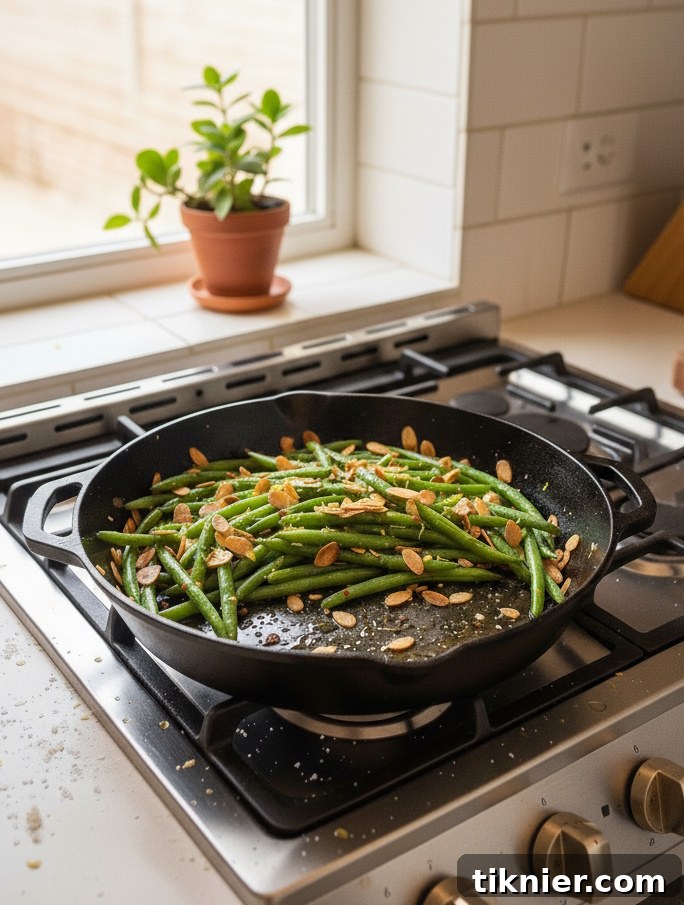
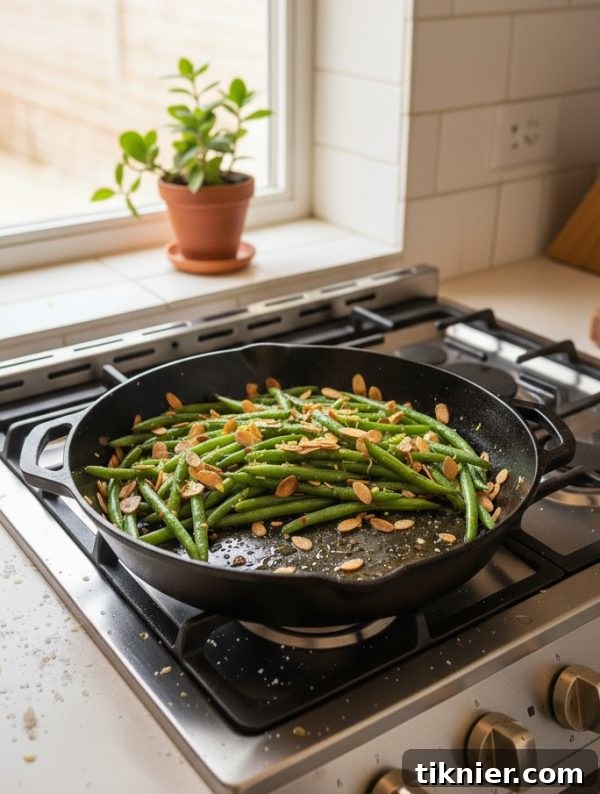
In many kitchens across the globe, green beans hold a special place, often evoking memories of childhood meals and cherished family gatherings. For me, these vibrant legumes carry a rich history, deeply rooted in the comforting traditions of Southern cooking. Growing up, green beans were almost exclusively prepared one way: slow-cooked to tender perfection with smoky bacon, a staple that promised savory deliciousness with every bite. While I still hold a deep affection for that classic preparation, a shift occurred when my husband and I began hosting more dinner parties. I yearned for a green bean dish that felt lighter, more refined, and, crucially, much quicker to prepare without sacrificing flavor or elegance. This desire sparked my journey to create a recipe that truly stood out.
That’s when the experimentation for this Sautéed Green Beans with Brown Butter and Lemon recipe began. My initial attempts yielded good results – a standard garlic and butter sauté – but they lacked that spark, that unforgettable element that elevates a dish from good to extraordinary. The true breakthrough came from a happy accident one evening. While preparing butter for a different recipe, I let it cook just a touch too long. The kitchen filled with an intoxicating, nutty aroma that was utterly captivating. It was a revelation, a culinary “aha!” moment that instantly reshaped my approach to green beans.
This accidental discovery led me to intentionally brown the butter, transforming a simple fat into an ingredient with profound depth and a rich, toasted complexity. This became the game-changer, infusing the green beans with a warmth and sophistication that was missing before. To perfectly balance this newfound richness, a generous squeeze of fresh lemon juice and a sprinkle of zest at the very end proved to be the ideal counterpoint. The bright acidity cuts through the butter’s depth, awakening the palate and making every component sing. Now, these sautéed green beans are my undisputed go-to side dish for practically every occasion, from a simple weeknight steak dinner to an elaborate Easter buffet. They embody simplicity, sophistication, and an undeniable deliciousness that consistently makes them the first side to vanish from the table.
Skip to My Special Recipe!
Why This Sautéed Green Beans Recipe is a Culinary Game-Changer
Sautéed green beans are undeniably a classic for myriad reasons. They offer a speedy preparation, incredible versatility, and a fantastic way to celebrate the fresh, crisp essence of the vegetable itself. For generations, home cooks and professional chefs alike have turned to a quick sauté to deliver a healthy, vibrant, and delicious side dish to the table with minimal fuss. The fundamental combination of fresh green beans, a rich fat, and aromatic elements like garlic forms a timeless formula that effortlessly complements virtually any main course, from robust roasted meats to delicate pan-seared fish.
This particular recipe, however, offers a distinct departure from the long-simmered, tender green beans of my childhood. While those evoke a deep sense of comfort, these sautéed beans present an entirely different, invigorating texture and flavor profile. They are vibrant, possessing that coveted tender-crisp bite that is incredibly satisfying. This cooking method masterfully preserves the delightful snap of a fresh green bean, ensuring a textural experience that is both engaging and utterly delicious. It’s a testament to how slight modifications can entirely transform a familiar vegetable.
What truly elevates this specific recipe from merely “good” to “extraordinary” is the deceptively simple yet profoundly transformative technique of browning the butter. We’re not merely melting butter here; we’re actively crafting a brand-new ingredient brimming with complex flavors. When unsalted butter is gently cooked past its melting point, the milk solids within it begin to toast, caramelizing and turning a magnificent amber hue. This intricate process, known as the Maillard reaction, unlocks a deeply nutty, almost toffee-like flavor that regular melted butter simply cannot rival. It’s a touch of sophisticated French technique that, when applied, makes a world of discernible difference, adding a layer of gourmet depth to an otherwise humble side dish.
To complete this symphony of flavors, we introduce a vibrant finishing touch: a generous squeeze of fresh lemon juice and a delicate sprinkle of lemon zest. This bright, acidic pop acts as a brilliant counterpoint, cutting effortlessly through the rich, buttery depth of the brown butter and the toasted almonds. It performs a vital role by awakening the entire dish, preventing it from feeling heavy or overly rich. This meticulous balance – the warmth of the nutty brown butter, the satisfying crispness of the green beans, and the invigorating brightness of the lemon – is precisely what transforms this version of sautéed green beans into an absolute standout. It is, quite simply, an embodiment of simple elegance delivered straight from your skillet to your plate.
Essential Ingredients for the Perfect Sautéed Green Beans
The inherent beauty of this particular green bean recipe lies in its elegant simplicity and the emphasis it places on the quality of its core ingredients. There are no exotic or hard-to-find items required here, yet selecting the finest quality you can procure will genuinely allow the final dish to shine. This recipe is all about permitting a few exceptional flavors to speak for themselves and collaborate in perfect culinary harmony, creating a memorable side dish that belies its straightforward nature.
The undeniable star of this culinary show is, without question, the brown butter. To achieve that unparalleled depth of flavor, using a good quality unsalted butter is absolutely paramount. Unsalted butter provides you with meticulous control over the final saltiness of your dish, allowing you to season it precisely to your taste preferences. Furthermore, it tends to brown more evenly and predictably compared to its salted counterpart, primarily because it contains a slightly lower water content. You’ll be astonished at the profound depth of complex, nutty flavor you can coax from this seemingly humble pantry staple, transforming it into a gourmet secret weapon.
Here is a detailed breakdown of precisely what you will need to create this exquisite dish:
- 1 lb fresh green beans, meticulously trimmed: Look for beans that are firm, vibrant green, and snap crisply when bent.
- 4 tablespoons unsalted butter: The foundation of our rich, nutty flavor.
- 1/3 cup sliced almonds: Providing a delightful crunch and enhancing the toasted notes.
- 3 cloves garlic, thinly sliced: Freshly sliced garlic offers a pungent, aromatic punch that is superior to pre-minced.
- 1/4 cup water: Crucial for the initial steaming phase to achieve tender-crisp beans.
- 1/2 teaspoon kosher salt, or more to taste: Essential for seasoning; adjust to personal preference.
- 1/4 teaspoon freshly ground black pepper: Adds a subtle warmth and aroma.
- Pinch of red pepper flakes (optional): For those who appreciate a delicate hint of heat.
- 1 tablespoon fresh lemon juice: The bright, acidic finishing touch that balances the richness.
- 1 teaspoon lemon zest: Infuses an aromatic burst of fresh citrus flavor.
Regarding the green beans themselves, always prioritize fresh over frozen. Seek out beans that exhibit a bright, verdant green color, are firm to the touch, and snap effortlessly when gently bent. Avoid any beans that appear limp, shriveled, or display excessive brown spots, as these indicate age and compromised quality. For the garlic, taking the extra moment to peel and thinly slice fresh cloves will yield a significantly cleaner, more potent, and vibrant flavor compared to the often dulled and less aromatic pre-minced varieties available in jars. And please, for the love of exquisite flavor, utilize a real, fresh lemon for both its juice and zest. Bottled lemon juice simply cannot replicate the intense, aromatic brightness that is so integral to making the conclusion of this recipe truly special and unforgettable.
Mastering the Art: Step-by-Step Instructions for Sautéed Green Beans
This remarkably delicious recipe comes together with impressive speed, making it an ideal choice for busy weeknights or when entertaining. To ensure a seamless and stress-free cooking experience, it is highly advisable to adopt the French concept of “mise en place,” meaning “everything in its place.” This involves meticulously prepping all your ingredients before you even consider turning on the stove. This means your green beans should be neatly trimmed, your garlic precisely sliced, your almonds measured, and all your seasonings laid out and ready for action. This preparatory step is the secret to culinary success, ensuring you can focus on the cooking process without interruption.
Step 1: Achieve the Perfect Tender-Crisp with Initial Steaming
Begin by placing a large skillet or a spacious sauté pan over medium-high heat. A 12-inch skillet is often ideal, as it provides ample surface area, preventing the green beans from crowding, which is crucial for even cooking. Add your meticulously trimmed green beans along with the 1/4 cup of water to the preheated pan. Immediately cover the pan tightly with a lid and allow the beans to steam for approximately 3 to 4 minutes. During this brief period, you’re aiming for a transformation: the beans should turn a vivid, brilliant green and become just slightly tender, yet still retain a delightful crunch and distinct snap when bitten. This initial steaming step is absolutely critical for establishing that coveted tender-crisp texture that defines an exceptional sautéed green bean, gently cooking the interior while preserving the exterior’s integrity.
Step 2: Evaporate Excess Moisture for Optimal Sautéing
Once the initial steaming phase is complete, carefully remove the lid from the skillet. You’ll likely observe a small amount of water remaining at the bottom of the pan. Continue to cook the green beans over the medium-high heat, stirring them gently and intermittently, until every last drop of that residual water has completely evaporated. This step is of paramount importance because the goal is to sauté the beans in the rich brown butter, not to boil or further steam them. A dry pan is essential for effective sautéing and caramelization. This evaporation process should typically take only another minute or two, so remain attentive and ensure all moisture is gone before proceeding.
Step 3: The Magical Transformation: Browning the Butter
Now, prepare for the culinary magic to unfold. Gently push all of the green beans over to one side of the skillet, creating a clear, empty space on the other side. Add your four tablespoons of unsalted butter directly into that empty section of the hot pan. Allow the butter to melt completely. As it melts, you’ll notice it beginning to foam vigorously – this is a positive sign that the milk solids are separating. Gently swirl the pan as the foaming gradually subsides. Soon, you’ll start to observe tiny, golden-brown bits forming at the bottom of the skillet, accompanied by the most incredible, rich, nutty aroma filling your kitchen. This entire browning process typically takes about 2 to 3 minutes. It’s crucial to watch it closely and attentively, as brown butter can swiftly transition from its perfect, fragrant state to an undesirable burnt bitterness in mere seconds, so vigilance is key.
Step 4: Toasting Aromatics and Nuts to Perfection
The moment that butter achieves its ideal, fragrant, amber-brown hue, it’s time to act quickly. Immediately add your precisely sliced almonds and thinly sliced garlic directly into the aromatic brown butter. Stir these ingredients constantly and briskly for a brief period of approximately 30 to 60 seconds. The almonds will quickly become beautifully toasted, acquiring an even deeper nutty flavor and a satisfying crunch. Simultaneously, the garlic will soften, release its pungent fragrance, and turn a lovely golden color. Again, maintain a very close eye on this step. Garlic has a notorious tendency to burn very rapidly, and burnt garlic will impart a harsh, bitter taste to your entire dish, which is precisely what we want to avoid. Timing is everything here.
Step 5: Harmonizing Flavors: Combine and Season
With the brown butter, toasted almonds, and fragrant garlic now perfectly prepared, it’s time to bring everything together. Swiftly toss the steamed green beans from the other side of the pan into this delectable brown butter mixture. Thoroughly mix all the ingredients, ensuring that every single green bean is beautifully coated with the rich, nutty butter, almonds, and garlic. Now, season the dish generously with the kosher salt, a fresh grinding of black pepper, and that optional pinch of red pepper flakes if you appreciate a subtle layer of warmth and spice. Allow everything to sauté together for one final minute, allowing all the magnificent flavors to meld and coalesce into a truly harmonious bite.
Step 6: The Bright Finish: Infusing with Lemon
This is a critical finishing step that requires precision. Immediately remove the skillet completely from the heat source. This action is important because you want to halt the cooking process and preserve the vibrant, fresh essence of the lemon. Stir in the freshly squeezed lemon juice and the delicate lemon zest. As the acidic lemon juice makes contact with the hot pan, you might hear a slight sizzle and notice a fantastic burst of aromatic citrus filling the air. The heat from the pan will gently warm the lemon, releasing its fragrance without cooking away its vital brightness, providing that perfect, palate-cleansing finish.
Step 7: Serve Immediately for Peak Enjoyment
Without delay, transfer your impeccably prepared and beautiful sautéed green beans to a warm serving dish. These green beans are undeniably at their absolute best when served piping hot, moments after they’ve been prepared, while the beans retain their perfect tender-crisp texture and the toasted almonds offer their maximum satisfying crunch. Prepare to enjoy a truly remarkable side dish that will impress with its simplicity and depth of flavor!
Elevate Your Meal: How To Serve Sautéed Green Beans
These Brown Butter & Lemon Sautéed Green Beans are incredibly versatile, finding their perfect place alongside an astonishing array of main courses. Their sophisticated flavor profile—a delightful fusion of nutty richness, invigorating brightness, and savory depth—makes them an ideal companion for nearly any culinary creation. They’ve become my trusted secret weapon for effortlessly elevating a simple weeknight meal into something special, and for injecting a touch of refined elegance into even the most grand holiday spreads. Their vibrant color and exquisite taste consistently earn rave reviews.
For those seeking a truly classic and utterly satisfying dinner pairing, you simply cannot go wrong by serving these magnificent green beans alongside a succulent, perfectly roasted chicken, its skin crisped to golden perfection, or a juicy, expertly pan-seared steak, boasting a beautiful crust and tender interior. The delightful crispness of the green beans provides a wonderful and much-needed textural contrast to the tender, rich meat, creating a balanced and engaging dining experience. Furthermore, they prove to be an absolutely fantastic partner for an assortment of seafood. The bright, zesty lemon notes inherent in the beans beautifully complement the delicate, flaky texture of white fish such as cod, halibut, or sea bass. I find them particularly exceptional when paired with grilled salmon, transforming it into a healthy, incredibly flavorful, and visually appealing meal that is both satisfying and light.
However, please don’t relegate these spectacular green beans solely to dinner. They are absolute star players on any festive holiday table, offering a much-needed breath of fresh air amidst heavier fare. Here are a few ways I absolutely adore serving them, ensuring they always make a memorable appearance:
- Thanksgiving Dinner: They provide a vital fresh and vibrant counterpoint to the often rich, heavy, and comforting dishes like savory stuffing, creamy mashed potatoes, and indulgent casseroles. Their bright green hue offers a beautiful pop of color, making them look utterly gorgeous and inviting on a bustling buffet table.
- Christmas Feast: Serve them with pride alongside a majestic standing rib roast, its juices glistening, or a beautifully glazed holiday ham. Their festive green color naturally enhances the celebratory mood of the plate, adding a touch of traditional cheer and freshness.
- Easter Lunch or Dinner: They are the quintessential accompaniment to a tender leg of lamb, with its distinctive flavors, or a sweet and savory baked ham. The zesty, bright notes of the green beans effectively cut through the inherent richness of these meats, offering a delightful palate cleanser with every bite.
- Elegant Dinner Parties: Because of their incredible speed of preparation – coming together literally in minutes – they are an ideal and stress-free side dish when you are entertaining guests. You can prepare them right before you’re ready to serve, guaranteeing they are perfectly hot, tender-crisp, and at the absolute peak of their flavor and texture, leaving you more time to enjoy your company.
For presentation, I prefer to pile them high and artfully arranged on a simple white platter. This allows their vibrant green color to truly pop and command attention. A final, delicate sprinkle of extra lemon zest or a few freshly toasted almonds scattered over the top, just before they make their grand entrance at the table, creates an exquisite and inviting visual appeal. Regardless of how you choose to present them, these brown butter and lemon sautéed green beans are virtually guaranteed to be a resounding success and a beloved dish at any gathering.
Smart Storage & Creative Reuse: Making the Most of Leftover Sautéed Green Beans
While these brown butter and lemon sautéed green beans are undeniably at their absolute zenith of flavor and texture directly after they emerge from the skillet, any leftovers are still remarkably delicious and certainly worth savoring. The crucial factor lies in properly storing and reheating them to retain as much of their original texture and vibrant flavor as humanly possible. While you might experience a slight softening of that perfect tender-crisp bite, they will nevertheless remain a delightful culinary treat, offering a delicious echo of their initial brilliance.
To store them effectively, first ensure the green beans have cooled down completely to room temperature. It’s a common mistake to refrigerate hot food immediately, which can create unwelcome condensation inside the container, inevitably leading to a soggy texture. Once cooled, transfer them to an airtight container. They will maintain their quality quite well in the refrigerator for a period of up to 3 or 4 days. It’s important to note that the almonds will naturally soften a bit over time, losing some of their initial crunch, but the overall complex and nuanced flavor profile of the dish will remain wonderfully intact and enjoyable.
When it comes to the art of reheating, I enthusiastically recommend bypassing the microwave altogether. Microwaving tends to steam the beans, often rendering them soft, sometimes rubbery, and diminishing their desirable texture. The superior method for reheating these green beans is in a skillet over medium heat. You can add a tiny splash of water (just a tablespoon or two) or a small pat of fresh butter to the pan. This helps them heat through gently without drying out and can even help to refresh their texture. Simply toss them gently for a few minutes until they are warmed thoroughly to your desired temperature. This stovetop method is by far the best way to bring back a semblance of their original tender-crisp texture.
But why simply reheat them as is when leftover sautéed green beans present a fantastic opportunity for culinary repurposing? They are wonderfully versatile ingredients that can inject flavor and texture into new dishes. Here are a few creative ideas to spark your imagination and ensure nothing goes to waste:
- Enhance Your Salads: Roughly chop the cooled green beans and toss them into any green salad for an added layer of texture, nutty flavor, and vibrant color. They are particularly exquisite in a Mediterranean-inspired salad featuring crumbled feta cheese, cherry tomatoes, and a light, tangy vinaigrette.
- Elevate Simple Pasta Dishes: Chop the leftover beans into bite-sized pieces and add them to a simple pasta dish. Sauté them briefly with some olive oil, a sprinkle of grated Parmesan cheese, and perhaps some leftover roasted chicken or crumbled sausage for a quick, wholesome, and flavorful meal.
- Brighten Frittatas or Omelets: These green beans are a fantastic and unexpected addition to egg-based dishes. Just roughly chop them and gently fold them into your whisked eggs before cooking for a savory, satisfying breakfast, brunch, or even a light dinner.
- Top a Nutritious Grain Bowl: Add a generous scoop of cold or gently reheated green beans to your favorite quinoa, farro, or brown rice grain bowl. Paired with other roasted vegetables, a protein source, and a flavorful dressing, it makes for a healthy, incredibly satisfying, and well-rounded lunch.
- Stir-fry Integration: Chop them up and throw them into a quick weeknight stir-fry. Their tender-crisp texture holds up well and they’ll absorb the flavors of your stir-fry sauce beautifully.
With just a little bit of culinary creativity, your leftover sautéed green beans can be just as exciting and delicious as the main event. It’s an excellent way to minimize food waste and extend the enjoyment of those delightful brown butter and lemon flavors all over again in new and exciting ways.
Creative Twists & Adaptations: Substitutions & Variations for Sautéed Green Beans
One of the aspects I cherish most about this particular sautéed green beans recipe is its inherent flexibility. While it is undeniably delicious and utterly perfect as written, it also serves as a phenomenal starting point for culinary creativity. It’s incredibly easy to adapt and personalize based on what ingredients you happen to have readily available in your pantry, what seasonal produce catches your eye, or simply what specific flavors you’re in the mood for. Think of this recipe not just as a set of instructions, but as a robust blueprint for deliciousness that you can confidently customize to your heart’s content. Whether you need to gracefully accommodate a specific dietary restriction, wish to explore a new and exciting flavor combination, or simply want to try something different, this recipe is remarkably forgiving and open to innovation.
For instance, if you or someone you’re cooking for has a nut allergy, or if you simply don’t have sliced almonds on hand, fret not! They can be effortlessly swapped out. Toasted pecans or walnuts, for example, would introduce a wonderful, slightly different yet equally appealing nutty flavor profile and crunch. For a completely nut-free alternative, consider utilizing toasted sunflower seeds or pepitas (pumpkin seeds). These offer a fantastic textural crunch that is so crucial to the dish’s appeal without involving nuts. You could even opt to omit the crunchy element altogether, and the dish would still be wonderfully flavorful and enjoyable, albeit with a different mouthfeel.
Here are a few more of my absolute favorite ways to playfully switch things up and infuse new life into this beloved recipe:
- Embrace the Bacon Revival: For a truly irresistible Southern-inspired twist, begin by cooking a few strips of thick-cut bacon in the skillet until they are beautifully crisp. Remove the bacon and crumble it, setting it aside. Then, use a tablespoon or two of the rendered bacon fat in place of some of the butter to sauté your garlic and almonds. Sprinkle the savory crumbled bacon generously over the top of the finished green beans just before serving for an explosion of smoky flavor and texture.
- Craft a Dairy-Free Delight: Achieving a similar nutty depth of flavor without dairy is entirely possible. Simply substitute a high-quality extra virgin olive oil or a neutral avocado oil in place of the unsalted butter. To mimic that distinct brown butter taste, you can add a small splash of toasted sesame oil at the very end of the cooking process, just before serving, for an aromatic, nutty essence.
- Indulge with Cheese: It’s often said that almost everything is better with cheese, and these green beans are no exception! After you’ve tossed all the ingredients together and just before serving, sprinkle some freshly grated Parmesan cheese, finely crumbled feta, or even a little goat cheese over the top. This adds a delightful salty, savory, and sometimes tangy kick that perfectly complements the other flavors.
- Experiment with Fresh Herbs: While the recipe’s inherent simplicity is part of its charm, you can certainly introduce a burst of freshness with additional herbs. Along with the lemon juice at the end, stir in some finely chopped fresh dill, bright parsley, a hint of earthy thyme, or even a touch of aromatic basil. These additions can significantly enhance the dish’s complexity and aromatic appeal.
- Turn Up the Heat: If you crave more warmth and spice beyond just a pinch of red pepper flakes, consider incorporating some thinly sliced shallots into the pan along with the garlic, or even a finely diced fresh chili pepper (like a serrano or jalapeño, seeds removed for less heat) for a real, invigorating kick. A tiny dash of cayenne pepper could also do the trick.
- Citrus Swap: While lemon is classic, don’t be afraid to experiment with other citrus. A squeeze of fresh orange juice and a bit of zest can offer a sweeter, brighter note, especially when paired with roasted meats. Lime juice would provide a sharper, more tropical tang.
Don’t be hesitant to play around, explore new combinations, and ultimately make this dish truly your own culinary signature. Cooking should be an enjoyable, creative, and exploratory process, and this sautéed green beans recipe provides the perfect, flexible canvas for your very own culinary experiments. I genuinely encourage you to share your favorite new variations or discoveries in the comments – I’m always eager to learn and be inspired by what you create!
Brown Butter & Lemon Sautéed Green Beans
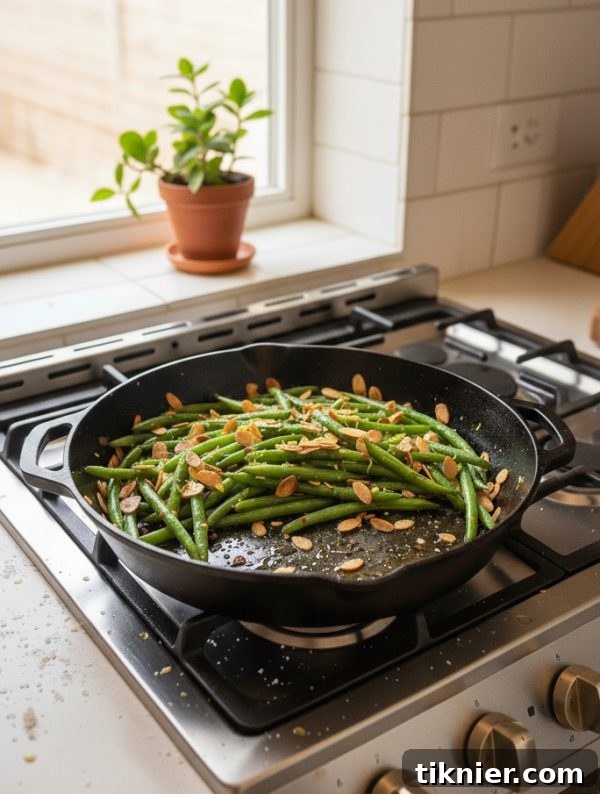
Description: Experience the delightful harmony of crisp, tender green beans meticulously sautéed in a rich, nutty brown butter. This exquisite foundation is further enhanced with perfectly toasted almonds and aromatic garlic, then finished with a vibrant squeeze of fresh lemon. The result is an elegant, quick, and truly unforgettable side dish, ideal for elevating any meal or special occasion.
Yield: 4 servings | Category: Side Dish | Cuisine: American
Prep Time: 10 minutes | Cook Time: 10 minutes
Ingredients
- 1 lb fresh green beans, trimmed
- 4 tablespoons unsalted butter
- 1/3 cup sliced almonds
- 3 cloves garlic, thinly sliced
- 1/4 cup water
- 1/2 teaspoon kosher salt, or more to taste
- 1/4 teaspoon freshly ground black pepper
- Pinch of red pepper flakes (optional)
- 1 tablespoon fresh lemon juice
- 1 teaspoon lemon zest
Instructions
- Place a large skillet (12-inch recommended) over medium-high heat. Add the trimmed green beans and 1/4 cup water to the pan. Cover immediately and steam for 3-4 minutes, until the beans are vibrantly bright green and just tender-crisp.
- Remove the lid and continue cooking until all the water has completely evaporated from the pan, ensuring the beans are ready for sautéing, not steaming.
- Push the green beans to one side of the skillet, creating an empty space. Add the 4 tablespoons of unsalted butter to this empty side. Cook the butter, swirling the pan occasionally, until it melts, foams, and then turns a nutty, rich amber brown (about 2-3 minutes). Watch carefully to prevent burning.
- Immediately add the sliced almonds and thinly sliced garlic to the brown butter. Toast, stirring constantly, for 30-60 seconds until the almonds are lightly golden and the garlic is fragrant and slightly golden. Be vigilant as garlic burns quickly.
- Toss the green beans with the brown butter mixture, ensuring they are thoroughly coated. Season generously with kosher salt, freshly ground black pepper, and the optional red pepper flakes. Sauté for one final minute to allow the flavors to meld.
- Remove the skillet completely from the heat. Stir in the fresh lemon juice and lemon zest. The lemon’s acidity will brighten the dish without being cooked out.
- Serve your beautiful Brown Butter & Lemon Sautéed Green Beans immediately, while they are hot and the almonds are crunchy. Enjoy!
Notes
Always keep a very close eye on the butter as it browns and the garlic as it toasts; both can transition from perfect to burnt in a matter of seconds. For the smoothest cooking experience, ensure all your ingredients are prepped and measured (mise en place) before you begin, as this recipe moves quite quickly.
Servings: 4 | Calories: 220 kcal | Fat: 19g | Carbohydrates: 11g | Protein: 5g
5 Essential FAQs About Perfect Sautéed Green Beans
Here are some detailed and straightforward answers to the most common questions I frequently receive about this incredibly popular sautéed green beans recipe. Understanding these nuances will help you achieve perfect results every time.
Can I use frozen green beans for sautéed green beans, and what’s the impact?
This is arguably the most frequent question I encounter regarding this recipe, and to provide you with an honest and direct answer, while you technically *can* use frozen green beans, I very strongly recommend opting for fresh green beans for the absolute best results. The distinct texture is the true star of this particular dish – that delightful, vibrant tender-crisp snap and slightly firm bite that is almost exclusively achievable with fresh produce. Frozen green beans, by their very nature, possess a significantly higher water content and have typically undergone a blanching process before freezing, which inevitably alters their cellular structure. When you attempt to sauté them, they tend to release a substantial amount of water into the pan, leading to a softer, often mushy texture rather than the desired crispness we’re aiming for.
If you find yourself in a genuine bind and frozen green beans are your only option, you can try to adapt. The key is to *not* thaw them beforehand; add the frozen green beans directly from the freezer to your hot skillet. Be prepared, however, that you will need to cook them for a considerably longer period during the initial “steaming” phase to allow all that extra moisture to evaporate completely before you can even think about moving on to the crucial browning butter step. Just be aware and manage your expectations that the final texture will be notably softer and less satisfying than if you had used fresh beans. Therefore, for the ultimate, restaurant-quality result that truly lives up to the promise of a crisp, perfectly sautéed green bean, fresh green beans are, without a doubt, the superior choice.
How can I prevent my sautéed green beans from becoming disappointingly soggy?
Soggy green beans are indeed a culinary letdown, robbing the dish of its appealing texture. The excellent news is that there are several crucial steps meticulously built into this recipe specifically designed to counteract and prevent this common issue. Firstly and most importantly, exercise restraint during the initial steaming phase; do not overcook them. You are merely aiming to take the raw, vegetal edge off the beans, not to cook them entirely through. They should emerge from this step a brilliant, vibrant green and still feel quite firm to the bite. A precise cooking time of three to four minutes is usually the sweet spot, striking that perfect balance.
The second utterly critical step is to ensure that *all* the steaming water has completely evaporated from the pan *before* you introduce the butter or any other fat. Effective sautéing absolutely requires a dry cooking environment with hot fat. If any water remains in the pan, the beans will continue to steam rather than sauté, which is the direct pathway to a softer, sadly soggier texture. Finally, always work with a sufficiently hot pan – maintaining a medium-high heat is essential. This elevated temperature helps to cook the beans quickly and efficiently, creating a slight sear on their exterior while simultaneously preserving their delightful crispness within. Additionally, avoid overcrowding the pan at all costs. An overcrowded pan lowers the overall temperature, causing the beans to steam (our arch-nemesis for crispness!) instead of getting direct contact with the hot surface and fat.
What is the ideal pan to use for preparing sautéed green beans?
Utilizing the correct tools for any culinary task invariably makes a significant difference in the final outcome, and this sautéed green beans recipe is no exception. For this particular dish, my unwavering top recommendation is a large, heavy-bottomed skillet, ideally measuring approximately 12 inches in diameter. Skillets crafted from materials such as stainless steel or cast iron perform exceptionally well. These materials are prized for their ability to heat uniformly across the entire cooking surface and, crucially, to retain that heat consistently. This even heat distribution is paramount for achieving a quick, effective sauté and for expertly browning the butter without scorching. A light-colored pan, such as a stainless steel one, also offers the added practical benefit of allowing you to clearly observe the subtle changes in the butter’s color as it browns, which is an invaluable visual cue for preventing it from going from perfectly nutty to bitter and burnt.
While it is certainly possible to use a nonstick skillet, be mindful that it can be a little more challenging to achieve the same level of desirable browning on both the butter and the green beans themselves due to the nature of their surface. Regardless of your chosen material, the absolute most important consideration is size. You want the green beans to be spread out in a relatively single layer in the pan. This maximizes their contact with the hot surface and the cooking fat, promoting proper sautéing. If the beans are piled on top of each other, they will unfortunately steam instead of sauté, which, as we’ve thoroughly discussed, is the sworn enemy of achieving that coveted crisp texture.
Can I prepare sautéed green beans ahead of time, and if so, how?
This question presents a bit of a culinary conundrum because this dish is, without a shadow of a doubt, at its absolute pinnacle of perfection when served immediately, piping hot and fresh from the skillet. At this precise moment, the texture of the beans is ideal – that perfect tender-crisp snap – and the almonds are at their crunchiest, most flavorful best. However, I wholeheartedly understand that when you’re orchestrating a large meal for a holiday gathering or an elaborate dinner party, making every single component at the absolute last minute is often an unrealistic and stressful endeavor. So, while the full dish isn’t ideal for complete make-ahead, you can certainly do some crucial prep work in advance to significantly ease your workload and ensure a smoother cooking process on the day of.
You can efficiently wash and trim your green beans a day or two prior to cooking. Once trimmed, store them in a zip-top bag lined with a paper towel in the refrigerator to absorb any excess moisture, keeping them fresh. Similarly, you can pre-slice your garlic ahead of time. The most effective way to partially prepare the dish in advance is to complete the very first step: the initial steaming of the beans. Steam them precisely as directed in the recipe until they are vibrant green and tender-crisp. Immediately after steaming, plunge the hot beans into a large bowl of ice water (an ice bath) to rapidly stop the cooking process and lock in that gorgeous bright green color. Once completely chilled, drain them thoroughly, pat them very dry, and store them in an airtight container in the refrigerator. When you’re ready to serve, you can then pick up the recipe from the “evaporate water” step (though there won’t be much if any) and proceed with browning the butter, toasting the almonds and garlic, and tossing everything together. This strategy will dramatically cut down on your final cooking time, making last-minute preparation much more manageable.
Why are my sautéed green beans tough or rubbery, and how can I fix it?
If your finished dish disappointingly yields green beans that are tough, leathery, or even rubbery, this outcome is typically attributable to one of two primary reasons. The first potential culprit is the inherent quality of the beans themselves. Older green beans that have been sitting in the grocery store display or lingering in your refrigerator for an extended period tend to develop a woody, fibrous texture that no amount of cooking can truly rectify. To avoid this, always prioritize starting with the freshest, firmest green beans you can possibly find. Seek out beans that exhibit a vibrant color and snap easily and cleanly when you bend them – this is a reliable indicator of freshness and tenderness.
The second, and often more prevalent, reason for tough green beans is that they simply were not cooked quite long enough during the initial, crucial steaming phase. That first covered steaming step is precisely what gently tenderizes the beans, softening their cell walls without turning them mushy. If you bypass this vital step entirely, or if you cut it too short and proceed directly to sautéing, the high, dry heat of the pan can sometimes cause the skins of the beans to toughen and become leathery before the interior has had an adequate chance to cook through and become tender. Therefore, meticulously following the recipe’s instructions and giving your green beans that essential 3 to 4-minute steam bath is the most effective and reliable way to ensure they achieve that perfect texture – wonderfully tender on the inside while retaining that delightful, satisfying crispness on the outside.
Explore More Deliciousness: Try These Recipes Next!
If you thoroughly enjoyed the fresh, straightforward, and elegant approach demonstrated in these sautéed green beans, I’m confident you’ll discover equal delight in a few of my other beloved side dish recipes. Each one focuses on transforming beautiful, fresh vegetables into something truly special with minimal effort.
- Easy Green Bean Casserole: This is my modern, scratch-made rendition of the iconic holiday staple. Forget the canned soup; this version is incredibly creamy, richly savory, and crowned with a generous layer of perfectly crispy fried onions that elevate it to gourmet status.
- Easy Charred Broccolini: A remarkably simple yet inherently elegant side dish where tender broccolini florets are beautifully charred in a searing hot skillet, then finished with fragrant garlic, a hint of red pepper flakes, and a bright squeeze of lemon for a smoky, vibrant flavor.
- Easy Grilled Asparagus: When the weather beckons for outdoor cooking, there’s truly nothing more satisfying than perfectly grilled asparagus. This recipe is quick, refreshingly easy, and consistently yields tender, slightly smoky spears with beautiful char marks, making it a seasonal favorite.
These recipes are all crafted with a philosophy of allowing the natural, exquisite flavors of fresh vegetables to truly shine through, enhanced by simple yet impactful techniques. I genuinely hope you’ll give them a try and discover new favorites for your own kitchen!