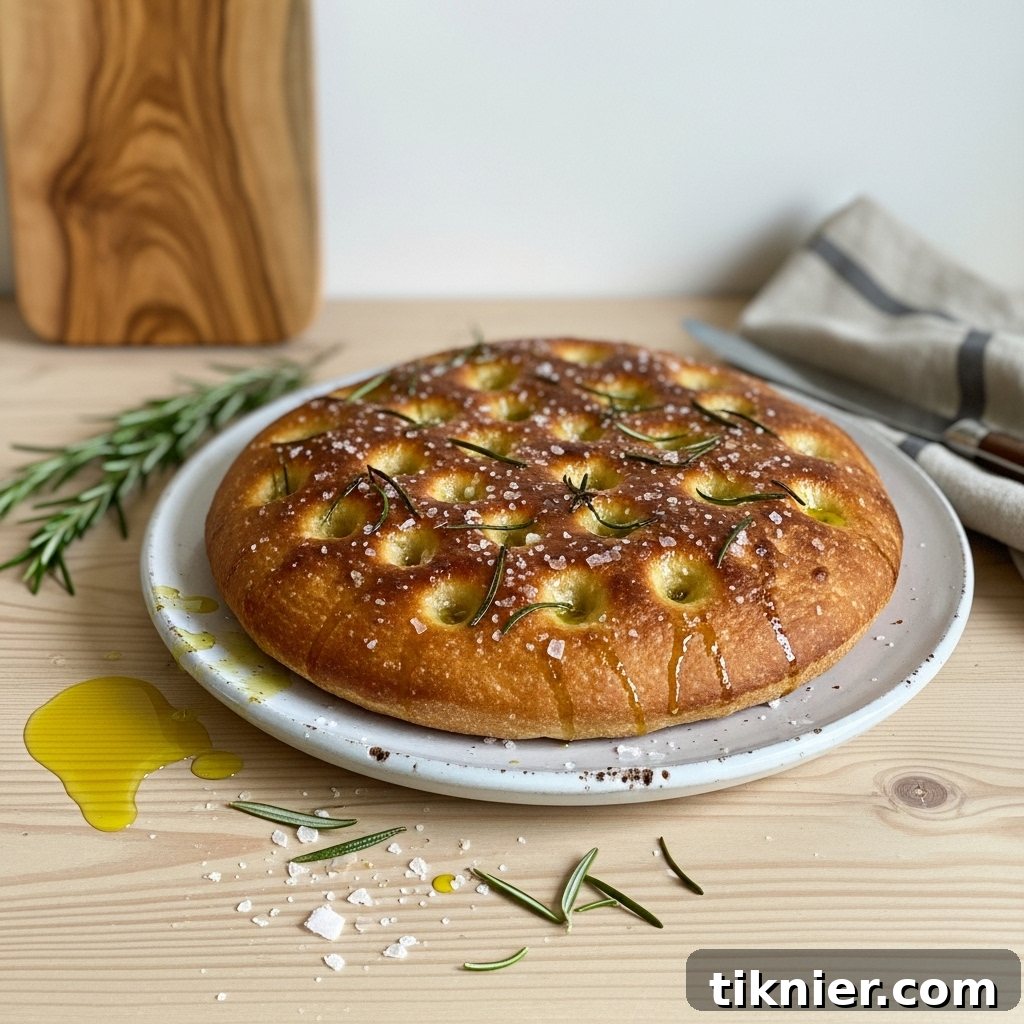
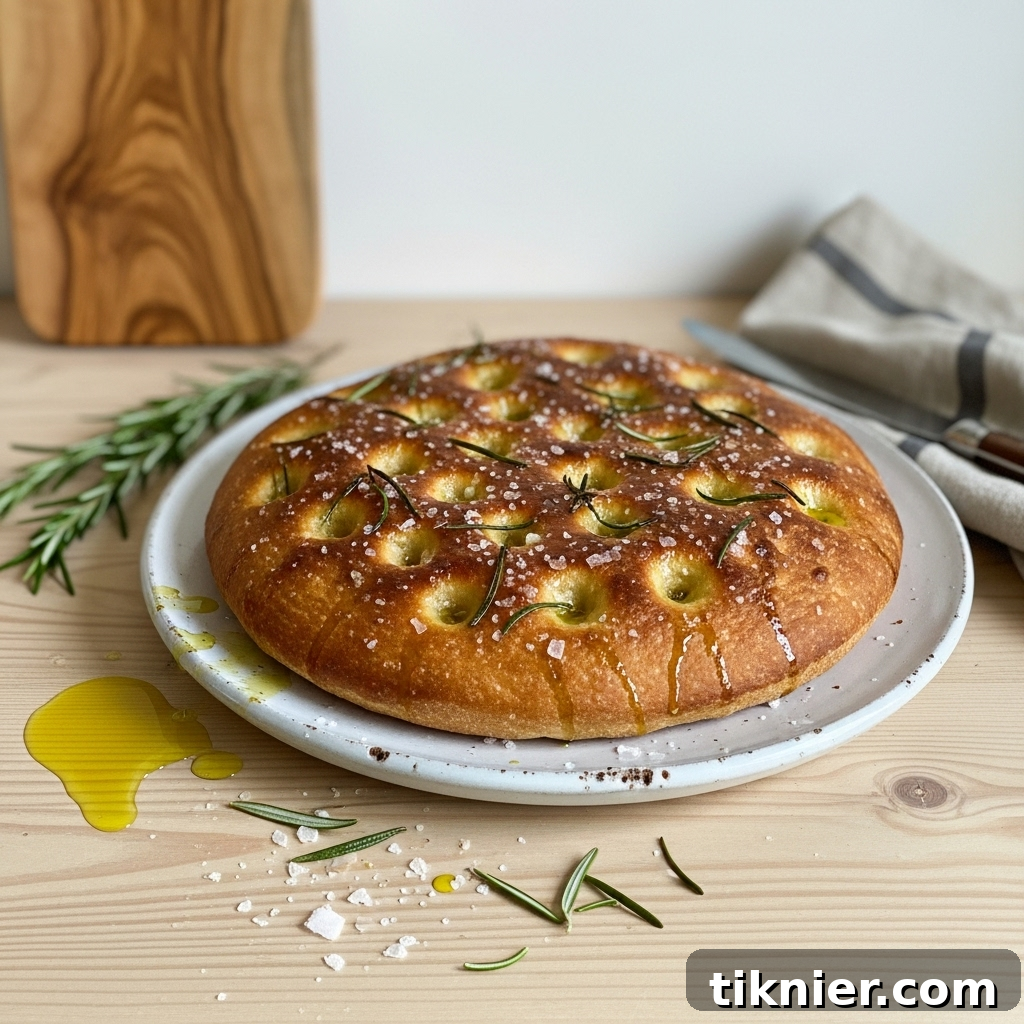
The Secret to the Best Focaccia: An Unforgettable Mascarpone Recipe
Prepare yourself for a culinary revelation, because this isn’t just another focaccia recipe – it’s the recipe for the best focaccia you will ever bake. It’s an extraordinary bread that promises a journey of flavor, an incredibly tender crumb, and a crust that sings with perfection. Once you try this unique version, you’ll understand why it has become a staple in my kitchen and will undoubtedly become a treasured favorite in yours.
I distinctly remember the moment I experienced truly life-changing focaccia. It wasn’t in some Michelin-starred restaurant in Italy, nor was it from a renowned artisan bakery. Instead, it was served at my dear friend Caroline’s house during a casual Saturday dinner. As she presented a golden, pillowy slab of bread, glistening with olive oil and studded with fragrant rosemary, the aroma alone was captivating. The air filled with a savory, herbaceous scent that made my mouth water instantly. When I took my first bite, I was utterly floored. It was rich, incredibly tender, and had this ethereal, almost creamy crumb that melted in my mouth, juxtaposed with a perfectly crisp, golden crust. It was unlike any focaccia I had ever tasted – a true revelation of texture and flavor.
Naturally, I immediately begged Caroline for the recipe. Being the generous friend she is, she happily shared it, but with a playful wink. She explained that while the foundational method was a classic Italian technique passed down through generations, her grandmother – a true Southern belle who believed that everything was better with a little extra richness – had added a secret ingredient. Caroline wouldn’t divulge the secret directly, only teasingly mentioning that it was a type of cheese. This enigmatic hint sparked my culinary curiosity and sent me on a quest to uncover this magical addition.
Weeks of persistent testing in my own kitchen followed. I experimented with various cheeses, trying cream cheese for its tang, ricotta for its lightness, and even sour cream for an added layer of moisture. While each attempt yielded good results, none quite captured that indescribable, luxurious quality of Caroline’s focaccia. Then, one day, as I was planning to make tiramisu, it dawned on me: Mascarpone. The sweet, silky, and incredibly rich Italian cream cheese. Could it be? I folded a generous amount into the dough, and when that focaccia emerged from the oven, golden and fragrant, I knew I had cracked the code. The mascarpone melts seamlessly into the dough during baking, creating an unparalleled moistness, an unbelievably tender crumb, and a subtle tangy richness that simply cannot be achieved any other way. It is, quite simply, absolute perfection, elevating a beloved classic to an entirely new level of decadence.
Skip to My Special Mascarpone Focaccia Recipe!
Why This Mascarpone Focaccia Recipe Stands Apart
Focaccia has been a cherished staple in Italian households for centuries, particularly renowned in the coastal region of Liguria. Its enduring beauty lies in its inherent simplicity: a humble bread crafted from fundamental ingredients such as flour, water, yeast, salt, and a generous pour of high-quality olive oil. The very name “focaccia” originates from the Roman “panis focacius,” meaning “hearth bread,” a nod to its traditional baking method directly on the hearthstones of the oven. This ancient lineage speaks to its timeless appeal and comforting nature.
The bread’s widespread popularity stems from its incredible versatility. It can be enjoyed plain, fresh from the oven, dipped in robust olive oil, or used as the perfect foundation for flavorful sandwiches. Its delicate flavor profile also makes it an ideal canvas for various toppings, limited only by your imagination. A classic focaccia is celebrated for its airy, open crumb structure and its signature dimples, which serve as delightful reservoirs for savory olive oil and crunchy flakes of sea salt.
So, how do we take something so inherently perfect and make it even more memorable, even more luxurious? The answer lies in my little Southern-inspired Italian secret: mascarpone cheese. This isn’t merely a whimsical addition; it’s a carefully chosen ingredient that transforms the focaccia from a rustic delight into a truly decadent experience. The high fat content present in mascarpone works wonders on the dough’s gluten structure. It effectively shortens the gluten strands, which is the scientific secret behind achieving an unbelievably tender, soft, and almost melt-in-your-mouth crumb. Furthermore, mascarpone introduces an invaluable layer of moisture that helps prevent the bread from drying out, ensuring it remains incredibly fresh and palatable for days after baking.
The flavor contribution of mascarpone is subtle yet profoundly significant. It imparts a delicate, creamy tang that expertly balances the robust richness of the olive oil and the pleasant saltiness of the topping. This single, simple addition elevates the bread from a humble side dish to a truly showstopping centerpiece, a gourmet offering suitable for any occasion. It creates a focaccia that is considerably more luxurious and sophisticated than its traditional counterpart, boasting a beautifully golden, crisp-bottomed crust and the softest, most ethereal interior imaginable. This isn’t just bread; it’s an experience.
Essential Ingredients for Your Perfect Mascarpone Focaccia
The magic within this extraordinary focaccia recipe comes from a careful selection of simple, high-quality ingredients working together in perfect harmony. While the list itself isn’t extensive, the deliberate choice and quality of each component will profoundly influence the final product, creating a bread that is truly superior. And, of course, central to its unique charm is our special secret ingredient that elevates this focaccia above all others.
Here is precisely what you will need to create this culinary masterpiece:
- 500g (about 4 cups) bread flour: Essential for gluten development.
- 2 tsp (10g) fine sea salt: Balances flavor and strengthens dough.
- 2 ¼ tsp (7g) instant yeast: For efficient and reliable leavening.
- 1 tbsp (21g) honey: Feeds the yeast and adds a subtle sweetness.
- 400ml (1 ¾ cups) lukewarm water: Activates yeast and hydrates the dough.
- ½ cup (115g) mascarpone cheese, at room temperature: The star ingredient, providing richness and tenderness.
- ¼ cup (60ml) extra-virgin olive oil, plus more for the pan and finishing: Crucial for flavor, moisture, and a crisp crust.
- 2 sprigs fresh rosemary: For aromatic topping and classic flavor.
- Flaky sea salt for topping: Provides textural crunch and bursts of savory flavor.
The true star of this unforgettable recipe is, without a doubt, the mascarpone cheese. It is absolutely crucial that your mascarpone is at room temperature before you begin. This ensures it incorporates smoothly and seamlessly into your wet ingredients, preventing any clumps and contributing to a homogeneous dough. It is this ingredient that imparts the focaccia with its signature rich flavor and that incredibly tender, almost custardy crumb that sets it apart.
For the flour component, I cannot stress enough the importance of using bread flour. Unlike all-purpose flour, bread flour possesses a higher protein content, which is fundamental for developing a robust gluten network. This strong gluten structure is precisely what gives focaccia its characteristic chewy texture and desirable airy, open crumb. While you could use all-purpose flour in a pinch, be aware that the resulting focaccia will likely be denser, less chewy, and more cake-like in texture, missing that signature airy quality.
Please do not compromise on the quality of your extra-virgin olive oil. Given its generous use throughout the recipe – incorporated into the dough, coating the pan, and drizzled as a finishing touch – its flavor is profoundly prominent in the final bread. A high-quality, fruity extra-virgin olive oil will lend a beautiful, complex, and often subtly peppery note that enhances the overall taste profile. Similarly, the choice of flaky sea salt for the topping is paramount. Its large, irregular crystals provide a delightful textural contrast, delivering satisfying bursts of saltiness and a wonderful crunch that simply cannot be replicated by finer table salt. These seemingly small details make a monumental difference in achieving the ultimate focaccia experience.
Step-by-Step Instructions For Baking Your Exceptional Mascarpone Focaccia
Making focaccia is a truly beautiful, hands-on culinary process that is both rewarding and deeply satisfying. Don’t be intimidated by the high hydration of the dough, which will feel quite wet and sticky. That very characteristic is precisely what creates the incredibly light, airy texture and moist crumb we are striving for. Simply follow these detailed steps, and you will consistently produce a perfect, golden, and utterly delicious loaf every single time.
Step 1: Activate the Yeast for Optimal Rise
In a generously sized bowl, gently whisk together the lukewarm water, honey, and instant yeast. The water should be comfortably warm to the touch, similar to a warm bath – never hot, as excessively hot water can unfortunately kill the delicate yeast and prevent your dough from rising. Allow this mixture to rest undisturbed for approximately 5 to 7 minutes. You’ll know it’s perfectly ready when a distinct foamy, bubbly layer forms on the surface. This crucial step, known as “blooming” the yeast, confirms that your yeast is alive, active, and eager to get to work.
Step 2: Smoothly Combine the Wet Ingredients
Once your yeast mixture is wonderfully foamy and active, add the room temperature mascarpone cheese and the ¼ cup of extra-virgin olive oil to the bowl. Whisk all these ingredients together vigorously until the mascarpone cheese is completely dissolved and thoroughly incorporated, resulting in a smooth, creamy, and uniform liquid mixture. It is critically important that the mascarpone is at room temperature at this stage; if it’s cold, it will remain lumpy and difficult to integrate, affecting the final texture of your dough.
Step 3: Begin Mixing Your Dough to a Shaggy Texture
In a separate, very large mixing bowl (or the bowl of your stand mixer fitted with a dough hook), combine the bread flour and the fine sea salt. Gradually pour the prepared wet mascarpone mixture into the dry ingredients. Using a sturdy spatula or a wooden spoon, mix everything together until a shaggy, very sticky dough begins to form. Be diligent in scraping down the sides and bottom of the bowl to ensure that no pockets of dry flour remain unmixed. At this stage, the dough will have a consistency more akin to a thick batter rather than a traditional firm bread dough, and that is precisely the correct texture we are aiming for.
Step 4: Perform Stretch and Folds for Gluten Development and First Rise
Cover the bowl securely with plastic wrap or a damp kitchen towel and allow the dough to rest at room temperature for 30 minutes. This resting period is essential as it gives the flour ample time to fully hydrate, initiating gluten development. After the rest, lightly wet your hands with a little water; this simple trick prevents the sticky dough from adhering to your fingers. Perform a set of “stretch and folds”: gently grab one side of the dough, stretch it upwards, and fold it over towards the center of the bowl. Rotate the bowl a quarter turn and repeat this stretching and folding action three more times, completing a full rotation. Recover the bowl and let the dough rise in a warm, draft-free spot for approximately 1.5 to 2 hours, or until it has visibly doubled in size and appears wonderfully jiggly and airy.
Step 5: Prepare Your Pan and Facilitate the Second Rise
Pour a generous amount, roughly 2 to 3 tablespoons, of extra-virgin olive oil into a 9×13 inch baking pan. Using your fingers, meticulously spread the oil across the entire bottom and up the sides of the pan, ensuring every surface is well-coated. Gently scrape the risen dough out of its bowl and into the prepared pan. With lightly oiled hands, carefully stretch the dough towards all four corners of the pan. If the dough shows resistance and springs back, allow it to rest for 10-15 minutes before attempting to stretch it again. This allows the gluten to relax. Finally, let the dough undergo its second rise in the pan, uncovered, for another 45 to 60 minutes, or until it looks visibly puffy and feels airy to the touch.
Step 6: Dimple and Elegantly Top Your Focaccia
Preheat your oven to 425°F (220°C). Drizzle another tablespoon of high-quality olive oil generously over the top surface of the risen dough in the pan. Now, lightly oil your fingertips and press them firmly, all the way down through the dough until you feel the bottom of the pan. Create deep, evenly spaced dimples all over the entire surface of the focaccia. These dimples are crucial as they capture pools of olive oil and create wonderful textural variations. Scatter the fresh rosemary leaves gracefully over the dimpled surface and finish with a generous, even sprinkle of flaky sea salt, which will provide a delightful crunch and burst of flavor.
Step 7: Bake to Irresistible Golden Perfection
Carefully place the pan into your preheated oven and bake for 20 to 25 minutes. The focaccia is perfectly done when its top surface has achieved a deep, inviting golden brown color, and the edges are beautifully crisp and have begun to pull slightly away from the sides of the pan. As soon as you retrieve it from the oven, immediately drizzle one last tablespoon of exquisite extra-virgin olive oil over the warm surface. This final drizzle adds gloss, flavor, and a touch of luxury. Allow the focaccia to cool in the pan for just 5 minutes before carefully transferring it to a wire rack to cool completely. This crucial cooling step on a rack, though tempting to skip, is essential to prevent the bottom crust from becoming soggy and to maintain its delightful crispness.
Creative Ways to Serve Your Exquisite Mascarpone Focaccia
One of the most delightful aspects of this mascarpone focaccia is its remarkable versatility and how beautifully its rich, tender crumb and savory topping complement a wide array of other flavors and dishes. It’s an ideal companion for countless meals and occasions. Whether served warm, fresh from the oven, or at room temperature, it consistently proves to be an irresistible crowd-pleaser and a truly impressive addition to any table.
My absolute favorite way to serve this focaccia is often the simplest: I cut it into generous, rustic squares and artfully arrange them in a charming basket, placing it proudly in the center of the dinner table. It transforms into the quintessential sidekick for a comforting, hearty soup, a vibrant, large Italian-style salad, or a classic plate of pasta adorned with a rich Sunday gravy. The bread’s incredible texture and absorbency practically beg to be used to sop up every last delicious drop of sauce or dressing, ensuring no flavor goes to waste.
For those looking for even more inspiration, here are a few additional ideas to help you showcase your magnificent focaccia:
- As Part of an Elegant Appetizer Board: Elevate your charcuterie or cheese board by slicing the focaccia into thin strips or small, bite-sized squares. Arrange it alongside an assortment of cured meats, artisanal cheeses, briny olives, and marinated vegetables. It’s an instant party pleaser that adds a touch of gourmet sophistication.
- Paired with Luxurious Dips: Serve this bread with a warm bowl of homemade marinara sauce, a creamy white bean dip, a vibrant pesto, or simply with a high-quality balsamic vinegar and your best olive oil for sophisticated dipping. Its robust texture holds up beautifully to rich dips.
- The Ultimate Sandwich Bread: Forget ordinary sandwich bread! This focaccia makes for an extraordinary sandwich base. Split a large square horizontally and fill it with premium ingredients like thinly sliced prosciutto, creamy fresh mozzarella, peppery arugula, and a drizzle of balsamic glaze for a truly classic Italian sandwich. It’s also incredibly fantastic when used for a gourmet grilled cheese.
- A Quick and Delicious Pizza Base: For a surprisingly simple and delicious weeknight meal, transform a leftover slab of focaccia into a fabulous thick-crust pizza. Simply top it with your favorite tomato sauce, a generous layer of cheese, and your preferred toppings, then bake until bubbly and golden. The resulting “pizza” is wonderfully satisfying and full of character.
Truly, there’s no incorrect way to savor this exceptional bread. Whether it takes center stage as the star of your meal or plays a supporting role, its incredible flavor and texture will undoubtedly make any dining experience feel a little more special, a little more luxurious. Just be prepared for everyone around the table to enthusiastically ask you for the secret recipe!
Mastering Storage and Creative Reuse of Focaccia Leftovers
While this mascarpone focaccia is undeniably irresistible when enjoyed fresh from the oven, the wonderful news is that it stores remarkably well, allowing you to savor its deliciousness for days to come. Thanks to the extra fat and moisture contributed by both the mascarpone cheese and the generous amount of olive oil, this focaccia stays significantly softer and fresher for a longer period compared to many other homemade breads. So, if you’re fortunate enough to have any leftovers – a rare occurrence, I assure you – you can enjoy them beautifully for several days.
For short-term storage at room temperature, the crucial balance is to prevent the bread from drying out while simultaneously allowing it to breathe. Storing focaccia in a sealed plastic bag can sometimes trap too much moisture, potentially leading to a soft, even slightly soggy crust, which diminishes its wonderful texture. Instead, I find the most effective method is to wrap the completely cooled focaccia loosely in aluminum foil or to place it inside a paper bag. Stored this way, it will maintain its beautiful quality at room temperature for up to three days, remaining soft and flavorful.
Should you wish to preserve your focaccia for an extended period, you’ll be delighted to know that it freezes exceptionally well, making it perfect for meal prep or enjoying a taste of homemade goodness whenever you desire. Here are my top tips for expertly storing and reviving your focaccia leftovers:
- Freezing for Long-Term Enjoyment: You have the flexibility to freeze the focaccia either as a whole loaf or, more conveniently, cut into individual serving-sized squares or slices. For optimal preservation, wrap each piece tightly and securely in plastic wrap, ensuring no air exposure. Then, place the wrapped pieces inside a sturdy zip-top freezer bag, squeezing out as much air as possible before sealing. Stored correctly, your focaccia will retain its quality in the freezer for up to 3 months, ready whenever a craving strikes.
- Reheating from Room Temperature for Freshness: To effortlessly bring back that coveted fresh-from-the-oven crispness and warmth, preheat your oven to a moderate 375°F (190°C). Place the room-temperature focaccia directly onto the oven rack – avoid placing it on a baking sheet unless necessary to prevent a soggy bottom. Bake for approximately 5 to 7 minutes, or until it is thoroughly warmed through and the crust has regained its delightful crispness.
- Reheating Directly from Frozen: The beauty of frozen focaccia is that there’s absolutely no need to thaw it first, making for a very quick and convenient snack or side. Simply unwrap the frozen focaccia and place it directly into a preheated 375°F (190°C) oven. Bake for a slightly longer duration, typically 10 to 15 minutes. It will emerge tasting almost as good and fresh as the very day you baked it, a testament to its excellent freezing qualities.
- Creative Uses for Stale Focaccia: Should your focaccia begin to lose a bit of its initial freshness and become slightly stale – a fate common to all breads – do not, under any circumstances, discard it! This is an opportunity for culinary creativity. Cut the focaccia into charming cubes, toss them generously with more olive oil and your favorite dried herbs (such as oregano, thyme, or garlic powder), and bake until golden and crunchy to create the most amazing homemade croutons for salads and soups. Alternatively, pulse the stale bread in a food processor to produce flavorful, savory breadcrumbs, perfect for coating proteins or adding texture to gratins.
With these simple yet effective storage and revival tricks, you can confidently bake a large batch of this incredibly delicious mascarpone focaccia and enjoy its rich flavors and tender texture throughout the entire week. It truly is a culinary gift that keeps on giving, offering comfort and gourmet appeal with every bite.
Delicious Substitutions & Creative Variations for Your Focaccia
This mascarpone focaccia recipe, while perfect in its classic form, truly shines as a magnificent canvas for your culinary creativity and personal preferences. While the timeless combination of fresh rosemary and flaky sea salt is always a winner, there are countless delightful ways you can adapt and personalize this recipe to suit your tastes, leverage ingredients you have on hand, or simply explore new flavor profiles. Consider this recipe not just a guide, but a fantastic starting point for endless delicious experimentation.
The simplest and most impactful way to alter the flavor profile of your focaccia is by experimenting with different toppings. These can be added either right before the final proofing stage or gently pressed into the dough during the dimpling process. A few well-chosen additions can completely transform the character of the bread, allowing you to tailor it perfectly to whatever meal you are serving or mood you are in.
Here are some of my favorite substitutions and creative variations to inspire your next focaccia adventure:
- Diverse Topping Combinations: Before baking, try scattering a handful of briny Kalamata olives (pitted and halved), vibrant halved cherry tomatoes, or thinly sliced red onions over the dimpled surface. For an extra layer of savory depth, a sprinkle of freshly grated Parmesan cheese or a pinch of red pepper flakes can add a wonderful kick and complexity. Sun-dried tomatoes (chopped) or capers also make excellent additions.
- Aromatic Herb Swaps: If fresh rosemary isn’t available or if you prefer a different herbaceous note, fresh thyme or oregano make equally wonderful substitutes. You could even use a tablespoon of a high-quality dried Italian herb blend, mixed directly with the olive oil that you drizzle over the dough before dimpling, for a fragrant alternative.
- Garlic Lover’s Focaccia: For an irresistibly aromatic garlic focaccia, press very thin slices of fresh garlic directly into the dimples before baking. Alternatively, immediately after removing the warm bread from the oven, brush it generously with a rich garlic-infused olive oil for an intense burst of flavor.
- Alternative Cheeses (If Mascarpone is Unavailable): While mascarpone is truly unique, if you find yourself unable to source it, full-fat cream cheese can serve as a suitable substitute in a pinch. It will impart a slightly tangier flavor profile to the bread, but the texture will still be wonderfully soft and tender. The key is ensuring it’s at room temperature for smooth incorporation into the dough.
- A Sweet Focaccia Variation: For a delightful sweet treat or a unique brunch item, simply omit all the savory toppings. Instead, gently press thin slices of fruit, such as fresh figs or sweet grapes, into the dough before baking. Finish with a light sprinkle of coarse sugar (like turbinado or demerara sugar) instead of sea salt. This sweet focaccia is absolutely divine and unexpectedly delicious.
Never be afraid to experiment with this recipe. The inherent beauty of a rustic bread like focaccia is its remarkable forgiveness. Whether you choose to adhere strictly to the classic rosemary and sea salt combination or venture into creating an entirely new flavor combination, you are almost guaranteed to end up with a delicious, crowd-pleasing loaf that will impress everyone who tastes it.
The Best Mascarpone Focaccia Recipe
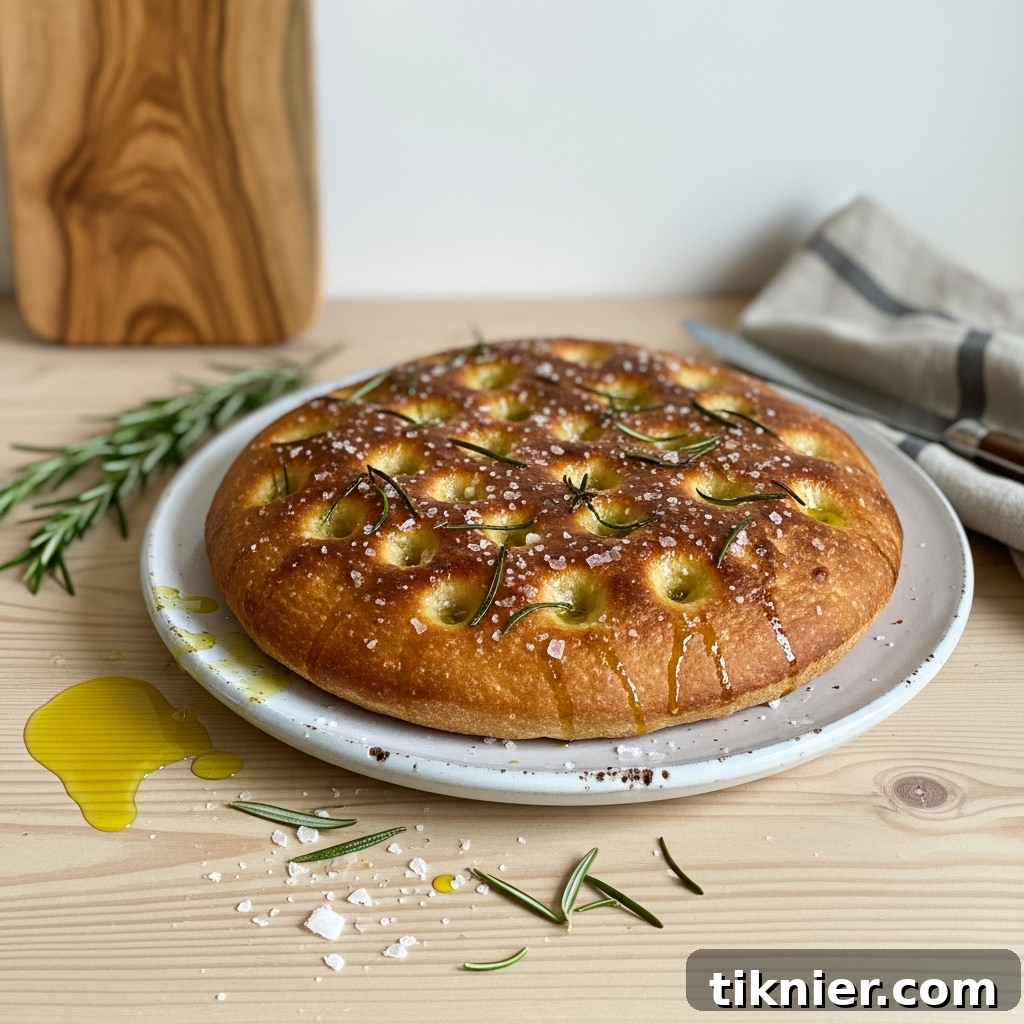
Description: Discover the secret to an incredibly soft, moist, and tender focaccia featuring a rich, pillowy crumb and a perfectly crisp, golden crust. The hidden ingredient – creamy mascarpone cheese – transforms this classic Italian bread into an unforgettable culinary masterpiece.
Yield: 12 servings | Category: Bread | Cuisine: Italian-American | Method: Baking
Prep Time: 2 hours 30 minutes (includes rise times) | Cook Time: 25 minutes
Ingredients
- 500g (about 4 cups) high-quality bread flour
- 2 tsp (10g) fine sea salt
- 2 ¼ tsp (7g) instant yeast
- 1 tbsp (21g) honey
- 400ml (1 ¾ cups) lukewarm water
- ½ cup (115g) mascarpone cheese, at room temperature
- ¼ cup (60ml) extra-virgin olive oil, plus an additional 3-4 tbsp for pan and finishing
- 2 sprigs fresh rosemary, leaves picked
- Flaky sea salt for topping (e.g., Maldon)
Instructions
- In a large mixing bowl, gently whisk together the lukewarm water, honey, and instant yeast. Allow the mixture to sit undisturbed for 5-7 minutes, until a clear foamy and bubbly layer forms on the surface, indicating active yeast.
- Add the room temperature mascarpone cheese and ¼ cup of extra-virgin olive oil to the foamy yeast mixture. Whisk everything together vigorously until the mascarpone is completely smooth and fully incorporated into the liquid.
- In a separate, very large bowl (or a stand mixer bowl), combine the bread flour and fine sea salt. Pour the wet mascarpone mixture into the dry ingredients. Using a sturdy spatula or wooden spoon, mix until a very shaggy, sticky dough forms, ensuring no dry flour remains at the bottom of the bowl.
- Cover the bowl tightly with plastic wrap and let the dough rest for 30 minutes at room temperature. After resting, wet your hands slightly and perform 4 “stretch and folds” by gently stretching a portion of the dough up and folding it over the center, rotating the bowl a quarter turn after each fold. Recover the bowl and let the dough rise in a warm, draft-free place for 1.5 to 2 hours, until it has visibly doubled in size and appears jiggly.
- Pour 2-3 tablespoons of extra-virgin olive oil into a 9×13 inch baking pan. Use your fingers to spread the oil generously across the bottom and up the sides of the pan. Gently scrape the risen dough out of the bowl and into the prepared pan. With lightly oiled hands, gently stretch the dough towards the corners of the pan. If it resists, let it rest for 15 minutes before attempting to stretch again. Let the dough rise, uncovered, in the pan for another 45-60 minutes until it looks puffy.
- Preheat your oven to 425°F (220°C). Drizzle another tablespoon of olive oil over the top of the risen dough in the pan. Oil your fingertips and firmly press them all the way down into the dough, touching the bottom of the pan, to create deep dimples across the surface. Scatter the fresh rosemary leaves evenly over the top, and finish with a generous sprinkle of flaky sea salt.
- Bake the focaccia in the preheated oven for 20 to 25 minutes, or until the top is a deep golden brown and the edges are crisp and pulling away slightly from the pan. Immediately upon removing it from the oven, drizzle with one last tablespoon of extra-virgin olive oil. Let it cool in the pan for 5 minutes before carefully transferring it to a wire rack to cool completely. This prevents the bottom from becoming soggy.
Notes
For the smoothest dough and best texture, always ensure your mascarpone cheese is completely at room temperature before mixing. Handle the dough very gently after its first rise to preserve the airy bubbles and pockets of gas that contribute to the focaccia’s perfect open crumb structure.
Servings: 12 | Calories: Approximately 250 kcal per serving | Fat: 11g | Carbohydrates: 32g | Protein: 6g
5 Frequently Asked Questions About Baking Mascarpone Focaccia
Here are clear and concise answers to some of the most common questions I receive about this particular mascarpone focaccia recipe, designed to help you achieve perfect results every time.
1. Why is my focaccia dough so incredibly sticky and wet?
If your focaccia dough feels extremely sticky and wet, there’s absolutely no need to panic – in fact, you’re precisely on the right track for an authentic focaccia! Focaccia is inherently a high-hydration bread, meaning it contains a significantly higher ratio of water to flour compared to many other bread doughs you might be familiar with. This elevated water content is the absolute key to achieving focaccia’s signature open, airy, wonderfully moist crumb. A dough that is too dry would inevitably result in a dense, heavy bread, which is precisely the opposite of the light, tender texture we are aiming for with this recipe.
While the stickiness can initially be a bit challenging to manage, there are effective tricks to handle it with ease. Always make sure to lightly oil or wet your hands before touching the dough, especially when performing the “stretch and fold” technique. This creates a thin, slippery barrier that prevents the dough from adhering to your fingers. Using a flexible bowl scraper is also an incredibly useful tool for managing and cleanly transferring such a wet dough. Trust the process: that initial wet, sticky mass will miraculously transform into a beautiful, pillowy bread as it bakes in the oven.
2. What is the secret to getting those gorgeous, big bubbles in focaccia?
Those stunning, large air pockets and irregular holes are the coveted hallmark of a truly exceptional focaccia, and they are achieved through a combination of several crucial factors. Firstly, as mentioned, high hydration is paramount. The generous amount of water in the dough generates a significant amount of steam during the baking process, which powerfully pushes the dough apart, forming those desirable large, irregular bubbles and an open crumb. Secondly, utilizing bread flour is beneficial, as its higher protein content allows for the development of a strong, elastic gluten network capable of trapping and holding these impressive air bubbles.
Proper fermentation, especially a sufficiently long and slow first rise, is also critical. This extended period allows the yeast ample time to produce abundant carbon dioxide gas, which gradually inflates the dough, creating more and larger air pockets. Finally, and perhaps most importantly, handling the dough with extreme gentleness after it has risen is absolutely paramount. When you carefully transfer the dough to the baking pan and perform the dimpling, do so with the utmost care. Avoid punching it down or deflating it excessively. The goal is to preserve as many of those precious, hard-earned air pockets as possible before the focaccia goes into the hot oven.
3. Can I make this mascarpone focaccia recipe ahead of time?
Absolutely! This focaccia dough is exceptionally well-suited for a long, cold fermentation, a technique that not only offers immense convenience but also significantly develops and deepens the bread’s flavor profile, making it even more complex and delicious. To prepare the dough ahead of time, follow the recipe precisely through the “stretch and fold” step. After completing the folds, instead of allowing the dough to rise in a warm place, simply cover the bowl tightly with plastic wrap and place it directly into the refrigerator. It can be cold-fermented for at least 12 hours and up to a remarkable 3 days.
When you are ready to bake, remove the bowl from the refrigerator. You’ll notice the dough will have slowly risen and developed some beautiful bubbles in the cold environment. Gently pour the cold dough directly into your oiled baking pan, carefully stretch it out towards the corners, and then allow it to sit at room temperature for its second rise. This will naturally take longer than the standard room temperature rise – anywhere from 2 to 4 hours, depending on the ambient temperature of your kitchen. Once the dough looks visibly puffy and feels jiggly to the touch, you can proceed with the dimpling, topping, and baking steps exactly as directed in the main recipe.
4. Can I use active dry yeast instead of instant yeast for this focaccia?
Yes, you can certainly substitute active dry yeast for instant yeast in this focaccia recipe, but you will need to implement a small yet crucial adjustment to the preparation process. The two types of yeast, while both leavening agents, differ slightly in their structure and activation requirements. Instant yeast, with its finer granules, can typically be mixed directly with dry ingredients without prior activation. Active dry yeast, however, requires initial dissolution in a warm liquid and a brief period to “activate” or “bloom” before being combined with other ingredients. Additionally, you might sometimes need a slightly larger quantity of active dry yeast to achieve the same leavening power as instant yeast.
For this specific recipe, you would use the exact same amount of active dry yeast (2 ¼ teaspoons). You will still begin by whisking the yeast and honey into the lukewarm water, as described in Step 1. However, instead of 5-7 minutes, you should allow this mixture to sit for a solid 10 to 15 minutes. During this time, you are looking for a significant, clearly visible layer of foam to form on the surface of the water. This foam is your confirmation that the active dry yeast is indeed alive and active. If you do not observe this foamy layer, it unfortunately indicates that your yeast may be old or no longer viable, and your bread will not rise properly. Once a robust bubbly layer has formed, you can confidently proceed with the rest of the recipe exactly as written.
5. Why didn’t my focaccia get a crispy crust?
A soft, pale, or soggy crust can definitely be a disappointing outcome for focaccia, but thankfully, it’s almost always an easy fix! The number one reason for a non-crispy focaccia crust is typically not using enough olive oil in the baking pan. That generous layer of high-quality olive oil at the bottom of the pan essentially “fries” the underside of the dough as it bakes, creating that irresistibly crisp, deeply golden-brown crust that is so characteristic of perfect focaccia. Do not be shy with it; you really need at least 2 to 3 tablespoons to ensure the entire bottom and lower sides of the pan are thoroughly coated.
Another common culprit could be an insufficient oven temperature. It is crucial to ensure your oven is fully preheated to the specified 425°F (220°C). An oven that hasn’t reached the correct temperature will bake the bread too slowly and may steam it rather than crisping the crust effectively. Finally, and this is a step many are tempted to skip, always transfer the focaccia to a wire rack to cool after just a few minutes in the pan. If you allow the bread to cool completely within the baking pan, trapped steam underneath will inevitably soften that beautiful, hard-earned crispy crust, turning it soggy. A wire rack allows air circulation, preserving the delightful crispness.
Discover More Delightful Recipes
If you’ve fallen completely in love with the simple joy and incredible flavor of making this mascarpone focaccia, I am confident you will thoroughly enjoy exploring some of the other tried-and-true recipes available here on the blog. My philosophy is that cooking and baking should always be about creating comfort, fostering connections, and making cherished memories around the table, and these recipes are meticulously designed to help you achieve precisely that.
Whether you’re meticulously planning an elaborate family get-together, seeking innovative ideas for entertaining friends, or simply looking for fresh and inspiring ideas for your weeknight meals, there is undoubtedly something here that will spark your interest and satisfy your cravings. This glorious focaccia serves as a perfect starting point and a wonderful accompaniment for so many fantastic meals. I genuinely hope these curated collections will further assist you in filling your table with even more delicious, heartwarming, and memorable food.
Here are a few excellent places to start your next culinary adventure:
- 110 Easy Dinner Ideas: This mascarpone focaccia makes an absolutely amazing side for an incredibly wide variety of dinners. Browse through this extensive list for bountiful inspiration on what to serve alongside your beautiful, homemade bread, transforming any meal into a gourmet experience.
- Thanksgiving Dinner Ideas: While focaccia might not be the first bread that comes to mind for a traditional Thanksgiving spread, a basket of this warm, fragrant, and herby bread would be an incredibly welcome, unique, and truly memorable addition to your holiday bread basket. Its tender crumb and rich flavor are perfect for soaking up every last drop of delicious gravy.
- Cheap Meal Ideas & Budget Friendly Recipes: Crafting homemade bread is a wonderfully economical and satisfying way to stretch your food budget further. This versatile focaccia can effortlessly transform a simple soup or a light salad into a hearty, deeply satisfying, and complete meal. This collection offers plenty of creative ideas for affordable, yet incredibly delicious, pairings.