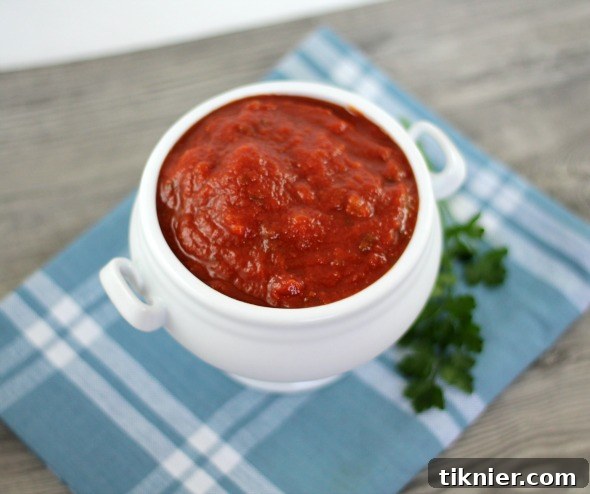
There’s a special kind of comfort that comes with a perfectly cooked plate of spaghetti, especially when it’s topped with a rich, aromatic homemade sauce. For me, the journey to the ideal spaghetti sauce has been a delicious adventure filled with countless trials and delightful discoveries. Over the years, I’ve crafted many different versions, each memorable in its own right, but unfortunately, I never meticulously recorded those culinary experiments. That all changed this past weekend when I dedicated myself to perfecting a new recipe – one that’s now proudly documented and ready to become a staple in your kitchen, just as it has in mine.
I’ll be honest, there are certainly moments when convenience calls, and a good jarred spaghetti sauce finds its way into my pantry. When my local grocery store, Publix, offers those fantastic “Buy One Get One Free” deals on quality brands, I definitely stock up. They’re perfect for those incredibly busy weeknights when time is of the essence. Just boil some pasta, warm the sauce, and you’ve got a satisfying meal ready in under 20 minutes. It’s a lifesaver! However, no pre-made sauce, no matter how good, truly compares to the depth of flavor and pure satisfaction of a sauce made from scratch. If you’re looking to elevate your weeknight meals with the unparalleled taste of homemade without the last-minute rush, I highly recommend preparing a batch of this sauce and freezing portions. This way, you can simply thaw and reheat for a quick, wholesome, and incredibly flavorful dinner. I genuinely hope this recipe brings as much joy to your table as it does to ours!
 The Ultimate Homemade Spaghetti Sauce with Sausage: A Flavorful Journey
 The Ultimate Homemade Spaghetti Sauce with Sausage: A Flavorful Journey
Making spaghetti sauce from scratch might seem like a daunting task, but I promise you, the effort is incredibly rewarding. The difference in taste, texture, and aroma between a homemade sauce and its store-bought counterpart is simply incomparable. When you cook at home, you have complete control over the quality of your ingredients, ensuring freshness and avoiding unwanted preservatives or excessive sodium. This not only results in a healthier meal but also allows you to tailor the flavors precisely to your liking.
Beyond the health benefits, there’s a therapeutic joy in the process itself. The aroma of simmering tomatoes and herbs filling your kitchen, the anticipation as the sauce slowly develops its rich character—these are sensory experiences that elevate cooking from a chore to a cherished pastime. Plus, homemade sauce is often more cost-effective in the long run, especially when you consider how many meals one batch can provide, particularly if you embrace the power of freezing.
Homemade Spaghetti Sauce with Sausage: A Timeless Classic
Essential Ingredients for Your Sauce
- 1 (28 oz) can tomato puree
- 1 (29 oz) can tomato sauce
- 1 (6 oz) can tomato paste
- 2 bay leaves
- 1 tbsp fresh oregano, finely chopped
- 1 tbsp fresh rosemary, finely chopped
- 1 tbsp fresh basil, finely chopped
- 1 tbsp fresh parsley, finely chopped
- 2 hot Italian sausage links, casings removed, meat rolled into small balls
- 1/4 cup red wine (a dry red like Merlot or Cabernet Sauvignon works well)
- 1 cube beef bouillon (or 1 tsp granulated beef bouillon)
- 2 tbsp white sugar
- 1 tbsp brown sugar
- 1 large onion, chopped
- 4 cloves garlic, minced
- 2 tbsp olive oil (extra virgin preferred)
Step-by-Step Cooking Instructions
- In a large, heavy-bottomed pot or Dutch oven, heat the olive oil over medium heat. Add the chopped onion and minced garlic, sautéing until the onion becomes translucent and tender, about 5-7 minutes. Be careful not to burn the garlic.
- Carefully add the prepared sausage balls to the pot. Sauté for 2-3 minutes, stirring gently, until the outsides of the sausage are lightly browned. The sausage doesn’t need to be cooked through at this stage, as it will continue to cook in the sauce.
- Pour in the tomato sauce, tomato puree, and tomato paste. Stir thoroughly to combine all the ingredients, ensuring the tomato paste is fully dissolved and incorporated into the liquid.
- Stir in the red wine. Allow it to simmer for a minute or two, letting some of the alcohol evaporate and leaving behind a rich, complex flavor.
- Add the chopped fresh oregano, parsley, basil, and rosemary. Crumble in the beef bouillon cube (or add granulated bouillon) and stir in both the white and brown sugars. Finally, add the bay leaves to the pot.
- Bring the sauce to a gentle simmer, then reduce the heat to low. Cover the pot and allow the sauce to simmer for at least 1 1/2 hours. For the most robust and melded flavors, simmering for 2-3 hours, or even longer, is highly recommended. Stir occasionally to prevent sticking and ensure even cooking.
Tips for Crafting Your Perfect Homemade Sauce
Achieving that perfect, restaurant-quality spaghetti sauce at home is easier than you think with a few key considerations. First and foremost, the quality of your ingredients truly matters. Opt for good-quality canned tomatoes – San Marzano tomatoes, if you can find them, are renowned for their superior flavor. When it comes to herbs, fresh is always best, but if fresh isn’t available, use about half the amount of dried herbs, knowing their flavor is more concentrated. The hot Italian sausage adds a wonderful depth and a slight kick; if you prefer milder flavors, sweet Italian sausage is a great alternative.
Don’t rush the initial sautéing of the onion, garlic, and sausage. This step is crucial for building the flavor foundation of your sauce. Allowing the onions to soften and sweeten, and the sausage to develop a nice brown crust, creates rich, caramelized notes through the Maillard reaction that will permeate the entire sauce. The red wine isn’t just for fancy cooking; its acidity helps to deglaze the pot, picking up all those flavorful bits stuck to the bottom, and adds a layer of complexity that canned tomatoes alone can’t achieve. If you prefer not to use alcohol, a good quality beef or vegetable broth can be substituted, though the flavor profile will be slightly different.
Perhaps the most important tip is to embrace the simmer. While the recipe suggests a minimum of 1 1/2 hours, a longer, slow simmer is your secret weapon for an incredibly rich and deeply flavored sauce. This extended cooking time allows all the ingredients to meld together, the flavors to concentrate, and the sauce to thicken naturally. Stir occasionally to prevent scorching, especially towards the end. Finally, always taste and adjust the seasoning before serving. You might find it needs a pinch more salt, pepper, or even a touch more sugar to balance the acidity of the tomatoes perfectly. A little extra fresh basil stirred in at the very end can also brighten the flavors beautifully.
Creative Serving Suggestions Beyond Classic Spaghetti
While this homemade spaghetti sauce with sausage is undeniably phenomenal served over a bed of al dente spaghetti, its versatility extends far beyond the traditional plate. Consider using it as the luscious foundation for a homemade lasagna, layering it with creamy ricotta, tender pasta sheets, and generous amounts of mozzarella. It’s also fantastic as the primary component in a baked ziti or a hearty pasta bake, providing all the necessary flavor and moisture.
For a quick and satisfying lunch or dinner, spoon the warm sauce into toasted hoagie rolls, top with provolone or mozzarella cheese, and bake until bubbly for delicious sausage-and-sauce subs. It makes an excellent base for homemade pizza, offering a robust alternative to standard pizza sauce. Try serving it over creamy polenta or alongside fluffy gnocchi for an elevated dining experience. You can even transform it into a fantastic dipping sauce for crusty garlic breadsticks or as a flavorful poaching liquid for eggs for a unique brunch dish. Don’t limit yourself – this sauce is a culinary canvas waiting for your creative touches!
Freezing and Storage Tips for Busy Weeknights
One of the greatest advantages of making a large batch of homemade spaghetti sauce is the ability to freeze portions for future quick meals. This turns homemade cooking into a convenient option for even the busiest weeknights. Once your sauce has finished simmering, allow it to cool completely at room temperature before transferring it to storage containers. This prevents condensation and keeps the sauce from developing ice crystals, which can dilute its flavor.
For freezing, choose airtight, freezer-safe containers or heavy-duty freezer bags. If using bags, lay them flat on a baking sheet to freeze, which saves space in your freezer and allows for faster thawing. Label each container or bag with the date and contents. Your homemade spaghetti sauce can be safely stored in the freezer for up to 3-4 months without significant loss of quality. For best results, thaw frozen sauce overnight in the refrigerator. If you’re in a hurry, you can thaw it in the microwave using the defrost setting, or gently reheat it directly from frozen in a pot over low heat, stirring frequently until it’s warmed through. This strategy ensures you always have a delicious, homemade meal just minutes away, turning those “jarred sauce” nights into “gourmet homemade” nights with minimal effort.
Common Questions About Homemade Spaghetti Sauce
As you embark on your homemade spaghetti sauce journey, you might have a few questions. Here are answers to some common queries:
- Can I use ground beef or other meats instead of Italian sausage? Absolutely! Ground beef, ground pork, or a combination of beef and sausage are excellent alternatives. Brown the meat thoroughly before adding the tomatoes, draining any excess fat if desired. For a leaner option, ground turkey or chicken can also be used, though they may benefit from additional seasoning to boost flavor.
- What if I don’t have fresh herbs? Can I use dried? Yes, you can. As a general rule, use about one-third the amount of dried herbs compared to fresh, as dried herbs are more potent. So, for 1 tablespoon of fresh oregano, use 1 teaspoon of dried oregano. Add dried herbs with the bouillon and sugars, allowing them more time to release their flavors during the simmer.
- How can I make the sauce less acidic? The sugars in this recipe help balance the acidity of the tomatoes. If your sauce still tastes too acidic, you can try adding a pinch of baking soda (about 1/4 teaspoon at a time) and stirring until it dissolves. This neutralizes acidity without adding sweetness. A touch more sugar can also work, depending on your preference.
- Can I add vegetables to this sauce? Definitely! Finely diced carrots, celery, bell peppers (often called a “soffritto” or “mirepoix”) can be sautéed with the onion and garlic at the beginning. Mushrooms, zucchini, or spinach can be added during the simmering phase for extra nutrients and flavor.
- How do I thicken my sauce if it’s too thin? A longer simmer time will naturally thicken the sauce as moisture evaporates. If you’re short on time, you can remove the lid for the last 30 minutes of cooking to encourage evaporation, or mix a tablespoon of cornstarch with an equal amount of cold water to create a slurry, then stir it into the simmering sauce until thickened.
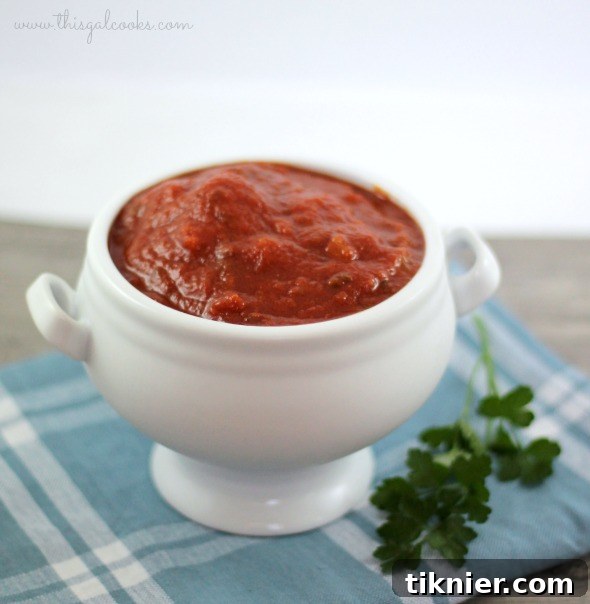
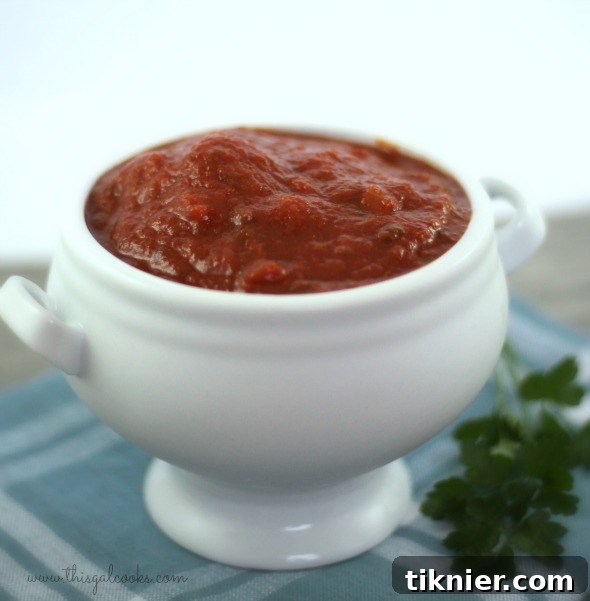
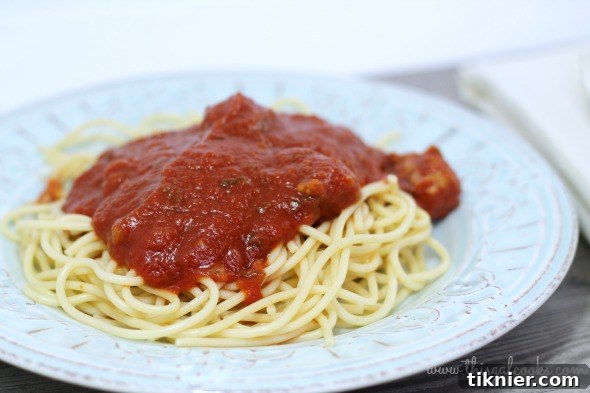
There’s nothing quite like the feeling of serving a meal made with your own hands, especially when it’s something as universally loved as spaghetti with a rich, flavorful sauce. This homemade spaghetti sauce with sausage recipe is more than just a list of ingredients and steps; it’s an invitation to experience the joy of cooking from scratch, to fill your home with incredible aromas, and to create memorable meals for your loved ones. Whether you’re making it for a special Sunday dinner or batch-cooking for convenient weeknights, I’m confident this recipe will become a cherished favorite in your culinary repertoire. Happy cooking!