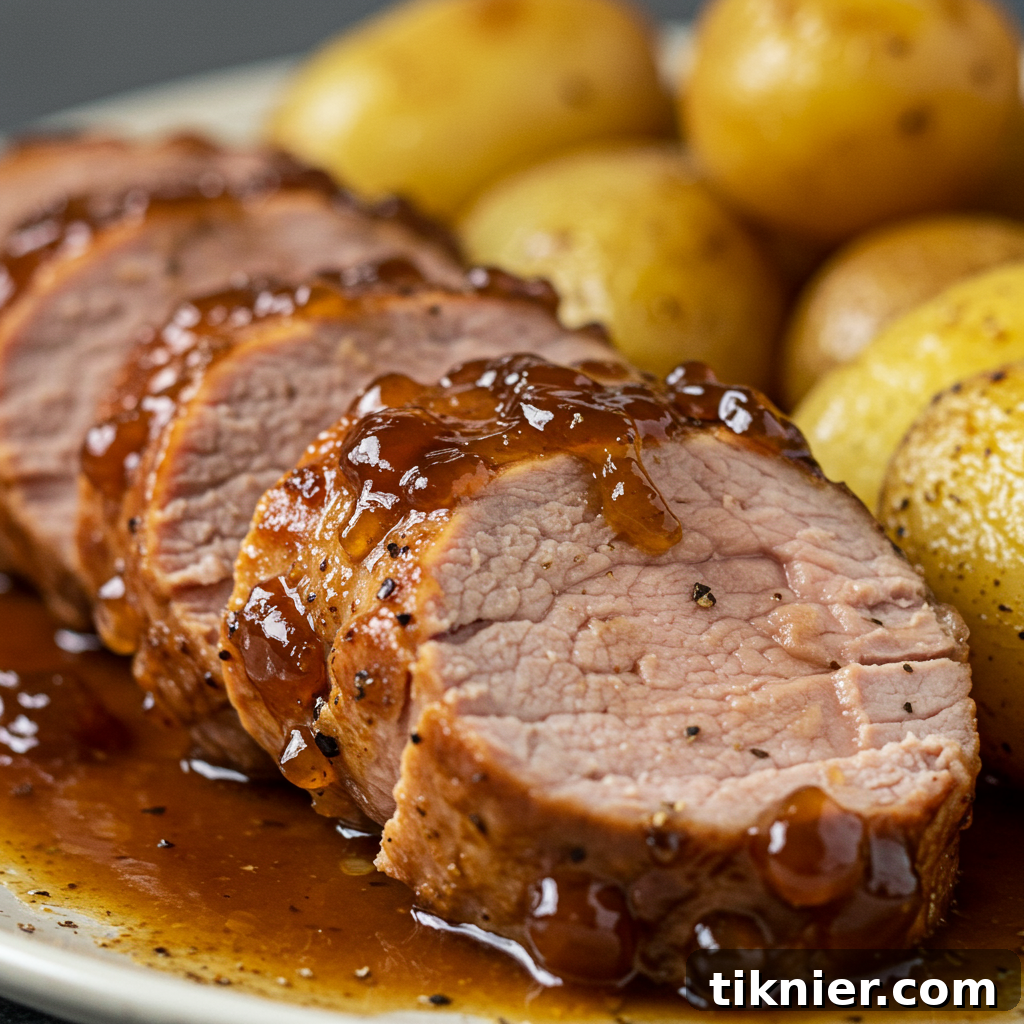
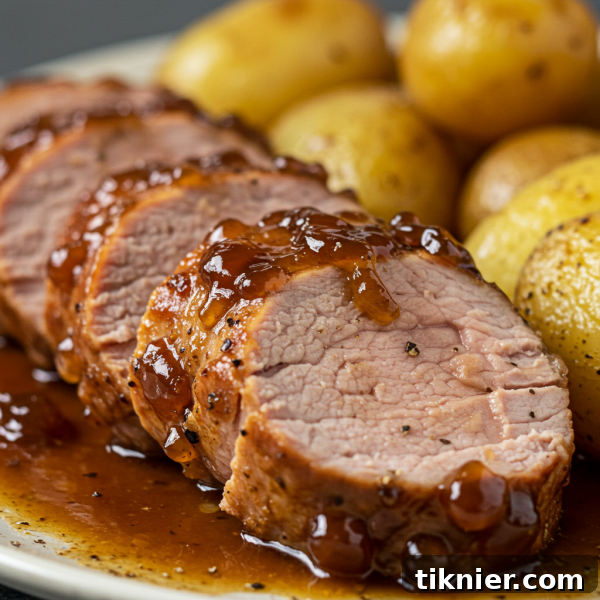
Few things rival the simple pleasure of a smoker working its magic on a warm evening, filling the backyard with an irresistible aroma. The promise of tender, flavorful meat is a culinary delight, especially when it comes to the often-misunderstood pork tenderloin.
I recall a memorable summer evening when my husband, with admirable enthusiasm, declared his intention to master the art of smoking. He brought home a couple of beautiful pork tenderloins. My immediate thought, given past experiences at various cookouts, was of dry, tough pork – a disheartening end for such a versatile cut. I knew I couldn’t let that happen.
While he meticulously prepared the smoker, I embarked on my mission in the kitchen. My strategy involved a jar of homemade peach preserves, a bottle of fine Kentucky bourbon, and a few pantry staples. The classic pairing of pork and fruit is always a winner, but the bourbon, that was my secret ingredient. It imparts a complex, smoky, and caramel depth that perfectly harmonizes with the natural wood smoke from the smoker.
That evening, we pulled off the grates the most stunningly beautiful, glistening, and unbelievably juicy smoked pork tenderloin. The glaze had transformed into a perfectly caramelized, slightly sticky crust, and the meat was so tender it practically melted. It was a true showstopper, and that peach bourbon glaze has been my signature twist ever since.
This recipe isn’t just about cooking; it’s about transforming a simple cut of meat into an extraordinary culinary experience. It’s the kind of meal that sparks conversations, creates lasting memories, and will undoubtedly have your family and friends requesting it again and again.
Skip to My Special Recipe!
Unlock Unforgettable Flavor: Why This Smoked Pork Tenderloin Recipe is a Must-Try
Pork tenderloin is a cherished cut for its leanness and quick cooking time, making it a favorite for both weeknight dinners and special gatherings. Its delicate nature, however, often presents a challenge: how to keep it incredibly tender and moist without drying it out. This is where the magic of a smoker, combined with a perfectly balanced glaze, truly shines.
Smoking offers a ‘low and slow’ cooking method that gently coaxes flavor into the meat. Unlike high-heat grilling, smoking ensures the tenderloin cooks evenly, allowing the smoky essence to deeply infuse while maintaining an exceptionally succulent interior. This controlled, indirect heat is incredibly forgiving, providing a wider window to achieve that ideal internal temperature without risking dryness. The result is a profoundly flavorful and moist pork tenderloin every single time.
What sets this particular smoked pork tenderloin recipe apart is its masterful blend of flavors. We begin with a savory and subtly sweet dry rub. This rub forms a delectable crust, often called ‘bark,’ which not only seals in the natural juices but also lays the foundation for a rich flavor profile. However, the true star that elevates this dish to gourmet status is the homemade Peach Bourbon Glaze.
Applied towards the end of the smoking process, the glaze caramelizes beautifully without scorching. The sweetness of peach preserves is a time-honored companion to pork, a classic pairing that never disappoints. Yet, the addition of bourbon introduces a layer of sophisticated complexity. It brings warm, oaky, and subtly vanilla notes that perfectly echo and enhance the actual wood smoke. A hint of tangy Dijon mustard and crisp apple cider vinegar in the glaze acts as a crucial counterpoint, cutting through the richness and sweetness, ensuring every bite is vibrant and engaging. This recipe marries traditional smoking techniques with an inspired flavor twist, transforming a familiar cut into an exquisite culinary experience.
Essential Ingredients for Your Perfect Smoked Pork Tenderloin
The secret to this exceptional recipe lies in the meticulous layering of flavors, from the robust savory rub to the sweet and tangy glaze. Opting for high-quality ingredients will significantly enhance the final taste, especially when crafting the signature glaze. Here’s a precise list of what you’ll need to embark on this delicious journey.
- For the Pork & Flavorful Rub:
- 2 pork tenderloins: Each weighing approximately 1 to 1.5 lbs. Look for uniform thickness to ensure even cooking.
- 1 tablespoon olive oil: Acts as a binder for the rub and helps in moisture retention.
- 2 tablespoons packed brown sugar: Adds a sweet caramel note and aids in forming a beautiful crust.
- 1 tablespoon smoked paprika: Essential for a deep, smoky flavor even before the tenderloin hits the smoker.
- 2 teaspoons garlic powder: Provides a foundational aromatic taste.
- 2 teaspoons onion powder: Enhances the savory depth of the rub.
- 2 teaspoons kosher salt: Crucial for seasoning and acting as a dry brine.
- 1 teaspoon black pepper: Adds a gentle heat and pungent aroma.
- 1/4 teaspoon cayenne pepper: Offers a subtle kick; adjust to your preferred level of spice.
- For the Signature Peach Bourbon Glaze:
- 1 cup peach preserves: The cornerstone of our sweet and fruity glaze. Seek out preserves with real fruit and minimal high-fructose corn syrup.
- 1/4 cup bourbon: Choose a bourbon you genuinely enjoy drinking, as its character will shine through.
- 1 tablespoon Dijon mustard: Provides a tangy, sharp contrast that balances the sweetness.
- 1 teaspoon apple cider vinegar: Adds a bright, acidic note, further cutting through the richness.
A few crucial notes on ingredient selection and preparation can make all the difference. When selecting your pork tenderloins, prioritize those with an even thickness to promote consistent cooking. A vital preparatory step is to meticulously trim off the “silverskin”—a thin, tough, silvery membrane found on the surface of the tenderloin. This membrane will not render during cooking and can result in a chewy texture, detracting from the overall tenderness.
Our star ingredient, the Peach Bourbon Glaze, demands attention to quality. The choice of peach preserves is paramount; opt for brands that list peaches as the primary ingredient and avoid excessive corn syrup. An all-fruit spread can also work beautifully. For the bourbon, while an ultra-premium bottle isn’t necessary, select one whose flavor you appreciate, as it contributes significantly to the glaze’s depth and warmth. The Dijon mustard and apple cider vinegar are non-negotiable, providing the essential tangy counterpoint that harmonizes the sweetness and elevates the entire flavor profile.
Step-by-Step Guide to Crafting the Ultimate Smoked Pork Tenderloin
Achieving a perfectly tender and flavorful smoked pork tenderloin is simpler than you might think, provided you follow these steps diligently. The keys to success are patience, careful temperature monitoring with a reliable meat thermometer, and resisting the urge to rush the process. Trust the thermometer, not your guesswork!
- Prepare the Pork Tenderloins: Begin by thoroughly patting your pork tenderloins dry with paper towels. This crucial step ensures the dry rub adheres effectively. Next, meticulously trim away any visible excess fat and, most importantly, remove the tough, shiny silverskin. To do this, slide a thin, sharp knife just beneath the membrane and gently glide it along the length of the tenderloin, carefully separating it from the meat. Once prepped, lightly coat both tenderloins with a thin layer of olive oil.
- Apply the Flavorful Dry Rub: In a small bowl, combine the brown sugar, smoked paprika, garlic powder, onion powder, kosher salt, black pepper, and cayenne pepper. Mix them well to create a uniform rub. Sprinkle this mixture generously over all surfaces of both tenderloins, gently patting it into the meat to ensure it forms a cohesive coating. For optimal flavor penetration and tenderness, you can wrap the rubbed tenderloins in plastic wrap and allow them to rest in the refrigerator for a minimum of 30 minutes, or up to 4 hours. This dry brining process enhances both flavor and moisture retention.
- Prepare Your Smoker for Perfection: Preheat your smoker to a consistent temperature of 225°F (approximately 107°C). For pork, mild fruit woods like apple or cherry are highly recommended. These woods impart a sweet, subtle smoky flavor that complements the tenderloin without overwhelming its delicate profile. Ensure your smoker holds a stable temperature throughout the cooking process.
- Initiate the Smoking Process: Carefully place the rubbed pork tenderloins directly onto the smoker grates, ensuring there is adequate space between them for even smoke circulation. Close the smoker lid and allow them to smoke until their internal temperature reaches approximately 130°F (54°C). This initial smoking phase typically takes between 1.5 to 2 hours, varying based on the tenderloin’s thickness and your smoker’s precise temperature. A reliable leave-in meat thermometer is indispensable here for accurate monitoring.
- Craft the Peach Bourbon Glaze: While the pork is smoking, prepare the star of our dish: the Peach Bourbon Glaze. In a small saucepan, combine the peach preserves, bourbon, Dijon mustard, and apple cider vinegar over medium heat. Whisk the ingredients together thoroughly and bring the mixture to a gentle simmer. Allow it to cook for about 5 minutes, stirring occasionally, until it slightly thickens to a brushable consistency. Once thickened, remove the glaze from the heat and set it aside.
- Glaze and Finish Smoking: Once the pork tenderloins reach an internal temperature of 130°F (54°C), it’s time to introduce the glaze. Using a silicone brush, apply a generous, even layer of the Peach Bourbon Glaze over the top and sides of both tenderloins. Close the smoker lid and continue cooking. Reapply another coat of glaze every 10 minutes until the pork reaches its final internal temperature. This layering creates a beautiful, caramelized crust.
- Verify Doneness for Juiciness: Continue smoking the pork until its internal temperature, measured in the thickest part of the meat, reaches a perfect 145°F (63°C). At this point, the glaze should be wonderfully caramelized, sticky, and slightly darkened. Overcooking is the most common error that leads to dry pork, so vigilant monitoring of your thermometer is crucial.
- The Essential Resting Period: This step is non-negotiable for juicy results! Carefully remove the tenderloins from the smoker and transfer them to a clean cutting board. Loosely tent them with aluminum foil and allow them to rest for at least 10 to 15 minutes. This resting period allows the muscle fibers to relax and the internal juices to redistribute evenly throughout the meat, ensuring every slice is incredibly moist and tender. After resting, slice the tenderloin into elegant medallions and serve immediately, allowing everyone to savor the extraordinary flavors.
Exquisite Pairings: How to Serve Your Smoked Pork Tenderloin
Once your gorgeous, glistening smoked pork tenderloin emerges from the smoker and has had its essential resting period, the next delightful step is presenting it. Serving this dish is an art of thoughtful companionship, selecting sides that complement its rich, smoky, and sweet-tangy flavors without overshadowing them. You want accompaniments that can stand proudly alongside the pork, enhancing the overall dining experience.
I love to slice the tenderloin into elegant half-inch thick medallions, arranging them artfully on a large platter. This presentation allows the beautiful caramelized glaze to truly shine. A delicate sprinkle of fresh, vibrant parsley over the top adds a touch of color and freshness, creating an impressive visual impact that belies the dish’s straightforward preparation.
For a truly satisfying meal, especially one with a comforting, Southern-inspired touch, consider these classic and harmonious side dish pairings. They are tried-and-true choices that transform the meal into a complete and deeply gratifying feast:
- Creamy Grits or Polenta: The smooth, luxurious texture of creamy grits or polenta offers a superb contrast to the tender pork. Their mild flavor makes them an ideal canvas for soaking up any extra peach bourbon glaze or the delicious juices from the meat, ensuring no drop of flavor goes to waste.
- Southern Baked Macaroni and Cheese: A rich, bubbling, cheesy casserole is the quintessential comfort food pairing for this smoky pork. The sharp tang of aged cheddar in a creamy mac and cheese brilliantly complements the sweet notes of the glaze.
- Roasted Sweet Potatoes with a Hint of Cinnamon: Roasting intensifies the natural sweetness of sweet potatoes, creating a delightful echo of the peach flavors in the glaze. A sprinkle of cinnamon or nutmeg enhances their warmth and depth.
- Braised Collard Greens or Sautéed Green Beans: A slightly bitter or savory green vegetable, such as collard greens stewed with a touch of smoked ham hock or simple garlic-sautéed green beans, provides a welcome counterpoint. These greens help to cut through the richness of the meal, offering a fresh, earthy balance.
- A Crisp and Zesty Salad: For a lighter, refreshing element, a simple arugula salad dressed with a bright lemon vinaigrette and perhaps a scattering of toasted pecans offers a peppery bite and a clean finish that balances the entire plate.
And don’t forget the bread! A warm basket of fluffy cornbread muffins or soft yeast rolls is perfect for sopping up every last delicious drop from your plate. To drink, a tall glass of sweet iced tea is a quintessential Southern accompaniment, though a crisp white wine like a dry Riesling or a Grüner Veltliner also pairs wonderfully, echoing the fruit notes and acidity.
Beyond the Meal: Storing & Reusing Your Smoked Pork Tenderloin Leftovers
Discovering you have leftovers of this delectable smoked pork tenderloin is a fortunate culinary event! It retains its incredible flavor and tenderness, often tasting even better the next day, and offers exciting opportunities for repurposing into entirely new, equally wonderful meals. The secret to enjoying these second-day delights lies in proper storage and gentle reheating to preserve its exquisite texture and taste.
To store your leftover pork, allow it to cool completely to room temperature first. This prevents condensation buildup, which can lead to sogginess. Once cooled, wrap the tenderloin tightly in aluminum foil or place it in an airtight container. Stored correctly, it will maintain its quality in the refrigerator for up to 3 to 4 days. I find it beneficial to store the pork whole or in larger sections rather than pre-sliced, as this significantly helps in preventing it from drying out.
When it comes to reheating, a gentle approach is key. Microwaves, while convenient, can sometimes render pork rubbery. My preferred method for reheating is in the oven. Preheat your oven to a low temperature, around 300°F (150°C). Place the pork in a small baking dish, adding a splash of chicken broth or apple juice to the bottom to create a moist environment. Cover the dish tightly with foil and heat for approximately 10 to 15 minutes, or until the pork is just warmed through. This method ensures it remains tender and juicy.
Beyond simply reheating, the versatility of these leftovers is truly remarkable. Here are some of my favorite creative ways to enjoy this smoked pork tenderloin a second time, transforming it into exciting new dishes:
- Gourmet Pork Tenderloin Sandwiches: Thinly slice the cold pork and pile it onto a soft brioche bun or a crusty baguette. Elevate it with sharp white cheddar cheese, a handful of fresh arugula, and a dollop of leftover peach bourbon glaze or a spicy aioli for an unforgettable lunch.
- Hearty Pork and Grits Breakfast Bowl: Dice the leftover pork into small pieces and gently warm them in a skillet. Serve this flavorful pork over a bowl of creamy, cheesy grits, and top it with a perfectly fried egg for a hearty and satisfying breakfast or brunch.
- Elegant Salad Topper: For a lighter yet incredibly satisfying meal, chop the pork into bite-sized pieces and toss them into your favorite salad. It pairs exquisitely with a bed of mixed greens, crumbled goat cheese, toasted pecans, and a light honey-balsamic vinaigrette.
- Flavorful Pork Fried Rice: Give your homemade fried rice a serious upgrade. Dice the smoked pork and incorporate it into your go-to fried rice recipe along with an assortment of fresh vegetables like peas, carrots, and onions. The smoky, sweet notes of the pork add an amazing depth of flavor.
With a little imagination, your smoked pork tenderloin leftovers can become the star of an entirely new culinary creation, ensuring that none of your delicious effort goes to waste.
Customize Your Creation: Substitutions & Variations for Smoked Pork Tenderloin
While I wholeheartedly stand by this smoked pork tenderloin recipe as written, one of the most exciting aspects of cooking is the freedom to personalize and adapt dishes to your unique preferences. This recipe offers abundant opportunities to tweak flavors, utilize ingredients you have on hand, or cater to specific dietary needs. Don’t hesitate to experiment and make it truly your own!
The dry rub and the glaze are your primary canvases for culinary creativity. As long as you adhere to the core technique of smoking the tenderloin slowly and pulling it at the precise internal temperature, you’re guaranteed a fantastic result, regardless of the flavor path you choose to explore.
Here are several inspired variations and practical substitutions you might consider trying:
- Exciting Glaze Alternatives: If peach isn’t your preferred flavor, or if you’re simply looking to introduce a new dimension, this recipe adapts beautifully with other fruit preserves. Consider apricot preserves for a similarly sweet and tangy profile, or try cherry preserves, perhaps with a pinch of chipotle powder, for an intriguing sweet and spicy combination. For a timeless classic, a simple glaze made from maple syrup and Dijon mustard is always a winner and complements pork beautifully.
- Revamp the Dry Rub: Feel empowered to customize the dry rub to suit your palate. For those who crave more heat, simply increase the amount of cayenne pepper or add a teaspoon of chili powder. To infuse a more herbaceous aroma, consider incorporating a teaspoon of dried thyme, rosemary, or even a blend of Italian herbs. In a time crunch, a high-quality, store-bought pork rub or an all-purpose BBQ rub can serve as an excellent substitute.
- Alcohol-Free Adaptation: If you prefer to cook without bourbon, it’s very easy to substitute it in the glaze. An equal amount of apple juice, white grape juice, or even a good quality non-alcoholic bourbon alternative will work perfectly to provide the necessary liquid, sweetness, and complexity without the alcohol content.
- Regional Flavor Spins: To infuse a Carolina-style flavor, you could develop a glaze with a base of apple cider vinegar and brown sugar, adding a touch more mustard and a pinch of red pepper flakes to achieve that characteristic tang and subtle heat. For a smoky-sweet Southern BBQ profile, incorporate a splash of your favorite BBQ sauce into the glaze.
- Experiment with Different Wood Smoke: While apple or cherry wood are my top recommendations for their mild, sweet notes, feel free to alter the smoke profile. Pecan or oak wood will impart a stronger, more robust smoky flavor that still pairs wonderfully with pork. However, I generally advise against overly strong woods like mesquite or aggressive hickory for this recipe, as their intense flavors can easily overpower the delicate taste of the tenderloin and the nuances of the glaze.
Ultimately, view this recipe as a foundational guide. The smoking technique and precise temperature control are the most critical elements. As long as you cook the pork low and slow and remove it at the ideal temperature, you have the creative freedom to adorn it with any flavor combination that truly speaks to you.
5 Common Questions Answered: Your Smoked Pork Tenderloin FAQs
Here are clear and concise answers to the most frequently asked questions about mastering this smoked pork tenderloin recipe, ensuring your cooking experience is smooth and successful.
1. What is the best wood to use for smoking pork tenderloin?
Selecting the right wood is fundamental to building the flavor profile of your smoked pork tenderloin. Given that pork tenderloin is a relatively lean and delicate cut of meat, your aim should be to use woods that complement its natural flavor rather than overwhelming it. My top recommendations for this recipe are mild fruit woods.
Apple wood is an exceptionally popular choice for pork, and for excellent reason. It imparts a mildly sweet, subtly fruity smoke that enhances the pork beautifully. Cherry wood is another superb option, offering a slightly richer sweetness and contributing a lovely reddish-brown hue to the meat. If you’re fortunate enough to find peach wood, it provides a natural and harmonious pairing with our Peach Bourbon Glaze. Other commendable choices include alder or pecan, which, while a bit stronger than fruit woods, still offer a sweet and nutty smoke profile. I generally advise against using very strong, pungent woods such as mesquite or aggressive hickory for this recipe, as their intense flavors can easily overpower the tenderloin and the subtle notes of the glaze, creating an imbalanced dish.
2. How do I keep my smoked pork tenderloin from drying out?
Preventing a dry pork tenderloin is arguably the most critical concern, as a dry result is incredibly disappointing! There are several key strategies to ensure your tenderloin remains exceptionally juicy. First and foremost, never overcook the meat. This is the primary culprit behind dry pork. You absolutely must use a reliable digital meat thermometer to accurately monitor the internal temperature. Guessing is simply not an option with such a lean cut.
Secondly, our exquisite Peach Bourbon Glaze plays a significant role in moisture retention. Brushing the glaze onto the tenderloin during the final 20 to 30 minutes of cooking not only infuses it with incredible flavor but also creates a protective, moist barrier that helps seal in the natural juices. Finally, and this is a step too often skipped, you absolutely must allow the pork to rest after removing it from the smoker. By tenting it loosely with foil and letting it rest for 10 to 15 minutes, the juices that have migrated to the surface during cooking have ample time to redistribute throughout the meat. If you slice into it immediately, all that precious moisture will regrettable escape onto your cutting board instead of remaining within the pork, resulting in a drier texture.
3. What internal temperature is smoked pork tenderloin done?
The optimal target temperature for perfectly cooked pork tenderloin is 145°F (63°C). According to the USDA, pork is safe for consumption once it reaches an internal temperature of 145°F, followed by a crucial three-minute rest period. For the absolute best possible texture, which should be wonderfully juicy with a hint of pink in the center, I strongly recommend removing the tenderloin from the smoker the moment your thermometer registers 145°F in the thickest part of the meat.
It’s vital to account for “carryover cooking,” where the meat’s internal temperature continues to rise a few degrees even after it has been removed from the heat source. By pulling it at 145°F and then allowing it to rest, the final temperature will settle perfectly, ensuring the pork is both safely cooked and incredibly succulent. Cooking it to 160°F or higher, which was the old standard, is precisely what led to the tough, dry pork many of us encountered in the past. Trust your thermometer, and you will be rewarded with tender, flavorful perfection.
4. Can I make this smoked pork tenderloin without a smoker?
Yes, you can certainly adapt this recipe if you don’t own a dedicated smoker, though you will, of course, miss out on that authentic wood smoke flavor. The best alternative is to utilize your outdoor grill. You can set up a two-zone or indirect heat system by banking your charcoal to one side or by only activating the burners on one side of a gas grill. Place the pork tenderloin on the cooler side, away from direct heat, and keep the lid closed. This method effectively mimics the indirect cooking environment of a smoker. To introduce some smoky essence, you can even add a small foil packet of soaked wood chips directly over the hot side of the grill.
Alternatively, you can prepare it in your oven. For an oven-based version, I would first recommend searing the rubbed tenderloin in a hot, oven-safe skillet on all sides to develop a beautiful crust and lock in flavor. Then, transfer the skillet to a preheated 375°F (190°C) oven to finish cooking. You would apply the glaze during the last 10 minutes of baking. To impart a subtle hint of smoky flavor without a smoker, ensure you use smoked paprika in your rub, and you could cautiously add a tiny drop of liquid smoke to your glaze – but remember, a little goes a very long way!
5. Do I need to brine the pork tenderloin before smoking?
Brining is a well-established technique for adding moisture and flavor to lean meats, but for this specific recipe, I find that it is generally not necessary. While a traditional wet brine (a saltwater solution) can be effective, it can sometimes dilute the natural, delicate flavor of the pork tenderloin. Our method is designed to achieve fantastic results without the additional step and time commitment of a wet brine.
The dry rub we employ acts as a highly effective “dry brine.” The salt within the rub draws out a small amount of moisture from the pork’s surface. This moisture then dissolves the salt and other seasonings, creating a concentrated, flavorful brine directly on the meat’s surface, which is subsequently reabsorbed into the pork. This process deeply seasons the tenderloin and significantly aids in moisture retention throughout the smoking process. Between the intensely flavorful dry rub and the protective, moisturizing glaze applied at the end, the tenderloin remains incredibly juicy, tender, and bursting with flavor. If you’re accustomed to brining, you certainly can, but I highly encourage you to try the recipe as written first. I believe you’ll discover it’s perfect just the way it is.
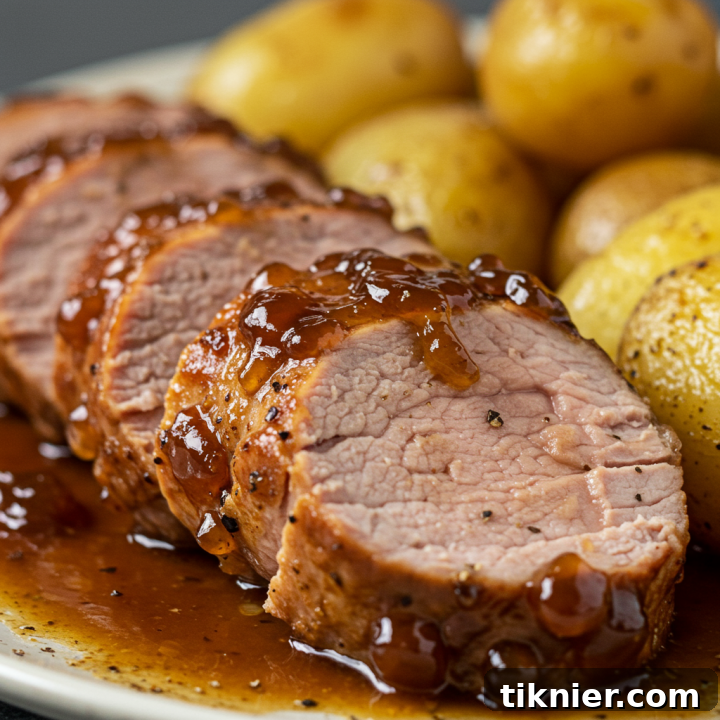
Smoked Pork Tenderloin with Peach Bourbon Glaze
6 servings
20 minutes
2 hours
2 hours 20 minutes
Juicy pork tenderloins coated in a savory rub and smoked low and slow, then finished with a sweet and tangy peach bourbon glaze.
Ingredients
- For the Pork & Rub:
- 2 pork tenderloins (about 1–1.5 lbs each)
- 1 tbsp olive oil
- 2 tbsp packed brown sugar
- 1 tbsp smoked paprika
- 2 tsp garlic powder
- 2 tsp onion powder
- 2 tsp kosher salt
- 1 tsp black pepper
- 1/4 tsp cayenne pepper (or more, to taste)
- For the Peach Bourbon Glaze:
- 1 cup peach preserves
- 1/4 cup bourbon
- 1 tbsp Dijon mustard
- 1 tsp apple cider vinegar
Instructions
- Pat pork tenderloins dry, trim silverskin, and coat lightly with olive oil.
- Mix brown sugar, smoked paprika, garlic powder, onion powder, salt, pepper, and cayenne. Rub all over pork. Chill 30 minutes to 4 hours if desired.
- Preheat smoker to 225°F using apple or cherry wood.
- Smoke tenderloins until internal temperature reaches 130°F (about 1.5–2 hours).
- While smoking, simmer peach preserves, bourbon, Dijon, and vinegar until slightly thickened, about 5 minutes.
- Brush glaze onto pork at 130°F, then every 10 minutes, until internal temp reaches 145°F.
- Remove pork, tent with foil, and rest 10–15 minutes. Slice into medallions and serve.
Explore More Delicious Recipes
If you thoroughly enjoyed crafting this delightful smoked pork tenderloin, I encourage you to explore these three complementary side dishes. Each recipe is designed to be straightforward, bursting with flavor, and perfectly balanced to enhance the richness of the pork, creating a cohesive and memorable meal.
- Roasted Brussels Sprouts with Quinoa & Pomegranate – Experience crispy-tender Brussels sprouts tossed with nutty quinoa and vibrant bursts of pomegranate. This side offers a beautiful contrast of textures and flavors, making it a colorful and hearty accompaniment.
- Sweet Potato Casserole with Pecan Streusel – Indulge in creamy, naturally sweet mashed sweet potatoes crowned with a buttery, crunchy pecan crumble. This dish provides a comforting, sweet contrast that harmonizes wonderfully with the savory pork.
- Baby Greens Salad with Quinoa & Honey Balsamic Vinaigrette – Elevate your meal with a fresh, bright salad featuring tender baby greens, hearty quinoa, and a zesty honey balsamic vinaigrette. This option adds a crisp texture and a tangy finish, perfectly balancing the richness of the main course.
These three recipes are reliable favorites that will undoubtedly round out your smoked pork tenderloin into a complete, deeply satisfying, and unforgettable dinner.