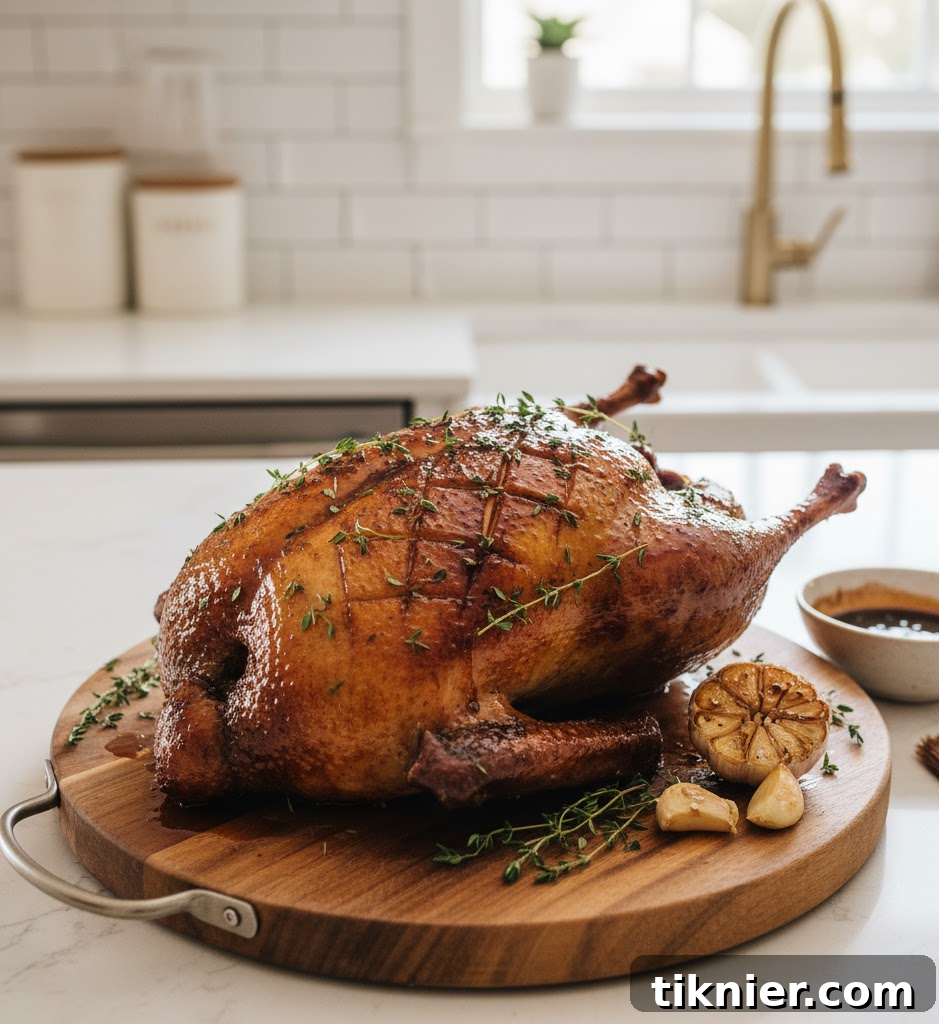
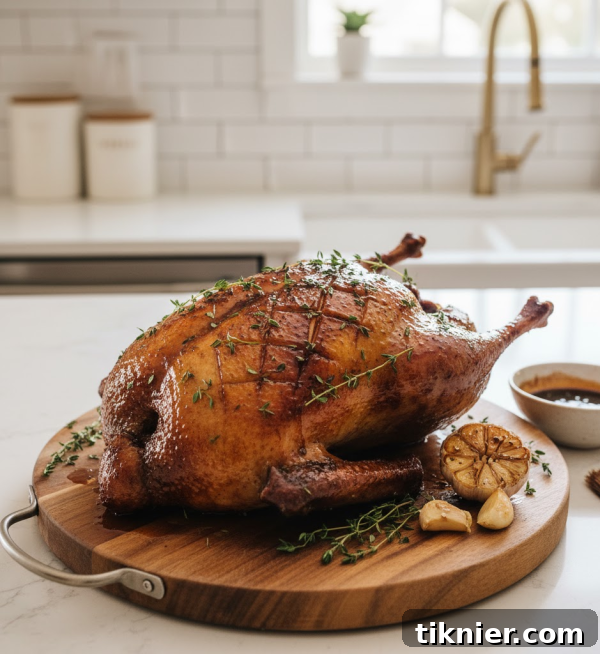
There are few culinary delights that captivate the senses quite like a beautifully roasted duck. Imagine a magnificent bird, its skin a deep, burnished gold, crisp to perfection, and glistening with a secret, irresistible glaze. When it arrives at the dinner table, it doesn’t just promise a meal; it promises an experience, a centerpiece that radiates luxury and warmth, instantly transforming an ordinary evening into a special occasion.
I distinctly recall the first time my husband, Bill, treated me to an extravagant anniversary dinner. It was at one of those sophisticated establishments, adorned with pristine white tablecloths and an intimidating array of silverware that left me wondering which fork to even begin with. Bill, with his usual flair for the exquisite, ordered the roast duck. When it was presented, it was a vision straight out of a gourmet magazine – a masterpiece of culinary art. The skin was so incredibly crisp that I could hear it crackle subtly as his fork delicately touched it. Naturally, my curiosity (and appetite) demanded a taste.
It was, in a word, divine. Each bite of that rich, succulent meat was an exquisite revelation. Yet, as I savored the complex flavors, a thought began to form in my mind: “I am absolutely certain I can recreate this culinary magic right in my own kitchen.” And then, a bolder, more audacious idea sparkled into existence: “And I bet I can make it even better.” The traditional orange sauce that accompanied it, while pleasant, felt a tad predictable, lacking a certain zest. I yearned for something with a deeper character, a true reflection of Southern hospitality and flavor.
After several delightful (and sometimes messy) experiments in my kitchen, I finally perfected the ideal twist. The result was a sublime, sweet, and subtly spicy glaze, crafted from the deep, rich notes of dark sorghum syrup, uplifted by just a whisper of cayenne pepper. This unique concoction caramelizes flawlessly on the duck’s shatteringly crispy skin, forging a flavor profile that is both comforting and astonishingly innovative. This roast duck recipe quickly ascended to become my signature dish, the undisputed highlight for holidays and any special gathering where I aim to truly impress and delight my cherished guests.
It transcends the boundaries of an elegant classic, evolving it into a genuine Southern showstopper that leaves a lasting impression on everyone who tastes it.
Skip to My Special Recipe!
Why This Roast Duck Recipe is a Culinary Game-Changer
Roast duck boasts a venerable and illustrious history, consistently celebrated as the grand centerpiece of festive meals across many cultures, from the intricate traditions of French gastronomy to the vibrant complexity of Chinese banquets. It’s a dish that inherently signals luxury, sophisticated culinary skill, and a deep appreciation for fine dining. However, for numerous home cooks, the mere contemplation of preparing an entire duck can evoke a sense of trepidation. Common anxieties include the fear of ending up with an overly greasy skin, meat that’s disappointingly dry, or simply not knowing where to embark on such an ambitious cooking journey.
It was precisely these concerns that inspired me to meticulously develop this particular roast duck recipe. My intention was clear: to demystify the entire process, making it accessible and enjoyable, and to provide you with an absolutely foolproof method that consistently yields a spectacularly delicious result, every single time. The profound secret to its success lies within a handful of fundamental techniques that are remarkably simple to master, yet deliver extraordinary impact.
Firstly, our paramount focus is on the crucial step of rendering the fat. Duck possesses a naturally thick layer of delectable fat beneath its skin, and efficiently rendering most of this fat away is the definitive key to achieving that coveted, shatteringly crisp skin everyone adores. My signature method involves carefully scoring the skin in a beautiful diamond pattern and commencing the cooking process with the duck placed in a cold pan. This approach masterfully facilitates the slow, gradual melting away of the fat, ensuring that the meat beneath remains wonderfully moist and exquisitely tender. As an added bonus, this process blesses you with a generous jar of “liquid gold,” or exquisitely rendered duck fat, an invaluable treasure for any discerning kitchen, perfect for future culinary endeavors.
The second compelling reason this recipe shines so brightly is its truly unique glaze. Eschewing the more conventional orange or cherry sauces, we wholeheartedly embrace my deep Southern roots with a distinctive sorghum and cayenne glaze. Sorghum syrup imparts a profound, subtly smoky sweetness that is remarkably less cloying than its counterparts like honey or maple syrup. Its complex flavor profile harmonizes exquisitely with the inherent richness of the duck. A mere whisper of cayenne pepper introduces a gentle warmth that masterfully cuts through the duck’s inherent richness, creating an irresistible balance that compels you to reach for yet another delightful bite. This deceptively simple glaze profoundly transforms the dish from a classic offering into an absolutely unforgettable culinary experience, leaving a lasting impression on your palate.
Essential Ingredients for the Perfect Roast Duck
The inherent beauty of a truly exceptional roast duck lies in its reliance on a select few, high-quality ingredients working in perfect harmony. You certainly won’t need an overflowing pantry stocked with obscure spices to make this magnificent bird shine. While the duck itself is, unequivocally, the star of this culinary show, it is my distinctive Southern glaze that truly elevates it, making it sing with unparalleled flavor and character.
Here is a detailed list of everything you’ll need to create this memorable dish:
- 1 whole duck (approximately 5-6 pounds): When selecting your duck, prioritize quality. A Pekin duck is the variety most commonly found in grocery stores and performs wonderfully in this recipe, delivering excellent results. However, if you have the opportunity to source a duck from a local farm or specialty butcher, I wholeheartedly recommend it, as the superior quality of the bird undeniably makes a significant difference in the depth and richness of the final flavor.
- 2 teaspoons kosher salt: I prefer using kosher salt for its coarser texture, which allows for more even distribution and seasoning across the duck’s skin, contributing to its eventual crispiness.
- 1 teaspoon black pepper, freshly ground: This is a crucial detail! Freshly ground black pepper boasts an aromatic intensity and a vibrant flavor profile that is vastly superior to any pre-ground variety. Its fragrant notes will beautifully complement the duck’s richness.
- 1 head of garlic: Instead of individual cloves, we’ll take a whole head of garlic, slice it cleanly in half crosswise, and place it directly into the duck cavity. This ingenious technique allows the gentle heat of the oven to slowly infuse the duck meat with a subtle, yet deeply aromatic and savory flavor from the inside out.
- 4-5 sprigs fresh thyme: Thyme and duck are a classic, time-honored pairing for a very good reason. The herb’s earthy, slightly minty, and subtly floral notes provide the perfect herbaceous counterpoint, beautifully complementing and enhancing the rich, savory flavor of the duck meat.
And now, for the components of my signature Southern glaze, which truly sets this recipe apart:
- 1/4 cup sorghum syrup: This is unequivocally the magic ingredient that defines the unique character of this dish. Sorghum is a beloved Southern staple, renowned for its complex flavor profile that hints at both molasses and caramel, with a distinctive, earthy sweetness. If, for any reason, you find sorghum syrup absolutely unavailable, you can substitute it with a dark, robust honey or pure maple syrup. However, please note that the sorghum is what imparts that truly special, authentic Southern twist that makes this duck extraordinary.
- 1 tablespoon apple cider vinegar: This essential addition introduces a bright, tangy acidity that is crucial for balancing the inherent sweetness of the sorghum syrup, preventing the glaze from becoming cloyingly sweet and adding a delightful zing.
- 1 tablespoon unsalted butter: The butter contributes a luxurious richness to the glaze and, perhaps just as importantly, helps create that beautiful, glossy sheen on the finished duck skin, making it visually irresistible.
- 1/8 teaspoon cayenne pepper: A mere pinch is all you need here. The goal isn’t to make the duck overtly spicy, but rather to introduce a subtle, gentle warmth. This warmth acts as a sophisticated flavor enhancer, elevating all the other notes and encouraging you to go back for another bite. Feel free to increase this amount slightly if you prefer a bit more kick.
Mastering the Art: Step-by-Step Instructions For Making Roast Duck
Please, do not allow the idea of roasting a whole duck to intimidate you or deter you from embarking on this incredibly rewarding culinary journey. If you diligently follow these clear, comprehensive steps, you will undoubtedly feel like a professional chef orchestrating a masterpiece right in the comfort of your own kitchen. The paramount keys to success here are patience, meticulous attention to a few critical details, and an eagerness to create something truly spectacular. So, grab your most trusted apron, perhaps pour yourself a comforting beverage, and let’s begin this delicious adventure together.
- Prepare the Duck for Roasting: Before anything else, preheat your oven to a precise 350°F (175°C). Carefully remove your duck from the refrigerator. Locate and extract any giblets or neck from the duck’s cavity; these are treasures you can reserve for crafting a rich, savory gravy or stock later. This next step is absolutely critical for achieving that coveted crispy skin: thoroughly pat the entire duck, both inside and out, until it is completely dry using multiple paper towels. Any residual moisture is the enemy of crispiness, so take your time with this essential process.
- Expert Scoring and Seasoning: Arm yourself with a very sharp knife (a paring knife works well here). With precision and care, score the skin on the duck breast in an elegant diamond pattern. The goal is to cut cleanly through the skin and the thick layer of fat beneath it, but crucially, without piercing the actual meat itself. This strategic scoring allows the underlying fat to render out beautifully as the duck cooks, ensuring a crisp exterior. Once scored, generously season the entire duck—inside the cavity and all over the exterior skin—with the kosher salt and freshly ground black pepper. Finally, stuff the duck’s cavity with the halved head of garlic and the fragrant sprigs of fresh thyme, allowing their aromatics to infuse the meat from within.
- The Essential Fat Rendering Process: Place the prepared duck, breast side down, into a large, cold, oven-safe skillet. A well-seasoned cast iron skillet is unequivocally the perfect vessel for this task, offering superior heat retention and distribution. Turn the stovetop heat to medium-low. Allow the duck to cook slowly and gently for approximately 15 to 20 minutes. You will distinctly hear it sizzling as the subcutaneous fat begins to slowly melt and render out. Every 5 minutes or so, carefully and safely drain the accumulated rendered fat from the skillet into a heatproof jar or container. This rendered fat is truly “liquid gold,” an invaluable culinary asset for roasting potatoes or vegetables, so be sure to save every precious drop.
- The Roasting Phase: Once the breast skin has achieved a beautiful golden hue and a substantial amount of fat has been successfully rendered, carefully flip the duck over so it is now breast side up in the skillet. Transfer the entire skillet directly into your preheated oven. Allow the duck to roast for approximately 1 hour and 30 minutes to 2 hours, with the exact timing depending on the specific size of your bird. The duck is perfectly cooked when an instant-read thermometer inserted into the thickest part of the thigh, avoiding the bone, registers an internal temperature of 175°F (80°C).
- Crafting the Glaze and Finishing Touches: Approximately 15 minutes before your duck is anticipated to be fully roasted, begin preparing the exquisite glaze. In a small saucepan, combine the sorghum syrup, apple cider vinegar, unsalted butter, and the subtle warmth of cayenne pepper. Place the saucepan over medium-low heat, stirring continuously until the butter is completely melted and all the ingredients are beautifully combined into a harmonious glaze. During the final 10 minutes of the duck’s roasting time, generously brush the bird with a liberal layer of this delightful glaze. Allow it to cook for an additional 5 minutes, then apply a second, equally generous layer of glaze, ensuring every inch is coated in its glossy perfection.
- The Crucial Rest and Carving: Once your duck is cooked through, its skin a deep, caramelized mahogany, and gorgeously glazed, carefully remove the skillet from the oven. Transfer the majestic bird to a clean cutting board and, this is paramount, allow it to rest undisturbed for a minimum of 15 minutes before attempting to carve. This vital resting period enables the duck’s precious juices to redistribute evenly throughout the meat, guaranteeing every slice is incredibly moist, tender, and bursting with flavor. After resting, carve the duck into portions and serve it immediately, basking in the appreciative gazes of your guests.
Harmonious Pairings: How To Serve Roast Duck
Once you’ve successfully pulled that magnificent, glistening roast duck from the oven – a true testament to your culinary prowess – the next step is to thoughtfully select side dishes that will complement its rich, complex flavor without ever overpowering it. The ultimate goal is to curate a beautifully balanced plate, one that feels both undeniably special and profoundly satisfying. I always approach this by considering pairings that offer something starchy for comfort, something fresh and green for contrast, and perhaps a touch of tartness to cut through the richness.
Presenting your masterpiece on a beautiful platter is the ideal way to showcase your efforts. After the duck has completed its essential resting period, you have the delightful option of carving it theatrically right at the table, offering a touch of dinner theater for your guests. Alternatively, you can carve it with precision in the kitchen and artfully arrange the slices for a more polished presentation. A final flourish of a few fresh thyme sprigs as a garnish will elegantly echo the aromatic flavors infused within the duck itself.
Here are some of my most cherished serving suggestions that wonderfully complement this sorghum-glazed roast duck:
- Creamy Grits or Polenta: For an authentic Southern touch, there’s nothing quite as comforting and delicious as a generous bed of creamy, perhaps even cheesy, grits or smooth polenta. These luscious bases are absolutely perfect for soaking up every drop of the duck’s savory juices and the sweet, tangy glaze. It’s a pairing that strikes a beautiful balance, feeling both rustic and incredibly elegant simultaneously.
- Roasted Root Vegetables: A timeless and always-welcome accompaniment. Think vibrant carrots, earthy parsnips, and naturally sweet potatoes. Tossed lightly with a bit of that precious rendered duck fat you saved (or a good olive oil) and roasted until they are tender on the inside with wonderfully caramelized edges, their inherent earthy sweetness provides a perfect, grounding match for the rich duck.
- A Crisp, Tart Green Salad: To expertly cut through the luxurious richness of the duck and cleanse the palate between bites, a simple yet vibrant green salad is an absolute must. I lean towards peppery arugula or a delicate mix of fresh greens, dressed lightly with a sharp lemon vinaigrette or a more sophisticated sherry vinaigrette. For an extra layer of complexity and a touch of seasonal sweetness, consider adding thinly sliced apples or pears.
- Wild Rice Pilaf with Festive Touches: A nutty, aromatic wild rice pilaf, studded with the delightful crunch of toasted pecans and the chewy sweetness of dried cranberries, adds a wonderful textural dimension and an undeniably festive feel to the entire meal. It’s hearty enough to stand proudly alongside the rich duck without feeling overly heavy, offering a beautiful counterpoint of flavors and textures.
When it comes to beverages, a well-chosen wine can elevate the experience even further. A nuanced Pinot Noir, with its light body and berry notes, or a crisp, dry Riesling, known for its bright acidity, both pair wonderfully. The wine’s acidity serves as a fantastic palate cleanser, refreshing your taste buds between each exquisite bite of the rich, savory duck. Regardless of your chosen accompaniments, serving this dish is ultimately about celebrating the joy of exceptional food and the cherished company around your table.
Maximizing Your Meal: How To Store & Reuse Roast Duck Leftovers
If you are fortunate enough to find yourself with leftover roast duck from your spectacular dinner, consider yourself truly blessed. The flavors, almost magically, seem to deepen and improve by the following day, offering another delightful culinary experience. Properly storing and reheating duck is paramount to ensure that it remains just as succulent and delicious as when it first emerged from the oven. The primary objective is always to preserve the meat’s moisture while simultaneously attempting to coax that wonderful crispiness back into the skin.
First and foremost, allow the duck to cool down completely to room temperature before contemplating any storage. Once cooled, you have a couple of options: you can either wrap the entire carcass (if you plan to use it for stock later) or, more practically, pull all the delectable meat off the bones. I personally find it much more convenient to store the meat already shredded or sliced in an airtight container. Stored this way, it will maintain its quality beautifully in the refrigerator for a generous period of up to three or four days.
Here are my top tips for storing and reheating your roast duck, alongside some of my absolute favorite creative ways to utilize every last savory morsel:
- Reheating Slices for Optimal Texture: The absolute best method for reheating slices of roast duck is in a skillet. Place the slices, skin side down, in a dry, nonstick skillet over medium heat. Allow the skin to crisp up gloriously for several minutes before gently flipping the slices to warm the meat through. This technique expertly prevents the meat from becoming rubbery, a common pitfall if reheated in a microwave.
- The Culinary Treasure of Stored Duck Fat: Under no circumstances should you ever discard that precious rendered duck fat! It is a true culinary treasure, highly prized by professional chefs and home cooks alike for its incredibly silky texture and unparalleled depth of flavor. Carefully pour the hot, rendered fat from your skillet into a clean, heatproof glass jar. If desired, you can strain it through a fine-mesh sieve to remove any small bits of sediment. Let it cool completely to solidify, then store it in your refrigerator, where it will keep perfectly for several months.
- Gourmet Duck Tacos: Transform your leftover duck into an extraordinary meal. Simply shred the cooked duck meat and gently warm it in a skillet until heated through. Serve it innovatively in warm corn tortillas, adorned with some quick-pickled red onions for a tangy crunch, fresh cilantro for herbaceous brightness, and a drizzle of your favorite hot sauce for a delightful kick. This makes for an absolutely amazing and effortlessly chic lunch or light dinner.
- Hearty Duck and Wild Rice Soup: Make the most of your duck carcass by using it to create a rich, flavorful stock. Simmer the carcass with water, aromatic onions, carrots, and celery for a few hours. Strain the resulting stock, then add your leftover shredded duck meat, some wholesome wild rice, and earthy mushrooms. Simmer until the rice is tender, yielding a truly hearty, comforting, and remarkably flavorful soup that warms the soul.
With just a touch of creativity and a mindful approach, your leftover roast duck can be magically transformed into several more fantastic and diverse meals. It embodies the very essence of a special meal that just keeps on giving, extending its delicious legacy beyond a single sitting.
Creative Twists: Substitutions & Variations For Your Roast Duck
While I hold a firm belief that my sorghum-glazed roast duck recipe is, in its original form, just about perfect, I also understand and celebrate that every cook loves to infuse their own personal touch and unique spin into dishes. This recipe serves as an exceptional and versatile template, easily adaptable to accommodate what you might already have in your pantry, specific dietary needs, or the distinct taste preferences of your family. Whether you’re looking for a simple, straightforward ingredient swap or eager to explore a completely different flavor profile, I’m here to offer a plethora of ideas to ignite your culinary imagination and get you started.
The glaze is arguably the most dynamic component where you can truly let your creativity soar. The fundamental formula for success remains consistent: something sweet, balanced by something acidic, and then a little something extra to elevate the complexity. Here, you can genuinely let your imagination run wild, experimenting with various flavor combinations. The same principle applies to the aromatics you choose to place inside the duck cavity; their role is to gently perfume the meat from within, so feel completely free to experiment with your most beloved herbs, citrus, and spices.
Here are some simple yet impactful substitutions and exciting variations you can confidently try with this roast duck recipe:
- Inventive Glaze Swaps: If authentic sorghum syrup proves elusive, a pure, robust maple syrup or a dark, richly flavored honey, such as buckwheat honey, would make utterly delicious and equally captivating substitutes, offering their own unique sweetness. For an entirely different and exotic flavor profile, consider crafting a glaze with the vibrant tang of pomegranate molasses, a generous splash of high-quality balsamic vinegar, and a delicate pinch of warm cinnamon. An Asian-inspired glaze, featuring umami-rich soy sauce, a touch of honey, freshly grated ginger, and aromatic garlic, is also a time-honored classic for very good reason, creating a depth of flavor that is truly irresistible.
- Aromatic Herb Variations: Don’t have fresh thyme readily available? Fear not! Fresh rosemary, with its piney notes, or fragrant sage, known for its earthy, slightly peppery character, would both be absolutely lovely choices to place inside the duck, each imparting its own distinctive aroma. Alternatively, for a more traditional ‘canard à l’orange’ essence, swap the garlic for a whole orange, cut in half, allowing its citrusy brightness to infuse the meat from the inside out.
- Customizing the Spice Level: If you or your guests are not keen on any heat whatsoever, you can simply and easily omit the cayenne pepper from the glaze without compromising flavor. Conversely, if you relish a bit of a fiery kick, feel absolutely free to add a little more cayenne or even a pinch of red pepper flakes to the glaze for an extra delightful zing. For a deeper, wonderfully smoky complexity in the initial seasoning rub, a touch of smoked paprika can add a fantastic dimension that beautifully complements the duck’s richness.
- Exploring Different Poultry: This highly effective roasting method is remarkably versatile and works beautifully for other types of poultry as well. You could successfully apply it to a whole roasted chicken, keeping in mind that the cooking time will be significantly shorter and there will be considerably less fat to render. It’s also an utterly fantastic technique for preparing Cornish game hens, offering elegant, perfectly portioned individual meals that are sure to impress.
Ultimately, the true joy of cooking lies in the journey of making a recipe uniquely your own. Use these myriad ideas as an inspiring jumping-off point, and have immense fun creating your very own signature roast duck that perfectly reflects your taste and culinary creativity.
Southern Sorghum Glazed Roast Duck
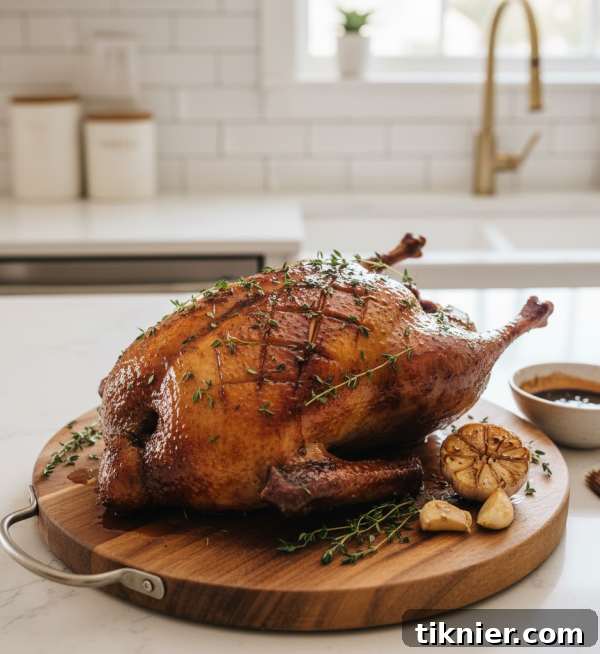
Description: A truly foolproof recipe for preparing roast duck, guaranteeing incredibly crispy skin, succulent, moist meat, and a uniquely delightful sweet and tangy Southern glaze. This distinctive glaze is crafted with rich sorghum syrup and a tantalizing hint of cayenne pepper, making it a showstopping centerpiece.
Yield: 4 servings | Category: Main Course | Cuisine: Southern American
Prep Time: 15 minutes | Cook Time: 2 hours
Ingredients
- 1 whole duck (5-6 pounds)
- 2 teaspoons kosher salt
- 1 teaspoon black pepper, freshly ground
- 1 head of garlic, halved crosswise
- 4-5 sprigs fresh thyme
- 1/4 cup sorghum syrup
- 1 tablespoon apple cider vinegar
- 1 tablespoon unsalted butter
- 1/8 teaspoon cayenne pepper
Instructions
- Preheat oven to 350°F (175°C). Remove giblets from duck cavity and pat the entire duck completely dry with paper towels.
- Using a sharp knife, carefully score the duck breast skin in a diamond pattern, ensuring you cut through the skin and fat, but not into the meat.
- Season the duck generously all over, inside and out, with kosher salt and freshly ground black pepper. Stuff the cavity with the halved garlic head and fresh thyme sprigs.
- Place the duck, breast-side down, in a large, cold, oven-safe skillet (cast iron works best). Turn stovetop heat to medium-low.
- Cook slowly for 15-20 minutes, periodically draining the rendered fat into a heatproof jar (save this “liquid gold” for future cooking!). Continue until breast skin is golden.
- Carefully flip the duck over so it is breast-side up in the skillet. Transfer the entire skillet to the preheated oven.
- Roast for approximately 1.5-2 hours, or until an instant-read thermometer inserted into the thickest part of the thigh (avoiding bone) reads 175°F (80°C).
- In the last 15 minutes of roasting, prepare the glaze: In a small saucepan, combine sorghum syrup, apple cider vinegar, unsalted butter, and cayenne pepper. Heat over low heat, stirring until butter is melted and all ingredients are smoothly combined.
- During the final 10 minutes of cooking, brush the duck generously with the glaze, let it cook for 5 minutes, then apply a second layer of glaze.
- Once cooked, remove the duck from the oven and let it rest on a cutting board for at least 15 minutes before carving to allow juices to redistribute.
Notes
Whatever you do, absolutely do not discard the rendered duck fat! Store it carefully in a clean jar in your refrigerator, where it will solidify and keep for months. Use this precious fat for roasting the most incredibly delicious, crispy potatoes you’ve ever tasted, or for adding rich flavor to sautéed vegetables.
Servings: 4 | Calories: 650 kcal | Fat: 50g | Carbohydrates: 15g | Protein: 35g
5 Frequently Asked Questions (FAQs) About Roast Duck
Here are some detailed and straightforward answers to the most common questions I consistently receive about this particular roast duck recipe. Mastering these points will undoubtedly elevate your confidence and success in the kitchen.
How do I achieve that absolutely perfect, crispy skin on my roast duck?
This is, without a doubt, the number one question everyone asks about roast duck, and for excellent reason – the shatteringly crisp skin is arguably the most coveted and delicious part of the entire bird. There are three pivotal steps that virtually guarantee that crackly, golden-brown perfection. First and foremost, you must begin with a bird that is exceptionally dry. Immediately after unwrapping your duck, employ copious amounts of paper towels to meticulously pat down every single surface, both inside and out, until it is as dry as humanly possible. Any residual moisture is the absolute enemy of crispiness, as it will steam the skin rather than allowing it to crisp up beautifully.
The second crucial step is the art of scoring the skin. That elegant diamond pattern we carefully cut into the duck breast isn’t merely for aesthetic appeal. Duck inherently possesses a very thick layer of fat directly beneath the skin. Scoring this fat allows it to slowly melt and render out from beneath the skin as the duck cooks. Without this essential step, the fat would become trapped, leading to a disappointingly soggy and greasy skin. Third, and perhaps most importantly, is the deliberate, slow rendering process. By initiating the cooking with the duck placed in a cold pan over low to medium-low heat, you provide the fat ample time to slowly and gradually melt away. If you were to start the duck in a hot pan, the skin would cook too quickly, effectively sealing in the fat underneath and preventing it from rendering properly. Patience during this initial rendering stage is your most valuable ally in the quest for truly crispy skin.
What is the precise internal temperature for perfectly cooked roast duck?
This question can be a little nuanced because cooking duck differs significantly from preparing chicken. While chicken strictly needs to be cooked through to 165°F (74°C) for safety, duck breast is often best enjoyed medium-rare, much like a fine steak. This distinction arises because ducks are waterfowl, and their meat is naturally darker, richer, and possesses a muscle structure more akin to red meat. A perfectly cooked duck breast, when served on its own, will typically achieve a final temperature of around 135°F to 140°F (57°C to 60°C), revealing a beautiful pink center.
However, when roasting a whole duck, we face a slight compromise, as the legs and thighs contain more connective tissue that requires a higher temperature to break down and become wonderfully tender. Therefore, for a whole roast duck, I highly recommend cooking the entire bird until the thickest part of the thigh registers 175°F (80°C) on an instant-read thermometer, ensuring you avoid touching the bone. This temperature ensures that the legs are thoroughly cooked and deliciously tender, while the breast meat will remain exceptionally juicy and far from overcooked. Always, always remember to let the duck rest for a minimum of 15 minutes after it exits the oven, as it will continue to cook slightly (carryover cooking) and, crucially, the juices will redistribute throughout the meat, resulting in a more succulent final product.
Why might my roast duck turn out tough or disappointingly dry?
The most pervasive and common reason for a tough or dry roast duck is, quite simply, overcooking. Because the delicate breast meat is ideally served medium-rare, it has a tendency to dry out very quickly if subjected to excessive heat or prolonged cooking times. This is precisely why the use of a reliable meat thermometer is absolutely essential. It eliminates all guesswork from the roasting process and remains the most trustworthy method to ascertain when your duck has reached that elusive state of perfect doneness. Aiming for the thigh to reach 175°F (80°C) is the sweet spot for a whole duck, balancing tenderness in the legs with juiciness in the breast.
Another frequently overlooked, yet equally critical, issue that can lead to dry meat is neglecting to let the duck rest sufficiently after it has finished cooking. When you pull the magnificent duck from the intense heat of the oven, all the precious, flavorful juices are concentrated in the very center of the meat. If you proceed to carve it immediately, all that delicious moisture will regrettably gush out onto your cutting board, leaving you with drier meat. Allowing the duck to rest for at least 15 minutes provides ample time for those vital juices to gracefully redistribute themselves throughout the entire bird, resulting in a significantly more succulent, tender, and flavorful bite. This resting period is non-negotiable for an exceptional roast duck.
Can I prepare my roast duck in advance of the cooking day?
Absolutely, preparing your roast duck ahead of time is not only possible but highly recommended! It offers a fantastic strategy for making cooking day considerably less chaotic and stressful, which is particularly advantageous if you are hosting a holiday feast or a significant dinner party. You can confidently prepare the duck up to two full days in advance of when you plan to cook it. Feel free to go ahead and meticulously pat it dry, expertly score the skin, and generously season it with salt and pepper. You can even stuff the cavity with the chosen aromatics, like garlic and thyme, at this stage.
Once prepped to perfection, place the duck, uncovered, on a rack set over a baking sheet. Store it directly in the refrigerator. Leaving it uncovered serves an important purpose: it allows the duck’s skin to air-dry even further, which in turn will contribute to an even more incredibly crispy skin when it comes time to cook. On the day you intend to serve your roast duck, simply retrieve it from the refrigerator and proceed directly with the fat rendering and roasting steps outlined in the recipe. Furthermore, you can also prepare the sorghum glaze a day or two in advance and store it securely in an airtight container in the refrigerator. Just gently warm it on the stovetop until it’s fluid again before brushing it onto the duck during the final cooking stages.
What exactly should I do with all the delicious leftover duck fat?
Whatever you do, under no circumstances should you ever, ever discard that precious rendered duck fat! It is, without exaggeration, a true culinary treasure, revered by professional chefs and savvy home cooks alike for its remarkably silky texture, unparalleled richness, and incredible depth of flavor. Carefully pour the hot, rendered fat from your skillet into a clean, heatproof glass jar. For an even purer product, you can strain it through a fine-mesh sieve to remove any tiny bits of sediment that may have accumulated. Allow it to cool completely at room temperature, and then store it securely in your refrigerator, where it will solidify into a creamy, golden block and remain perfectly usable for several months, ready to elevate your cooking.
So, what magnificent culinary creations can you conjure with this liquid gold? The most classic and universally adored use is for crafting the most divine roast potatoes. Simply toss peeled and chopped potatoes in melted duck fat, seasoned with some salt, pepper, and your favorite herbs, then roast them until they are gloriously golden brown and unbelievably crispy on the exterior, with a fluffy interior. You can also ingeniously use duck fat in place of butter or other oils for frying eggs, sautéing robust greens like kale or collards, making luxurious confit, or even for imparting an extraordinary richness and flaky texture to savory pie crusts. It has a magical ability to add a lavish, savory depth to almost anything it touches, transforming the ordinary into the extraordinary.
Explore More Culinary Adventures: Try These Recipes Next
If you thoroughly enjoyed the process of creating this showstopping roast duck, an experience that undoubtedly brought a touch of elegance and extraordinary flavor to your table, I am absolutely confident that you will equally adore some of the other recipes I have meticulously perfected for special meals and for intelligently maximizing the potential of your kitchen. Preparing something a little outside the everyday culinary routine is such an immensely rewarding experience, and there’s an unparalleled joy in sharing those delicious triumphs with your beloved family and cherished friends.
Whether your aim is to meticulously plan an impressive holiday feast, discover more captivating and impressive dinner ideas that are still approachable, or simply to become more resourceful and efficient with your ingredients in the kitchen, I have thoughtfully curated collections designed to inspire and guide you. These posts are brimming with some of my most trusted and beloved recipes, the very ones I consistently return to time and time again for their reliability and sheer deliciousness.
Take a moment to delve into these carefully selected posts for even more culinary inspiration:
- Thanksgiving Dinner Ideas: This elegant roast duck would serve as a truly fantastic and memorable alternative, or a luxurious addition, to the traditional turkey centerpiece. Dive into this comprehensive post for all my cherished side dishes, tantalizing appetizers, and delectable desserts to help you construct the perfect, unforgettable holiday menu.
- 110 Easy Dinner Ideas: For those evenings when you desire something impressively delicious but find yourself without hours to dedicate in the kitchen, this extensive list will quickly become your culinary best friend. It is absolutely packed with flavorful, easy-to-follow recipes that are perfectly suited for any night of the week, guaranteeing satisfaction without stress.
- Cheap Meal Ideas: While a beautiful roast duck is undeniably a special occasion meal, I am a firm believer in making the absolute most of every ingredient. This insightful post is full of clever ideas for stretching your ingredients further and ingeniously transforming leftovers, such as utilizing the duck carcass for a rich stock, into entirely new and equally delicious meals, embracing true kitchen economy.
I sincerely hope these suggestions spark some wonderful new ideas for your next kitchen adventure. Happy cooking, y’all!