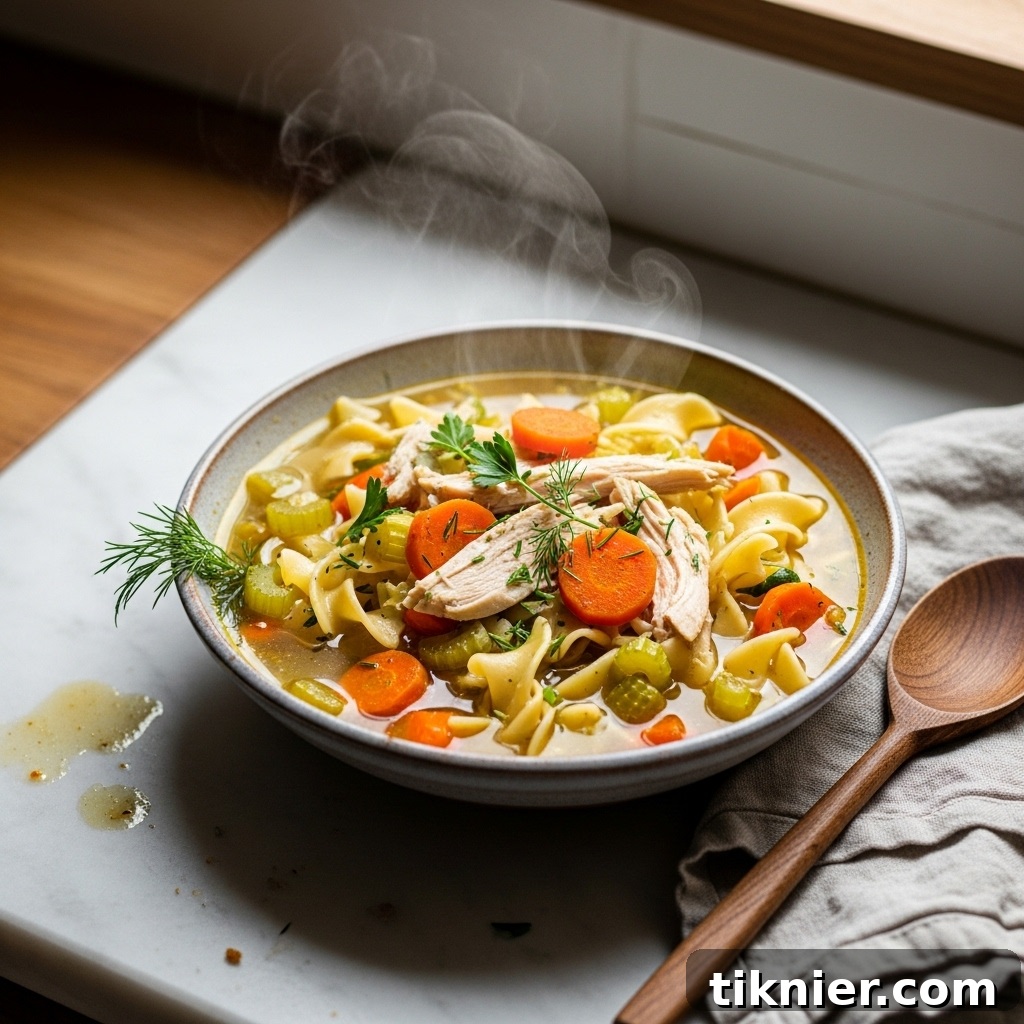
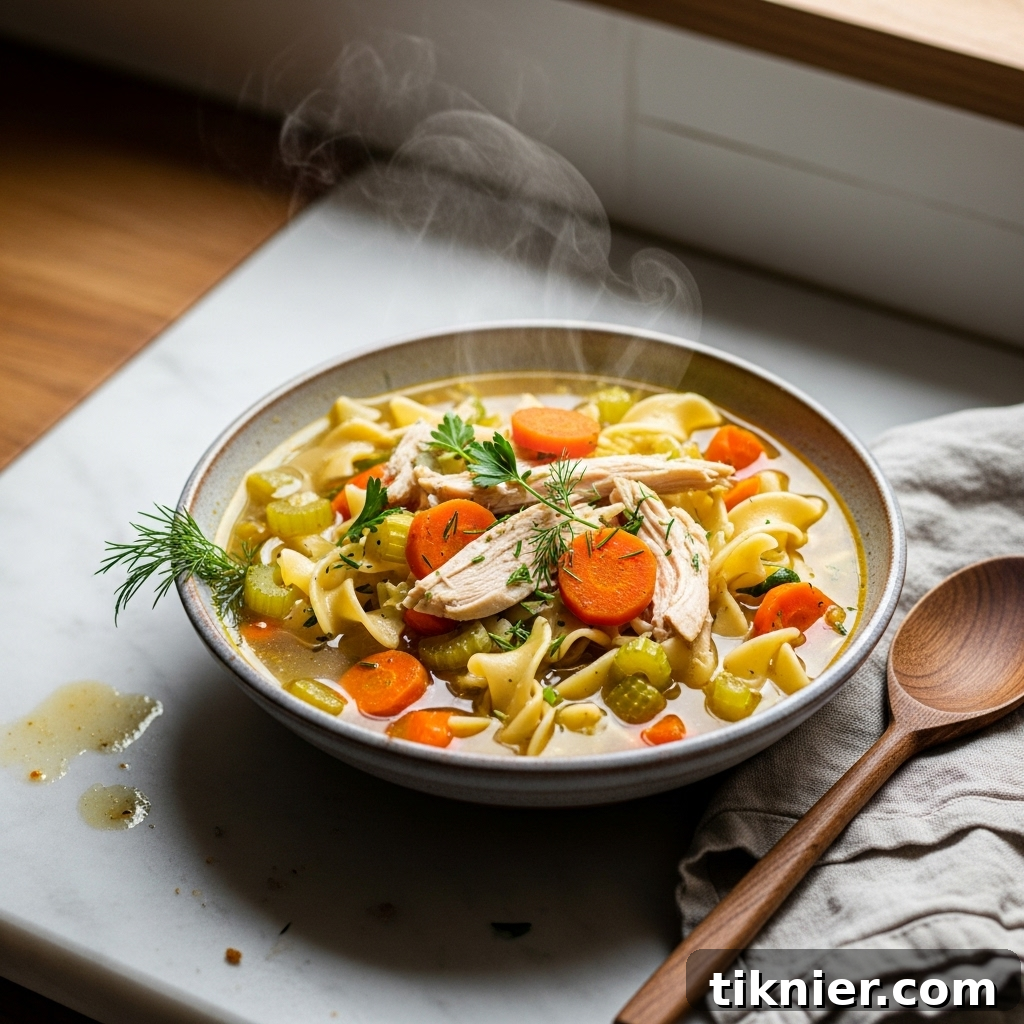
Few dishes hold the power of comfort and healing quite like a warm bowl of chicken soup. It’s a culinary hug, a universal remedy, and a timeless classic cherished across generations and cultures. For me, chicken soup has always been synonymous with my grandmother’s kitchen – a place where scraped knees, chilly afternoons, and the first hints of a cold were all met with her magical, restorative brew. Her traditional chicken noodle soup was the epitome of home, simmered to perfection, filling the entire house with an aroma that promised love and warmth. For years, I held that recipe sacred, believing it could not be improved.
Then, during an anniversary trip with my husband, we discovered a hidden gem: a small, family-run Italian eatery. Among their offerings was a simple brodo – a clear broth – that possessed an astonishing depth of flavor. It was intensely savory, subtly nutty, and profoundly comforting in a way I hadn’t experienced before. My curiosity piqued, I finally gathered the courage to ask the chef for his secret. With a gentle smile, he uttered just two words: “Parmigiano rind.”
That moment was a revelation. The next time I prepared my grandmother’s cherished chicken soup, I decided to experiment. I dropped a leftover Parmesan rind into the simmering broth. The result was nothing short of transformative. The soup didn’t taste overtly cheesy; instead, the rind imparted an incredible, complex umami backbone, elevating the broth to an entirely new dimension of richness and savory goodness. It was the missing piece, the subtle twist that took a beloved family tradition and made it uniquely my own. This recipe is a homage to that journey – a perfect blend of nostalgic comfort and an unexpected secret that will forever change your chicken soup experience.
Jump to My Signature Recipe!
Unlocking the Magic: Why This Chicken Soup Recipe Truly Shines
Chicken soup holds a revered spot in cuisines worldwide, celebrated not only for its comforting warmth but also for its profound nourishing qualities. Its history stretches back centuries, with variations found in almost every culture, each version offering a sense of healing and contentment. The fundamental appeal lies in its straightforward yet effective combination: a deeply flavored broth, tender chicken, wholesome vegetables, and often, comforting noodles or grains. This blend works synergistically, warming you from the inside out and evoking powerful feelings of home and care.
The timeless popularity of classic chicken soup is rooted in its inherent simplicity and robust effectiveness. The secret to an outstanding broth begins with simmering bone-in chicken. The bones, skin, and cartilage slowly release collagen and gelatin, which are crucial for developing a rich, full-bodied broth that store-bought alternatives simply cannot replicate. Furthermore, the foundational flavor comes from the mirepoix – the aromatic trio of finely chopped onion, carrots, and celery. Gently sautéing these vegetables creates a sweet, savory base that forms the soul of the soup, a time-honored technique that consistently delivers unparalleled flavor.
So, how does one elevate a classic that is already so deeply ingrained in our hearts and palates? The key is not to reinvent the wheel, but rather to infuse it with an additional layer of complexity and depth. This is precisely where my secret ingredient, the Parmesan cheese rind, comes into play. Introducing a piece of Parmigiano-Reggiano rind into the pot as the soup simmers is a genuine game-changer. As the soup slowly cooks, the rind gradually softens and melts, releasing an incredible concentration of savory, nutty, and subtly pungent flavors directly into the broth. This infusion is a pure expression of umami, often referred to as the fifth taste, which translates to a profound, meaty savoriness that amplifies all other flavors.
Crucially, the Parmesan rind enhances the inherent flavors of the chicken and vegetables without overwhelming them or making the soup taste explicitly “cheesy.” Instead, it imparts a luxurious complexity and a satisfying richness that makes every single spoonful more robust and deeply satisfying. This seemingly small addition transforms an already excellent chicken soup into an absolutely unforgettable culinary experience, creating a broth so incredibly flavorful that you’ll be tempted to drink it straight from the bowl. It’s an easy, yet sophisticated upgrade that promises to become your new secret weapon in the kitchen.
Essential Ingredients for Crafting Your Perfect Chicken Soup
The true elegance of this chicken soup recipe lies in its selection of straightforward, wholesome ingredients. While the list might appear deceptively simple, the quality of each component will profoundly influence the final flavor profile and the overall character of your soup. Here’s a detailed guide to what you’ll need to assemble for this deeply satisfying dish.
- 2 tbsp olive oil & 1 tbsp unsalted butter: This dynamic duo provides a superior base for sautéing. Olive oil offers a higher smoke point, while butter contributes a rich, nutty flavor that forms the perfect foundation for your mirepoix.
- 1 large yellow onion, chopped: The backbone of flavor. When slowly cooked, onions release natural sugars and aromatic compounds that add significant depth and sweetness to the broth.
- 3 medium carrots, peeled and sliced into rounds: Carrots bring a touch of sweetness and vibrant color, softening beautifully during the simmer to contribute to the soup’s comforting texture.
- 3 celery stalks, sliced: Celery offers a subtle peppery note and a refreshing crispness that rounds out the classic mirepoix base.
- 4 cloves garlic, minced: Aromatic power. Garlic is essential for its pungent, savory notes, which awaken the palate and enhance the overall warmth of the soup.
- 2 lbs bone-in, skin-on chicken thighs: This is a non-negotiable choice for achieving the richest, most flavorful soup possible. The bones, skin, and cartilage are packed with collagen and fat, which slowly render and dissolve during simmering. This process creates a broth with unparalleled body, mouthfeel, and deep chicken flavor that boneless, skinless cuts simply cannot replicate.
- 8 cups low-sodium chicken broth: Opting for low-sodium broth is paramount, as it grants you complete control over the final saltiness of your dish. As the soup simmers, the liquid will naturally reduce and the flavors will concentrate, so starting with a less salty base ensures you can adjust to perfection without overseasoning.
- 1 (3-inch) piece Parmigiano-Reggiano cheese rind: My game-changing secret weapon! Never discard the hard rind from a wedge of authentic Parmigiano-Reggiano. It is a concentrated powerhouse of umami flavor. Ensure you’re using a genuine cheese rind, free from any wax coating, as this will dissolve and infuse your broth with an extraordinary, savory depth.
- 4 sprigs fresh thyme: Thyme contributes an earthy, slightly floral aroma that pairs exquisitely with chicken and vegetables, adding an authentic herbaceous note to the broth.
- 1 bay leaf: A classic addition, bay leaves impart a subtle, almost minty and slightly bitter note that enhances the overall complexity and brightness of the soup.
- 1 ½ tsp kosher salt, plus more to taste: Kosher salt offers a cleaner, less harsh salinity compared to table salt, allowing for more precise seasoning. Always taste and adjust at the end!
- ½ tsp black pepper, plus more to taste: Freshly ground black pepper adds a gentle warmth and spice that complements the rich flavors.
- 6 oz wide egg noodles: These classic noodles offer a satisfying chewiness and absorb just enough of the broth to provide a comforting texture. Cooked separately, they maintain their integrity.
- ¼ cup chopped fresh parsley: Parsley provides a burst of fresh, clean, and slightly peppery flavor, brightening the soup and adding a beautiful green garnish.
- 2 tbsp chopped fresh dill: The inclusion of fresh dill at the end is absolutely vital. It introduces a unique, almost sweet, and distinctly herbaceous freshness that perfectly cuts through the richness of the broth. Do not be tempted to skip the dill; it makes a significant difference.
- 1 tbsp fresh lemon juice: A final squeeze of fresh lemon juice is a small but mighty addition. It acts as a natural flavor enhancer, awakening all the elements in the pot, making the entire soup taste more vibrant, balanced, and incredibly fresh.
Each of these meticulously chosen ingredients plays a pivotal role, layering together to construct that perfect, soul-soothing bowl of chicken soup. From the robust foundation provided by the chicken thighs and mirepoix to the bright, aromatic finish of fresh herbs and lemon, it’s a harmonious symphony of simple, yet profoundly delicious flavors.
Mastering the Craft: Step-by-Step Instructions for Your Signature Chicken Soup
Creating this truly exceptional chicken soup is an enjoyable and remarkably straightforward culinary journey. By carefully following these steps, you’ll soon have a pot of simmering, liquid gold gracing your stovetop. The fundamental principle here is to meticulously build layers of flavor from the very beginning, ensuring every spoonful is bursting with deliciousness.
Step 1: Gently Sauté Your Aromatic Vegetables
Begin by heating the olive oil and butter together in a spacious Dutch oven or a heavy-bottomed pot over medium heat. This combination is intentional: the olive oil helps prevent the butter from burning due to its higher smoke point, while the butter contributes its signature rich, nutty flavor. Once the butter has melted and is gently foaming, add your precisely chopped onion, carrots, and celery. This foundational trio, known as a mirepoix, is the undisputed flavor base for our soup. Cook these vegetables, stirring periodically every few minutes, until they have softened considerably and the onion has become beautifully translucent. This crucial step typically takes about 8 to 10 minutes. Resist the urge to rush this process; allowing the vegetables to gently “sweat” and release their natural sugars is absolutely vital for developing a deep, complex flavor in your broth.
Step 2: Infuse with Fresh Garlic
Once your mirepoix is perfectly soft and fragrant, add the minced garlic to the pot. Stir it continuously for just about one minute, until you are enveloped by that wonderfully pungent garlic fragrance. It’s imperative to be vigilant here and ensure the garlic doesn’t brown or, worse, burn. Burnt garlic will introduce an undesirable bitter taste that can irrevocably mar the delicate balance of your soup’s flavor profile.
Step 3: Assemble the Broth and Initiate the Simmer
Now, carefully nestle the bone-in, skin-on chicken thighs into the bed of softened vegetables. Pour the rich chicken broth over all the ingredients, ensuring everything is submerged. This is the moment to introduce the star of our show: your precious Parmesan rind. Add it to the pot along with the fresh thyme sprigs, the bay leaf, kosher salt, and black pepper. Increase the heat to high and bring the entire mixture to a vigorous, rolling boil.
Step 4: The Art of the Gentle Simmer
The instant your soup achieves a rolling boil, immediately reduce the heat to its lowest setting. Cover the pot securely with a lid and allow it to gently simmer. The ideal simmer should display only a few delicate bubbles occasionally breaking the surface of the liquid. A hard, aggressive boil can cause the chicken to become tough and can also result in a cloudy broth, detracting from the soup’s beautiful clarity. Let your soup simmer undisturbed for 45 to 50 minutes. This extended, gentle cooking period allows the chicken to become incredibly tender, practically falling off the bone, and gives all those wonderful flavors ample time to meld and deepen into a cohesive, delicious whole.
Step 5: Perfectly Cook Your Noodles
While your chicken soup is undergoing its gentle, aromatic simmer, seize this opportune moment to cook your egg noodles. My unwavering recommendation is to always, always cook them in a separate pot of generously salted boiling water, strictly adhering to the package directions. Cooking noodles directly in the soup will inevitably cause them to become gummy, overcooked, and they will mercilessly absorb a significant amount of your precious, hard-earned broth. Once the noodles are cooked to al dente perfection, drain them thoroughly and set them aside.
Step 6: Expertly Shred the Tender Chicken
After approximately 50 minutes of simmering, your chicken will be exquisitely tender. With care, remove the chicken thighs from the pot and transfer them to a clean cutting board to cool slightly for a few minutes. Once they are cool enough to handle comfortably, use two forks to effortlessly pull the succulent meat from the bones. The chicken should shred with minimal effort. Discard the bones, skin, and any residual cartilage.
Step 7: Finalize the Soup Base
Before reintroducing the shredded chicken to the pot, use a slotted spoon to retrieve and discard the Parmesan rind, the spent thyme sprigs, and the bay leaf. Their invaluable contributions to the broth are complete. Now, return all that beautifully shredded chicken back into the rich, aromatic broth.
Step 8: Brighten with Fresh Herbs and Zesty Lemon
With the heat now completely off, stir in the freshly chopped parsley, the fragrant fresh dill, and the vibrant fresh lemon juice. This crucial final step is what imbues the soup with an incredibly fresh, bright, and vibrant character, lifting all the rich, savory notes. Give the soup a final taste test and adjust with additional salt and pepper if you believe it needs a little extra seasoning to achieve perfection.
Step 9: Serve with Elegance and Savor
To serve your magnificent chicken soup, place a generous portion of your separately cooked noodles into each individual bowl. Then, with a ladle, carefully pour the hot, fragrant chicken soup over the noodles. This method guarantees that every bowl receives the ideal ratio of perfectly cooked noodles to richly flavored soup, and ensures the noodles maintain their desirable texture right up until the last spoonful.
The Art of Presentation: How To Serve Your Homemade Chicken Soup
Serving this exquisite chicken soup is all about enhancing its inherent comforting qualities and making the meal feel truly special. While it is undoubtedly perfect and satisfying on its own, a few thoughtful additions can transform it into a complete and memorable dining experience. The presentation can be as unpretentious or as refined as the occasion demands.
For a cozy, relaxed weeknight dinner, I adore serving it directly from the pot into large, inviting bowls. The key is to ensure that each guest receives a generous and balanced mix of the tender chicken, the soft, flavorful vegetables, and that incredibly aromatic broth. Offering a selection of toppings on the side is a delightful touch, allowing everyone to customize their bowl to their exact preference – a particularly enjoyable option, especially for families with children.
Here are some of my most cherished ways to serve this remarkable chicken soup:
- Crusty Bread or Artisan Crackers: This is an absolute essential in my household. A thick, rustic slice of crusty sourdough, a warm, freshly baked baguette, or even simple, crisp saltine crackers are all perfect companions for dipping into the savory broth. There’s truly nothing more satisfying than a piece of bread, lovingly soaked in that fragrant, herby liquid.
- Gourmet Homemade Croutons: Elevate your soup experience by topping it with a scattering of crunchy, golden-brown croutons. You can effortlessly prepare these at home by tossing cubes of day-old bread with a drizzle of olive oil, a pinch of salt, and a dash of garlic powder, then baking them until they are perfectly crisp. For an indulgent and truly unique treat, consider making “grilled cheese croutons” by cutting a finished grilled cheese sandwich into small, bite-sized squares.
- A Luxurious Swirl of Something Extra: Add a final flourish of flavor and richness just before bringing the bowls to the table. A small dollop of herbaceous pesto, a spoonful of tangy sour cream or plain Greek yogurt for a refreshing counterpoint, or a delicate drizzle of high-quality extra virgin olive oil can all add a beautiful finishing touch and an extra layer of gourmet appeal.
- A Hint of Invigorating Heat: For those who appreciate a gentle kick, a sprinkle of red pepper flakes or a few dashes of your favorite hot sauce can create a wonderful contrast, awakening the palate and perfectly balancing the rich, soothing flavors of the soup.
Regardless of how you choose to present and enjoy it, this chicken soup is designed to be savored slowly, encouraging you to pause, relax, and truly appreciate each and every spoonful. It is, unequivocally, pure comfort served in a bowl.
Smart Storage & Reheating: Maximizing Your Chicken Soup Leftovers
One of the most delightful aspects of preparing a generous pot of homemade chicken soup is the promise of delicious leftovers. This is a meal that truly keeps on giving, often tasting even better on subsequent days as the flavors continue to meld and deepen. However, proper storage is absolutely crucial to ensure that your soup remains as fresh, delicious, and texturally perfect as it was on the first day.
The single most important rule for storing chicken soup, which I cannot emphasize enough, is to always keep the cooked noodles completely separate from the soup base. If you store them together, the noodles will relentlessly absorb the broth, becoming progressively soft, mushy, and unpleasantly bloated. They will literally drink up all that precious, flavorful liquid you worked so diligently to create. Therefore, my golden rule is to always store the cooked noodles in one airtight container and the rich soup base (broth, chicken, and vegetables) in a separate airtight container.
Here is my tried-and-true method for both storing and reheating your chicken soup, ensuring peak enjoyment every time:
- Refrigerating for Short-Term Freshness: Allow both the soup base and the cooked noodles to cool down separately at room temperature. It’s important not to let them sit out for longer than two hours to ensure food safety. Once cooled, transfer them into their respective airtight containers and store them promptly in the refrigerator. The soup base will maintain its freshness and quality for up to 4 days. The separately stored noodles are best consumed within 2-3 days for optimal texture.
- Effortless Reheating: To reheat, simply pour the desired portion of soup base into a saucepan and gently warm it over medium-low heat, stirring occasionally, until it reaches a comforting, hot temperature. Avoid bringing it to a rapid boil, as this can affect the texture of the chicken and vegetables. You have two options for the noodles: either add the cold, pre-cooked noodles directly to the warming soup during the last minute or two of heating, allowing them to warm through, or briefly warm them separately by dipping them into hot (not boiling) water for about 30 seconds before adding them to your hot soup.
- Freezing for Long-Term Convenience: This chicken soup base freezes beautifully, making it an ideal candidate for meal prepping and having a comforting meal ready at a moment’s notice. Ensure the soup base cools completely before freezing – you can accelerate this process by placing the pot in an ice bath in your sink. Once thoroughly chilled, ladle the soup (broth, chicken, and vegetables) into freezer-safe airtight containers or heavy-duty freezer bags. Remember to leave about an inch of headspace at the top of containers or bags to allow for expansion during freezing. Label each container or bag clearly with the date! The soup will retain its excellent quality in the freezer for up to 3 months. I strongly advise against freezing the cooked noodles, as their texture tends to become very unpleasant and mushy upon thawing. It is always best to cook a fresh batch of noodles when you are ready to serve the thawed soup.
- Creative Reusing: Should you find yourself with leftover broth after the chicken and vegetables are gone, do not discard it! This flavorful liquid is a golden resource. You can utilize it as an exceptional base for another light soup, use it to cook rice, quinoa, or other grains for an added layer of flavor, or even reduce it slightly to create a simple, savory pan sauce for grilled chicken or pork.
By diligently following these practical storage tips, you can extend the enjoyment of this wonderful chicken soup for many days after its initial preparation. There’s a true sense of comfort and satisfaction in knowing you have a homemade, nourishing meal readily available in your refrigerator or freezer.
Customizing Your Comfort: Substitutions & Variations for Chicken Soup
While I genuinely believe this recipe is remarkably close to perfection as written, one of its most admirable qualities is its incredible versatility. This allows you to easily adapt it to perfectly suit your personal taste preferences, utilize ingredients you already have on hand, or accommodate various dietary needs. Consider this recipe as an outstanding foundation, a springboard for you to create your own uniquely perfect bowl of chicken soup.
Embrace the freedom to experiment with the ingredients; cooking should be an enjoyable and creative endeavor, and this soup is wonderfully forgiving. Whether your aim is to swap out a protein, incorporate more vegetables, or explore different flavor profiles, there’s an abundance of delicious possibilities awaiting your discovery.
Here are some of my favorite and most recommended substitutions and variations:
- Exploring Different Cuts of Chicken: While bone-in, skin-on chicken thighs remain my top recommendation for the ultimate rich broth, you certainly have other excellent options. A whole chicken, expertly cut into pieces, will yield an incredibly profound and complex broth. Bone-in chicken breasts can also be used, though you might want to adjust their simmering time slightly to prevent them from drying out. In a pinch, boneless, skinless chicken can be used, but be aware that the resulting broth will lack the same depth and body. If opting for boneless chicken, significantly reduce the simmer time to just 20-25 minutes, or until the chicken is just cooked through.
- Alternative Grains or Pastas: If wide egg noodles are not available or preferred, feel free to substitute any small pasta shape such as ditalini, orzo, or small shells. For a heartier, perhaps healthier, twist, you could add pre-cooked rice (like wild rice or brown rice), barley, or quinoa directly into individual bowls before ladling in the hot soup.
- Enriching Vegetable Additions: This soup is an exceptional vehicle for utilizing various vegetables from your crisper drawer. Consider adding diced potatoes, parsnips, or turnips along with the initial mirepoix for added earthiness and bulk. Towards the very end of the cooking process, you can also stir in some vibrant chopped kale, fresh spinach, or a handful of frozen peas for an additional boost of color and nutrients.
- Herbaceous Variations: If fresh dill isn’t to your liking, you can simply increase the amount of fresh parsley. A small sprig of fresh rosemary added to the pot during the initial simmer would also be wonderfully aromatic, but remember to use it sparingly, as its flavor is quite potent. A touch of fresh sage could also add a warm, earthy note.
- Crafting a Creamy Chicken Soup: For a more indulgent, velvety version of this chicken soup, it’s delightfully simple to make it creamy. At the very end of the cooking process, after you’ve incorporated the herbs and lemon, gently stir in half a cup to a full cup of heavy cream or full-fat coconut milk (for a dairy-free option). It is paramount to ensure the soup does not boil after adding the cream, as this can cause it to curdle.
Experimenting with these thoughtful, small changes can lead you to discover a version of this chicken soup that is perfectly tailored to your unique preferences. The wonderfully comforting and soulful essence of the soup will, without a doubt, always shine through, creating a truly personalized culinary masterpiece.
The Ultimate Chicken Soup with a Secret Umami Boost
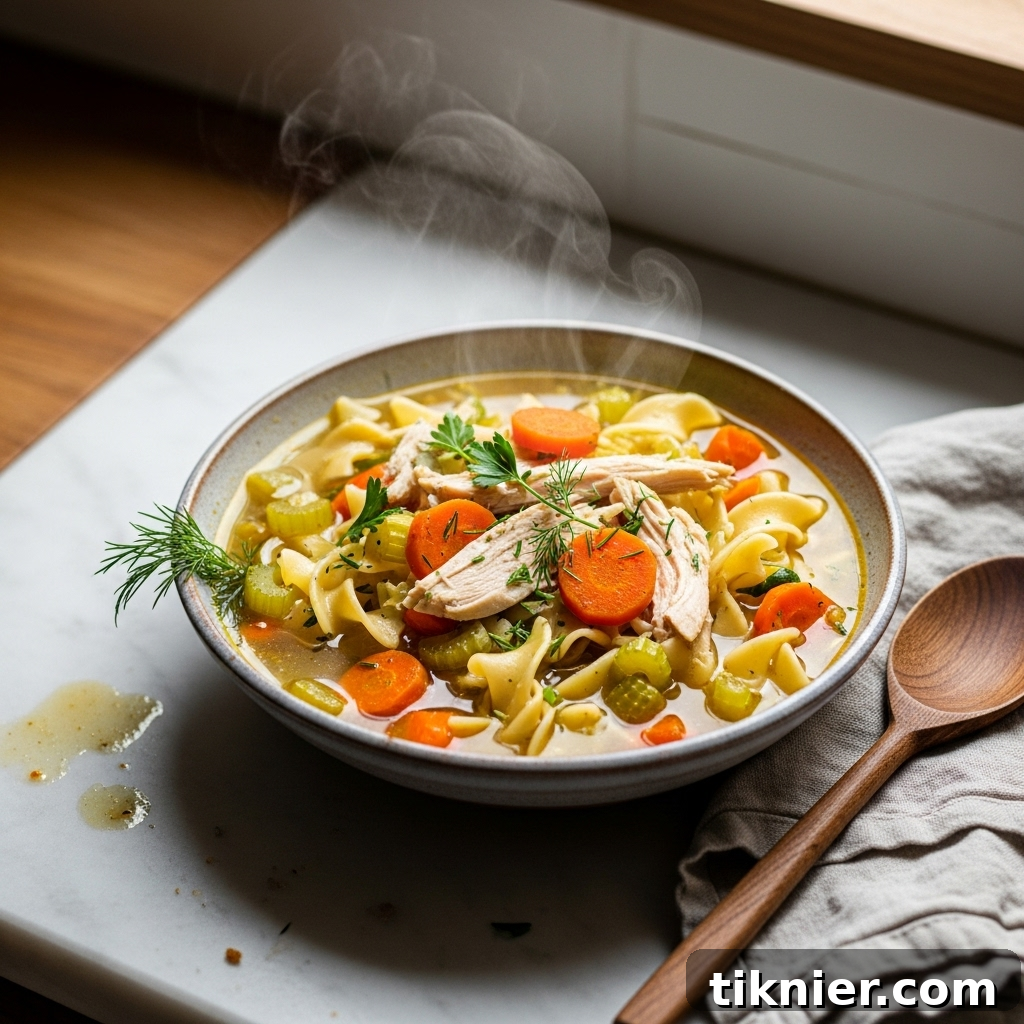
Description: A deeply nourishing and soul-warming chicken soup featuring tender, bone-in chicken thighs and a distinctive secret ingredient – a Parmesan cheese rind. This addition infuses the broth with an unparalleled depth of savory, umami flavor, making it incredibly rich and satisfying. Finished with bright fresh herbs and a hint of lemon, this classic comfort food is truly perfected.
Yield: 8 servings | Category: Soup | Cuisine: American
Prep Time: 15 minutes | Cook Time: 1 hour 15 minutes
Ingredients
- 2 tbsp olive oil
- 1 tbsp unsalted butter
- 1 large yellow onion, chopped
- 3 medium carrots, peeled and sliced
- 3 celery stalks, sliced
- 4 cloves garlic, minced
- 2 lbs bone-in, skin-on chicken thighs
- 8 cups low-sodium chicken broth
- 1 (3-inch) piece Parmigiano-Reggiano cheese rind
- 4 sprigs fresh thyme
- 1 bay leaf
- 1 ½ tsp kosher salt, plus more to taste
- ½ tsp black pepper, plus more to taste
- 6 oz wide egg noodles
- ¼ cup chopped fresh parsley
- 2 tbsp chopped fresh dill
- 1 tbsp fresh lemon juice
Instructions
- In a large pot or Dutch oven, heat olive oil and butter over medium heat. Add chopped onion, carrots, and celery. Sauté for 8-10 minutes until vegetables are softened and onion is translucent. Stir in minced garlic and cook for 1 minute until fragrant, being careful not to burn it.
- Gently nestle the chicken thighs into the sautéed vegetables. Pour in the low-sodium chicken broth. Add the Parmesan rind, fresh thyme sprigs, bay leaf, kosher salt, and black pepper.
- Increase heat to high and bring the soup to a rolling boil. Immediately reduce heat to low, cover the pot with a lid, and let it simmer gently for 45-50 minutes, or until the chicken is exceptionally tender and easily pulls from the bone.
- While the soup simmers, cook the wide egg noodles in a separate pot of salted boiling water according to package directions. Drain thoroughly and set aside.
- Carefully remove the cooked chicken thighs from the pot and place them on a cutting board to cool slightly. Once cool enough to handle, use two forks to shred the meat from the bones, discarding bones, skin, and cartilage.
- Using a slotted spoon, retrieve and discard the Parmesan rind, thyme sprigs, and bay leaf from the soup pot. Return all of the shredded chicken meat back into the hot broth.
- Remove the pot from the heat. Stir in the freshly chopped parsley, fresh dill, and the fresh lemon juice. Taste the soup and adjust seasoning with additional salt and pepper if needed.
- To serve, place a generous portion of the separately cooked noodles into individual serving bowls. Ladle the hot, fragrant chicken soup over the top, ensuring each bowl has a good mix of chicken, vegetables, and broth. Enjoy immediately.
Notes
For the deepest, richest flavor and body, using bone-in, skin-on chicken thighs is highly recommended and truly makes a difference. To prevent noodles from becoming mushy and absorbing too much precious broth, always store them separately from the soup base when you have leftovers.
Servings: 8 | Calories: 350 | Fat: 18g | Carbohydrates: 22g | Protein: 25g
Your Top Questions Answered: 5 FAQs About This Chicken Soup
Here are comprehensive and straightforward answers to the most common questions I receive regarding this flavorful chicken soup recipe, designed to help you achieve perfect results every time.
Can I substitute chicken breasts in this chicken soup recipe?
While you certainly can use chicken breasts, it’s important to understand how this substitution will impact the final character of your soup. My recipe specifically calls for bone-in, skin-on chicken thighs for very good reasons, primarily concerning flavor and texture development. The bones, cartilage, and skin of chicken thighs are rich in collagen and fat. As these components slowly simmer, they release these crucial elements into the broth, creating a much richer, more viscous, and profoundly flavorful soup with a wonderful mouthfeel – a depth that simply cannot be achieved with lean, boneless breast meat alone.
If you choose to use chicken breasts, I highly recommend opting for bone-in, skin-on breasts if available, as they will still contribute some of those beneficial elements to the broth. If you only have boneless, skinless chicken breasts, you must significantly adjust the cooking time. Boneless breasts cook much faster than bone-in thighs, and overcooking them will inevitably lead to dry, stringy chicken. I would suggest simmering them for only 20 to 25 minutes, or until they are just cooked through. While your soup will still be delicious and comforting, be prepared for a broth that is a bit lighter in both flavor intensity and body.
Why is it recommended to cook the noodles separately for chicken soup?
This is a culinary principle I feel very strongly about, and it’s a common area where home cooks often make a mistake! Cooking the noodles directly within the pot of soup leads to two significant and undesirable issues. Firstly, pasta is highly absorbent; it acts like a sponge. As the noodles cook in the soup, they will soak up a considerable amount of your carefully crafted, delicious broth, leaving you with less liquid than you started with. This can severely disrupt the intended balance and ratio of the soup, turning it into more of a stew.
Secondly, and perhaps even more critically, if you plan to enjoy any leftovers, the noodles will continue to absorb broth even while sitting in the refrigerator. This results in noodles that are mushy, bloated, and entirely unappealing the next day. By cooking the noodles in a separate pot of generously salted water, you maintain complete control over their texture. They will be perfectly cooked to al dente, and you can store them separately from the main soup base. This meticulous approach ensures that your leftovers are just as delightful as the first serving, featuring a clear, abundant broth and perfectly textured noodles every single time.
What truly sets this apart as the best chicken soup?
While the definition of “best” is always subjective and rooted in personal preference, I am confident that this particular recipe distinguishes itself for several compelling reasons. Foremost among these is the deliberate technique of building distinct layers of flavor. We don’t simply combine ingredients; instead, we begin by slowly sweating the mirepoix to establish a sweet, aromatic base. Crucially, we utilize bone-in, skin-on chicken thighs – a non-negotiable choice for cultivating a broth with unparalleled richness, depth, and body.
However, the genuine secret, the “twist” that elevates this soup from merely great to truly extraordinary, is the inclusion of the Parmesan rind. This ingenious addition infuses the broth with a deep, complex umami flavor that makes every component taste richer and more satisfying, all without imparting a distinct “cheesy” taste. Finally, the finishing touches of vibrant fresh herbs, particularly the unique freshness of dill, and a final squeeze of bright lemon juice, expertly cut through the richness, leaving the entire pot of soup tasting incredibly fresh, balanced, and invigorating. It is the thoughtful combination of these meticulous details and culinary insights that culminates in a truly memorable and superior bowl of chicken soup.
How can I transform this recipe into a creamy chicken soup?
Converting this classic broth-based soup into a lusciously creamy version is surprisingly simple and can be achieved in a couple of ways, depending on your desired level of richness. The most straightforward method is to stir in approximately a half cup to a full cup of heavy cream or half-and-half at the very end of the cooking process. This should be done after you’ve returned the shredded chicken to the pot and just before serving. Ensure the heat is set to low and stir gently until the cream is fully incorporated and the soup is heated through. It is critically important not to let the soup boil after adding any dairy product, as this can cause the cream to curdle and separate.
For a slightly lighter creamy texture, you can opt to make a simple cornstarch slurry. In a small bowl, whisk together two tablespoons of cornstarch with about a quarter cup of cold water or a small amount of broth reserved from the soup, ensuring it’s completely smooth and lump-free. Slowly pour this slurry into the simmering soup while continuously whisking. Allow the soup to gently simmer for another minute or two, stirring constantly, until it has thickened slightly to your desired consistency. This method provides a creamy body without the added richness of heavy cream, offering a different textural experience.
Is it possible to freeze this chicken soup for future enjoyment?
Yes, absolutely! This chicken soup freezes exceptionally well, which makes it one of my favorite dishes to prepare in a double batch for convenient meal planning. The key, as always, lies in how you handle the noodles. It is imperative that you never freeze the soup with the noodles already in it. Cooked noodles will inevitably break down and become unpleasantly mushy during the freezing and subsequent thawing process, completely ruining their texture.
To freeze the soup correctly, first allow the soup base (the broth, chicken, and vegetables) to cool down completely. You can expedite this cooling by placing the pot in an ice bath in your kitchen sink. Once thoroughly chilled, ladle the soup base into freezer-safe airtight containers or heavy-duty freezer bags. If using bags, lay them flat on a baking sheet to freeze; this method allows for easy stacking and efficient storage. Be sure to clearly label each container or bag with the date! The soup base will maintain its excellent quality beautifully in the freezer for up to three months. When you’re ready to enjoy it, simply thaw the soup overnight in the refrigerator, then gently reheat it on the stovetop. While the soup is reheating, you can conveniently boil a fresh batch of noodles to add to your individual bowls just before serving, ensuring a perfect meal every time.
Explore More Culinary Delights: Try These Recipes Next
If you’ve thoroughly enjoyed the comforting, wholesome goodness of this signature chicken soup, I am confident you’ll discover similar joy and satisfaction in some of the other carefully curated recipes available here on This Gal Cooks. Our philosophy revolves around creating meals from scratch that nourish both the body and the soul, and these collections are brimming with just that.
Whether your culinary quest is for a quick and effortless weeknight dinner solution or you’re meticulously planning a special celebratory occasion, you’ll always find something delicious and inspiring to grace your table. Take a moment to explore these popular posts for an abundance of additional culinary inspiration.
- 110 Easy Dinner Ideas That Taste Great: When you find yourself in need of a delicious, yet uncomplicated dinner but are short on time or fresh inspiration, this extensive list will become your ultimate kitchen companion. It’s packed with simple, family-friendly recipes that promise to effortlessly rescue you from any dinner rut.
- Cheap Meal Ideas & Budget-Friendly Recipes: Eating incredibly well certainly doesn’t have to strain your finances. This collection is brimming with my personal favorite recipes that deliver enormous flavor impact without demanding a hefty grocery bill, proving definitively that a home-cooked meal can be both profoundly delicious and remarkably affordable.
- The Ultimate Guide To Thanksgiving Dinner Ideas: Are you in the midst of orchestrating a grand holiday feast? From the perfectly roasted turkey to an array of delectable side dishes and sumptuous desserts, this comprehensive guide provides everything you could possibly need to plan a truly delicious, memorable, and stress-free Thanksgiving dinner, complete with all the beloved classic comfort foods you adore.
It is my sincere hope that these recipes bring as much warmth, delight, and culinary joy to your kitchen and your table as they consistently do to mine. Happy cooking, y’all!