The Ultimate Cast Iron Buttermilk Cornbread: A Recipe for Unforgettable Flavor and Texture
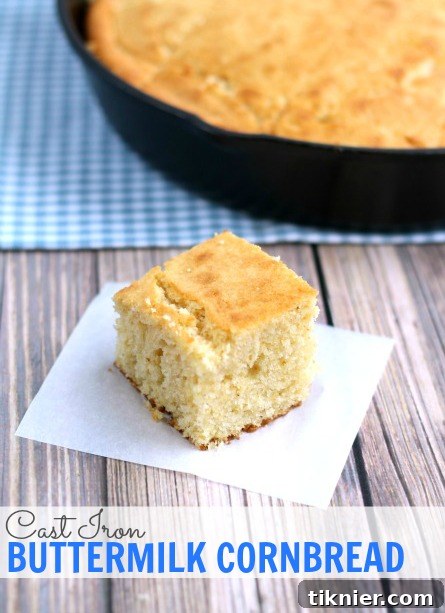
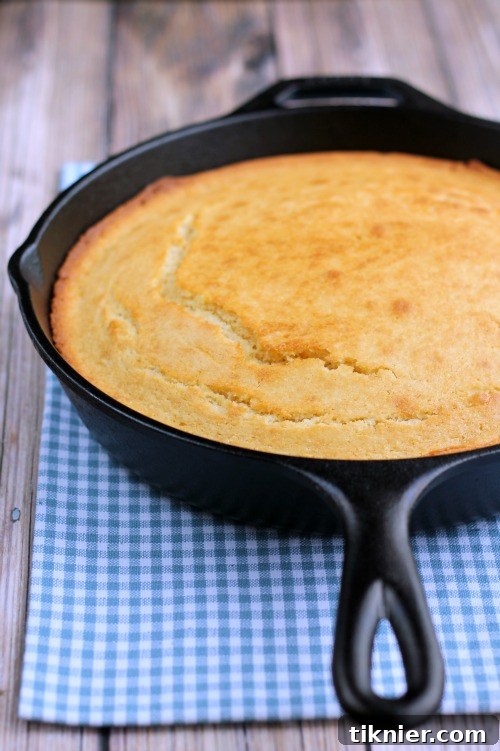
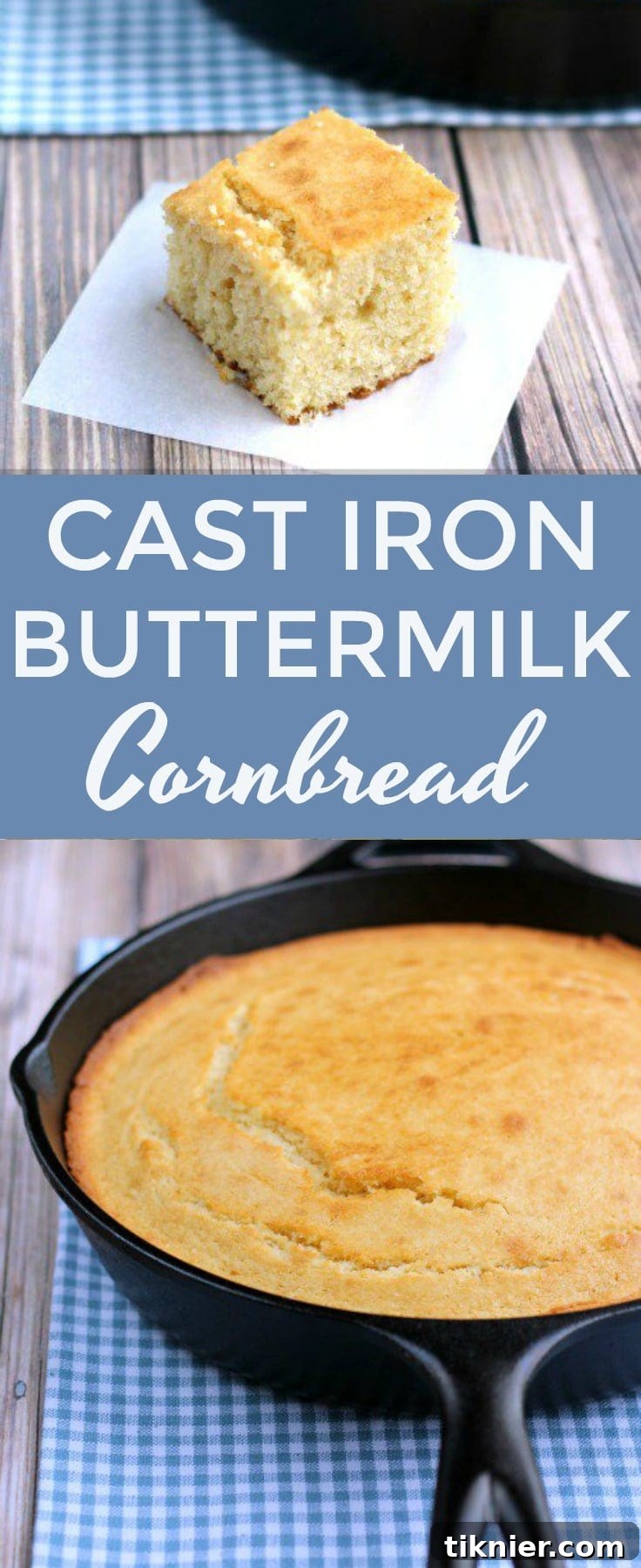
Prepare to experience cornbread perfection with this incredible one-bowl Cast Iron Buttermilk Cornbread recipe. Crafted for ease and maximum flavor, all ingredients seamlessly blend in a single bowl before being baked to golden-brown excellence in a trusty cast iron skillet. The result? A remarkably moist and tender cornbread, boasting a delicate crumb and a delightful crunch on the exterior. Say goodbye to dry, crumbly cornbread and hello to a Southern classic that will quickly become your family’s favorite.
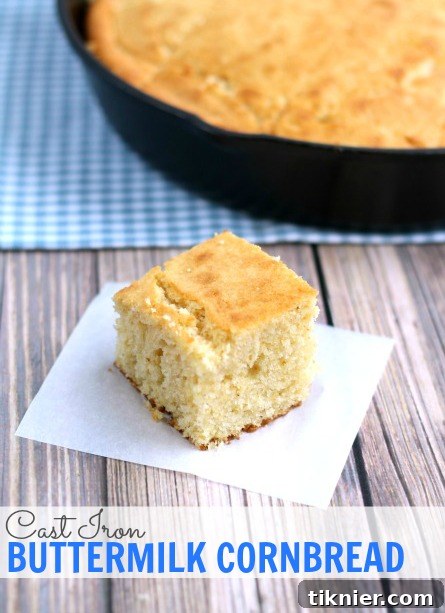
There’s something truly special about a Saturday designated for good old-fashioned BBQ. The aroma of smoky meats wafting through the air, the anticipation of gathering around the table with loved ones – it’s a tradition that truly warms the soul. Just last weekend, we embarked on such a culinary adventure. My husband, Ken, masterfully seasoned a Boston Butt roast and placed it on the smoker, setting the stage for a feast. My role, as always, was to whip up a selection of delicious homemade sides to complement his smoky masterpiece. On the menu: creamy macaroni and cheese, crisp coleslaw, tender Southern-style green beans, and, of course, a quintessential cornbread.
Now, I’ve certainly made cornbread many times throughout the years, but I must confess, making it in a cast iron skillet was a revelation I only recently embraced. Why the delay, you might ask? Well, it boils down to one simple fact: I hadn’t owned a cast iron skillet until a few weeks ago! Despite admiring them from afar and intending to purchase one for quite some time, the opportunity hadn’t presented itself until recently. It’s funny how certain kitchen tools become staples, almost necessities, once you finally acquire them. This particular skillet has transformed my cooking, especially when it comes to baking. Growing up, a significant majority of our family’s cornbread was prepared in a cast iron skillet, always emerging from the oven incredibly delicious and, crucially, wonderfully moist. That memory of perfectly baked, flavorful cornbread, with its signature crisp crust, was a benchmark I longed to achieve in my own kitchen. The recipe I’m about to share with you doesn’t just meet that benchmark; it surpasses it, delivering by far the best cornbread I have ever created. It’s a testament to the magic of cast iron and a carefully balanced recipe.
Why This Homemade Buttermilk Cornbread Recipe Stands Out
Cornbread isn’t merely a side dish in the American South; it’s a cultural cornerstone, a tradition lovingly passed down through generations. Its origins are humble, with early versions consisting of little more than cornmeal and water, cooked over an open fire. Over centuries, culinary evolution introduced enriching ingredients like creamy buttermilk, fresh eggs, and a touch of leavening, transforming that basic bread into the soft, golden, and undeniably comforting cornbread we cherish today. This rich history is a testament to its enduring appeal.
What truly elevates this particular recipe to my absolute go-to for moist, flavorful cornbread is its impeccable balance of texture and taste. Every bite offers a tender interior beautifully contrasted with a wonderfully crisp, golden edge – and critically, it’s never, ever dry. The secret lies in a handful of seemingly small yet incredibly significant details that work in harmony. First, preheating the cast iron skillet with a touch of oil is non-negotiable. This crucial step ensures a flawless, crunchy crust forms instantly upon contact, while simultaneously locking in steam to keep the inside incredibly moist. Next, melted butter is folded into the batter, imparting a rich depth and a subtle, nutty flavor that complements the cornmeal perfectly. Buttermilk, a star ingredient, lends its distinctive tangy note and contributes immensely to the cornbread’s signature tenderness. A judicious amount of white sugar is added not to make it a dessert, but to subtly highlight the natural sweetness of the corn, creating a harmonious flavor profile that is neither overly sweet nor blandly savory. This is more than just a recipe; it’s an experience of simple, comforting flavors that evoke the warmth and heart of home.
Essential Ingredients for Your Skillet Cornbread
You don’t need any exotic items to create this masterpiece. Just a handful of common pantry staples come together to produce one of the most satisfying cast iron cornbreads you’ll ever enjoy. The beauty lies in the simplicity and quality of these foundational components.
- 1/2 cup (1 stick) unsalted butter, melted
- 1/2 cup white granulated sugar
- 2 large eggs, ideally at room temperature
- 1 cup buttermilk
- 1/2 teaspoon baking soda
- 1 cup all-purpose flour
- 1 cup yellow cornmeal (medium grind works beautifully for texture)
- 1/2 teaspoon fine sea salt
- 3 tablespoons vegetable oil (or bacon grease for a traditional Southern flavor boost)
- A well-seasoned 10-inch cast iron skillet
A note on the buttermilk: Please do not be tempted to skip this ingredient. Buttermilk is a cornerstone of this recipe, providing the acidity necessary to react with the baking soda, which gives the cornbread its tender crumb and subtle rise. Its richness is also paramount for that perfect, moist texture we all crave. If you find yourself without buttermilk, a quick homemade substitute works wonders: simply add a tablespoon of white vinegar or fresh lemon juice to a liquid measuring cup, then fill the rest of the way to the 1-cup mark with regular milk. Let it sit for 5-10 minutes until it visibly curdles, then stir and use as directed.
Step-by-Step Instructions for Crafting Perfect Homemade Cornbread
Follow these detailed steps to ensure your buttermilk cornbread bakes up moist, flavorful, and with that desirable crispy crust only a cast iron skillet can provide. Precision and attention to detail are key to achieving the best results.
- Preheat the Skillet and Oven: Begin by placing your 10-inch cast iron skillet directly into your oven along with 3 tablespoons of vegetable oil (or bacon grease). Preheat your oven to a robust 400°F (200°C). Allow the skillet and oil to heat for about 4-5 minutes while you prepare the cornbread batter. This crucial step generates a fiercely hot cooking surface, which is essential for creating that coveted crisp, golden crust while simultaneously locking in moisture for a tender interior.
- Prepare the Wet Ingredients: In a large mixing bowl, combine the melted butter and white granulated sugar. Stir them together vigorously until they are smooth and well-incorporated. Next, crack in the two large, room-temperature eggs and continue to mix until they are fully blended into the butter and sugar mixture. Finally, pour in the buttermilk and add the baking soda. Stir gently until all the wet ingredients are combined. The buttermilk’s acidity will begin to react with the baking soda, creating tiny bubbles that contribute to the cornbread’s light texture.
- Incorporate the Dry Ingredients: To the wet mixture, add the all-purpose flour, yellow cornmeal, and salt. Using a spoon or spatula, stir the batter just until the dry ingredients are moistened and barely combined. It’s perfectly fine, and even desirable, for the batter to remain slightly lumpy. The golden rule here is to avoid overmixing, as overworking the gluten in the flour can lead to a tough, dry cornbread. A light hand ensures a tender and moist result.
- Prepare the Hot Skillet for Baking: With utmost care and using oven mitts, remove the smoking hot cast iron skillet from the preheated oven. The oil will be very hot. Using a folded paper towel held with tongs, carefully and thoroughly coat the entire bottom and sides of the skillet with the hot oil. This creates a non-stick surface and an incredible crust. Pour any excess hot oil that may have pooled in the skillet directly into your prepared cornbread batter and stir it in quickly. The combination of the hot oil and the seasoned cast iron provides a superior browning effect, ensuring a truly golden-brown, crispy crust while preserving the soft, fluffy interior.
- Bake to Golden Perfection: Pour the entire cornbread batter evenly into the sizzling hot skillet. You should hear a satisfying gentle sizzle as the batter hits the hot metal – that’s the sound of the crust beginning to form instantly! Place the skillet back into the oven on the middle rack. Bake for approximately 20-25 minutes, or until the top of the cornbread turns a beautiful golden brown and a wooden toothpick inserted into the center comes out clean. The exceptional heat retention and even heat distribution of cast iron are what allow this cornbread to bake up perfectly moist and consistently delicious every single time.
- Cool and Serve: Once baked, carefully remove the skillet from the oven. Allow the cornbread to cool in the skillet for about 5-10 minutes before attempting to slice it. This brief cooling period helps the cornbread set, making it easier to cut into neat wedges without crumbling. Serve your warm, delightful cornbread simply with a pat of melting butter, a drizzle of golden honey, a touch of maple syrup, or even traditional sorghum for an authentic Southern touch.
Creative Ways to Serve Your Homemade Buttermilk Cornbread
A warm slice of freshly baked cornbread, especially one made in a cast iron skillet, is a treat in itself. Its rustic charm and comforting flavor make it incredibly versatile, pairing beautifully with a wide array of meals. Here are countless ways to enjoy your delicious creation:
- With Hearty Soups and Stews: A generous wedge of cornbread is the ultimate accompaniment to a steaming bowl of chili, comforting pinto beans, a robust vegetable soup, or a spicy gumbo. The crisp edges are perfect for soaking up every flavorful drop of broth, while the moist, slightly sweet interior provides a wonderful balance to savory, often spicy dishes.
- Alongside Southern Greens: The classic pairing of tender collard greens, turnip greens, or mustard greens with a slice of cornbread is a timeless Southern tradition. The mild sweetness and earthy flavor of the cornbread beautifully complement the rich, often smoky notes of seasoned greens.
- As a Sweet Treat or Breakfast Staple: Don’t limit cornbread to dinner! Drizzle a warm slice with a generous amount of honey or maple syrup for a delightful breakfast or brunch item. It’s also fantastic served with your favorite fruit jam or preserves for a comforting afternoon snack.
- The Main Attraction: Get creative! Top a warm slice of cornbread with succulent pulled pork and a spoonful of creamy coleslaw for an easy, flavorful open-faced sandwich. For a lighter, fresher take, cube leftover cornbread and transform it into a unique cornbread salad with fresh vegetables and a zesty dressing.
However you choose to enjoy it, this buttermilk cornbread seamlessly fits right in on any table, enhancing meals from a casual weeknight supper to a grand Sunday dinner spread. Its versatility and satisfying taste make it an indispensable part of any home cook’s repertoire.
Storing and Reimagining Homemade Cornbread Leftovers
While this homemade cornbread is undeniably at its peak deliciousness the day it’s baked, don’t fret about leftovers! It keeps remarkably well and offers fantastic opportunities for creating entirely new, equally delightful dishes. Always ensure your cornbread has cooled completely to room temperature before storing to prevent condensation, which can lead to sogginess.
For short-term storage, you can simply cover the cast iron skillet tightly with aluminum foil, or transfer the cornbread wedges to an airtight container. Stored this way at room temperature, it will maintain its freshness and delightful texture for up to two days. Should you need to store it longer, refrigerating the cornbread will keep it fresh for up to a week. The exceptional moisture retention properties inherent in baking with a cast iron skillet contribute significantly to keeping the cornbread soft and palatable even after a day or two.
When it comes to reheating, you have a couple of excellent options. For a truly revived crispness around the edges, wrap individual slices in aluminum foil and warm them in a 350°F (175°C) oven for about 10 minutes. If you’re in a hurry, individual pieces can be quickly reheated in the microwave for approximately 20-30 seconds, though this method will yield a softer texture. The oven method is ideal for restoring that fresh-baked feel, while the microwave is perfect for a fast, comforting bite.
Here are a few inspired ways to transform your leftover cornbread into new culinary adventures:
- Classic Cornbread Dressing (Stuffing): The most beloved use for leftover cornbread! Crumble the cooled cornbread into pieces and allow them to air-dry overnight or lightly toast them in the oven. These dried crumbs form the perfect base for your favorite savory cornbread dressing or holiday stuffing recipe.
- Hearty Cornbread Breakfast Casserole: Layer crumbled cornbread with cooked sausage or bacon, scrambled eggs, and shredded cheese for a truly satisfying and easy-to-prepare morning bake. It’s a complete meal in one dish!
- Southern-Style Croutons: Cube leftover cornbread into bite-sized pieces. Toss them with a drizzle of olive oil, a pinch of salt, pepper, and your favorite herbs (like thyme or sage). Bake until golden and crisp for a delightful Southern twist on salad toppers or soup garnishes.
You can also freeze cornbread for even longer storage. Wrap individual slices or the entire cooled cornbread tightly in plastic wrap, then an additional layer of aluminum foil. Place these securely wrapped portions into a freezer-safe bag, and they will keep beautifully for up to three months. To enjoy, simply thaw at room temperature before reheating using your preferred method.
Savory & Sweet: Substitutions and Variations for Your Cornbread
This classic buttermilk cornbread recipe, while perfect in its simplicity and reliability, also serves as an outstanding canvas for culinary creativity. Whether you’re in the mood for something more savory, a touch of spicy heat, or even a sweeter, dessert-like version, this adaptable recipe can be tailored to suit any preference.
- Savory Add-Ins for a Zesty Kick: Before pouring the batter into the skillet, stir in about 1 cup of your favorite shredded cheese (cheddar, Monterey Jack, or a blend works well), 1/2 cup of finely chopped fresh or pickled jalapeños (seeds removed for less heat), or 1/2 cup of crumbled, cooked bacon. For an extra layer of fresh flavor, consider adding 1/4 cup of finely chopped green onions or chives. These additions transform the cornbread into a more robust and flavorful side.
- For Those Who Prefer Sweet Cornbread: If your palate leans towards a more cake-like, sweeter cornbread, you can easily adjust the sugar content. Increase the white granulated sugar to ⅔ cup and, for an added layer of aroma and flavor, include a splash of pure vanilla extract (about 1 teaspoon) in your wet ingredients. This will result in a delightful cornbread that can almost double as a dessert.
- Gluten-Free Version: Making this cornbread gluten-free is straightforward. Simply swap the all-purpose flour for an equal amount (cup-for-cup) of a high-quality gluten-free flour blend. Crucially, ensure that your yellow cornmeal is explicitly labeled as gluten-free, as some brands may have cross-contamination.
- The Southern Secret: Bacon Grease: For an authentic, deeply savory, and smoky flavor that truly speaks to Southern cooking traditions, consider swapping out part or all of the melted butter or vegetable oil with rendered bacon grease. This substitution adds an incomparable richness and depth to the cornbread, enhancing its overall profile.
Each of these variations introduces something uniquely different, yet they all elegantly build upon the same strong, dependable foundation: a perfectly moist, tender, and incredibly flavorful cornbread that bakes up beautifully and consistently in your cherished cast iron skillet. Don’t hesitate to experiment and find your own favorite iteration!
Cast Iron Buttermilk Cornbread Recipe Card
Cast Iron Buttermilk Cornbread
8-10 servings
Ingredients
- 1/2 C butter, melted
- 1/2 C white sugar
- 2 large eggs, room temperature
- 1 C buttermilk
- 1/2 tsp baking soda
- 1 C all-purpose flour
- 1 C yellow cornmeal
- 1/2 tsp salt
- 3 tbsp vegetable oil
- 10-inch cast iron skillet
Instructions
- Preheat the Skillet and Oven: Place your 10-inch cast iron skillet into your oven along with 3 tablespoons of vegetable oil. Preheat your oven to 400°F (200°C). Allow the skillet and oil to heat for about 4-5 minutes while you prepare the cornbread batter.
- Prepare the Wet Ingredients: In a large mixing bowl, combine the melted butter and white granulated sugar. Stir them together until smooth. Crack in the two large, room-temperature eggs and mix until blended. Pour in the buttermilk and add the baking soda. Stir gently until all the wet ingredients are combined.
- Incorporate the Dry Ingredients: To the wet mixture, add the all-purpose flour, yellow cornmeal, and salt. Stir the batter just until the dry ingredients are moistened and barely combined. It’s okay for the batter to be slightly lumpy; avoid overmixing.
- Prepare the Hot Skillet for Baking: Carefully remove the smoking hot cast iron skillet from the preheated oven using oven mitts. Using a folded paper towel held with tongs, carefully and thoroughly coat the entire bottom and sides of the skillet with the hot oil. Pour any excess hot oil into your prepared cornbread batter and stir it in quickly.
- Bake to Golden Perfection: Pour the entire cornbread batter evenly into the sizzling hot skillet. Place the skillet back into the oven on the middle rack. Bake for approximately 20-25 minutes, or until the top turns golden brown and a wooden toothpick inserted into the center comes out clean.
- Cool and Serve: Once baked, remove the skillet from the oven. Allow the cornbread to cool in the skillet for about 5-10 minutes before slicing. Serve warm with butter, honey, or a drizzle of sorghum.
Nutrition Information:
Yield: 8
Serving Size: 1
Amount Per Serving:
Calories: 338
Total Fat: 19g
Saturated Fat: 8g
Trans Fat: 1g
Unsaturated Fat: 9g
Cholesterol: 78mg
Sodium: 397mg
Carbohydrates: 38g
Net Carbohydrates: 0g
Fiber: 2g
Sugar: 14g
Sugar Alcohols: 0g
Protein: 6g
FAQs About Homemade Cast Iron Cornbread
Here are some straightforward answers to the most common questions I receive about making this delicious homemade cast iron cornbread recipe, ensuring your baking experience is a resounding success.
Why is my homemade cornbread crumbly?
Crumbly cornbread is a common issue that typically stems from either overbaking or overmixing the batter. Baking for too long in the oven will strip the cornbread of its essential moisture, resulting in a dry texture. Similarly, overworking the batter develops the gluten in the flour too much, leading to a tough rather than tender crumb. This particular recipe combats this by incorporating a generous amount of butter and rich buttermilk, both of which significantly contribute to moisture. Furthermore, baking in a cast iron skillet helps immensely by retaining heat evenly and sealing in steam, creating a moist interior. To avoid crumbliness, always pull the skillet from the oven as soon as a toothpick inserted in the center comes out clean, and remember to mix the batter just until the ingredients are combined, leaving it slightly lumpy.
Can I make homemade cornbread without a cast iron skillet?
While you certainly can bake cornbread without a cast iron skillet, it’s important to note that the signature crisp crust and consistently moist interior might not be quite the same. A cast iron skillet excels at retaining and distributing heat uniformly, which is the secret behind that enviable, perfectly crisp edge. If you don’t own a cast iron skillet, a good alternative is to use a 9×9-inch baking pan or even a muffin tin for individual servings. To mimic some of the cast iron’s benefits, preheat your chosen pan with the specified oil (or butter) for a few minutes in the oven before carefully adding the batter. This step helps create the best possible crust in an alternative pan.
Should homemade cornbread be sweet or savory?
The debate between sweet and savory cornbread often depends on regional preferences! Traditional Southern cornbread typically leans towards a more savory profile, designed to complement hearty meals. In contrast, Northern-style versions frequently incorporate more sugar, resulting in a sweeter, sometimes cake-like consistency. This specific recipe strikes a delightful balance, featuring just enough sugar to enhance the natural sweetness of the cornmeal without transforming it into a dessert. It’s a versatile profile that pleases both camps, making it ideal for pairing with a variety of dishes.
What are the key factors that make cornbread moist?
Achieving a wonderfully moist cornbread hinges on a combination of adequate fat content and gentle baking techniques. In this recipe, melted butter adds crucial richness and prevents dryness. Buttermilk is another indispensable ingredient, contributing both moisture and a delicate tanginess that tenderizes the crumb. The unique properties of the cast iron skillet also play a vital role, as it effectively seals in steam during the baking process, keeping the interior incredibly soft. Finally, the mixing technique is paramount: the batter should only be stirred until just combined. Overmixing is the enemy of moist cornbread, as it develops the gluten and leads to a dense, tough texture. When all these elements are combined and baked correctly, your cornbread will remain tender, flavorful, and moist for days.
Can I use coarse cornmeal instead of fine-ground cornmeal?
Yes, you absolutely can use coarse cornmeal in this recipe, but it will result in a noticeable difference in texture. Fine-ground cornmeal typically produces a more delicate and tender crumb, yielding a smoother mouthfeel. Coarse cornmeal, on the other hand, will give your cornbread a heartier, more rustic, and slightly chewier texture, with more pronounced corn flavor. Both types of cornmeal are delicious and suitable for cornbread; your choice simply depends on your personal preference for the final texture. Experimenting with different grinds can be a fun way to customize your homemade cornbread.
RELATED POSTS YOU’LL LOVE
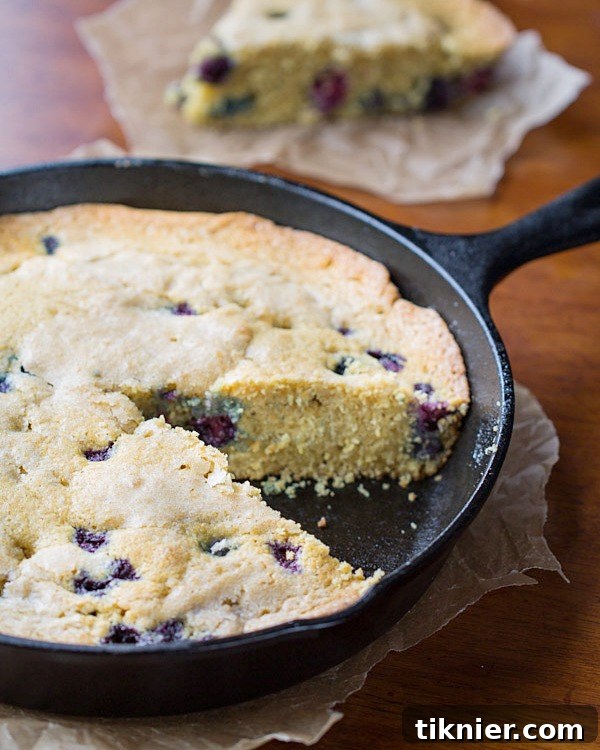
Blueberry Cornbread (a fantastic dairy-free option, made with coconut milk and incredibly delicious!)
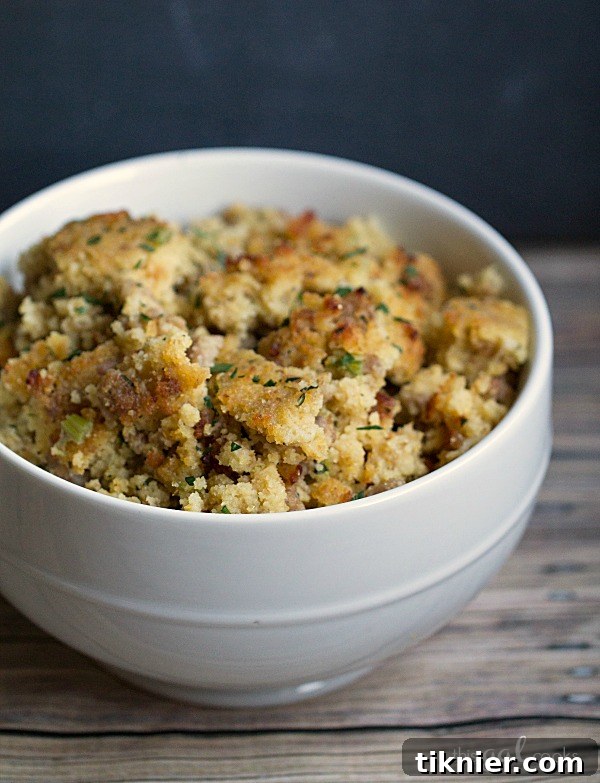
Homemade Cornbread Dressing (the ultimate comfort food, made even better with this very Cast Iron Buttermilk Cornbread!)