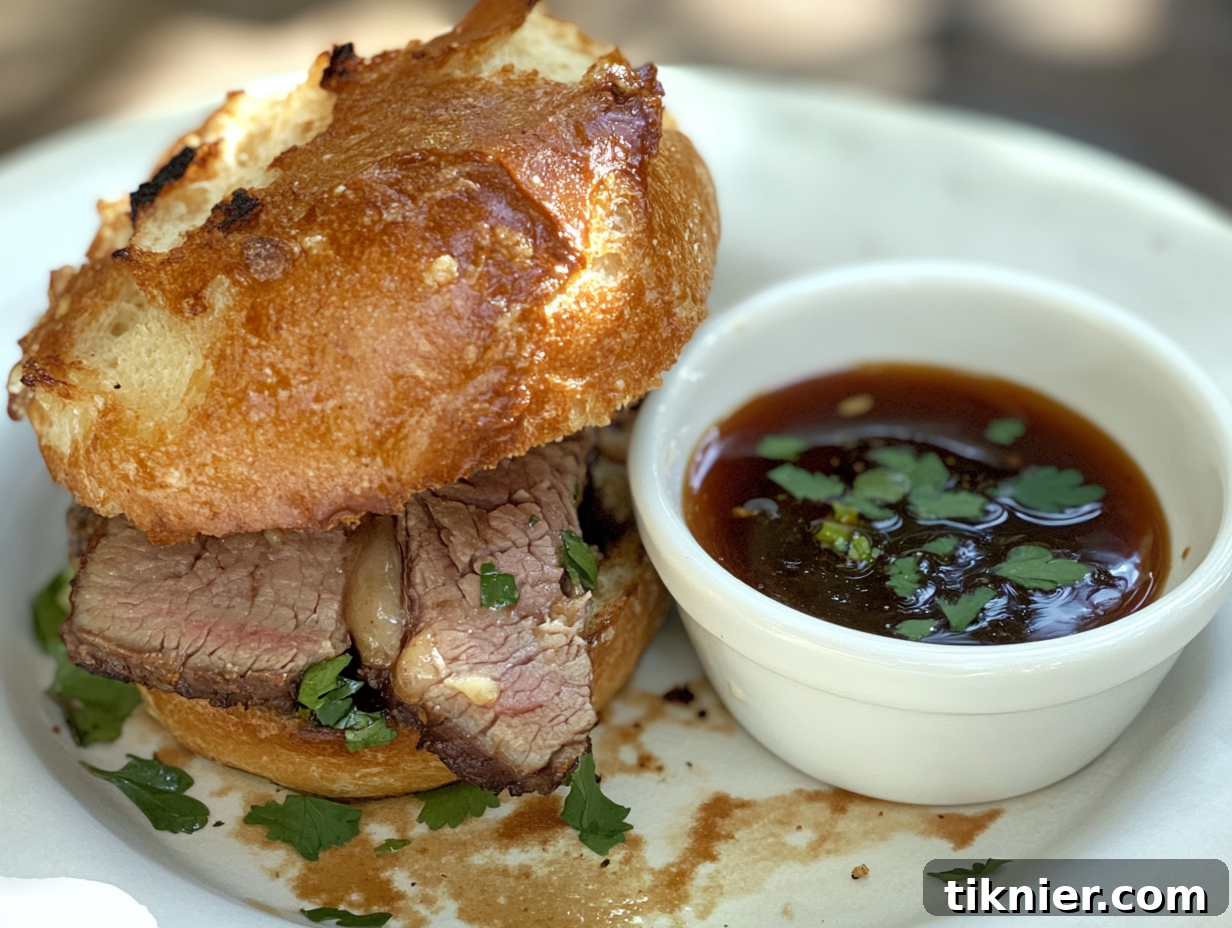
Mastering Homemade Au Jus: The Ultimate Guide to Restaurant-Quality Flavor
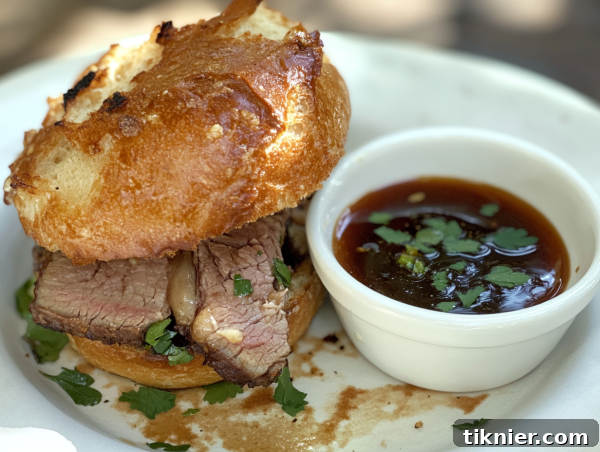
Elevating a meal from ordinary to extraordinary often comes down to the perfect accompaniment. A rich and flavorful au jus is precisely that — a culinary secret weapon capable of transforming any dish into a gourmet experience. Whether you’re serving succulent prime rib, crafting classic French dip sandwiches, or simply enhancing a perfectly roasted cut of meat, this elegant sauce adds unparalleled depth, moisture, and a burst of umami to every single bite.
The truly remarkable aspect? Achieving restaurant-quality au jus at home is far simpler than you might imagine. You don’t need exotic ingredients or a culinary degree; just a few basic pantry staples and the right technique are all it takes to create a sauce that will impress even the most discerning palates. Say goodbye to bland meals and hello to a new world of flavor that’s both effortless and deeply satisfying.
In this comprehensive recipe guide, you will uncover:
- The definitive step-by-step method for crafting a classic au jus from scratch.
- Exciting variations tailored for beef, chicken, and even delightful vegetarian alternatives.
- Expert tips and tricks to unlock that coveted restaurant-quality flavor in your home kitchen.
Join us as we dive deep into the essence of what makes au jus truly special, empowering you to master this versatile sauce and bring exceptional flavor to your table with confidence.
What Exactly is Au Jus? Decoding the Classic Meat Sauce
If you’ve ever savored a juicy French dip sandwich, indulged in a perfectly cooked prime rib, or enjoyed a tender roast beef, chances are you’ve experienced the magic of au jus. But what is this delightful liquid, and why is it so revered in culinary circles?
Originating from French cuisine, the term “au jus” literally translates to “with juice.” It refers to a thin, intensely flavorful sauce made from the natural pan drippings and juices rendered from cooked meat. Unlike its thicker cousin, gravy, au jus is purposefully kept light and un-thickened, allowing the pure, concentrated essence of the meat’s flavor to shine through without being masked. Its primary role is to enhance and complement, rather than dominate, the star protein.
Historically, au jus was developed as a sophisticated way to serve roasted meats, utilizing every precious drop of flavor produced during the cooking process. Over centuries, it evolved from a French kitchen staple to a beloved accompaniment in steakhouses and home kitchens worldwide, finding particular fame as a quintessential dipping sauce for hearty French dip sandwiches and an essential partner to luxurious prime rib.
Au Jus vs. Gravy: Understanding the Key Distinctions
It’s common for many home cooks to confuse au jus with traditional gravy, but these two sauces, while both savory and delicious, serve very different purposes and are prepared distinctly:
- Au Jus: This is a light, thin, and deeply aromatic sauce derived directly from meat drippings, often enhanced with broth, wine, and simple seasonings. Its goal is to provide a pure, unadulterated meat flavor, adding moisture and richness without altering the texture of the dish. It remains fluid and transparent, highlighting the natural juices.
- Gravy: In contrast, gravy is a thicker, more opaque sauce that typically achieves its consistency through the addition of a thickening agent like flour, cornstarch, or roux. Gravies often incorporate milk, cream, or heavier broths, resulting in a more substantial sauce designed to coat and cling to food, providing a creamy texture alongside its rich flavor.
While both are excellent additions to a meal, understanding their distinct characteristics will help you choose the perfect accompaniment for your dish. Mastering au jus means appreciating its delicate balance of flavors and its smooth, luxurious consistency, which effortlessly elevates any meat it accompanies. Now, let’s explore the essential components needed to create this magnificent sauce.
Essential Ingredients for Crafting the Perfect Au Jus
The secret to an unforgettable au jus lies not in complexity, but in the thoughtful selection of a few simple, high-quality ingredients. Whether you’re leveraging the precious drippings from a perfectly roasted beef or building flavor from the ground up, choosing the right components is paramount to achieving a rich, savory, and truly authentic sauce.
Core Ingredients: The Foundation of Flavor
These are the foundational elements for a classic beef au jus, each contributing uniquely to its robust profile:
- Beef Drippings: The absolute heart and soul of traditional au jus. These are the flavorful juices, fats, and caramelized bits left behind in the pan after roasting beef. They provide an intense, concentrated beef flavor that cannot be replicated, forming the essential base for your sauce.
- Beef Broth or Stock: This liquid gold amplifies the depth of flavor. While homemade beef stock offers the richest, most natural taste, a good quality store-bought low-sodium beef broth can certainly deliver excellent results. Opt for low-sodium to maintain control over the final seasoning.
- Worcestershire Sauce: A powerhouse of umami! Just a teaspoon or two of this fermented condiment adds a complex savory depth, a subtle tang, and a hint of sweetness, perfectly balancing the richness of the beef.
- Garlic (Minced or Powdered): Whether fresh minced or in convenient powdered form, garlic infuses the sauce with an aromatic, savory warmth that complements beef beautifully. Fresh garlic will offer a brighter, more pungent flavor, while powder provides a smoother, more integrated note.
- Black Pepper: Freshly ground black pepper provides a subtle, earthy spice that enhances the overall savoriness of the au jus without overpowering it. It’s a crucial aromatic element that ties the flavors together.
- Salt: Essential for awakening and enhancing all the other flavors. It must be added carefully and progressively, especially if using store-bought broth which often contains significant sodium. Always taste as you go to achieve perfect balance.
Optional Enhancements for an Elevated Experience
Ready to take your au jus to a truly gourmet level? Consider incorporating these optional ingredients for an even more profound and layered flavor profile:
- Red Wine: A splash of dry red wine (like Cabernet Sauvignon or Merlot) is fantastic for deglazing the pan. It cuts through fat, dissolves flavorful browned bits (fond), and introduces a bold, fruity richness and complex tannins to the sauce.
- Soy Sauce: A small amount of soy sauce can significantly deepen the umami factor, particularly beneficial if you’re using a lighter store-bought broth or seeking an extra layer of savory complexity. Use sparingly to avoid over-salting.
- Shallots or Onions: Lightly sautéing finely diced shallots or onions before adding liquid can build a wonderfully aromatic foundation, enhancing the sauce’s overall complexity and adding a delicate sweetness.
- Fresh Herbs (Thyme, Rosemary, or Bay Leaf): Infusing the simmering au jus with a few sprigs of fresh thyme, rosemary, or a single bay leaf adds an aromatic, earthy, and sophisticated layer of taste. Remove them before serving for a smooth consistency.
Adaptable Substitutions for Every Dietary Need
Au jus can be remarkably versatile and adaptable to various dietary preferences:
- No Beef Drippings? No Problem! If you haven’t roasted beef recently, you can still create a flavorful base. Simply sauté minced garlic and shallots (if using) in a tablespoon of butter or olive oil until fragrant before adding your broth and other seasonings. This creates a quick, aromatic foundation.
- Crafting a Low-Sodium Version? Opt for a low-sodium or unsalted beef broth. This allows you complete control over the salt content, letting you season to your exact preference and dietary requirements.
- Exploring a Vegetarian Option? Absolutely! Replace beef broth with a rich mushroom broth or a high-quality vegetable broth. Combine this with a generous dash of soy sauce and perhaps some sautéed mushrooms for an incredibly umami-rich, savory alternative that can stand proudly next to any plant-based dish.
With these ingredients at your disposal, you’re now perfectly equipped to embark on the journey of crafting a flawless au jus. Let’s move on to the precise step-by-step instructions.
Step-by-Step Guide: Crafting Your Perfect Homemade Au Jus
Now that you’ve gathered your high-quality ingredients, it’s time to transform them into a rich and aromatic au jus. We’ll explore two primary methods: the traditional approach, utilizing flavorful beef drippings, and a quicker alternative for those times when drippings aren’t available. Both methods promise a delicious outcome, ensuring you can make the perfect sauce for any occasion.
Method 1: Traditional Au Jus (Leveraging Beef Drippings)
This method is truly the gold standard, yielding the deepest, most authentic flavor, and is ideal if you’ve just roasted beef and have those precious pan drippings readily available. These caramelized bits are flavor powerhouses!
Ingredients:
- ¼ cup beef drippings (from a freshly roasted beef)
- 1 cup high-quality beef broth or stock (low-sodium preferred)
- 1 teaspoon Worcestershire sauce
- 1 clove fresh garlic, minced (or ½ teaspoon garlic powder)
- ¼ teaspoon freshly ground black pepper
- ¼ teaspoon salt (adjust to taste after tasting)
- ¼ cup dry red wine (optional, for superior deglazing and depth)
Instructions:
- Deglaze the Roasting Pan: Immediately after removing your roasted beef, place the roasting pan directly on the stovetop over medium heat. Carefully pour in the optional red wine or a splash of beef broth. Using a wooden spoon or spatula, vigorously scrape up all the browned, caramelized bits (the “fond”) from the bottom of the pan. This fond is packed with concentrated flavor and is essential for a rich au jus. Continue to scrape until all bits are loosened and dissolved into the liquid.
- Combine Liquids: Pour in the remaining beef broth and the Worcestershire sauce. Stir well to fully incorporate the deglazing liquid and the pan drippings, ensuring all flavors are evenly distributed.
- Season and Simmer: Add the minced garlic (or garlic powder), black pepper, and your initial ¼ teaspoon of salt. Bring the mixture to a gentle simmer, reducing the heat slightly to maintain a low bubble. Allow it to simmer for 5-10 minutes, stirring occasionally. This simmering time is crucial for the flavors to meld, deepen, and slightly reduce, concentrating the taste.
- Strain for Smoothness (Optional but Recommended): For a silky-smooth, restaurant-quality au jus, carefully pour the mixture through a fine-mesh sieve into a clean saucepan or serving vessel. This removes any solid particles, herbs (if used), or excess fat, resulting in an elegant consistency.
- Taste and Adjust: Taste the au jus. If it needs more punch, add a tiny bit more salt, pepper, or a dash of Worcestershire. Remember to adjust seasoning to your personal preference.
- Serve Warm: Transfer the finished au jus to a warmed serving dish, gravy boat, or directly spoon it over your sliced roasted meat. Serve immediately to enjoy its full aroma and flavor.
Method 2: Quick Au Jus (Without Drippings)
No beef drippings on hand? No problem at all! You can still create a wonderfully savory and flavorful au jus using just broth and a few key seasonings. This method is perfect for weeknight meals or when you want a quick but impressive sauce.
Ingredients:
- 1 cup quality beef broth or stock (low-sodium recommended)
- 1 teaspoon Worcestershire sauce
- ½ teaspoon soy sauce (for an essential umami boost)
- 1 clove fresh garlic, minced (or ½ teaspoon garlic powder)
- ¼ teaspoon freshly ground black pepper
- ¼ teaspoon salt (adjust to taste)
- ¼ teaspoon onion powder (optional, for added depth)
- 1 tablespoon unsalted butter or olive oil (optional, for initial sauté)
Instructions:
- Build the Flavor Base (Optional): If you want to add a layer of foundational flavor, melt 1 tablespoon of butter or olive oil in a small saucepan over medium heat. Add minced garlic (and optional onion powder) and cook for about 30 seconds until fragrant, being careful not to burn the garlic.
- Heat the Broth: Pour the beef broth into the saucepan. Bring the liquid to a gentle simmer over medium heat.
- Add Seasonings: Stir in the Worcestershire sauce, soy sauce, black pepper, and your initial ¼ teaspoon of salt. If you skipped the initial sauté, add the garlic powder now.
- Simmer and Develop: Reduce the heat to low and let the mixture simmer gently for 5-7 minutes. This allows the various flavors to meld and deepen, creating a more cohesive and rich taste profile. The sauce will also slightly concentrate.
- Taste and Refine: Carefully taste the au jus. Adjust the seasoning as needed, adding more salt, pepper, or a touch more Worcestershire/soy sauce until the flavor is perfectly balanced to your liking.
- Serve Immediately: This quick au jus is ready to be used as a delicious dipping sauce or poured generously over your favorite dishes. Serve warm for the best experience.
With your homemade au jus now ready, you’re prepared to explore its incredible versatility through various pairings and exciting flavor adaptations. Next, let’s discover how to tailor this amazing sauce for different main courses, including poultry and vegetarian options!
Versatile Au Jus Variations: Tailoring Flavor for Every Dish
While the classic beef au jus is undoubtedly a masterpiece, the beauty of this sauce lies in its adaptability. You can easily modify the fundamental recipe to perfectly complement different proteins or even create a delightful plant-based version. Here are some fantastic variations to ensure you always have the ideal au jus for any meal.
1. The Classic Beef Au Jus: A Deeper Dive
This is the traditional, robust version that pairs exquisitely with red meats. To achieve an even deeper, more complex, and truly restaurant-worthy flavor, consider these enhancements:
- A Generous Splash of Red Wine: Beyond deglazing, adding a good quality dry red wine during the simmering phase infuses the au jus with incredible richness, a subtle fruity note, and enhanced depth. Allow it to reduce slightly to concentrate the flavor and cook off the alcohol.
- Infusion of Fresh Herbs: Introduce a few sprigs of fresh thyme or rosemary, or a single bay leaf, during the simmering process. These hardy herbs release their aromatic oils, adding an earthy, sophisticated herbal dimension that complements beef beautifully. Remember to strain them out before serving.
- Boost with Balsamic Vinegar: A small dash (about ½ teaspoon) of good quality balsamic vinegar can introduce a touch of acidity and sweetness, cutting through the richness of the beef and adding another layer of complexity.
Best Pairings: This rich and savory classic is the quintessential accompaniment for prime rib, succulent roast beef, hearty French dip sandwiches, and grilled steaks.
2. Elegant Chicken Au Jus: A Lighter, Aromatic Alternative
When serving roasted chicken, turkey, or pork, a lighter yet equally flavorful au jus made with poultry drippings and broth works wonders. It’s designed to enhance without overpowering.
Ingredients:
- 1 cup chicken broth or stock (preferably low-sodium)
- 1 tablespoon unsalted butter (or pan drippings from roasted chicken/turkey)
- ½ teaspoon Worcestershire sauce (optional, but adds depth)
- 1 clove fresh garlic, minced (or ½ teaspoon garlic powder)
- ¼ teaspoon freshly ground black pepper
- ¼ teaspoon salt (adjust to taste)
- 1 teaspoon fresh lemon juice (optional, for a bright, finishing lift)
- A few sprigs of fresh sage or thyme (optional, for aromatic infusion)
How to Make It:
- If using, heat the butter or chicken drippings in a small saucepan over medium heat. Add minced garlic and optional fresh herbs; cook until fragrant (about 30 seconds to 1 minute).
- Pour in the chicken broth and Worcestershire sauce. Bring the mixture to a gentle simmer.
- Allow it to simmer for 5-7 minutes, allowing the flavors to meld and deepen. If using fresh herbs, remove them before the next step.
- Taste and adjust seasoning as needed, adding more salt, pepper, or a tiny bit more Worcestershire. If desired, stir in the fresh lemon juice right before serving for a vibrant finish.
- Strain the au jus for a smoother consistency if preferred, then serve warm.
Best Uses: An exquisite complement to roasted chicken, turkey, grilled pork tenderloin, or even a flavorful sauce for mashed potatoes.
3. Umami-Rich Vegetarian Au Jus: A Plant-Based Delight
For those seeking a plant-based alternative, you can craft an incredibly rich, umami-packed au jus using hearty mushrooms and savory soy sauce. This version proves that exceptional flavor doesn’t always require meat.
Ingredients:
- 1 cup vegetable broth (or a rich mushroom broth for intense depth)
- ½ cup finely chopped mushrooms (cremini, shiitake, or portobello work best for deep flavor)
- 1 teaspoon soy sauce (or tamari for a gluten-free option)
- ½ teaspoon balsamic vinegar (essential for balancing acidity and depth)
- 1 clove fresh garlic, minced
- ¼ teaspoon freshly ground black pepper
- 1 tablespoon olive oil or butter
- A pinch of dried thyme or rosemary (optional)
How to Make It:
- Heat olive oil or butter in a saucepan over medium heat. Add the finely chopped mushrooms and cook, stirring occasionally, until they are deeply browned and have released most of their moisture (about 5-7 minutes). This caramelization builds essential umami.
- Stir in the minced garlic and optional dried herbs, cooking for another minute until fragrant.
- Pour in the vegetable or mushroom broth, soy sauce, and balsamic vinegar. Bring the mixture to a gentle simmer.
- Allow the au jus to simmer for 7-10 minutes, letting the flavors thoroughly meld and the liquid to slightly reduce.
- For a smoother consistency, you can strain out the mushroom bits or, for a thicker, richer sauce, blend a portion of the mixture with an immersion blender. Taste and adjust seasoning as necessary.
- Serve warm as a sophisticated plant-based dipping sauce or drizzle.
Best Uses: Perfect for dipping vegetarian sandwiches, drizzling over roasted root vegetables, enriching mashed potatoes, or serving alongside savory grain-based dishes.
Each of these variations offers a unique and delicious twist on the classic au jus, making it wonderfully easy to customize for any meal or dietary preference. Now, let’s delve into some invaluable expert tips to ensure your au jus is consistently outstanding.
Expert Tips for Crafting the Ultimate Restaurant-Quality Au Jus
Creating an exceptional au jus goes beyond simply combining ingredients; it’s about mastering techniques that enhance natural flavors and achieve that perfect smooth, rich consistency. Follow these expert tips to elevate your homemade au jus to a truly restaurant-quality standard, ensuring every batch is a triumph.
1. Maximize Flavor with Pan Drippings
The foundation of any truly great au jus begins with harnessing the incredible flavor locked within your roasting pan. If you’ve just roasted a piece of meat (beef, chicken, lamb), do not, under any circumstances, discard those precious pan drippings! These caramelized bits, often referred to as “fond,” are packed with concentrated savory goodness and are the single most important component for an intensely flavorful au jus. To extract every last drop of essence, immediately after removing your roast, place the pan on the stovetop over medium heat. Pour in a deglazing liquid – such as red wine, broth, or even a little water – and vigorously scrape up all the browned bits from the bottom and sides of the pan with a wooden spoon. This process not only captures immense flavor but also cleans your pan. If the drippings contain an excessive amount of fat, skim off the majority, but leave a small amount; a little fat contributes to the richness and mouthfeel of the final sauce.
2. Select the Right Broth Wisely
The quality of your broth profoundly impacts the final taste of your au jus. For the deepest, most authentic flavor, homemade bone broth or beef stock is unrivaled. It provides a natural richness, gelatinous body, and a complex flavor profile that simply can’t be replicated by store-bought options. However, if time is a constraint, choose a high-quality, low-sodium store-bought broth. The “low-sodium” aspect is crucial, as it grants you full control over the seasoning, preventing your au jus from becoming overly salty. For an extra layer of savory depth in store-bought broths, consider incorporating a small splash of soy sauce or Worcestershire sauce. These additions introduce a nuanced umami that makes the au jus taste as though it has simmered for hours, even with a quicker preparation.
3. Gentle Simmering is Key – Avoid Boiling
When cooking au jus, patience is a virtue. It’s absolutely essential to maintain a gentle simmer, never a rolling boil. A gentle simmer, characterized by small, lazy bubbles, allows the flavors to gradually meld, concentrate, and develop without becoming bitter or harsh. Boiling, on the other hand, can quickly reduce the liquid too aggressively, potentially altering the delicate balance of flavors and sometimes leading to a less refined taste. Simmering for 5 to 10 minutes is usually sufficient for the flavors to fully integrate and for the sauce to achieve the desired subtle reduction. This gentle cooking process ensures your au jus remains smooth, luxurious, and maintains its intended nuanced profile.
4. Achieve Perfect Seasoning Balance
Proper seasoning is paramount to ensuring your au jus acts as a perfect complement to your main dish, rather than overpowering it. Always be mindful of the salt content, especially if you’re using store-bought broth or soy sauce, as these often contain significant sodium. The golden rule is to taste as you go, adjusting the seasoning gradually and incrementally. It’s far easier to add more salt than to fix an over-salted sauce. To elevate the complexity of flavors and provide a bright counterpoint to the richness, consider finishing your au jus with a small splash of acidity, such as red wine vinegar, balsamic vinegar, or even a squeeze of fresh lemon juice. This touch of acidity can lift the entire sauce, balancing its deep savory notes and leaving a clean, satisfying finish on the palate.
5. Proper Storage and Reheating for Future Enjoyment
While au jus is undeniably best enjoyed fresh, it can certainly be prepared ahead of time and stored for later use without compromising its quality. To refrigerate, pour the cooled au jus into an airtight container and store it for up to three days. For longer-term storage, au jus freezes exceptionally well. Pour it into ice cube trays for convenient individual portions. Once frozen solid, transfer the cubes to a freezer-safe bag or container; frozen au jus can maintain its quality for up to three months. When you’re ready to use it again, gently reheat the au jus over low heat on the stovetop. This slow reheating process prevents any separation and ensures that the sauce retains its smooth, rich consistency and full flavor profile, ready to enhance your next meal.
Armed with these expert tips, you are now perfectly equipped to consistently create the most exquisite au jus every single time, transforming your home cooking into an art form. Now, let’s explore the multitude of delicious ways you can incorporate this versatile sauce into your culinary repertoire!
Unleashing the Versatility of Au Jus: Creative Serving Ideas
Au jus is far more than just a sauce; it’s a versatile culinary asset that can elevate a wide array of dishes, from time-honored classics to innovative, modern creations. Once you’ve mastered the art of making this rich and flavorful liquid, you’ll discover countless ways to integrate it into your meals. Here are some of the best and most creative applications for your homemade au jus.
1. Classic Pairings: Timeless Combinations
These traditional dishes are inherently enhanced and truly complete with the addition of a robust, aromatic au jus:
- French Dip Sandwiches: This is perhaps the most iconic use for au jus. Generously dipping a warm, crusty roast beef sandwich into a hot bowl of au jus adds unparalleled moisture, deep savory flavor, and an unforgettable experience. It’s the essential ingredient that defines this sandwich.
- Prime Rib: A lavish prime rib roast demands an equally luxurious accompaniment. Au jus poured over or served alongside slices of prime rib keeps each bite incredibly juicy and reinforces the meat’s natural, rich flavor. It’s a non-negotiable for a truly gourmet prime rib meal.
- Roast Beef: Whether it’s a tender eye of round or a flavorful chuck roast, serving slices of roast beef bathed in or dipped into au jus instantly elevates it to steakhouse quality. It adds a layer of sophistication and ensures every piece is moist and delicious.
- Lamb or Pork Roasts: While traditionally associated with beef, a well-made au jus can beautifully complement other roasted meats, especially if the base broth or drippings are from the respective animal. A beef au jus, in particular, pairs wonderfully with lamb if the lamb is seasoned with complementary herbs like rosemary and thyme, bridging the flavor profiles seamlessly.
2. Creative Culinary Applications: Beyond the Obvious
Looking to venture beyond the traditional? Au jus offers surprising depth and flavor to a variety of dishes, transforming everyday meals into something special:
- Drizzle over Mashed Potatoes: Forget thick gravy! A delicate drizzle of au jus over creamy mashed potatoes provides a rich, savory essence without the heaviness, allowing the potato flavor to shine through while adding a gourmet touch.
- Enhance Soups and Stews: Use au jus as a flavorful base or an enriching addition to beef stews, French onion soup, or even a hearty vegetable soup. Its concentrated savory profile will deepen the umami and add body to your broths, making them incredibly satisfying.
- Light Sauce for Pasta: For a unique and umami-packed pasta dish, toss freshly cooked pasta with a little warmed au jus, a pat of butter, and some grated Parmesan cheese. It creates a light, yet deeply flavorful sauce that’s surprisingly elegant.
- Dip for Fries or Roasted Potatoes: Elevate your side dishes by serving hot French fries, crispy roasted potatoes, or even potato wedges with a small ramekin of warm au jus for dipping. It’s a delicious and savory twist that’s addictive.
- Flavorful Marinade Base: Incorporate au jus into your marinades for beef, chicken, or pork before grilling or roasting. Its savory liquid helps tenderize the meat while infusing it with deep flavor, resulting in incredibly juicy and flavorful results.
- Moistening for Dry Meat: If you ever find yourself with slightly overcooked or drier cuts of meat, a warm au jus can instantly rescue and rehydrate them, adding back much-needed moisture and flavor.
3. Dipping Sauces & Bread Pairings: Simple Pleasures
Au jus truly shines as a simple dipping sauce, transforming humble breads and appetizers into memorable bites:
- Crusty Bread or Dinner Rolls: There’s immense satisfaction in tearing off a piece of warm, crusty bread or a soft dinner roll and soaking up the rich, savory flavors of au jus. It makes for a comforting appetizer or a wonderful way to enjoy every last drop of the sauce.
- Garlic Bread: Take your garlic bread to a gourmet level by serving it with a side of warm au jus. The garlic and savory notes complement each other perfectly, creating a delightful interplay of flavors.
- Soft Pretzels: For an unexpected but surprisingly delicious pairing, try dipping warm, soft pretzels into au jus. The saltiness of the pretzel against the umami-rich sauce creates an addictive snack or appetizer.
With such an extensive range of uses, au jus truly is a kitchen essential that brings unparalleled richness, depth, and gourmet flavor to an incredible variety of meals. It’s time to make it a staple in your culinary repertoire! Let’s bring our journey to a close with a final reflection and encouragement for your cooking adventures.
Final Thoughts: The Enduring Charm of Homemade Au Jus
Au jus, far more than a mere condiment, stands as a testament to the power of simplicity in gourmet cooking. This flavorful and remarkably versatile addition has the profound ability to elevate a wide spectrum of dishes, taking them from good to truly unforgettable. Whether it’s served alongside a magnificent prime rib, enhancing a classic roast beef, or acting as the quintessential dipping partner for French dip sandwiches, this rich and savory liquid consistently amplifies the natural flavors of meats without ever overpowering their inherent deliciousness.
The true genius of a perfect au jus lies in its understated elegance and its straightforward preparation. Crafting it from scratch is surprisingly uncomplicated, requiring just a few fundamental ingredients and a mastery of simple techniques. Yet, from these humble beginnings, a world of deep, complex flavors emerges. Furthermore, the versatility extends to an array of variations, allowing you to create bespoke versions for beef, chicken, and even robust vegetarian alternatives, ensuring that every palate can delight in this exquisite accompaniment. And au jus’s utility transcends mere dipping; its adaptability allows it to serve as a rich base for comforting soups, a delicate and umami-packed sauce for pasta, or even a luxurious drizzle over fluffy mashed potatoes, proving its indispensable role in a creative kitchen.
Now that you’ve unlocked the secrets and mastered the art of preparing homemade au jus, your culinary horizons have undoubtedly expanded. Why not seize this opportunity to take your cooking to an even higher plane? Imagine pairing your freshly made au jus with a perfectly seared prime rib or presenting a homemade French dip sandwich that rivals any restaurant creation. With these newfound skills, you are empowered to create dishes that not only impress but also deliver an unparalleled depth of flavor, all from the comfortable and welcoming ambiance of your own home kitchen. Embrace the journey of flavor, and let au jus be your guide to truly extraordinary meals.
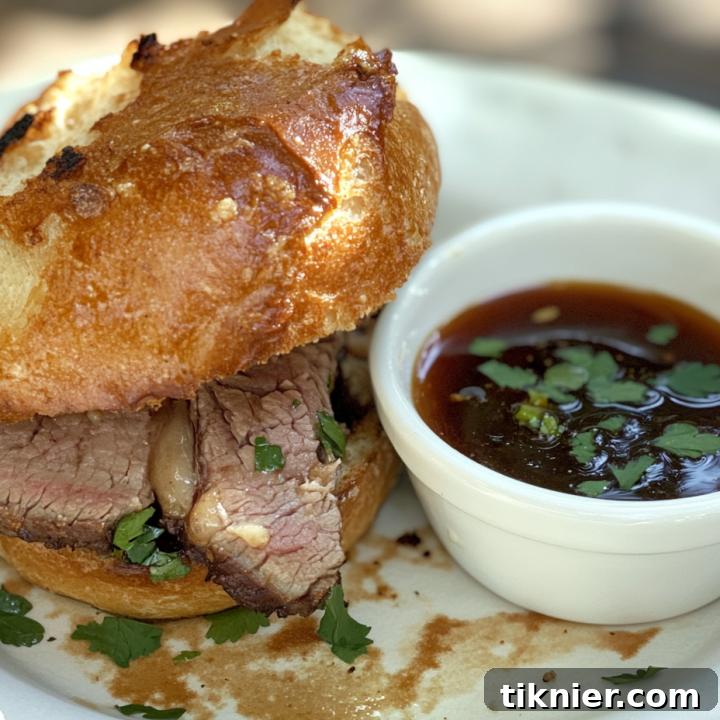
Delicious Homemade Au Jus Recipe
4 servings (approximately ½ Cup per Serving)
5 minutes
10 minutes
15 minutes
This incredibly rich and flavorful homemade au jus is the perfect accompaniment for roast beef, prime rib, and classic French dip sandwiches. Crafted with simple, high-quality ingredients like beef drippings, savory broth, and a blend of seasonings, this restaurant-quality sauce effortlessly elevates the taste of your favorite meat dishes.
Print Recipe
Ingredients
- ¼ cup beef drippings (from a roast)
- 1 cup beef broth or stock (low-sodium recommended)
- 1 teaspoon Worcestershire sauce
- 1 clove garlic, minced (or ½ teaspoon garlic powder)
- ¼ teaspoon black pepper
- ¼ teaspoon salt (adjust to taste, start with less if broth is salty)
- ¼ cup red wine (optional, for deglazing and enhanced richness)
Instructions
- In a skillet or saucepan over medium heat, add the beef drippings. If not using drippings, you can start with 1 tablespoon of butter or olive oil.
- If using red wine, pour it into the hot pan to deglaze, vigorously scraping up any browned bits from the bottom with a wooden spoon.
- Pour in the beef broth and Worcestershire sauce, stirring thoroughly to combine all the flavors.
- Add the minced garlic (or garlic powder), black pepper, and initial salt. Bring the mixture to a gentle simmer and let it cook for 5-10 minutes, allowing the flavors to fully develop and meld.
- For a beautifully smooth and refined consistency, strain the au jus through a fine-mesh sieve into a clean serving vessel.
- Serve the au jus warm. It’s ideal with roast beef, prime rib, or as a classic dipping sauce for French dip sandwiches.
Notes
- No beef drippings? If you don’t have pan drippings, you can still create a flavorful au jus by sautéing minced garlic in 1 tablespoon of butter or olive oil before adding the broth and seasonings.
- For Extra Richness: A small splash of soy sauce can significantly deepen the umami profile of your au jus.
- Vegetarian Option: To make a vegetarian version, substitute beef broth with mushroom broth or a rich vegetable broth, and add 1 teaspoon of soy sauce for umami.
- Storage: Leftover au jus can be stored in an airtight container in the refrigerator for up to 3 days. For longer storage, freeze it in ice cube trays for up to 3 months.
- Best Pairings: This versatile sauce is perfect not only for French dip sandwiches, prime rib, and roast beef, but also pairs wonderfully with mashed potatoes, roasted vegetables, and can even be used as a flavorful base for soups or stews.