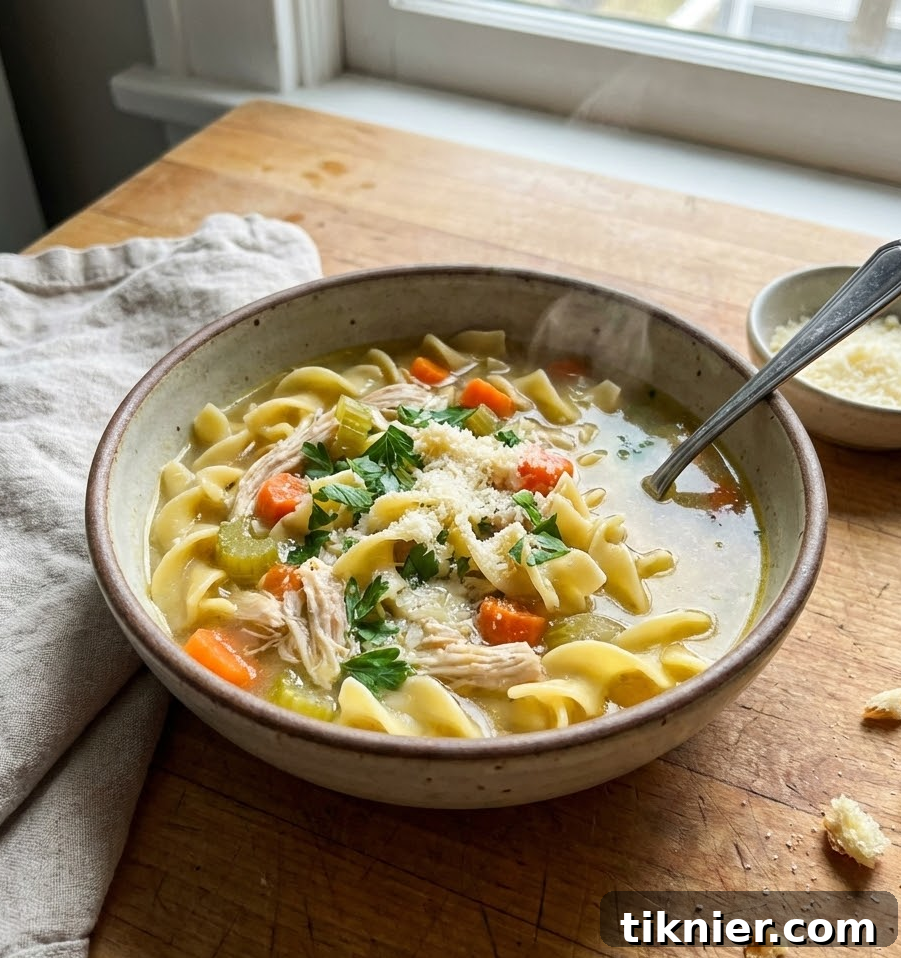
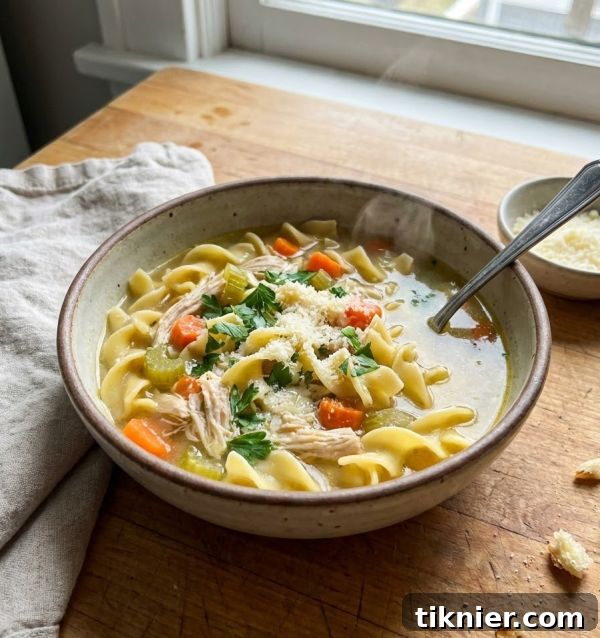
Some evenings, the mere thought of preparing a complex, multi-step meal from scratch feels like an insurmountable task. It was on just such a day – a particularly dreary, gray Tuesday afternoon – that I stumbled upon the secret to crafting the most extraordinary, deeply satisfying, and soul-warming chicken soup I had ever made. I had a perfectly roasted rotisserie chicken, a common grocery store grab, sitting on my counter, destined to be a quick weeknight dinner. Yet, despite its convenience, I found myself yearning for something far more comforting and substantial than mere sliced chicken with a side dish.
My initial impulse was to simply transform it into a classic rotisserie chicken soup. After all, it’s a beloved staple for a good reason, isn’t it? As I began the familiar process of sautéing onions, carrots, and celery, that wonderfully cozy aroma started to waft through my kitchen. But there was a nagging feeling – it felt a little too conventional, a touch too uninspired. I craved a dish with more depth, a distinctive character that would elevate it beyond the everyday. My gaze drifted across the kitchen counter, landing on a half-empty bottle of crisp Sauvignon Blanc from the weekend’s festivities and a forgotten knob of Parmesan cheese nestled in the refrigerator drawer.
A quiet, adventurous whisper in my mind prompted, “Why not experiment?” Without hesitation, I poured a generous splash of the white wine into the hot pot to deglaze it, and the immediate sizzle and accompanying fragrant steam were utterly captivating. Then, on a delightful whim, I retrieved the Parmesan rind I had diligently saved from previous cooking endeavors and dropped it directly into the simmering broth. That, my friends, was the pivotal moment. It was the instant this simple chicken soup underwent a profound transformation, blossoming into something truly extraordinary. The broth deepened, becoming incredibly rich, infused with a profoundly savory, nutty flavor that was nothing short of divine. This unexpected addition has been my signature touch ever since, elevating a humble dish to culinary excellence.
Skip to My Special Recipe!
Why This Rotisserie Chicken Soup Recipe Is a Must-Try
Chicken noodle soup holds an undisputed crown as the ultimate comfort food. It’s the nourishing remedy we seek when battling a cold, the comforting embrace we turn to on a chilly, dreary day, and a quintessential taste of home, pure and simple. Utilizing a rotisserie chicken is an ingenious shortcut, infusing the soup with hours of slow-roasted flavor without any of the arduous work. This convenience is precisely why it’s a staple for countless quick and satisfying meals. However, this particular recipe transcends that brilliant shortcut, elevating it from a simple weeknight solution to an impressive, guest-worthy culinary creation that will garner rave reviews.
So, what exactly sets this specific rotisserie chicken soup recipe apart from the countless others? The magic lies in meticulously building layers of profound, savory flavor. Many recipes often stop at the bare essentials: chicken, broth, and a few vegetables. We take a few deliberate steps further, crafting a broth that is remarkably complex, deeply rich, and exceptionally vibrant, moving beyond the standard expectations of a homemade soup. Every ingredient plays a crucial role in developing this magnificent flavor profile, ensuring a truly unforgettable culinary experience.
The first crucial secret to our elevated broth is a generous splash of dry white wine. When you introduce it into the hot pan after expertly sautéing the vegetables, it sizzles with enthusiasm, effortlessly lifting all those wonderfully caramelized brown bits from the bottom of the pot. This culinary technique, known as deglazing, serves a dual purpose: it incorporates a subtle, bright acidity that enlivens the entire soup and introduces a depth of flavor that a standard broth simply cannot achieve on its own. The wine’s subtle notes enhance the vegetables’ sweetness and the chicken’s savory essence, creating a more harmonious and nuanced base.
The second, and arguably most transformative, twist is the inclusion of a Parmesan cheese rind. I implore you, never discard those precious rinds! Tossing a Parmesan rind into your simmering soup is a time-honored Italian culinary trick, revered for excellent reasons. As it gently simmers, the rind slowly yet consistently releases its intensely salty, nutty, and profoundly umami flavor into the broth. This imparts a luxurious, savory quality that is utterly irresistible and deceptively complex. It imbues the soup with the illusion of having simmered for countless hours, creating a foundational depth of flavor that is truly on par with restaurant-quality dishes. The rind contributes a richness that is felt more than tasted directly, providing an underlying current of exquisite savoriness.
Essential Ingredients for Your Rotisserie Chicken Soup
The true elegance of this rotisserie chicken soup lies in its ability to transform simple, readily available ingredients into something truly extraordinary. While the complete, detailed list is conveniently provided in the recipe card below, let’s take a moment to discuss the key players – the core components that make this soup sing. Each ingredient serves a vital purpose, and opting for good quality produce and pantry staples will undeniably make a noticeable and delicious difference in the final dish, elevating its overall taste and texture.
Here’s a concise overview of what you’ll need to gather:
- 1 tablespoon olive oil
- 1 large yellow onion, finely chopped
- 2 large carrots, peeled and thinly sliced or diced
- 2 celery stalks, thoroughly washed and finely chopped
- 2 cloves garlic, freshly minced
- 1/2 cup dry white wine, such as a crisp Sauvignon Blanc or a light Pinot Grigio
- 8 cups low-sodium chicken broth (to control overall saltiness)
- 1 (2 to 3-inch) Parmesan cheese rind (the game-changer!)
- 1 bay leaf
- 1 teaspoon dried thyme
- Salt and freshly ground black pepper to taste
- 3 cups shredded meat from one plump rotisserie chicken
- 1 ½ cups wide egg noodles
- 1/4 cup fresh parsley, finely chopped, for garnish and freshness
- Freshly grated Parmesan cheese, for generous serving
The undeniable star of this shortcut masterpiece is, of course, the rotisserie chicken. When selecting one, look for a plump, golden-brown bird that looks moist and flavorful. You’ll want to utilize both the white and dark meat for the optimal blend of textures and the richest, most comprehensive chicken flavor. For the dry white wine, a crisp Sauvignon Blanc or a dry Pinot Grigio works perfectly. There’s no need to splurge on an expensive bottle; simply choose something you’d genuinely enjoy drinking, as its primary role is to introduce a crucial layer of bright acidity and complexity to the broth.
Now, for my unequivocal secret weapon: the Parmesan cheese rind. This refers to the hard, waxy outer edge of a block of genuine Parmesan cheese. It is an often-overlooked culinary treasure, absolutely bursting with concentrated, savory flavor. I make it a point to keep a dedicated bag of these rinds in my freezer, specifically reserved for enhancing soups, stews, and sauces. While it won’t entirely melt into the soup, it will soften significantly and infuse the broth with an unparalleled, incredibly savory depth. Finally, the choice of a low-sodium chicken broth is paramount. This strategic decision grants you complete control over the final saltiness of your soup, which is especially important considering the Parmesan rind will contribute its own wonderful, inherent saltiness as it simmers and infuses.
Step-by-Step Guide to Crafting Rotisserie Chicken Soup
This exquisite soup is designed to come together effortlessly in a single pot, making cleanup remarkably simple – a true weeknight blessing! Just meticulously follow these straightforward steps, and in no time, you’ll have a simmering pot of liquid gold filling your kitchen with an irresistible aroma. Our focus throughout these instructions will be on precise technique, ensuring you extract the absolute maximum flavor and richness from every single ingredient, transforming simple components into a culinary marvel.
Step 1: Lay the Foundation – Build Your Flavor Base
Begin by heating the olive oil in a large, heavy-bottomed pot or a sturdy Dutch oven over a steady medium heat. The choice of a heavy pot is crucial here, as it effectively distributes heat evenly, preventing any undesirable scorching and promoting gentle, consistent cooking. Add your meticulously chopped onion, carrots, and celery. This classic trio, affectionately known as a mirepoix, forms the aromatic foundation of countless classic recipes. Cook them, stirring patiently and frequently, for approximately 8 to 10 minutes. The goal here isn’t to brown them, but rather to gently soften them until the onions become beautifully translucent. Exercise patience during this initial step; it is essential for coaxing out their natural, delicate sweetness, which will be the backbone of your soup’s flavor.
Step 2: Infuse Aromatics and Master the Deglazing Technique
Next, stir in the freshly minced garlic and continue to cook for just one more minute, or until you are enveloped by its wonderfully fragrant aroma. Exercise extreme caution at this stage, as garlic burns very quickly and can turn unpleasantly bitter if overcooked. Now, with a flourish, pour in the dry white wine. The pot will immediately respond with an exhilarating sizzle and a plume of aromatic steam. Utilizing a sturdy wooden spoon, meticulously scrape up all those wonderfully flavorful browned bits that have adhered to the bottom of the pot – these are packed with concentrated flavor. Allow the wine to simmer and bubble gently until it has visibly reduced by approximately half. This critical step not only cooks off the alcohol but also intensely concentrates the wine’s nuanced flavors, adding unparalleled depth to your broth.
Step 3: Gentle Simmering and Flavor Infusion
Carefully pour in the low-sodium chicken broth, then introduce the star of the show: the Parmesan rind, along with the bay leaf, and the dried thyme. Give everything a thorough, gentle stir to combine, then season the liquid with a touch of salt and freshly ground black pepper to taste. Bring the entire mixture to a rolling boil, then immediately reduce the heat to a gentle low setting. Cover the pot securely and allow it to simmer peacefully for at least 20 minutes. This is precisely where the true magic unfolds. During this period, the broth diligently soaks up and melds all the incredible flavors from the softened vegetables, the fragrant herbs, and, most significantly, that amazing Parmesan rind, transforming into a harmonious and deeply complex liquid.
Step 4: Incorporate Chicken and Noodles
Once the flavors have had ample time to meld and deepen, use a pair of tongs to carefully fish out and discard both the Parmesan rind and the bay leaf. You’ll notice the rind will be very soft, having heroically completed its job of infusing the broth with its rich essence. Increase the heat to medium and gently stir in your perfectly shredded rotisserie chicken and the uncooked wide egg noodles. Continue to cook for approximately 5 to 7 minutes, or until the noodles are perfectly tender to the bite. Be vigilant and avoid overcooking them, as they will continue to soften slightly from the residual heat of the hot, flavorful broth even after the heat is off.
Step 5: The Grand Finale – Finish and Serve
The final, delightful step is to turn off the heat and gently stir in the vibrant fresh parsley. This addition provides a final, bright burst of freshness, a beautiful pop of color, and an aromatic lift that perfectly complements the rich flavors of the soup. Take one last taste of your magnificent creation and adjust the seasoning with additional salt and pepper if you feel it needs it. Ladle your beautiful, aromatic rotisserie chicken soup into warm bowls and serve it piping hot, finished with a generous sprinkle of freshly grated Parmesan cheese on top. Each spoonful will be a testament to the layers of flavor you’ve meticulously built.
Mastering the Art of Serving Rotisserie Chicken Soup
Serving this exquisite rotisserie chicken soup is an art form in itself, entirely focused on enhancing its inherently warm, comforting, and deeply nourishing nature. While the soup undeniably stands alone as a complete and satisfying meal, selecting the right accompaniments can transform a simple dinner into a truly memorable and cherished experience. In my household, we eagerly anticipate a good “soup and something” night, where everyone delights in choosing their favorite dipper or complementary side dish, adding a personal touch to the meal.
The most important culinary commandment is to always serve the soup piping hot, ensuring that an ample supply of extra freshly grated Parmesan cheese is readily available on the table for everyone to enjoy. The sight of steam gracefully rising from each bowl, carrying with it that incredible, enticing aroma, is an integral part of the joy and anticipation. A generous sprinkle of fresh, vibrant parsley or even some delicate chopped chives on top not only adds a welcome pop of color but also provides a burst of fresh flavor that beautifully contrasts with the rich, savory broth, elevating the aesthetic and gustatory appeal.
For a truly classic and profoundly satisfying meal, consider these perfect pairings:
- Crusty Artisanal Bread: This is, without exaggeration, non-negotiable in my home. A warm, crusty baguette, a hearty slice of artisanal sourdough, or even a robust rustic loaf is absolutely perfect for sopping up every single, delicious drop of that flavorful broth. For an extra touch of indulgence, a slice of aromatic garlic bread is an absolutely fantastic choice that pairs wonderfully.
- Gourmet Crackers: Elevate the experience by setting out a delightful variety of crackers. Think buttery crisps, wholesome seeded flatbreads, or classic oyster crackers, perfect for crumbling and sprinkling generously over the top of your soup. They contribute a delightful textural contrast and a satisfying crunch.
- A Simple, Crisp Green Salad: A light, refreshing green salad, dressed sparingly with a bright, zesty vinaigrette, offers a clean, crisp contrast to the hearty richness of the soup. It provides a welcome freshness that beautifully balances the meal without making it feel overly heavy or dense.
- Gooey Grilled Cheese Sandwiches: For the ultimate comfort food pairing, reminiscent of childhood favorites, serve half of a perfectly toasted, gooey grilled cheese sandwich alongside your soup. It’s not only ideal for dipping into the warm broth but also makes the meal feel extra indulgent, delightfully nostalgic, and incredibly kid-friendly.
When I have the pleasure of serving guests, I often choose to ladle the soup into wide, shallow bowls. This presentation not only looks more elegant but also beautifully showcases all the vibrant, delicious ingredients nestled within the rich broth. Regardless of how you choose to present it, this extraordinary soup is guaranteed to bring warmth and smiles to any table, creating cherished memories with every spoonful.
Smart Storage & Creative Reuse of Rotisserie Chicken Soup Leftovers
One of the most delightful aspects of preparing a large, comforting pot of soup is the promise of delicious leftovers for the following days. In fact, I often find that this rotisserie chicken soup tastes even better on day two, after all the magnificent flavors have had an entire night to fully meld and deepen in the refrigerator. Therefore, properly storing your soup is absolutely paramount to ensuring you can savor its goodness again, especially when tender noodles are part of the equation.
The primary challenge often encountered with leftover chicken noodle soup is that the noodles, being absorbent, continue to soak up the broth, which can unfortunately lead to them becoming soft and, at times, a bit mushy upon reheating. To ingeniously circumvent this common issue, if I anticipate saving a substantial portion of the soup, I often opt to cook the noodles separately. I then add a fresh portion of perfectly cooked noodles to each individual bowl right before serving, ensuring ideal texture every time. However, if you’ve already cooked the noodles directly in the pot, fret not; your leftover soup will still be wonderfully delicious and comforting.
Here’s the most effective way to manage and enjoy your leftovers:
- Refrigeration: After cooking, allow the soup to cool down safely at room temperature for approximately one hour before storing. Transfer the cooled soup into an airtight container or individual containers and promptly place it in the refrigerator. Stored correctly, it will maintain its excellent quality and freshness for up to 3 to 4 days, providing quick and easy meals.
- Freezing: This soup freezes remarkably well, but for the absolute best texture upon reheating, I highly recommend freezing it without the noodles. Let the soup cool completely to room temperature, then carefully pour it into freezer-safe containers or robust zip-top bags, ensuring you leave about an inch of headspace at the top to allow for expansion during freezing. It can be confidently frozen for up to 3 months. When you’re ready to indulge, simply thaw the frozen soup in the refrigerator overnight, then reheat it gently, adding freshly cooked noodles just before serving to maintain their perfect texture.
- Reheating: To reheat, simply pour the desired amount of soup into a small saucepan and warm it slowly and gently over medium-low heat until it is thoroughly heated through. Crucially, avoid bringing it to a rolling boil, as this can regrettably make the chicken tough and cause the vegetables to become overly soft. You may also find it beneficial to add a small splash of extra chicken broth to thin it out slightly, as the noodles will have inevitably absorbed some of the flavorful liquid during storage.
Leftover soup truly makes for a magnificent, quick, and effortless lunch. It’s akin to receiving a warm, comforting hug right in the middle of a busy day. Just a few minutes to heat it up, and you’ll have a wholesome, deeply satisfying meal ready to nourish you, making hectic schedules a little more manageable and delicious.
Creative Substitutions & Versatile Variations for Your Rotisserie Chicken Soup
A truly exceptional recipe is one that empowers you to make it uniquely your own, and this rotisserie chicken soup stands out as wonderfully adaptable and forgiving. Whether you find yourself missing a specific ingredient, or simply desire to explore new flavor dimensions, there are abundant ways to customize it precisely to your liking. Feel completely free to experiment with various vegetables, aromatic herbs, and different starches to craft your perfect, personalized version of this comforting dish. The kitchen is your canvas, and this recipe provides an excellent foundation for your culinary creativity.
For instance, if you happen to not have any dry white wine on hand, you can easily adapt. Simply deglaze the pan with a little extra chicken broth instead, and then, at the very end of the cooking process, add a good squeeze of fresh lemon juice. This clever substitution will introduce that desirable touch of brightness and acidity. While it won’t be an exact replicate of the wine’s complex profile, it will still yield a truly delicious result. The same principle applies to the prized Parmesan rind; if you don’t have one available, simply ensure you add a generous amount of freshly grated Parmesan cheese on top of each bowl when you serve, providing a delightful cheesy finish.
Here are a few of my most cherished substitutions and delightful variations to inspire your culinary adventures:
- Versatile Vegetable Swaps: Feel empowered to incorporate other fresh vegetables you might have in your refrigerator. Sliced mushrooms add an earthy depth, tender peas or sweet corn bring pops of sweetness, and even chopped zucchini can be wonderful additions. For heartier additions, consider adding root vegetables like parsnips or small diced potatoes right alongside the carrots and celery to allow them ample cooking time. Quicker-cooking vegetables, such as delicate spinach or pre-frozen peas, should be stirred in during the last few minutes of cooking to prevent them from becoming overdone.
- Aromatic Herb Variations: If dried thyme isn’t available, don’t hesitate to use a teaspoon of fragrant dried rosemary for a slightly different aromatic profile, or a ready-made poultry seasoning blend for a convenient mix of flavors. Fresh herbs are also a fantastic alternative; a whole sprig of fresh thyme or rosemary can be simmered directly with the broth in place of its dried counterpart, imparting a wonderfully vibrant essence.
- Diverse Starch Alternatives: While egg noodles are classic, this soup is remarkably versatile and delicious with a range of other starches. Explore small pasta shapes such as ditalini, orzo, or even mini shells for a delightful twist. For a heartier, more rustic consistency, consider adding cooked rice, protein-rich quinoa, or wholesome barley instead of pasta, which will absorb the broth beautifully. For those adhering to a gluten-free diet, simply swap in your favorite gluten-free pasta or rice.
- Transform into Creamy Indulgence: For a richer, more luxurious, and undeniably creamy soup, gently stir in a half-cup of heavy cream or half-and-half at the very end of the cooking process. Be sure to warm it through very gently, taking care not to allow the soup to come to a vigorous boil once the dairy has been added, as this can cause it to curdle. This variation adds an extra layer of velvety smoothness and decadence.
Regardless of how you choose to adapt or tweak it, the fundamental core of this recipe remains a deeply flavorful, profoundly comforting soup that is guaranteed to please palates and warm spirits. Don’t be shy; embrace the opportunity to experiment and discover your family’s absolute favorite combination, making this versatile dish a cherished staple in your culinary repertoire.
Julie’s Signature Rotisserie Chicken Soup: Elevated Comfort
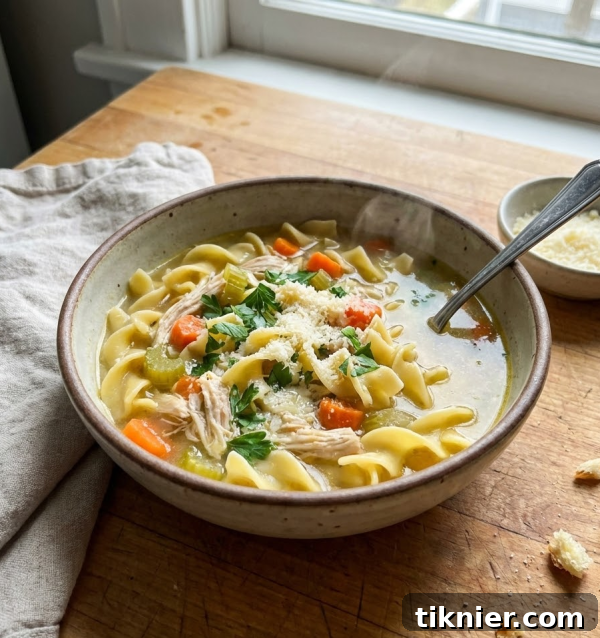
Description: An effortlessly easy yet elegantly crafted rotisserie chicken soup featuring a rich, savory broth that’s secretly infused with dry white wine and a Parmesan rind for an unparalleled flavor boost. This is the perfect comforting, gourmet-level meal for any night of the week.
Yield: 8 generous servings | Category: Soup | Cuisine: American Comfort
Prep Time: 15 minutes | Cook Time: 45 minutes
Ingredients
- 1 tablespoon olive oil
- 1 large yellow onion, finely chopped
- 2 large carrots, peeled and sliced
- 2 celery stalks, finely chopped
- 2 cloves garlic, freshly minced
- 1/2 cup dry white wine (e.g., Sauvignon Blanc, Pinot Grigio)
- 8 cups low-sodium chicken broth
- 1 (2 to 3-inch) Parmesan cheese rind
- 1 bay leaf
- 1 teaspoon dried thyme
- Salt and freshly ground black pepper to taste
- 3 cups shredded meat from one rotisserie chicken
- 1 ½ cups wide egg noodles
- 1/4 cup fresh parsley, finely chopped
- Freshly grated Parmesan cheese, for serving
Instructions
- Sauté Vegetables: Heat olive oil in a large, heavy-bottomed pot or Dutch oven over medium heat. Add chopped onion, carrots, and celery; cook, stirring occasionally, until softened and onions are translucent, about 8-10 minutes. Stir in minced garlic and cook for 1 minute more until fragrant.
- Deglaze with Wine: Pour in the white wine to deglaze the pot, vigorously scraping up any browned bits from the bottom with a wooden spoon. Simmer until the wine has reduced by about half, approximately 3-5 minutes.
- Simmer Broth: Add chicken broth, the Parmesan rind, bay leaf, and dried thyme. Season with a pinch of salt and freshly ground black pepper. Bring the liquid to a boil, then immediately reduce the heat to low, cover the pot, and let it simmer gently for at least 20 minutes to allow flavors to fully meld.
- Remove Infusers: Carefully remove and discard the softened Parmesan rind and the bay leaf using tongs.
- Add Chicken & Noodles: Turn the heat up to medium. Stir in the shredded rotisserie chicken and the uncooked wide egg noodles. Cook for about 5-7 minutes, or until the noodles are perfectly tender (al dente).
- Finish & Serve: Turn off the heat and stir in the fresh parsley. Taste the soup and adjust seasoning with more salt and pepper if needed. Ladle hot soup into bowls and serve immediately, garnished generously with freshly grated Parmesan cheese.
Notes
For the optimal noodle texture in leftovers, it is highly recommended to cook the egg noodles separately and add them to individual bowls just before serving. Store any remaining soup (without noodles, if cooked separately) in an airtight container in the refrigerator for up to 4 days. This soup also freezes beautifully without the noodles for up to 3 months.
Servings: 8 | Calories: 295kcal | Fat: 10g | Carbohydrates: 22g | Protein: 28g
5 Essential FAQs About Rotisserie Chicken Soup
Here are clear, concise, and incredibly helpful answers to the most frequently asked questions I receive about this particular rotisserie chicken soup recipe. My hope is that these insightful tips will empower you to create the most perfect, flavorful pot of soup every single time you venture into your kitchen, addressing common concerns and enhancing your culinary confidence.
How can I prevent my noodles from getting mushy in rotisserie chicken soup?
This is undeniably one of the most common and crucial questions I encounter regarding any noodle soup, and it’s an excellent one! Absolutely nobody desires mushy, overcooked noodles that detract from the soup’s texture. The primary reason noodles tend to become overly soft is their continuous absorption of the hot broth, long after the cooking process has theoretically concluded. Fortunately, there are two simple yet highly effective methods to successfully prevent this from happening and ensure perfectly textured noodles every time.
The first, and arguably most effective, method is to cook the noodles entirely separately. Simply bring a separate pot of salted water to a rolling boil and cook your egg noodles according to the package directions until they are perfectly al dente. Drain them thoroughly and then add a small, fresh portion of these noodles to each individual bowl immediately before you ladle in the hot soup. This technique guarantees perfectly cooked noodles with the ideal bite in every serving. When storing leftovers, it is paramount to keep any remaining cooked noodles and the soup in separate airtight containers within the refrigerator. This is my preferred strategy, especially if I know I’m preparing a large batch with the intention of having multiple delicious leftover meals.
The second method, if you truly prefer the convenience of a one-pot meal, is to be meticulously mindful of the cooking time. Add the noodles to the main pot at the very end of the soup’s cooking process and cook them only until they are just al dente, meaning they still possess a slight, pleasant bite to them. They will inevitably continue to cook a little further from the residual heat of the hot broth even after you turn off the burner. While noodles will inevitably soften somewhat upon reheating if they were cooked directly in the soup, starting them at an al dente stage makes a significant difference in their final texture.
Can this delightful rotisserie chicken soup be made using a slow cooker?
Absolutely! This recipe adapts beautifully and seamlessly to the slow cooker, rendering it even more convenient and ideal for busy days. To achieve this, begin by performing the initial sautéing of the onion, carrots, celery, and garlic in a skillet on your stovetop, precisely as directed in the first step of the recipe. This preliminary step is absolutely crucial for developing the rich, foundational flavors that you definitively do not want to skip. After sautéing, deglaze the pan with the dry white wine as instructed, then meticulously transfer the entire aromatic mixture into your slow cooker.
Next, add the chicken broth, the Parmesan rind, the bay leaf, the dried thyme, and season with salt and pepper to the slow cooker. Stir everything together gently to combine all the ingredients. Cover the slow cooker securely and cook on the low setting for a generous 4 to 6 hours, or on the high setting for 2 to 3 hours, depending on your schedule. Approximately 20 to 30 minutes before you are ready to serve, carefully remove and discard the Parmesan rind and the bay leaf. Stir in the shredded rotisserie chicken and the uncooked egg noodles. If not already on high, turn the slow cooker to its high setting, re-cover, and continue to cook until the noodles are perfectly tender. Finally, gently stir in the fresh parsley just before serving. It’s an absolutely fantastic and effortless way to have a simmering pot of incredibly flavorful, comforting soup waiting for you at the end of a long, demanding day.
What is the most effective way to shred a rotisserie chicken for soup?
Shredding a rotisserie chicken is significantly easier and far more efficient when the chicken is still warm, but not so intensely hot that it’s uncomfortable to handle directly. The tender meat tends to pull away from the bones much more effortlessly when it’s warm and pliable. Begin by carefully placing the entire rotisserie chicken on a large, sturdy cutting board. I personally find it easiest to first remove the legs, thighs, and wings, setting them aside. Subsequently, you can then easily pull the succulent breast meat away from the main carcass, typically in large, manageable pieces.
Once you have separated the larger pieces of meat, you can proceed to shred it using two forks, pulling the meat apart against each other, or simply use your clean hands. I personally find using my hands to be not only faster but also significantly more effective, as it allows you to tactilely feel for and efficiently discard any small bones, cartilage, or undesirable excess skin that might be present. Your aim should be to create bite-sized shreds of chicken, perfect for a soup. Don’t forget to meticulously pick all the delicious, incredibly tender meat from the often-overlooked back and thigh areas; you can extract a surprisingly generous amount of usable meat from just one rotisserie chicken. And here’s a highly valuable pro tip: absolutely do not discard that flavorful carcass! You can place it in a large pot with some basic vegetable scraps (like onion skins, carrot ends, celery tops), cover it generously with water, and simmer it gently for a couple of hours to effortlessly make a simple, incredibly flavorful homemade chicken stock for your very next batch of soup, maximizing every bit of your purchase.
Can I effectively use leftover roasted chicken as a substitute for a rotisserie chicken?
Yes, absolutely, and it’s a brilliant idea! This soup recipe is an absolutely perfect and delicious way to thoughtfully utilize any kind of leftover cooked chicken you might have on hand. If you happen to have leftover meat from a whole roasted chicken you prepared at home, it will work wonderfully and integrate seamlessly into this recipe, contributing its own unique roasted flavor. The key requirement is to have approximately 3 cups of shredded or finely cubed cooked chicken available. This is a fantastic and incredibly resourceful way to give last night’s dinner a delicious new life, transforming it into something fresh and exciting, while simultaneously helping to significantly reduce any potential food waste in your kitchen.
The preparation process remains exactly the same. You will meticulously build the robust flavor base of your soup by sautéing the vegetables, deglazing with wine, and simmering the broth, and then you will simply add your shredded leftover chicken at the very end of the cooking process, along with the noodles. You only need to cook it long enough to ensure it is thoroughly heated through. Since your roasted chicken is likely already seasoned, you might want to taste the soup before adding the full amount of salt suggested in the recipe and then adjust the seasoning accordingly to prevent over-salting. This recipe, at its heart, is all about creating a delicious, comforting meal with the ingredients you readily have on hand, so using leftover roasted chicken is an absolutely perfect and resourceful fit.
Why should I bother adding a Parmesan rind to my rotisserie chicken soup?
Adding a Parmesan rind is truly my ultimate secret weapon for crafting a soup broth with an incredible, unparalleled depth and complexity of flavor. It’s a wonderfully thrifty and ingenious trick widely employed in traditional Italian cooking, designed to extract every single last bit of goodness and essence from a wedge of aged cheese. The rind itself is essentially just compressed, highly aged cheese, and it is absolutely packed with incredibly concentrated salty and nutty flavors. It is, in fact, completely edible, although it doesn’t typically melt all the way and fully integrate into the soup’s liquid; instead, it softens and infuses.
As the Parmesan rind gently simmers in the broth, it slowly and steadily releases its profound savory, umami compounds. Umami is often aptly described as the “fifth taste,” a deep, satisfying, meaty, and savory flavor that makes food inherently more satisfying, complex, and utterly delicious. The rind masterfully imparts this exquisite quality to the broth, making it taste significantly richer, more robust, and far more complex, as if it had been simmering for many, many hours with a full chicken carcass. It works diligently in the background, so your soup won’t overtly taste like cheese; rather, it will possess a wonderful, almost unidentifiable richness and a deep, savory undertone that makes it truly special and memorable. Just remember to carefully fish it out and discard it before you serve your magnificent creation!
Explore More Delicious Recipes Next
If you thoroughly enjoyed the comforting, straightforward goodness and elevated flavor profile of this rotisserie chicken soup, I am absolutely confident that you will equally delight in some of my other cherished and frequently requested soup recipes. Each one offers its own unique brand of comfort and flavor, designed to bring warmth and satisfaction to your table.
- Easy Chicken Soup Recipe: This is a delightful return to basics, a timeless classic chicken soup that serves as the perfect remedy for when you’re feeling under the weather or simply crave a simple, healing, and deeply comforting bowl of nourishment. It’s pure, unadulterated goodness.
- Roasted Jalapeno Chicken Chowder: For those who appreciate a culinary adventure with a delightful kick, this rich and creamy chowder offers a wonderful, smoky heat derived from perfectly roasted jalapenos, adding a vibrant and exciting dimension to your soup experience.
- Creamy Chicken and Wild Rice Soup (Crockpot Style): A truly hearty, sumptuously creamy, and wonderfully textured soup that allows the magic of your slow cooker to do all the hard work. This recipe delivers maximum flavor with minimal effort, making it ideal for busy days when you still crave a homemade meal.
Each of these recipes is a beloved staple in my personal kitchen, tried and true, and I sincerely hope that they will quickly become cherished favorites in yours as well, enriching your mealtime repertoire with delicious and comforting options!