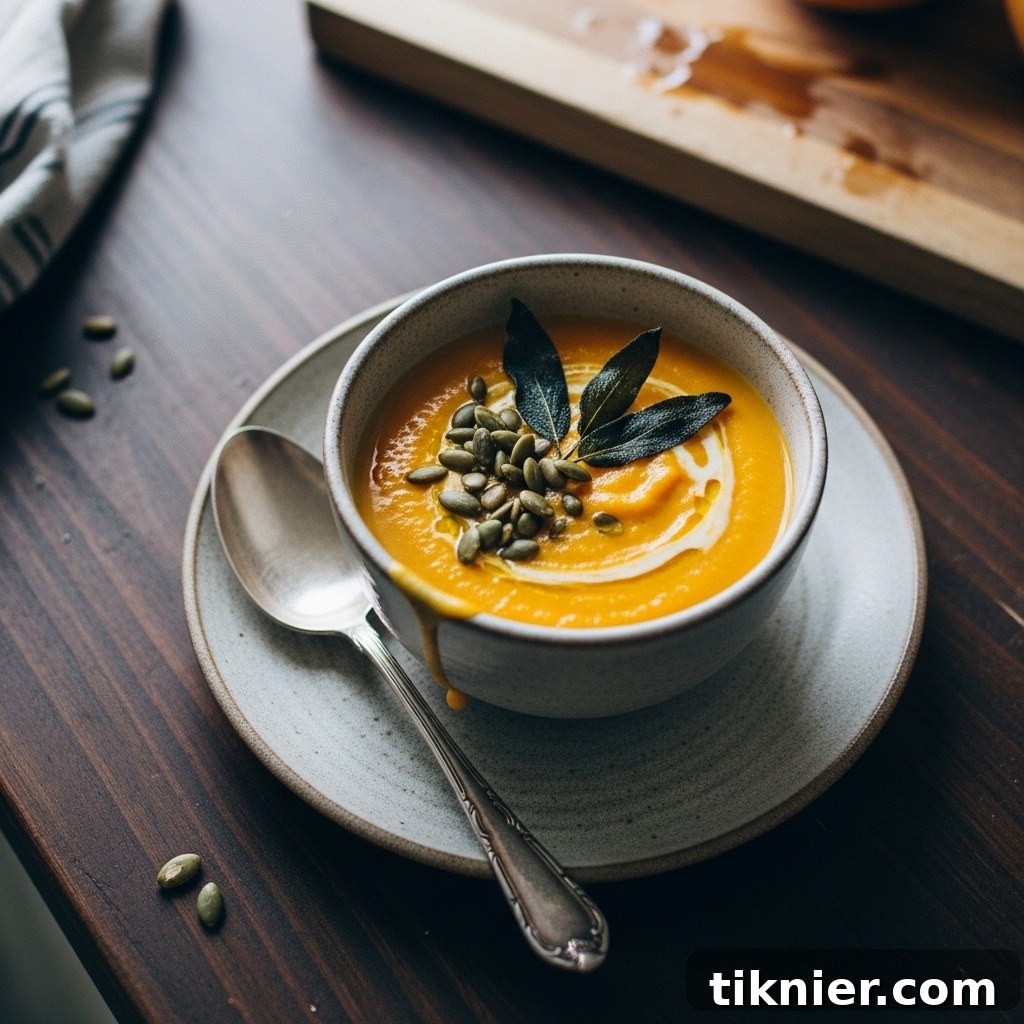
There are certain flavors that instantly transport you to a specific time of year, evoking memories and comforting feelings. For me, the rich, earthy sweetness of butternut squash is the quintessential taste of autumn. It conjures images of crisp air, changing leaves, and cozy evenings by the fire. I still vividly recall the first time I tasted a truly extraordinary version of this beloved seasonal delight. My husband and I were enjoying a spontaneous weekend getaway to the charming city of Asheville. We stumbled upon a quaint, unassuming restaurant nestled on a quiet side street. The evening was delightfully chilly, and the daily special was a butternut squash soup. I ordered it without much expectation, but what arrived at our table was nothing short of culinary liquid gold. It was incredibly creamy, deeply rich, and possessed an astonishing depth of flavor that I simply couldn’t quite identify. It wasn’t merely sweet squash; it was something profoundly more complex and utterly captivating.
I spent the remainder of that enchanting meal trying to unravel the secret behind that unforgettable soup. Upon returning home, I became a woman on a passionate mission. I embarked on a culinary quest, meticulously testing batch after batch. I experimented with roasting the squash to achieve that deep, irresistible caramelized sweetness, and I introduced a tart apple to provide a much-needed balance to the overall flavor profile. While my early attempts were certainly good, they still lacked that elusive savory note, that certain ‘je ne sais quoi’ that had made the restaurant’s soup so magical. Then, a moment of inspiration struck. I remembered a tub of white miso paste tucked away in my refrigerator, left over from an entirely different recipe. On a whim, I decided to whisk a small amount into my latest batch of soup. That was it. That was the missing link, the undeniable magic. The miso paste imparted a subtle yet profound savory, umami depth that made the entire soup sing, elevating every other ingredient without ever overtly announcing, “this tastes like miso.”
This culinary breakthrough transformed my kitchen, and this recipe has since become my absolute go-to, the one that reliably fills my entire home with the most enchanting aromas of an autumn dream. This Vegan Roasted Butternut Squash Soup embodies everything you could possibly desire on a cool, crisp day. And that ingenious little twist of white miso paste doesn’t just make it special; it makes it a recipe you’ll be genuinely proud to share with friends and family, earning you rave reviews and requests for the secret ingredient.
Skip to My Special Recipe!
Unlocking the Magic: Why This Vegan Roasted Butternut Squash Soup Recipe Reigns Supreme
Butternut squash soup is far more than just a dish; it’s a timeless culinary classic for a multitude of compelling reasons. It delivers unparalleled comfort, essential nourishment, and effortlessly captures the very essence of the bountiful harvest season. For countless generations, cooks around the world have transformed this beautiful, versatile gourd into velvety, soul-warming soups. The fundamental concept is elegantly simple and universally beloved, which explains its unwavering status as a staple on fall and winter menus in homes and restaurants alike. Its inherent natural sweetness and sumptuously velvety texture make it an instant crowd-pleaser, and it serves as a magnificent, adaptable canvas for a diverse palette of flavors, ranging from warm, inviting spices to robust, savory herbs.
The foremost key to elevating this recipe from merely good to truly exceptional lies in the strategic act of roasting the vegetables. While simply boiling all the ingredients might seem quicker, it would mean missing out on an entire universe of profound flavor. Roasting the butternut squash, onion, apple, and garlic at a high temperature initiates a magical process known as caramelization, where their natural sugars transform. This process is absolutely vital, as it creates a deep, complex, and distinctively sweet-savory flavor profile that is utterly unattainable through simmering alone. It’s a remarkably simple, yet profoundly impactful step that single-handedly transforms the soup from a pleasant meal into an unforgettable culinary experience.
But the true secret, the extraordinary element that propels this Vegan Roasted Butternut Squash Soup into a league entirely of its own, is the thoughtful inclusion of white miso paste. Miso, a revered traditional Japanese seasoning crafted through the fermentation of soybeans, brings an unparalleled profound savory depth, famously known as umami, to any dish it graces. In the context of this particular soup, the miso doesn’t impose a distinctly Japanese flavor. Instead, it operates subtly in the background, a silent maestro balancing the inherent sweetness of the squash and apple while simultaneously infusing a rich, complex flavor that will leave your guests (and yourself!) pondering what that delicious, mysterious ingredient could possibly be. When harmoniously combined with the creamy, luxuriously dairy-free richness of full-fat coconut milk, this soup achieves a sumptuous texture and a perfectly balanced taste that will undoubtedly have everyone eagerly requesting your secret recipe.
Beyond Delicious: The Health Benefits of This Cozy Vegan Soup
Beyond its irresistible taste and comforting warmth, this Vegan Roasted Butternut Squash Soup is also a powerhouse of nutrition, making it a truly wholesome choice for any meal. Butternut squash itself is loaded with essential vitamins, particularly Vitamin A (in the form of beta-carotene, an antioxidant that supports vision and immune function) and Vitamin C. It’s also a good source of dietary fiber, promoting healthy digestion and satiety. The apple adds even more fiber and beneficial antioxidants.
The inclusion of white miso paste not only boosts flavor but also brings fermented food benefits. Miso is a probiotic-rich ingredient that can contribute to gut health and support a balanced digestive system. Furthermore, it adds a dose of essential minerals. Full-fat coconut milk, while creamy, provides healthy medium-chain triglycerides (MCTs), which are easily digestible and can offer a quick source of energy. Opting for a vegan and dairy-free soup means it’s naturally lactose-free and often lower in saturated fats compared to traditional cream-based soups, without compromising on that coveted creamy texture. This soup is a testament to how incredibly delicious and satisfying healthy eating can be.
The Heart of the Harvest: Essential Ingredients for Your Vegan Roasted Butternut Squash Soup
The inherent beauty of this exceptional soup lies in its foundation of simple, wholesome, and readily available ingredients. Each component plays a uniquely crucial role in meticulously building the final, spectacular symphony of flavor. While the ingredient list itself may not be extensive, making the conscious choice to select high-quality components will yield a noticeably superior difference in the ultimate product. Let’s embark on a detailed exploration of precisely what you’ll need to create this culinary masterpiece.
Here is the complete list of ingredients for my special soup, designed to bring out the best in every spoonful:
- 1 large butternut squash (approximately 3 lbs), meticulously peeled, carefully seeded, and precisely cut into 1-inch cubes. Selecting a good squash is key to the soup’s sweetness and texture.
- 1 large yellow onion, roughly chopped. The onion caramelizes beautifully, adding a foundational sweetness and savory depth.
- 1 tart apple (such as Granny Smith), cored and roughly chopped. Its acidity is crucial for balancing the richness and sweetness.
- 4 cloves garlic, generously smashed. Garlic adds a pungent, aromatic base that complements all other flavors.
- 2 tbsp olive oil. Essential for roasting, it helps caramelize the vegetables and adds a fruity note.
- 1 tsp salt, plus additional to taste. Salt enhances all flavors; adjust according to your preference.
- ½ tsp black pepper. Freshly ground pepper offers a subtle warmth and aroma.
- 4-5 fresh sage leaves. These will crisp up during roasting and provide an aromatic, earthy garnish.
- 4 cups high-quality vegetable broth. A flavorful broth forms the liquid base of the soup; choose one you enjoy.
- 1 (13.5 oz) can full-fat coconut milk. This is paramount for achieving the luxurious, velvety creaminess without dairy.
- 2 tbsp white miso paste. The secret ingredient! It provides profound umami and savory depth without a strong “miso” flavor.
- 1 tbsp apple cider vinegar. Added at the end, it brightens the flavors and provides a crucial touch of acidity.
- Toasted pepitas (pumpkin seeds) and extra sage for garnish (optional). These add a delightful crunch and visual appeal.
The undisputed star of our culinary show is, without question, the butternut squash. When selecting yours, seek out a squash that feels remarkably heavy for its size, indicating a dense flesh, and boasts a smooth, uniformly colored rind, completely free of any soft spots or blemishes. For the crucial apple component, a Granny Smith variety remains my unequivocal top choice. Its distinct, bright tartness is absolutely essential for deftly cutting through the inherent richness and natural sweetness of both the squash and the coconut milk. Opting for a sweeter apple variety can inadvertently render the soup a little too one-note and cloying, losing that vital balance.
When it comes to achieving that sublime, dairy-free creaminess, utilizing full-fat coconut milk directly from a can is an absolute non-negotiable. The thinner, often watered-down versions found in cartons are simply too dilute and will unequivocally fail to impart that luxurious, velvety texture we are so eagerly aiming for. Now, for our true secret weapon: white miso paste. Also affectionately known as shiro miso, this is the mildest and sweetest variety of miso available, making it perfect for subtly enhancing flavors without overpowering them. You can typically locate it nestled in the refrigerated section of most well-stocked grocery stores, often conveniently situated near the tofu products. It is the key to adding that indescribably savory depth, that profound umami, that genuinely elevates this soup to something truly extraordinary. Finally, a truly good vegetable broth will serve as the flavorful bedrock of our soup, so make sure to select one whose taste you genuinely appreciate and enjoy, as it will significantly impact the overall flavor profile.
Crafting Perfection: Step-by-Step Instructions For Making Your Vegan Roasted Butternut Squash Soup
Embarking on the creation of this soup is a truly delightful and rewarding culinary process, one that will inevitably fill your kitchen with the most enchanting and amazing aromas, signaling the arrival of autumn. We will commence by meticulously roasting our primary ingredients, a fundamental step designed to build an incredibly deep and complex flavor base. Subsequently, we will bring all these harmonizing elements together on the stovetop, culminating in a pot of pure comfort. There is absolutely no need to feel intimidated; each step is thoughtfully designed to be simple, straightforward, and easily achievable. Just follow these detailed instructions diligently, and you will soon be rewarded with a perfect, steaming pot of this exquisite soup in remarkably short order.
Step 1: Prepare and Roast Your Flavor Foundation (The Vegetables)
To begin, preheat your oven to a robust 400°F (200°C). While your oven diligently heats to the perfect temperature, arrange your prepared butternut squash cubes, roughly chopped onion, tart apple pieces, and smashed garlic cloves onto a generously sized baking sheet. It is absolutely crucial to utilize a baking sheet large enough to allow all the vegetables to spread out in a single, uncrowded layer. If they are piled on top of each other, they will unfortunately steam rather than properly roast, and you will tragically miss out on that coveted, flavor-intensifying caramelization. Drizzle everything generously with high-quality olive oil, ensuring every piece gets a good coating, and then liberally sprinkle with salt and freshly ground black pepper. Use your clean hands to toss it all together with care, making certain that every single piece of vegetable is lightly and evenly coated with the oil and seasonings.
Step 2: Achieve Crispy Sage and Perfect Roasting
Just before you slide the baking pan into the preheated oven, locate a small, empty corner on your baking sheet and delicately lay the fresh sage leaves flat, ensuring they don’t overlap. These leaves will undergo a magical transformation, becoming wonderfully crispy and incredibly fragrant as the main vegetables roast, thereby creating a perfect, aromatic garnish for your finished soup. Roast all the vegetables and sage for an optimal duration of 25 to 30 minutes. You will definitively know they are perfectly done when the butternut squash is easily fork-tender and you observe lovely, caramelized browned edges forming on the vegetables. Once the baking sheet is carefully removed from the oven, gently pick off the now crispy sage leaves and set them aside to be used as a final flourish.
Step 3: Simmer to Meld Flavors
With utmost care, transfer all the beautifully roasted ingredients directly from the baking sheet into a large, sturdy pot or a Dutch oven positioned securely on your stovetop. Pour in the precisely measured four cups of high-quality vegetable broth. Bring this delightful mixture to a gentle simmer over medium-high heat. Once simmering, promptly reduce the heat to low, securely pop the lid onto the pot, and allow it to gently simmer for approximately 10 minutes. This vital step is designed to encourage all those delicious, deeply developed roasted flavors to meld together harmoniously and beautifully, creating a unified and rich taste profile.
Step 4: Blend Until Velvety Smooth Perfection
This is precisely where the true magic of texture happens, transforming rustic roasted vegetables into a luxurious, creamy soup. You have two excellent options here: you can either employ an immersion blender directly in the pot, which is my preferred method for its unparalleled ease of cleanup and efficiency, or you can meticulously transfer the soup in carefully managed batches to a high-speed standing blender. If you opt for a standing blender, exercise extreme caution. Hot liquids expand significantly, so only fill the blender pitcher about halfway to prevent overflows. Crucially, remove the small cap from the lid of the blender, and then cover the opening with a folded kitchen towel. This intelligent precaution allows steam to escape safely while blending, preventing a dangerous pressure buildup. Blend until the soup is absolutely and completely smooth, achieving a truly velvety, luscious texture with no visible chunks.
Step 5: Introduce the Creamy Coconut Milk
Once the soup has been perfectly blended, return it to the pot, placing it over very low heat. Carefully pour in the entire can of full-fat coconut milk and stir it gently yet thoroughly until it is completely and seamlessly incorporated into the soup. It is of paramount importance to maintain the heat at a low setting during this stage. Your objective is simply to warm the soup through; absolutely do not allow the soup to boil after the coconut milk has been added, as this can unfortunately cause the coconut milk to separate, curdle, or diminish its desirable creamy consistency.
Step 6: Master the Miso Incorporation
To meticulously avoid any undesirable clumps of miso paste forming in your exquisitely finished soup, we will first perform a crucial tempering step. Ladle approximately half a cup of the warm soup into a small, separate bowl. Add the two full tablespoons of white miso paste to this bowl and whisk the mixture vigorously and continuously until the miso paste is completely dissolved, forming a perfectly smooth, uniform slurry. Once achieved, pour this smooth miso mixture back into the main pot of soup and stir exceptionally well to thoroughly combine. This simple yet highly effective trick ensures that the unique, savory miso flavor is perfectly and evenly distributed throughout the entirety of the soup, enhancing every spoonful.
Step 7: The Final Flourish: Vinegar and Seasoning Adjustment
With the pot now carefully removed from the heat, stir in one full tablespoon of apple cider vinegar. This small addition of acid at the very end of the cooking process is absolutely crucial. It acts as a brilliant brightener, awakening and enhancing all the rich, savory, and sweet flavors that have been painstakingly developed, making the entire soup taste significantly more vibrant, balanced, and utterly irresistible. Now is the opportune moment to perform a final taste test. Adjust the seasoning with additional salt and freshly ground black pepper until it is perfectly seasoned to your exact liking, achieving that ideal balance of flavors.
Step 8: Garnish and Savor Your Creation
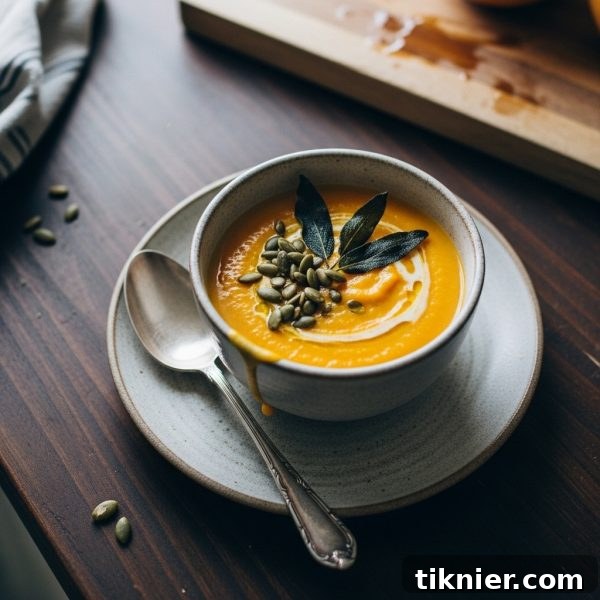
Your magnificent, golden-hued soup is now perfectly ready to be savored. Ladle it generously into warm bowls to maintain its optimal temperature. For a delightful contrast in texture and a beautiful visual appeal, garnish each serving with a sprinkle of toasted pepitas (pumpkin seeds) for a pleasant crunch, and lovingly crumble those crispy sage leaves you carefully saved over the top. Now, all that remains is the blissful task of enjoying every single, comforting spoonful of your homemade masterpiece. Consider serving it with a warm crusty bread for a truly satisfying meal.
Elevating the Experience: How To Serve Vegan Roasted Butternut Squash Soup
Serving this magnificent soup is almost as gratifying and enjoyable as the process of making it. A thoughtfully chosen and beautifully presented garnish can effortlessly transform a seemingly simple bowl of soup into an elegant first course or a truly memorable and special meal. The deep, inviting orange color of the soup provides a perfect, vibrant backdrop for a diverse array of toppings that not only add crucial texture and layers of flavor but also significantly enhance its visual appeal. It’s an exceptionally versatile dish, perfectly suited for a cozy weeknight family dinner, yet simultaneously sophisticated enough to grace the table at a festive holiday gathering or an intimate dinner party.
The fundamental principle for exceptional serving lies in considering contrast. The soup itself is inherently smooth, creamy, and rich, so introducing an element with a contrasting crunch, a burst of fresh flavor, or a vibrant color is invariably an excellent idea. You have the flexibility to keep your garnishes understated and simple or to unleash your creativity and go as elaborate as your imagination allows. This soup makes a fantastic, warming starter for any fall-themed feast, or it can confidently take center stage as the main event when served in a larger, more generous bowl, perhaps accompanied by some hearty, crusty bread on the side for dipping.
Here are a few of my most cherished and favorite ways to serve up this delectable soup, guaranteed to impress:
- A Touch of Coconut Cream Elegance: For an extra layer of luxurious presentation and a hint more richness, before serving, carefully reserve a few tablespoons of the thick, solidified cream that often rises to the top of your can of full-fat coconut milk. After carefully ladling the hot soup into individual bowls, artistically drizzle a little of this reserved coconut cream on top. Then, with a gentle touch, use a toothpick or the tip of a spoon to create an elegant, swirling pattern, transforming your soup into a visual delight.
- Dynamic Crunch and Texture Additions: The toasted pepitas (pumpkin seeds) mentioned explicitly in the recipe are a classic for a reason – their nutty flavor and satisfying crunch provide the perfect textural counterpoint to the smooth soup. However, feel free to explore other delightful options. You could try perfectly toasted pecans, homemade artisanal croutons (perhaps seasoned with herbs), or even some crispy fried onions for an additional layer of savory depth and crunch.
- Freshness and Herbaceous Brightness: Beyond the delightful crispy sage, a light sprinkle of freshly chopped parsley or delicate chives can introduce a vibrant touch of fresh, green flavor. This herbaceous burst acts as a refreshing counterpoint, brightening up the rich and warm notes of the soup beautifully.
- A Hint of Zesty Spice: For those who appreciate a gentle kick or a bolder heat, a delicate drizzle of high-quality chili oil or a few flakes of fiery red pepper scattered on top can serve as a truly delicious and exciting counterpoint to the soup’s natural sweetness, adding an intriguing layer of complexity.
- Perfect Pairing with Sides: To transform this comforting soup into a truly complete and satisfying meal, consider serving it alongside carefully chosen accompaniments. A crusty baguette, ideal for soaking up every last drop, is a timeless choice. A robust vegan grilled cheese sandwich makes for a hearty partner, or for a lighter option, a simple, crisp arugula salad dressed with a bright lemon vinaigrette provides a refreshing contrast.
Regardless of how you ultimately choose to serve it, a crucial, often overlooked detail is to ensure your serving bowls are warmed. This small but significant step helps to maintain the soup at its perfect, piping hot temperature for a longer duration, thereby making the entire dining experience that much more cozy, comforting, and utterly enjoyable.
Smart Storage and Creative Reimagining: How To Store & Reuse Vegan Roasted Butternut Squash Soup Leftovers
One of the truly wonderful and practical aspects of this particular soup is that it often tastes even more delicious, if not significantly better, on the day after it’s made. The flavors are granted additional precious time to intermingle, deepen, and fully mature, transforming leftovers into something genuinely anticipated and eagerly looked forward to. Implementing proper storage techniques is absolutely critical to preserving its freshness and delicious taste for the longest possible duration. Whether your intention is to save a portion for a quick lunch tomorrow or to meticulously stock your freezer for a future busy day or an unexpected occasion, this robust soup gracefully handles all storage scenarios with remarkable resilience and flavor retention.
This recipe is designed to yield a generous batch, so unless you are specifically feeding a substantial crowd, you will almost certainly find yourself with some delightful leftovers. I often intentionally prepare a double batch specifically for this very reason. Having a container of this golden, comforting soup readily available in the refrigerator or neatly portioned in the freezer genuinely feels like a thoughtful gift to my future self, offering a delicious, stress-free meal option on a particularly hectic day. Reheating is an incredibly simple process, and for those inclined to culinary experimentation, there are even a few wonderfully creative ways to repurpose it, should you desire to venture beyond the traditional soup format.
Here’s absolutely everything you need to know about effectively storing and thoroughly enjoying your precious leftovers:
- Optimal Refrigerator Storage: Ensure the soup has cooled down completely to room temperature before carefully transferring it to an airtight container. Stored properly, it will maintain its excellent quality and freshness in the refrigerator for a respectable duration of up to 4 or 5 days. When you are ready to indulge once more, gently reheat it in a saucepan over medium-low heat, stirring occasionally to ensure even warming, until it is thoroughly heated through. Crucially, avoid bringing it to a rolling boil during reheating. For individual portions, a microwave can also be used effectively, stirring halfway through heating.
- Long-Term Freezer Storage: This particular soup excels in the freezer, making it an ideal candidate for meal prepping. Once it has completely cooled, meticulously pour it into robust freezer-safe containers or heavy-duty freezer bags. Be sure to leave approximately an inch of headspace at the top of the container or bag to accommodate for any expansion that naturally occurs during freezing. It will retain its peak quality and delicious flavor for an impressive period of up to 3 months in the freezer. To serve after freezing, the most advisable method is to allow it to thaw overnight in the refrigerator before gently reheating it on the stovetop. If time is of the essence, you can also reheat it directly from its frozen state over very low heat, stirring frequently to prevent scorching and ensure even thawing.
- Innovative Ways to Repurpose Leftovers: Don’t confine your thinking to just “soup”! Leftover Vegan Roasted Butternut Squash Soup can be wonderfully reimagined into a fantastic, creamy sauce for pasta. Simply toss it generously with your favorite noodles and perhaps some sautéed leafy greens for a quick, wholesome meal. It can also serve as an incredibly flavorful and unique base for a creamy risotto, lending a subtle sweetness and depth. Alternatively, try pouring it generously over roasted seasonal vegetables or a fluffy baked potato for a distinctly flavorful, saucy, and comforting topping that elevates simple ingredients.
By diligently adhering to these correct storage practices, you can extend the enjoyment of the comforting and complex flavors of this Vegan Roasted Butternut Squash Soup far beyond your initial preparation. It is truly the perfect recipe for efficient meal prepping, enabling you to savor delicious, homemade, and nourishing meals throughout the entire week, effortlessly.
Tailoring Your Taste: Substitutions & Variations For Vegan Roasted Butternut Squash Soup
While I wholeheartedly believe this particular recipe is quite perfect in its original form, I completely understand that sometimes culinary creativity calls for adaptation. Perhaps you need to work with the ingredients you happen to have on hand in your pantry, or maybe you simply feel an urge to experiment and discover new flavor combinations. That, after all, is a significant part of the joy and adventure of home cooking! This Vegan Roasted Butternut Squash Soup is remarkably forgiving and wonderfully adaptable, offering ample room for personalization. So, please feel absolutely free to make it uniquely your own. Whether you are navigating specific dietary restrictions, catering to individual preferences, or simply seeking to explore a novel flavor profile, here are some inspiring ideas to help you embark on your culinary journey.
It’s important to remember that making ingredient changes can, of course, subtly alter the final taste and texture of the soup, but this often leads to a delightful and unexpected new discovery. Embrace the process of experimentation! Don’t hesitate to playfully adjust spices, introduce different herbs, or even swap out the main vegetables. The core methodology of roasting, simmering, and then blending will remain effective and provide a solid, reliable foundation for a wide variety of ingredients, serving as a robust springboard for your boundless culinary creativity. This flexibility makes the recipe a joy to revisit time and again, always offering something new.
Here are some meticulously tried-and-true substitutions and exciting variations to inspire your next batch:
- Exploring Different Winter Squash Varieties: If a butternut squash isn’t readily available or you simply wish to try something new, you can effortlessly substitute it with another type of winter squash. Kabocha squash, which conveniently doesn’t require peeling (a major time-saver!), acorn squash, or even sweet potatoes would all perform beautifully as alternatives. Each will impart a slightly different, yet equally delicious, nuanced flavor to the soup, allowing for a delightful exploration of tastes.
- Infusing Aromatic Spices: Feel absolutely free to enhance the soup’s warmth and complexity by adding various warm spices along with the initial salt and pepper before the roasting stage. A half-teaspoon of aromatic curry powder can introduce an exotic depth, a delicate pinch of freshly grated nutmeg offers a subtle sweet warmth, or a dash of earthy cinnamon can create a wonderfully comforting aroma. For those who appreciate a gentle heat, a tiny amount of cayenne pepper or a small pinch of red pepper flakes can introduce a pleasant, invigorating kick, awakening the palate.
- Creative Herb Swaps: If fresh sage isn’t your preferred herb, or if you simply wish to experiment, fresh thyme or fragrant rosemary would serve as truly wonderful substitutes. You can easily roast a few sprigs of these herbs along with the vegetables to beautifully infuse their distinct flavors into the soup, adding another layer of aromatic complexity.
- Dairy-Free Cream Alternatives (Beyond Coconut Milk): If you’re not particularly fond of coconut milk, have an allergy, or simply don’t have any on hand, you can still achieve a remarkably similar, rich creaminess. A fantastic alternative is to blend in about a cup of pre-soaked raw cashews with the soup. To prepare cashew cream, soak raw cashews in hot water for at least 30 minutes, then drain and blend them with a cup of fresh water until impeccably smooth. This cashew cream provides a wonderfully rich, neutral-flavored creaminess that serves as an outstanding dairy-free option. Another lighter alternative could be unsweetened oat milk, though it will yield a less decadent result.
- Miso Alternatives for Umami: The white miso paste is truly exceptional and plays a unique role here. However, if you absolutely cannot source it, you can still infuse a degree of umami flavor. Try adding a tablespoon of tamari or a high-quality soy sauce at the very end of cooking. While it won’t replicate the subtle, complex depth of miso precisely, it will certainly help to introduce some savory notes and a touch of that elusive umami. Remember to taste and adjust the amount of salt if using these substitutes.
Remember, experimenting with ingredients and techniques is an integral and joyous part of home cooking. Use this carefully crafted recipe as a foundational starting point and allow your taste buds to guide your culinary explorations. You might just discover and create your very own, unique signature version of this cherished fall classic, a dish that truly reflects your personal culinary style and preferences.
My Special Vegan Roasted Butternut Squash Soup
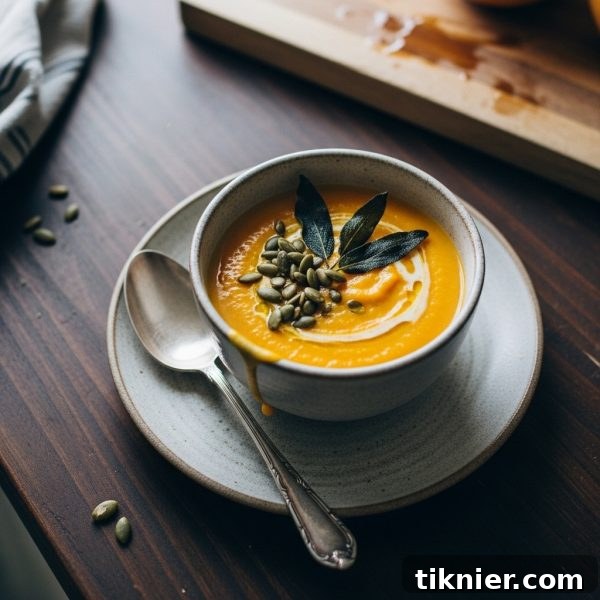
Description: A velvety, rich, and deeply flavorful vegan soup made by roasting butternut squash, apple, and aromatics. A secret ingredient, white miso, adds an incredible savory depth that makes this classic soup unforgettable. Perfect for a cozy autumn meal.
Yield: 6-8 servings | Category: Soup | Cuisine: American
Prep Time: 15 minutes | Cook Time: 45 minutes
Ingredients
- 1 large butternut squash (approx. 3 lbs), peeled, seeded, and cut into 1-inch cubes
- 1 large yellow onion, roughly chopped
- 1 tart apple (like Granny Smith), cored and roughly chopped
- 4 cloves garlic, smashed
- 2 tbsp olive oil
- 1 tsp salt, plus more to taste
- ½ tsp black pepper
- 4-5 fresh sage leaves
- 4 cups high-quality vegetable broth
- 1 (13.5 oz) can full-fat coconut milk
- 2 tbsp white miso paste
- 1 tbsp apple cider vinegar
- Toasted pepitas (pumpkin seeds) and extra sage for garnish (optional)
Instructions
- Preheat oven to 400°F (200°C). Toss squash, onion, apple, and garlic on a baking sheet with olive oil, salt, and pepper. Spread into a single layer and place sage leaves in a corner. Roast for 25-30 minutes until squash is tender. Remove crispy sage and set aside.
- Transfer roasted vegetables to a large pot. Add vegetable broth, bring to a simmer, then cover and cook on low for 10 minutes.
- Use an immersion blender or transfer in batches to a standing blender to puree the soup until completely smooth.
- Return soup to the pot on low heat. Stir in the coconut milk until combined. Do not boil.
- In a small bowl, whisk miso paste with ½ cup of the warm soup until smooth. Stir this mixture back into the main pot.
- Turn off the heat and stir in the apple cider vinegar. Taste and adjust seasoning with salt and pepper.
- Serve hot, garnished with toasted pepitas and the crispy sage leaves.
Notes
For the creamiest soup, be sure to use full-fat, canned coconut milk. The light version or the kind in a carton will not provide the same rich texture.
Servings: 6 | Calories: 295 kcal | Fat: 18g | Carbohydrates: 34g | Protein: 5g
Answering Your Curiosities: 5 FAQs About Vegan Roasted Butternut Squash Soup
Here are comprehensive and straightforward answers to the most frequently asked questions I receive about this incredibly popular and deeply satisfying Vegan Roasted Butternut Squash Soup recipe. These insights will help you master the dish and troubleshoot any common queries.
Can I make this Vegan Roasted Butternut Squash Soup without coconut milk?
You absolutely can make this soup without coconut milk, should you have an allergy, dislike the flavor, or simply not have any available. While full-fat coconut milk contributes a truly wonderful, luxurious creaminess and a very subtle, complementary sweetness to the squash, there are several other excellent options. The most effective substitute for replicating a similar rich and velvety texture is homemade cashew cream. To prepare it, simply soak approximately one cup of raw cashews in hot water for at least 30 minutes (or overnight in cold water), then thoroughly drain them and blend with one cup of fresh water until the mixture is completely smooth and free of any gritty texture. You can then stir this cashew cream into the soup at the final stages, precisely as you would with the coconut milk.
If you’re seeking a simpler or nut-free alternative, a good quality, unsweetened, and creamy oat milk can also work effectively, though the resulting soup will likely possess a slightly less decadent and rich consistency. Another convenient option is to use a store-bought vegan coffee creamer (ensure it’s unsweetened and unflavored). For a lighter version of the soup, you can choose to omit the creamy element entirely and simply add an extra cup of vegetable broth to achieve the desired consistency. The soup will still be incredibly delicious and bursting with flavor from the roasted vegetables; it will just have a thinner, more rustic texture. Regardless of your chosen substitute, remember to adjust the final seasoning meticulously, as the fat content from the coconut milk plays a significant role in carrying and enhancing the overall flavor profile of the soup.
Is white miso paste an essential ingredient for this butternut squash soup recipe?
I genuinely consider the white miso paste to be my absolute secret ingredient, and it unequivocally adds a profoundly special dimension to this soup. It is primarily responsible for introducing a savory, umami depth that expertly balances the natural sweetness of the squash and apple in a way that salt alone simply cannot achieve. It makes the soup taste notably richer, significantly more complex, and ultimately more satisfying without ever overtly imparting a strong “miso” flavor. Instead, it functions as a subtle background note, a flavor enhancer that masterfully elevates the entire dish, creating a sense of mystery and deliciousness. If you are able to find it, I wholeheartedly and highly recommend incorporating it for the absolute best possible culinary result.
However, if you genuinely cannot locate white miso paste or require an immediate substitute, you can still undoubtedly create a delicious and comforting soup. To introduce a semblance of that savory depth, you could stir in one or two tablespoons of nutritional yeast at the end of the cooking process; it offers a cheesy, umami note. Another viable option is to incorporate a tablespoon of tamari or a high-quality soy sauce. This will contribute saltiness and some umami, although it’s important to note that the resulting flavor profile will differ from the subtle, nuanced complexity that miso provides. If you opt for a substitute, be sure to add it gradually and taste the soup as you go, as you may need to make further adjustments to the overall salt content of the recipe to achieve perfect balance.
What is the most effective way to peel and cut a butternut squash for this soup?
A butternut squash, with its notoriously tough skin and somewhat awkward, bulbous shape, can indeed appear quite intimidating to prepare, but with a few clever and simple tricks, it becomes much easier and significantly safer to handle. My top recommendation is to always begin by microwaving the whole, unpeeled squash for approximately 2 to 3 minutes before you start any cutting. This brief heating period softens the notoriously tough skin just enough to make the peeling process considerably easier and less strenuous. Once the squash is cool enough to safely handle, employ a sturdy vegetable peeler – a Y-peeler is often more effective than a swivel peeler for its broader blade – to meticulously remove the skin in long, continuous strips. This method is far more efficient and safer than attempting to use a knife for peeling.
Once the squash is completely peeled, place it securely on its side on a stable cutting board. Utilize a large, sharp chef’s knife to carefully slice off both the top stem end and the bottom blossom end, thereby creating two flat, stable surfaces. Now, stand the squash upright on its wider, flat bottom and carefully slice it in half lengthwise, from top to bottom. This action will yield two stable halves. Using a robust spoon, scoop out all the seeds and any stringy bits from the hollow cavity. From this point, you can place the halves cut-side down, slice them into even planks, and then cut those planks into the precise 1-inch cubes required for the recipe. This systematic approach ensures both safety and uniformity in your squash pieces.
My Vegan Roasted Butternut Squash Soup isn’t perfectly smooth. How can I rectify this texture issue?
Achieving that coveted, perfectly velvety, silky-smooth texture is indeed the ultimate goal for this soup, and it can certainly be frustrating when you end up with a slightly grainy or unpleasantly stringy result. The most common culprit behind a less-than-smooth soup is often related to the power and efficiency of your chosen blending appliance. A high-speed blender, such as a Vitamix or a Blendtec, will make incredibly quick work of even the toughest roasted vegetables, transforming them into a flawlessly smooth and luscious puree with minimal effort. If you are utilizing a standard, less powerful blender, you may need to blend the soup for a significantly longer duration and process it in smaller, more manageable batches to ensure you achieve that desired silky-smooth consistency.
While an immersion blender offers unparalleled convenience by allowing you to blend directly in the pot, some models possess less power than others. If you’re using an immersion blender, ensure it remains fully submerged within the liquid and move it systematically around the entire pot to guarantee that every single part of the soup is pureed evenly. Allow it to run for a good few minutes, paying attention to the texture. If, after ample blending time, your soup still doesn’t quite meet your desired level of smoothness, you have one final, utterly foolproof option: straining. Position a fine-mesh sieve or a chinois over a clean, empty pot and meticulously pour the soup through it in batches, using a sturdy spatula or the back of a ladle to press the liquid through. This crucial step will effectively capture any stubborn, remaining fibrous bits, guaranteeing an impeccably smooth, truly luxurious texture that will delight your palate.
Can I prepare any components of this Vegan Roasted Butternut Squash Soup ahead of time to save time?
Absolutely, this is an incredibly versatile recipe that is perfectly suited for efficient meal prepping or getting a significant head start on preparing for a larger dinner gathering. There are several strategic ways you can break down the steps to save valuable time on the day of serving. The most time-consuming initial part of the recipe is undoubtedly the preparation of the butternut squash, so you can certainly peel, seed, and meticulously cube the squash a day or even two days in advance. Store these prepped cubes in an airtight container within your refrigerator until you are fully ready to proceed with the roasting step.
You can even take your meal prep a step further and complete the entire roasting process ahead of time. Roast the squash, onion, apple, and garlic precisely as directed in the instructions. Once they are beautifully caramelized and tender, allow them to cool completely. Then, store them in an airtight container in the fridge for up to two days. When it’s time to make the soup, you can simply add these pre-roasted vegetables to the pot along with the vegetable broth and seamlessly pick up the recipe from that point. This approach dramatically reduces the active cooking time required on the day you plan to serve the soup, making it ideal for busy schedules. Of course, the most comprehensive way to prepare ahead is to make the entire soup from start to finish and simply store it in the fridge for a few days, as it reheats absolutely beautifully and its flavors often deepen overnight.
Beyond the Bowl: Explore More Vegan & Comforting Recipes Next!
If you found immense satisfaction in the cozy, comforting, and complex flavors of this delightful Vegan Roasted Butternut Squash Soup, I am confident that I have a few other carefully curated recipes you will thoroughly enjoy and eagerly want to try next. Each one offers a unique twist on wholesome, flavorful cooking.
- Roasted Butternut Squash Sage Tortellini Soup: This inviting recipe masterfully takes similar warm, autumnal flavors and transforms them into a hearty, incredibly satisfying meal with the delightful addition of tender, cheese-filled tortellini (or vegan tortellini for a fully plant-based option). It’s a fantastic step up when you crave something more substantial.
- Vegan Smoked Potato Soup: If your palate is yearning for another supremely creamy and comforting vegan soup, this particular smoked potato version is an absolute revelation. It boasts an incredibly rich texture and a profoundly flavorful smoky depth that makes it a true standout for any occasion, especially on colder days.
- Moroccan Carrot Soup: Embark on a culinary adventure with this beautifully spiced and vibrant soup. It’s wonderfully warming and presents a fantastic blend of sweet and savory notes, infused with exotic Moroccan spices. It’s a bright and aromatic choice that offers a different, yet equally satisfying, flavor profile.
I sincerely hope you’ll choose to give one of these delicious recipes a try next time you’re in the mood for a heartwarming and incredibly flavorful bowl of soup or a comforting vegan meal!