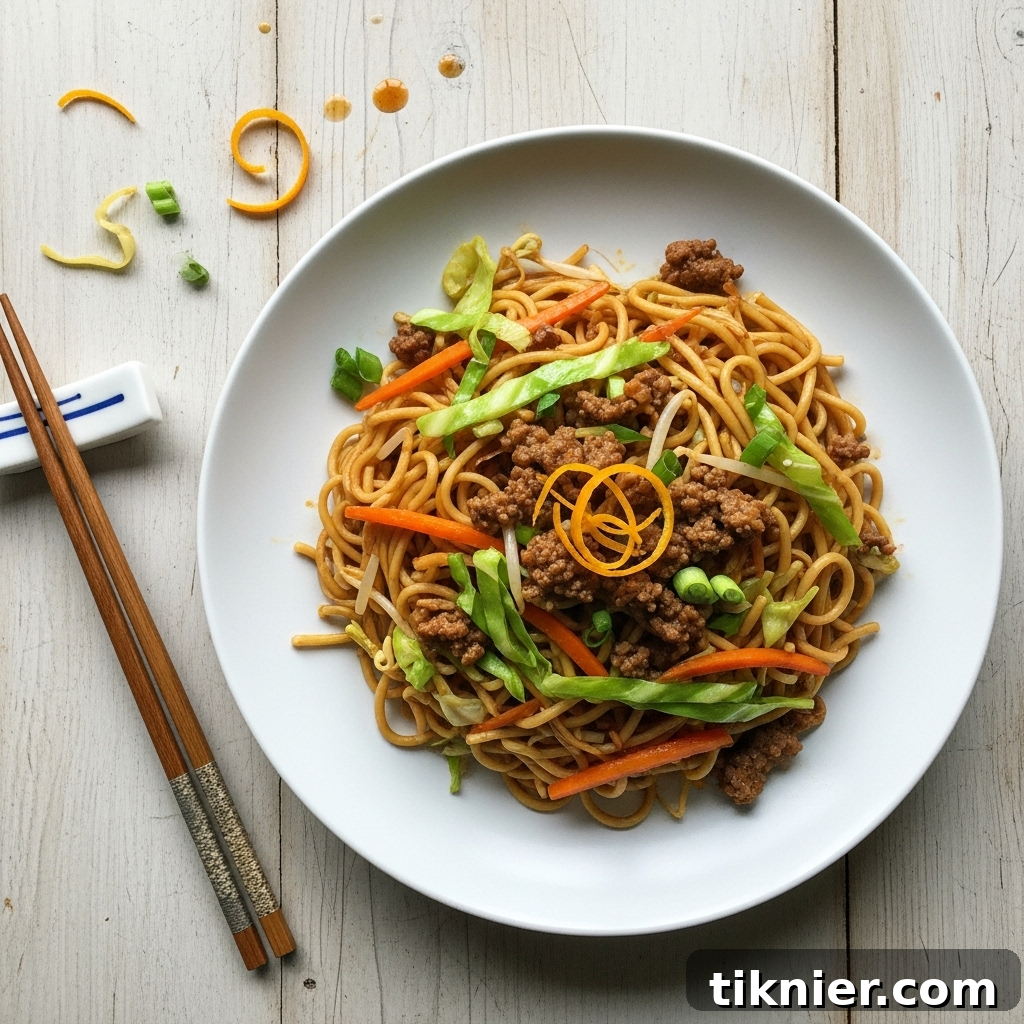
There’s a special kind of magic found in a simple takeout box, especially when it’s brimming with perfectly seasoned noodles. For me, some of the most cherished culinary memories are tied to those Friday nights of my youth, when my dad would arrive home, the car perfumed with the irresistible aroma of Chinese food. My immediate quest was always for the chow mein – those tender, savory noodles coated in a rich, umami-packed sauce. It was, and still is, the epitome of comfort food, a classic that brings immediate warmth and satisfaction with every bite.
While the traditional version held a special place in my heart for many years, a desire for culinary experimentation began to brew. As I delved deeper into the art of home cooking, I found myself wondering: how could I elevate this beloved staple? How could I infuse it with a unique twist, a subtle secret that would make my family pause and exclaim, “Wow, what is that incredible flavor?” This quest led to countless kitchen experiments, tweaking sauce ratios, balancing sweet and savory notes, and searching for that elusive ingredient that would truly make my version of Ground Beef Chow Mein unforgettable.
The breakthrough came quite unexpectedly one afternoon. I was zesting an orange for a completely different recipe, and the vibrant, citrusy aroma filled my kitchen, instantly sparking an idea. A lightbulb went off – what if a touch of this bright freshness could cut through the richness of a hearty chow mein? I quickly jotted down the thought, eager to test it. The next time I prepared chow mein, I added a tiny amount of fresh orange zest to the sauce. The result was nothing short of miraculous. It didn’t make the dish taste like oranges, but instead, it introduced an incredible brightness and subtle depth, a delicate complexity that beautifully complemented the savory beef and rich sauce. It was the “pop” I had been searching for, a refreshing counterpoint that transformed a familiar classic into something truly extraordinary. That pinch of orange zest has been my signature secret ingredient ever since, turning a simple weeknight meal into a dish that consistently garners rave reviews.
Skip to My Special Recipe!
Why This Ground Beef Chow Mein Recipe Works: A Deep Dive into Flavor & Comfort
Chow mein has earned its place as a global culinary favorite, and for good reason. Originating from Chinese cuisine, this stir-fried noodle dish offers a perfect blend of textures and tastes, making it incredibly versatile and deeply satisfying. It represents the ultimate fusion of comfort and convenience, ideal for those busy weeknights when you crave something special but lack hours to spend in the kitchen. The inherent appeal of chow mein lies in its harmonious combination of tender noodles, crisp-tender vegetables, and a rich, savory sauce – a formula that consistently delivers a delicious and quick meal experience that satisfies both the stomach and the soul.
Our particular recipe takes this classic and enhances it with the accessible and ever-popular ground beef. Choosing ground beef isn’t just a matter of convenience; it’s a smart culinary decision that significantly contributes to the dish’s success. It’s incredibly budget-friendly, cooks up in mere minutes, and acts like a flavor sponge, eagerly soaking up every delicious nuance of the savory sauce. This provides a wonderful, hearty depth without the need for extensive marinating or tedious slicing of tougher meat cuts. The robust presence of the beef transforms this humble noodle dish into a complete, incredibly satisfying meal that stands proudly on its own, providing ample protein and flavor in every mouthful.
But the true magic, the distinctive element that elevates this Ground Beef Chow Mein recipe beyond typical takeout, is our secret twist: a delicate pinch of fresh orange zest. This seemingly simple addition has an enormous impact on the overall flavor profile. The vibrant, aromatic oils contained within the orange zest introduce a subtle but profound layer of complexity. They provide a bright, almost ethereal freshness that beautifully cuts through the richer, more umami-laden notes of the soy and oyster sauces. This isn’t about making the dish taste overtly “orange-y”; rather, it’s about introducing a nuanced brightness and a hint of fragrant depth that lifts the entire composition. You might not immediately pinpoint the orange, but you’ll certainly notice an extraordinary freshness and an enhanced, inexplicable deliciousness that makes this homemade chow mein truly stand out. It’s that small, thoughtful detail that transforms a simple comfort food into a memorable, restaurant-quality meal you’ll be eager to share and proud to serve.
Essential Ingredients for Your Perfect Ground Beef Chow Mein
The beauty of this Ground Beef Chow Mein recipe lies in its accessibility, relying on a straightforward list of ingredients that are likely already staples in your pantry or easily found at any local grocery store. While the components are simple, the key to unlocking truly exceptional flavor lies in prioritizing freshness, especially for our aromatic elements and, of course, our signature secret ingredient. Don’t underestimate the power of high-quality, fresh produce to elevate every aspect of this dish. Here’s a comprehensive breakdown of everything you’ll need to create this incredible homemade chow mein:
- Noodles: 12 oz chow mein noodles or egg noodles (fresh or dried)
- Protein: 1 lb lean ground beef
- Cooking Oil: 1 tbsp vegetable oil (or canola oil, for high-heat cooking)
- Aromatics:
- 2 cloves garlic, freshly minced
- 1 tsp fresh ginger, finely grated
- Vegetables:
- 1/2 large onion, thinly sliced
- 1 medium carrot, julienned (or thinly sliced into matchsticks)
- 3 cups green cabbage, finely shredded
- 1 cup fresh bean sprouts
- 3 green onions (scallions), sliced, with whites and greens separated
- For the Irresistible Sauce:
- 3 tbsp soy sauce (low-sodium recommended)
- 2 tbsp oyster sauce (adds rich umami and a hint of sweetness)
- 1 tbsp hoisin sauce (contributes depth and a savory-sweet flavor)
- 1 tbsp rice vinegar (for a touch of acidity to balance richness)
- 1 tsp sesame oil (for its distinct nutty aroma)
- 2 tsp brown sugar (to enhance sweetness and aid caramelization)
- 1 tsp fresh orange zest (our game-changing secret twist!)
- 1/4 tsp white pepper (offers a milder, more complex heat than black pepper)
- 1/2 cup beef or chicken broth (provides liquid and builds flavor)
- 1 tbsp cornstarch (the essential thickening agent for a glossy sauce)
A few crucial notes on ingredient selection and preparation: For the aromatics, please, please opt for fresh ginger and garlic. The difference in flavor between fresh and powdered versions is monumental; fresh provides a vibrant, pungent kick that powdered simply cannot replicate. When selecting soy sauce, invest in a good quality, naturally brewed brand – it will deliver a much richer, more nuanced, and less salty flavor profile. And for our star ingredient, the orange zest, always use a fresh, unwaxed orange. Grate only the bright orange outer layer, carefully avoiding the bitter white pith underneath. This tiny detail is paramount, as the pith can introduce an undesirable bitterness that would detract from the dish’s delicate balance. Properly zesting ensures you capture only the bright, aromatic oils, which truly make all the difference in the final, extraordinary flavor of this chow mein.
Step-by-Step Instructions: Crafting Your Signature Ground Beef Chow Mein
This Ground Beef Chow Mein recipe is designed for speed and efficiency, meaning the cooking process itself is incredibly quick. The absolute key to success in any stir-fry, and especially this one, is diligent “mise en place” – having all your ingredients prepped, measured, and laid out within arm’s reach before you even think about turning on the stove. This proactive approach ensures a smooth, stress-free cooking experience, allowing you to move seamlessly from one step to the next without panic. Start by chopping all your vegetables, mincing your garlic and ginger, and measuring out all your sauce components. I highly recommend using a large wok for this dish; its high, sloped sides are perfect for tossing and stir-frying ingredients evenly. However, a large, deep skillet or a Dutch oven will also work wonderfully if you don’t have a wok.
Step 1: Perfectly Cook Your Noodles and Prepare the Flavorful Sauce
Begin by getting your noodles ready. Bring a large pot of lightly salted water to a rolling boil. Add your chow mein or egg noodles and cook them strictly according to the package directions. These types of noodles typically cook very quickly, so keep a close eye on them; you want them to be just tender, retaining a slight chewiness, not mushy. As soon as they are cooked, drain them immediately in a colander and rinse thoroughly with cold water. This crucial step stops the cooking process and prevents the noodles from sticking together, ensuring they remain separate and perfectly textured for the stir-fry. While your noodles are cooking, turn your attention to the sauce. In a small bowl, combine all the sauce ingredients – soy sauce, oyster sauce, hoisin sauce, rice vinegar, sesame oil, brown sugar, white pepper, beef or chicken broth, cornstarch, and, most importantly, our secret fresh orange zest. Whisk vigorously until the cornstarch and brown sugar are completely dissolved and the mixture is smooth. Set this bowl aside, ready for action.
Step 2: Brown the Beef and Unleash the Aromatics
Place your wok or large skillet over medium-high heat and add the vegetable oil. Once the oil is shimmering and hot, add the ground beef. Use a wooden spoon or spatula to break the beef apart into small, uniform crumbles as it cooks. Stir-fry until it’s beautifully browned all over, signaling that maximum flavor has been developed. This browning step is essential for creating a rich base. Once the beef is thoroughly cooked, carefully drain off any excess grease from the pan. This prevents the dish from becoming oily. Now, it’s time to infuse the dish with our vibrant aromatics. Add the minced garlic, grated ginger, and only the white parts of your sliced green onions to the pan. Stir-fry constantly for about one minute, until you can smell their incredible, fragrant aroma filling your kitchen. This is the critical step where the foundational layers of flavor for your chow mein are built.
Step 3: Stir-fry the Vegetables and Integrate the Thickening Sauce
Next, introduce the more robust vegetables to the skillet. Add the thinly sliced onion and julienned carrot to the browned beef and aromatics. Continue to stir-fry for two to three minutes, allowing them to soften slightly while still retaining a pleasant, crisp-tender bite. Follow with the shredded green cabbage, stirring it in and cooking for another couple of minutes until it just begins to wilt and turn vibrant green. Now for the star of the show: the glorious sauce you prepared earlier. Give it one last quick whisk to ensure the cornstarch hasn’t settled, then pour it evenly over the beef and vegetables. Stir everything diligently to combine, ensuring all ingredients are beautifully coated. Let the sauce simmer for about one minute, continuously stirring. You’ll notice it beginning to bubble and thicken up beautifully, transforming into a glossy, irresistible coating, thanks to the activated cornstarch.
Step 4: Bring It All Together and Serve Immediately
The final, exciting step is to unite all the components into a cohesive, mouth-watering dish. Add your cooked and thoroughly drained noodles, along with the fresh bean sprouts, directly into the skillet with the beef, vegetables, and thickened sauce. Using a pair of tongs, gently but thoroughly toss everything together. The goal is to ensure every strand of noodle and every piece of vegetable is perfectly coated in that rich, glossy, orange-zest-infused sauce. Continue to cook for just another minute or two, stirring constantly, until everything is heated through and the bean sprouts are warmed but still delightfully crisp-tender. Be careful not to overcook the bean sprouts, as they can quickly become mushy. Turn off the heat and, for a final burst of fresh color and mild oniony flavor, stir in the green parts of your sliced green onions. Your exquisite Ground Beef Chow Mein is now ready! Serve it up hot, immediately, and prepare for delighted smiles!
Serving Your Ground Beef Chow Mein: Presentation & Pairing Ideas
Once your magnificent skillet of Ground Beef Chow Mein is hot and ready, the delightful part of bringing it to the table begins. This dish is inherently a complete meal, boasting a perfect balance of savory protein, energizing carbohydrates from the noodles, and an abundance of fresh, crisp-tender vegetables. It’s so robust and satisfying that it truly needs little else to complete a meal. My preferred way to serve it is family-style, directly from the wok or a large, inviting platter placed prominently in the center of the table. This communal presentation style fosters a warm, inviting atmosphere, encouraging everyone to dig in and share the delicious experience. Provide individual bowls along with chopsticks or forks, allowing everyone to help themselves to generous portions.
To elevate the dining experience and add an extra layer of visual appeal, texture, and flavor, garnishes are your best friend. They can transform a simple meal into something truly special and restaurant-worthy. Here are a few of my favorite ways to finish off your homemade chow mein:
- A Sprinkle of Toasted Sesame Seeds: A light scattering of toasted sesame seeds adds a lovely nutty aroma and a delicate crunch, enhancing the overall texture.
- Extra Fresh Green Onions: You can never have too many! A final generous sprinkle of freshly sliced green onions (the green parts) adds a vibrant splash of color and a bright, sharp, oniony bite that complements the richness of the dish.
- A Drizzle of Chili Oil: For those who appreciate a touch of heat, a light drizzle of homemade or store-bought chili oil, or a dash of sriracha, adds a welcome spicy kick and a beautiful sheen.
- Crispy Fried Wonton Strips: For an exceptional textural contrast, crush and scatter some crispy fried wonton strips over the top just before serving. Their satisfying crunch pairs wonderfully with the soft noodles and tender beef.
- Fresh Cilantro: A scattering of fresh cilantro leaves can add a burst of herbaceous freshness and vibrant color for those who enjoy its flavor.
While this Ground Beef Chow Mein undoubtedly shines as a standalone star, it can also be part of a larger, more elaborate spread. Consider serving it alongside a few light and fresh appetizers to create a truly authentic, restaurant-style dining experience at home. Wonderful accompaniments include steamed edamame pods, a simple and refreshing cucumber salad with a sesame dressing, or classic pork and ginger potstickers. These pairings offer a diverse range of flavors and textures, ensuring a memorable meal for your family and guests.
Storing & Reusing Leftovers: Keeping Your Chow Mein Delicious
Let’s be honest, one of the unsung joys of preparing a generous batch of Ground Beef Chow Mein is anticipating the delicious leftovers. In my experience, the flavors often deepen and meld even more beautifully overnight, making the second serving potentially even better than the first! To ensure your chow mein remains just as flavorful and appealing the next day, proper storage and reheating techniques are absolutely crucial. The most important rule of thumb is to allow the chow mein to cool down completely to room temperature before you even think about transferring it to a container. Packing it away while still hot can create undesirable condensation, which inevitably leads to soggy noodles and diminished texture.
Once your chow mein has cooled, transfer it into an airtight container. This will effectively seal in its freshness and prevent the noodles and vegetables from drying out in the refrigerator. When stored correctly, your homemade chow mein will maintain its delicious quality for up to four days. While technically you can freeze chow mein, I generally advise against it if texture is a high priority. The delicate nature of the noodles and some of the vegetables can undergo a noticeable change in texture upon thawing, often becoming softer or mushier. For the best culinary experience, aim to enjoy your leftovers within the recommended few days.
When you’re ready to savor your delicious leftovers, you have a couple of excellent options for reheating, each designed to bring your chow mein back to life:
- The Stovetop Method (My Preferred Choice): This method is highly recommended because it has the magical ability to crisp up the noodles slightly, restoring some of their original texture. Heat a large skillet or wok over medium heat. Add a tiny splash of neutral oil (like vegetable or canola) or, for a lighter touch, a tablespoon or two of water or broth. This liquid helps to create a little steam, which is excellent for rehydrating the noodles without adding extra grease. Add your leftover chow mein to the hot pan and stir-fry for several minutes, tossing frequently, until it’s heated all the way through and sizzling.
- The Microwave Method (Quick & Convenient): For those moments when speed is paramount, the microwave is a perfectly acceptable option. Place your chow mein leftovers in a microwave-safe bowl. To prevent the noodles from becoming dry and rubbery, cover the bowl loosely with a damp paper towel. Heat the chow mein in 1-minute increments, pausing to stir in between, until it is thoroughly hot. The damp paper towel creates steam, helping to keep the noodles tender.
Don’t be afraid to get a little creative with your leftovers, either! Sometimes, I enjoy wrapping cold chow mein in crisp lettuce cups for a refreshing and light lunch option. Alternatively, it can make a surprisingly delicious and flavorful filling for savory homemade egg rolls. Repurposing your leftovers in these ways is not only fun but also a fantastic way to ensure nothing goes to waste, making the most of your culinary efforts.
Substitutions & Variations: Customize Your Ground Beef Chow Mein
One of the many reasons I absolutely adore this Ground Beef Chow Mein recipe is its incredible adaptability and inherent flexibility. Consider this recipe not as a rigid set of rules, but as a fantastic, flavorful foundation upon which you can build and customize to your heart’s content. It’s remarkably forgiving, making it almost impossible to mess up, so feel completely free to experiment, swap ingredients, and tailor it to your specific preferences, dietary needs, or whatever ingredients you happen to have on hand. Whether you’re looking to accommodate a particular dietary restriction, utilize seasonal produce, or simply explore new flavor combinations, this recipe provides a perfect canvas for your culinary creativity. I’ve got you covered with a range of simple yet delicious ideas to make this dish truly your own.
Here are some of my favorite and most successful substitutions and variations that work beautifully with this versatile chow mein:
- Protein Power Swaps: Not everyone is a fan of ground beef, and that’s perfectly fine! This recipe is just as delicious and adaptable with a variety of other proteins.
- Ground Meats: Easily substitute with ground chicken, ground turkey, or ground pork for different flavor profiles and leaner options.
- Sliced Meats: For a different texture, use thinly sliced chicken breast, succulent flank steak, or even tender shrimp. Adjust cooking times accordingly; shrimp, for example, cooks very quickly.
- Vegetarian/Vegan Options: For a satisfying plant-based alternative, crumbled firm tofu (pressed and drained well) or a hearty medley of sliced mushrooms (like shiitake, cremini, and oyster mushrooms) would be absolutely fantastic.
- Vegetable Versatility: This is a wonderful opportunity to clean out your refrigerator’s crisper drawer! Feel free to add in or substitute other vegetables based on your preferences or what’s in season.
- Harder Vegetables: Broccoli florets, sliced bell peppers (any color for a vibrant look), snow peas or snap peas, bamboo shoots, or water chestnuts are all excellent additions. Add harder vegetables like broccoli florets in with the carrots and onions to ensure they have enough time to soften.
- Softer Greens: Bok choy (sliced), spinach, or kale can be stirred in at the very end with the cabbage or bean sprouts, as they wilt quickly.
- Make It Gluten-Free: Adapting this dish for a gluten-free diet is surprisingly straightforward.
- Soy Sauce: Simply swap traditional soy sauce for tamari, which is a gluten-free alternative that offers a similar savory flavor.
- Oyster & Hoisin Sauces: Ensure you check the labels for certified gluten-free versions, as many traditional brands contain wheat. Gluten-free alternatives are widely available.
- Noodles: The easiest substitution is to use rice noodles (vermicelli, flat rice noodles) or gluten-free egg noodles in place of traditional chow mein noodles.
- Turn Up the Heat: If you’re a fan of a spicy kick, it’s incredibly easy to dial up the heat in this dish.
- Sauce Additions: Stir in a teaspoon or two of sriracha, chili garlic sauce, or a dash of your favorite hot sauce directly into the sauce mixture.
- Cooking Additions: Toss in some dried red pepper flakes along with the garlic and ginger to infuse the oil with spicy notes from the start.
Beyond these ingredient swaps, don’t forget that you can also playfully experiment with the sauce itself to create even more unique flavor profiles. A spoonful of creamy peanut butter, whisked into the sauce, can introduce a rich, nutty, and slightly thicker element. A splash of pineapple juice, replacing some of the broth, can add a delightful sweet and tangy tropical note. Even a squeeze of fresh lime juice at the end can brighten the dish further. The beauty of cooking lies in exploration and personalization, so have fun with it and make this chow mein truly yours!
Ground Beef Chow Mein with an Orange Zest Twist
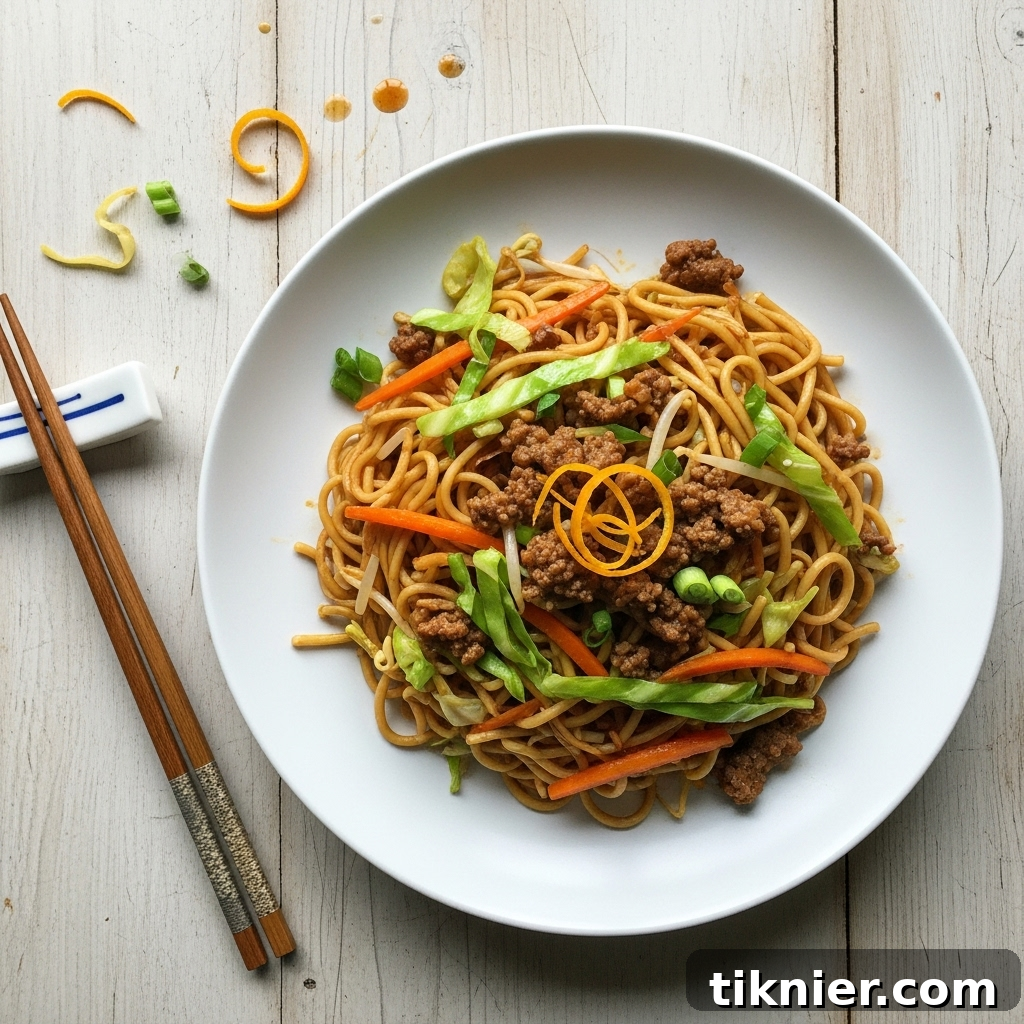
Description: This quick and incredibly delicious weeknight meal features savory, well-seasoned ground beef, crisp-tender fresh vegetables, and perfectly cooked noodles. Everything is tossed in a classic, rich chow mein sauce, secretly elevated with a vibrant, bright twist of fresh orange zest for an unforgettable flavor.
Yield: 4-6 servings | Category: Main Course | Cuisine: American Chinese
Prep Time: 15 minutes | Cook Time: 20 minutes
Ingredients
- 12 oz chow mein noodles or egg noodles
- 1 lb lean ground beef
- 1 tbsp vegetable oil
- 2 cloves garlic, freshly minced
- 1 tsp fresh ginger, finely grated
- 1/2 large onion, thinly sliced
- 1 medium carrot, julienned
- 3 cups green cabbage, finely shredded
- 1 cup fresh bean sprouts
- 3 green onions (scallions), sliced, with whites and greens separated
- For the Signature Sauce:
- 3 tbsp soy sauce (low-sodium recommended)
- 2 tbsp oyster sauce
- 1 tbsp hoisin sauce
- 1 tbsp rice vinegar
- 1 tsp sesame oil
- 2 tsp brown sugar, packed
- 1 tsp fresh orange zest (the secret flavor enhancer!)
- 1/4 tsp white pepper
- 1/2 cup beef or chicken broth
- 1 tbsp cornstarch
Instructions
- Cook Noodles: Bring a large pot of water to a boil. Cook chow mein or egg noodles according to package directions until just tender. Drain thoroughly, rinse with cold water to stop cooking and prevent sticking, then set aside.
- Prepare Sauce: In a small bowl, whisk together all sauce ingredients (soy sauce, oyster sauce, hoisin sauce, rice vinegar, sesame oil, brown sugar, orange zest, white pepper, broth, and cornstarch) until completely smooth and cornstarch is dissolved. Set aside.
- Brown Beef & Aromatics: Heat vegetable oil in a large skillet or wok over medium-high heat. Add ground beef and cook, breaking it apart with a spoon, until thoroughly browned. Carefully drain off any excess grease. Add minced garlic, grated ginger, and the white parts of the green onions to the pan. Stir-fry for 1 minute until fragrant.
- Stir-fry Vegetables: Add sliced onion and julienned carrot to the skillet. Stir-fry for 2-3 minutes until slightly tender-crisp. Stir in the shredded cabbage and cook for another 2-3 minutes until it just begins to wilt.
- Add Sauce: Give the prepared sauce one final quick whisk, then pour it over the beef and vegetables in the skillet. Stir everything to combine thoroughly. Let the sauce simmer for 1 minute, stirring constantly, until it thickens and becomes glossy.
- Combine & Serve: Add the cooked and drained noodles along with the fresh bean sprouts to the skillet. Using tongs, gently but thoroughly toss everything together, ensuring all noodles and vegetables are coated in the delicious sauce. Cook for 1-2 minutes, just until everything is heated through and the bean sprouts are warmed but still crisp. Remove from heat, stir in the green parts of the green onions, and serve your delicious Ground Beef Chow Mein immediately.
Notes
For the most vibrant and authentic flavor, always prioritize using fresh garlic, fresh ginger, and a fresh orange for the zest. The success of this quick stir-fry hinges on proper “mise en place” – ensure all your ingredients are prepped, measured, and ready to go before you even start cooking, as the process moves very quickly!
Servings: 4-6 | Calories: Approximately 550 kcal (per serving, estimated) | Fat: 25g | Carbohydrates: 50g | Protein: 30g
5 FAQs About Ground Beef Chow Mein: Your Questions Answered
Here are clear, comprehensive answers to the most frequently asked questions about this delicious and unique Ground Beef Chow Mein recipe, ensuring you have all the information you need for success.
What is the fundamental difference between chow mein and lo mein?
This is arguably the most common question in the world of Asian noodles, and it highlights a subtle but important distinction in cooking methods. The names themselves offer a clue: “chow mein” translates to “fried noodles,” while “lo mein” means “tossed noodles.” In classic chow mein, the noodles are typically boiled or steamed until al dente, and then they are often stir-fried in the wok until they develop a slightly crispy, charred texture on the outside. This gives chow mein its characteristic “fried” element. Lo mein, conversely, involves fully cooked noodles that are much softer and chewier. These noodles are then simply added to the wok at the very end of the cooking process, where they are gently tossed with the sauce, meat, and vegetables, allowing them to absorb the flavors without developing a crispy exterior. This results in a softer, saucier, and often silkier dish.
Our particular recipe, like many American-style Chinese restaurant versions, offers a delightful hybrid approach. We cook the noodles separately first, ensuring they are tender, but then rather than frying them to a crisp, we add them to the wok to be thoroughly tossed and coated in our rich, glossy sauce. This method allows the noodles to soak up every drop of flavor while maintaining a pleasant, tender chewiness that holds up beautifully in the stir-fry. If you strongly prefer a more traditional, crispier chow mein noodle, you can absolutely pan-fry your cooked noodles in a separate skillet with a little oil until they are golden and slightly crispy before incorporating them into the final dish.
Can I prepare this Ground Beef Chow Mein in advance for meal prep?
Absolutely! This Ground Beef Chow Mein is an excellent candidate for meal prepping, which can be an absolute lifesaver during a busy week. You have a couple of options depending on how much you want to do ahead of time. For maximum freshness and convenience, you can prep all the individual components in advance, making assembly incredibly quick. Chop all your vegetables (onions, carrots, cabbage, green onions), mince your garlic and ginger, and store them separately in airtight containers in the refrigerator. You can also mix all the sauce ingredients together in a sealed jar. The ground beef can even be browned ahead of time and stored. When dinnertime rolls around, all you need to do is quickly cook the noodles and then combine everything in the wok for a stir-fry that will take less than 15 minutes.
If you prefer to make the entire dish ahead of time, that’s also perfectly fine. As detailed in the storage section, cooked chow mein stores wonderfully in an airtight container in the refrigerator for up to four days. The key to enjoying pre-made chow mein is to reheat it properly on the stovetop. This method is superior to the microwave for leftovers, as it helps to revive the texture of the noodles and vegetables, preventing sogginess and ensuring a more enjoyable meal. While nothing quite beats chow mein fresh off the wok, having a container of this delicious dish ready to go for a quick, satisfying lunch or dinner is a fantastic and highly recommended option for efficient meal planning.
What types of noodles are most suitable for Ground Beef Chow Mein?
When it comes to selecting the perfect noodles for this Ground Beef Chow Mein recipe, you have several excellent options, each contributing slightly different textures and characteristics to the dish. Traditionally, authentic chow mein is crafted using thin, round egg noodles, which are typically made from wheat flour and egg. These noodles are known for their delightful springy texture and ability to hold up exceptionally well to the vigorous stir-frying process. You can often find these specifically labeled as “chow mein noodles” or “stir-fry noodles” in either the refrigerated section (fresh) or the international aisle (dried) of most well-stocked supermarkets.
If dedicated chow mein noodles are unavailable, don’t fret; several other varieties work wonderfully. Standard dried egg noodles, similar to those used in chicken noodle soup, are an excellent and readily available substitute. In a pinch, even common pasta like spaghetti or linguine can be used, although the texture will be slightly different – a bit firmer and less springy than traditional Chinese noodles. For those adhering to a gluten-free diet, as mentioned earlier, rice noodles are a superb choice. Options like thin vermicelli rice noodles or wider flat rice noodles both absorb flavor beautifully and offer a delightful gluten-free alternative. Regardless of your choice, it is absolutely essential to follow the specific package instructions for cooking your chosen noodles, as cooking times can vary significantly between different types and brands to achieve that perfect al dente texture.
Is this Ground Beef Chow Mein recipe considered a healthy meal?
I would confidently categorize this Ground Beef Chow Mein as a well-balanced, wholesome, and nutritious homemade meal. It offers an excellent distribution of essential macronutrients and vitamins. You’re getting a significant amount of high-quality protein from the ground beef, which is crucial for muscle repair and satiety. The noodles provide complex carbohydrates, offering a sustained energy release. Furthermore, the generous inclusion of fresh vegetables like cabbage, carrots, onions, and bean sprouts contributes a wealth of vitamins, minerals, and dietary fiber, supporting digestive health and overall well-being. A major advantage of preparing this dish at home is the complete control you have over all the ingredients. This allows you to tailor it to your specific dietary preferences and health goals, a luxury not afforded by most takeout options.
To make this chow mein even healthier and more aligned with specific dietary needs, several simple adjustments can be made. Opt for lean ground beef, or consider swapping it out for extra-lean ground turkey or chicken to significantly reduce the fat content. You can also increase the vegetable-to-noodle ratio; loading up the dish with extra shredded cabbage, bell peppers, broccoli florets, and an abundance of bean sprouts is a fantastic way to boost fiber and micronutrients without adding a lot of calories. Using low-sodium soy sauce is a great way to manage sodium intake, and controlling the amount of added sugar and oil means you’re making a conscious choice for a healthier meal. This thoughtful approach ensures you’re serving a satisfying and truly nutritious homemade meal that your entire family can feel great about enjoying.
Why might my chow mein sauce turn out watery, and how can I fix it?
If you find that your Ground Beef Chow Mein sauce is disappointingly thin or watery, the issue almost invariably lies with the cornstarch slurry, which is the key thickening agent. There are primarily two common reasons why this might occur. The first reason is that the sauce may not have been cooked for a sufficient amount of time. Cornstarch requires adequate heat and needs to come to a gentle simmer to effectively activate its thickening properties. When you pour the prepared sauce mixture into the hot wok with the beef and vegetables, it’s crucial to let it bubble for at least a full minute, stirring continuously. You should observe a visible transformation as the sauce begins to thicken and develop a beautiful, glossy sheen. Rushing or skipping this critical simmering step will prevent the cornstarch from doing its job.
The second primary reason for a watery sauce could be an incorrect ratio of cornstarch to liquid within the slurry itself. It’s important to measure your one tablespoon of cornstarch and one-half cup of broth (or water, if using) accurately. Furthermore, proper technique dictates that you must completely dissolve the cornstarch in a cold or room-temperature liquid (like broth or water) *before* adding it to the hot sauce ingredients and then into the hot wok. If cornstarch is added directly to a hot liquid without being fully dissolved first, it will instantly clump up into small, ineffective balls, and the sauce will fail to thicken properly. If, after simmering, your sauce is still too thin for your liking, don’t despair! You can easily remedy this by creating a secondary, small slurry: whisk together one extra teaspoon of cornstarch with one tablespoon of cold water in a separate small bowl, then gradually stir this mixture into your simmering chow mein. Continue to simmer and stir for another minute or so until you achieve your desired, perfectly glossy, and thickened sauce consistency.
Explore More Delicious Recipes Next!
If you absolutely loved the speed, ease, and incredible flavor of this homemade Ground Beef Chow Mein, then you’re definitely going to want to expand your culinary repertoire with some of my other highly-rated ground beef and noodle-based recipes. These are tried-and-true favorites that promise equally satisfying and delicious results for your weekly meal planning.
- Easy Ground Beef Recipes: This collection is a treasure trove of my go-to, fuss-free recipes, perfect for those moments when you have a pound of ground beef and are searching for quick dinner inspiration that delivers on flavor and simplicity.
- Stir Fry Vegetable Lo Mein: For all the noodle enthusiasts out there, this vegetable-packed lo mein is an absolute must-try. It’s a vibrant, hearty, and incredibly flavorful option, making it perfect for a Meatless Monday or as a superb side dish to accompany your favorite Asian-inspired main.
- The Perfect Ground Beef Casserole: When the weather turns chilly or you’re simply craving the ultimate in comforting, hearty food, this rich and cheesy ground beef casserole is precisely what you need. It’s a guaranteed family favorite that brings warmth and satisfaction to any dinner table.
I genuinely hope these additional recipes provide you with even more delicious ideas and inspiration for your upcoming meal plans, helping you create memorable and flavorful dishes in your own kitchen!